
Reviewed · PASHUPATINATH TEMPLE
Kathmandu: Pashupatinath Temple Evening Aarati Tour
This evening tour is interesting because you get to watch the Pashupati Bagmati Aarati unfold right beside the Bagmati River, in the spiritual center of Pashupatinath. I especially like the 6 pm start time that lines up with the main ritual, and I like having an English-speaking guide who can translate what you are seeing. One consideration: this area can get crowded, especially around big Hindu holidays, so bring patience (and practical shoes).
You’ll be picked up in central Kathmandu, ride to the temple in a private vehicle, and get a guided look that turns the ceremony into something you actually understand. The goal is simple: help you follow the lamps, chants, and river symbolism without needing prior background.
If you are the kind of traveler who likes meaning, not just photos, you will probably enjoy the pacing. You’ll also get clear help navigating the site so you can focus on the ritual at the water’s edge.
Key Highlights I Think You’ll Notice Fast
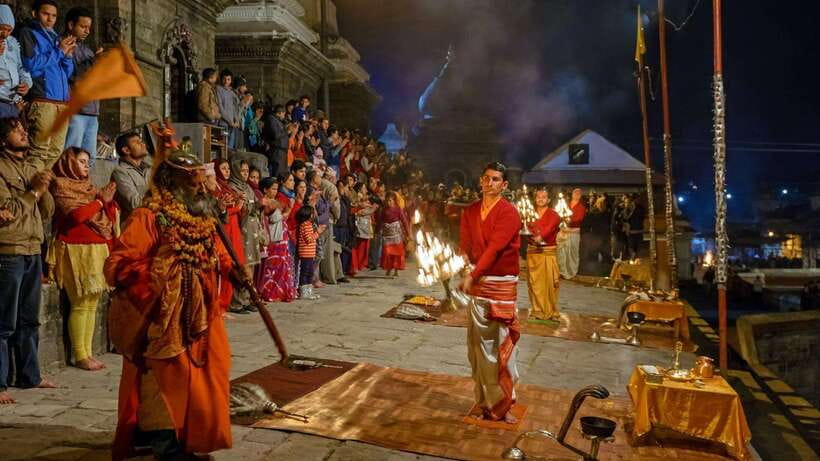
- Riverside Aarati at 6 pm at Pashupatinath, with the ceremony happening beside the Bagmati River
- English-speaking guide who can explain what the rituals mean, including context you might otherwise miss
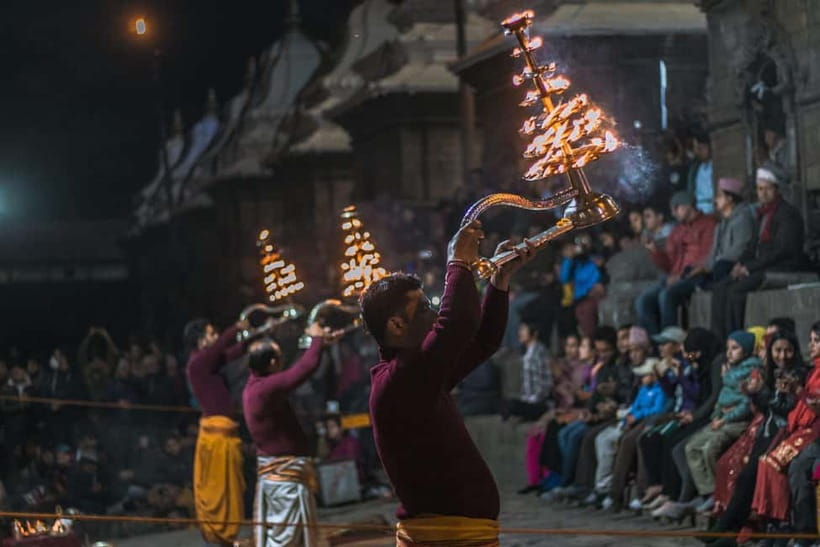
- Priests’ oil lamps and circular motions, plus the sound of bhajans during the service
- Tandav and other Shiva-related devotional elements that add depth to the evening
- Skip-the-line support, plus a private vehicle so the evening stays smooth
- Entrance fee not included (plan on 1000 rupees per person on site)
Pashupatinath at Dusk and the 6 pm Bagmati Aarati
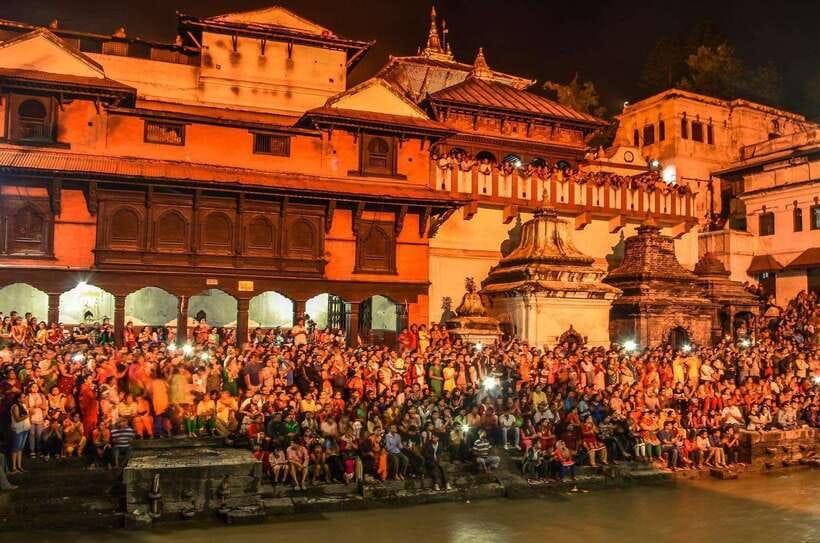
Pashupatinath is one of those places where the setting matters as much as the ceremony. This tour is built around the evening Pashupati Bagmati Aarati, a ritual carried out by priests beside the Bagmati River. The timing is key because the ceremony follows a regular schedule, and the tour is set to meet the main moment of the prayer.
What you will experience is devotional action made visible. Priests perform worship with oil lamps and chanting, and the lamps move in circular motions as part of the ritual symbolism. Bhajans, which are religious songs sung by devotees, add another layer because you are not just watching a performance. You are witnessing collective prayer in real time.
I also like that the tour frames the river as more than scenery. The Bagmati River is tied to deep Hindu beliefs, including the idea that bathing in it can wash away sins. Even if you do not follow Hinduism, that belief helps you understand why people come, why the atmosphere gets intense, and why the ceremony feels so serious to everyone around you.
More at Pashupatinath:
- Kathmandu Spiritual Sites: Bodhnath & Pashupatinath Tour
★ 5.0 · 185 reviews - Kathmandu: Pashupatinath Temple Evening Aarati Tour
★ 5.0 · 36 reviews - Kathmandu: Pashupatinath Temple Aarti Night Tour
★ 4.8 · 29 reviews
Hotel Pickup From Thamel or Boudha, and How the 3 Hour Flow Fits
This is a 3 hour experience, and that length is practical. You get enough time to reach the temple area, get guided context, and still be present for the Aarati without rushing through it. It also helps you avoid the trap of trying to see Pashupatinath at multiple times of day when your schedule gets tight.
Pickup options are Thamel and Boudha, and you return to those areas after the tour. You ride in a private vehicle, which matters here because traffic and crowding can make simple “public transit” plans slow. A private guide also changes the feel of the evening, since you are not standing around wondering what you are looking at.
One more logistics note to keep you sane: the guide language is English. That may sound standard, but it is a big deal for this kind of ritual, where meaning is everything. If you speak any English at all, you will likely pick up clear explanations as the evening unfolds.
Also plan your evening around the start time. The Aarati itself starts every evening at 6 pm, so you want to be in place, not stuck in a late departure spiral.
From the Temple Entrance to the Waiting Moments Before the Lamps
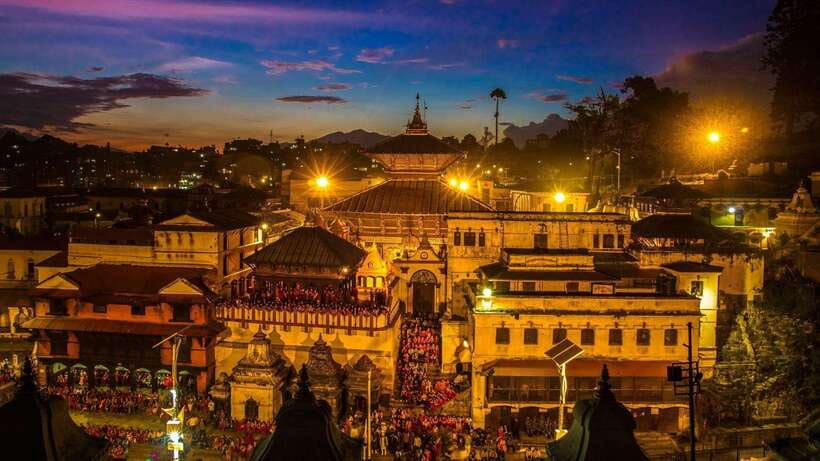
When you arrive at Pashupatinath, you are not dropped off and left alone. You get a guided visit and sightseeing so you can orient quickly. Even a short guided walk can make a huge difference because the site is active and symbolic, not just scenic.
What I would focus on before the ceremony is how the space works. The tour gives you a structured way to move through the temple area while you learn what different parts represent. That matters because the most important piece of the evening is the riverside ritual, and you will want to understand how you are getting close to it and why.
This is also a time when your guide may share context tied to the river and temple complex. One strong point from an earlier experience: the guide explained the religious significance behind the cremation process connected to the area. If you are curious, this kind of context helps you avoid treating everything as random spectacle.
No need to force reverence. You just need context. With that, you can watch the ceremony more carefully and understand what people are trying to communicate.
Watching the Priests Perform Pashupati Bagmati Aarati by the Bagmati River
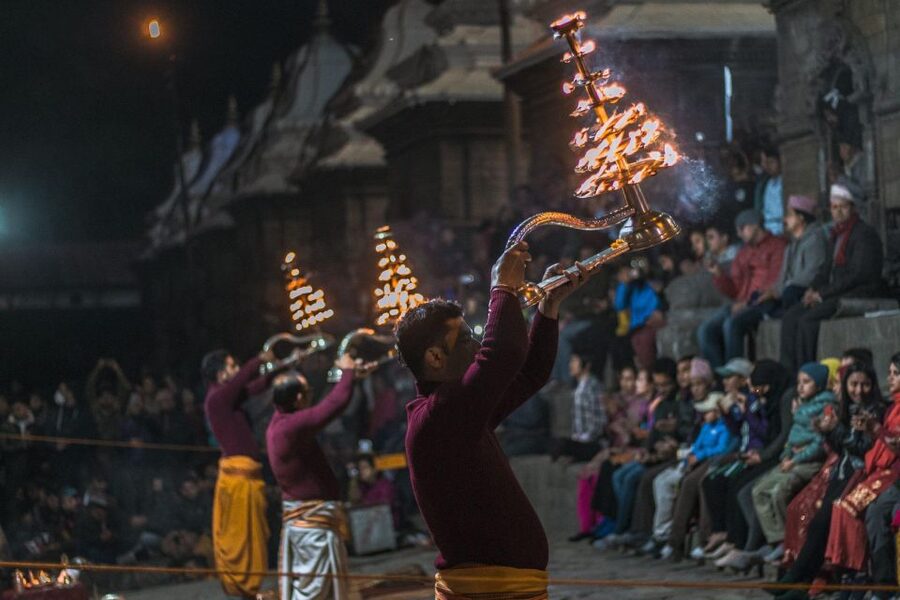
The main event is the Pashupati Bagmati Aarati, held on the side of the Bagmati River. This is not a ritual performed at a distance where you only see fragments. The ceremony is meant to be watched closely, and the river setting is part of the meaning.
Here is what you should expect during the Aarati:
- Priests perform worship using oil lamps.
- They chant sacred words as part of the ritual.
- The lamps are moved in circular motions, symbolizing devotion.
- Bhajans rise in the background as devotees sing.
You may notice how the soundscape changes as the ceremony builds. That is one reason the English guidance matters, because the guide can explain what to listen for and what the gestures represent.
This ritual also has a timeline. The tradition began in 2000 and became a regular tradition in 2006, and it draws large crowds each year. That detail matters because it helps you understand that this is not a one-off event. It is a recurring community action that has become woven into the rhythm of the temple.
If you are wondering about the spiritual “why,” the tour frames Aarati as a significant form of prayer in Hinduism, described as the highest form of prayer. Whether you share the belief or not, it helps you understand why people stand still, why they sing, and why the ceremony feels like the center of the evening.
More to compare around Kathmandu
- Kathmandu: 7 UNESCO Sites with Lunch
★ 4.8 · 744 reviews - Everest Base Camp Helicopter Tour landing at Everest View Hotel
★ 5.0 · 668 reviews - Kathmandu: Local Women-Led Nepali Cooking & Momo Class
★ 4.9 · 360 reviews - Manaslu Circuit Trek
★ 5.0 · 292 reviews
Tandav, Bhajans, and How the Tour Connects Symbols to Belief
A good ritual is more than movements. It is communication. This tour includes context for a few elements that help the evening make sense.
One is Tandav, a divine dance performed as homage to Lord Shiva. The tour also explains that the Aarati reflects beliefs about God being present in all living beings and focuses on collective well-being. That idea is important because it turns what might look like a set of gestures into a shared request for health, peace, and harmony.
Bhajans are the other major element. They are not just background music. In this setting, they become part of the prayer process, and they help create a calm mood even when the crowd is large. If you are sensitive to sound, this is one of the best parts to pay attention to, because it anchors you in the present moment.
Your guide should also wrap up the ceremony with the meaning of the ending prayers. The ritual ends with prayers for the wellness of souls and gratitude toward God’s kindness. Even if your religion background is different, that ending structure is something you can recognize, and it helps you feel the closure of the service rather than watching a beginning without an end.
Crowds, Holidays, and Practical Tips for a Good View
Pashupatinath is busy. The evening Aarati can draw thousands of people, and the site tends to be especially crowded around holidays and observances. The information you are given points to higher attendance on Mondays and during festivals like Maha Shivaratri and Haritalika Teej.
So what do you do with that? You plan for reality:
- Give yourself mental room for slow movement in dense areas.
- Wear comfortable, grippy footwear because stone walkways can be slick.
- Keep your expectations grounded. You are there to experience ritual, not to get a perfect unobstructed photo from minute one.
One more practical advantage you get is that you have a private guide who can help you navigate the flow. In earlier experiences, a guide named Razz stood out for getting people through crowds and explaining what was happening as you moved. That kind of guidance is exactly what keeps a busy evening from turning stressful.
Also remember that timing is part of the experience. The ceremony is scheduled for 6 pm, so your best “view” is often the view you earn by being there on time, not the view you hope for later.
Price and Value: What $35 Covers (Plus the 1000 Rupee Entrance Fee)
Let’s talk value in a straight way. The tour price is $35 per person, and that covers hotel pickup and drop-off, a private vehicle, and a private guide. For Kathmandu, where traffic and crowding can chew up time, those inclusions matter more than they might on paper.
The big thing not included is the entrance fee: 1000 rupees per person. So you should budget for that extra payment on site. The good news is that the tour includes support to skip the ticket line, which helps you protect time for the ritual itself.
Where I think the $35 makes the most sense is if you want meaning quickly. If you went solo, you could technically find the Aarati crowd and watch from wherever you end up. But you might miss the “why” behind the oil lamp motions, the role of bhajans, and the river symbolism. With a guide, you get explanations in English, plus help staying on schedule.
Also, the tour is short at 3 hours, so you are not paying for a long day you might not want. If you are trying to see Kathmandu in a few focused blocks, this is a tidy way to add a deeply spiritual evening without turning it into an all-night mission.
Who This Tour Suits Best, and Who Should Think Twice
This tour is a strong match if you want:
- A guided explanation of Hindu rituals in English
- An evening plan that centers on one major event, the Aarati
- Hotel-based pickup and a smoother schedule through traffic and crowds
It also fits well if you are curious but worried about getting lost. A private guide helps you keep your bearings fast and reduces the chance that you spend your time just trying to locate the right river edge.
You might want to think twice if you dislike crowds or do not handle busy religious sites well. This ceremony draws large attendance, and the busiest periods include Mondays and major festivals. If you prefer quiet, this may not be your first choice for an evening.
What You’ll Walk Away With Beyond the Ceremony
The best souvenirs here are mental, not material. After the Aarati, you are likely to remember the sound of bhajans, the sight of oil lamps moving in circular motions, and the sense that the Bagmati River is part of belief, not just scenery.
You will also walk away with explanations you can reuse. If the guide shares context about the cremation process and the river’s role, that can help you understand why this place is emotionally intense for many people. Even if you cannot agree with the beliefs, you can understand them, and that is a big part of meaningful travel.
Finally, you leave with a sense of how devotion works as a community practice. The ritual is collective, and the prayer language points toward collective well-being. It is easier to respect a tradition when you understand what it is trying to do.
Should You Book the Kathmandu Pashupatinath Evening Aarati Tour?
If you want one focused, guided evening in Kathmandu that centers on a major Hindu ritual at 6 pm, I think this is worth booking. The mix of private pickup, English guide support, and skip-the-line help is designed to keep the evening from turning into logistics. The entrance fee is extra, but the time you save is part of the value.
Book it if you like understanding what you see. Book it if you want your guide to make sense of symbols like oil lamps, bhajans, and Tandav. Skip it if you want a quiet, low-crowd experience or if you hate any kind of crowd maneuvering.
If you are deciding between doing this on your own versus with a guide, my vote goes to the guided format for this specific ceremony. The ritual is visually powerful, but it is even more powerful once you know what the gestures and chants are communicating.
FAQ
What time does the Pashupati Bagmati Aarati start?
The Aarati starts every evening at 6 pm.
How long is the tour?
The tour lasts about 3 hours.
Where do pickup and drop-off happen?
Pickup and drop-off are available in Kathmandu city center areas including Thamel and Boudha.
Is the entrance fee included in the price?
No. The entrance fee is 1000 rupees per person and is not included.
Will I have to wait in a ticket line?
The tour includes skip-the-ticket-line support.
What language is the guide?
The tour includes a live tour guide in English.
What if my plans change?
You can cancel up to 24 hours in advance for a full refund, and you can reserve using pay later options.
Latest Kathmandu write-ups
- 16 Days Island Peak Climbing With Everest Base Camp Private Trip★ 5.0 · 3 reviews
- 15 Days Round Annapurna Trek with Poon Hill from Pokhara★ 5.0 · 5 reviews
- Private Nepal round trip including Ghorepani Poonhill trek★ 5.0 · 3 reviews
- Everest Base Camp Trekking 16 Days★ 4.0 · 7 reviews
- 14 Days Luxury Annapurna Base Camp Trek★ 5.0 · 6 reviews
- Everest Base Camp Trek★ 5.0 · 32 reviews
- Everest Base Camp Trek★ 5.0 · 87 reviews
- 14 Days Everest Base Camp Trek★ 5.0 · 5 reviews
Pashupatinath Temple, compared.
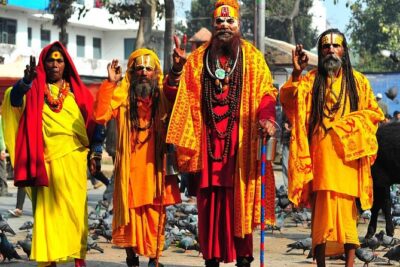
Kathmandu Spiritual Sites: Bodhnath & Pashupatinath Tour
Read our review →
PashupatiNath and BoudhaNath – Private/Small Group
Read our review →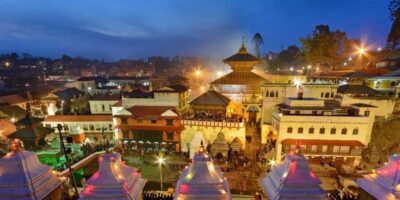
Pashupatinath: Evening tour of temple and Aarati ceremony
Read our review →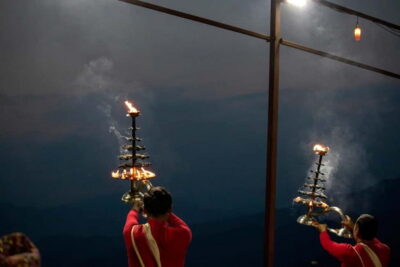
Browse the lists this tour appears in