
Reviewed · PASHUPATINATH TEMPLE
Sacred Kathmandu: Aarati, Cremation Rites & Stupa Serenity
Kathmandu can feel spiritual in a way that is hard to fake. This half-day mix of Boudhanath Stupa devotion and Pashupatinath cremation rites gives you two sides of Nepal’s religious life, close together in the same day.
I especially like the clockwise kora around Boudhanath, because it turns sightseeing into shared ritual. I also love the small, physical things you do there, like spinning prayer wheels and reading what’s written on prayer flags.
One heads-up: Pashupatinath is not a casual photo stop. The cremation ceremonies are solemn and intense, so you’ll want to go in mentally prepared (and it’s not suitable for kids under 12 or people with respiratory issues).
Key points to know before you go
- Boudhanath kora (clockwise) with a guide, so you know what you’re looking at and why people walk the same loop
- Prayer wheels, prayer flags, and monk chants for a calm, hands-on spiritual moment
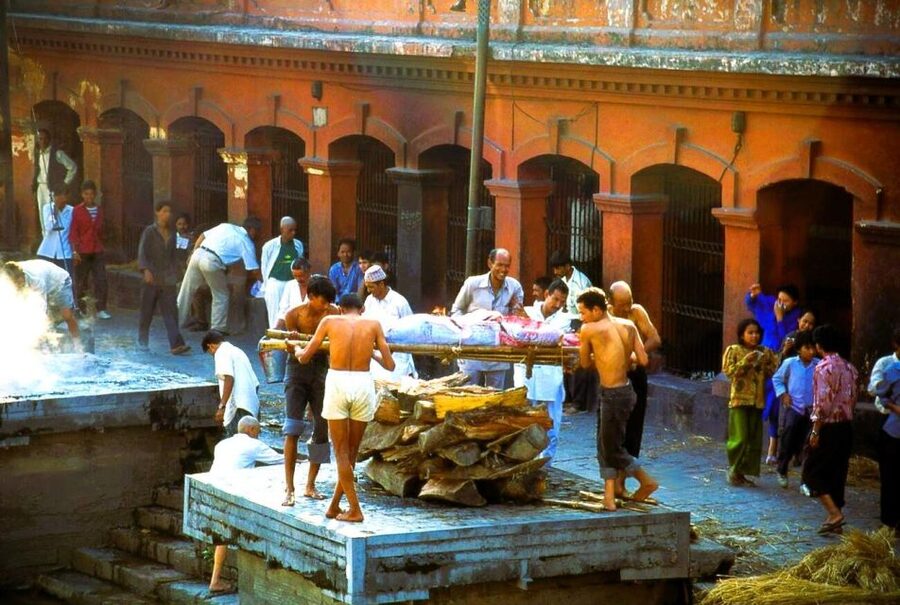
- Pashupatinath cremation rituals on the Bagmati River, moving and deeply traditional
- Time to explore nearby shops and markets around Boudhanath, not just the monuments
- Two trained guides you might get, Karma or Anish, both described as respectful and informative in their way
- Entry fees are extra, so your $45 covers the guiding and logistics, not UNESCO ticket prices
A rare two-temple day in Kathmandu, with real context
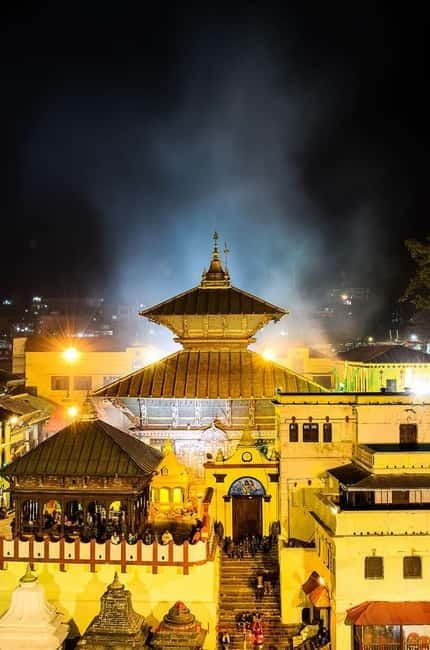
This tour is built around two iconic places that many people visit on their own, but rarely connect in a meaningful way. At Boudhanath, you’re surrounded by Tibetan Buddhist devotion, with pilgrims moving around the stupa in a steady rhythm. At Pashupatinath, you’re watching Hindu ritual unfold at the water’s edge, where cremations happen as part of everyday religious practice.
What makes this format work for you is the pacing. You start with Boudhanath’s calmer atmosphere, where you can look, listen, and join the kora. Then you shift to Pashupatinath, where your guide helps you understand what you’re seeing so it doesn’t just feel like shock value.
More at Pashupatinath:
- Kathmandu Spiritual Sites: Bodhnath & Pashupatinath Tour
★ 5.0 · 185 reviews - Kathmandu: Pashupatinath Temple Evening Aarati Tour
★ 5.0 · 36 reviews - Kathmandu: Pashupatinath Temple Aarti Night Tour
★ 4.8 · 29 reviews
Boudhanath Stupa: kora time, prayer wheels, and that steady calm
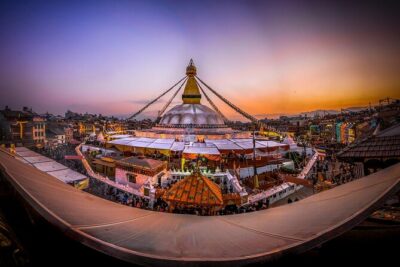
Your day starts at the Boudhanath Stupa area. This is one of the largest stupas in the world and a major center for Tibetan Buddhism in Nepal. The guide has you join the kora, the walking circuit around the stupa, and it’s clockwise. That direction matters. It’s the kind of small detail that turns a walk into participation.
Here’s what you’ll likely notice as you go:
- The stupa’s size makes you slow down without being told to
- Pilgrims move with purpose, not crowds-and-rush energy
- Prayer wheels and painted details create a constant visual layer
You also get time for a walk and photos, plus chances to look around the shops near the stupa. The market area can be busy, and it includes religious goods, souvenirs, and art. One practical tip: if someone offers something for sale, a firm no is usually enough. You don’t need to debate. In one example, a guide handled the “people selling things” moment with patience, which kept the mood respectful.
A few extra moments that can happen here, depending on guide and timing:
- You might catch monk chanting and mantras as you sit or stand quietly
- Some guides add a short meditation break, including a mini singing bowl moment (not guaranteed, but it’s been included with at least one guide)
If you’re the type who likes symbols, Boudhanath rewards that. Prayer flags, prayer wheels, and all the little inscriptions create an environment where you can look and listen for a long time without needing to “do” anything.
What to watch for at Boudhanath
Try not to treat this like a museum. People are here for devotion. Keep your pace calm. It helps to step aside when you want to take a photo, rather than stopping dead in the middle of a pilgrim’s path.
Boudhanath mindfulness: prayer flags, reflection, and monk chants
After the initial kora loop, you get a second chance to settle in. This part is less about movement and more about atmosphere. You can spin more prayer wheels if you didn’t earlier, and you can focus on the prayer flags and what they represent.
This is also where you’ll feel the tour’s value as a guided experience. Without a guide, you can end up looking at the stupa like a landmark. With one, you’re nudged toward questions like: What is a kora for? What do the wheels and flags mean to the people performing them?
You may hear chanting and mantras. Even if you don’t understand the words, the rhythm affects the space. One small “human” touch mentioned in a review: a guide helped with a brief meditation moment, and there was even a short massage included for relaxation. That kind of extra care can make a big difference on a long travel day.
If the monastery areas you expect to see are closed, it can feel like a letdown. That can happen depending on the day and schedule, so keep expectations flexible. You can still get a lot from the stupa itself and the surrounding devotion.
More to compare around Kathmandu
- Kathmandu: 7 UNESCO Sites with Lunch
★ 4.8 · 744 reviews - Everest Base Camp Helicopter Tour landing at Everest View Hotel
★ 5.0 · 668 reviews - Kathmandu: Local Women-Led Nepali Cooking & Momo Class
★ 4.9 · 360 reviews - Manaslu Circuit Trek
★ 5.0 · 292 reviews
Transitioning to Pashupatinath: the mood shifts fast
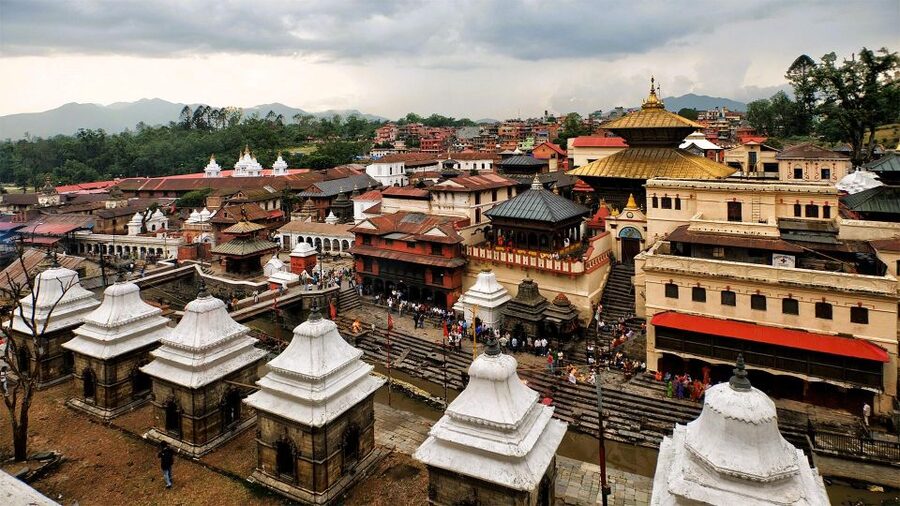
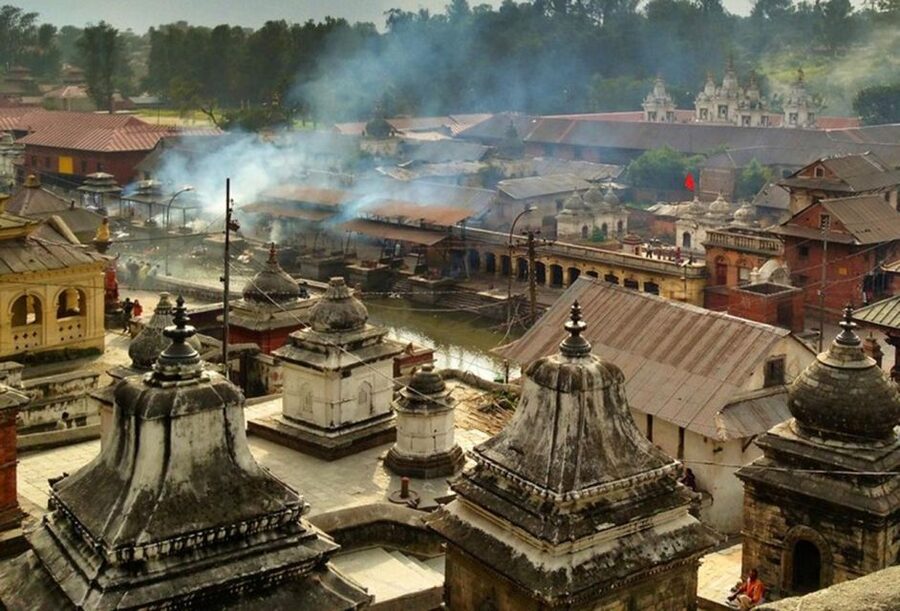
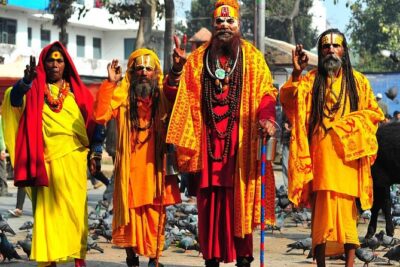
Then you head to Pashupatinath Temple on the Bagmati River. This is a UNESCO World Heritage site, and it’s one of the most sacred Hindu temple complexes in Nepal. It’s dedicated to Lord Shiva in his form as Pashupati, protector of animals.
This part of the experience is not about serenity. It’s about sacred process. Cremations take place along the riverbanks, and that means you’ll see solemn rituals that are part of daily religious life.
Your guide’s role becomes important here. They help you understand what you’re watching and where to stand. They also manage the tricky social side of it: respecting the ceremony while still letting you observe what’s meaningful.
Pashupatinath cremation rites: what you’ll see, and how to handle it
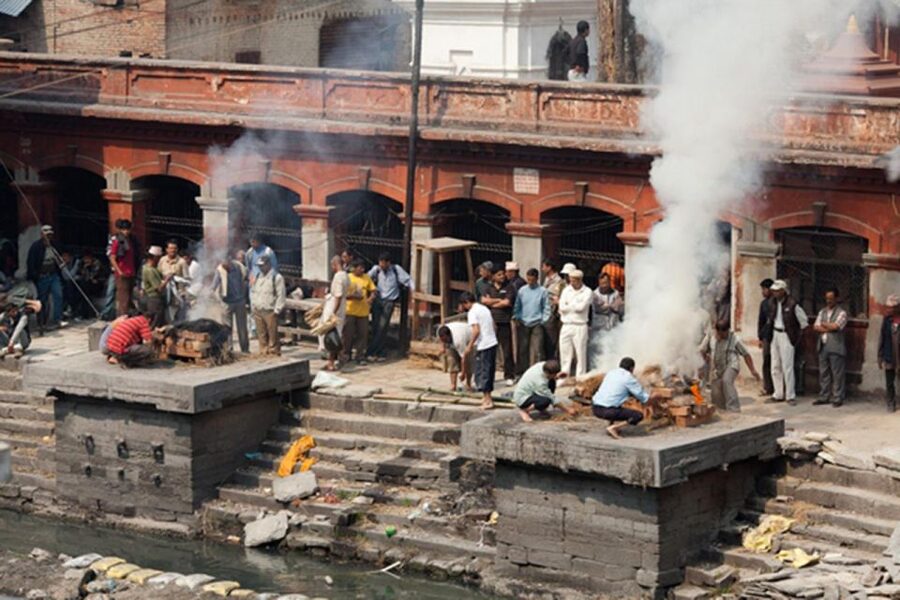
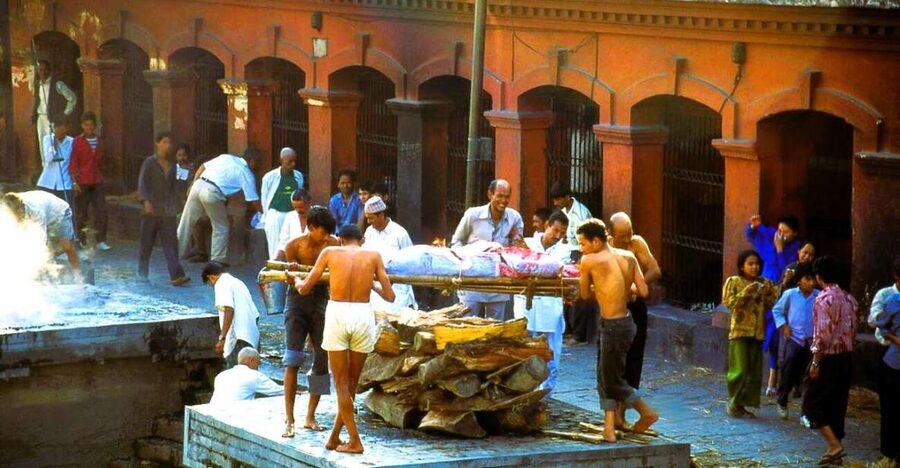
At Pashupatinath, you’ll witness cremation rituals. The experience can be moving in a quiet, heavy way. It’s normal to feel discomfort, curiosity, or even emotional whiplash. If you’re sensitive, go slowly. Don’t try to “power through” with constant photographing.
A key detail from one strong guide experience: Karma was described as friendly and informative, and she allowed time to watch with respect. That’s the kind of guidance that makes the difference between standing there feeling lost and standing there feeling oriented.
Here’s how to make this part work for you:
- Keep your distance unless your guide says it’s okay to get closer
- Let the ceremony set the pace
- Use your time to observe respectfully, not to crowd the scene
If you want to learn, ask your guide what each ritual step is meant to do. But remember, some explanations may be brief because the ceremony is happening in real time.
Architecture and temple complex time
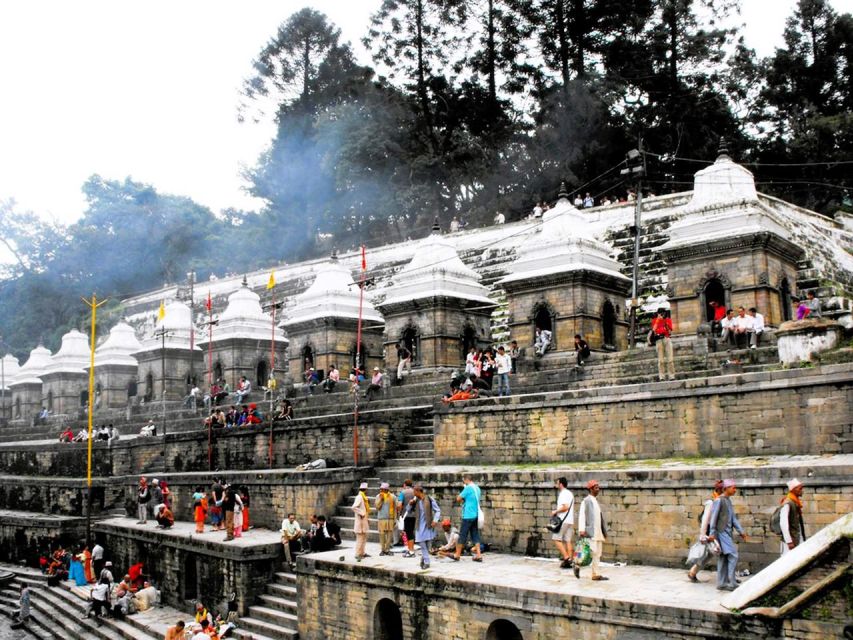
You’ll also explore the temple complex itself. That means you get more than just the cremations. You can look at architectural features and absorb the overall spiritual resonance of the place.
That mix helps. It gives you a fuller picture of why people come: this site is religious meaning plus daily ritual plus sacred geography.
Free time, photo stops, and the local market angle
This tour isn’t only about the two big religious anchors. There’s also built-in time for breaks and photo stops, plus exploring local markets near Boudhanath.
At Pashupatinath, the schedule includes free time and a chance to shop around arts and crafts markets. The itinerary also lists a camel ride. If you want it, confirm details with your guide on the spot. Any personal purchases or rides are typically on you, since the tour price covers guiding and transport, not your shopping budget or extra activities.
The market areas are also where you practice your street smarts:
- Take your time and compare before buying
- Politely decline offers if you’re not interested
- Don’t feel pressured to “complete” the purchase because someone approached you
One review pointed out how respectful sellers can be when you simply say no. That’s useful to know, because it reduces the stress factor and lets you focus on the religious sites.
Guide quality makes or breaks this kind of tour
This is one of those tours where the human factor matters more than usual. You’re dealing with intense ceremonies and highly symbolic spaces. You want a guide who can keep you informed without turning everything into a script.
Two guide examples you might encounter:
- Karma, described as friendly and informative, including supportive pacing around watching cremations and thoughtful extras like meditation and a singing bowl moment (plus a massage in that account)
- Anish, described as knowledgeable and respectful, with clear explanations for both Pashupatinath and Boudhanath
You don’t need your guide to do “performative tourism.” You need them to be respectful, steady, and good at explaining what you’re seeing in plain language.
Price and value: $45, plus UNESCO entry fees
The tour price is $45 per person, for a 5-hour experience with hotel pickup and drop-off. That’s a solid deal when you look at what’s included: guided time at Boudhanath, witnessing the cremation rituals at Pashupatinath, and a guided return to your central area.
Two costs to plan for:
- Entry fees to UNESCO sites are not included
- The listed UNESCO ticket prices are NRs 1000 at Pashupatinath and NRs 400 at Boudha Stupa
So your actual out-of-pocket total will be a bit higher than $45 once you factor in those tickets. Still, the overall value tends to be good because you’re not spending hours figuring out route logistics or ceremonial etiquette on your own.
You also get some practical perks:
- Hotel pickup options include Thamel
- The tour includes a skip-the-ticket-line option for the sites (so you’re not stuck in ticket queues)
Logistics that matter: time, pickup, and what you can bring
You’ll want to plan your morning around a pickup window. The tour duration is listed as 5 hours, with starting times depending on availability.
Pickup and drop-off:
- Pickup: Thamel (option also listed for a guide or driver pickup from your hotel or place)
- Drop-off: Thamel
Language options:
- English, Chinese, and Russian
Group type:
- Private group availability exists, which is a big plus for a sensitive experience like this. You can move at your pace and ask questions without feeling rushed or crowded.
What to bring:
- Passport or ID card, a copy is accepted
What not to bring:
- Luggage or large bags
- Drones
- Alcohol and drugs
- Nudity
There’s also a suitability note:
- Not suitable for children under 12
- Not suitable for people with respiratory issues
If any of those apply, you may want a different kind of Kathmandu day that focuses on temples or viewpoints with less exposure to crowded outdoor settings.
Who this tour suits best
This works best for you if:
- You want cultural depth, not just photos
- You’re curious about how Tibetan Buddhist practice and Hindu ritual coexist in Kathmandu
- You can handle emotional intensity, especially at Pashupatinath
- You like having a guide interpret what’s happening, step by step
It might not be the right fit if:
- You’re uncomfortable with cremation ceremonies
- You’re traveling with a child under 12
- You have respiratory issues that make busy outdoor areas harder
Should you book Sacred Kathmandu: Aarati, Cremation Rites & Stupa Serenity?
I think you should book this tour if you want one well-paced day that connects two major spiritual worlds, and you’re okay with a moment that is serious and human, not just scenic.
The strongest reason to choose it is the guidance. Good guiding here is everything, because you’re witnessing real religious practice, not staged performance. If you get a guide like Karma or Anish, the experience can feel respectful and clear, with room for reflection.
Book it if you can also budget for UNESCO entry fees and if you’re prepared to dress and behave appropriately, especially at Pashupatinath. If you want an easy, light day with minimal emotional weight, you may prefer something else.
FAQ
Is the UNESCO entry fee included in the $45 price?
No. Entry fees are not included. The listed fees are NRs 1000 at Pashupatinath and NRs 400 at Boudha Stupa.
How long is the tour?
The duration is listed as 5 hours (starting times vary, so check availability).
Where does pickup happen?
Pickup is available from Thamel, Kathmandu (and the guide or driver may pick you up from your hotel or place, based on the option you choose).
Where does the tour end?
Drop-off locations are listed as Thamel, Kathmandu.
What languages are the live guides available in?
The live tour guide is offered in English, Chinese, and Russian.
What should I bring for the tour?
Bring your passport or ID card. A copy is accepted.
Are there restrictions on luggage or electronics?
Yes. Luggage or large bags are not allowed, and drones are not allowed. Alcohol and drugs are also not allowed.
Is the tour suitable for kids or everyone with health concerns?
It is not suitable for children under 12. It is also not suitable for people with respiratory issues.
Latest Kathmandu write-ups
- 16 Days Island Peak Climbing With Everest Base Camp Private Trip★ 5.0 · 3 reviews
- 15 Days Round Annapurna Trek with Poon Hill from Pokhara★ 5.0 · 5 reviews
- Private Nepal round trip including Ghorepani Poonhill trek★ 5.0 · 3 reviews
- Everest Base Camp Trekking 16 Days★ 4.0 · 7 reviews
- 14 Days Luxury Annapurna Base Camp Trek★ 5.0 · 6 reviews
- Everest Base Camp Trek★ 5.0 · 32 reviews
- Everest Base Camp Trek★ 5.0 · 87 reviews
- 14 Days Annapurna Base Camp Trekking | Best trek for visit Nepal 2020★ 5.0 · 19 reviews
Pashupatinath Temple, compared.
Kathmandu Spiritual Sites: Bodhnath & Pashupatinath Tour
Read our review →
PashupatiNath and BoudhaNath – Private/Small Group
Read our review →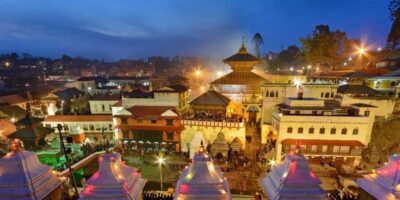
Pashupatinath: Evening tour of temple and Aarati ceremony
Read our review →
Browse the lists this tour appears in