
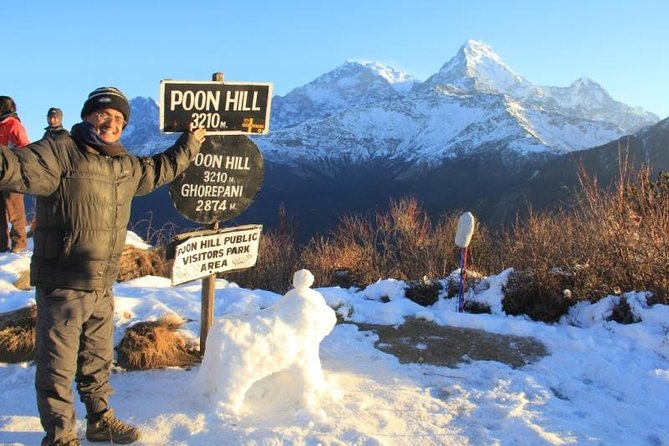
Reviewed · ANNAPURNA BASE CAMP TREK
13 Days Annapurna Base Camp Trek
Annapurna Base Camp is interesting because it is one of the classic ways to see big Himalayan drama on a moderate trek. You get snow peaks, cold mornings, and days that feel steady enough to enjoy the scenery without needing mountaineering skills.
I especially like the human side of this trip, the way an English speaking guide and a porter team keep things organized and on-time, with staff names like Shambu, Kabiraj, Jit, and Chris showing up repeatedly. I also like that you are not left guessing on food and beds, you get tea house style lodging for 8 trek days plus breakfast, lunch, and dinner while you hike. One drawback to plan for is the basics are basic up high, hot showers are not part of the trek costs, and weather can turn cold fast.
Key highlights to know before you go
- English speaking guide plus porter support: one porter per two tourists helps with the heavy stuff.
- Lodge trekking with included meals: breakfast, lunch, and dinner during the trek reduce daily decision fatigue.
- Big scenery payoff without “technical” complexity: Annapurna, Hiunchuli, Fang, Gangapurna, Annapurna South, Annapurna II, Annapurna III, and Machhapuchhre are in your orbit.
- Good pre-trek setup in Thamel and Pokhara: hotel stays and transfers help you start trekking without chaos.
- You’ll feel Nepal life along the way: village stops and tea house routines give you more than just mountain photos.
- Farther than a day trip, still manageable: 13 days with acclimation time built into a moderate pace.
Annapurna Base Camp in plain terms, what makes it worth your time
Annapurna Base Camp (ABC) is famous for a reason: you hike into the bowl that gives you mountain views you will talk about for years. This trek is described as moderate, which matters because it signals a pace you can manage if you have medium fitness and a willingness to walk for hours at altitude.
You also get more than peaks. Along the route, you move through settlements where trekking is part of daily life. That means you see how people eat, rest, trade, and live with the mountains as the backdrop to everything.
Still, ABC can humble you. Cold mornings are real, and weather can shift on you. Even with careful planning, you should expect at least one day where you are chilled to the bone for the first part of the hike.
More routes into the Annapurna Sanctuary:
- Annapurna Base Camp Trek
★ 5.0 · 111 reviews - Annapurna Base Camp Trek – 10 Days
★ 5.0 · 29 reviews - 14 Days Annapurna Base Camp Trekking | Best trek for visit Nepal 2020
★ 5.0 · 19 reviews
Your Kathmandu and Pokhara setup: why the trip starts before you hike
This itinerary is built around a smooth arrival. You get a hotel in Kathmandu in Thamel for 2 nights, and a 3-star bed and breakfast in Pokhara (Splendid View) for 2 nights. That is a practical combo because Kathmandu gives you logistics and a cushion for travel day, while Pokhara is where the trek actually begins.
Thamel is a good base because it is full of services and easy to navigate. Pokhara is where you shift into trekking mode, sleep earlier, pack smarter, and get your first look at the region.
One more detail I like is the airport transfers. They handle Airport-Hotel-Airport, so you are not stuck figuring out transport on day one. That might sound small, but it lowers stress, and stress is altitude’s worst friend.
From Kathmandu to the trail: how the transportation pieces fit together
You are included in land transportation from Kathmandu to Kathmandu by tourist bus. You also get private transport for the trek specific legs: Pokhara to Nayapul at the start, and Phedi back to Pokhara at the end.
Why does this matter? Because it keeps your energy focused. You do not want to burn stamina on long, unclear transfers. The trek itself is already enough work, even at a moderate level.
Meeting time is 7:15 am. Plan to be ready early, because the day starts before you feel fully awake. In Nepal, that habit is rewarded.
Tea house trekking for 8 days: what your days actually feel like
Most of your trek nights are at normal lodge or tea house style accommodations run by Nepali families. This is not a hotel chain system. It is simple, functional, and often run by people who know trekkers by the rhythm of the season.
This is the part of the trip that really changes how you travel. You stop, eat, and rest in a routine that is familiar in the mountains. You will also notice how conversations happen around heat, food, and route chatter.
The good news is meals during the trek are included: breakfast, lunch (main course), and dinner each day. That is big value because at altitude, figuring out what is open and what is good can turn into a daily chore. Having those meals covered lets you pay attention to pacing instead.
One consideration: not everything is included in mountain comfort. Hot showers are listed as not included, so you should expect either limited options or paying extra where available. Pack for comfort that is realistic, not for spa expectations.
More to compare around Kathmandu
- Kathmandu: 7 UNESCO Sites with Lunch
★ 4.8 · 744 reviews - Everest Base Camp Helicopter Tour landing at Everest View Hotel
★ 5.0 · 668 reviews - Kathmandu: Local Women-Led Nepali Cooking & Momo Class
★ 4.9 · 360 reviews - Manaslu Circuit Trek
★ 5.0 · 292 reviews
The ABC “reveal” day: approaching base camp with real weather in mind
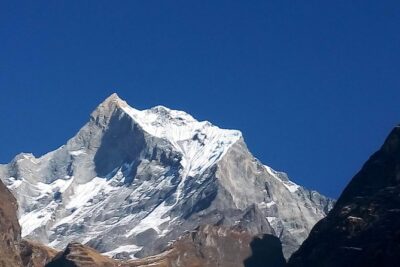
Reaching Annapurna Base Camp is the emotional peak of the trek. The reward is a close-up view of the Annapurna massif, with peaks listed in the trek description, including Annapurna I, Hiunchuli, Fang, Gangapurna, Annapurna South, Annapurna II, Annapurna III, and Machhapuchhre.
But the way you experience base camp depends on the day’s weather. Cold early mornings can be part of the story, and you may get heavy clouds or precipitation. In the same spirit, some people have reported snow and even big weather moments. That is not a reason to cancel. It is a reason to pack smart and move with patience.
If your goal is photos, remember you are also there for the full mountain feeling. The air gets thin. The quiet can be intense. Even a “short” walk between lodge and viewpoints can feel like a task, so build time buffers for the summit moments.
Guides and porters: where this trip earns its 5-star pattern
If you remember one thing after reading this review, let it be this: the guides and porters are not an add-on. They are the difference between a stressful trek and a smooth one.
This company provides one experience English speaking trekking guide and one porter for each two tourists. That ratio matters. A porter can take much of your weight, which reduces fatigue. Your guide handles the route, timing, and the human side of lodge logistics. That is especially valuable if you are trying to balance altitude, weather, and day-to-day decisions.
The reviews you provided repeat certain names again and again. Guides like Shambu, Kabiraj, Krishna, and Jit show up with strong feedback for patience and humor. Porters like Shiva and Santosh are also praised for doing their job well and keeping everyone moving.
You also get a farewell dinner with a cultural dance program. That is not just entertainment. It is a way to close the trek with a Nepal-specific moment, not an afterthought.
What’s included, what you will pay for anyway
This trek includes a lot of the “must-haves,” and that drives the real value.
Included highlights:
- Hotel in Kathmandu (Hotel Thamel), 2 nights, bed and breakfast
- Hotel in Pokhara (Splendid View), 2 nights, bed and breakfast
- One English speaking trekking guide and one porter for each two tourists
- All land transportation segments described, plus Pokhara to Nayapul and Phedi to Pokhara via private transport
- Annapurna Conservation Permit
- TIMS (Trekkers Information Management System)
- TIMS-related insurance for guides and porters
- Lodging for 8 days during the trek at normal lodge or tea houses
- Breakfast, lunch, and dinner during the trek (main course)
- Airport-Hotel-Airport transfer
- Farewell dinner with cultural dance program
- Mobile ticket
Not included, so plan money and packing accordingly:
- Your personal trekking equipment (sleeping bag, down jacket, gloves, sunglasses, sunscreen, trekking sticks, shoes)
- Nepal entry visa fee and 2 passport size photos
- Personal travel insurance, including helicopter rescue coverage
- Lunch and dinner in Kathmandu and Pokhara
- Tips for guide and porter
- Drinks, including alcohol and non-alcohol
- Sweet treats like chocolate and dessert
- Hot shower during trekking
- Emergency rescue evacuation and personal expenses
This mix is worth noting because it changes how you budget. You are paying for the core trekking experience with meals and lodging covered on the mountain days. You are still responsible for visa, personal gear, tips, and your own insurance.
Value for $999: how to think about the price without getting surprised
At $999 per person for 13 days, the big question is: what are you buying beyond the word trek?
You are buying structure. You get hotel nights in two cities, transportation links, permits, guide and porter support, and most importantly, daily meals and lodge accommodation during the 8 trekking days. That removes a lot of daily uncertainty.
In mountain travel, small uncertainties add up fast. Who is available? What is open? How much does it cost today? Is the food safe and filling? This package handles those pieces on your behalf during trekking time.
Where you still need to be realistic is costs outside the trek core: visa, personal insurance, tips, drinks, and hot showers. Also, your trekking comfort depends on what you bring. If you show up without the listed gear, you will feel it.
Packing list reality: the cold part comes early
The trip guidance includes gear for real cold. They specifically mention a sleeping bag (-15 Celsius) and a down jacket, plus gloves, warm clothes, torch light, sunglasses, sunscreen, and trekking shoes. You should also bring socks, a personal towel, a trekking stick, and basic meds like headache and fever support, handiplast, bandage, and pain killers.
The “-15 Celsius sleeping bag” detail is a clue. Even if the sun shows up, nights can get cold quickly. You do not want to compromise here because it affects sleep. Sleep affects altitude comfort. Altitude comfort affects your mood.
A small practical tip: pack so you can access essentials without digging. Torch, gloves, and warm layers should be easy to reach. It will save you time when you start early.
Who this trek suits best, and who should pause
This trek is a good match if you have medium fitness and you want a classic Annapurna experience without heavy technical requirements. It also fits if you like the lodge routine and are okay with simple accommodations.
It may not suit you if you expect luxury comforts like hot showers included, or if you struggle with the idea of hiking in cold conditions and changing weather. It also says you should have strong physical fitness level, so be honest with yourself.
If you travel with a group, the private tour format is appealing. Only your group participates. That can mean fewer awkward moments with mismatched pacing.
FAQ
FAQ
What time do we meet for the trekking start?
The meeting start time is 7:15 am.
Which cities are included before and after the trek?
You have 2 nights in Kathmandu at Hotel Thamel and 2 nights in Pokhara at Splendid View before and after the trek.
How are transfers handled?
You get Airport-Hotel-Airport transfers. You also get land transportation segments, including private transport from Pokhara to Nayapul at the start, and from Phedi to Pokhara at the end.
Who provides guide and porter support?
The trip includes one English speaking trekking guide and one porter for each two tourists.
What meals are included during the trek?
During the trek, you get daily breakfast, lunch, and dinner, with lunch and dinner listed as main course.
What permits are included?
The Annapurna Conservation Permit is included, along with TIMS.
What personal items and insurance are not included?
You need to bring your own trekking equipment. Personal travel insurance is also not included and should cover medical costs, emergency evacuation, trip cancellation, and helicopter rescue. Tips for guide and porter are not included either.
Should you book this Annapurna Base Camp trek?
Yes, if you want a well-run, mid-level ABC hike with meals and lodge nights handled, plus real human support from an English speaking guide and a porter. The price makes sense when you look at the permits, city hotels, transfers, and trekking-day food and beds all bundled together.
I would say book with extra care if you dislike cold nights, want hot showers included, or have not thought through personal insurance and gear. Get your packing right, keep a steady pace, and you will likely come away with the kind of mountain memory that sticks.
If you tell me your travel month and your hiking comfort level, I can help you judge whether this moderate pace fits you well.
Latest Kathmandu write-ups
- 16 Days Island Peak Climbing With Everest Base Camp Private Trip★ 5.0 · 3 reviews
- 15 Days Round Annapurna Trek with Poon Hill from Pokhara★ 5.0 · 5 reviews
- Private Nepal round trip including Ghorepani Poonhill trek★ 5.0 · 3 reviews
- Everest Base Camp Trekking 16 Days★ 4.0 · 7 reviews
- 14 Days Luxury Annapurna Base Camp Trek★ 5.0 · 6 reviews
- Everest Base Camp Trek★ 5.0 · 32 reviews
- Everest Base Camp Trek★ 5.0 · 87 reviews
- Everest Base Camp Trek★ 5.0 · 97 reviews
Annapurna Base Camp Trek, compared.
5 Day Annapurna Base Camp Trek & Natural Hot Spring
Read our review →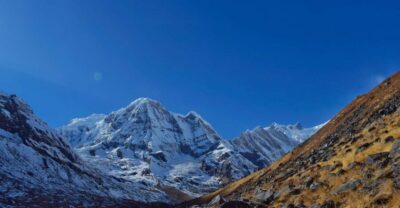
14 Days Annapurna Base Camp Trekking | Best trek for visit Nepal 2020
Read our review →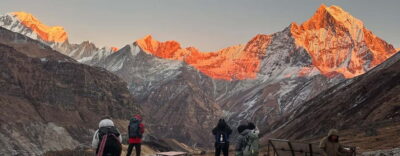
7-Day Annapurna Base Camp Trek & Natural Hot Spring
Read our review →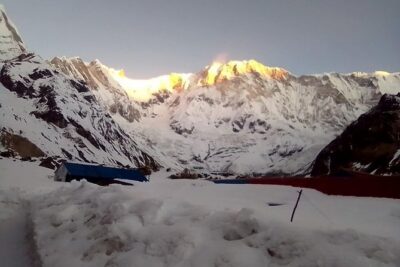
10 Days Annapurna Base Camp Trek from Kathmandu
Read our review →Browse the lists this tour appears in