
Reviewed · ANNAPURNA BASE CAMP TREK
Adventurous Annapurna Base Camp Trekking
This is interesting because you’re not just hiking to a view, you’re moving through classic Nepal trail towns, then stepping into the Annapurna Sanctuary where the mountains feel close and present. I like that the route is built around big moments, especially Poon Hill sunrise and at least one full night in the Annapurna Base Camp area.
The best part for many people is the “worry-free” structure, with a professional guide and a porter system that keeps you from turning the trek into a backpack endurance test. One consideration: it is a real mountain trek, with serious step sections like Ulleri, and weather can shift your plan, especially around sunrise and the higher camps.
Key Highlights Worth Your Time
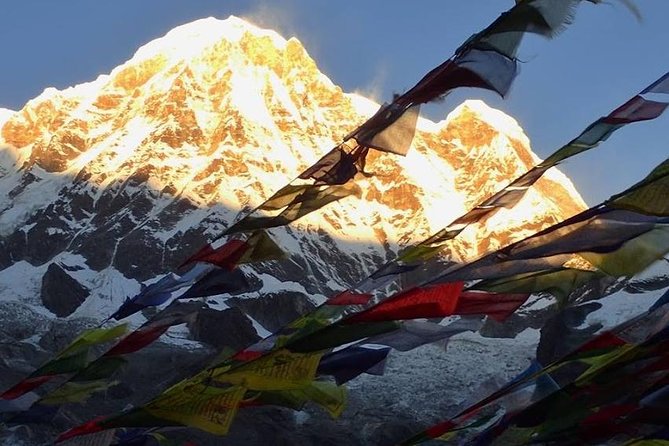
- Poon Hill sunrise at 3210m, timed for early dark-to-dawn walking
- Annapurna Base Camp night for the closest feel of Annapurna I and the surrounding giants
- Annapurna Sanctuary views described as a natural amphitheater with wide, 360-degree feeling
- Gurung villages and culture, especially around Chhomrong and Ghandruk
- Permits handled (TIMS and ACAP) plus transfers and sightseeing built in
- Guide-led adjustments, including how the team manages surprises and keeps morale up
Annapurna Base Camp, the Way You Actually Want It
Annapurna Base Camp is one of those Nepal treks that stays on people’s lists for a reason. You get mountain drama without needing technical climbing skills. And this route adds some smart texture to your trip: Kathmandu and Pokhara are there to reset your body and keep the trip from feeling like nonstop hiking.
The day-by-day rhythm also makes sense. You start with a heritage and lakeside breather, then you climb in chunks, not all at once. That matters because altitude is less forgiving than your motivation.
More routes into the Annapurna Sanctuary:
- Annapurna base camp trek 5 Days
★ 5.0 · 252 reviews - 14-Day Private Annapurna Base Camp Trek
★ 5.0 · 180 reviews - Annapurna Base Camp Trekking
★ 5.0 · 116 reviews
Price and What You Really Get for $1,650
At $1,650 per person for a roughly 14-day trip, you’re paying for more than a “walk to a mountain.” You’re paying for logistics that would take you time and effort to piece together yourself. Here’s where the value shows up:
- Guiding and planning: a professional guide is included, plus local coordination on permits.
- Porter support: one porter for every two persons. That’s a big comfort win because it reduces how heavy you have to carry day to day.
- Permits and compliance: TIMS and the Annapurna Conservation Area Permit (ACAP) are included.
- Lodging and core meals: Kathmandu and Pokhara accommodations are included, and breakfast is listed for 11 days, with lunch and dinner included on most trekking days.
- Transport and sightseeing: land transfers, Kathmandu sightseeing days, and the Pokhara segment are built in.
What’s not included is also important. You’ll cover personal drinks and snacks, tips, and items of personal nature. You’ll also need travel insurance (mandatory for booking) and your own sleeping bag and down jacket. If you’re hoping the tour price covers everything down to that last warm layer, you’ll want to budget for gear and insurance separately.
Getting Started in Kathmandu: Heritage Day Before the Hike
Your trip begins in Kathmandu with airport pickup and a transfer to your hotel. You get a welcome dinner in the evening and time to meet your trekking crew, which is more helpful than it sounds. When you’re about to head into a multi-day trek, having your guide and team identified early makes everything feel smoother.
Day 2 is for Kathmandu Valley sightseeing at four world heritage sites: Pashupatinath Temple, Kathmandu Durbar Square, Swayambhunath (Monkey Temple), and Bouddha Nath. This is a good match for an acclimation-friendly start. You’re not gaining altitude yet, but you are adjusting to Nepal time, Nepal traffic, and Nepal pace.
A practical note: after a day of sightseeing, you’ll want to keep your packing simple for Day 3. You’ll be ready to switch from city walking to trekking rhythm.
Pokhara Setup: Rivers, Fewa Lake, and a Real Breather
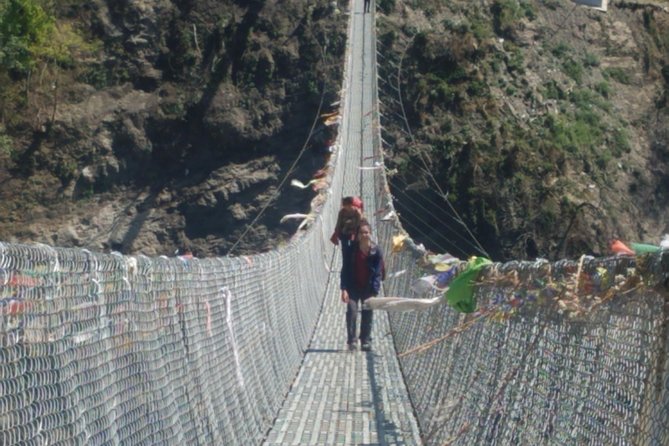
On Day 3 you head to Pokhara early, meeting your guide at 6:00 AM. The drive follows the Trisuli and Marshyangdi rivers, and you pass rural villages along the way. This kind of transfer is slow enough to take in the scenery, fast enough to keep the schedule moving.
Once you arrive, you check into your hotel, freshen up, then you do a boating session on Fewa Lake and a short walk around Phewa Lake. This is the kind of activity that helps your body understand what the next days are: not one big adrenaline jump, but a gradual shift.
If you’re the type who gets anxious about packing and timing, this is your day to breathe. You’ll still need an early start tomorrow.
More to compare around Kathmandu
- Everest Base Camp Trek – 14 Days
★ 5.0 · 1,499 reviews - Everest Base Camp Trek
★ 5.0 · 842 reviews - Private Kathmandu Sightseeing Tour | UNESCO World Heritage sites
★ 5.0 · 756 reviews - Kathmandu: 7 UNESCO Sites with Lunch
★ 4.8 · 744 reviews
Ulleri and the 3,000 Steps Reality Check
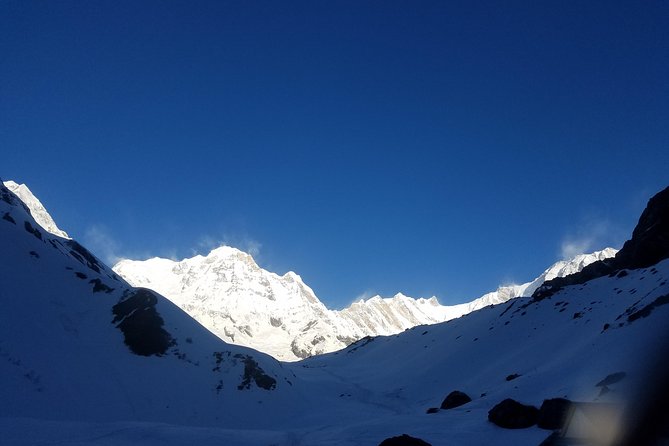
Day 4 begins the trek proper. You drive to Nayapul, then start walking right away. There’s a permit check at Birthanthi village, which is normal for routes like this and part of why organized treks reduce stress.
The trail takes you through forest and waterfall scenery, and you’ll cross the Modi Khola river, with a route that keeps you left toward Thikhe Dhunga and Ulleri. Ulleri is where you earn your first strong leg day, with almost 3,000 steps up the hill.
What I like about this section is that it gets you going on a defined path quickly, without dragging the first day into a long slog. What to watch for is simple: steps add up. If you arrive tired from the road drive, slow down on the climb. Your legs will thank you later when the elevation starts to feel more serious.
Ghorepani: Rhododendron Forests and Panoramic Ridges
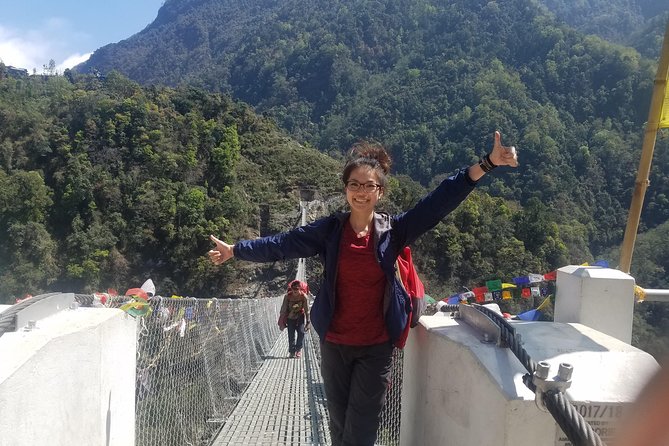
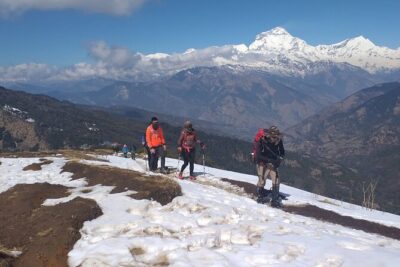
Day 5 moves gradually upward and sets up the views. On this stretch, you’ll pass dense rhododendron and oak forests and village areas like Banthanti and Nangethani. When you reach Ghorepani, you trek about 10 more minutes to a ridge for wide panoramas of the Dhaulagiri and Annapurna ranges.
Ghorepani is a classic staging village for a reason: it’s positioned for views and it keeps the walking manageable compared to the higher drama ahead.
If you’re thinking about photography, this is a good time to practice your patience. The ridgeline views are worth it, but conditions can change quickly.
Poon Hill Sunrise, then Tadapani and Close Views
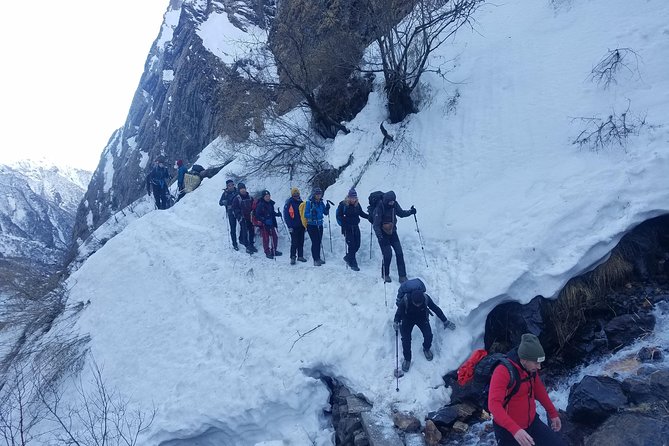
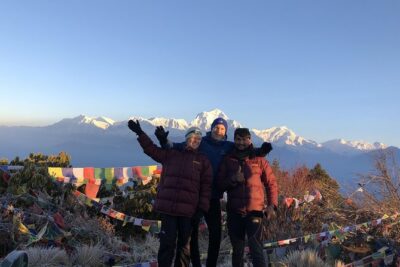
Day 6 is your early wakeup day for Poon Hill (3210m). You’ll start walking in the dark with torch light, reach the viewpoint after about 45 minutes, and spend around half an hour there before heading back for breakfast.
This sunrise morning is one of the biggest “bang for effort” parts of the trek. Poon Hill’s appeal is the broad view of the Dhaulagiri and Annapurna ranges and the sense that you’re looking at a whole mountain world at once.
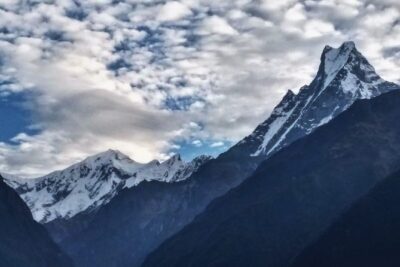
After breakfast, you continue onward to Tadapani (2650m) via Deurali and Banthanti. Expect monkeys and birds along the trail. Tadapani is also described as offering close views of Annapurna South, Hiun Chuli, and Fishtail.
The balancing act here is that you climb early for sunrise, then you keep moving. If you’re prone to getting cold, bring layers you can adjust on short notice. Sunrise mornings can flip from cool to surprisingly sharp fast.
Chhomrong: Gurung Settlements and the Big Downhill Feeling
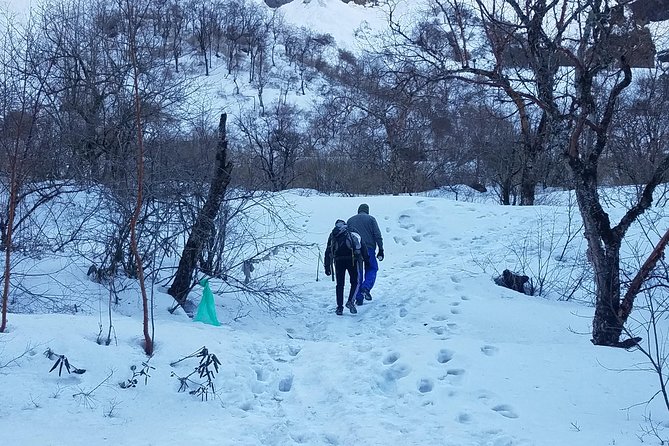
Day 7 is a day of downhill walking for about two hours, then a gradual climb through a Gurung settlement toward Chhomrong. You’ll reach Chhomrong, a bigger community in the Gurung area, where you rest.
This is a helpful change after earlier forest and ridge walking. Downhill days still work your quads, but they can feel mentally easier because the trail flows. You also get a structured meal rhythm here: breakfast, lunch, and dinner are listed for the day, which helps on a trek when you don’t want to think too hard about timing.
Ghandruk: Modi River Noise and Wildlife Chances
Day 8 is another shift in scenery. You continue to Ghandruk via Bamboo and Dovan, and the description is very specific: you walk through a deep gorge and on the banks of the Modi river. The river noise is part of the experience here, like a constant soundtrack that helps you focus.
There’s also wildlife mentioned, including monkeys and Himalayan goats. Wildlife sightings aren’t guaranteed on any trail, but this section is the kind of environment where the chances feel more real.
If you like village life on the route, Ghandruk is a strong stop. It’s more than a sleeping point. It’s where the trek starts to feel like a community route, not just a mountain line on a map.
Annapurna Base Camp: the Day the Trek Becomes Real
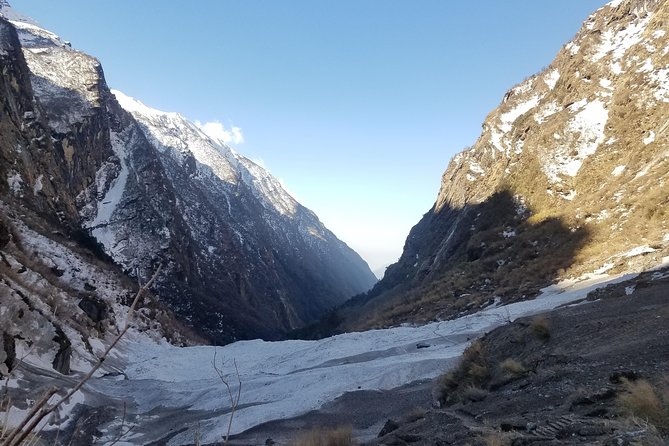
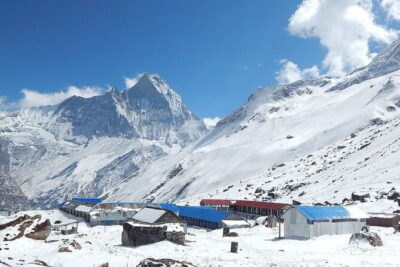
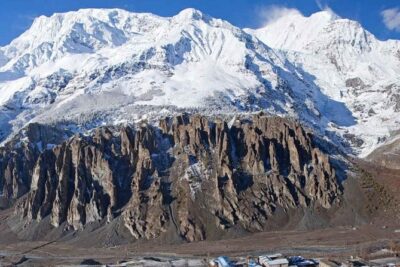
Day 9 is the big one: hiking toward Annapurna Base Camp (ABC). The route brings you into an area described as surrounded by snow-capped mountains, and in the afternoon your guide takes you for a close view of Annapurna I (8091m) and the glacier.
You’re also told you’ll see Annapurna South, Hiun Chuli, and Fishtail, with Annapurna III standing on your back. That “back” detail matters. You’re not just turning to face one mountain, you’re getting a multi-direction feel that makes the space feel like an amphitheater.
What I love about this part, even for first-time trekkers, is that it’s dramatic without feeling chaotic. There’s a clear sense of arrival. You go from walking to taking in the world.
A practical reminder: ABC nights can be cold, even when the trail days feel lively. Plan on layering up and hydrating steadily.
Sunrise on the Return, then a Fast Descent to Bamboo
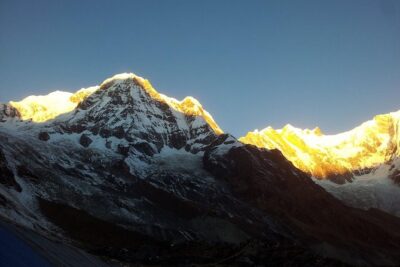
Day 10 begins with an early wakeup for sunrise views. You’ll have photo time as the sun rays hit the Himalayas, then breakfast is ready. After that, you return downhill to Bamboo, losing almost 2000 meters in about 6 to 7 hours.
That descent can feel surprisingly fast. It can also feel hard on your knees if you move too quickly. Take shorter steps, stay relaxed, and let gravity do some of the work. You’re going downhill, but your body still needs good pacing.
If you want a simple rule for this trek, it’s this: downhill is where you manage pain before it becomes a problem.
Khuldighar, Sinuwa, Chhomrong, Jhinu, and Hot Springs
Day 11 starts with a climb about 30 minutes to Khuldighar, where there’s an experimental sheep farm. After that, the trail becomes more gentle for a bit, with gradual up first, then flat, then downhill until you reach Sinuwa.
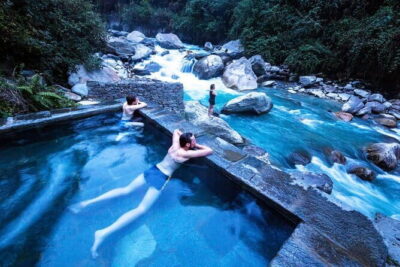
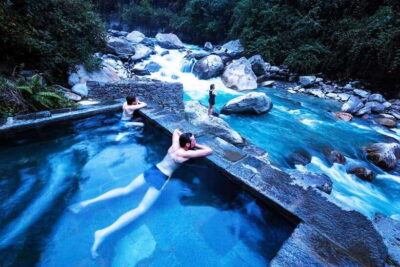
You continue with more undulating movement: crossing Chhomrong Khola, climbing to Chhomrong village, then descending very steeply for about an hour to Jhinu. The payoff is that after dropping your bags, you go to hot springs, descending to the Modi Khola river.
This hot spring stop is the kind of “finish line reward” your body understands. Trekking heat and soreness are real, and soaking is not magic, but it can help you feel human again for the final travel days.
Back to Pokhara: Jhinu to Nayapul and a Happy Hour
Day 12 starts with the last trekking segment. You leave Jhinu, descend, cross a river, then follow flatter walking toward Birethanti, and continue back to Nayapul where your vehicle is waiting. The drive returns you to Pokhara.
The itinerary includes a hotel check-in and a happy hour afterward. Even if you skip the drinks, the point is the mental reset, you’re done with the steep parts and you can start enjoying the city rhythm again.
Kathmandu Again, or a Quick Flight Option
Day 13 brings you back to Kathmandu, either by drive or by a short flight (about 30 minutes) at additional cost. Either way, you end with a farewell dinner, which is a nice closure when you’ve shared close quarters and early mornings with your guide and crew.
Then Day 14 is departure day. You get a transfer to Tribhuvan International Airport based on your schedule, and you return to the meeting point.
How the Guide and Porter Support Changes the Trek
A lot of Annapurna Base Camp treks fail the vibe test, not because the scenery is bad, but because the logistics create stress. Here’s why I think the guide and team matter.
The reviews highlight guide Raj and the Adventure Thirdpole Treks team for being prompt, organized, and upbeat. One review specifically points out how they helped participants adjust plans when weather disrupted an original idea, switching to ABC as an impromptu decision. Another mentions how the team was reliable and made the trip feel like you were traveling with family, with lots of laughs along the way.
You also get structure: permit handling (TIMS and ACAP), a professional guide, and a porter system with one porter for every two persons. Even if you still carry your personal items, reducing load is huge on a trek where you’ll be stepping up and down for days.
This is the kind of setup that suits people who want adventure, but don’t want to manage every detail themselves.
Meals, Gear, and Fitness: What to Plan Before You Go
The trip includes meals where specified, with breakfast listed for 11 days, lunch for 9, and dinner for 11. That means you won’t be starving, but you should expect some meals and drinks to be on your own during gaps or where not specified. Personal expenses like snacks and soft or hard drinks are not included.
Gear is partly on you. Sleeping bag and down jacket are not included. If you don’t already have them, you’ll need to arrange appropriate cold-weather gear before the trek starts. Your body will feel every missed layer once you get up into the higher zones.
As for fitness, the tour states a moderate physical fitness level. I’d interpret that as: you should be comfortable with long walking days and step climbs, including Ulleri, plus steep sections on the later return.
Weather Is Not a Footnote on This Route
This experience requires good weather. If it’s canceled due to poor weather, you’ll be offered a different date or a full refund. That’s not just fine print. Sunrise and higher views are sensitive to haze, clouds, and visibility.
The good sign here is that the team has experience managing real-world disruptions, including weather changes noted in the reviews. Your best move is to come with flexibility and the mindset that the mountains set the rules.
Should You Book This Annapurna Base Camp Trek?
Book it if you want a classic Annapurna Base Camp experience with guiding, permits, transfers, and porter support already handled. It’s especially a good fit if you like the idea of pairing mountains with culture, because you get Kathmandu heritage sites and Pokhara lakeside time built into the schedule.
Skip this option or plan extra carefully if you know you struggle with cold-weather gear or you want a “light” trek where you never feel elevation and steps. Also budget for what’s not included, especially travel insurance and sleeping bag and down jacket.
If your goal is to see Annapurna up close and travel with a team that stays organized and upbeat, this route is a strong match.
FAQ
Where does the trek start and end?
It starts at Kathmandu Guest House, Saathgumti-16, Kathmandu 44600, Nepal. The activity ends back at the same meeting point.
Is pickup offered from the airport or hotel?
Airport pickup is included at arrival day in Kathmandu, and the tour also lists pickup as an available feature.
How long is the experience?
The trek and associated travel are scheduled for 14 days (approx.).
What key items are included in the cost?
Included items are land transfers and Kathmandu sightseeing, Kathmandu and Pokhara accommodation, a professional guide, one porter for every two persons, TIMS, ACAP permits, and specified meals (breakfast, lunch, and dinner where listed).
What is not included?
Not included are personal items like soft or hard drinks and tips, travel insurance, medical evacuation coverage, meals not specified in the itinerary, and sleeping bag and down jacket.
What fitness level do I need?
The tour states you should have a moderate physical fitness level.
What happens if weather is poor?
This experience requires good weather. If it’s canceled due to poor weather, you’ll be offered a different date or a full refund.
Latest Kathmandu write-ups
- Langtang Valley Trek★ 5.0 · 3 reviews
- Khopra Danda Trek★ 5.0 · 3 reviews
- Langtang Valley Trek from Kathmandu★ 5.0 · 3 reviews
- 5 night / 6 days Kathmandu Nagarkot Chitwan Pokhara tour★ 5.0 · 3 reviews
- Nepal Highlights Tour: 5 Nights 6 Days Kathmandu & Pokhara Tour★ 5.0 · 3 reviews
- Kathmandu Valley Private Day Tour★ 5.0 · 3 reviews
- Conquer the Himalayas: The Ultimate 16-Day Annapurna Circuit Trek★ 3.5 · 3 reviews
- Kathmandu Heritage Day Tour★ 5.0 · 3 reviews
Annapurna Base Camp Trek, compared.
Browse the lists this tour appears in