
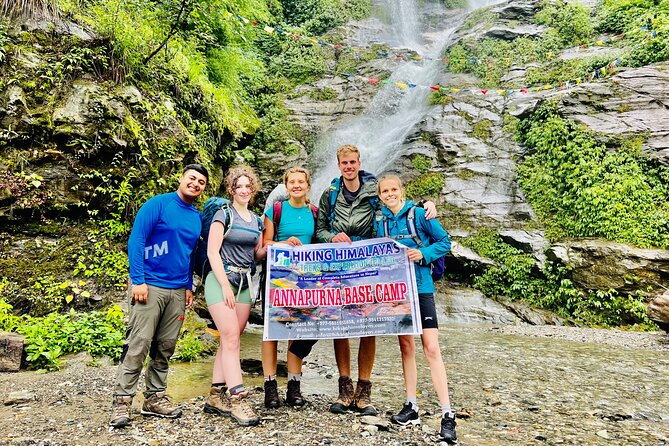
Reviewed · ANNAPURNA BASE CAMP TREK
Annapurna Base Camp Private Short Trek
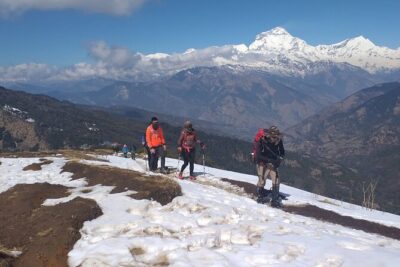
Annapurna Base Camp works because it is not just a hike, it is a full-on view day in the making. You climb through villages and forests, then end up facing an amphitheater of giant peaks, with sunrise and sunset timing built into the trek.
I love two things most. First, the plan is paced so you are not pushed into doing everything at maximum effort, and guides like Kapil are praised for adjusting the trekking pace to your ability. Second, the package handles the big logistics, including permits, key transport, and a lot of meals, so you spend more energy on walking and less on sorting details.
One consideration: the days are long on paper, including multi-hour driving plus steep hiking, so you will want moderate trekking fitness and the willingness to keep a steady rhythm even when it feels like it will never end.
Key highlights at a glance
- Sunrise and sunset viewpoints with a clear list of peaks at the end of the hike, including Machhapuchhre (Fishtail)
- A private-group setup where only your group participates, so your guide can manage the pace and stops
- A well-fed trekking plan with breakfast, lunch, dinner, plus seasonal fruits on the trail
- Iconic early trekking contrast from Jhinu Danda to Chhomrung, including close views of Annapurna South and Himchuli
- Forest trekking sections with rhododendron and bamboo, plus viewpoints during steep climbs to Deurali
- Smooth flow back to comfort with hotel time in Pokhara, plus a relaxed final couple of days in Kathmandu
Annapurna Base Camp: why this trek still feels like a real milestone
Annapurna Base Camp pulls people in for a simple reason: you end up so close to towering peaks that it stops being a distant dream. You are not just looking at mountains from far away. You are walking into the geography of them, day after day, until the view at the end feels physical.
This is also a trek where the route matters. You start with Nepal’s everyday rhythm, moving through terraced hillsides and village trails, then gradually trade that daily texture for high-mountain air. The trek’s success is about how the experience is staged: early acclimation, forest walking, then the final push to the base camp area.
Finally, this short private version gives you something practical. You get the “big trek” payoff, while still having a schedule that keeps rest and transport parts of the journey in the mix, instead of leaving you stranded between checkpoints.
More routes into the Annapurna Sanctuary:
- Annapurna base camp trek 5 Days
★ 5.0 · 252 reviews - 14-Day Private Annapurna Base Camp Trek
★ 5.0 · 180 reviews - Annapurna Base Camp Trekking
★ 5.0 · 116 reviews
Price and logistics: what $700 really covers and what you still need to budget
At $700 per person, the value is mostly in what you do not have to arrange yourself. This price includes permits, a professional guide and the guide’s expenses, accommodations in Kathmandu and Pokhara (2 nights in Kathmandu and 2 nights in Pokhara on a bed and breakfast plan), plus the key local transport pieces.
You also get meals built into the cost: 9 breakfasts, 7 lunches, and 6 dinners. On top of that, there are seasonal fruits during the trek and an evening farewell dinner after the trekking portion ends.
You will want to budget separately for what is not included. Personal expenses like WiFi, hot and cold beverages, bar bills, and hot shower costs are on you. Emergency evacuation is not included either, so if that matters to your risk plan, treat it as a separate line item. And the Nepal entry visa is not included, with the stated cost of USD 40 for 30 days obtained on arrival.
One more money reality check: international airfares are not part of the price. If you are comparing options, make sure you are comparing apples to apples, especially if you are already in Nepal.
Day 1 in Thamel: the gentle start and how the meeting point works
You start in Thamel, Kathmandu, which is convenient because it is close to public transportation. The program notes a start time of 7:00 am, and it also describes pickup by a representative who will meet you around the airport arrival area.
For many people, the best part of day 1 is psychological. You are not immediately thrown into a long travel day with zero support. The handoff is meant to help you get oriented fast, find the right people, and then transition into the Kathmandu to Pokhara segment.
If you land late, keep in mind the program sets a clear start point and time for the next stage, so don’t plan on treating day 1 as a free-for-all night out.
Day 2 Kathmandu to Pokhara: a long drive that sets the tone
Day 2 is all about getting from Kathmandu to Pokhara, a drive of about 200 km that takes around 9 hours. This is a good place to manage expectations: you are trading comfort for altitude preparation. You are not trekking yet, but you are relocating to the region where the trail begins.
Pokhara also acts like a buffer. When your body is not yet used to hiking, you want the day before the first real ascent to be organized and calm. This plan includes that rhythm by handling the transport through a tourist bus.
More to compare around Kathmandu
- Everest Base Camp Trek – 14 Days
★ 5.0 · 1,499 reviews - Everest Base Camp Trek
★ 5.0 · 842 reviews - Private Kathmandu Sightseeing Tour | UNESCO World Heritage sites
★ 5.0 · 756 reviews - Kathmandu: 7 UNESCO Sites with Lunch
★ 4.8 · 744 reviews
Day 3 Jhinu Danda to Chhomrung, then Sinwa: the first day you remember
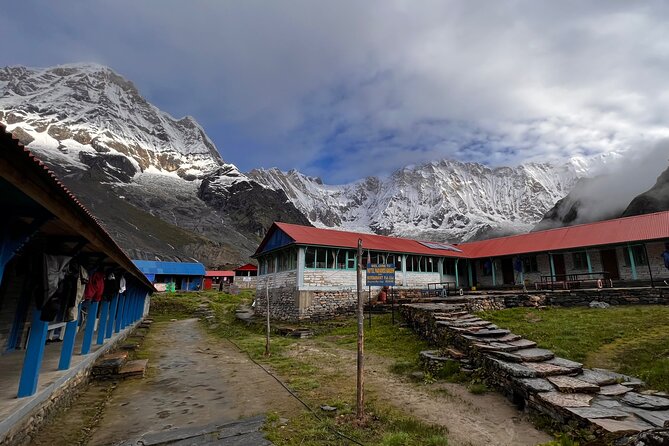
This is where the trek starts to feel real.
You begin with a short drive to Jhinu (about 2 hours), passing through places like Hemjha, Naudanda, Lumle, kade, Nayapul, and along the Modi Khola route. You then do a 1-hour hike from Jhinu Danda to Chhomrung, with lunch in Chhomrung.
Chhomrung is one of your first major “wow, that is close” moments. The plan calls out closer views of Annapurna South and Himchuli. That matters because it gives you a payoff early, before fatigue stacks up. You also learn quickly how the trail style works here: climbs, pauses for views, then more walking.
After lunch, the route drops toward the river area, crosses a bridge, and climbs again to Sinwa for the night. Expect day 3 to be long. It is not just the distance. It is the repeated effort, down then up, which is a classic training pattern for higher sections later.
Day 4 Ghorepani and Deurali: bamboo, rhododendron, and steep work
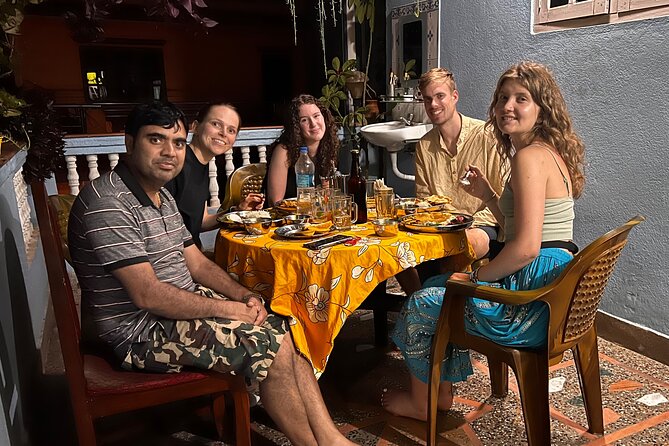
On day 4, you wake up around 6:00 am and start with breakfast before a steep ascent. The route moves up through bamboo, Dovan, and the Himalaya Hotel area, stopping there for lunch.
After lunch, it is about 2 hours to Deurali, where you sleep tonight. The trek style here is slow but focused: steady climbing, breaks when the trail offers them, and forest walking.
What I like about this day is the mix of effort and variety. You get walking through rhododendron and bamboo forests, and the plan also calls out views of Fishtail and nearby hills. This is the kind of day where you learn how to use your eyes, not just your legs. When you treat every viewpoint as a reward you earn, the climb feels shorter.
Day 5 to Annapurna Base Camp: the final push, then the peak-hour sunset
Day 5 is built for the moment you came for.
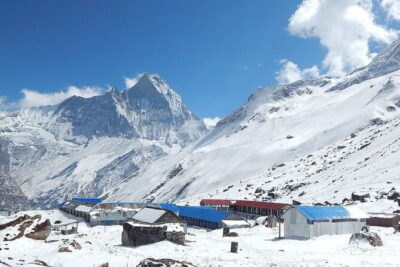
You start after breakfast and walk to MBC in about 3 hours. You stop for lunch there, then continue for around 2 hours to ABC, reaching base camp later in the day.
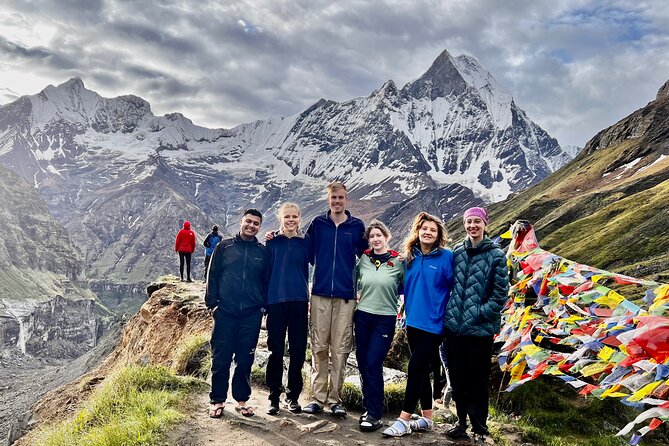
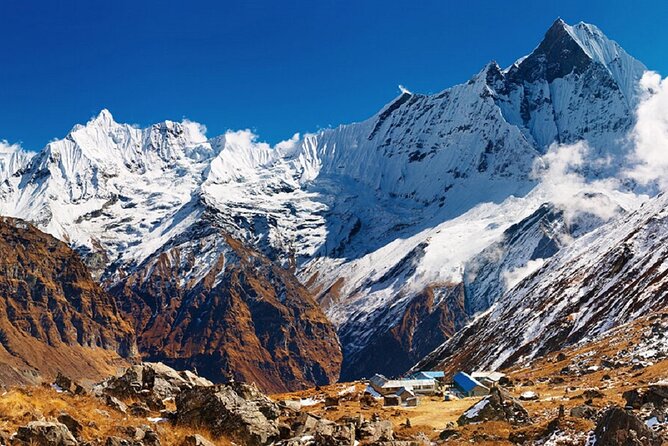
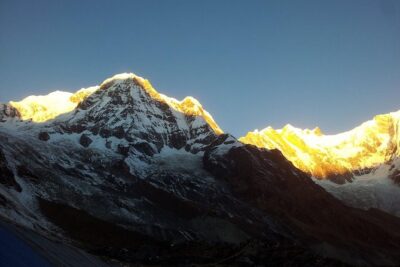
The program’s timing is what makes it special: the day includes the evening sunset with a specific list of peaks you can look for. That list is impressive: Annapurna I, Gangapurna, Annapurna South, Himchuli, Annapurna III, Gandarvachuli, and Machhapuchhre (Fishtail).
This is also where conditions can shift fast. One shared trek experience noted rain on the way up, but once they reached the top, weather cleared enough to see the panoramic range. That is not a guarantee, but it is a good reminder to stay flexible. If you hit rough weather mid-trek, you still want to save your best attention for base camp itself, because visibility can improve.
Day 5 ends with an overnight at ABC, which helps you settle into the experience rather than rushing through it.
Day 6 sunrise over the Himalayas, then a long descent
Day 6 starts early, with sunrise over the Himalayan range, then breakfast. Even if you are not a morning person, sunrise at this elevation and in this kind of setting is one of the classic reasons people accept the effort earlier in the week.
After breakfast, the plan focuses on descent. You go down toward the bamboo area, with the timing listed as 5 to 6 hours. This is the point where your knees will file complaints if you walk too fast. The best strategy is simple: control your steps and keep moving. Descents are about rhythm, not speed.
Also, this day keeps the trek from becoming an endless upper climb. Even if you still have energy, it is a reset, turning the “up” effort into “down” recovery.
Day 7 back to Pokhara via Jhinu Danda: comfort has a schedule too
On day 7, you wake for breakfast and head back toward Jhinu Danda. You stop for lunch at Jhinu, then you move by vehicle to Pokhara, with the travel time noted around 2 hours.
Once in Pokhara, you are scheduled for hotel time and a relaxed break, including time at Phewa Lake, plus a good evening meal.
I like this structure because it gives you a fair recovery window. You are not expected to immediately go from base camp to a full day of sightseeing without a buffer. The plan also keeps the return phase organized, so you do not end up negotiating transport after a hard trek day.
Day 8 Pokhara to Kathmandu: the final travel day without drama
Day 8 is a straightforward back route. You take a taxi to the bus station and then head to Kathmandu via tourist bus, with the drive listed at about 6 to 8 hours.
You have lunch on the way, then you reach your Kathmandu hotel and relax. This is the day for easy wins: showers if you want them, early rest if you can, and time to sit without thinking about the next switchback.
Given that the trek already covers several long days of walking, the “just get us back” approach matters.
Day 9 final departure: a clean ending
Day 9 is the final departure back home. The plan is to return you to the meeting point area in Kathmandu for your onward travel.
This is worth noting because it avoids the awkward feeling of arriving back and then being dropped with no clear end to the program. You finish with a defined last day, then you transition out.
What the guide support adds (and why people notice it)
Even when you know the route, the real difference between a good trek and a stressful trek is guide behavior.
Here’s what the past experiences emphasize. The guide is described as accommodating and encouraging, with a focus on pacing. In particular, Kapil is mentioned as adjusting the trek according to ability and capacity, and as solving problems quickly when needed. Another guide approach described in the same spirit is that the guide works with your body condition and seeks your opinion rather than forcing a fixed pace.
That matters for you because the Annapurna Base Camp trek involves repeated climbs, long walking windows, and days where the plan is detailed but your legs are not robots. A guide who can read how you are doing keeps the experience safe and more enjoyable.
You also get professional help that extends beyond walking. Permits are handled, transportation is arranged, and there’s a trekking map and achievement certificate included. Those last items might sound small, but on a trek, they are the kind of paperwork that usually becomes a nuisance. Having it handled removes friction.
Where this trek may not match everyone
This is a moderate-fit trek, and that word is important. The itinerary includes days marked at 12 hours, one at 16 hours, plus driving time. Even though it is called a short trek, it still asks you to hike long enough that you should be comfortable with sustained effort.
If you are looking for a very gentle walk with lots of free time and minimal steep segments, this schedule may feel too tight. If you are brand-new to trekking, you might still do it, but you should go in with eyes open and a willingness to slow down when the guide asks.
Weather is another consideration. The plan includes sunrise and sunset viewing. But mountain weather can change. A trek experience with rain before clearing near the top is a reminder that conditions can shift, so you should plan to be flexible about what you see on any given hour.
Who should book this private Annapurna Base Camp short trek
This one fits best if you want:
- A private experience where your guide can manage your group pace
- A “big view” endpoint, including sunset at base camp with multiple peak names called out
- A trek where meals and key logistics are handled, so you can focus on walking
- A plan that includes both mountain time and city time, with hotel stays in Kathmandu and Pokhara
It is also a good match if you like the idea of learning the Annapurna region through route stages, starting from Jhinu and moving through places like Chhomrung, Deurali, and finally ABC.
Should you book it or keep looking?
Book it if you want a classic Annapurna Base Camp payoff without building everything yourself. The combination of covered permits, a dedicated guide, major transport segments, and lots of included meals adds up to real convenience. And if you care about view timing, the trek is specifically planned for sunrise and sunset at the mountain scale.
Keep looking if you want shorter hiking days, a more flexible itinerary that adjusts for weather on the fly in a way not described here, or you are trying to minimize long travel time from Kathmandu. Also consider whether you have room in your budget for the visa, personal expenses, and tips, since those are not included.
If you are ready for a serious but well-supported trek, this is a strong, practical choice for getting to Annapurna Base Camp with your stress level kept under control.
FAQ
Where is the trek start point and what time does it begin?
The start is in Thamel, Kathmandu 44600, Nepal, and the start time is 7:00 am.
How does pickup work for this private trek?
Pickup is listed as offered, and a representative will specify a meeting point at the airport area, usually in the arrival hall or outside the terminal.
How do you travel between Kathmandu and Pokhara during the trek?
You use a two-way tourist bus from Kathmandu to Pokhara and back to Kathmandu. The trek also includes transportation from Pokhara to Jhinu and back.
Are permits included for the Annapurna Base Camp trek?
Yes. All required permits for the trek are included.
What meals are included?
Meals are included during the trek: 9 breakfasts, 7 lunches, and 6 dinners, plus seasonal fruits during the trek and an evening farewell dinner after the trekking.
Do I need a Nepal entry visa, and is it included?
The Nepal entry visa is not included. It can be obtained at the airport on arrival for USD 40 for 30 days.
Is emergency evacuation included?
No. Emergency evacuation is not included.
Latest Kathmandu write-ups
- Langtang Valley Trek★ 5.0 · 3 reviews
- Khopra Danda Trek★ 5.0 · 3 reviews
- Langtang Valley Trek from Kathmandu★ 5.0 · 3 reviews
- 5 night / 6 days Kathmandu Nagarkot Chitwan Pokhara tour★ 5.0 · 3 reviews
- Nepal Highlights Tour: 5 Nights 6 Days Kathmandu & Pokhara Tour★ 5.0 · 3 reviews
- Kathmandu Valley Private Day Tour★ 5.0 · 3 reviews
- Kathmandu Heritage Day Tour★ 5.0 · 3 reviews
- Conquer the Himalayas: The Ultimate 16-Day Annapurna Circuit Trek★ 3.5 · 3 reviews
Annapurna Base Camp Trek, compared.
Browse the lists this tour appears in