
Reviewed · ANNAPURNA BASE CAMP TREK
Annapurna Base Camp Trek – 11 Days
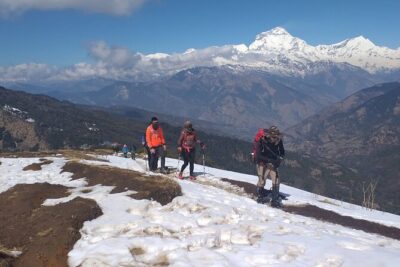
Annapurna Base Camp is one of those treks people talk about for a reason. You get big Himalayan scenery, daily changes in forest and village life, and that classic payoff of reaching a base camp tucked under towering peaks. You also pass through places like Poon Hill for sunrise views and Jhinu Danda for a hot spring break, which makes the hike feel more like a journey than a single-purpose slog.
I like that this trip includes practical trekking gear (down jacket, sleeping bag, and a duffel bag), not just a guide and a route. I also like the extra safety touch of an oxymeter to check pulse and oxygen saturation, plus first aid kits and licensed English-speaking support. For many people, that combination makes the trip feel organized, not thrown together.
One consideration: you need moderate physical fitness and you should be ready for altitude effects and lots of stair climbing on stone steps. Also, the experience needs good weather to operate smoothly, so you should pack patience for possible schedule tweaks.
Key things that make this trek feel worth it
- Gear included: down jacket, sleeping bag, and duffel bag mean you travel lighter
- Licensed English-speaking guide on the trek, plus a route map and trekking permits handled
- Altitude check with an oxymeter, so you can track how you are responding
- Signature stops: Poon Hill sunrise views, Jhinu hot spring dip, and Machhapuchhre Base Camp area
- Guesthouse comfort level built in, mainly twin sharing, so you are not hunting beds each night
Setting Off in Kathmandu, then Getting Real About the Mountains
Your trek officially starts in Kathmandu, with a pickup-style rhythm that begins early. The scheduled start time is 6:15 am, and you have surface transfers connected to the trek. That matters because on trekking days, time lost in transit is time you could have spent acclimatizing with an easy start.
The price is $986 per person for an 11-day package that includes permits, guesthouses, meals (breakfast, lunch, and dinner are counted by day), and staff support like food, accommodation, insurance, equipment, medicine, and transportation for the trekking team. It also includes the practical gear you would otherwise rent or buy in Nepal. You still need to bring your personal trekking equipment, and you will cover travel insurance and tips on your own, but the big logistic items are handled for you.
If you are the type who likes a clear plan, this format is friendly. If you want total freedom and do-it-yourself flexibility, you might find the structure slightly constraining, especially because the route and pace are planned around guesthouse nights and guided navigation.
More routes into the Annapurna Sanctuary:
- Annapurna base camp trek 5 Days
★ 5.0 · 252 reviews - 14-Day Private Annapurna Base Camp Trek
★ 5.0 · 180 reviews - Annapurna Base Camp Trekking
★ 5.0 · 116 reviews
The Kathmandu to Pokhara Transfer, a Scenic Reality Check Before Day One
Day one begins with a drive from Kathmandu down to Pokhara. You travel via Prithvi Highway on a tourist bus, so this is not a quick hop. It is a chance to see Nepal change under your eyes, from rivers and terraced farms to villages and towns along the highway.
For me, this day is about two things. First, it gives you a low-stress first taste of the region. Second, it helps you mentally switch from city mode to trekking mode, because the road visuals prepare you for the next stretch of smaller paths and switchbacks.
This is also where you want to be realistic about your energy. Even though you are not hiking yet, you are still doing an early start and a long sit. Bring layers, and plan on an “arrive, settle, and sleep early” mindset.
Starting the Trek at Nayapul: Suspension Bridges and Rhododendron Trails
On the next day, you drive from Pokhara to Nayapul, then begin trekking by crossing a suspension bridge over the Modi River. After that, you move toward Birethanti and continue deeper into the Annapurna region.
This is the day that makes the trek feel real. Suspension bridges always add a bit of adrenaline, and you get immediate proof that the route is not just flat walking. The trail also starts building your rhythm: short climbs, small descents, and village-to-village navigation.
Then you move into an easy trail section through rhododendron forest, passing through villages such as Banthanti and Nangethanti on the way to Ghorepani. You will notice stone steps here and there, but this segment is gentle enough to help your legs wake up. Rhododendron forests can be magical in the right season, and even when the scenery is plain, it tends to feel shaded and alive.
A practical point: start slow. On the Annapurna route, the early days are your investment days. If you blow your pace early, you will feel it later.
Ghorepani to Poon Hill Sunrise: When the View Payoff Hits
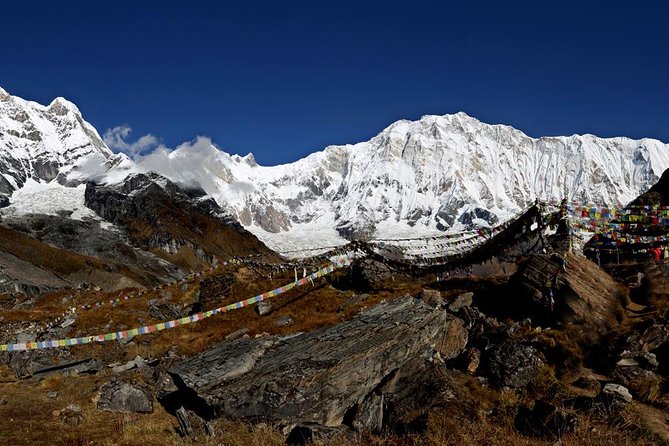
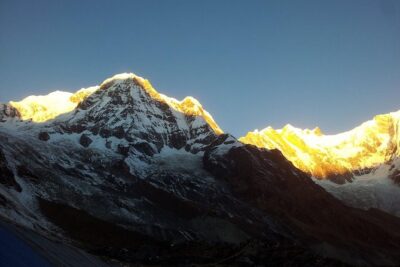
One of the highlights is the early morning ascent to Poon Hill. You hike uphill to catch sunrise over the Annapurna and Dhaulagiri ranges, plus peaks like Nilgiri and Lamjung Himal.
This is one of those moments where the effort makes sense. You are not just walking for distance, you are walking for a visual payoff. Sunrise viewpoints in the Himalayas also teach you a key trekking skill: timing. You have to be ready for cold air, changing wind, and the reality that visibility can vary.
You will then descend and continue through a mix of uphill and downhill on forested trails. The day also connects you toward the next iconic stop, and it keeps your legs working without turning the whole trek into a nonstop grind.
If you are worried about timing or cold, plan your layers carefully. The trek includes a down jacket, but you still control what you wear under it. Bring a system that you can add or remove fast.
More to compare around Kathmandu
- Everest Base Camp Trek – 14 Days
★ 5.0 · 1,499 reviews - Everest Base Camp Trek
★ 5.0 · 842 reviews - Private Kathmandu Sightseeing Tour | UNESCO World Heritage sites
★ 5.0 · 756 reviews - Kathmandu: 7 UNESCO Sites with Lunch
★ 4.8 · 744 reviews
Jhinu Danda and the Hot Spring Break
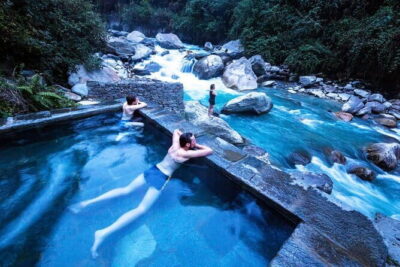
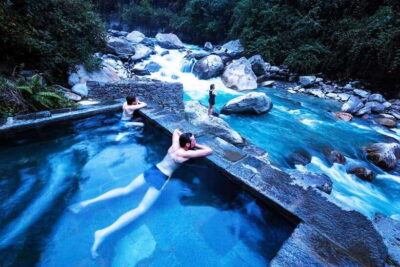
As the trek continues, you walk through forested sections and cross the suspension bridge over Kimrong Khola to reach Jhinu Danda. The big perk here is that you can take a short rest in the hot spring before continuing.
Hot springs on a trekking day do two things. They relax muscles that are tightening from stone steps, and they give your mind a small reward break. That matters because trekking fatigue is not only physical, it is also mental, and Jhinu offers a reset button.
After the hot spring, you continue onward toward the next area. Expect more stairs and more walking, but you are not starting fresh from scratch because your body just got that warm recovery time.
A heads up: hot spring dips can be relaxing, but do not treat it like a full spa day. Keep your focus on hydration and warm clothing afterward so you do not chill when the air temperature drops.
Chhomrong to Sinuwa Rhythm: Stone Steps, Forest Colors, and Altitude Work
This day follows a pattern that becomes common on Annapurna: descending on stone stairs, crossing a river, and then climbing again. You move through rhododendron forest with orchids and ferns, then descend after crossing Chhomrong Khola to reach Sinuwa.
I like this segment because it is not just “go higher.” It teaches you a steady trekking rhythm: walk, pause, walk again. You are building acclimatization through consistent effort, not sudden bursts.
You can also expect the terrain to keep you alert. Stone steps can be efficient, but they also beat up your knees if you rush or take long, awkward strides. My advice is to keep steps short and controlled, especially when you feel tired.
In this section, you are also starting to feel the altitude more. Even if you do not get hit immediately, your body tends to remind you with slower breathing and less pep. That is exactly when your guide’s check-ins become valuable.
Deurali to Machhapuchhre Base Camp: The Big Altitude Day
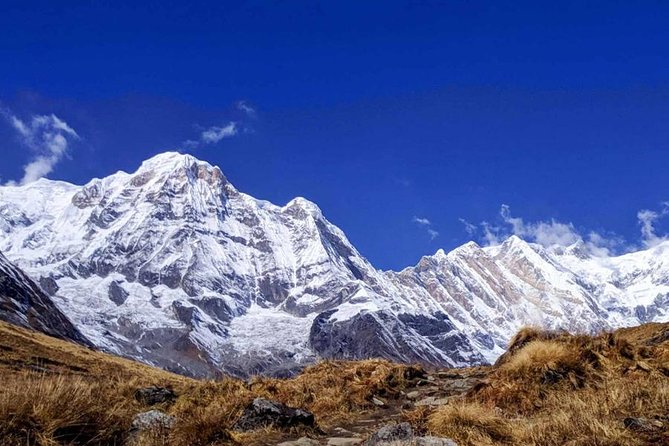
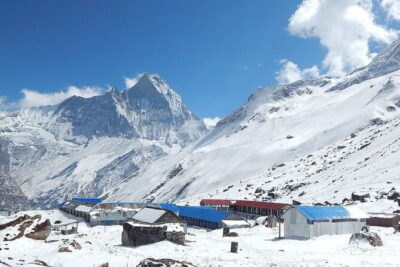
Then comes one of the more dramatic portions. You ascend to Deurali and continue along stone stairs to reach the Machhapuchhre Base Camp area at about 3700 m.
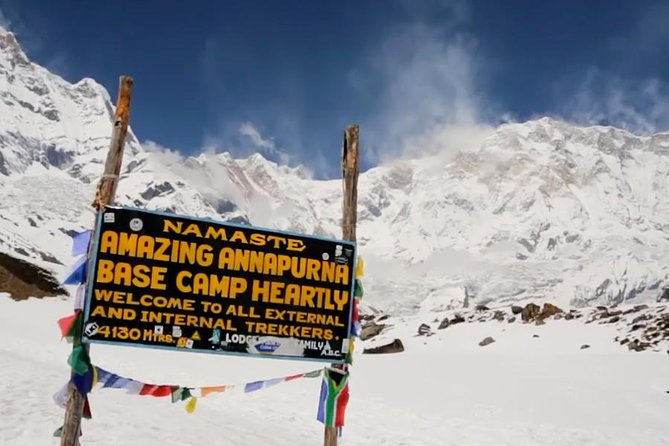
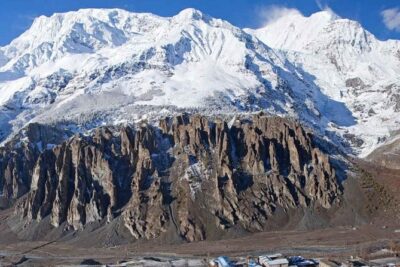
The key value of this day is perspective. You go from forest trails to a more open, mountain-focused world. You walk along moraines, and the terrain starts looking like it belongs to glaciers and ancient rock movement. This is the point where the trek shifts from village-and-forest hiking into a high-mountain environment.
You are following routes shaped by the landscape rather than just carved paths. That makes the hike feel more serious, even when the pace is controlled.
If weather changes, it can change quickly up here. A down jacket helps, but your layering strategy still matters. You also want to keep your water intake steady, because high altitude often makes you feel less thirsty than you should be.
Morning Descent From Machhapuchhre Base Camp to the Moraine Route
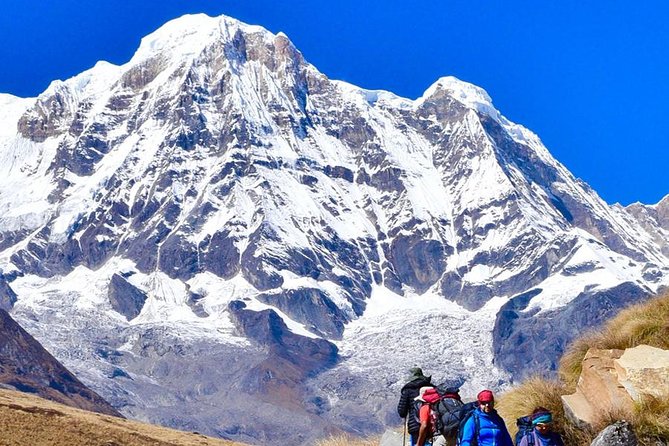
The next day starts with descending to Machhapuchhre Base Camp through the moraine route. After that, you follow trails by Modi Khola through rhododendron and fir forest toward the next overnight areas.
This is a smart continuation day because it combines mountain views with recovery. You are still working, but you are not constantly pushing higher. Descents can be tricky on your legs, though, so pace matters.
A practical tip: descending feels easier than climbing until your quads start burning. You can protect your knees by leaning slightly into the slope, using shorter steps, and taking small pauses.
As you move through forested sections, you get breaks from wind and exposure. Those patches of shade can feel like a blessing after the more exposed high points.
Upper Chhomrong to Jhinu Danda Again, Finishing With Meaning
One of the later days includes a route that works through Sinuwa, then down to Chhomrong Khola. You then climb stone stairs to upper Chhomrong and descend back toward Jhinu Danda for a warm dip.
Seeing Jhinu Danda again on the trek is not wasted time. It gives you another chance to recover, especially because the second half of the trek often feels tougher even when the days look similar on paper.
You also get the satisfaction of moving through communities you already walked through earlier, but now you are doing it with mountain context in your head. It turns the walk into reflection time.
The trekking approach here is simple, keep moving, keep hydrated, and let your guide handle pace adjustments when conditions change.
Back Down to Nayapul and the Return to Pokhara
After the trek, you descend to Nayapul following trails by Modi Khola and enjoy the scenery along the way. Then you drive back to Pokhara.
This portion is crucial for preventing the “finish line crash.” It is tempting to speed up because you can feel the trip ending, but rushing descents can make the final day miserable. I would rather arrive tired-but-able than arrive limping.
In the evening after returning to Pokhara, you have free time. The schedule suggests you can either rest or continue with casual sightseeing based on your own plans. Keep it simple: eat well, sleep early, and do not plan anything too energetic.
Pokhara to Kathmandu: A Peaceful End to an Intense Circuit
On your final day, you leave Pokhara early by tourist bus and return to Kathmandu. You should expect greenery, villages, and highway views in the ride, plus a clean stop back at the meeting point.
I like a final transfer like this because it gives closure without rushing. You get to process what you just did. If you feel wired when you land, that is normal. Trek fatigue can hit late.
You will finish at Kathmandu, and the experience ends back at the meeting point. That keeps your logistics tidy, which is a big deal when you are tired.
Price and Logistics: What You Are Really Paying For
At $986 per person, you are paying for more than a guided walk. You are paying for a package that includes:
- Down jacket, sleeping bag, and a duffel bag, which can save money and hassle
- Permits and entry fees handled as part of the plan
- Best available guesthouse stays, mainly twin sharing
- Food built into the schedule, with breakfast each trek day plus the counted lunches and dinners
- A licensed English-speaking trekking guide and staffed support
- An oxymeter for pulse and oxygen saturation checks, plus first aid medical kits
What is not included matters too. You will still need travel insurance, your personal trekking equipment, and you will pay for tips for trekking staff. Alcohol and drinks are also not included, and laundry is not part of the deal.
So is it value? For me, it is value if you want a well-managed trek where the “hard parts” are taken care of. If you already own top-tier gear and you are comfortable organizing permits and guesthouses yourself, you could potentially do it cheaper. But if you want the peace of mind, this package is built for it.
Guide Quality and the Human Side, Including the Names I Saw
One consistent theme in the positive trek experiences attached to this operator is the guide team and how they handle people on the trail. Names that came up in standout stories include Prakash, Dhakal Saroj, Mansing, Shiva, and Naba.
Porters like Kul and Nishan also got specific praise for being helpful and kind, which makes sense. On the Annapurna route, your day depends on whether your logistics run smoothly, and porters often handle the practical backbone of that.
That said, one caution I would keep in your back pocket: if you are a first-time trekker or a solo traveler, ask clear questions before you go. Make sure you understand who your guide is, how support works, and how your pace adjustments will be handled. It is rare, but trekking goes better when the guide matches your needs.
Who This Trek Suits Best
This Annapurna Base Camp trek suits you if you:
- Want a classic route with Poon Hill sunrise and Jhinu hot springs
- Prefer organized days with guesthouses and meals planned
- Are comfortable with moderate physical effort and a steady climbing rhythm
- Like having a licensed English-speaking guide and an added safety tool like the oxymeter
You might want to think twice if you:
- Struggle with stone steps and repeated uphill/downhill patterns
- Are very sensitive to altitude and have not done any training
- Expect a fully flexible schedule that ignores weather
Should You Book This Annapurna Base Camp Trek?
Yes, you should consider booking if you want a structured Annapurna Base Camp experience that handles permits, guesthouses, and safety basics, while also giving you big highlights like Poon Hill sunrise views and a real recovery break at Jhinu Danda hot springs. The included gear package is a genuine plus for anyone traveling from overseas, and the oxymeter checks add peace of mind.
Before you commit, check two things in your own prep. First, match your fitness to moderate uphill effort over many days with stairs. Second, plan for weather dependence, because the trek requires good conditions.
If you do those two things well, this is the kind of trek that leaves you with the feeling that the effort paid off.
FAQ
What is the duration of the Annapurna Base Camp trek?
The trek runs for about 11 days.
Where does the trek start and end?
It starts in Kathmandu, Nepal, and ends back at the meeting point in Kathmandu.
What time does the trek begin?
The start time is listed as 6:15 am.
What is included in the price?
The price includes surface transfers from and to Kathmandu, trekking permits and entry fees, guesthouse accommodation (mainly twin sharing), a licensed English-speaking trekking guide, meals (10 breakfasts, 9 lunches, 8 dinners), an oxymeter, first aid kits, and trekking team logistics. It also includes a down jacket, sleeping bag, and a duffel bag.
What is not included?
Not included are international airfare and airport departure tax, your travel insurance, personal trekking equipment, alcoholic and non-alcoholic drinks, laundry, and tips for trekking staff.
What happens if the weather is poor?
The experience requires good weather. If it is canceled due to poor weather, you are offered a different date or a full refund.
Latest Kathmandu write-ups
- Langtang Valley Trek★ 5.0 · 3 reviews
- Khopra Danda Trek★ 5.0 · 3 reviews
- Langtang Valley Trek from Kathmandu★ 5.0 · 3 reviews
- 5 night / 6 days Kathmandu Nagarkot Chitwan Pokhara tour★ 5.0 · 3 reviews
- Nepal Highlights Tour: 5 Nights 6 Days Kathmandu & Pokhara Tour★ 5.0 · 3 reviews
- Kathmandu Valley Private Day Tour★ 5.0 · 3 reviews
- Kathmandu Heritage Day Tour★ 5.0 · 3 reviews
- Conquer the Himalayas: The Ultimate 16-Day Annapurna Circuit Trek★ 3.5 · 3 reviews
Annapurna Base Camp Trek, compared.
Browse the lists this tour appears in