
Reviewed · ANNAPURNA BASE CAMP TREK
Annapurna Base Camp Trek
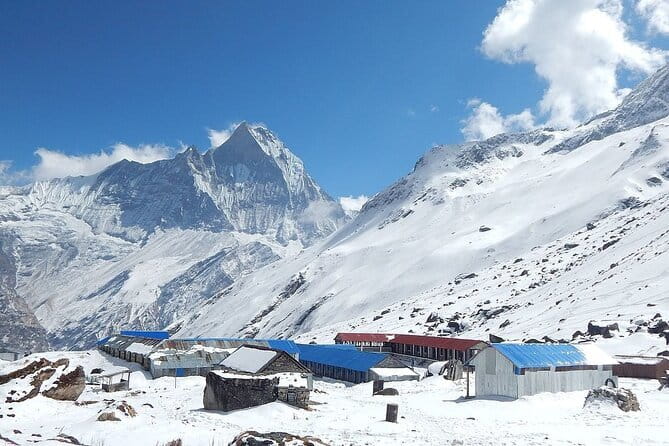
Annapurna Base Camp is the kind of trip that makes you stop thinking in straight lines. You start in Kathmandu, ease into altitude through Pokhara and village trails, then work your way toward big views and the Annapurna Base Camp area. What makes this version interesting is the focus on local experts who know the Annapurna region trails and logistics, so you are not guessing your way through permits and pacing.
Two things I really like: you get Poon Hill sunrise built into the trek early on, and your package includes trekking permits plus full meals during the trek. The main drawback to consider is altitude. This itinerary is not just a stroll, and you will need to take the acclimatization seriously the way your guide advises, especially as the route gets higher.
Key highlights to know before you go
- Local guides from the Annapurna region who help with safety, acclimatization, and trail choices
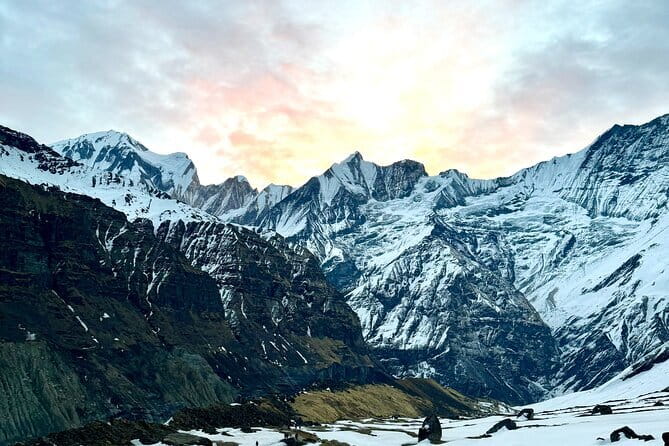
- Poon Hill sunrise for Annapurna and Dhaulagiri views early in the itinerary
- Meals and permits included, so you can focus on the hike instead of paperwork
- Pickup plus two nights in Kathmandu before and after the trek
- Duffel bag, trekking maps, and a first-aid kit included as part of the support system
- Solo-friendly support shown in past bookings where guides like Rishi and Roshan Pandey helped guests feel looked after
Local guides, real trail sense, and what that does for your safety
The biggest value here is not just that you get a guide. It is that the guides are described as local to the Annapurna region. That matters because ABC is not one single “main road” hike. It is a chain of climbs, descents, and village days where small decisions add up, like when to push, when to slow down, and which practical route details make the day feel easier.
This company also emphasizes safety and acclimatization. They manage high-altitude conditions and help you with proper acclimatization, whether you are a first-timer or you have done treks before. In plain terms, that is what you want when the trail starts feeling like it is running your lungs instead of the other way around.
You also get help with permits and logistics. That may not sound exciting, but it is the difference between a smooth trek and a stressful one, especially if you are juggling language, timing, and the usual Nepal admin stuff.
More routes into the Annapurna Sanctuary:
- Annapurna base camp trek 5 Days
★ 5.0 · 252 reviews - 14-Day Private Annapurna Base Camp Trek
★ 5.0 · 180 reviews - Annapurna Base Camp Trekking
★ 5.0 · 116 reviews
Price and logistics for a 10-day Annapurna Base Camp trek at $700
For $700, you are not paying just for “someone to walk with you.” The package includes:
- Airport pickup and drop
- Two nights accommodation in Kathmandu before and after the trek
- Breakfast, lunch, dinner during the trek
- Trekking permits and fees
- An English, Hindi, Chinese (government-licensed) first-aid trained guide
- Guide and porter costs including salary, insurance, equipment, transport, food, and accommodation
- A basic first-aid kit carried by the guide
- Duffel bag (returned after completion) and trekking maps
For many people, that is what turns the price from “sounds good” into real value. You are buying a whole working system: people, permits, food planning, and support.
A practical note: this is a private tour/activity, meaning only your group participates. If you want your trek to feel less like a cattle schedule and more like a guided plan for your pace, this setup tends to fit.
Day 1 in practice: Kathmandu to Pokhara, easy entry on the road
Day 1 starts in Thamel, Kathmandu 44600, with a start time listed as 6:15 am. Then you travel to Pokhara by tourist bus, car, or flight, and the road option is about 7 hours over roughly 200 km. The route follows along the Trishuli River for much of the ride, which is a nice way to start the trip with scenery instead of just sitting in traffic stress.
This is a smart first day because it does two things for you:
- You arrive in the trekking region without jumping into altitude immediately.
- You get a reset after travel, so the next morning trek is not your first day on legs.
Day 2: Nayapul to Ulleri through Modi Khola villages
On Day 2, you drive to Nayapul (about 1 hour), then begin trekking toward Ulleri, around 5 hours of walking.
The trail follows the Modi Khola River and goes through charming villages where you experience local culture. That kind of river-valley routing is useful for your body, too. It is not all the sudden “wall of altitude.” You spend time moving steadily while your breathing and legs get used to the rhythm.
A gentle reality check: even on village days, your pack and the steep bits will still feel real. But Ulleri is a good place to build confidence because the route gives you that mix of local life and mountain approach.
More to compare around Kathmandu
- Everest Base Camp Trek – 14 Days
★ 5.0 · 1,499 reviews - Everest Base Camp Trek
★ 5.0 · 842 reviews - Private Kathmandu Sightseeing Tour | UNESCO World Heritage sites
★ 5.0 · 756 reviews - Kathmandu: 7 UNESCO Sites with Lunch
★ 4.8 · 744 reviews
Day 3: Ulleri to Ghorepani, forests and big Annapurna views
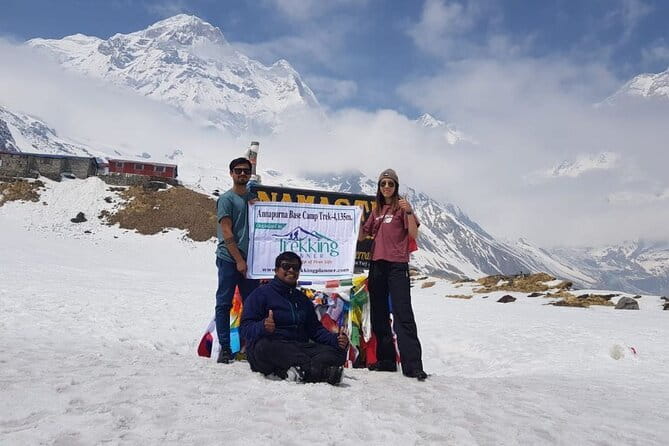
Day 3 is a longer hike, roughly 6 to 7 hours, from Ulleri to Ghorepani.
You will walk through lush forests while you ascend, and the Annapurna range views start opening up as you gain height. Ghorepani is known for being a key base for ABC approaches, and the route positioning helps you build toward Poon Hill the next day.
The main thing I like about this day is the “work that pays off” feel. You get that gradual climb and the sense that each hour gives you more of the mountain picture.
Day 4: Poon Hill sunrise over Annapurna and Dhaulagiri, then Tadapani
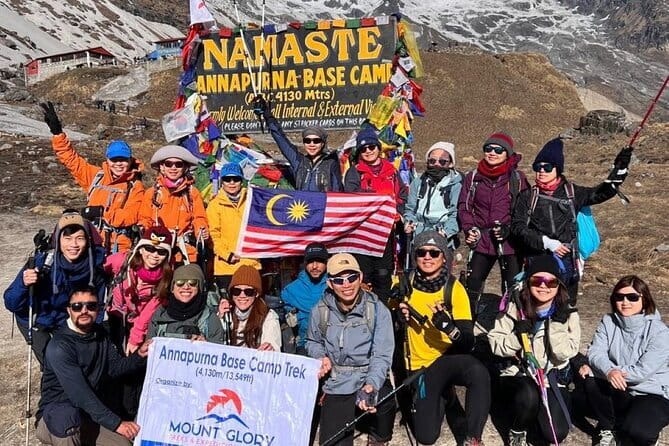
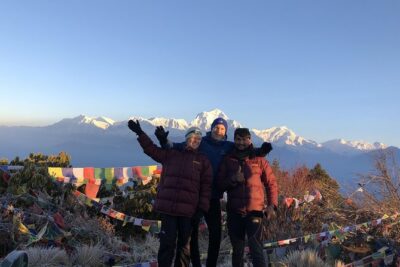
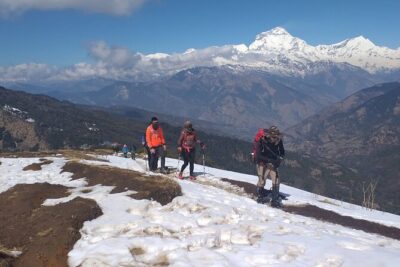
Day 4 is one of the standout days. You hike early to Poon Hill for sunrise, with views across Annapurna and Dhaulagiri mountains. Afterward, you return to Ghorepani for breakfast, then trek toward Tadapani for about 4 hours.
Sunrise hikes are always a trade. You start early, you get cold at first, and it can feel like you are waking up inside a snow globe. But you also get a top-of-the-world moment that is hard to replicate later.
For many hikers, this is also where the trip becomes emotionally real. Earlier days feel like you are traveling toward the mountains. On Day 4, the mountains start speaking back.
Day 5: Tadapani to Sinuwa, descent through forest and village life
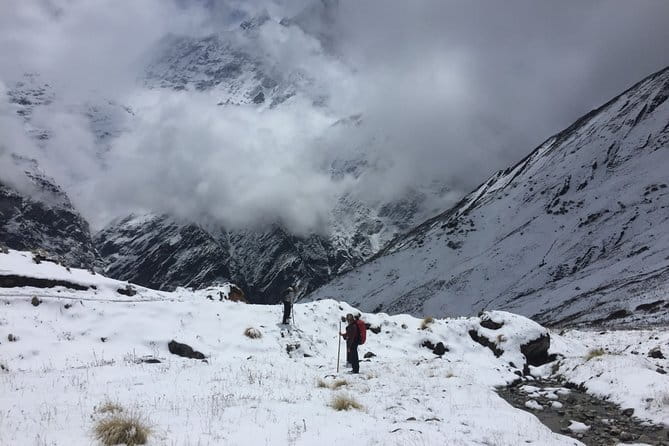
Day 5 goes from Tadapani to Sinuwa in about 6 to 7 hours.
This section is described as descending through lush forests and traversing several small villages. You also get beautiful views of the Annapurna range throughout, which helps break up the monotony that can happen on long stretches.
Why this day matters: it is not only a “get from A to B” day. It is a chance to recover a bit from the earlier climbing rhythm. Going downhill still uses your legs, but it can feel like a different kind of effort, more controlled and less steep than constant upward travel.
Day 6: Sinuwa to Deurali, steady ascent and a more rugged feel
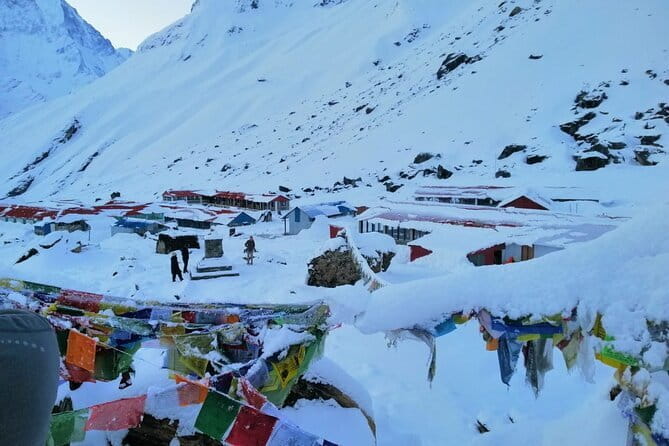
Day 6 trekkes from Sinuwa to Deurali, about 5 to 6 hours.
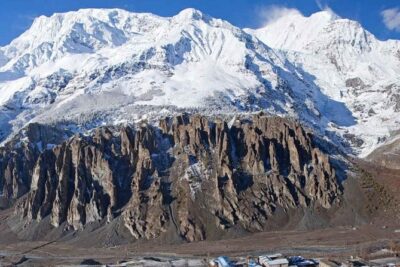
The trail ascends steadily through forests, then you cross the Khumbu Glacier area, and as you approach Deurali the landscape becomes more rugged. That shift matters. Your body may notice the change in terrain and air more than you expect.
This is also where acclimatization habits you build earlier pay off. If your guide is emphasizing pace and breathing, follow it. Altitude does not care that you have good motivation. It cares how you manage your effort.
Day 7: Deurali to Annapurna Base Camp, passing Machapuchare Base Camp
On Day 7, you hike from Deurali to Annapurna Base Camp, about 6 to 7 hours.
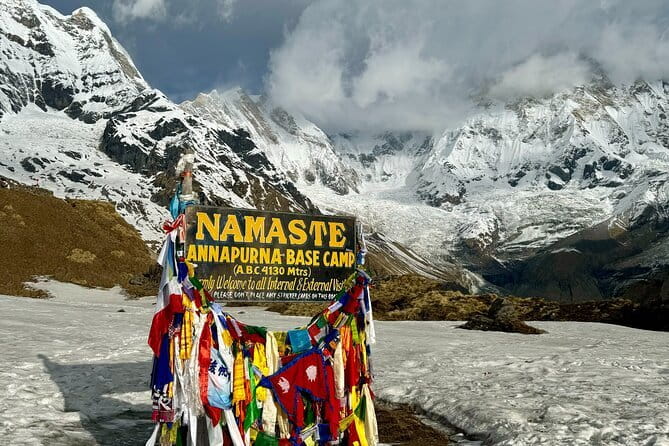
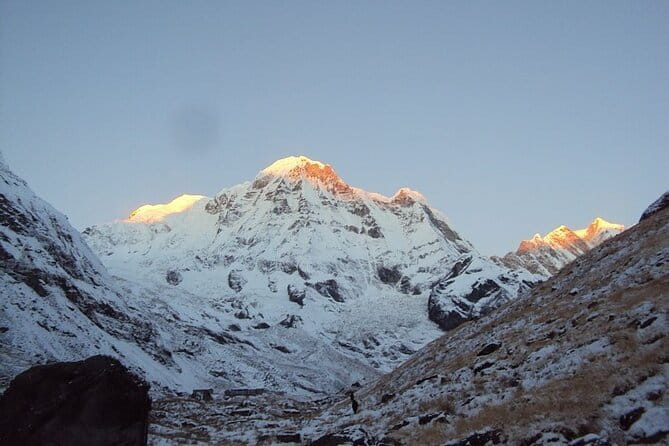
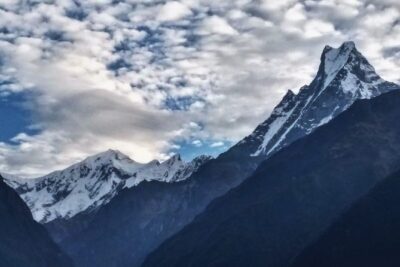
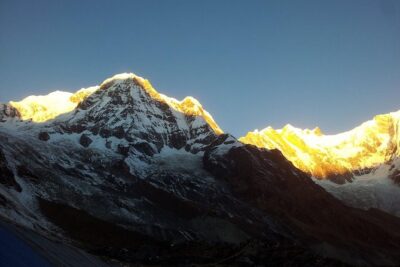
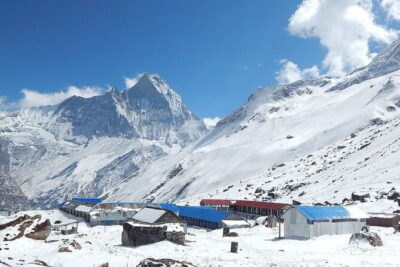
You pass by Machapuchare Base Camp along the way, and the route is described as offering stunning views as you ascend. When you finally reach Annapurna Base Camp, you will have time to take in the area and experience the sense of accomplishment that comes with reaching ABC.
This day is the emotional peak of the trek for most people. It is also where planning pays off, because the journey to base camp is not “just walk and it happens.” You will want to stay steady, avoid sprinting your way uphill, and use the time to look around, not just keep your eyes glued to your feet.
Day 8: Back to Sinuwa, the long return that still matters
Day 8 is the descent back to Sinuwa from Annapurna Base Camp, about 6 to 7 hours.
The itinerary describes it as a trek that lets you reflect while you traverse familiar trails. That is a helpful way to think about the day. Yes, you are going downhill, but your legs still work hard. It can also be a day of surprise, because the same trail can feel totally different on the way down.
I like this structure because it gives you time to process where you have been. Base camp is intense. Coming back slower helps you turn that intensity into real memories.
Day 9: Sinuwa to Jhinu, then hot springs and Pokhara downtime
Day 9 takes you from Sinuwa to Jhinu in about 5 to 6 hours.
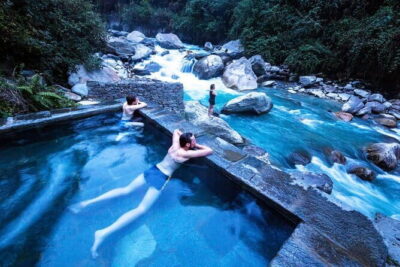
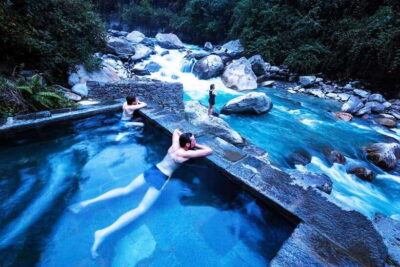
After reaching Jhinu, you get access to natural hot springs nearby, which is exactly what your legs are hoping for. Then you drive back to Pokhara in about 1 to 2 hours, and you get time to relax in the afternoon.
This day feels like the reward. Hot springs are not magic, but they do help your body feel less angry at you. The timing also works well because you still have one more travel day after Pokhara, so you are not completely wrecked for the trip out.
Day 10: Pokhara to Kathmandu, scenic drive or short flight
Your final day brings you back to Kathmandu.
The itinerary offers two options: a scenic drive of about 7 to 8 hours or a short flight. Once you are back in Kathmandu, you have free time for shopping or exploring before your departure.
This is a good way to end the trek because you do not have to immediately turn around and start another demanding day. You get to reset, eat something simple, and decide how sore you really are.
What to do to feel good on the trail (snacks, pace, and energy)
The trip guidance includes a few practical reminders that I strongly recommend you take seriously:
- Carry light snacks and chocolate for long days.
- Carry water bottles, sunglasses, and your charger.
- You can buy meals in tea houses during the trek.
That last point matters because included meals cover a lot, but trekking days can still make you want a snack mid-walk, or a warm drink when the air changes. Tea houses give you options, and your guide can point you toward what is easiest.
On pacing, the company description focuses on proper acclimatization. That is your real performance tool. If you treat Day 6 and Day 7 like they are a marathon, altitude will punish you. If you treat them like controlled effort, you will enjoy the views more and suffer less.
Guide and porter support you can actually feel, even on solo treks
One of the strongest signals from past bookings is the level of attention guests received from named team members. You might be supported by a coordinator named Mr. Madan, and your hiking guide could be someone like Rishi or Roshan Pandey, depending on your group.
Porter support is also mentioned with names like Arjun and Ganesh, including assistance with transferring baggage between camps. That means you are not personally managing every single weight shift. Your job becomes walking, not logistically reinventing the trek each day.
For solo travelers, especially women, the emphasis on a guide being available and feeling safe matters more than people realize. Even if you feel confident in the mountains, ABC is still a high-altitude, multi-day operation. Having local professionals making sure things stay on track can be the difference between a great trip and a trip you think about for stress instead of scenery.
Should you book this Annapurna Base Camp trek?
I would book this trek if you want a structured 10-day ABC experience where meals, permits, and logistics are handled, and you like the idea of starting with Pokhara and using Poon Hill for that early payoff. The price also looks fair when you factor in Kathmandu lodging, pickup and drop, guide and porter support, and included meals.
I would think twice if you are not ready for altitude. The itinerary has multiple days of steady effort, and the route timing suggests you will be working as the air thins. If you can commit to the pace and acclimatization advice your guide gives, you will stack the odds in your favor.
If you want an ABC trek that feels guided, practical, and locally run, Touch The Himalaya Treks & Expedition is a solid choice.
FAQ
Where is the meeting point for this trek?
The start point is Thamel, Kathmandu 44600, Nepal, and the activity ends back at the meeting point.
What time does the trek start?
The start time is listed as 6:15 am.
Does the price include pickup and Kathmandu accommodation?
Yes. The package includes airport pickup and drop, plus two nights accommodation in Kathmandu before and after the trek.
Are meals included during the trek?
Yes. Breakfast, lunch, and dinner are included during the trek. You can also buy meals in tea houses during the trek.
What does $700 cover for permits and trekking services?
It covers necessary trekking permits and fees, a first-aid trained guide (English, Hindi, Chinese), a basic first-aid kit, and guide and porter costs including salary, insurance, equipment, transport, and lodging.
Are tips included?
No. Tips and gratitude provided to guide and porter are not included.
Can I cancel and get a full refund?
Yes. You can cancel up to 3 days in advance for a full refund. If you cancel less than 3 days before the experience start time, the amount paid is not refunded.
Latest Kathmandu write-ups
- Langtang Valley Trek★ 5.0 · 3 reviews
- Khopra Danda Trek★ 5.0 · 3 reviews
- Langtang Valley Trek from Kathmandu★ 5.0 · 3 reviews
- 5 night / 6 days Kathmandu Nagarkot Chitwan Pokhara tour★ 5.0 · 3 reviews
- Nepal Highlights Tour: 5 Nights 6 Days Kathmandu & Pokhara Tour★ 5.0 · 3 reviews
- Kathmandu Valley Private Day Tour★ 5.0 · 3 reviews
- Conquer the Himalayas: The Ultimate 16-Day Annapurna Circuit Trek★ 3.5 · 3 reviews
- Kathmandu Heritage Day Tour★ 5.0 · 3 reviews
Annapurna Base Camp Trek, compared.
Browse the lists this tour appears in