
Reviewed · ANNAPURNA BASE CAMP TREK
Annapurna Base Camp Trek
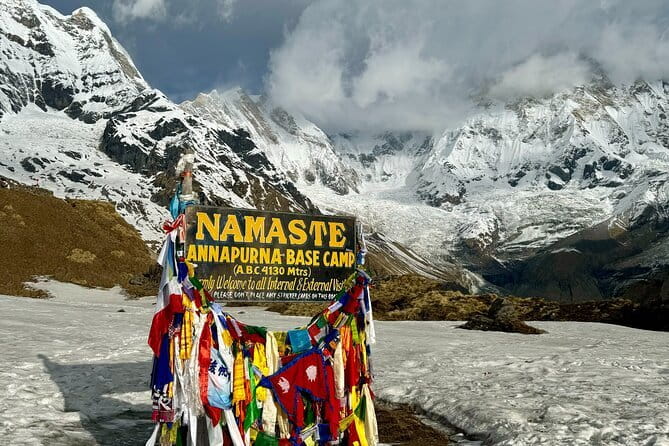
The Annapurna Base Camp trek is interesting because you get Himalaya grandeur without needing to be a logistics expert. You’ll hike about 4 to 7 hours a day through rhododendron and oak forests, suspension bridges, and Gurung villages, then end at Annapurna Base Camp for sunrise-style payoff. I like the small group size (max 10) and I like that meals and teahouse stays are handled. The only real drawback to plan for is the moderate high-altitude part, meaning you need steady pacing and you should expect slower moments as you gain elevation.
What makes this version feel practical is the way it limits decision fatigue. From Kathmandu to Pokhara, then on to the start of the trek at Nayapool, you’re not left figuring out transport or where to sleep each night. I also like that the itinerary mixes harder days with easier recovery stretches, like a mostly downhill return day. One consideration: lunch and dinner in Kathmandu and Pokhara are not included, so you’ll budget for those on arrival and departure days.
Key things I’d bank on
- Max 10 people for real attention: you hike with a guide and actually get support when conditions or energy levels change.
- Meals on the trek are handled: breakfast, lunch, and dinner are largely included, so you spend less time hunting for food.
- Teahouses plus hotels where it makes sense: you get the trek rhythm, but you’re not always stuck in basic rooms.
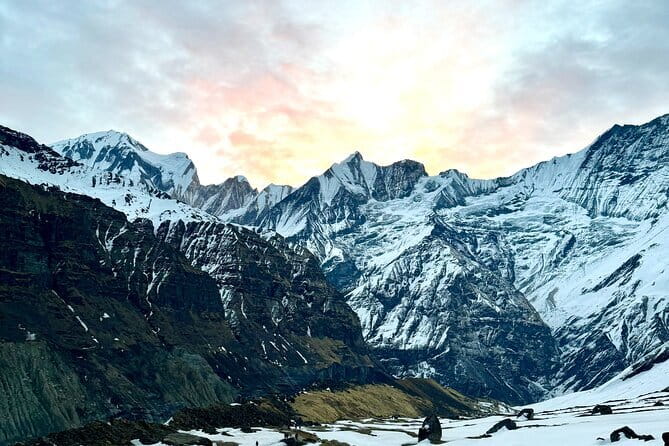
- Poon Hill is built in: a sunrise-style viewpoint day at about 3210m to warm up your mountain legs.
- Memorable spiritual and quiet moments: the route includes sections where noise is restricted due to a temple.
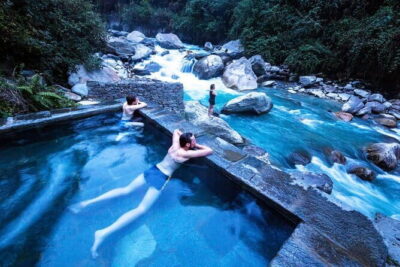
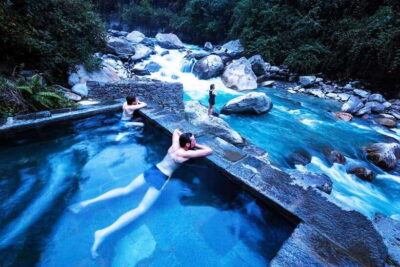
- Hot springs at the end: a real reward day at Jhinu Danda with natural hot spring ponds.
Why this Annapurna Base Camp trek feels different than a DIY plan
The Annapurna Base Camp (ABC) trek is one of those routes that looks simple on paper: follow the trail, sleep in teahouses, eat a basic dinner, repeat. The tricky part is the human stuff. Weather shifts. Footpaths get crowded. Tea house rooms fill. And if you’re not used to mountain timing, the whole schedule can feel stressful.
This itinerary cuts that stress by keeping your logistics tight. You travel with a professional guide, you’re in a group of no more than 10, and you have shared transfers for the main legs. That matters because when you’re tired, you want decisions removed, not added. You should be thinking about your breathing, your steps, and enjoying the views, not whether the next village has a decent place to sleep.
I also like the pacing reality built into the plan. The hike days are described as moderate with 4 to 7 hours on the trail. That’s a workable range for active people who aren’t trying to race the mountain. It’s also enough time to really experience the villages and forests instead of just passing through.
Finally, the guide support feels more than ceremonial. In past trek experiences on this route, guides like Suvi, Tulsi, Anil (with porter Sumon), Krishna, and Arjun have been praised for professionalism and care, including helping you adjust plans if you’re not feeling well. That kind of flexibility is what turns a stressful trek into a manageable one.
More routes into the Annapurna Sanctuary:
- Annapurna base camp trek 5 Days
★ 5.0 · 252 reviews - 14-Day Private Annapurna Base Camp Trek
★ 5.0 · 180 reviews - Annapurna Base Camp Trekking
★ 5.0 · 116 reviews
Kathmandu Thamel, then a smooth launch toward the trail
Your trip starts in Kathmandu, with an airport representative meeting you at Tribhuvan International Airport. You get a private tourist vehicle drop to your hotel, and you can rest or stop by the office to sort out details.
Why I like this setup: it reduces the first-night confusion. Kathmandu can be loud and visually intense. After a flight, you do not want to be negotiating transport, finding your own hotel, and figuring out where to pick up any final paperwork.
Day 2 then moves you to Pokhara. It’s a 200 km drive by tourist bus, about a six-hour ride, with lunch somewhere along the way. Pokhara is your staging area, and you overnight in a guesthouse.
A practical note for you: Pokhara is also where you can mentally switch gears. Kathmandu is busy. Pokhara feels more like a breath before the mountains start stacking up in front of you.
Pokhara to Nayapool: the day you stop thinking about roads
On Day 3, you drive from Pokhara to Nayapool. After about an hour, the trek begins with a short walk along the banks of the Modi River. Then you reach Birethani, where small teahouses are plentiful along the route.
This is a good day to remind yourself why guided treks are worth paying for. The trail is established, but navigation still takes attention. The guide keeps the rhythm steady, and your job stays simple: walk, hydrate, and let your body start adjusting.
The Modi River corridor also sets expectations. You’ll get that mix of village life and mountain scenery early, before the trek fully commits to the higher elevations and colder nights. It’s the kind of gradual start that helps you avoid the classic mistake, going too hard too soon.
Ulleri, Ghorepani, and Poon Hill: the warm-up day with a big viewpoint
Day 4 moves you from Ulleri through gentle ascent, passing rhododendron and oak forests to reach Banthanti, then continuing on to Ghorepani. Ghorepani is popular because it’s the jumping-off point for the Poon Hill viewpoint.
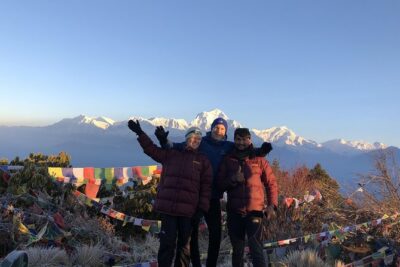
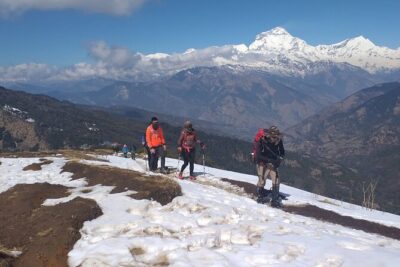
Day 5 is your Poon Hill highlight. Your day starts with a short hike to the top at about 3210m. Expect a photographer-friendly viewpoint and clear, famous mountain visibility when weather cooperates. The plan is short in hiking time, about an hour listed for this segment, but it’s still high enough to feel it in your lungs.
Why this matters for your ABC trek: Poon Hill is like a training wheels moment. You get mountain payoff early, which helps motivation. But you also get a chance to see how altitude affects you when the climb is modest, not extreme.
If you’re traveling with a group of up to 10, this is also where you’ll notice the value of having a guide. A guide helps set expectations for timing and sunrise-style conditions without making you feel like you’re on a tight schedule panic loop.
More to compare around Kathmandu
- Everest Base Camp Trek – 14 Days
★ 5.0 · 1,499 reviews - Everest Base Camp Trek
★ 5.0 · 842 reviews - Private Kathmandu Sightseeing Tour | UNESCO World Heritage sites
★ 5.0 · 756 reviews - Kathmandu: 7 UNESCO Sites with Lunch
★ 4.8 · 744 reviews
From Tadapani to Chhomrong: forest walking, then real climbing
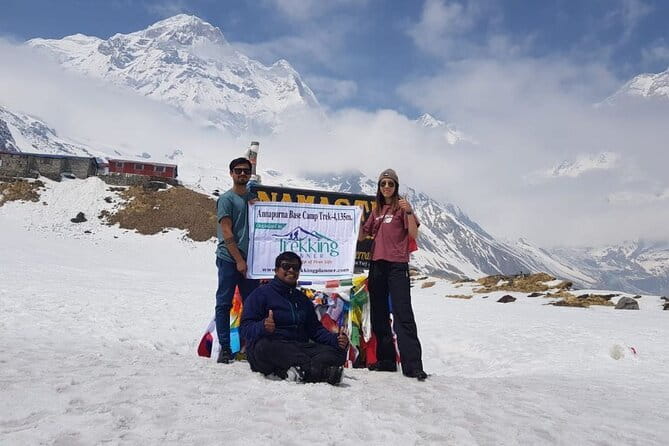
After breakfast at Tadapani, Day 6 gradually moves you down along forests of rhododendrons, then you cross the Kimsung River. From there the itinerary turns upward. You reach a Gurung village called Gurjung, then a straight climb takes you to Chhomrong.
Chhomrong is one of the key villages because it’s a major viewpoint hub and a place where the trail starts to feel more mountain-focused. The mix of forest walking and then a more direct climb is a good formula. You’re not thrown into steep terrain instantly, but you also don’t stay on flat ground long.
Day 6 is also the sort of day where having a guide pays off in the small ways. You get help pacing your effort and planning breaks. In Nepal, trail conditions can change quickly with weather, and a guide is useful for adjusting on the fly.
Chhomrong Khola, Sinuwa, and Bamboo: the steady rhythm of teahouse trekking
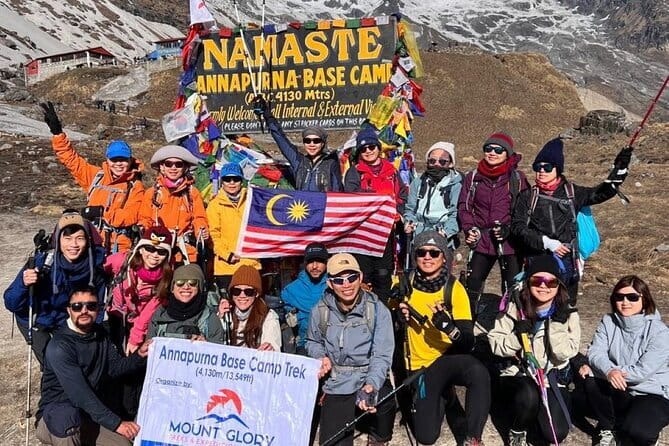
Day 7 starts with stone steps from Chhomrong down to Chhomrong Khola. You cross a suspension bridge, then climb steeply to Sinuwa. After a short jungle walk and some easier downhill, you reach Bamboo.
This is the day where you’ll feel the classic ABC pattern:
- stairs and descents that use different muscles
- a steep rise that tests your pacing
- an eventual downhill that lets you recover before the next leg
Teahouse trekking lives and dies on rhythm. You’ll eat, rest, and then walk again. When that rhythm is handled well, the trek feels like something you can own, not something that owns you.
Also, this is one of the segments where group size can affect comfort. With fewer hikers, your time at tea houses and on bridges tends to feel less chaotic, and your guide can manage timing better for the whole group.
Dovan to Himalaya: quiet jungle rules and a change in forest feel
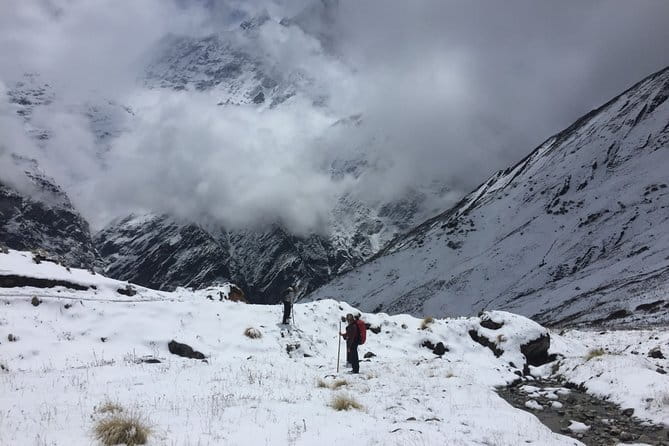
Day 8 is a quieter walk from Dovan to Himalaya, with a note that big noises are not allowed in the jungle in regard to a temple along the way. The route moves through bamboo forests, then shifts to rhododendron forests.
I like this day because it gives your brain a break from the constant focus on altitude. Yes, you’re still walking, but you’re also practicing a different kind of attention. The quiet rule makes it feel more respectful and more connected to the place.
The forest mix is also a small adventure. Bamboo and rhododendron have different vibes, and you notice the change in sound, shade, and how light filters through the canopy. It’s not about spectacle alone. It’s about how the trail keeps your senses engaged.
Deurali to Machhapuchhre Base Camp: the mountain walls start to feel close
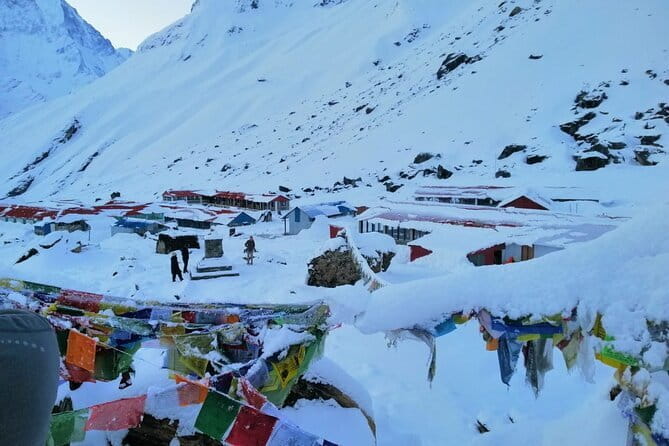
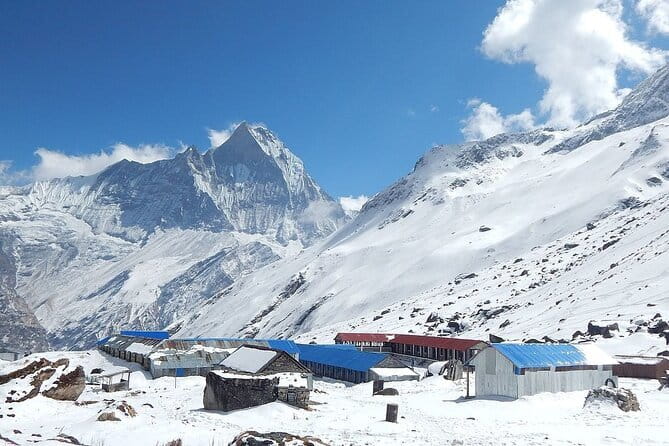
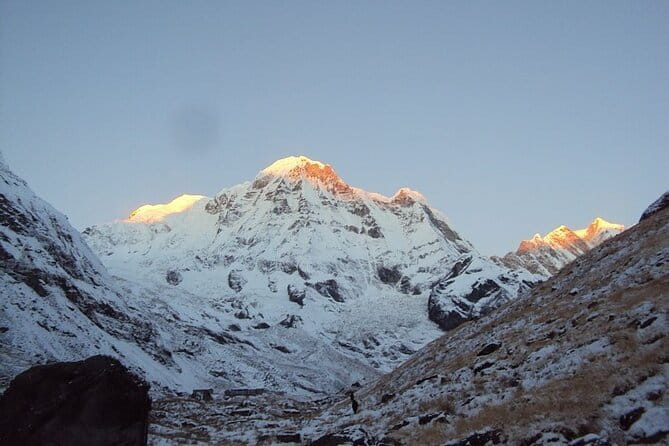
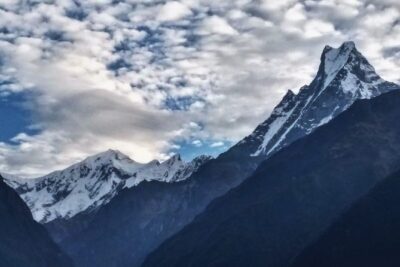
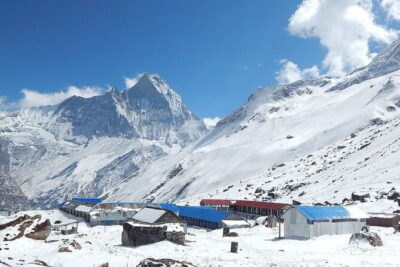
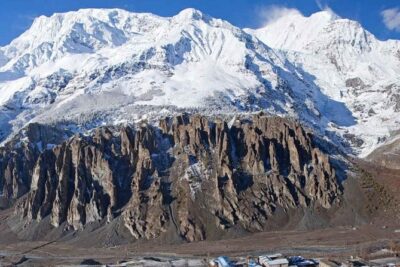
Day 9 goes from Deurali through a river bed trail, then into what’s described as a tedious climb to Machhapuchhre Base Camp. Once you arrive, you’ll be surrounded by mountains, including views of Annapurna, Machhapuchhre, Gangapurna, Himchuli, and other nearby peaks.
This day is about anticipation. You’re no longer walking in the comfort zone of a warm forest trek. You’re moving into a zone where mountain scale becomes the main event.
Also, this is where you should treat your body like it’s part of the itinerary. The slower you pace, the better you’ll sleep, and the easier the next day feels. ABC rewards consistency, not hero effort.
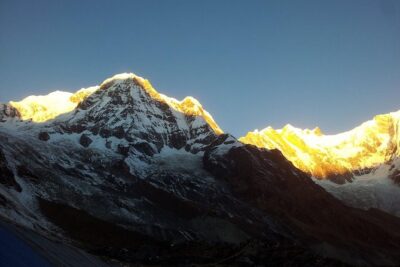
Sunrise at ABC, then your return: easier walking but still meaningful
Day 10 is described as a return day, heading back from ABC following the same trail through Machhapuchhre Base Camp, Deurali, Himalaya, and Bamboo all the way to Sinuwa. It’s mostly downhill, making it an easier walk.
I actually like return days when they’re designed well, and this one is set up that way. You get to keep the mountain memory without grinding uphill all day long. You can walk with less strain, enjoy the changing angles of the peaks, and move more comfortably between tea houses.
And don’t underestimate how good it feels to reach camp with energy still in your legs. Many trekkers struggle on return days because they push too hard early. This plan’s downhill tilt helps keep the fatigue manageable.
Chhomrong again, then Jhinu Danda: when the trek becomes a reward
Day 11 includes a stop at Chhomrong. There’s lunch in Chhumrung, and the village is described as spread over a hillside with stunning views of the Annapurnas and Machupachare.
Day 12 shifts to a very different kind of day: Jhinu Danda and the natural hot springs. There’s a hot spring with ponds where you can take a bath, located by the Modi River. It’s about a 20-minute walk from your hotel in Jhinu Danda.
This is not just a cute add-on. It’s practical recovery time. Long trek days create aches in your lower body, and warm water helps you loosen up. Even if you’re not someone who loves baths, consider this a functional reset before your final travel days.
Day 13 includes a lunch stop in Malekhu, about 30 minutes. Malekhu is famous for fish species and fish products.
Day 14 then finishes with a drive via Pashupatinath Temple. You can take a few minutes for photos.
Meals, teahouses, and what’s included for real value
This trip includes all meals on the trek and some meals in Kathmandu and Pokhara. It lists breakfast 13 times, lunch 10 times, and dinner 10 times. It also clearly notes that lunch and dinner in Kathmandu and Pokhara are not included.
For you, that means two things:
- On the trail, you’re not guessing where to eat each day. Tea houses are common, but still, it’s nice when your meal plan is taken care of.
- You should budget a bit for meals during your Kathmandu and Pokhara days, especially if you want to try local dishes outside the trek meal structure.
Accommodation is also included as per the itinerary. You’ll stay in teahouses during trekking nights, plus teahouses and hotels in Kathmandu and Pokhara. When a trek is fully guided, it’s easier to get a room without spending time negotiating or waiting at the end of a long day.
And yes, teahouse rooms can be basic. But the value here is consistency. You know you’ll have a bed, and your guide helps keep the trek flowing so you spend less time bargaining for comfort.
Guide care, max 10 group size, and the human side of ABC
I love the way small-group treks translate into better decision-making. With max 10 people, your guide can read the group. If someone’s energy drops, you can pace more carefully. If weather changes, you can adapt. If you’re not feeling well, you’re not stuck in a big crowd.
That’s not just theory. The strongest praise in past experiences connected with this trip style includes guides who feel attentive and professional. Names that come up include Krishna, Tulsi, Arjun, Suvi, and Anil. In one story, there was even help arranging a porter request when the traveler wasn’t feeling well the night before.
So here’s my practical advice for you: bring a calm, honest attitude. Tell your guide how your body is feeling each day. Treks go smoother when your guide knows what’s happening early, not after you’ve already pushed past your limit.
Porter options aren’t stated in the tour data you shared, so don’t assume anything. But the guide support style described in experiences suggests you’ll get help with questions and adjustments where possible.
Price, what you get for $925, and what you should budget separately
At $925 per person, the real question is what’s included versus what you’ll likely spend anyway.
Included:
- professional guide
- round-trip shared transfers
- accommodation as per itinerary (teahouses, plus hotels in Kathmandu and Pokhara)
- all taxes, fees, and handling charges
- meals: all on the trek, plus some in Kathmandu and Pokhara
Not included:
- lunch and dinner in Kathmandu and Pokhara
So you’re paying for the things that usually cost both money and mental energy: guide expertise, lodging coordination, and meal planning. That’s especially valuable on a trek where the terrain and schedule are fixed enough that you’d otherwise be paying for that service yourself through separate bookings.
What to budget separately:
- lunch and dinner in Kathmandu and Pokhara
- personal trek gear and any snacks you want beyond included meals
- travel insurance, since it’s not listed as included
- any extra preferences you choose on the final cultural stop in Kathmandu
If you’re the type who likes travel plans to work, not just sound good, this price can be a fair deal.
Should you book this Annapurna Base Camp trek?
Book it if you want ABC with structure. You’ll enjoy this most if you’re active, comfortable walking daily, and you want the confidence of a guide handling logistics like meals, teahouses, and the main transport legs.
Consider a different option if altitude worries you but you still want the adventure. This trek is labeled as a moderate high-altitude trek, and ABC is not a casual stroll. If you’re unsure, you might benefit from more explicit support around acclimatization tools, or you might choose a shorter route first.
My final take: this is a solid value for an 14-day small-group Annapurna Base Camp experience, especially if you appreciate calm planning and the chance to focus on the mountains, not the paperwork. And when the day comes for sunrise-style views and that first big mountain wall moment, you’ll be glad someone else took care of the boring parts.
FAQ
Where does the Annapurna Base Camp trek start?
The trip starts in Kathmandu, and the trekking begins after you travel from Pokhara to Nayapool.
How long is the trek?
The duration is listed as 14 days (approximately).
What is the hiking time each day like?
The trek is described as a moderate high-altitude trek with hiking between 4 and 7 hours each day.
Is pickup offered in Kathmandu?
Yes, pickup is offered, and an airport representative meets you at Tribhuwan International Airport.
How big is the group?
This experience has a maximum of 10 travelers.
What meals are included?
All meals on the trek are included, plus some meals in Kathmandu and Pokhara. Lunch and dinner in Kathmandu and Pokhara are not included.
What kind of lodging do you stay in?
You stay in teahouses during the trek, and hotels/guesthouses in Kathmandu and Pokhara as per the itinerary.
What is Poon Hill, and when do you visit it?
Poon Hill is a viewpoint day on Day 5. The walk to the top is listed at about 3210m, and it is included.
Is there a hot spring stop on the itinerary?
Yes. On Day 12 you stop at Jhinu Danda to visit natural hot spring ponds, about a 20-minute walk from the hotel.
How do you travel between Kathmandu and Pokhara?
On Day 2 you drive from Kathmandu to Pokhara by tourist bus, covering 200 km in about a six-hour ride.
What happens on the final day in Kathmandu?
On Day 14 you drive via Pashupatinath Temple and can take a few minutes for photos.
Latest Kathmandu write-ups
- Langtang Valley Trek★ 5.0 · 3 reviews
- Khopra Danda Trek★ 5.0 · 3 reviews
- Langtang Valley Trek from Kathmandu★ 5.0 · 3 reviews
- 5 night / 6 days Kathmandu Nagarkot Chitwan Pokhara tour★ 5.0 · 3 reviews
- Nepal Highlights Tour: 5 Nights 6 Days Kathmandu & Pokhara Tour★ 5.0 · 3 reviews
- Kathmandu Valley Private Day Tour★ 5.0 · 3 reviews
- Conquer the Himalayas: The Ultimate 16-Day Annapurna Circuit Trek★ 3.5 · 3 reviews
- Kathmandu Heritage Day Tour★ 5.0 · 3 reviews
Annapurna Base Camp Trek, compared.
Browse the lists this tour appears in