
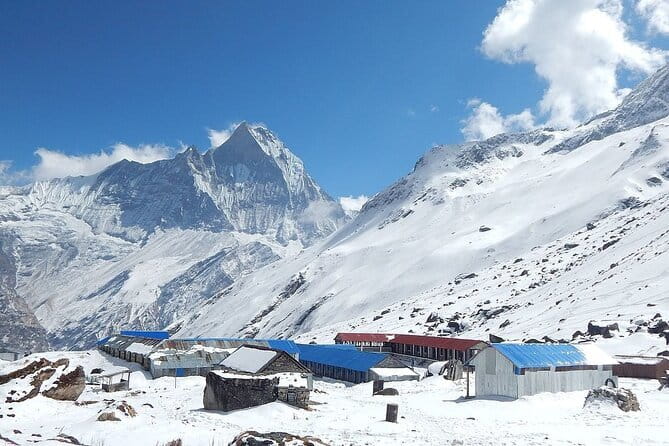
Reviewed · ANNAPURNA BASE CAMP TREK
Annapurna Base Camp trek
Annapurna Base Camp is interesting because you move from everyday Nepal life into high-mountain quiet, with your goal getting closer day by day, Annapurna Base Camp in sight. I love that the trek runs as a small-group adventure with an English-speaking local guide, and I also like that the essentials are already handled: permits plus most meals are included. One consideration, though, is that you’re hiking about 6 hours most days and you’ll be sleeping in simple tea houses, with hot shower and battery charging not included.
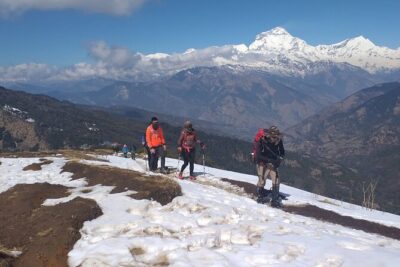
Over roughly 14 days, your route threads through rhododendron forests, bamboo groves, terraced farmland, and isolated villages. That mix matters, because the trek keeps changing your view of the world, not just the altitude. You’ll also get built-in time for photos and quick cultural moments along the way.
Base camp itself can be cold, so you want layers that actually work in mountain air, not just warm-ish city clothes. The good news is the trek is described as moderately challenging, and the daily walking time is consistent, which makes planning your energy easier.
Key Things I’d Bet On Before You Book
- Small-group cap of 10: more personal time with your guide and less crowding on the trail.
- Permits included: Annapurna Conservation Area permit and TIMS card are part of the package.
- Around 6 hours hiking daily: a steady pace that helps you settle into rhythm.
- Tea-house nights every day: you stay in the trek corridor and slow down to live the route.
- English-speaking local guide support: the operator’s team has a track record of caring guidance, including help when someone needed urgent medical assistance.
- Value built into meals and lodging: breakfast, lunch, and dinner are included, while drinks and charging are not.
From Kathmandu to the Trek Corridor: How the First and Last Days Run
This trip is based in Kathmandu, and it starts with hotel pickup and drop-off. There’s also round-trip travel by public transportation, which keeps things realistic and avoids the “we whisk you away by private car” feeling. The meeting window is wide (daily, roughly 5:15 AM to 10:45 PM), which helps if your flight lands at a weird hour.
Because this is a classic mountain trek, the “day one” vibe is usually about getting organized, meeting your guide, and settling your gear for hiking days ahead. If you’re the kind of person who likes a checklist, you’ll appreciate the passport details required for booking, since that means the paperwork part is handled early.
On the back end, you’ll return to the Kathmandu area with the same pickup and drop-off structure. The shift from trekking pace back to city time can feel abrupt, so I’d plan a little breathing room after you finish, especially if you’re tired from cold nights and early mornings.
More routes into the Annapurna Sanctuary:
- Annapurna base camp trek 5 Days
★ 5.0 · 252 reviews - 14-Day Private Annapurna Base Camp Trek
★ 5.0 · 180 reviews - Annapurna Base Camp Trekking
★ 5.0 · 116 reviews
What $999 Covers (and Where Your Money Actually Goes)
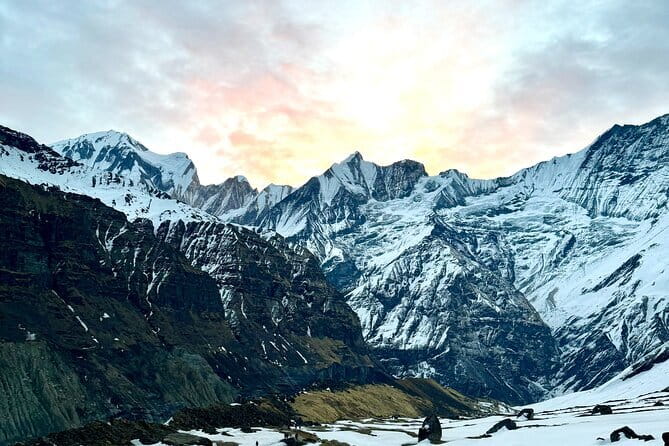
The big reason this package feels like good value is what it includes up front. At $999 per person, you’re not just buying “someone to lead the way.” You’re also getting:
- an English-speaking professional local guide
- accommodation as per the route
- breakfast, lunch, and dinner
- the Annapurna conservation area permit and TIMS card
- local taxes
- government-registered guide services
- round-trip public transportation plus hotel pickup and drop-off
That’s a lot of the annoying stuff that many hikers end up paying separately. Permits in particular are easy to get wrong on your own, and having them handled reduces stress right when you want to focus on packing, hydration, and pacing.
Now the trade-off: you should budget extra for what’s not included. Drinks are not included, and so are things like hot showers, Wi-Fi, and battery charging. Personal shopping, souvenir photos, and entrance fees for temples or monasteries are also on you.
If you want to do a smart value check for yourself, think like this: can you handle simple tea-house comfort and bring your own energy strategy for snacks and hydration purchases? If yes, the package price starts looking very practical.
Walking Days Through Rhododendron Forests, Bamboo Groves, and Terraced Hills
The trek is built around hiking about 6 hours per day. That’s long enough to feel like a real effort, but steady enough that you can plan a rhythm. Expect regular trail time, plus stops for photos, quick breaks, and time to take in the changing valley to ridge views.
Your route passes through multiple “worlds” as you gain altitude. You’ll walk through rhododendron forests, then into bamboo groves, and later across terraced farmland with isolated villages. Each ecosystem changes the soundscape and the light on the path, so even on days that feel similar in effort, they often feel different in mood.
Here’s the practical part: because you’re walking several hours daily, the biggest factor in how you enjoy the trek is how you manage your pace. Go slower than you think you should on the first chunk of the day, then let your energy rise naturally. If you try to “win” the hike, you’ll pay for it later, especially as it gets colder at higher elevations.
Also, since the package includes permits and a guide, you don’t have to spend your mental energy figuring out legal access and route logistics. That’s not glamorous, but it’s a real quality-of-life upgrade.
Tea Houses Every Night: The Comfort Level You Should Expect
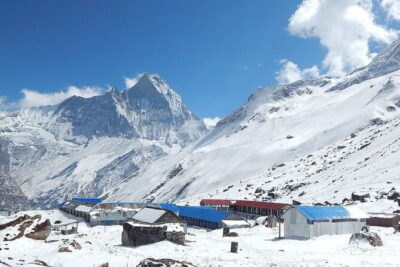
During the trek, you’ll stay in tea houses. This is one of the best parts of the Annapurna experience, because it pulls you into the rhythm of mountain villages. You’re not sleeping in a hotel bubble. You’re living the route.
Meals are included as part of the package: breakfast, lunch, and dinner are all covered per the itinerary. That matters because it prevents the classic “hike all day, then pay inflated prices for food” problem. Still, drinks are not included, so you’ll want to budget for water choices and any hot beverages you prefer.
You should also plan for limited amenities. Hot shower, Wi-Fi, and battery charging are listed as not included. In other words, don’t assume you’ll be able to stay plugged in every night. Bring a backup plan for your phone battery, like offline maps and a charged power bank before you start.
One more tea-house reality: it’s common for rooms to be basic and for warmth to depend heavily on layers. If you’re someone who needs comfort at night to sleep, prioritize packing warmth for cold evenings.
More to compare around Kathmandu
- Everest Base Camp Trek – 14 Days
★ 5.0 · 1,499 reviews - Everest Base Camp Trek
★ 5.0 · 842 reviews - Private Kathmandu Sightseeing Tour | UNESCO World Heritage sites
★ 5.0 · 756 reviews - Kathmandu: 7 UNESCO Sites with Lunch
★ 4.8 · 744 reviews
Reaching Base Camp: Cold Mornings, Big Views, and a Finish Line Moment
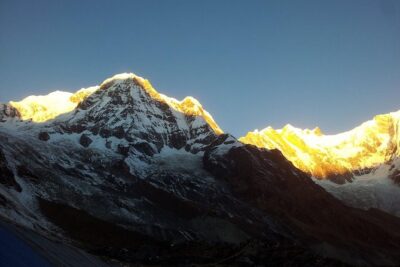
Your ultimate goal is to reach Annapurna Base Camp, the foot of Annapurna. The most memorable part is often the combination of effort and timing: the final push is physical, and then you get hit with the reward, which is a place that feels bigger than the hike getting there.
Cold is part of the deal. One past trek experience specifically called out that it gets really cold at base camp, and that kind of detail is a gift. Treat it as a warning: pack layers you can actually wear at low temperatures, and don’t rely on hope.
Weather also shapes your experience. Some treks done in monsoon season have still delivered mountain views when conditions aligned, but rain can also slow things down. Late-season departures can also work out well, but you still want to be ready for change. That means a rain layer, warm gloves if you run cold, and a plan to stay flexible.
If you’re the type who likes to chase light, you’ll likely enjoy base camp mornings. If you’re more of a “warm drink and slow breathing” person, you’ll still have plenty to do at the campsite before and after peak viewpoints.
Guide Support in Real Life: What the Team Does Beyond the Walking
This is a max-10 group, which I like for two reasons. First, it reduces waiting and crowding on narrower trails. Second, it leaves more space for your guide to adjust pace, explain route choices, and handle questions quickly.
The trek uses a government-registered English-speaking professional local guide. That matters because you’re not just following tracks, you’re learning how Nepal’s Himalaya works from someone who lives it. Expect guidance about the route, local conditions, and practical dos and don’ts.
The operator’s staff has shown strong responsiveness in planning phases. In past experiences, the owner named Rajesh has been described as quick to reply and supportive. Guides like Ganesh and Basanta have also been highlighted for taking careful care of trekkers, including in tougher moments.
There’s also one detail I find reassuring: one experience noted a twisted ankle, and the guide helped carry the person to hospital. I can’t promise that outcome for your trek, but it shows the kind of readiness and seriousness the team brings when things go wrong.
Porter support is also part of the overall setup, with names like Chhwang, Gautam, Santos, Dilli, Resham, and Kamal coming up in past experiences. Even when you personally carry most of your own day pack, having help on the logistics side makes the trekking experience feel lighter.
Value Check: Included Meals and Permits vs. What You Still Need to Budget
Let’s make the money math simple. You’re paying $999 for a multi-day trek with guide services, lodging, and a lot of legal and meal basics covered. That can save you money compared to building the same trip piece by piece, especially when permits and guide fees are part of the package.
But to keep expectations realistic, plan for costs outside the package:
- drinks during the trek
- hot shower, Wi-Fi, and battery charging
- souvenir photos
- entrance fees in temples or monasteries
- personal shopping
- trekking gears
- personal insurance
Trekking gear is a big one. If you show up without decent footwear and layers, the trek becomes harder than it needs to be. The listing also doesn’t provide personal insurance, so you’ll need to arrange that separately.
If you want the best value from this price, do two things before you go. First, bring enough cash for drinks and small purchases along the way. Second, pack your own warmth and power solutions, because the package won’t fill those gaps for you.
Fitness, Pace, and the “Moderately Challenging” Reality
This trek is described as moderately challenging, and that fits the daily structure: about 6 hours of hiking each day. You don’t need to be an ultra-athlete, but you do need to be consistent. If you can handle regular walking with a backpack for hours, you’re in the right zone.
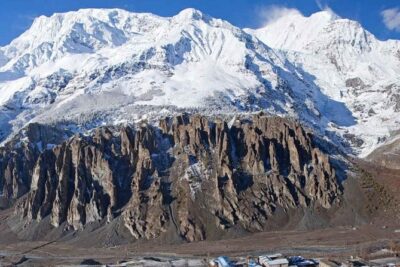
The altitude adds its own challenge. Even without exact elevation numbers listed here, the general pattern is clear: the higher you go, the colder it gets and the more important it is to pace well. The guide can help you adjust, and small-group format makes it easier for that attention to happen.
One more thing: this kind of trek can be as much mental as physical. Tea-house nights are great for slowing down, but it also means you’re living with the mountain conditions, not escaping them. If you’re comfortable with that trade, you’ll enjoy the experience a lot.
When to Book and What to Pack for Cold, Variable Weather
Season specifics aren’t provided in the details you shared, but the past experiences included both monsoon-season and late-season treks. The main takeaway: you should plan for weather variation. Sometimes you luck out. Sometimes the clouds win.
Pack for three realities:
- cold at base camp (explicitly noted as really cold in past experience)
- rain or damp conditions (monsoon season has happened successfully for some groups)
- basic tea-house comfort (simple lodging plus limited charging)
Practical packing basics for this type of trek include layered clothing, a reliable rain layer, and warm accessories. Also bring a plan for electronics since Wi-Fi and battery charging aren’t included. Offline maps and a charged power bank before you start can save a lot of frustration.
Who This Trek Fits Best, and Who Might Want Another Option
This Annapurna Base Camp trek is a good fit for active hikers who want a classic mountain experience and can handle tea houses. If you like steady days, mountain views, and learning from a guide who knows local conditions, you’ll likely enjoy the whole flow.
It’s also well suited to people who prefer structure. With permits handled, meals included, and an English-speaking guide leading, you can focus on walking and acclimating rather than logistics.
On the other hand, if you want luxury comfort, hot showers daily, and reliable Wi-Fi, this is not that kind of trip. The trek is moderately challenging and the amenities are simple by design.
Should You Book This Annapurna Base Camp Trek?
I’d book this if you want a classic Annapurna Base Camp experience with permits included, an English-speaking local guide, and enough structure that you can focus on hiking. The small group size is a real quality-of-life upgrade, and the included meals help you stay fueled without constant budgeting.
I’d skip or look for a different option if you rely on daily hot showers, constant charging, or an easy walk with minimal cold. Also, make sure you’re comfortable with the idea of simple tea-house lodging and a steady 6-hour hiking rhythm.
If you’re ready for mountains, basic comfort, and a goal that feels worth the effort, this is a solid choice.
FAQ
How long is the Annapurna Base Camp trek?
It runs for approximately 14 days.
What group size is this trek limited to?
The maximum group size is 10 travelers.
What meals are included?
Breakfast, lunch, and dinner are included as per the itinerary.
Are permits included?
Yes. The Annapurna conservation area permit and the TIMS card are included.
What does the price include?
The package includes accommodation, a government registered English-speaking local guide, hotel pickup and drop-off, round-trip by public transportation, meals (B, L, D), and local taxes.
What is not included in the trek cost?
Drinks, entrance fees in temples and monasteries, Wi-Fi, hot shower, battery charge, personal shopping, trekking gears, and personal insurance are not included.
Can I cancel for a full refund?
Free cancellation is available. You can cancel up to 24 hours in advance for a full refund, and cancellations within 24 hours of the start time are not refunded.
Latest Kathmandu write-ups
- Langtang Valley Trek★ 5.0 · 3 reviews
- Khopra Danda Trek★ 5.0 · 3 reviews
- Langtang Valley Trek from Kathmandu★ 5.0 · 3 reviews
- 5 night / 6 days Kathmandu Nagarkot Chitwan Pokhara tour★ 5.0 · 3 reviews
- Nepal Highlights Tour: 5 Nights 6 Days Kathmandu & Pokhara Tour★ 5.0 · 3 reviews
- Kathmandu Valley Private Day Tour★ 5.0 · 3 reviews
- Kathmandu Heritage Day Tour★ 5.0 · 3 reviews
- Conquer the Himalayas: The Ultimate 16-Day Annapurna Circuit Trek★ 3.5 · 3 reviews
Annapurna Base Camp Trek, compared.
Browse the lists this tour appears in