
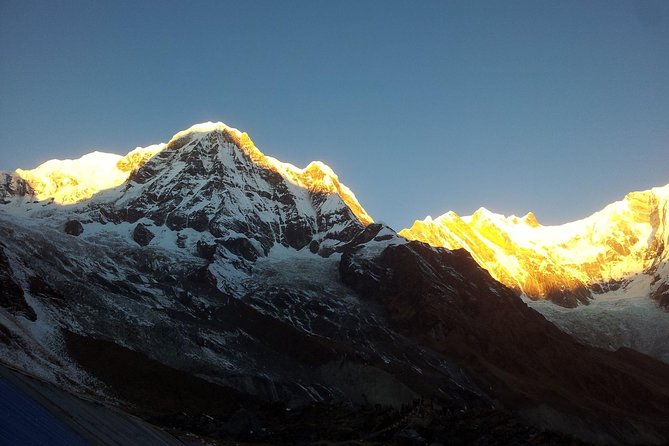
Reviewed · ANNAPURNA BASE CAMP TREK
Annapurna Base Camp Trekking
If you want big Himalayan payoff on a tight schedule, this 10-day Annapurna Base Camp trek is built for you. You start in Nepal’s cities, fly and drive into the mountains, then work your way through classic stops like Poon Hill and Chhomrong before spending the night at a guesthouse at Annapurna Base Camp.
I like the structure here because it keeps the days active without turning the trip into a logistics headache. In particular, I really appreciate that teahouse accommodation and meals are included, so you can focus on walking, acclimating, and taking in the views.
The one real consideration is effort and altitude. Even with teahouses and support, you still climb to about 13,550 ft (4,130 m), and the daily walking time is commonly in the 5 to 7 hour range.
A Few Reasons This Trek Works So Well
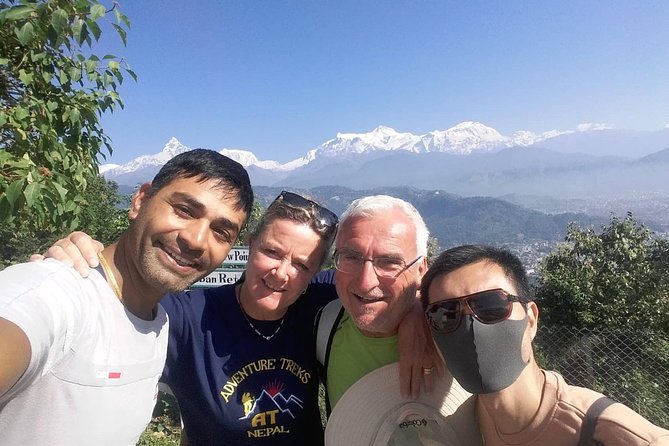
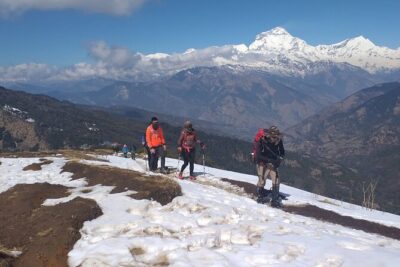
I also like that this trek intentionally mixes a few different flavors of the Annapurna region. One day it’s the sunrise vantage approach around Poon Hill, and another day it’s the long push toward the base camp area, where weather and your pace start mattering more.
And if you’re going in spring, this itinerary lines up nicely with rhododendron season, when those forests can be in bloom around the Ghorepani and related stretches. The careful part, though, is matching your fitness to the plan, because you’ll be hiking daily at altitude and sleeping at elevation, not just day hiking.
Key Things to Know Before You Go
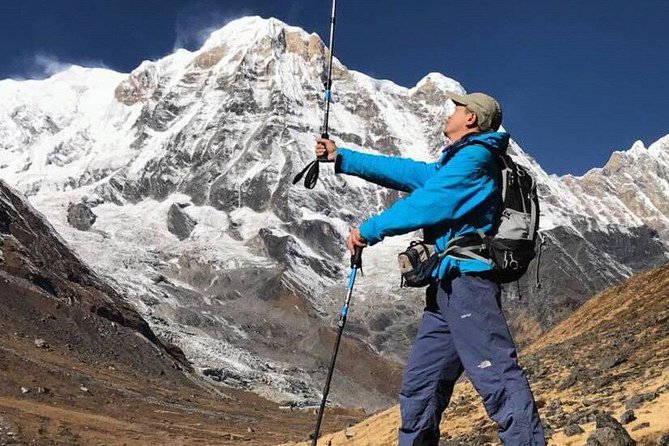
- You get an overnight at Annapurna Base Camp rather than just passing through
- Poon Hill is included, a smart add-on for big views on a shorter timeline
- Spring timing can bring rhododendron in bloom, especially around the Poon Hill area
- Your itinerary is daily hiking plus transfers, with a morning start time and city-to-trail planning
- Teahouses handle lodging and meals, but you should expect simple mountain food
- This is a private tour, so it’s designed around your group rather than random mixing
More routes into the Annapurna Sanctuary:
- Annapurna base camp trek 5 Days
★ 5.0 · 252 reviews - 14-Day Private Annapurna Base Camp Trek
★ 5.0 · 180 reviews - Annapurna Base Camp Trekking
★ 5.0 · 116 reviews
Entering Annapurna Base Camp, Without Needing a Month
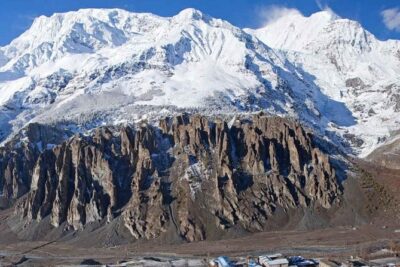
Annapurna Base Camp treks are famous for a reason. You work upward through terraced villages and forest, and then you hit that final stretch where the mountains start to feel unreasonably close. This version is interesting because it’s short enough to be realistic for many schedules, while still giving you a full trek experience instead of a rushed day or two.
The best part for many people is the combination of highlights. You get the view-building days like the Poon Hill segment, then you get the harder, higher days that lead you to base camp. And you get the payoff day when you’re not just taking photos, you’re actually sleeping at the guesthouse at ABC, which changes the feel of the place. Base camp is not only a destination, it’s a moment.
Also, I’m a fan of the way the trek is paced across multiple villages and waypoints. Even though it is still a hiking trip, you’re not hiking the exact same terrain every day. You pass through different altitude zones and walking styles, which makes it easier to stay focused and not feel like you’re doing one long grind.
Day-by-Day Breakdown: What Each Stop Feels Like
Below is the flow of the journey, translated into what you’ll actually experience each day. I’m focusing on what each day adds, and what to watch for so you can plan your own energy.
Day 1: Fly to Pokhara, Drive to Nayapul, Start the Trek
The trek begins with a morning flight to Pokhara, followed by a drive to Nayapul. The day includes an admission ticket, and it’s about 6 hours total on the plan.
Why this matters: starting with air and then a short transfer helps you spend more of your time hiking rather than losing half a day to road travel. You’ll ease into the trekking rhythm on this first day, and it’s a good chance to get your pack sorted and your body moving before the altitude really starts to creep up.
More to compare around Kathmandu
- Everest Base Camp Trek – 14 Days
★ 5.0 · 1,499 reviews - Everest Base Camp Trek
★ 5.0 · 842 reviews - Private Kathmandu Sightseeing Tour | UNESCO World Heritage sites
★ 5.0 · 756 reviews - Kathmandu: 7 UNESCO Sites with Lunch
★ 4.8 · 744 reviews
Day 2: Poon Hill to Ghorepani
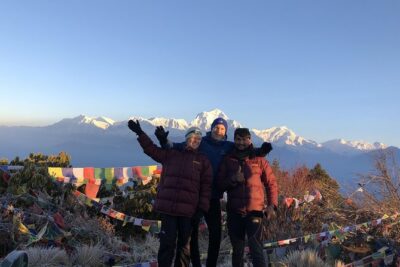
Today’s trek heads to Ghorepani with Poon Hill as the big stop. The day is about 6 hours.
Poon Hill is the add-on people remember because it tends to deliver a strong view experience without requiring a multi-day detour. It’s also part of why spring can be special here. When rhododendrons are blooming, this corridor can feel colorful and alive as you hike through forested stretches.
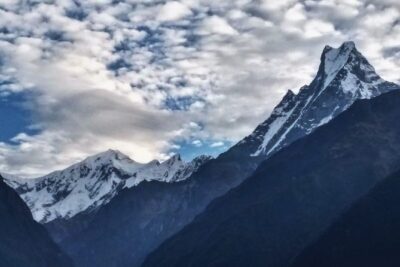
Day 3: Machhapuchhare Base Camp to Tadapani
You trek to Tadapani, with Machhapuchhare Base Camp as a notable waypoint. Expect around 7 hours.
This is one of the days where you’ll likely feel the altitude more than you did on day 2. Tadapani is often where the trail atmosphere shifts. Instead of only thinking about views, you start thinking about pacing, breathing, and keeping steady on the climbs.
Day 4: Chhomrong, a Classic Annapurna Junction
Today takes you to Chhomrong and is about 6 hours.
Chhomrong is important because it’s a well-known “turning point” area in Annapurna treks. Even without turning it into a history lesson, it’s a psychological checkpoint. After reaching it, base camp starts to feel less like a distant idea and more like a route you can picture step by step.
Day 5: Doban, Where the Trail Turns More Remote
You continue toward Doban and the day is about 6 hours.
This is the day where the trip starts to feel more mountainous and less village-driven, and that can be a good thing. When you’re in Doban, you’ll likely notice how the environment changes and how your rest breaks start to become part of your rhythm. If you’re someone who does better with frequent planning, this is a good day to slow down and treat breaks as real recovery.
Day 6: Deurali, Pushing Toward Higher Ground
Today’s trek heads to Deurali and takes about 5 hours.
Deurali is a key staging point because it sits closer to the higher base camp zone. Even though the walking time is listed at 5 hours, don’t let that fool you. In altitude trekking, shorter days can still feel heavy. This is where you’ll want your strategy to be simple: steady pace, water, and no hero moves.
Day 7: The ABC Day (Annapurna Base Camp)
Today is a direct push to ABC, about 5 hours.
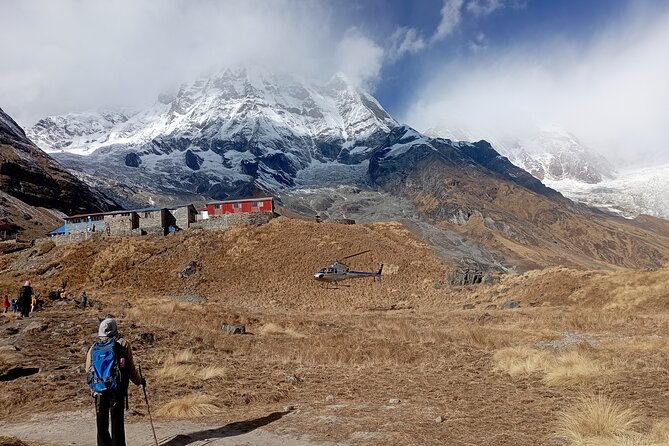
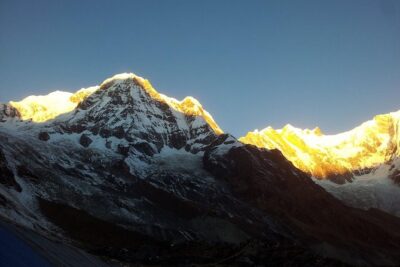
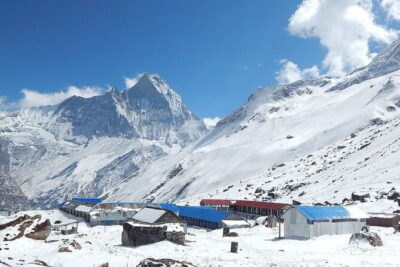
This is the day you’ve been building toward. The big difference at base camp is that the place has its own energy. You’re high enough that the surroundings feel serious, and you’re also close enough to the Annapurna massif that it changes how you judge distance. After you arrive, you’re not just sightseeing. You’re staying overnight at a guesthouse at Annapurna Base Camp.
Day 8: Bamboo, Back Down in a Controlled Way
You trek to Bamboo in about 6 hours.
This day is a reality check in a good way. You’re getting close to the end, but you still hike. Bamboo helps you connect the base camp experience back to the broader Annapurna region, and it usually sets up the final two days for easier footing and better pacing.
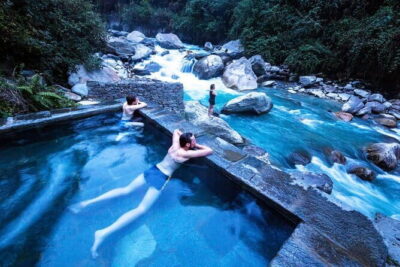
Day 9: Jhinu, Hot Springs Territory
Today takes you to Jhinu in about 5 hours.
Jhinu is known as a relaxation point on many ABC itineraries. Even if you do not plan an extra activity, the setting and the slower mood can feel like a reward day. You’ll still be walking, but the end is clearly in sight.
Day 10: Pokhara Museum, Finish in the Lakeside City
The final day shifts to Pokhara and includes time at the Pokhara Museum. The day is about 5 hours, and after the trek you’ll drive to your hotel in Pokhara.
This is a smart finish. After days of narrow trail time, a city day lets you eat normally, shower more easily, and reset. It also gives you a clean landing for anyone who needs to transition back to travel or flights.
Teahouses and Meals: Simple, Functional, and Usually Good Enough
The trip is designed around teahouse accommodation. That is one of the biggest reasons this itinerary works for a range of hikers. You do not have to manage camping gear, and the daily pattern is more predictable: hike, check in, eat, sleep.
Meals are included, with breakfast (10), lunch (10), and dinner (9) listed in the plan. That’s helpful because you can plan your costs and avoid surprise meal decisions on the trail.
Now for the honest part: mountain food can be basic depending on where you are and what’s available. One small note from past experiences is that the menu can feel simple, and you might want to add something at extra cost. I don’t treat that as a deal breaker. It just means you should stay flexible and not expect restaurant-level variety.
What I like most about teahouses is the social rhythm. You’re not alone in the mountains. You’ll often see people coming in around the same time, sharing trail stories, and comparing how the day felt. If you’re the type who likes a little company, this structure can make the trip feel less isolated.
The Team Behind the Trek: Clear Communication and Caring Guides
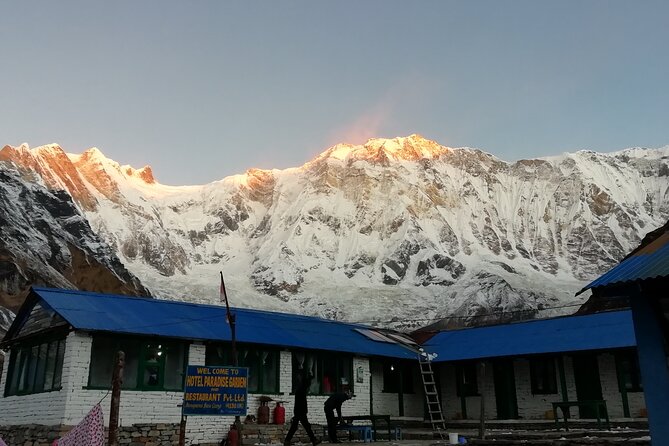
A big part of a good trek is how it’s run. The operator behind this itinerary, Destination Unlimited Treks, is associated with a leader named Ashok, who is described as very responsive and organized from the beginning. For many people, that quick communication is a comfort, especially when you’re planning a multi-day mountain trip.
The trekking experience is also tied to guides and porters named across past trips. Guides you may see referenced include Hari, Prakesh, Homprakash, and Rai Badal. Porters mentioned include people like Surendra, Durga, and Bobinda.
I’m not going to claim you’ll get the exact same team on your dates, because teams can vary. But the pattern in those reports is consistent: the human part of this trek is treated seriously. People highlighted their attentiveness, their care during tougher stretches, and even a fun, lively vibe in the evenings.
One detail I’d keep on your radar is the cultural evening touch. Past experiences included a farewell dinner with dancing, which adds a memorable social moment after the trekking effort.
Spring Rhododendrons, Big-View Days, and Wildlife Chances
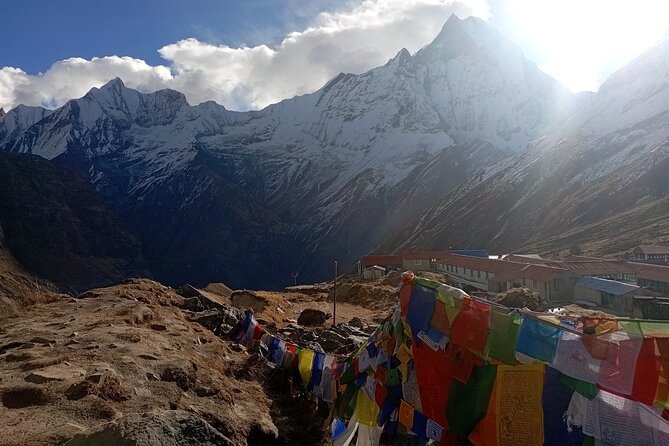
This trek has a built-in seasonal win. In spring, it’s specifically promoted as a time to see the rhododendron forest in bloom. One of the reasons that’s worth caring about is that it adds texture to the hike. You’re not only chasing altitude and snow peaks. You’re also walking through living forest that can look dramatically different over a short time window.
You’ll also encounter a mix of terrain and conditions as you go up. The route is designed to show different parts of the Annapurna region, from village edges to higher mountain settings, and that variety helps keep your attention engaged.
The itinerary also positions you to watch for wildlife. That’s not guaranteed, but since the plan is about hiking through diverse elevation zones and habitats, it gives you reasonable opportunities to spot animals if conditions align.
Kathmandu to Pokhara: The Transfers That Reduce Stress
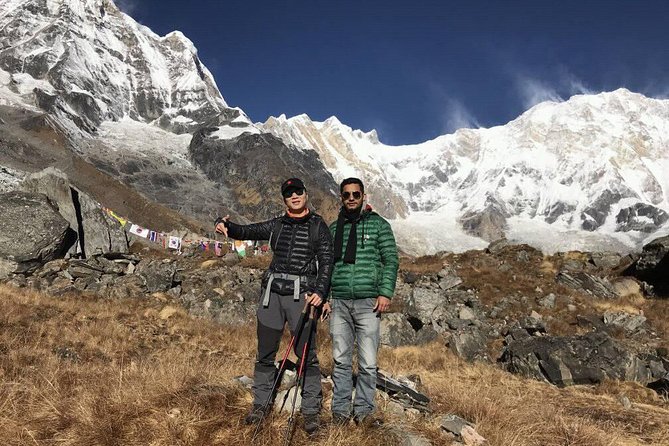
A trekking schedule can look fine on paper and still feel exhausting if transfers are messy. This plan reduces that friction by using a morning flight to Pokhara at the start and a drive back to your Pokhara hotel at the end.
You meet at Destination Unlimited Treks in Kathmandu, in the Thamel area (Thamel Rd, Kathmandu). The start time is listed as 6:15 am, so plan for an early morning. The meeting point is described as near public transportation, which is useful if you’re not staying right next door.
Why I like this structure: when your trek begins early, you avoid the trap of waking up, then spending hours waiting for logistics. By getting set up quickly, you’re more likely to start the trail with good energy.
Price and Value: $1,180 for a Shorter, Organized ABC Trip
At $1,180 per person, this trek sits in the mid-to-higher range for Nepal trekking. The good news is that the value story is clear. You’re not paying just for the walking. You’re paying for a package that includes:
- Teahouse accommodation along the way, including an overnight at ABC
- Meals (breakfast, lunch, and dinner as listed)
- Some admission or entry tickets included in the day plan
- A private setup for your group
If you tried to DIY this, the cost would likely shift into guide time, permits, coordination, and the risk of mismatches when you’re at altitude. A private, organized approach can be worth it because it protects your time and reduces decision fatigue.
That said, this price only feels great if you’re the kind of person who will use the included pieces. If you’d rather move completely independently, a private package may feel like paying for structure you do not want.
Also note what is not included. Tents are not included, which confirms that this is a teahouse style trek, not a camping expedition.
Who Should Book This Annapurna Base Camp Trek
This is a strong fit if you want:
- A 10-day timeline rather than a longer trek
- An itinerary that includes Poon Hill plus a true overnight at base camp
- Teahouse lodging and meals so you can focus on the trail
- A private group experience with structured planning led by Destination Unlimited and Ashok
It might not be the best fit if you want lots of downtime built into the schedule, or if you’re not comfortable hiking daily at elevation. The plan calls for moderate physical fitness, and the itinerary includes several days of 5 to 7 hours of walking, plus the altitude climb.
Should You Book This Trek?
My take: if you can handle steady daily hiking and you’re excited by the idea of sleeping at ABC, I think this is an efficient and rewarding way to do it. The standout value is not only the destination, it’s the blend of Poon Hill views, teahouse comfort, and the organization that keeps the whole route from becoming a puzzle.
Before you book, do two quick checks:
- Be honest about your fitness for a daily schedule that reaches about 4,130 m.
- Confirm your expectations for food being simple and practical, and plan for the possibility of extra purchases if you want more variety.
If those match your style, you’ll likely love the mix of mountain effort and memorable high-altitude nights.
FAQ
What is the highest altitude on this Annapurna Base Camp trek?
The trek climbs to about 13,550 ft (4,130 m) above sea level, and the plan also includes an overnight at a guesthouse at Annapurna Base Camp.
Is Annapurna Base Camp an overnight stop or just a daytime visit?
It is an overnight stop. The itinerary specifically includes staying overnight at a guesthouse at Annapurna Base Camp.
Are tents included in the tour price?
No. Tents are not included.
What meals are included during the 10 days?
The plan lists breakfast for 10 days, lunch for 10 days, and dinner for 9 days as included.
Where do we meet, and what time does the trek start?
You meet at Destination Unlimited Treks at Thamel Rd, Kathmandu, and the start time is listed as 6:15 am. After trekking, the trip ends in Pokhara, with a drive to your hotel.
Is this a private tour?
Yes. This is described as a private tour or activity, so only your group participates.
Latest Kathmandu write-ups
- Langtang Valley Trek★ 5.0 · 3 reviews
- Langtang Valley Trek from Kathmandu★ 5.0 · 3 reviews
- Khopra Danda Trek★ 5.0 · 3 reviews
- 5 night / 6 days Kathmandu Nagarkot Chitwan Pokhara tour★ 5.0 · 3 reviews
- Nepal Highlights Tour: 5 Nights 6 Days Kathmandu & Pokhara Tour★ 5.0 · 3 reviews
- Kathmandu Valley Private Day Tour★ 5.0 · 3 reviews
- Conquer the Himalayas: The Ultimate 16-Day Annapurna Circuit Trek★ 3.5 · 3 reviews
- Kathmandu Heritage Day Tour★ 5.0 · 3 reviews
Annapurna Base Camp Trek, compared.
Browse the lists this tour appears in