
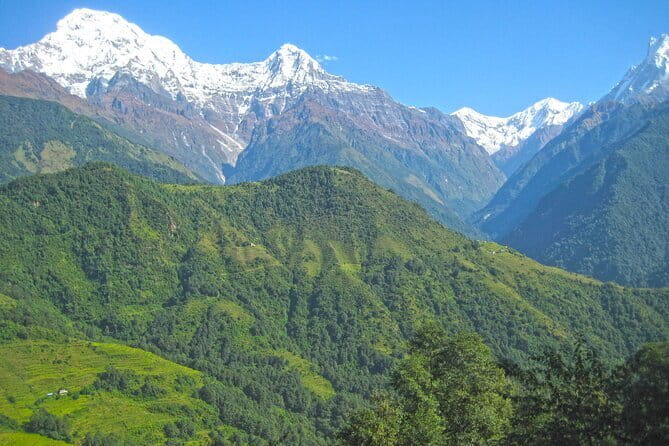
Reviewed · ANNAPURNA BASE CAMP TREK
Annapurna Sanctuary Trek – 14 Days
This trek is interesting because it connects big-mountain views with real Nepal culture, without making you rush. You get Poon Hill sunrise in the pre-dawn dark, then later you work your way into the Annapurna area and spend real nights in teahouses along the way. I also like the relaxed pace focus, plus the fact you are not left to figure out permits, meals, and transport on your own.
The main thing to watch is the body part: altitude and cold will be in the mix, even if the walking days feel manageable on paper. The plan includes days up to about 4,130m, and the air can feel thin with low oxygen, especially as you gain elevation. If you have a guide like Jaya, you will feel better about how things are handled, because the emphasis is on keeping you on track when early conditions are rough.
Key highlights and what really matters
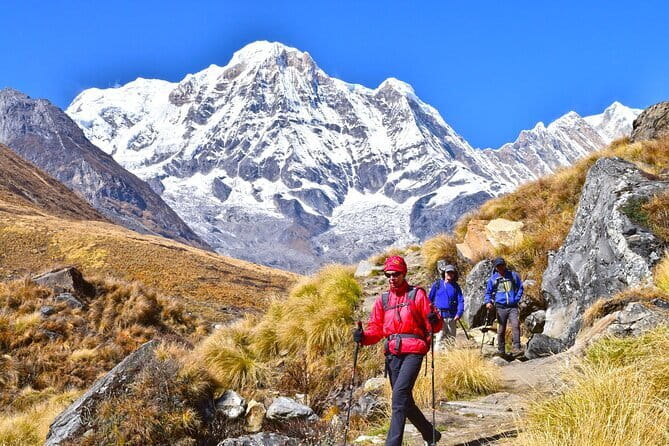
- Sunrise timing at Poon Hill: early climb, then a coffee-and-views reward over Annapurna and Dhaulagiri ranges.
- Kathmandu UNESCO day in one go: Kathmandu Durbar Square, Pashupatinath, Swayambhunath, and Boudhanath Stupa.
- Support that reduces stress: licensed English-speaking trek leader, assistant guide, and porters with a defined ratio.
- Walking structure that eases in: first days build gradually from Hile to Tikhedhunga and Ulleri steps.
- Teahouse rhythm, full meals included: you are not hunting for lunch after you arrive.
- Logistics are handled: domestic flights (Kathmandu to Pokhara and back), private vehicle transfers, permits, and paperwork.
Kathmandu first, so your trek feels real (not just a checklist)
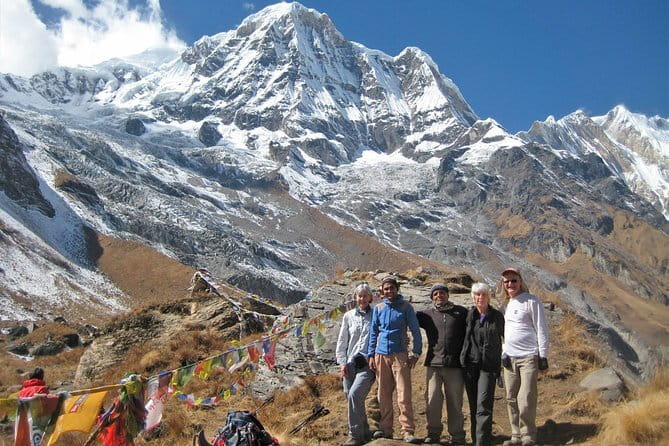
Day 1 starts the way I like trips to start: you land at Tribhuvan International Airport and a representative escorts you to your hotel. Then you have time to reset. If you want to get your bearings fast, Thamel is right there as a low-effort place to browse and pick up a few last-minute items.
That welcome dinner is more than a nice touch. Nepalese food helps you ease into the flavors you will see again in teahouse meals later. If you enjoy simple, hearty dishes, this first night sets you up for the longer menu rhythm ahead, where lunch and dinner are included and often Nepalese, Tibetan, Indian, and some continental options.
Practical note: your real trekking day energy should be saved for the trail. Kathmandu can be busy, but you do not need to turn Day 1 into a museum marathon.
More routes into the Annapurna Sanctuary:
- Annapurna base camp trek 5 Days
★ 5.0 · 252 reviews - 14-Day Private Annapurna Base Camp Trek
★ 5.0 · 180 reviews - Annapurna Base Camp Trekking
★ 5.0 · 116 reviews
UNESCO Kathmandu in a single day: history you can walk through
On Day 2 you cover four UNESCO World Heritage sites by private vehicle, and the schedule is tight enough that you feel productive without feeling chaotic.
Kathmandu Durbar Square
This palace complex is a strong “walk and look” site: pagoda-style temples, courtyards, shrines, woodwork, and stone carvings. The 2015 earthquake damage is part of the story too, with restoration ongoing. You will see how the place still functions in daily life, not just as a dead monument behind barriers.
Pashupatinath Temple
This is Nepal’s major Hindu shrine for Lord Shiva on the Bagmati River. You cannot enter the main temple unless you are Hindu, but you can watch rituals from the surrounding areas. The cremation ghats are part of the site’s everyday spiritual role, so bring a respectful mindset and expect strong emotions. This is one of those places that makes you understand Nepal as lived religion, not only architecture.
More to compare around Kathmandu
- Everest Base Camp Trek – 14 Days
★ 5.0 · 1,499 reviews - Everest Base Camp Trek
★ 5.0 · 842 reviews - Private Kathmandu Sightseeing Tour | UNESCO World Heritage sites
★ 5.0 · 756 reviews - Kathmandu: 7 UNESCO Sites with Lunch
★ 4.8 · 744 reviews
Swayambhunath (Monkey Temple)
Swayambhunath is ancient Buddhist energy on a hill, with sweeping city views. The white stupa and the Buddha’s all-seeing eyes are easy to spot. Prayer flags and spinning wheels add movement, and yes, there are monkeys. The blend of Buddhist and Hindu influences is clear when you stand in the middle of the scene and look around.
Boudhanath Stupa
Boudhanath is huge, and because of Tibetan culture and monastery surroundings, it feels different from the other three sites. You can walk around the stupa and watch prayer wheels turn, which is a nice contrast to the heavier themes at Pashupatinath. The 2015 earthquake damage and restoration efforts show up too, but the place still has a steady calm.
Big advantage of the whole day: it gives you a cultural “why” for the trek. Walking through temples and heritage sites makes the slower mountain pace feel connected, not random.
Fly to Pokhara, then step onto the trail at Hile
Day 3 begins with an early morning flight from Kathmandu to Pokhara. If you like views, sit on the right side of the plane for better chances at Himalayan panoramas. When you land, you get that first real taste of scale, with views that can include Dhaulagiri, Manaslu, Machhapuchhre, Annapurna’s five peaks, and more.
Then you drive to Hile, which is your trailhead. The trek starts through sub-tropical valley forests and carved trails that can hug the side of the cliff. You cross the Bhurungdi Khola, reach Tikhedhunga, and then the Ulleri Hill steps begin. Those thousands of steps are not just a workout, they are also a mental check. This is where you learn how your body handles repeated uphill effort.
Overnight in Ulleri keeps Day 3 realistic. You are not rewarded with a high-altitude push. You are building stamina, learning your rhythm, and sleeping early enough to keep Day 4 from feeling like a shock.
Ghorepani and the long day before sunrise becomes a movie
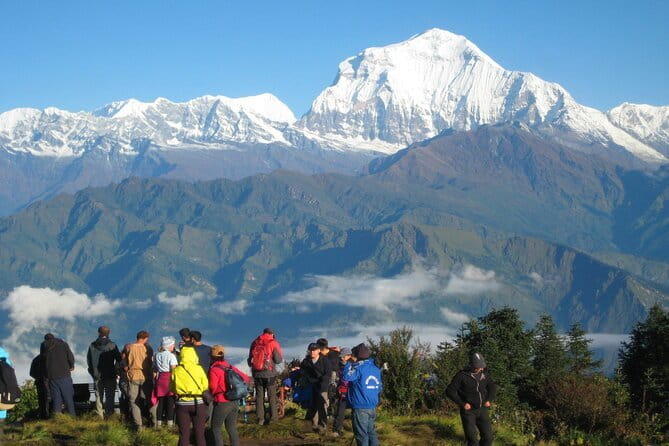
Day 4 climbs toward Ghorepani. The name comes from horse-water, once important for traders, and you still feel that old stopover vibe in the small shops and stalls selling local products and crafts.
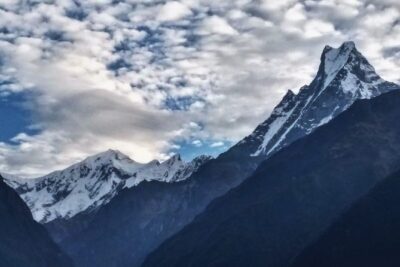
What matters here is the elevation shift. You are higher than your earlier nights, so evenings can feel chilly. The higher part of Ghorepani gives panoramic views including Annapurna South and Nilgiri. Even if you do not fully grasp the whole range yet, you will recognize the main “characters” by where they sit against the sky.
Practical takeaway for this part
Ghorepani is a good place to get focused on layers and sleep. This is a short town life night that is meant to set you up for a very early wake-up.
Poon Hill sunrise: the easiest way to feel the Himalaya up close
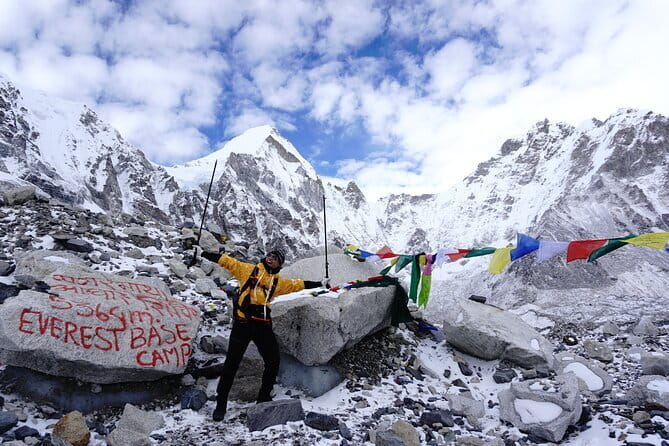
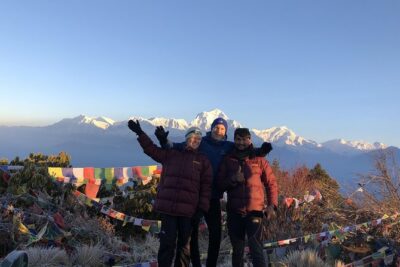
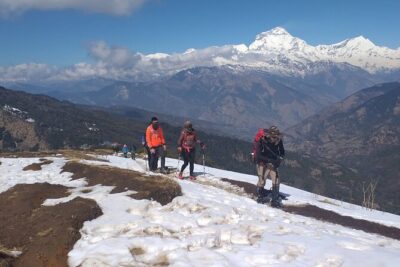
Day 5 is the big visual payoff. You climb early to Poon Hill viewpoint at about 3,210m to catch sunrise over the Himalayas. Poon Hill is the most popular viewpoint in the Annapurna region, and popularity here is for a reason: you get views spanning Mustang, Pokhara area, and more than 20 of the highest peaks, including close-up looks at the Annapurna and Dhaulagiri ranges.
You will likely have time for pictures and something warm. The plan specifically mentions coffee, tea, or hot chocolate, so you do not need to treat sunrise as a miserable mission. After breakfast back in Ghorepani, you head east and climb a nearby ridge.
Then you descend through rhododendron forests, passing waterfalls, and you reach Tadapani for the night. This is a nice balance day: sunrise effort up top, then a more relaxed trekking feel through forests and into the evening village mood.
Chhomrong to Sinuwa: stone steps, suspension bridges, and real local villages
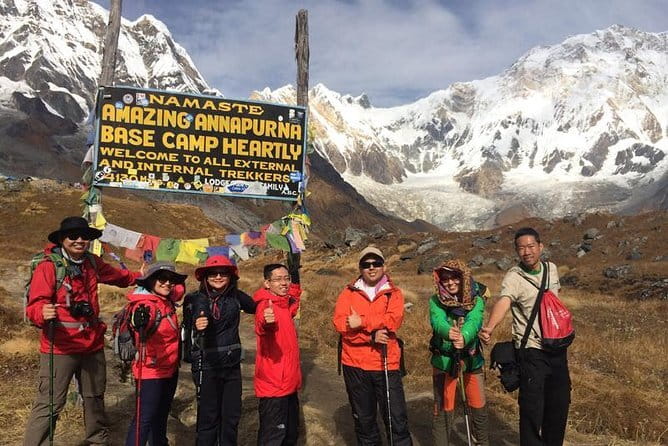
Day 6 continues the rhythm. You descend through a large rhododendron forest and then walk through terraced fields. You climb uphill for about 5 km, pass waterfalls, cross a suspension bridge, and eventually arrive at Chhomrong. Chhomrong sits below the giant Annapurna massive, so the position gives you a strong sense of scale.
Day 7 starts by leaving Chhomrong and stepping over many stone steps again before reaching Chhomrong Khola. You cross a suspension bridge, then begin climbing to Sinuwa. The route passes through forest to Kuldihar, followed by descent to Bamboo.
This pair of days can feel like “the trail” more than “the scenery.” And that is not bad. The Annapurna Sanctuary trek is a long walk, so these are the days where your body learns the pattern.
Bamboo to Deurali: bamboo damp cold, then sudden big views
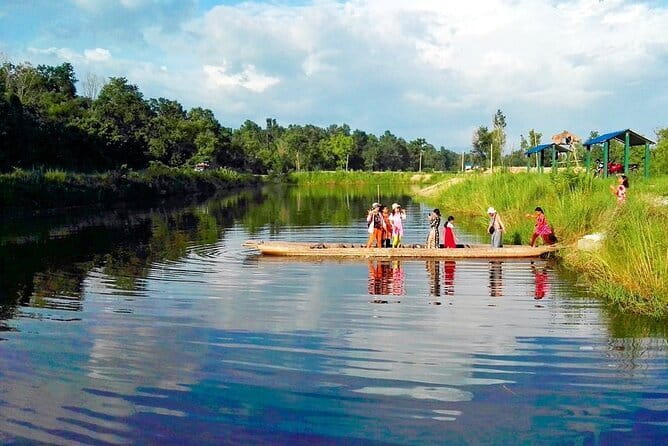
Day 8 starts with a bamboo forest that can be damp and cold. Then you climb uphill, sometimes steep, until you reach Himalaya Hotel where the forest opens up and you are out into sun again with views of a glacial river below.
From there, the climb continues through a drier forest before reaching Hinku Cave. The trail then descends to a river and ascends to Deurali. Vegetation becomes sparse, which makes the valley, cliffs, and waterfalls easier to see. Overnight in Deurali, you get that classic “higher and colder” feeling without being slammed by extremes on the overall plan.
What I like about this structure is that it trains you. You learn how the trail changes character as altitude rises, and you get multiple moments of broad views rather than one single dramatic day.
Machhapuchhre Base Camp to Annapurna Base Camp: the peaks start feeling close
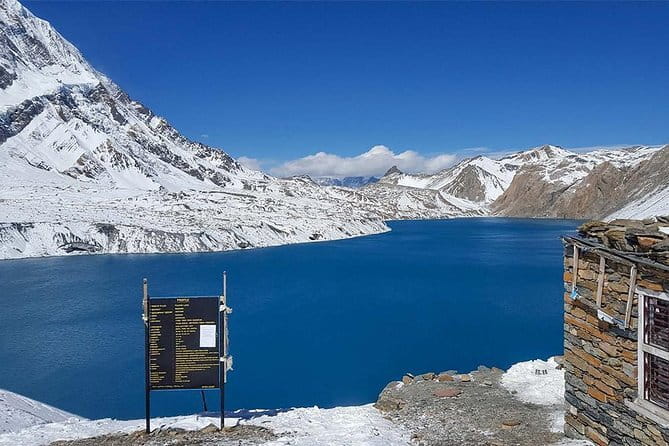
Day 9 is where the itinerary becomes “serious trek.” The trail follows a valley and climbs steadily, sometimes steep, with a rocky cliff section. Then you shift into a somewhat flat stretch before ascending toward Machhapuchhre Base Camp.
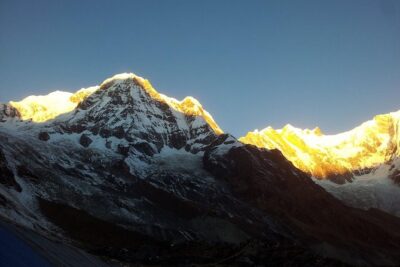
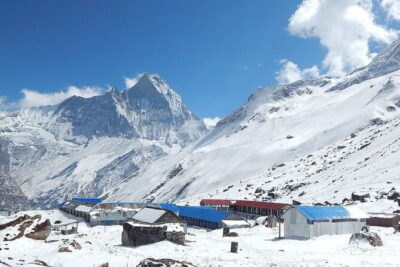
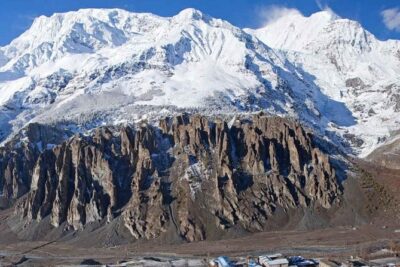
At Machhapuchhre Base Camp, the views are wide: Mt. Hiunchuli, Annapurna South, Annapurna I, Annapurna III, Gandharvachuli, and Gangapurna. Then you turn left and begin ascending gently to Annapurna Base Camp. The plan makes it clear that the ascent comes with spectacular Himalayan panorama views, and that once you are at the base camp, you are surrounded by peaks, with the area accessed through the gorge you just hiked.
Even if you do not feel emotional on the trail, you will likely feel physical awe when your surroundings change from “mountain in the distance” to “mountain around you.”
The downhill day that keeps you moving, not worn out
Day 10 is a rapid descent from Annapurna Base Camp. The plan has you pass Machhapuchhre Base Camp, Deurali, Himalayan Hotel, and Doban, then descend to Bamboo for the night.
Downhill sounds easy until you remember knees. Still, the itinerary treats this day as downhill so it should not be very difficult, especially compared with the earlier climbs.
Chhomrong again and Jhinu Danda: stepping down toward comfort
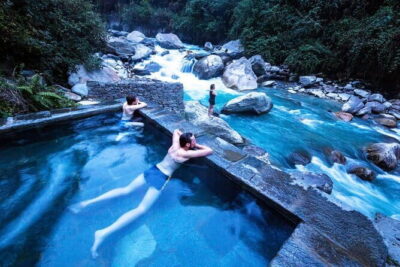
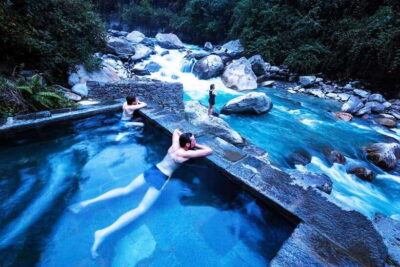
Day 11 retraces the route back to Chhomrong, with lunch there. After Chhomrong, you do a steep descent into the Modi Khola valley. The stone steps back down to Chhomrong are described as equally tricky, which is honest. Then you reach Jhinu Danda, where you can rest and relax after walking through rain forests and farms.
Jhinu Danda is the kind of place where the day feels like a reset. The plan keeps the afternoon more freeform, so you can treat it as recovery time before the final trek leg.
Matque to Pokhara: your last walk ends, and the trip becomes city life again
Day 12 starts with breakfast, then you leave Jhinu Danda for the final leg over western Nepal hill landscapes. The plan says you drive back to Pokhara by private vehicle, about 2 hours, with lunch on the way.
That “actual trek to the sanctuary and back ends today” message is important. You get the satisfaction of completion, then the comfort of real food and a real shower setup depending on your hotel.
In Pokhara, you check in and rest, then take a half-day sightseeing tour. Overnight stays in Pokhara.
Kathmandu return and a farewell dinner to close the loop
Day 13 brings a flight from Pokhara to Kathmandu. There is a tip here worth taking seriously: sit on the left side of the plane to improve your odds of seeing Himalayan views again. When you arrive, you check into your hotel and use the remainder of the day for leisure, last-minute shopping, or landmarks you may have missed on Day 1.
Day 14 ends the journey with an airport escort from Himalayan Glacier about 3 hours before your scheduled flight. If you want to extend your time in Nepal, the provider can help arrange additional activities.
How the price works: $860 for a lot of moving parts
The trip price is $860 for 14 days, and that number makes sense if you understand what is being handled for you.
You are paying for:
- Domestic flights between Kathmandu and Pokhara and back.
- Private airport transfers and ground transportation as per the itinerary.
- Hotels with breakfast in Kathmandu and Pokhara.
- Teahouse accommodation plus all trekking meals (breakfast, lunch, dinner during trekking).
- Welcome and farewell dinners.
- A licensed English-speaking trek leader and assistant, plus porter service with set ratios.
- Permits and paperwork including ACAP and TIMS.
- Essential gear support like a down jacket and sleeping bag, plus trekking map and duffel bag.
- Staff costs, plus a medical kit carried by the trek leader.
If you tried to do this on your own, the hardest parts to DIY are permits, reliable guides, meal planning across remote days, and the domestic flight timing. The trek’s structure is not only a walking route, it is a full operating plan.
One caution on value: there is a single supplement cost of USD 425 if you request a private room. Rooms are twin-shared by default, and single rooms are not easily available at higher elevations.
Pace, altitude, and who this trek suits best
You are likely walking about 6 to 7 hours each day on steep, rough trails, with daily ascends around 400 to 700m. The plan describes “moderate trails” up to about 4,130m, plus the reality of low oxygen at higher elevations on some days.
This matters because the trek is not just about fitness, it is about attitude and consistency. The guidance is to have a positive outlook and be physically fit, with previous hiking or camping experience preferable.
Who I think this suits best:
- You want a major Annapurna trek experience without extremes of weather described as likely.
- You like structure, meal planning, and clear daily goals.
- You are okay with cold evenings (especially in higher villages like Ghorepani) and damp sections (like bamboo forests).
Comfort on the trail: teahouses and included meals, with real tradeoffs
Accommodation is teahouse style during the trek. The plan includes meals daily, and that reduces decision fatigue when you arrive tired.
In Kathmandu and Pokhara, the hotel names can be Yatri Suites & Spa or Hotel Moonlight in Kathmandu, and Mount Kailash Resort in Pokhara, or similar. Expect twin-shared rooms. The plan also notes attached washrooms are available in most parts of the trek, but not all remote locations, so you should be mentally ready for basic setups.
Cuisines you might see include Nepalese, Tibetan, Indian, plus common continental. Since meals are included, you are not stuck paying teahouse-by-teahouse for every snack. You can still order tea or coffee as part of included coffee and/or tea.
Staying safe when weather changes the plan
This is a remote mountain trek, and the provider is clear that the trek leader can amend or cancel parts of the itinerary if safety requires it. Weather and health of group members can shift things, and you should be flexible.
Also note that the experience requires good weather. If it gets canceled due to poor weather, you are offered a different date or a full refund.
If safety is high on your list, it helps that Himalayan Glacier is known for keeping communication tight and managing schedule pressure. Past guidance highlighted keeping the trek moving properly even during challenging first days.
Should you book this Annapurna Sanctuary Trek?
If you want the Annapurna area without juggling logistics, this is a strong choice. You get a cultural warm-up in Kathmandu, a classic Himalayan sunrise at Poon Hill, and then the real “work and wonder” days that lead into the Annapurna Base Camp area. The inclusion of permits, domestic flights, and full trekking meals lowers stress a lot.
I would only hesitate if you are uncomfortable with altitude effects, chilly evenings, and long hiking days that are often steep or on rough trails. This trek is built for confident walkers, not couch-to-climb first-timers.
If you fit the physical and mental profile, you will likely appreciate the calm structure, the support team ratios, and the way the route balances big views with nights in villages you can actually rest in.
FAQ
What’s included for meals and lodging during the trek?
Teahouse accommodation is provided during the trek, and all meals are included while trekking, meaning breakfast, lunch, and dinner. In Kathmandu and Pokhara, breakfast is included, along with welcome and farewell dinners.
Do I need permits for the Annapurna Sanctuary Trek?
Yes. The trip includes the necessary trekking permits and paperwork, including ACAP and TIMS.
How much walking and altitude should I expect?
You should expect about 6 to 7 hours of walking each day on steep hilly terrain with usually rough trails. Daily ascends are around 400 to 700m, and the plan notes moderate trails reaching up to about 4,130m. The itinerary also includes high altitude conditions with low oxygen on some days.
How big is the group, and what support will I have?
The maximum group size is 12. The plan uses 1 trek leader and 1 assistant trek leader, with a stated ratio of 4 trekkers to 1 assistant guide. Porters are also included, with a stated ratio of 2 trekkers to 1 porter.
Are domestic flights part of the itinerary?
Yes. Domestic flights are included for Kathmandu to Pokhara and back to Kathmandu.
What kind of accommodation will I get in Kathmandu and Pokhara?
In Kathmandu, you will be accommodated at Yatri Suites & Spa or Hotel Moonlight or similar. In Pokhara, it is Mount Kailash Resort or similar. Rooms are on a twin-shared basis, and attached washrooms are available in most parts of the trek but not in a few remote locations. A single supplement is available on request for an additional USD 425.
What is the cancellation policy if weather is poor?
You can cancel for a full refund up to 24 hours in advance. If the experience is canceled due to poor weather, you will be offered a different date or a full refund. If you cancel within 24 hours, the amount paid is not refunded.
Latest Kathmandu write-ups
- Langtang Valley Trek★ 5.0 · 3 reviews
- Khopra Danda Trek★ 5.0 · 3 reviews
- Langtang Valley Trek from Kathmandu★ 5.0 · 3 reviews
- 5 night / 6 days Kathmandu Nagarkot Chitwan Pokhara tour★ 5.0 · 3 reviews
- Nepal Highlights Tour: 5 Nights 6 Days Kathmandu & Pokhara Tour★ 5.0 · 3 reviews
- Kathmandu Valley Private Day Tour★ 5.0 · 3 reviews
- Conquer the Himalayas: The Ultimate 16-Day Annapurna Circuit Trek★ 3.5 · 3 reviews
- Kathmandu Heritage Day Tour★ 5.0 · 3 reviews
Annapurna Base Camp Trek, compared.
Browse the lists this tour appears in