
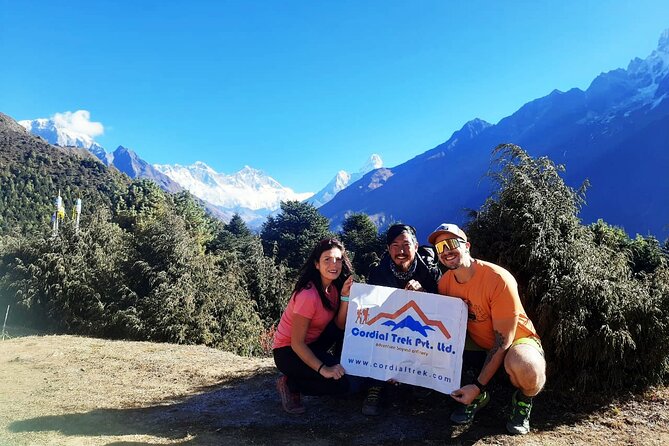
Reviewed · 5-DAY EXPERIENCES
Everest 5-Day Trek from Kathmandu
This trek is interesting because it trades the long, strenuous Everest Base Camp grind for a sharper hit of big mountain views, starting with the famous flight into Lukla. You fly in, trek through classic Sherpa country, then spend real time staring at the Everest massif from one of Nepal’s highest hotels. It’s built for people who want the Everest feeling without the full-on marathon.
I love how Hotel Everest View gives you an intentional viewpoint day, not just a passing photo stop. I also really like the practical support in the package, especially the included guide and porter, plus hot showers and meals that help you keep moving.
One possible drawback: Lukla flights depend on weather, so you should stay flexible and be ready for small schedule shifts. And in only 5 days, you’ll still gain altitude quickly, so take the slow-acclimation mindset seriously even if this route feels short.
Key highlights worth knowing before you go
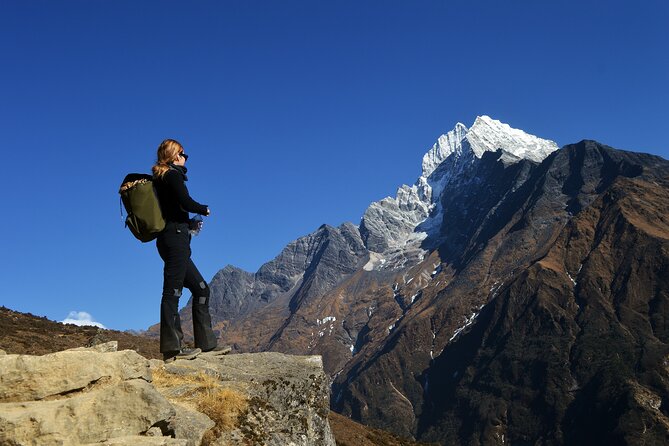
- Lukla flight + classic Sherpa route: Kathmandu to Lukla, then Phakding and Namche Bazaar in a compact plan
- Hotel Everest View at 3,880 m: a high-altitude hotel with big, 360-degree-style panoramas
- Support that feels human: guides and porters who pace you and explain what you’re seeing
- All-season route: spring flowers, clear-sky summer, autumn golden light, winter snow and ice
- Comfort touches for a trek: mountain guest house lodging with private bathroom and hot shower
Why Lukla and an Everest View Hotel Trek work better than you expect
If you’re picturing Everest as an all-day, all-week slog, this route is a good reality check. You still get the Nepal mountain drama, but the schedule is tighter. Day one starts with a flight into Lukla, then you ease into the trek by heading down toward Phakding. That matters, because it lets you settle before you start stacking altitude days.
The Lukla angle is also a big part of the experience. The airport is described as the most challenging in the world, and once you’re on that plane, you quickly understand why people talk about it like a rite of passage. It’s not just transportation. It’s the start of your story, and the crew builds the rest around that start.
Then there’s the payoff. Instead of spending days trying to reach the Everest Base Camp area, this trek centers on the Hotel Everest View, located at 3,880 meters. That puts you in a sweet spot for dramatic views without requiring an extreme number of trekking hours.
More to compare around Kathmandu
- Everest Base Camp Trek – 14 Days
★ 5.0 · 1,499 reviews - Everest Base Camp Trek
★ 5.0 · 842 reviews - Private Kathmandu Sightseeing Tour | UNESCO World Heritage sites
★ 5.0 · 756 reviews
Day by day on the Everest 5-day plan, what each stop feels like
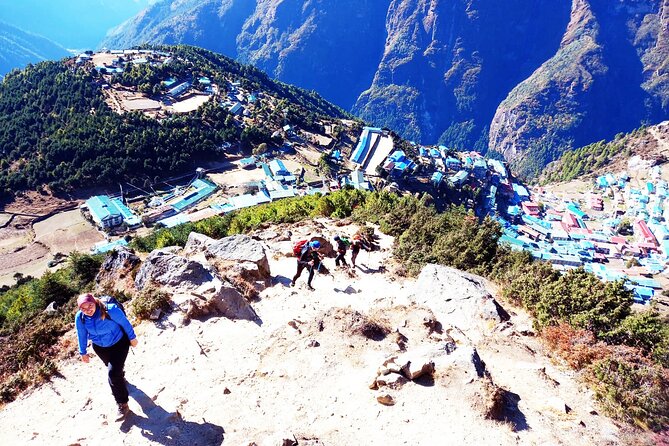
This trek is built around 5 days with a clear rhythm: fly, trek gently, climb to Namche, make time for the viewpoint hotel, then return.
Day 1: Flight to Lukla, then down to Phakding
You’ll start early, with a meeting time of 5:45 am. From Kathmandu, you’re transferred to Tribhuvan International Airport’s domestic terminal, then you take your flight to Lukla. After landing, the trek portion begins right away, heading down to Phakding for about 3 to 4 hours.
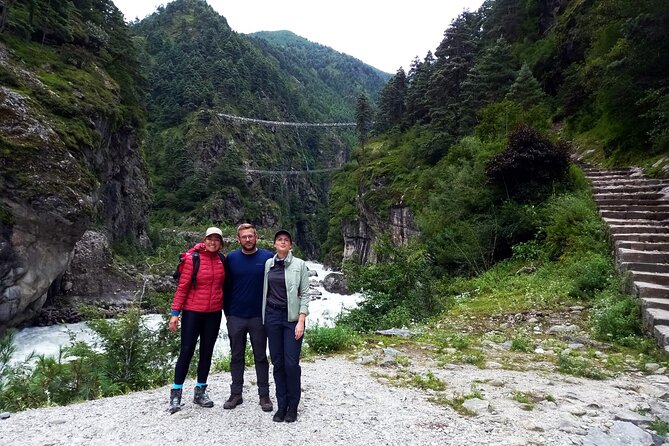
Phakding is small and sits along the Dudhkoshi River. This is the day where you’re learning the pace: steady walking, quick breaks, and a feeling for how the air changes as you move higher and then lower. It’s also a nice mental warm-up because you’re not asked to sprint up mountains right away.
The logistical value on day one is that it sets you up for a smoother climb the next day. Your lodging is in a mountain guest house, and the package includes meals on the trek days, so you’re not hunting for food mid-routine.
Day 2: Phakding to Namche Bazaar, gateway energy and altitude gain
Day two is the bigger hiking day. You trek from Phakding to Namche Bazaar in about 6 hours, reaching a max altitude around 3,438 m (11,280 ft).
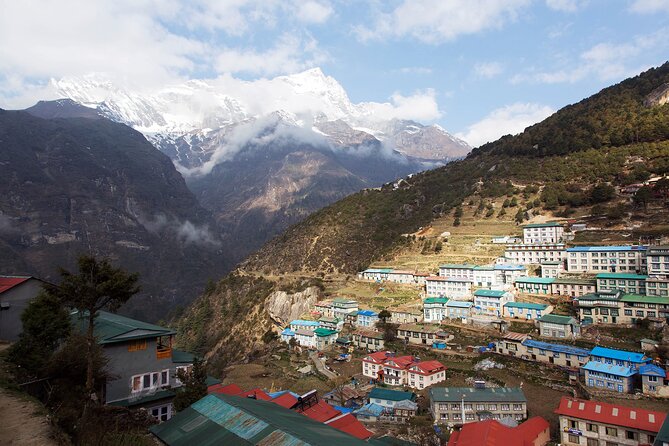
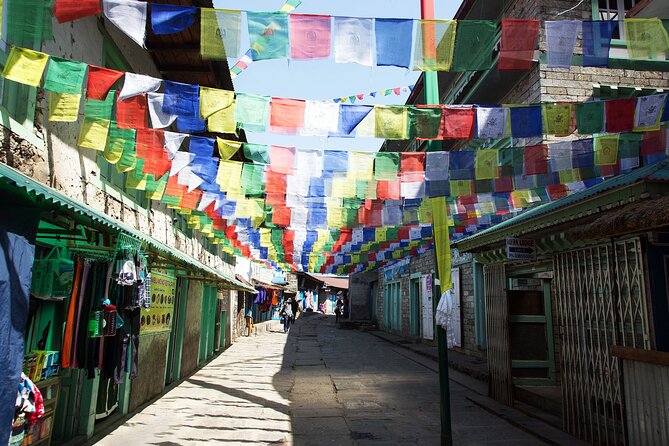
Namche Bazaar is your main cultural stop. It’s known as a gateway to Everest, and it has the everyday energy of a working Sherpa community: shops, cafes, and plenty of local life around you. If you’re coming from sea level, this is also where you start to notice altitude more. Even if you feel fine, keep the “slow and steady” approach.
This is the day your guide’s explanations start paying off. A good crew helps you understand what you’re seeing and what to expect, like the way trail traffic changes, why certain rest stops matter, and how locals move through this terrain. In the experiences I read, guides like Mr Prakash were especially helpful with making the plan feel smooth and understandable from the start.
A different sort of day out of Kathmandu:
- Kathmandu: 7 UNESCO Sites with Lunch
★ 4.8 · 744 reviews - Everest Base Camp Helicopter Tour landing at Everest View Hotel
★ 5.0 · 668 reviews - Half day cooking class in Thamel kathmandu
★ 5.0 · 607 reviews - Everest Base Camp Trekking
★ 5.0 · 485 reviews
Day 3: The viewpoint focus, Namche to Hotel Everest View
This is the day that turns the whole trip into an Everest View trek, not just another hike. The plan includes a 3 to 4 hour return style trip from Namche Bazaar to Hotel Everest View for panoramic mountain views.
Hotel Everest View is at 3,880 m and is described as holding a Guinness World Record for highest situated hotel. You’re also told to expect 360-degree views, which is the kind of phrase that can sound marketing-y until you experience how the valley and ridgelines frame the peaks.
A key detail here: you’re not doing an all-day cram of multiple big climbs. Instead, you spend time dedicated to the view. That matters when the weather cooperates, because you’re not chasing a single moment. You can take your time, enjoy the view, and still get back to Namche in the late afternoon.
Then you return to Namche Bazaar for exploration and free time. Shops and market streets are part of the vibe here, so you can stretch your legs and reset after the hotel viewpoint day.
Day 4: Namche down to Lukla via Manjo and Phakding
Day four is your long return hike. You trek about 6 to 7 hours back to Lukla, via the villages of Manjo and Phakding. You’ll spend the night in a guest house in Lukla.
This day usually feels different from day two. Instead of climbing toward the view, you’re releasing tension. Still, it’s not “easy.” Downhill can be tough on knees, and walking on uneven mountain paths uses a different set of muscles than flat trekking.
The upside is that the route retraces meaningful places. You get a better understanding of the geography since you pass through areas you already saw on the way up, and you can notice how the river, villages, and ridge lines relate to each other.
Day 5: Lukla back to Kathmandu and hotel transfers
On day five, you fly from Lukla to Kathmandu, a short 30 minute flight. Once you arrive, you get transferred to your respective hotel.
This is where the trip wraps up cleanly. You’re not still trekking when you’d like a shower and a meal in the city. You land back in Kathmandu feeling like you did something real, because you did, but without the lingering exhaustion of a long multi-day descent.
Hotel Everest View: the “360 degrees” moment you actually plan around
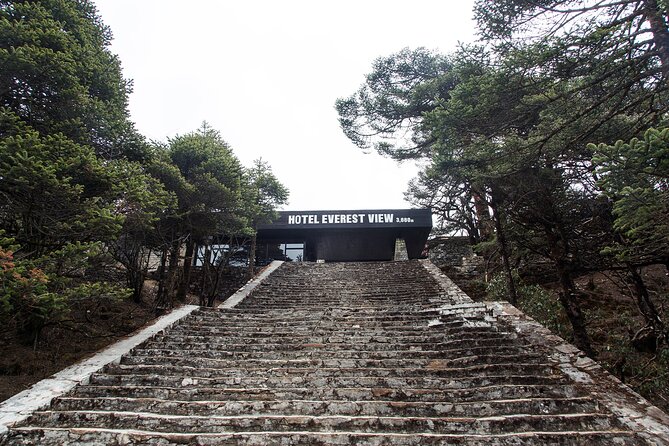
Hotel Everest View is the star in this itinerary, and it’s not just because it’s high. The hotel sits at 3,880 meters, and the record note signals how uncommon this setting is.
What makes this valuable for you is time. Many treks include a viewpoint, but it’s often quick. Here, the plan is structured so you can go up from Namche, enjoy the panorama, and return later in the day. That reduces the stress of feeling like you must capture everything in one rushed stop.
Also, the guide support is part of how you experience it. One guide named Anil was specifically praised for being helpful and caring, and for making sure you got a glimpse of Mt. Everest. That kind of “look back, check in, and keep an eye on the group” behavior matters on a viewpoint day, where the weather can change and visibility isn’t guaranteed.
You should also go in with the right expectation: Everest is not always a perfect clear postcard. Your experience depends on cloud cover and conditions. The hotel viewpoint plan increases your odds by giving you a deliberate block of time.
Guides and porters: the difference between a trek and a trip
In a 5-day trek, the people in charge can make the whole thing feel easy or hard. The package includes a guide and porter, and the included first aid support is a nice extra layer of care.
In the experiences described, communication stood out. Mr Prakash was praised for being very communicative and knowledgeable about the geography and what to expect during the trek. That shows up in small ways, like guiding your walking pace, explaining the trail feel, and helping you understand how the environment works.
Porters also come in for credit. One account highlighted how guides and porters went above and beyond to make the trek successful, with the simple idea that you don’t have to carry everything and worry about it at altitude.
If you’re the type who likes your adventure to feel organized, this tour’s staffing style is a big part of the value. You’re paying for more than movement. You’re paying for smoother decisions, better pacing, and a better read of the route.
Seasons in Nepal: choosing your Everest View day on purpose
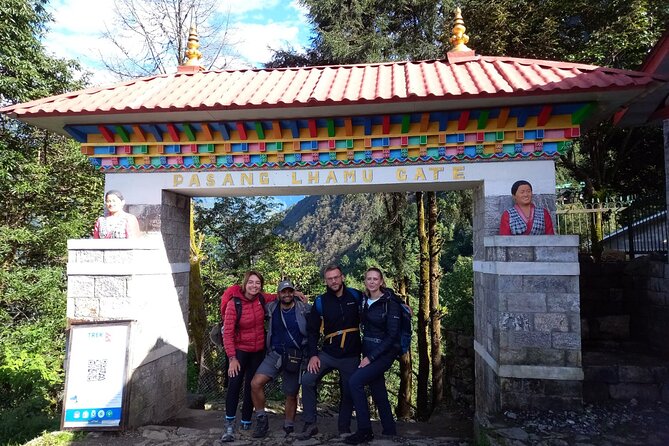
This trek is offered all year long, and the seasonal theme changes what your camera sees and what your body feels like.
- Spring (March to May): lively wildflowers are a highlight, especially around lower areas.
- Summer (June to August): the promise is clearer skies, which matters most for Everest visibility.
- Autumn (September to November): golden hues are the mood, and the light can look extra cinematic when the weather is stable.
- Winter (December to February): snow and ice transform the mountains into a colder, harsher-looking world.
Here’s how I’d use this info. If your top goal is seeing Everest clearly, you’ll want to aim for the season where the tour expects clearer conditions, then accept that mountains still control the final result. If you want color and photos close to the trail, spring can be very rewarding.
Price and what you’re really paying for at about $1,200
At $1,200 per person for a 5-day Everest View trek, you’re paying for a lot of built-in costs that can add up quickly if you do it independently.
Included highlights that raise the value:
- Return flights to and from Lukla
- National Park permit and local government tax
- Guide and porter
- Lodging in mountain guest houses with private bathroom and hot shower
- Borrowed equipment, including duffle bag, trekking poles, and sleeping bags
- Meals: breakfast 4 times, lunch 4 times, dinner 4 times
- Hotel pickup and drop in Kathmandu
- A company t-shirt, plus first aid
What’s not included:
- Hot or cold drinks
- Personal expenses
- Gratuities for guide and porter
So, is it worth it? For many people, yes, because flights to Lukla plus permits plus staffing plus hot showers and meals is the hard-to-price package. The biggest cost of Everest treks is often not the walking. It’s the logistics, the permissions, and the flights. This package folds a lot of that into one price.
My practical advice: treat that $1,200 as an all-in planning number for meals, lodging, permits, and staff. Then keep a smaller separate budget for drinks, souvenirs, and tips.
Logistics you should plan around, start time and being a private group
The meeting start time is 5:45 am. That’s early, but it’s common in Nepal trekking because daylight matters for both flights and safe walking.
This is also listed as a private tour/activity, meaning only your group participates. That’s a real advantage if you dislike being stuck in a big mixed group with different speeds. It can also help your guide keep pacing and rest breaks tuned to your needs.
You’ll also get equipment help (poles, sleeping bag, duffle bag). That lowers the friction of packing and cuts down on the cost of buying gear for a one-off trek.
Your mobile ticket note is minor, but it’s a comfort detail. I like anything that reduces confusion when you’re starting a trekking trip early in the morning.
What to bring, and what the tour already handles
I like that the trek handles the big equipment basics for you, including trekking poles and sleeping bags. That reduces hassle for first-time trekkers or people who don’t want to buy gear.
From a planning standpoint, I’d think in two buckets:
- Things the tour provides or borrows, like poles, sleeping bags, the duffle bag, and core meals
- Your personal comfort items, especially the stuff you rely on every day at altitude, like any preferred layers, toiletries, and a small daypack
Since winter can include snow and ice, and because nights at altitude can feel cold, I’d pack warm layers for whichever season you choose. The tour includes hot showers, which helps a lot with comfort after cold walking days.
Should you book this Everest 5-day trek?
Book it if you want:
- An Everest-focused experience with a high-altitude hotel viewpoint
- A trek that fits into a short window, around 5 days
- A package that includes flights, permits, guide and porter, and meals
- The comfort extras like hot showers and private bathroom lodging
Skip it or look for a different plan if:
- You hate flight uncertainty. Lukla flights are weather sensitive, and you should expect that nature might change timing.
- You want a longer acclimatization and deeper trekking pace. This route is compact, so you must take rest and pacing seriously.
If you like organized support, this is the type of trek where good guidance shows. The praise for Mr Prakash and Anil points to the same thing: when the guide watches your pace and checks on you, the Everest view feels earned instead of rushed.
FAQ
What time does the trek start?
The meeting start time is 5:45 am.
Is hotel pickup and drop included?
Yes. The tour includes hotel pick up and drop in Kathmandu.
Are flights to Lukla included?
Yes. The package includes return flight tickets to and from Lukla.
What is the route during the trek?
You travel from Lukla to Phakding, then Phakding to Namche Bazaar, then to Hotel Everest View, back down to Lukla, and finally Lukla to Kathmandu.
How high does the trip go?
Hotel Everest View is at 3,880 m, and day two lists a max altitude of 3,438 m.
What kind of lodging do you get during the trek?
You stay at a mountain guest house with a private bathroom and hot shower.
What meals are included?
Meals include breakfast 4 times, lunch 4 times, and dinner 4 times.
What equipment is provided?
You can borrow necessary equipment, including a duffle bag, trekking poles, and sleeping bags.
Is the trek suitable for first-time trekkers?
The tour notes that travelers should have moderate physical fitness level.
Is the trek offered only in certain months?
No. It is available all year long, with seasonal differences in scenery and conditions.
Latest Kathmandu write-ups
- Langtang Valley Trek★ 5.0 · 3 reviews
- Khopra Danda Trek★ 5.0 · 3 reviews
- Langtang Valley Trek from Kathmandu★ 5.0 · 3 reviews
- 5 night / 6 days Kathmandu Nagarkot Chitwan Pokhara tour★ 5.0 · 3 reviews
- Nepal Highlights Tour: 5 Nights 6 Days Kathmandu & Pokhara Tour★ 5.0 · 3 reviews
- Kathmandu Valley Private Day Tour★ 5.0 · 3 reviews
- Conquer the Himalayas: The Ultimate 16-Day Annapurna Circuit Trek★ 3.5 · 3 reviews
- Kathmandu Heritage Day Tour★ 5.0 · 3 reviews
5-Day Experiences, compared.
5 Day Annapurna Base Camp Trek & Natural Hot Spring
Read our review →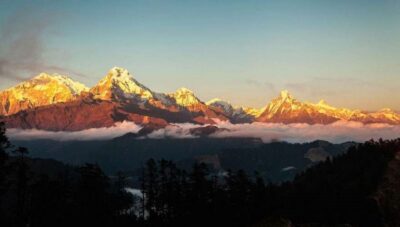
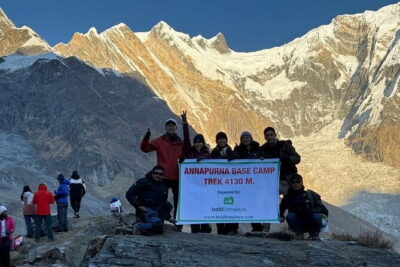
5 Day Private Guided Trekking in Annapurna Base Camp
Read our review →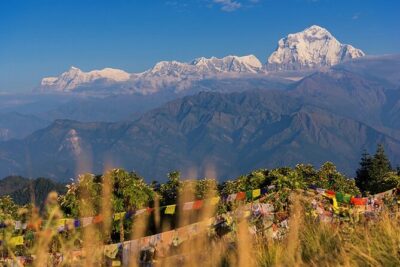
The Best of Nepal : 5-Day Trek to Ghorepani Poon Hill & Ghandruk
Read our review →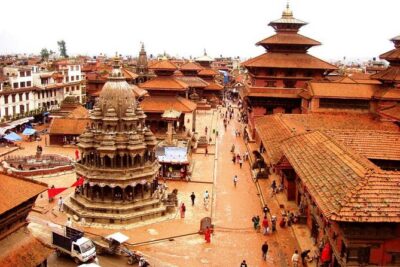
UNESCO World Heritage Sightseeing Tour in Kathmandu – 5 Days
Read our review →Browse the lists this tour appears in