
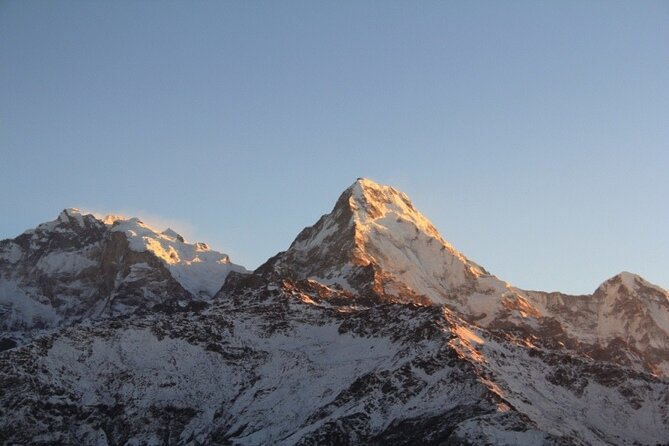
Reviewed · ANNAPURNA BASE CAMP TREK
Short Annapurna Base Camp Trek – 7 Days
This short Annapurna Base Camp trek is interesting because it goes after two major goals, Annapurna Base Camp and Machhapuchhre Base Camp, without forcing you into a long, month-long trekking schedule. I love that you travel with a guide and porter and sleep in normal tea houses run by Nepali families, so it feels human and real, not like a tourist factory. I also love that the trip is built around nonstop mountain views across the Annapurna and Dhaulagiri ranges, with Machhapuchhre (Fishtail) always stealing the show.
The one drawback is simple: you start very early, 1:15 am, and the trek needs strong physical fitness. Even when the route is “short,” you still hike at altitude, and weather can turn from cool to cold fast, including rain and snow higher up, so you need to stay flexible with your pace.
Key highlights to care about before you book
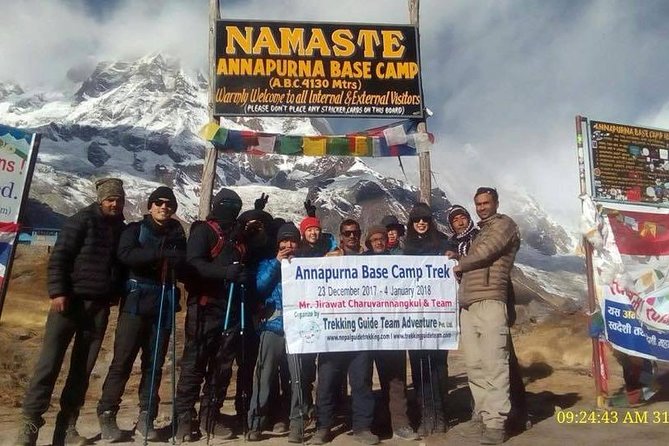
- Two base camps, not one: Annapurna Base Camp plus Machhapuchhre Base Camp
- Early start at 1:15 am, so prep for cold mornings and a quick day rhythm
- Tea-house trekking with meals included during the trek, cooked locally in village lodges
- Cultural passes through Gurung, Magar, and Tamang villages, not just “scenery and pictures”
- Guide and porter support (one guide plus one porter for each two tourists), often led by friendly professionals like Jit, Shambu, Deepak, Ram, Santosh, and Sujan
- TIMS and conservation permit included, so you are not scrambling for paperwork once you arrive
Why this 7-day Annapurna Base Camp version fits real schedules
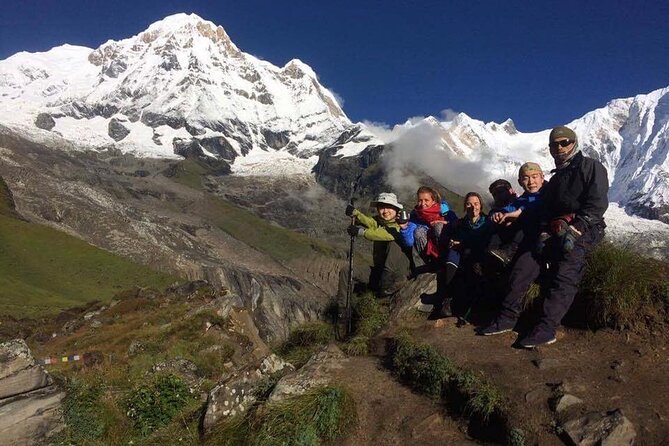
The classic Annapurna Base Camp trek gets a lot of attention because it’s big, slow, and full. This short version aims for the same emotional payoff, but compresses the trip. In practical terms, that means you still get the “I’m really in the mountains” feeling, but you’re not tied up for weeks.
For value, this matters. The trek is priced at $650 per person, and that figure includes a real chunk of the trip setup: meals during the trek, trekking lodging, a guide and porter support system, and the permits. If you’ve got limited time in Nepal, shortening the schedule can be the difference between making the trek happen or not.
If you’re the type who likes to plan hard and then move with confidence, this style can work well. You get a structured experience, plus enough freedom to enjoy the trail at your own pace with help from the guide and porter.
More routes into the Annapurna Sanctuary:
- Annapurna base camp trek 5 Days
★ 5.0 · 252 reviews - 14-Day Private Annapurna Base Camp Trek
★ 5.0 · 180 reviews - Annapurna Base Camp Trekking
★ 5.0 · 116 reviews
The route starts with logistics: Pokhara, New Bridge, and that 1:15 am wake-up
This trek is run as a private activity, meaning only your group participates, not mixed crowds. That’s a big deal on a mountain trail. It reduces awkward pacing and lets your guide manage the group more carefully.
Your trek begins at New Bridge. From Pokhara, you go there by local jeep, which saves you time and energy that you can spend on the actual hiking. Pokhara also gets you a soft landing before the trek. You stay two nights in Pokhara at a 3-star bed and breakfast (described as Splinded View), which is a nice place to recover from travel days.
Then comes the part that can catch people off guard: start time is 1:15 am. That early departure is likely designed to help you beat weather and get more workable daylight on the trail. Translation: you should expect cold mornings and a quick routine. Pack and layer the night before, and don’t rely on last-minute gear hunting.
Pickup is offered, and you’ll get a mobile ticket, which generally makes coordination smoother once you’re in Kathmandu.
Your daily rhythm on the trail: tea houses, meals, and what is truly included
One reason this trek feels comfortable for beginners is that accommodation is normal lodge or tea house style, run by Nepali families. This is not camping-based trekking. It is still rugged, but it is less “gear intensive” than self-guided backpacking.
Meals during the trek are included:
- Daily breakfast, lunch, and dinner during trekking time (the summary lists dinner daily and lunch, dinner during the trek)
- Lodging along the way
That’s a genuine value point. On a high-altitude trek, meals can easily turn into a surprise budget item if they are not included. Having them built in also reduces decision fatigue when you are tired.
But here is the trade-off. The trip does not include many of the small extras that add up:
- Coffee and/or tea
- Alcoholic and non-alcoholic drinks (including mineral water and hot water)
- Snacks like chocolate and dessert
- Hot shower and laundry during trekking
So if you love a warm drink at night, you’ll need to budget for it. If you hate carrying extra cash, plan ahead. Even with inclusive meals, those everyday add-ons can become your personal expense.
The mountain goal: Annapurna Base Camp and the under-the-spires feeling
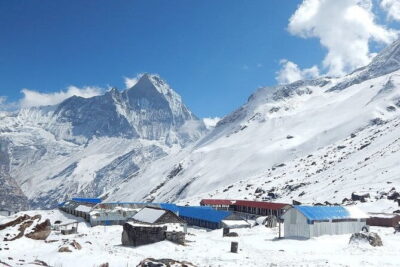
The core promise of the trek is reaching Annapurna Base Camp (8091m). That is the moment people talk about, because you’re not just hiking past “pretty peaks.” You’re moving into a zone where the mountain scale feels impossible.
Practically, base-camp days usually mean long hours and weather that can change your clothing needs fast. Even if the overall trek is shorter, you should still assume:
- You’ll go slow when you need to
- You’ll dress in layers and adjust often
- Your guide will help you manage pace and comfort
The good news is you are not doing it alone. You have a guide and porter support system. In the past, guides like Jit and Shambu have been described as attentive and kind, and that matters on long days when you want clear instructions, not constant guessing.
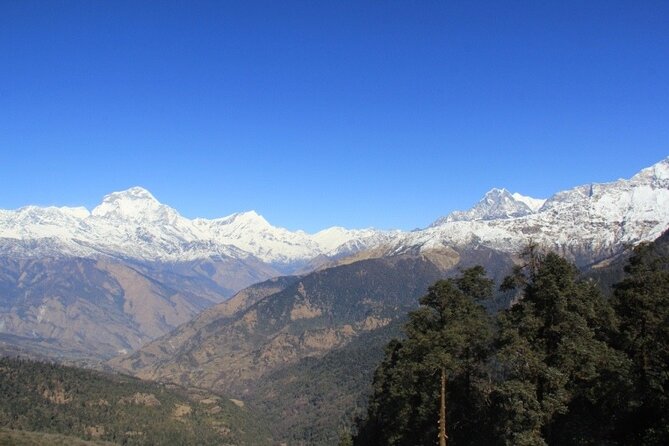
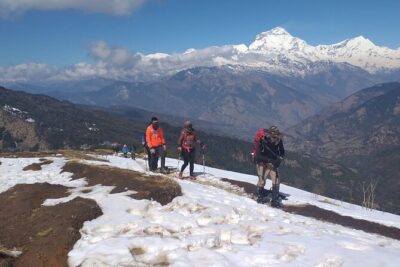
Your route also includes a Himalayan hotel viewpoint segment where you can enjoy wide views of the Annapurna range, Machhapuchhre, and the Dhaulagiri range. That kind of scheduled view stop can help you survive the “Is it ever going to open up?” hours. You get a payoff, even on the less dramatic stretches.
More to compare around Kathmandu
- Everest Base Camp Trek – 14 Days
★ 5.0 · 1,499 reviews - Everest Base Camp Trek
★ 5.0 · 842 reviews - Private Kathmandu Sightseeing Tour | UNESCO World Heritage sites
★ 5.0 · 756 reviews - Kathmandu: 7 UNESCO Sites with Lunch
★ 4.8 · 744 reviews
Machhapuchhre Base Camp: why Fishtail is worth the extra effort
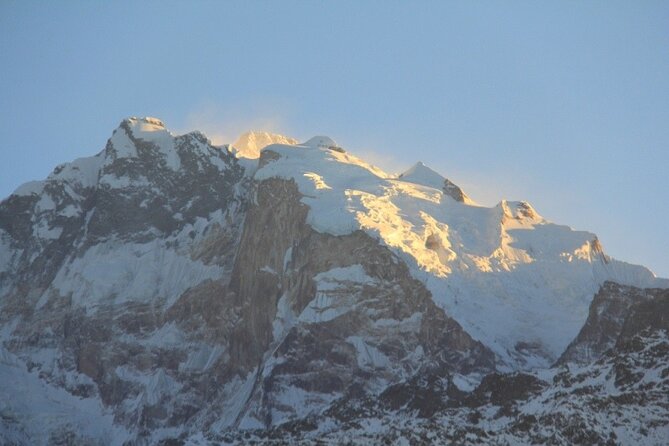
The itinerary also takes you to Machhapuchhre Base Camp (6997m). Machhapuchhre, or Fishtail, is one of those mountains that looks good from almost anywhere. Up close, it becomes something else.
From a trekking-logic point of view, adding Machhapuchhre Base Camp changes the experience. It stops the hike from feeling like a one-note push to a single destination. Instead, you get a second high point and a different viewing angle on the same region.
This is also where your mood can shift. After the first big effort, reaching Machhapuchhre feels like a second victory lap, with fresh air and new sight lines. You’ll likely spend time taking photos, but more importantly, you’ll want to just look. When the weather cooperates, the view across the Annapurna complex and toward Dhaulagiri is exactly what people come for.
The culture part that actually counts: Gurung, Magar, and Tamang villages
A lot of trekking tours say culture. This one at least names the groups you pass through: Gurung, Magar, and Tamang ethnic groups. Even if your main goal is scenery, these village passages change the feel of the trek.
Here’s what to expect in real terms:
- You’ll see how village households run tea houses and lodging
- You’ll interact with local staff who keep things moving day to day
- You’ll witness day-to-day mountain life, not staged performances
The guide can help you connect dots. Different people on past treks were guided by professionals including Santosh, Deepak, Ram, and Tej Bagale, and several descriptions mention that guides are patient and helpful with comfort and safety. In a cultural route like this, that patience is useful because it makes conversation easier and prevents you from feeling like you are rushing through other people’s homes.
You should also remember this is a working travel route. Be respectful in lodges, keep your pace steady, and use simple manners. It gets you better treatment, and it makes the experience feel less like you’re “collecting stamps.”
Guides and porters: the real difference between a hard trek and an enjoyable one
The included support is a big selling point:
- 1 guide + 1 porter for each two tourists
- Insurance for guides and porters
That ratio matters because short treks can still be physically tough. With this setup, the guide can watch your pacing and the porter can handle some of the heavy burden, so you keep more energy for the views and the final push.
In practical terms, this support system often shows up in the little moments:
- Adjusting when weather turns
- Helping if someone feels slow or struggles
- Keeping logistics running without stress
Past experiences tied to this company include guides and support staff such as Jit, Shambu, Deepak, Ram Sharan, and Santosh, with porters named like Amrit, Noma, Suga, and Namraj. What stands out across those stories is how frequently the staff are described as polite, caring, and flexible, including support when people had issues like knee injuries or got hit by rain and snow. Even if your trek is going smoothly, that kind of readiness is a comfort.
One note: the trip does not include emergency rescue evacuation under your personal insurance. You are not expected to manage this, but you should still purchase personal travel insurance that covers helicopter rescue. It’s not optional “because it’s cool,” it’s because high altitude and bad weather are real risks.
Permits and the conservation side, explained simply
Your trek includes the TIMS permit plus the Annapurna Conservation and Trekkers Information Management System paperwork. You get these included in the price.
Why you should care: permits keep trekking organized in Nepal. They also help ensure you are in the right zone and that the routes are managed through conservation rules. When these are included, you avoid the annoying scramble of paperwork while also trying to rest before hiking.
For you as a traveler, “included permits” mostly means less hassle. It also gives you a clearer start, so you can focus on the trail instead of forms.
Price and value: what $650 gets you, and what you’ll still pay
At $650 per person, this is positioned as a mid-range, guided trekking package. The best value parts are what is bundled:
- Pokhara hotel for 2 nights (3-star bed and breakfast)
- Trekking accommodation in tea houses
- Meals during trekking time (breakfast, lunch, dinner as listed)
- Guide and porter support (one guide plus one porter for each two tourists)
- Land transportation within Nepal by tourist bus, plus jeep transfer from Pokhara to New Bridge
- TIMS and conservation permit
- Insurance for guides and porters
Now the not-included list is equally important, because it contains the items many trekkers forget to budget:
- Your trekking gear (sleeping bag, down jacket, gloves, sunglasses, sunscreen, trekking stick, trekking shoes)
- Nepal entry visa (you get it on arrival, plus you must bring 2 passport size photos)
- Personal travel insurance, especially helicopter rescue coverage
- Tips for guide and porter
- Kathmandu accommodation (not included)
- Lunch and dinner in Kathmandu and Pokhara, priced around $USD 3 to 7 per item
- Drinks, snacks, hot showers, laundry, and any Wi-Fi or phone charging
So is it good value? For most people who are new to trekking or who want a guided, supported plan, yes. If you already own most gear, and you are okay budgeting separately for visa, tips, drinks, and Kathmandu lodging, the package price is reasonable for what’s included.
What you should pack, based on what is not included
You’ll need to bring personal trekking gear. The package does not provide it. Plan on:
- Sleeping bag
- Down jacket
- Gloves
- Sunglasses
- Sunscreen
- Trekking stick
- Trekking shoes
If you’re renting gear in Kathmandu, you can likely do that, but the tour price assumes you show up ready. Also pack for cold mornings, and remember that early starts plus high altitude can make temperature swing feel bigger than you expect.
Don’t forget basics like a water bottle and layers. Drinks like mineral water are not included in the package, so your system should be ready for purchase along the way.
Who this trek is perfect for, and who should think twice
This short trek is a strong match if:
- You have limited time in Nepal but still want the Annapurna Base Camp experience
- You prefer tea houses and included meals over carrying everything
- You want cultural village time with Gurung, Magar, and Tamang communities in the mix
- You want support from a guide and porter, especially if it is your first Himalayan trek
It may be less ideal if:
- You struggle with early mornings and steady uphill hiking
- You don’t want to manage personal extras like drinks, tips, and gear costs
- You are not prepared for cold or weather changes at altitude
Also, make sure you have a strong fitness base. The tour is not described as gentle.
Should you book this Short Annapurna Base Camp Trek?
I’d book it if you want the big Annapurna moments in a shorter timeframe, and you like the comfort of a guided plan with tea-house lodging and meals during the trek. The support ratio, included permits, and the fact that you stop at both Annapurna Base Camp and Machhapuchhre Base Camp makes the package feel efficient.
I’d hesitate if you are not ready for a very early start at 1:15 am or if you’re unwilling to bring your own trekking gear and cover personal costs like drinks, tips, and Kathmandu lodging.
If you do decide to go, do two things that make the whole trek better: buy proper personal insurance that covers helicopter rescue, and pack for cold even if the weather looks mild in town. The mountains have a sense of humor, and it’s rarely the warm-weather kind.
FAQ
What is the trek starting time?
The start time is listed as 1:15 am.
Where does the trek start and end?
The trek starts and ends at New Bridge, with transportation from Pokhara to New Bridge by local jeep.
Is pickup included?
Pickup is offered.
How are guides and porters handled?
The package includes 1 guide and 1 porter for each two tourists, and it also includes insurance for guides and porters.
What permits are included?
You get the Annapurna Conservation and Trekkers Information Management System (TIMS) permit included.
What meals are included?
Daily breakfast, lunch, and dinner are included during the trek. The inclusions also mention dinner daily and breakfast during the trekking days.
What is included in Pokhara?
You stay for 2 nights in Pokhara at a 3-star bed and breakfast (Splinded View).
What is not included in the tour price?
Personal trekking equipment, Nepal entry visa, personal travel insurance (including helicopter rescue), emergency rescue evacuation, Kathmandu accommodation, tipping for guide and porter, and coffee or tea and other drinks are not included.
Do I need to pay for drinks and snacks?
Yes. Coffee and/or tea, alcoholic and non-alcoholic drinks, and snacks like chocolate and dessert are not included.
Is this a private trek?
Yes. It is private, and only your group participates.
Latest Kathmandu write-ups
- 10 days Annapurna Base Camp Trek★ 5.0 · 5 reviews
- Visit Swayambhunath and Bauddhanath Stupa with Guide★ 5.0 · 5 reviews
- Langtang Trek from Kathmandu 7 Days★ 5.0 · 5 reviews
- 7 Day Kathmandu Pokhara Tour★ 4.5 · 5 reviews
- Island Peak Climbing with Everest Base Camp★ 5.0 · 5 reviews
- Everest Mountain Flight★ 5.0 · 5 reviews
- Kathmandu city day tour (4 world heritage sites)★ 5.0 · 5 reviews
- Chandragiri Hill Cable Car Tour with Hotel Transfers from Kathmandu★ 4.5 · 5 reviews
Annapurna Base Camp Trek, compared.
Browse the lists this tour appears in