
Reviewed · UPPER MUSTANG TREK
Jeep Trip to Upper Mustang
A jeep route through Upper Mustang is interesting because it replaces long trekking days with a bumpy but practical 4WD ride through remote Tibetan-influenced country. I like the mix of culture and logistics done for you, from Kathmandu’s UNESCO sights to the walled streets of Lo Manthang. I also like that you still get monastery visits and cave stops, just without carrying a heavy pack for days. One drawback to plan around: you’re still traveling in a restricted, weather-dependent region where road conditions and timing can feel slow and a bit rough.
This is also a rare kind of trip where permits matter. You’re not just sightseeing casually, you’re paying for access and spending real days moving across the Mustang corridor. If you hate uncertainty, bring a flexible mindset. If you want comfort compared with trekking, you’ll appreciate the lodge/guesthouse rhythm and the fact that the driving does the heavy lifting.
Key things to know before you go
- Upper Mustang access is built into the price, including the restricted area permit fee
- You trade hikes for 4WD driving, so the trip feels active without being a trekking grind
- Lo Manthang and key monasteries like Jampa Gompa and Thubchen Gompa are major highlights
- Cave stops with age claims and excavations are part of the Mustang story (Chhoser and Shija Jhong)
- Meals are partially included, with breakfasts in hotels and multiple lunches and dinners on the road
- Weather matters, since the plan depends on workable conditions for travel and flights
Why This Upper Mustang Jeep Route Feels Different Than Trekking
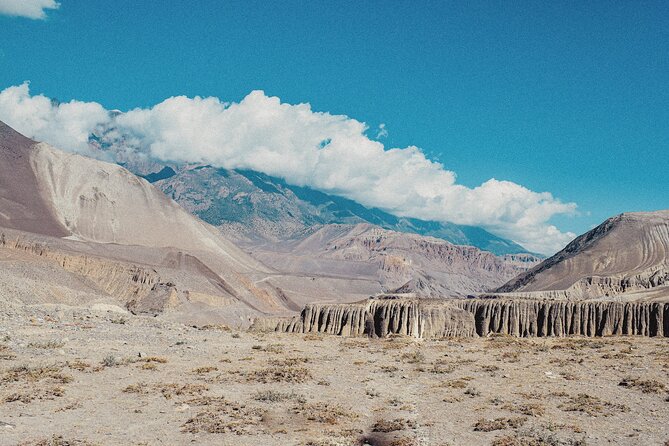
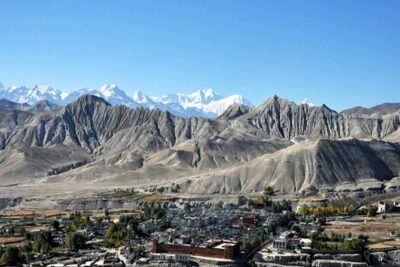
Upper Mustang is one of Nepal’s most distinct regions, more arid and more Tibetan in feel than the greener parts of the country. The big question is how you want to experience it: on foot, or by vehicle.
This tour is built for the vehicle approach. Instead of daily trekking logistics, you’re dealing with Jeep travel, rocky tracks, river-side drives, and long stretches of watching scenery go by. That can be a win if you want the culture and sites but not the daily stamina test.
The other advantage is that the tour bundles the “hard parts” for you. Permits are included, there’s an English-speaking guide, and you have scheduled stops for markets, monasteries, and the walled city experience. It’s not just point-to-point transportation. The route is shaped around what you can realistically see in the Mustang corridor.
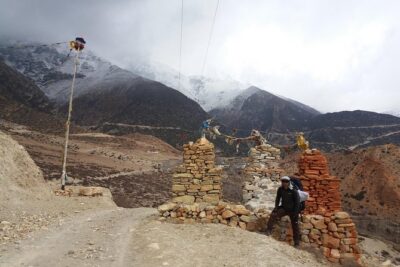
If you are sensitive to rough roads, you should know what you’re signing up for. The itinerary explicitly includes an off-road section after Beni, and Upper Mustang driving is not the gentle kind. Bring patience, and choose seats and timing wisely when you can.
More of Mustang and the Kali Gandaki:
- Upper Mustang Classic Trek with Local guide
★ 5.0 · 15 reviews - Lower Mustang Motorbike Tour -8 Days
★ 5.0 · 9 reviews - Upper Mustang Trek
★ 5.0 · 6 reviews
Price and What You Actually Get for $2,200
At $2,200 per person, this is not a budget day trip. The value comes from what is bundled.
Here’s what’s included that matters in real-world terms:
- Upper Mustang restricted area permit fee ($500 USD) is included
- Annapurna conservation area permit and TIMS card are included
- Kathmandu and pre-Mustang sightseeing is guided with a professional English-speaking guide
- International and domestic airport transfers are covered
- Most meals are included across the days where you’re on the route (breakfasts plus multiple lunches and dinners)
When a trip includes the restricted-area permit directly, you avoid a major headache and you remove one unpredictable cost. The same goes for the conservation and TIMS type paperwork. That’s the stuff that can slow you down when you try to DIY this region.
Also, you’re not just moving through places. The tour includes time in Kathmandu and Pokhara for acclimation and context, and then uses the middle days for the Mustang core: Kagbeni, the Lo Manthang circuit, cave stops, and the Jomsom segment.
Kathmandu Setup Days: UNESCO Sights and Getting Oriented
Your journey starts in Kathmandu with airport transfers and hotel time. You’ll meet the program in the evening and get a buffer night so you’re not rushing straight into long travel right away.
Day 1: Kathmandu Valley warm-up
You arrive, you get private vehicle pickup, and you stay overnight in Kathmandu. This is a sensible start because Upper Mustang travel can be mentally intense even if you’re not trekking.
More to compare around Kathmandu
- Everest Base Camp Trek – 14 Days
★ 5.0 · 1,499 reviews - Everest Base Camp Trek
★ 5.0 · 842 reviews - Private Kathmandu Sightseeing Tour | UNESCO World Heritage sites
★ 5.0 · 756 reviews - Kathmandu: 7 UNESCO Sites with Lunch
★ 4.8 · 744 reviews
Day 2: Swayambhunath, Patan Durbar Square, then the big sacred stops
You start sightseeing around the valley with Swayambhunath, then Patan Durbar Square. Later the day shifts to Pashupatinath Temple and Boudhanath Stupa.
Why this matters: Kathmandu isn’t just a pre-trip waiting room. These sites give you a quick cultural grounding. If you’re about to spend days in Tibetan-influenced communities, it helps to notice how Nepal’s religious and artistic styles connect across regions.
Practical note: admission is not included for these stops, so you’ll want a little spending flexibility in your pocket for tickets.
Pokhara Before Mustang: A Different Pace and Better Mountain Chances
After Kathmandu, you drive to Pokhara. This is one of those days that feels long in the moment but useful in the long run because it breaks up travel and gives you a change in scenery and altitude feel.
Day 3: Lakeside arrival day
You go by road, with countryside passing by along the way. You’ll spend a night in Pokhara, which is exactly what you want before Mustang driving begins.
Pokhara sightseeing later
Pokhara pops up again after you return from the Mustang side, when you get an afternoon tour of highlights. That gives you a chance to enjoy the city after the remote days, not before you’re mentally taxed by travel.
The Kali Gandaki Drive: When the Road Gets Real
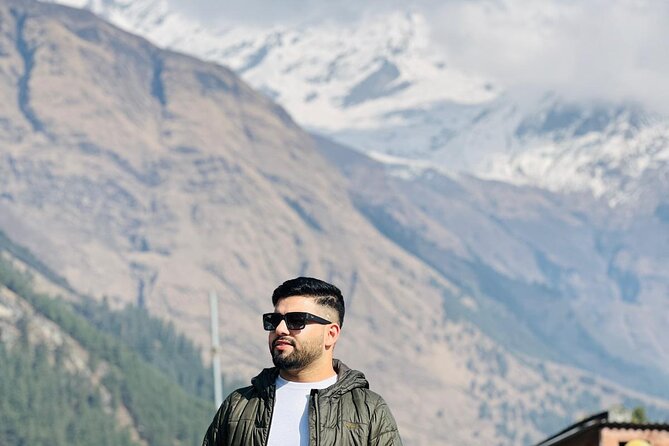
This is where the trip switches from city and highway logistics into remote-region driving.
Day 4: Beni to the Kali Gandaki River, then off-road
You drive west to Beni, then follow the Kali Gandaki River. The itinerary calls out that after Beni, the road becomes off-road. That’s your clue to pack your comfort expectations accordingly.
Why this day matters: the river corridor is a guide to the Mustang region. It keeps the route tied to real geography, and it sets the tone for the rest of the journey, where you’ll be traveling through valleys, villages, and Tibetan-style sites.
A drawback to plan for: if you get carsick easily, this is the kind of day that can trigger it. Consider bringing any motion-sickness help you already trust.
Marpha, Apple Country, and the First Taste of Mustang Life
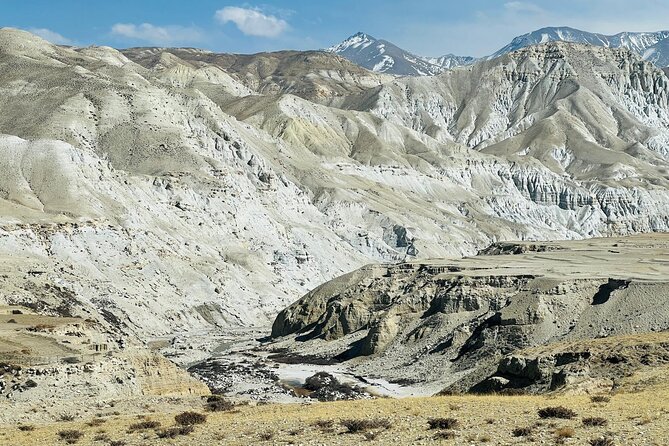
Once you’re deeper into the corridor, the itinerary starts layering village stops into the drive.
Day 5: Marpha village, apple farming, and a market stop
You’ll pass through villages like Kalopani and Ghasa, then explore Marpha, known for apple farming. You also have time at the Jomsom local market.
Then the route continues toward Kagbeni, with a mention of a holy temple complex stop.
Why you’ll probably enjoy this day: it’s not only monasteries and rock. Marpha gives you a more everyday Mustang picture, and the market stop adds human scale to the big scenery.
Kagbeni to Upper Mustang Permits: The Administrative Gate
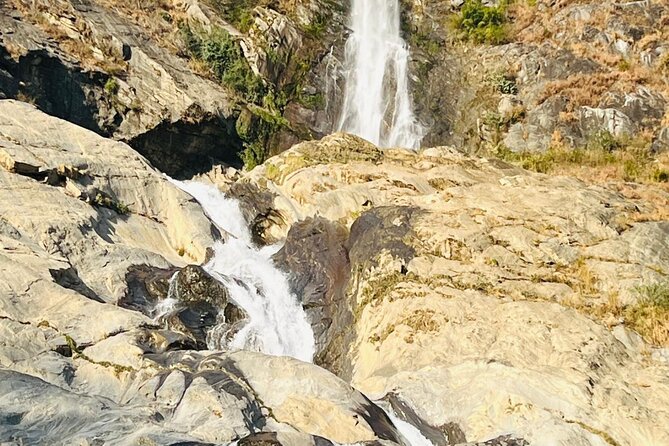
This is one of the most important transitions on the tour, because it’s where you move from the more general Nepal routes into restricted Upper Mustang access.
Day 6: Kagbeni monastery, Buddhist school, and the permit check
You visit Kagbeni Monastery and a Buddhist School. Then your guide checks in the Upper Mustang permit before the journey into Upper Mustang continues.
That permit moment is more than paperwork. It’s a reminder that Upper Mustang is managed and protected through access rules, not just free-for-all sightseeing. Having it arranged ahead of time saves you stress later.
Lo Gager Ghar Gompa and Lo Manthang: Walled City Day One
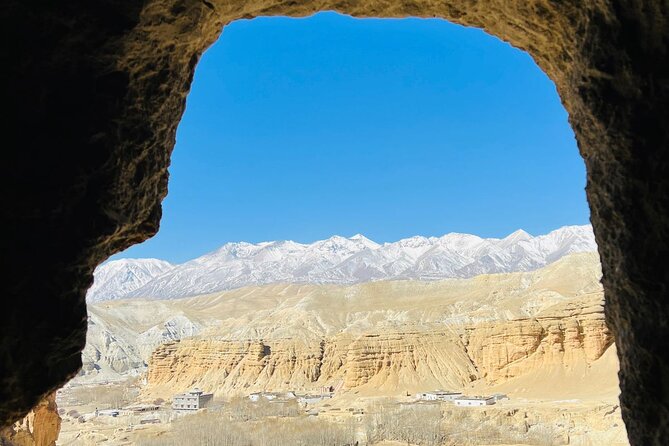
Now you’re in the core zone people come for. This is where the trip gets genuinely special, and not just in a vague way.
Day 7: Thubchen Gompa, Charang Monastery, and the old-city feel of Lo Manthang
You visit Thubchen Gompa and also Lo Gager Ghar Gompa, described as important for Mustang. The day also includes Charang Monastery and then Lo Manthang city itself.
You also get Jampa Gompa, noted as the oldest monastery, mentioned as built in the past (the itinerary text cuts off, but it clearly frames it as age-defining).
What you can expect in Lo Manthang: narrow alleys, traditional architecture, and the sense that you’re watching daily life continue in a place that has kept older Tibetan customs alive. You’re not just standing in a museum-like town, you’re moving through it.
Mustang Cave Stops: Chhoser and Shija Jhong With Deep-Time Claims
If you like places with layers of meaning, the cave days are a highlight.
Days 8 and 9: monastery circuit plus sky caves and ancient excavations
You explore Namgyal gompa, the sky caves of Chhoser, and the Shija Jhong cave. The itinerary notes this cave dates back over 3,000 years and has been subject of excavation by archaeologists.
It’s repeated across Days 8 and 9 in the itinerary structure, likely giving you time to slow down and see the main sites without racing.
Why it’s valuable: caves add a different kind of Mustang story than churches or temples. They suggest older ways of worship and dwelling, and they help explain why this region feels distinct. They’re also the kind of stop where your guide can connect what you see with why people cared long ago.
Potential drawback: cave visits can be visually impressive, but they can also be weather-sensitive and physically uneven. Wear shoes you trust on uneven ground.
Jomsom and the River Communities: Markets and Monasteries on the Move
After Lo Manthang, the itinerary shifts from the walled city to the broader corridor toward Jomsom.
Day 10: drive to Jomsom with villages, Buddhist stupas, and monasteries
You drive all the way to Jomsom, crossing local villages along the Kali Gandaki River. There are stops for stupas and monasteries, and you also get time to explore the Jomsom market in the evening.
This is a good day for a different kind of understanding. Lo Manthang shows the “core” of the walled city. The Jomsom area shows how these religious and daily rhythms connect to trade and road life.
Tatopani and the Return to Pokhara: Hot Springs Energy, Flight Timing
As you head out of Mustang territory, the trip uses a mix of driving and flying to keep the overall schedule realistic.
Day 11: early flight back to Pokhara, then sightseeing and included meals
You fly back to Pokhara early morning. Then you have Pokhara sightseeing in the afternoon. Meals are listed as included here, including breakfast plus lunch and dinner.
Day 12: a second drive day back in the Pokhara plan
The itinerary lists another drive involving 4WD Land Cruiser or Mahindra Scorpio, with meals included again. The city name in the text reads Pokhara, so you should expect a scheduled transfer day rather than assuming it is identical to Day 3.
In plain terms: you should plan for more vehicle time here than you might expect, and you’ll want to keep your packing simple and reachable.
Thamel Free Time and Final Kathmandu Drop-Off
Day 13: free day in Thamel for shopping
You get a rest-and-shop day in Thamel, Kathmandu’s popular tourist neighborhood. This is your chance to pick up souvenirs, snacks, or practical items you may have forgotten for the road.
Day 14: drop to the international airport
You finish with private vehicle drop-off to the international airport.
Comfort on a Bumpy 4WD Trip: What to Expect Day to Day
Even with lodges and organized stops, this is still an overland Jeep tour. I’d plan around three comfort realities.
1) Roads can be rough even when the day feels planned
The itinerary clearly notes off-road travel after Beni. Mustang roads can be uneven and slow. Your best strategy is to dress for layers, secure your bag, and keep water accessible.
2) You’re on the move across time zones of altitude and energy
Even without trekking, you still feel the rhythm of travel days. The Kathmandu and Pokhara framing helps, because you get multiple “settle” periods instead of only charging into the Mustang corridor.
3) Lodges and guesthouses are simple, not fancy
The tour description sets the expectation of comfortable lodges or guesthouses. “Comfortable” here usually means clean and functional, not luxury.
Service and Team Strength: Friendly Drivers and Real Organization
One pattern I see in the praise is that the trip runs smoothly because the people behind it are responsive. Drivers are described as friendly, and hotels and guesthouses are noted as clean.
The guide names that come up include Thakur, plus coordination help tied to Dithal and Shailesh. That matters, because in a remote region, you want local experience and calm handling when timing shifts.
I also like that the tour isn’t selling mystery. It tells you there are monasteries, cave stops, market time, and city walks. That clarity makes it easier to picture your days instead of guessing.
Who This Tour Fits Best
This is a strong match if:
- you want Upper Mustang access without trekking
- you like historical and religious sites, especially monasteries and cave areas
- you prefer guided sightseeing with included permits and organized meals on the route
- you want lodge/guesthouse comfort rather than camping
It may not fit if:
- you dislike rough vehicle travel
- you need a highly predictable schedule down to the minute, since weather can affect plans
- you want a lightweight, casual vacation with no long drive days
Should You Book This Upper Mustang Jeep Tour?
If your goal is to see Lo Manthang, monasteries, and Mustang cave sites with the benefit of an organized route, I think this is a smart way to do it. The price feels more reasonable when you factor in the $500 restricted area permit plus conservation paperwork and multiple guided and meal-included days.
But be honest with yourself about the car ride. You’re trading trekking strain for Jeep time. If that trade works for you, you’ll likely come away feeling like you got real access, not just a quick bus tour.
If you want the decision shortcut, here it is: book if you want culture and remote access with fewer physical demands. Skip if rough roads and weather dependency will stress you out.
FAQ
What is the duration of the Jeep Trip to Upper Mustang?
The trip runs for about 14 days.
Where does the tour start and what are the pickup details?
It starts at Tribhuvan Airport, Kathmandu. Airport transfers and private vehicle pickup are included as per the itinerary.
How much does the Upper Mustang Jeep tour cost?
The price is listed as $2,200.00 per person.
What permits and cards are included in the tour?
The tour includes the Upper Mustang restricted area permit fee ($500 USD), plus the Annapurna conservation area permit and TIMS card.
Are meals included during the trip?
Yes. Breakfast is included (13 breakfasts listed). Lunch and dinner are also included for multiple days (10 lunches and 10 dinners listed).
What happens if weather is poor during travel?
This experience requires good weather. If it is canceled due to poor weather, you will be offered a different date or a full refund.
Latest Kathmandu write-ups
- Langtang Valley Trek★ 5.0 · 3 reviews
- Khopra Danda Trek★ 5.0 · 3 reviews
- Langtang Valley Trek from Kathmandu★ 5.0 · 3 reviews
- 5 night / 6 days Kathmandu Nagarkot Chitwan Pokhara tour★ 5.0 · 3 reviews
- Nepal Highlights Tour: 5 Nights 6 Days Kathmandu & Pokhara Tour★ 5.0 · 3 reviews
- Kathmandu Valley Private Day Tour★ 5.0 · 3 reviews
- Conquer the Himalayas: The Ultimate 16-Day Annapurna Circuit Trek★ 3.5 · 3 reviews
- Kathmandu Heritage Day Tour★ 5.0 · 3 reviews
Upper Mustang Trek, compared.
2-Day Scenic Mustang Tour: Pokhara to Jomsom, Kagbeni & Muktinath
Read our review →
6 Day Upper Mustang Tour by 4WD Jeep from Pokhara
Read our review →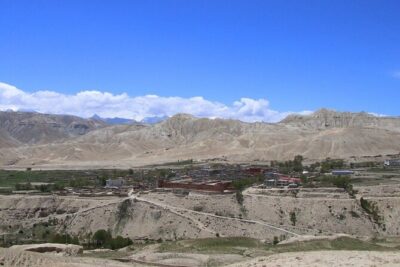
Browse the lists this tour appears in