
Reviewed · UPPER MUSTANG TREK
Upper Mustang Trek
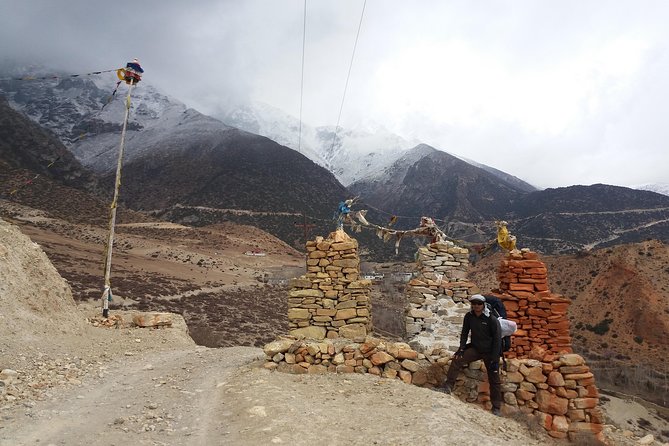
This Upper Mustang trek is interesting because you walk through a remote pocket of Nepal where Tibetan culture is front and center. You start with the practical rhythm of a trek, then you layer in monasteries, small towns, and that feeling of getting closer to the roots of the region.
Two things I like a lot: the daily 4-6 hour pace that is active but not punishing, and the way the route connects Jomsom, Kagbeni, and the Muktinath area into one coherent story. One thing to consider: it’s weather dependent, and you should plan your schedule around that reality.
If you want a grounded, authentic trek that prioritizes culture and steady walking time, this is the kind of itinerary that can work beautifully. Just be honest with your fitness level, pack smart, and accept that you are going into a place where comfort is more basic than you might expect.
Key Highlights You’ll Care About
- Private group format, so the trip can feel more flexible and personal
- Daily hikes of 4-6 hours, a manageable target for a moderate fitness level
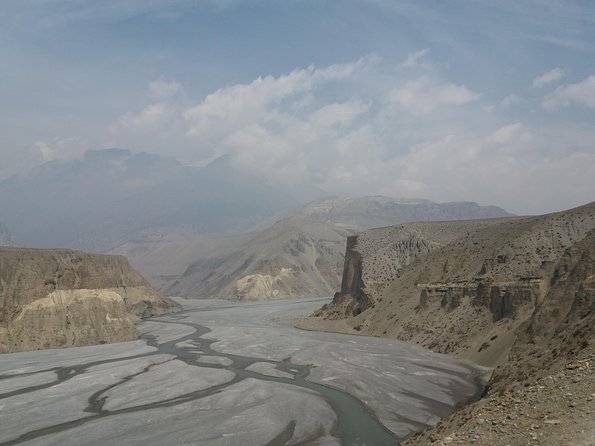
- Jomsom to Kagbeni to Upper Mustang route, built around real towns and viewpoints
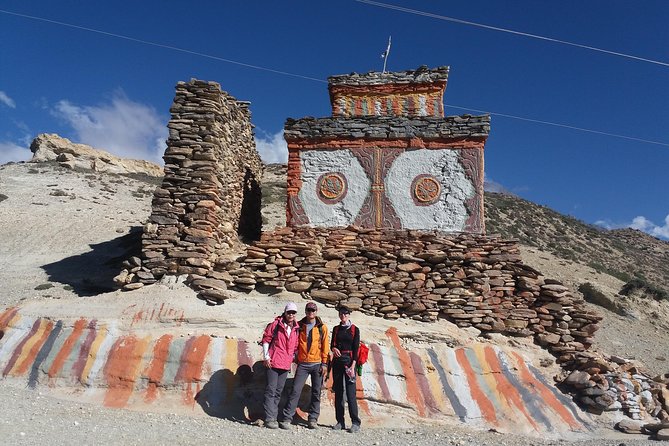
- Old monasteries and cultural stops, where Tibetan-influenced life is part of the scenery
- Meals included across the trek, with breakfast daily plus lunch and dinner while walking
- Weather matters, and the operator has a clear plan if conditions force a change
Entering Upper Mustang From Jomsom, Kagbeni, and Beyond
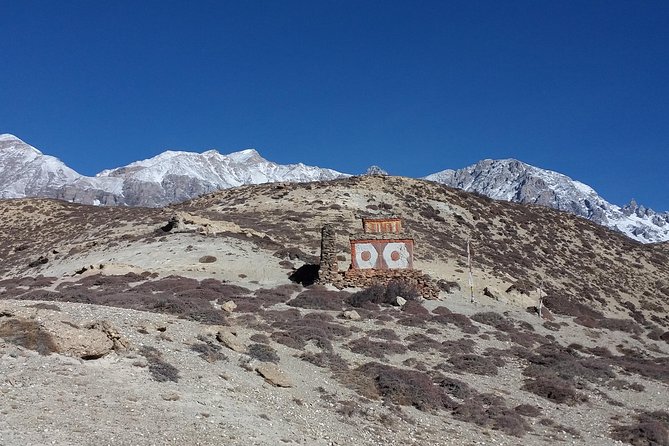
Upper Mustang has a reputation for being special, but what matters for you is what that means on the ground. This trek is designed around walking from Jomsom via Kagbeni and continuing into Upper Mustang, with daily trekking time that typically lands around 4-6 hours depending on the day. That time window is one of the best parts of the plan because it gives you enough hours to see places, but it also leaves room for rest, photo breaks, and slower moments in the towns.
A big reason I’d choose this style of route is that it links multiple kinds of experience instead of treating the trip like one long line of checkpoints. You do cultural viewing in the towns. You stop at old monasteries that help explain the region’s Tibetan connections. And you end up in the Muktinath area, which is a major spiritual destination for many visitors.
One practical note: because this is a trek, your comfort depends heavily on how you pack and how you manage your energy. When the day’s walking is set, you can’t just opt out and hop into a café whenever you want. You’ll want to keep a steady pace and plan your breaks.
More of Mustang and the Kali Gandaki:
- Upper Mustang Classic Trek with Local guide
★ 5.0 · 15 reviews - Jeep Trip to Upper Mustang
★ 5.0 · 10 reviews - Lower Mustang Motorbike Tour -8 Days
★ 5.0 · 9 reviews
Price and Value for a 16-Day Private Trek
At $2,205.13 per person for a trip around 16 days, the value only makes sense if you compare it to what you’re actually getting.
Here’s what is clearly included:
- Breakfast every day
- Lunch during the trek
- Dinner during the trek
- Welcome and farewell dinner in Kathmandu
That meal structure is more meaningful than it sounds. Trekking days can burn time and energy, and having lunch and dinner handled means you are not constantly hunting for options with limited operating hours. It also reduces decision fatigue, which is a real quality-of-life win when you are focused on walking and sightseeing.
What’s not included is also important for budgeting:
- WiFi on board
- Bottled water
- Soda or pop
So your final trip cost can creep upward if you assume bottled water will be there whenever you want it. I’d budget for water purchases and also plan to treat drinking water as part of your trek prep, not a last-minute surprise.
And then there’s the format:
- Private tour/activity, meaning it’s only your group
Private usually means you’re paying for tailored attention and not sharing your schedule with strangers. If you’re traveling with friends, family, or a small group, that can feel like good value. If you’re solo and expecting big social energy, private format may feel quieter than you expect.
Kathmandu Start, Pickup, and Mobile Ticket Reality
Most people arrive in Kathmandu ready for the trek to start, but the first days set the tone for how smooth the rest of the trip feels. This experience includes pickup offered and uses a mobile ticket, so you should be able to handle key logistics without a ton of back-and-forth.
Also, the fact that there are welcome and farewell dinners in Kathmandu matters. It gives you a proper buffer before and after trekking. Even if the trek days are the headline, those Kathmandu meals help you reset, ask questions, and get oriented.
If you’re the type who hates rushing, build in a little extra patience for Kathmandu. It’s busy, and even with pickup, your arrival day might not be a perfect time to cram in extra sightseeing. Use the welcome dinner as your anchor point, then let the trek days do the heavy lifting.
Jomsom to Kagbeni: The Walking Day Rhythm You’re Buying
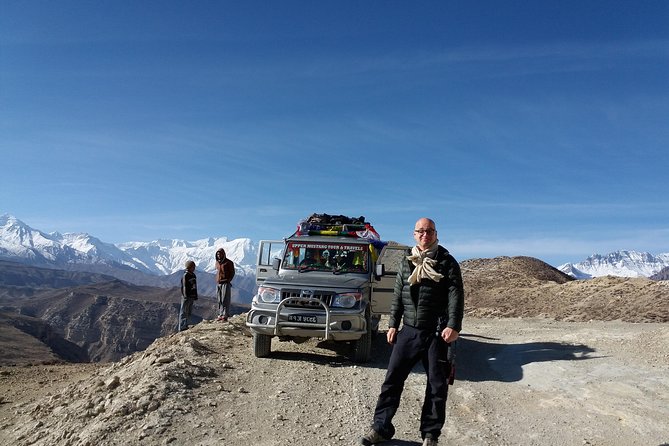
This trek starts the walking phase from Jomsom, moving onward to Kagbeni. The trip is designed around daily hikes of about 4-6 hours, which is a sweet spot for many trekkers. You get a real walking experience, but it’s not the kind of long day that leaves you too exhausted to enjoy the towns.
What I like about this pacing is that it encourages good trekking habits. You can walk with purpose, stop for photos without feeling guilty, and still arrive at cultural stops with energy left.
What you should watch for on these early days:
- Your legs adapt faster if you start controlled. Don’t race the first hour.
- Layers help because trekking air can shift throughout the day.
- You’ll want a reliable water plan, since bottled water is not included.
Also, since the route includes cultural towns, Kagbeni is not just a transit point. Towns like this are part of the trek’s value because they break up the monotony of only chasing views. You’ll get chances to slow down, look around, and understand daily life tied to the region’s Tibetan influence.
More to compare around Kathmandu
- Everest Base Camp Trek – 14 Days
★ 5.0 · 1,499 reviews - Everest Base Camp Trek
★ 5.0 · 842 reviews - Private Kathmandu Sightseeing Tour | UNESCO World Heritage sites
★ 5.0 · 756 reviews - Kathmandu: 7 UNESCO Sites with Lunch
★ 4.8 · 744 reviews
Moving Into Upper Mustang: Old Monasteries and Cultural Town Stops
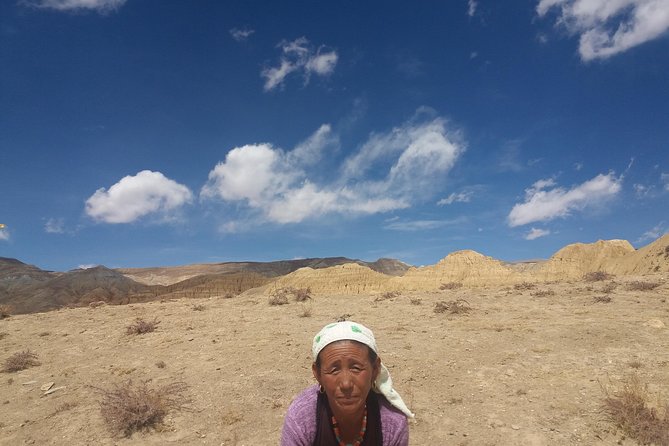
Once you’re deeper into Upper Mustang, the emphasis shifts from simply walking from place to place to actually exploring the culture around the trail. The itinerary includes visits to old monasteries and local cultural towns.
This is where the trek becomes more than exercise. Monasteries and town life give you context for what you’re seeing. Even when you do not have a guide explaining every detail in real time, the physical layout, the everyday activity, and the spiritual atmosphere add meaning to the scenery.
Here’s a key practical consideration: monastery visits and cultural stops tend to involve standing, walking short distances, and spending time at slower speeds. That’s good because it balances your day. But it also means you should pack for comfort, not just for trekking.
I’d plan to bring:
- A warm layer for breaks and evenings
- A hat and sun protection for daytime trekking
- A small day pack that keeps your essentials easy to reach
And because the trek includes these cultural stops, you’ll often find that you remember the trip through moments, not just summit-type highlights. That’s how I like it. It’s more human-scale.
Muktinath: Why This Stop Matters for Many Trekkers
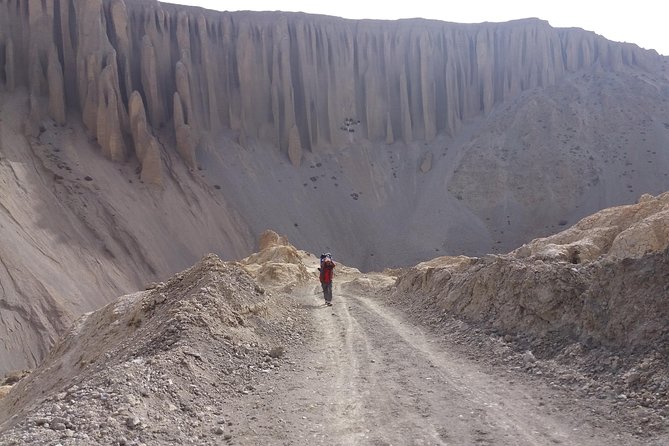
This tour includes the Muktinath area as part of seeing the Mustang region. If you’re considering this trek, it’s worth asking yourself what draws you to Muktinath.
For many trekkers, it’s not only about reaching a famous place. It’s about experiencing the spiritual pull and the cultural seriousness that visitors feel there. On a route like this, Muktinath becomes a major emotional waypoint, a moment where the trek feels like more than movement through space.
The itinerary doesn’t promise a luxury experience at every step. Instead, it builds a connection between walking, towns, monasteries, and Muktinath into one arc. If that’s your style, you’ll likely enjoy the pacing and the fact that the day includes time for real sightseeing, not only trekking.
Meals on Trek Days: Breakfast, Lunch, Dinner, and Kathmandu Nights
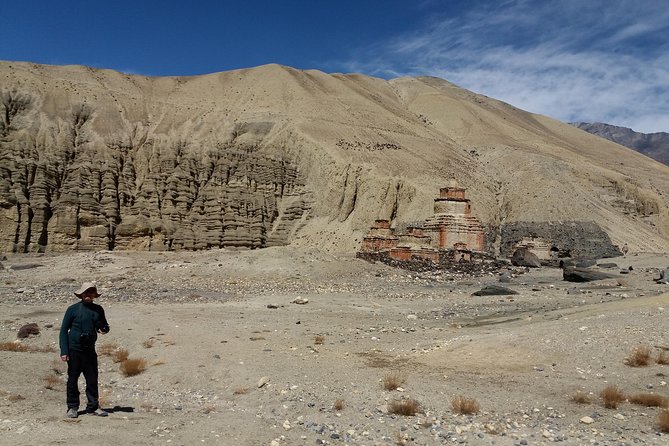
Food is one of the simplest ways this experience makes trekking easier. You get:
- Breakfast every day
- Lunch during the trek
- Dinner during the trek
- Plus welcome and farewell dinner in Kathmandu
This means you can focus on walking and enjoying stops instead of constantly figuring out where to eat. It also helps you maintain an energy routine. During a multi-day trek, consistency beats occasional surprises.
Still, I’d treat this as a trekking plan, not a gourmet plan. And because soda or pop is not included, you’ll likely want to budget for occasional treats if that matters to you.
Another small but real comfort factor: dinner and Kathmandu meals give you predictable downtime. Trekking days can blur together, so having planned meals helps anchor your expectations.
Fitness Level and Daily Effort: What 4-6 Hours Really Means
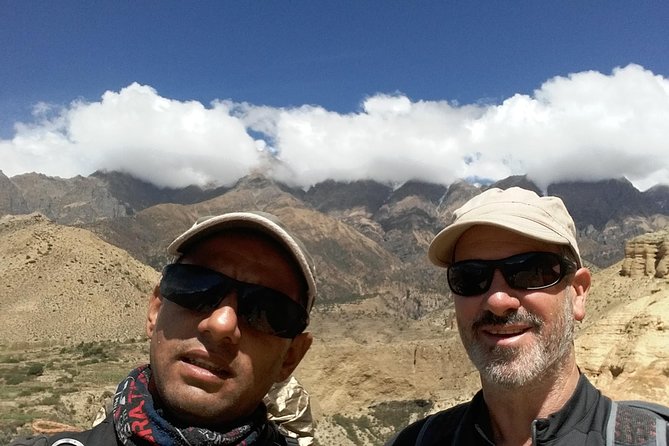
The tour notes a moderate physical fitness level requirement. That doesn’t mean it’s casual. It means you should feel comfortable doing sustained walking for several hours per day.
With a daily hike target of 4-6 hours, your success will depend on:
- Pace control, especially on the first day or two
- Foot care, because long walks add up fast
- Keeping a steady rhythm instead of sprinting between stops
If you’re coming from a sedentary routine, you’ll want to prepare before the trek. Even basic training like brisk walking a few times a week can make a huge difference once you’re doing repeated daily hikes.
Also, be realistic about weather. This experience requires good weather, and the operator may adjust if conditions are poor. Good planning beats toughing it out.
Weather and the One Catch: Build Flexibility Into Your Dates
This is the big logistical truth for a trekking trip in this region: good weather is required. The experience is set up so that if it’s canceled due to poor weather, you’ll be offered a different date or a full refund.
That policy is valuable because weather is not something you can control. When a trek is weather-dependent, you’re effectively buying a plan that includes a response strategy.
So if you’re the kind of traveler who already has flights locked to the minute, you’ll need to manage flexibility around your dates. This is not the trip to treat like a guaranteed, perfectly timed package no matter what.
Service Quality: The Kind of Planning That Makes a Trek Feel Easier
The reviews attached to this experience rating highlight a consistent theme: strong service and guides who handle the trip well. People specifically praised a guide named Shaktiman for going the extra mile, and they also thanked staff for good humor and an upbeat attitude.
Another set of praise mentioned Sajana and her team for helping shape a best-fit itinerary and keeping things fun with warm meals and downtime. There’s also a mention of Ram Adhikari being professional and advising stages and terrain well, plus friendly trekking staff.
Now, you should take this as directional, not a guarantee. You can’t pick your guide from the facts provided. But it does tell me what this operator tends to care about: planning quality, guidance, and the day-to-day tone.
For you, that matters because on a trek, the difference between a good trip and a great trip often comes down to how smoothly decisions get handled, how quickly problems are addressed, and how well the group stays motivated.
What to Pack and How to Think Like a Trekker Here
You’ll have an itinerary that mixes trekking with monastery and town visits, plus meals handled by the program. So your packing priorities should be practical.
I’d pack with these goals:
- Stay warm during early mornings and evenings
- Stay dry and protected during daytime walking
- Keep essentials easy to grab without digging through your whole bag
- Plan for water needs since bottled water is not included
Also, remember that WiFi on board is not included. That’s not a dealbreaker, but it does affect communication. If you rely on constant online access, this might annoy you. Instead, plan to be present. Download what you need before you start, and accept that in remote trekking areas, connectivity is not part of the package.
Who This Trek Suits Best, and Who Should Skip It
This tour makes sense if you:
- Want a private experience
- Enjoy trekking at a moderate effort pace
- Care about Tibetan-influenced culture, monasteries, and real towns
- Want a structured food plan with breakfast, lunch, and dinner covered
It might not be ideal if you:
- Want a highly flexible, choose-your-own-adventure schedule
- Expect luxury comfort on the trail
- Need guaranteed connectivity, since WiFi on board is not included
- Are traveling on ultra-tight dates with no room for weather changes
Also, if your fitness level isn’t moderate yet, don’t just hope. This trek is walk-focused, so you’ll feel every missed prep day.
Should You Book This Upper Mustang Trek?
If you want an experience that mixes walking, Tibetan culture, monastery visits, and Muktinath with a steady daily schedule, I think this is a strong fit. The value comes from the basics done well: daily breakfast, lunch and dinner on trek days, Kathmandu welcome and farewell dinners, and a private-group setup.
Book it if you can commit to moderate daily trekking time and you can keep your schedule flexible for weather.
Skip it or choose another option if you need guaranteed WiFi, you hate uncertainty, or you know you are not ready for repeated 4-6 hour walking days.
If you do book, go in with a calm mindset: you’re trading convenience for authenticity, and that trade is the point of Upper Mustang.
FAQ
How long is the Upper Mustang Trek?
The duration is listed as 16 days approximately.
Where does the trek start and what route does it follow?
You start walking from Jomsom, then go via Kagbeni into Upper Mustang, with daily trekking time around 4-6 hours depending on the day.
Does the tour include visits to cultural or religious sites?
Yes. The itinerary includes visits to old monasteries and local cultural towns, and it also covers the Muktinath area.
Is this a private tour?
Yes. It is a private tour/activity, so only your group will participate.
What meals are included?
Breakfast is included every day. Lunch is included during the trek. Dinner is included during the trek, plus welcome and farewell dinner in Kathmandu.
What is not included in the price?
The trip does not include WiFi on board, bottled water, or soda/pop.
What kind of fitness level do I need?
The experience suggests moderate physical fitness.
Is pickup provided?
Yes, pickup is offered.
When will I receive confirmation after booking?
You will receive confirmation at the time of booking.
What happens if weather is poor?
This experience requires good weather. If it is canceled due to poor weather, you will be offered a different date or a full refund.
Latest Kathmandu write-ups
- Langtang Valley Trek★ 5.0 · 3 reviews
- Khopra Danda Trek★ 5.0 · 3 reviews
- Langtang Valley Trek from Kathmandu★ 5.0 · 3 reviews
- 5 night / 6 days Kathmandu Nagarkot Chitwan Pokhara tour★ 5.0 · 3 reviews
- Nepal Highlights Tour: 5 Nights 6 Days Kathmandu & Pokhara Tour★ 5.0 · 3 reviews
- Kathmandu Valley Private Day Tour★ 5.0 · 3 reviews
- Conquer the Himalayas: The Ultimate 16-Day Annapurna Circuit Trek★ 3.5 · 3 reviews
- Kathmandu Heritage Day Tour★ 5.0 · 3 reviews
Upper Mustang Trek, compared.
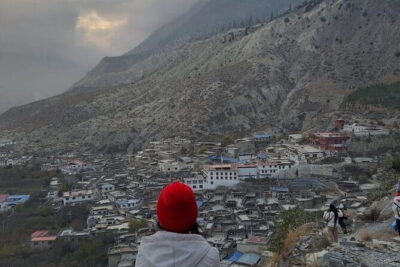
2-Day Scenic Mustang Tour: Pokhara to Jomsom, Kagbeni & Muktinath
Read our review →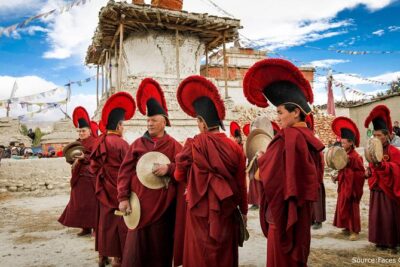
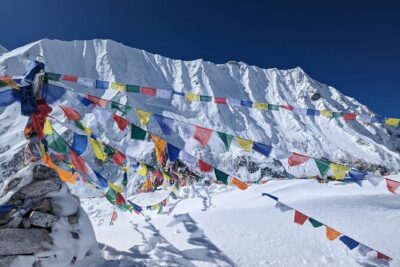
6 Day Upper Mustang Tour by 4WD Jeep from Pokhara
Read our review →
Browse the lists this tour appears in