
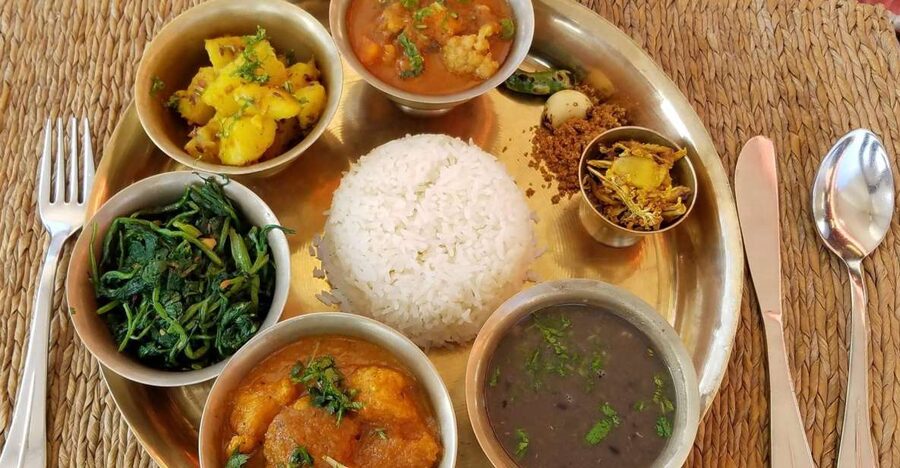
Reviewed · COOKING CLASSES
Kathmandu: 3-Hours of Cooking Class with Meals
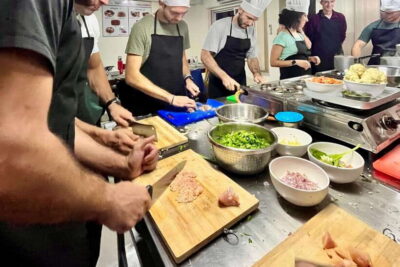
A Kathmandu cooking class like this is interesting because you do the work, not just watch it. You get a step-by-step setup where you cook and taste right away, and you also get Nepal’s famous momos included. I like that it is friendly for beginners, and I also like how you can adjust flavors on the spot. One consideration: the total time is listed as 4 hours, but the actual cooking window can feel closer to 3, depending on the day.
You’ll start by choosing from three menus, then you’ll cook traditional Nepali dishes course by course. I love that the instruction is in English and Hindi, and I love that you eat what you cook while it is hot. The main drawback for some people is that it is not suitable for children under 5, and it may not be a good fit if mobility is limited because you’ll be standing and working at a cooking station.
Key Highlights You’ll Care About
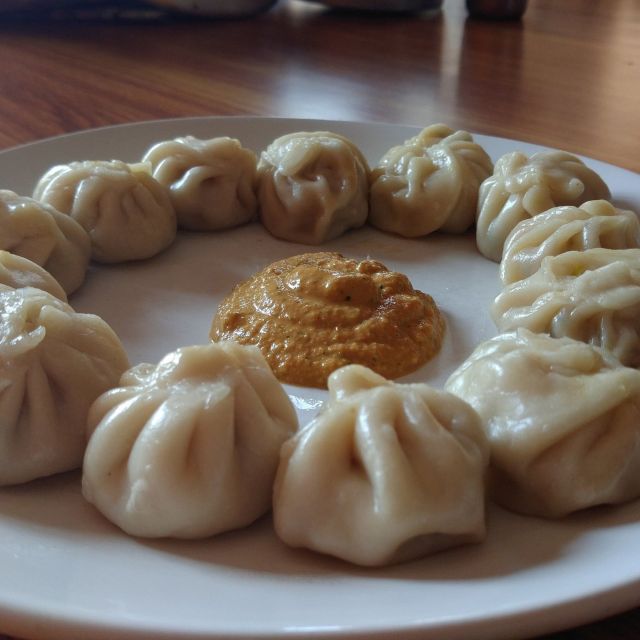
- Three menu choices, each with four traditional dishes, so you can pick what sounds best
- Momos included, with hands-on cooking so they are not just a side dish on your plate
- Cook one course, eat it hot, then move on, which keeps momentum and helps you learn faster
- Spice control built in, you can add chili or keep it mild to match your taste
- Hotel pickup and drop-off included, so you are not wrestling with Kathmandu traffic after a food-focused afternoon
- Masala tea and lunch included, so you are not paying extra just to get the full Nepal flavor
Why This Kathmandu Cooking Class Beats Just Eating Out
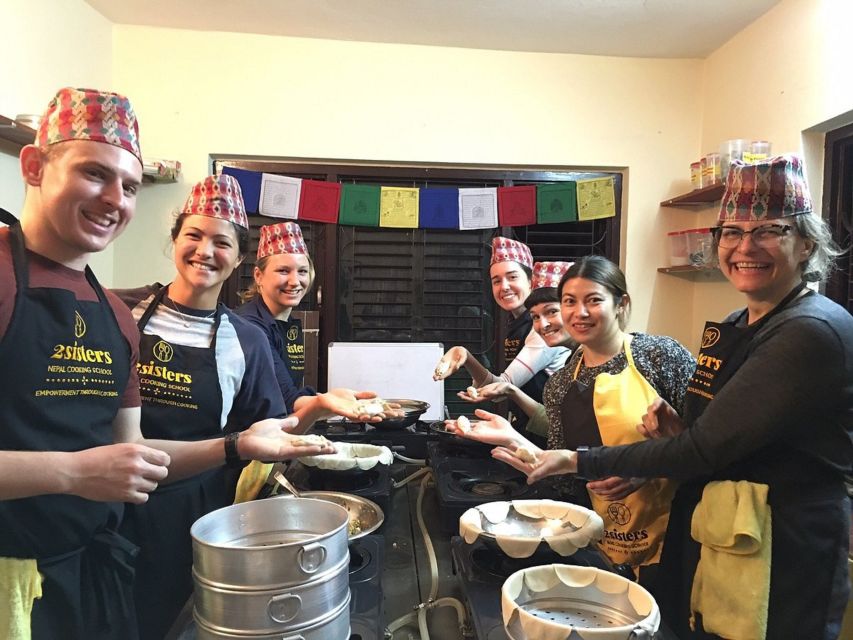
If you come to Kathmandu hungry, you can always find a restaurant. But a cooking class changes the whole trip. It turns Nepalese food from something you order and forget into something you understand. You learn why certain flavors fit together, how spice levels are actually managed in everyday cooking, and what ingredients contribute to the final taste.
This class is also low-pressure. You do not need knife skills, and you do not need to already know Nepali cooking. The goal is simple: you follow the chef’s guidance, you cook the dishes yourself, and you eat them fresh. That makes it a great cultural activity even if your focus is food, not “tour stuff.”
More Cooking Classes in Kathmandu
- Kathmandu: Local Women-Led Nepali Cooking & Momo Class
★ 4.9 · 360 reviews - Kathmandu: Local Women-Lead Nepali Cooking & Momo Class
★ 4.9 · 45 reviews - Kathmandu: Local Lead Nepali Cooking & Momo Making Class
★ 4.9 · 40 reviews
What You Actually Cook: Three Menus and Traditional Nepalese Dishes
The class is built around three different menus, and each menu includes four traditional Nepali dishes. That design matters. It means you are not stuck repeating one theme. You are getting variety, which makes the experience feel fuller, and it also gives you a better sense of how Nepali meals can be organized.
Here’s the practical part. Before cooking starts, you are guided to choose a menu. Then you move through the dishes in an organized sequence. The plan is not just “cook everything at once.” It is more like a workshop where each dish is treated as its own lesson.
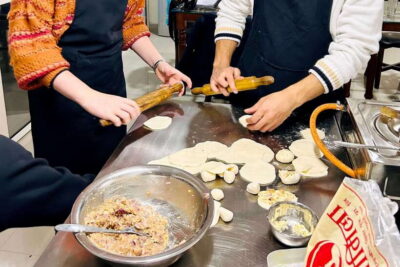
The one dish you can count on is that Nepal’s momos are included. That’s a big deal because momos are one of the most recognizable flavors you’ll find across Nepal. Cooking them yourself gives you a real sense of texture and technique, not just the final taste.
Important note on content: the exact dishes beyond momos are not spelled out here, so don’t treat this class like a food itinerary with a fixed list of dish names. The structure is consistent, and the menus vary by what the operator is running that day.
The Hands-On Flow: How You Go From Ingredients to a Hot Plate
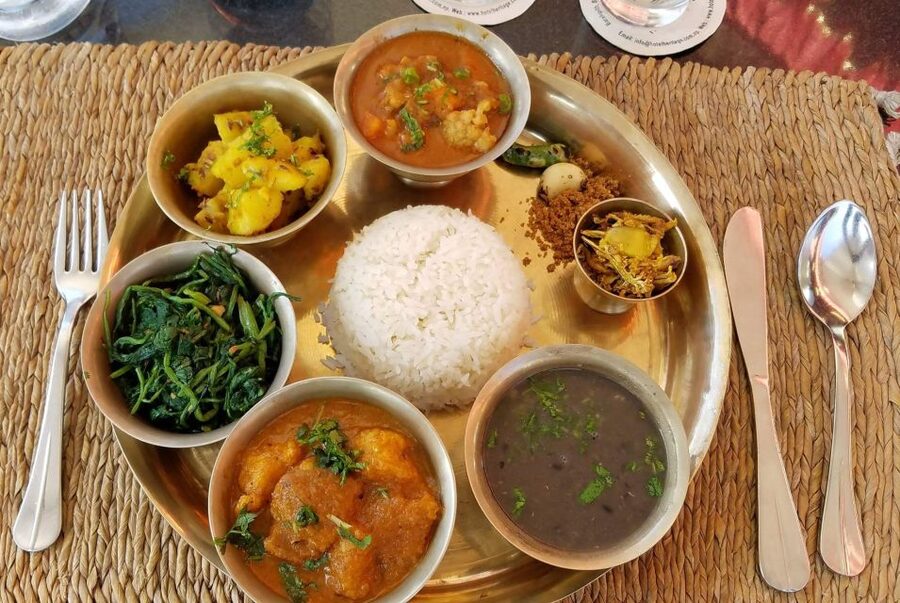
This is a hands-on, step-by-step cooking class. The chef or instructor guides you through each dish. You cook one course, then you eat it fresh and hot before moving to the next part of the menu.
That course-by-course structure is one of the best parts for beginners. You are not overwhelmed by too many steps at once. You get immediate feedback. If the taste needs tweaking, you can adjust as you go instead of waiting until the end and hoping it works out.
About ingredient sourcing
In many cooking classes in Kathmandu, there is a market or ingredient-walk component. You might see that here, because the class is designed to involve fresh ingredients. One caution from real-world experience: during festival season, the market part may not be possible. If that happens, you still end up cooking the menus with the ingredients provided. The learning stays intact, but the “where the ingredients come from” part might be shorter or absent.
A different sort of day out of Kathmandu:
- Kathmandu: 7 UNESCO Sites with Lunch
★ 4.8 · 744 reviews - Everest Base Camp Helicopter Tour landing at Everest View Hotel
★ 5.0 · 668 reviews - Manaslu Circuit Trek
★ 5.0 · 292 reviews - Kathmandu: Food and Drink Walking Tour
★ 4.9 · 292 reviews
Instruction style that helps
The instruction is in English and Hindi, and that matters if your Nepali is basic or nonexistent. It also helps if you are traveling with someone who reads better than they speak. You can ask for clarification while you’re cooking, and you can adjust as you go.
Spice Control You Can Actually Feel in Your Bowl
One of the most fun parts of this experience is that you can customize flavors. The class doesn’t treat spice as a fixed setting. You can tell the chef what you want, and you can adjust to match your comfort level.
Want it chili-forward? You can push it. Prefer mild? Keep it lighter. That is more than just a taste preference. It’s a small lesson in how Nepali cooking uses heat as a tool, not a rule.
Practical tip: if you are spice-sensitive, say so early. It’s easier to calibrate from the start than to try to “fix it later” once chili is already in the pot.
Momos, Lunch, and Hot Drinks: What the Meal Feels Like
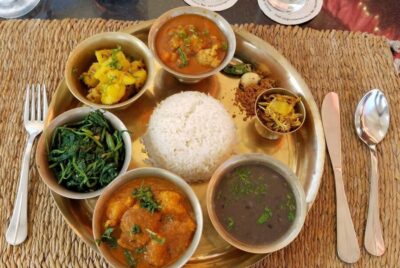
You are not just getting a snack during this class. You are eating lunch included in the experience, plus hot drinks. Masala tea is included, which is a reliable comfort-food companion in Nepal.
Because you cook and eat your course fresh and hot, the meal doesn’t feel like “activity food.” It feels like the food is part of the lesson. That helps you connect the technique to the result. When you take that first bite of something you made, you understand what changed because you did the steps.
Also, you can expect that the meals are designed to be shared within a group setting. That keeps the tone social and relaxed. You’re eating what you cooked, not just posing with it for a photo and moving on.
Drinks outside the included hot options are not part of the package here. Cold drinks and alcohol are not included, so plan to bring what you need if that matters to your trip rhythm.
Logistics That Matter in Kathmandu (Pickup, Timing, and Packing)
This class includes hotel pick-up and drop-off, which is a huge practical win. Kathmandu traffic can be unpredictable. Having someone handle the timing and meeting point means you can focus on the food.
Timing reality check
The duration is listed as 4 hours, and the class itself is described as 3 hours hands-on. In other words, you should expect a short schedule with cooking time as the core, not an all-day cooking marathon. If you’re the type who likes a long, slow workshop, you might wish it were more extended. If you want an efficient, high-learning afternoon, the timing works well.
Meeting point
Be ready in your hotel lobby about 5 minutes before your scheduled pickup. This is one of those small travel rules that prevents a scramble. It also helps the team stay on schedule.
What to bring
Bring a camera if you like food photos and ingredient shots. Wear comfortable clothes, because you’ll be moving around and cooking. The class information also says to bring cash, which usually means you may want it for small extras, tips, or purchases not included in the package.
What not to bring
No luggage or large bags. If you are carrying a big backpack, plan to store it before you go. This keeps the space workable for the cooking station setup.
Who This Is For, and Who Might Want Another Option
This is a strong fit for people who:
- want a beginner-friendly activity with real cooking time
- enjoy food learning that includes eating what you make
- want a cultural experience that feels hands-on, not just observational
- prefer instruction in English or Hindi
It may not be the right choice for:
- children under 5
- people with mobility impairments, since cooking classes involve standing and using a work area
If you travel with a family, it is described as fun and family-friendly, but remember the age cutoff.
The Value Math: Why the Price Feels Surprisingly Fair
The listed price is $2.15 per person. That number is so low that you should pause and ask: what exactly am I paying for?
In this case, you are paying for a lot that normally costs more in major cities:
- hotel pickup and drop-off
- an expert cooking instructor
- all necessary ingredients and equipment
- a lunch meal
- masala tea and other hot drinks (with cold drinks and alcohol excluded)
On pure value, this looks like a rare bargain because the class is not just instruction. It includes the ingredients, and it includes the meal you make.
A fair caution though: when pricing is that low, it’s extra important to set expectations. Make sure you’re comfortable with the schedule, and understand it’s a structured workshop, not a luxury cooking retreat. But if you want Nepalese food knowledge and hands-on cooking for minimal cost, this is hard to beat.
What You Learn Beyond Recipes (And How It Helps You Eat Better Later)
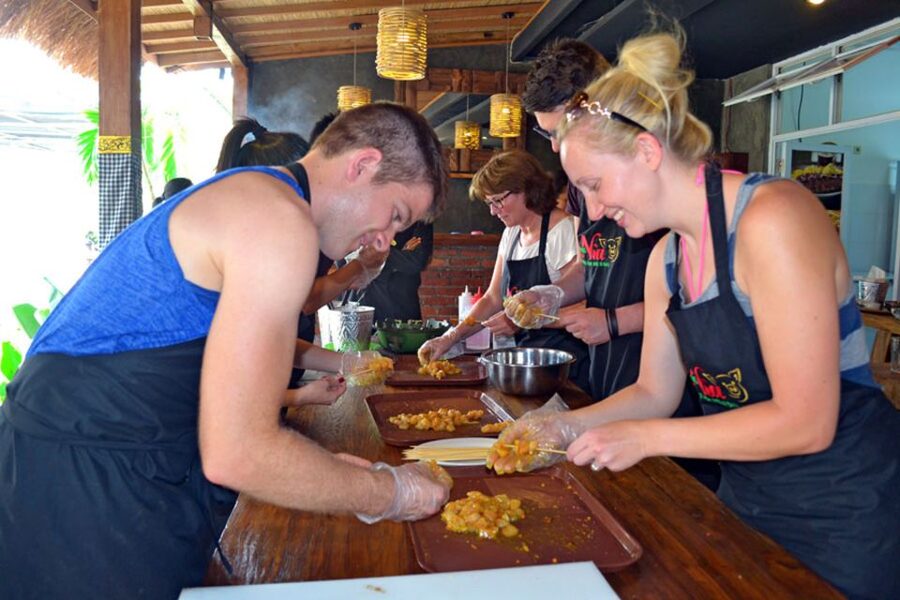
A good cooking class changes how you travel your next meal. Even if you never cook at home again, you start recognizing what flavors do.
Here are a few learning outcomes you can use right away:
- You understand how chefs manage spice levels, not just how hot the food ends up.
- You get a sense of why dumplings like momos have the texture they do, which changes how you judge dumplings in restaurants later.
- You learn the logic of course-by-course cooking, because you do it in sequence and taste it while it’s hot.
You also get a cultural lens. Nepalese cuisine is not one single flavor profile. It can shift meal to meal. This class’s menu setup, with three different options, is a practical way to see that range in a few hours.
A Few Real-World Notes to Keep Your Expectations Clean
Based on the experience details and the feedback patterns, here are the things worth calibrating:
- The class experience is generally described as very friendly and fun, with a team that helps you learn quickly.
- Teaching quality is a repeated strength. People often highlight that they learn a lot without already knowing how to cook.
- Time expectations: even though the overall duration is listed as 4 hours, you may feel like the hands-on cooking portion is closer to 3 hours on many days.
This is not a dealbreaker. It’s just a way to make sure you’re excited for the right thing: a short, structured cooking lesson with a meal at the end, not a long, slow, multi-hour culinary course.
Should You Book This Kathmandu Cooking Class?
Book it if you want a hands-on Nepalese food experience that gives you more than a restaurant meal. You’ll likely enjoy it most if you like cooking as a way to learn, you want to eat what you make while it is hot, and you value being able to adjust spice to your taste.
Skip it or reconsider if you need a long, extended cooking workshop, or if mobility is an issue for you or your travel companion. Also, if you expect a guaranteed market walk every single time, know that in festival season the market step might not happen. The core of the experience, cooking the menus and eating the lunch, stays in place.
If your goal is to leave Kathmandu with a real understanding of Nepali dishes, including momos, this is a smart use of your time. And at the listed price, the value is unusually strong.
FAQ
How long is the Kathmandu cooking class?
The hands-on cooking class runs about 3 to 4 hours, and the total duration is listed as 4 hours.
Is hotel pick-up and drop-off included?
Yes. Hotel pick-up and drop-off are included, and you should be ready in your hotel lobby about 5 minutes before the scheduled pickup time.
Do I need cooking experience?
No. The class is designed for beginners and does not require prior cooking skills.
What languages are used during the class?
The instructor communicates in English and Hindi.
What food and drinks are included?
Lunch is included, along with masala tea and other hot drinks. Cold drinks and alcoholic beverages are not included.
Is it okay to bring luggage?
No. Luggage or large bags are not allowed. You should plan to travel light for this activity.
Latest Kathmandu write-ups
- 16 Days Island Peak Climbing With Everest Base Camp Private Trip★ 5.0 · 3 reviews
- Private Nepal round trip including Ghorepani Poonhill trek★ 5.0 · 3 reviews
- Everest Base Camp Trekking 16 Days★ 4.0 · 7 reviews
- 15 Days Round Annapurna Trek with Poon Hill from Pokhara★ 5.0 · 5 reviews
- 14 Days Luxury Annapurna Base Camp Trek★ 5.0 · 6 reviews
- Everest Base Camp Trek★ 5.0 · 32 reviews
- Everest Base Camp Trek★ 5.0 · 87 reviews
- Everest Base Camp Trek★ 5.0 · 97 reviews
Cooking Classes, compared.
Nepalese Momos or Dal Bhat Cooking Class (Cook with Delight)
Read our review →
Nepalese Kitchen in Pokhara: Momos or Dal Bhat Cooking Class
Read our review →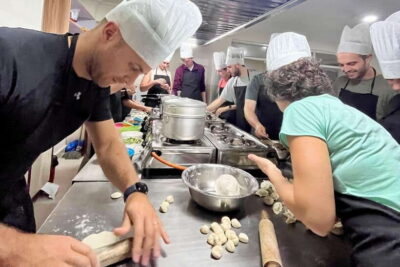
MoMo or Dal Bhat Cooking Class at Aama Kitchen in Pokhara
Read our review →
Browse the lists this tour appears in