
Reviewed · LANGTANG VALLEY TREK
Kathmandu: 7 Day Langtang Valley Trek
A Langtang Valley trek is interesting because the Himalaya feels close here. You walk into the Langtang National Park region and spend days working your way toward snow-streaked giants, with classic passes, glacial streams, and mountain monasteries along the route.
I like two things about this trek a lot: the Kyanjin Gompa acclimatization day (it gives your body a chance to adjust before the highest views), and the chance to experience local Tamang and Sherpa hospitality while you’re hiking and sleeping in teahouses.
One possible drawback to think about upfront is that this is physically demanding. Expect lots of uphill walking and you should be ready for hundreds of steps during the route, plus careful timing if your end date matters for flights.
Key things to know before you go
- Kyanjin Gompa acclimatization day helps you handle the altitude with short hikes and downtime
- Licensed guide and permits (Langtang National Park and TIMS card) keep your trek grounded and legal
- Teahouse lodging is basic but convenient, especially for a 7-day schedule
- Private group means pacing and comfort can be more tailored than with mixed schedules
- Steep, step-heavy walking can be a deal breaker if your back or mobility is limited
- Meals cost extra on top of the trekking package price, so budget for it
Why the Langtang Valley feels close to the big Himalaya
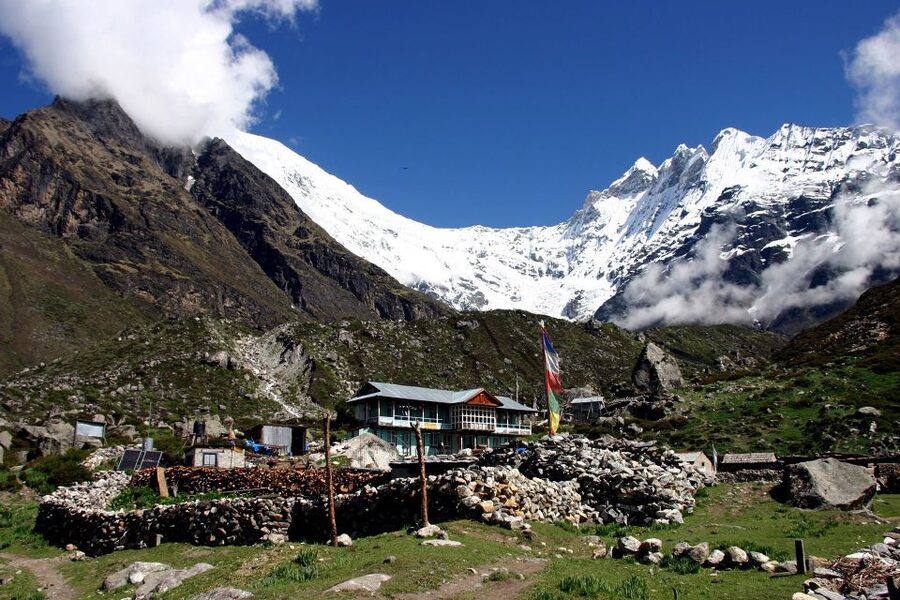
The Langtang Valley hits a sweet spot for people who want real mountain trekking without committing to a multi-week expedition. You’re not just watching peaks from far away. You’re moving through forests, crossing suspension bridges, stepping past yak pastures, and then landing at Kyanjin Gompa where the high views really take over.
The other reason this trek stands out is the human side. You’ll spend time in communities tied to the Tamang and Sherpa culture, and the day-to-day rhythm of tea-house trekking makes it easier to slow down and notice how people live in these valleys. A monastery visit at Kyanjin Gompa also adds a spiritual contrast to the physical work.
That said, the trek is not a stroll. Even when the itinerary looks “only” seven days, you’re building altitude step by step. One verified booking summed it up as challenging, with about 1,200 meters of climbing per day over roughly 15 kilometers and around eight hours of uphill walking. In plain terms, you need a solid hiking baseline.
Day 1 and 2: Kathmandu to Syabrubesi, then into forests and river crossings
Day 1 is all about getting you into position. You drive from Kathmandu to Syabrubesi, at about 1,550 meters. The ride matters more than you might think because it shifts you from city altitude and noise into the quieter Langtang region. Once you arrive, you rest in Syabrubesi and reset your legs for tomorrow.
Day 2 takes you into the heart of the trekking environment. You walk through lush forest terrain, cross suspension bridges, and follow along the Langtang River for a while before reaching Lama Hotel (around 2,380 meters). This day is often where you learn your trek rhythm: breathe, keep a steady pace, and drink water early rather than waiting until you feel thirsty.
What I like about this opening stretch is that it’s a “work your way in” day. You’re not rushed into the highest elevations right away. You’re also seeing the valley’s character in a gradual way, with greenery, river scenery, and a steady climb.
Day 3: Langtang Village, rhododendron and oak, and real community time
On Day 3 you climb from Lama Hotel to Langtang Village (around 3,430 meters). Expect dense rhododendron and oak forests, then a slow, steady gain as the valley opens up into bigger mountain views.
This is also where the cultural experience becomes more than a checkbox. You’ll be walking through spaces tied to local Tamang life, and the trek’s “normal day” pacing makes it easier to interact, ask questions, and watch how daily life fits with farming and trekking tourism.
The hiking challenge increases on this day, mostly because altitude starts to affect your breathing. If you’re the type who pushes hard at the start, this is where you want to fight that instinct. Go slower than you think you need to. You’ll still feel strong when you reach the higher viewpoints later.
Day 4: Kyanjin Gompa monastery day and the Langtang Lirung panorama
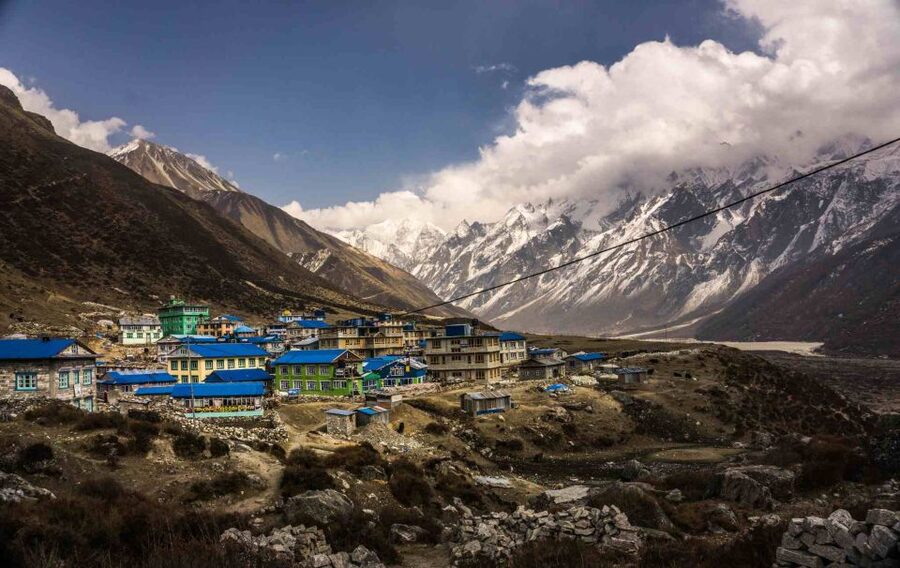
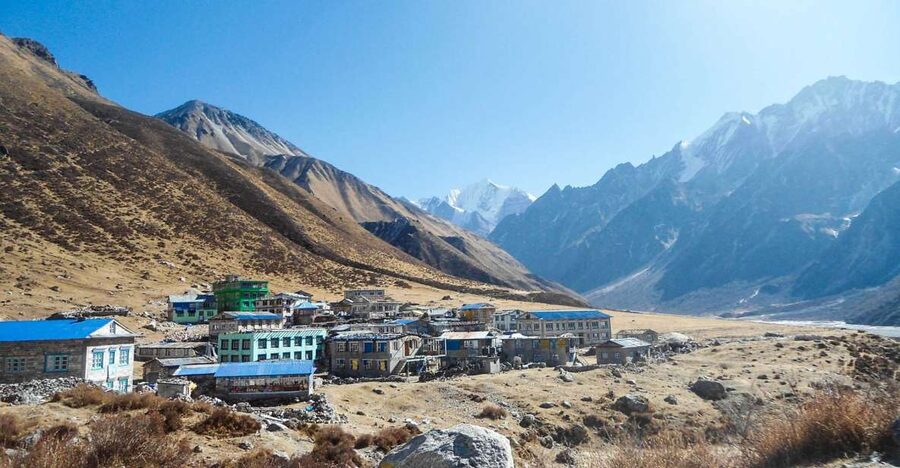
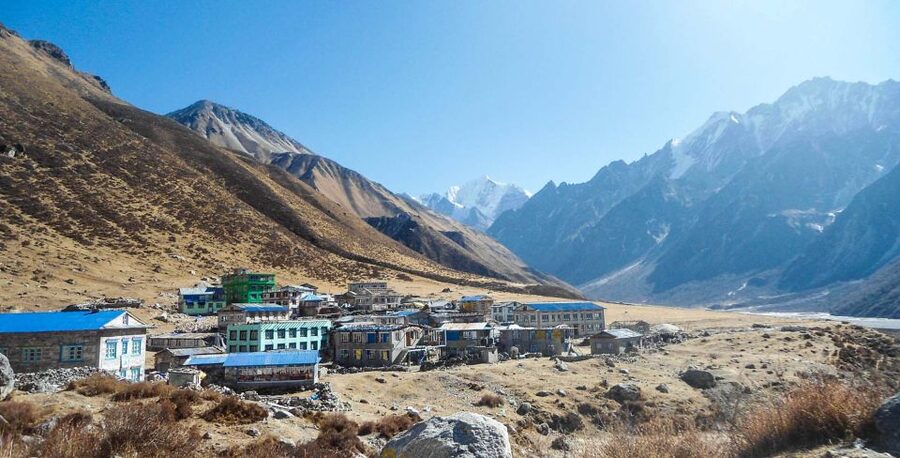
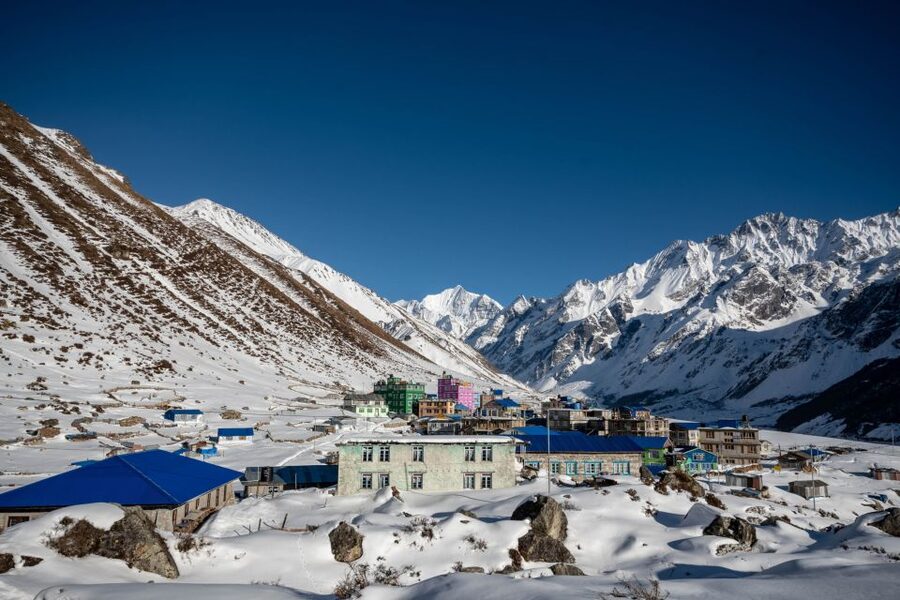
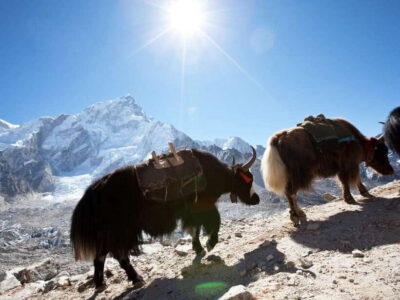
Day 4 moves you up to Kyanjin Gompa (about 3,870 meters). Along the way, the route shifts toward higher, wilder terrain. You’ll pass yak pastures and glacial streams, and you’ll feel the valley tightening around you as you head toward the monastery.
When you reach Kyanjin Gompa, the main draw is the ancient Buddhist monastery plus the mountain panorama. This is where you see Langtang Lirung and other surrounding peaks in a way that makes the whole trek feel tangible.
Two practical thoughts here. First, treat your energy like it’s limited today. The altitude is rising, and you’ll likely want to wander around, take photos, and explore the monastery area without rushing. Second, dress for temperature shifts. Even when skies look clear, Kyanjin Gompa evenings can feel much colder than the lower valley towns.
Day 5 acclimatization at Kyanjin Gompa: short hikes and a cheese factory option
Day 5 is your acclimatization day at Kyanjin Gompa. This is one of the smartest parts of the itinerary because it gives you a planned pause instead of forcing your body to “just keep going.”
You can take short hikes to Kyanjin Ri or Tserko Ri for views. If you’d rather not hike that hard, you can also explore the local cheese factory. Either way, the goal is the same: get your body used to the altitude while staying active but not wrecked.
This is also the day many people decide if the trek is a match for them. If you feel good, you’ll enjoy the viewpoint walks more. If you feel sluggish, you’ll still have a productive day by keeping it gentle and focusing on rest plus light movement.
One more thing: acclimatization works best when you listen to your body. If you get a headache, nausea, or unusual fatigue, you should take it seriously and keep your pace slow for the rest of the day.
Day 6 and 7: backtracking to Lama Hotel and returning to Kathmandu
Day 6 takes you back down from Kyanjin Gompa to Lama Hotel, retracing steps through the landscapes you already hiked. The descent can feel easier mentally, but it can be harder physically. Your knees and feet work overtime when your weight drops fast.
Day 7 is the final leg. You hike from Lama Hotel back to Syabrubesi, then drive to Kathmandu. This is where the whole trip wraps up, and you’ll likely feel both relief and a little emptiness too. That’s normal, because the trek has been building toward those big mountain views for days.
If you have a flight scheduled right after the trek ends, plan with caution. One verified booking reported their trek was shortened by a day due to flight timing, and it created a bad experience for them. You can’t control every logistical detail, but you can protect yourself by keeping travel buffers.
Guides, porters, and permits: what you are really paying for
This package includes key items that make a trekking route smoother and safer. You get trekking permits for Langtang National Park and the TIMS card, plus hotel pickup and drop-off. You also get teahouse accommodations during the trek and an experienced, licensed trekking guide who leads the route.
In real life, the guide is often the difference between a stressful trek and a calm one. One verified booking praised their private guide as super helpful, handling nearly everything, and making the week feel personal rather than transactional. That matches what you want on a route like this: someone who understands timing, altitude pacing, and the small decisions that keep you moving well.
There’s also an optional porter service. If you’re carrying your main backpack yourself, you’ll feel every extra kilogram over multiple days. Hiring a porter can be a smart choice if you want to protect your energy for walking rather than hauling.
A note on private group trekking: you won’t be dealing with the friction of different fitness levels in the same group. That matters on a climb like this, where a faster walker should not be waiting every hour, and a slower walker shouldn’t feel pressured.
Teahouse lodging, meals, and why “basic” still works
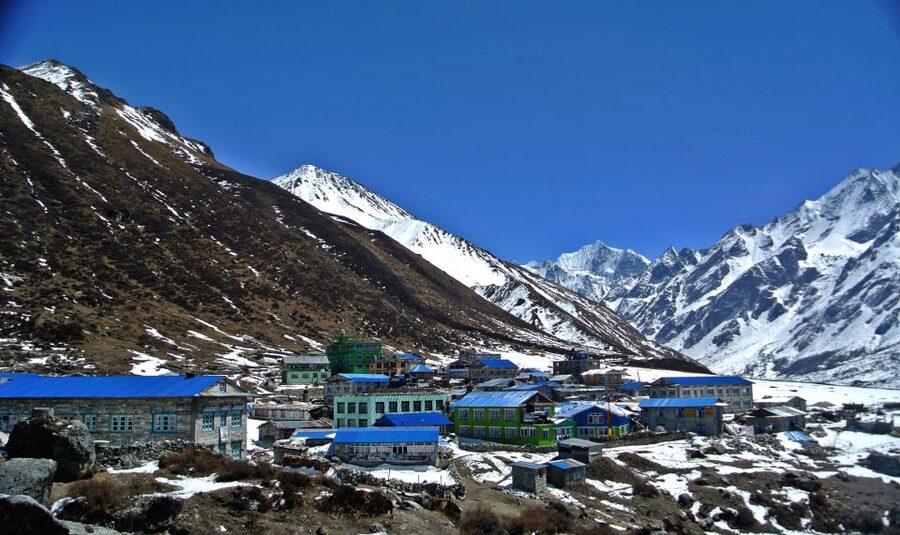
During the trek, you stay in teahouse lodges. This is the classic trekking model in Nepal. It’s not hotel comfort, but it’s functional, warm enough for the night, and close to the trail route so you don’t lose your day to travel.
Meals are not included in the price. You can buy meals along the way, with the listed estimate around Npr 2,500 per person per day. That number is useful for budgeting. If you’re tight on cash, treat it as a guide to how much your daily food choices will add up.
One more practical detail: you will climb hundreds of steps. That impacts how you pack, how you pace, and even how you choose footwear. If your shoes aren’t broken in, you’ll pay for it.
And since oversize luggage isn’t allowed, pack light and pack with trekking in mind. If you bring too much, you’ll end up either carrying it or negotiating extra hassles along the route.
Price check: is $450 a fair deal for a 7-day Langtang trek?
At $450 per person for a 7-day trek, this isn’t a bargain price, but it also isn’t purely “tour markup.” Your cost includes a bundle: permits (Langtang National Park and TIMS card), guide services, teahouse lodging on the trek, transportation to and from the trail start, and usually one or two Kathmandu hotel nights.
In one verified booking, the trek was called out as expensive compared to day-to-day life costs in Nepal, and the traveler felt the organization did not match what they paid. They also described being routed to older or dirtier accommodations and said the guide wasn’t exceptional.
On the other side, another verified booking called it fantastic and praised the guide’s competence and care. They described the sense of accomplishment from walking toward white peaks within reach, and they emphasized that the tour is tough but doable if you can handle sustained climbing.
So how do you judge value? I’d look at three things before you commit:
- Do you have a buffer for flight timing so your trek does not get shortened?
- Do you expect basic teahouse comfort, not higher-end hotels?
- Do you trust that the operator can deliver consistent guide quality and lodging standards?
If those line up with your priorities, the price can feel reasonable. If you’re very sensitive to logistics, you should do extra homework.
Small risks to manage, from timing to trekking pace
Even with a solid itinerary, trekking is still real life. Weather can slow you down. Roads can delay your drive. Health can affect your pace. And the biggest risk for many trekkers is schedule rigidity.
One verified booking reported their trek was shortened by a day at their expense because they were not back in time to catch their return flight. That’s exactly the kind of thing that turns a hike into a hassle. Your best defense is simple: give yourself a margin between the trek end and any travel deadline.
Also, lodging quality can vary. Another verified booking said they were taken to accommodations they felt were in poor condition and not worth the price they paid. Teahouse trekking is inherently basic, but you can still ask questions about what standard of lodge you’ll use on each night.
Finally, be honest about your body. This trek is not listed as suitable for pregnant women, people with mobility impairments, wheelchair users, or people with back problems. If those apply, don’t force it. Altitude and steep steps are not forgiving.
Should you book this Kathmandu to Langtang Valley trek?
You should strongly consider booking if you want a classic, time-efficient trek to Langtang National Park with a licensed guide, teahouse nights, and a built-in acclimatization day at Kyanjin Gompa. You’ll get meaningful mountain views, monastery time, and a route that gradually builds altitude instead of yanking you upward.
Skip this or pick a gentler alternative if you have a back issue, mobility limitation, or you can’t handle a lot of uphill and steps. Also, if you have a tight flight schedule immediately after the trek, negotiate your timing or add buffer days. The route is designed for seven days, but your real experience depends on how smoothly the logistics fit your travel dates.
If you’re a confident hiker who enjoys walking all day, taking it slow at altitude, and watching the mountains grow larger as you climb, this is a trek you’ll remember long after you’re back in Kathmandu.
More of the Langtang Valley
- Trekking in Annapurna/Langtang/Everest/Upper Mustang regions
★ 5.0 · 161 reviews - Kathmandu: 6-Day Limitless Langtang Trek
★ 5.0 · 21 reviews - Langtang, Gosaikunda and Helambu Trek
★ 5.0 · 9 reviews - Langtang Gosainkunda Trek
★ 5.0 · 5 reviews
Langtang Valley Trek, compared.
Browse the lists this tour appears in