
Reviewed · THAMEL
Kathmandu: About 3-hour Cooking Class Experience near Thamel
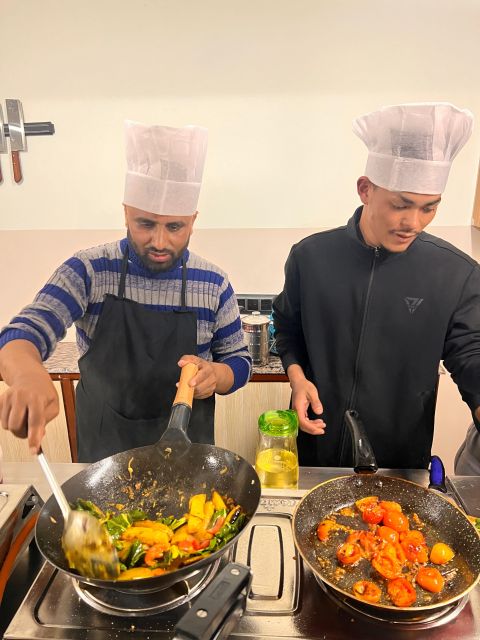
A 3-hour Nepali cooking class near Thamel is a smart way to learn Kathmandu food culture by doing, not watching. You choose three dishes from a menu of favorites, then eat what you cook. English-led chefs guide you step by step.
I especially like that the class covers both everyday comfort food and the street-style snacks Nepal is famous for. You will leave knowing how dishes come together, not just the final result, and that helps the flavors make sense.
One possible drawback: it is focused on the kitchen the whole time. If you came for lots of sightseeing or town stories between stops, this setup is strictly food.
Key highlights before you book
- Choose any three dishes so you can match the menu to your tastes
- English instruction by local chefs, including Bikram and Kamal in past sessions
- Dal bhat, momos, chatamari, bara cover the core of Nepali savory eating
- A sweet finish is part of the menu, with options like Yomari and carrot pudding
- Generous portions and clean setup are specifically noted in feedback
- Recipe help is available for a small fee, so you can cook again later
The 3-hour setup: why it works so well near Thamel
This experience is built for a short, satisfying evening in Kathmandu. You start at the Shepherd Holidays office building, and the class runs about three hours. There’s a simple rhythm to it: arrive, get settled with a warm welcome and a complimentary cup of tea or coffee, then make your food from fresh ingredients with an English-speaking instructor and helper.
What makes it especially practical is that you control the menu. Instead of being pushed through a rigid set, you pick any three dishes from a list that includes iconic plates and snack foods. That means if you know you want momos or you are curious about the Nepalese version of pizza, chatamari, you can build your own order.
The class also stays grounded in real kitchen technique. You are chopping, stirring, and seasoning while the chefs explain what is happening and why. If you like cooking classes that teach you the logic behind the food, this format is easier to translate into your own home kitchen later.
And yes, you get to eat. The meal is not an afterthought. Once cooking is done, you sit down and enjoy the dishes you made, fresh and hot.
More Cooking Classes in Kathmandu
- Kathmandu: Local Women-Led Nepali Cooking & Momo Class
★ 4.9 · 360 reviews - Kathmandu: Local Women-Lead Nepali Cooking & Momo Class
★ 4.9 · 45 reviews - Kathmandu: Local Lead Nepali Cooking & Momo Making Class
★ 4.9 · 40 reviews
Picking your three dishes: how to make smart choices
The menu includes both savory mains and snacks, plus sweet options. You can choose any three items, so the trick is balancing effort, variety, and how hungry you plan to be.
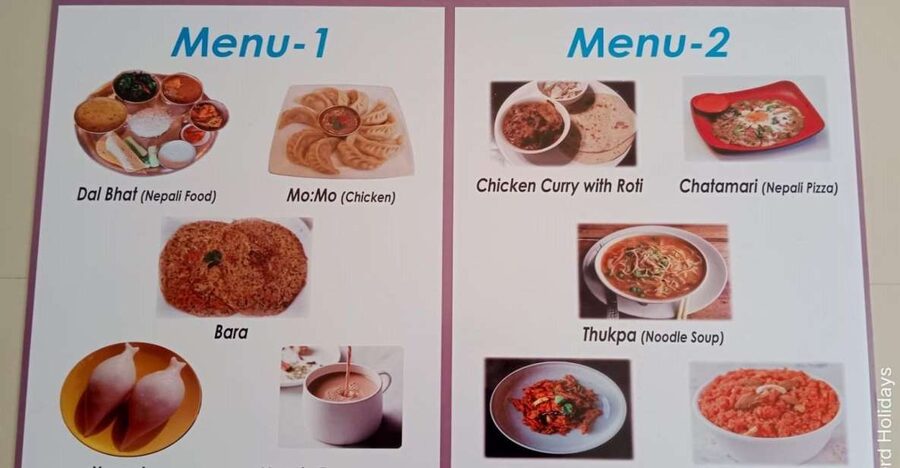
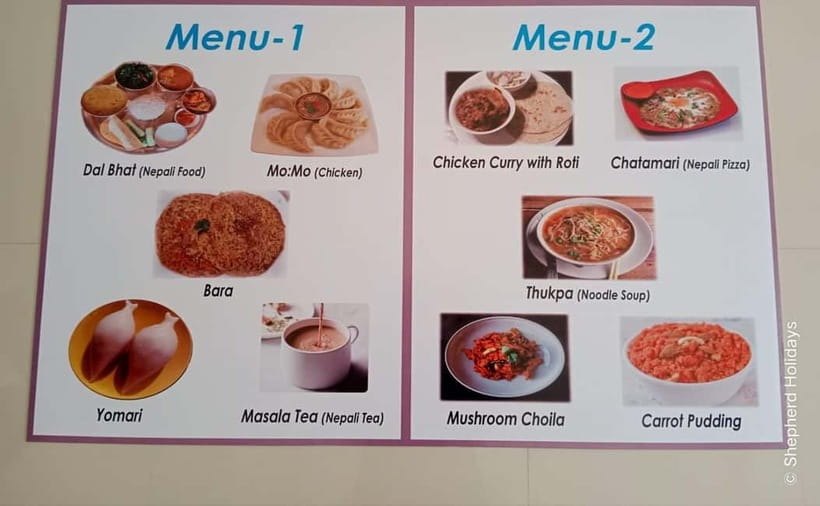
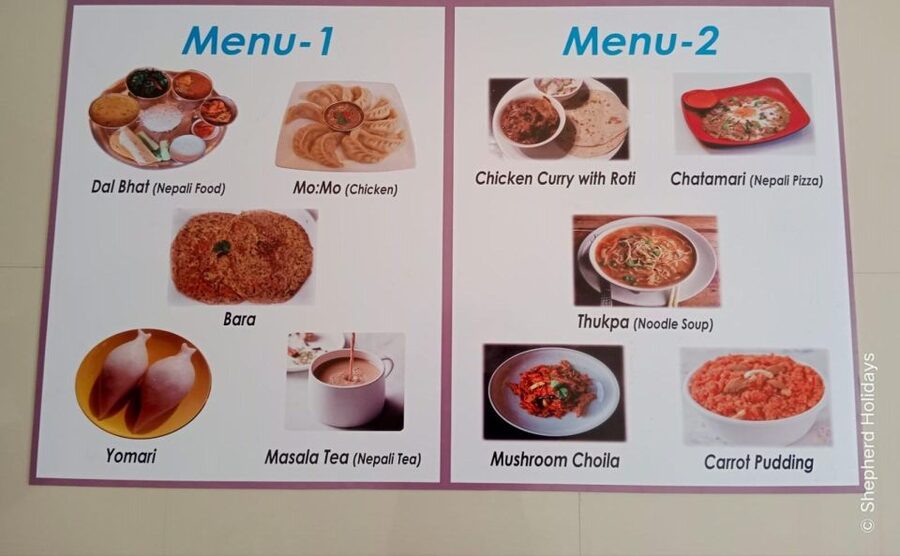
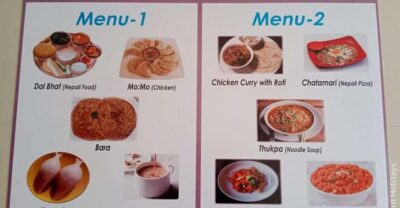
Here are menu options you may see offered for selection:
- Dal bhat (lentil soup and rice)
- Chicken or veg momo
- Chatamari (often called the Nepalese pizza, with various toppings)
- Bara (crispy and soft lentil patties)
- Yomari (sweet dumpling with jaggery and sesame seeds)
- Chicken curry with roti
- Thukpa (noodle soup with Tibetan roots, also loved in Nepal)
- Mushroom choila (spicy marinated mushroom dish)
- Carrot pudding (dessert)
A good strategy is to mix categories. For example:
- One comforting base, like dal bhat or chicken curry with roti
- One hands-on snack, like momos or bara
- One “surprise” item, like chatamari or a sweet choice
If you are a first-timer to Nepali food, this mix helps you understand how flavors and textures work across the cuisine, from lentils and rice to dumplings and flatbreads, and then the sweeter side.
If you are more experienced with spicy food, you can push toward mushroom choila or a more spice-forward dish. If you are not, you might want to mention your spice comfort level when you choose, so you’re not stuck with food that feels too hot for your preference.
What you actually do in the kitchen (and why it matters)
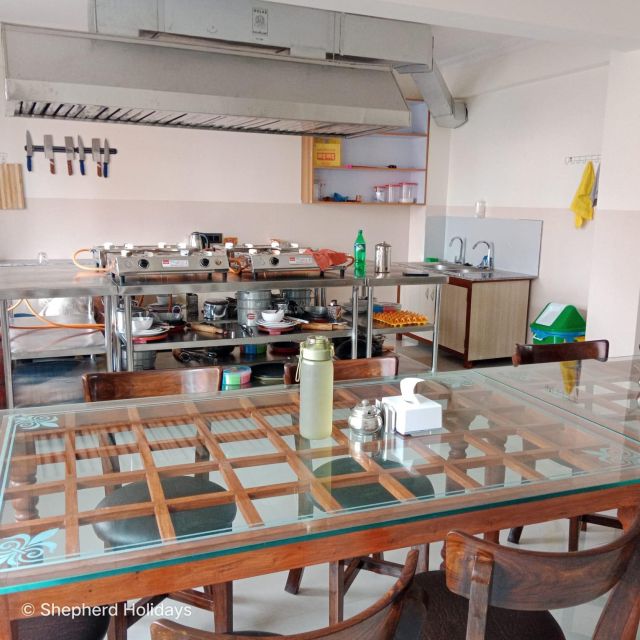
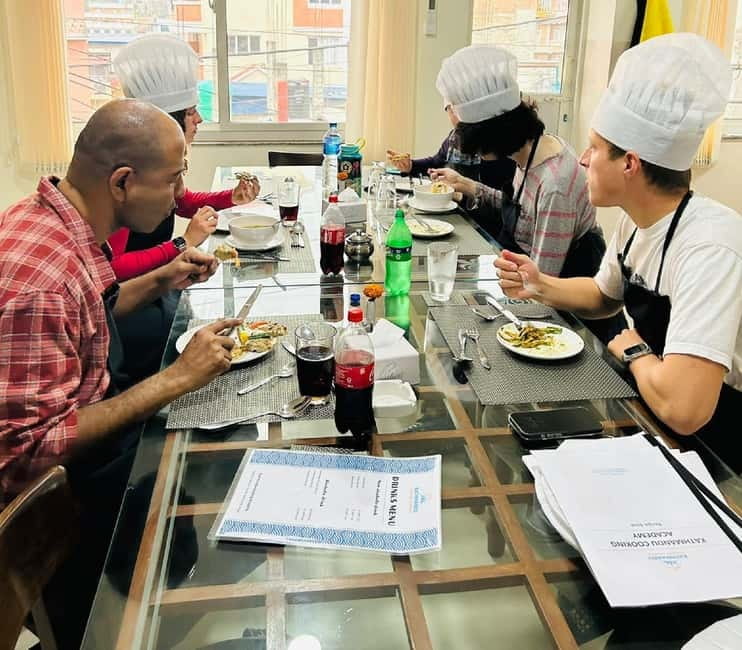
The class runs like a working kitchen lesson. You arrive, get your welcome drink, then choose your three dishes. Fresh ingredients are prepared for you in advance so you can focus on cooking rather than tracking down supplies.
Then you work directly in a traditional kitchen setting. You will have an instructor and a helper there with you, and instruction is in English. That matters because you are not just copying a recipe. You are learning what to watch for as you cook, like texture changes and seasoning stages, so the dish turns out even if your stove or pans are different than theirs.
As you cook, you can also expect cultural context. The chefs share stories and food culture insights while you cook. That is one of the reasons the class feels more meaningful than a step-by-step cooking demo.
At the end, you eat. And based on feedback from prior sessions, you should expect big portions. People also mention the kitchen is clean, which is not a small detail when you are actively chopping and frying.
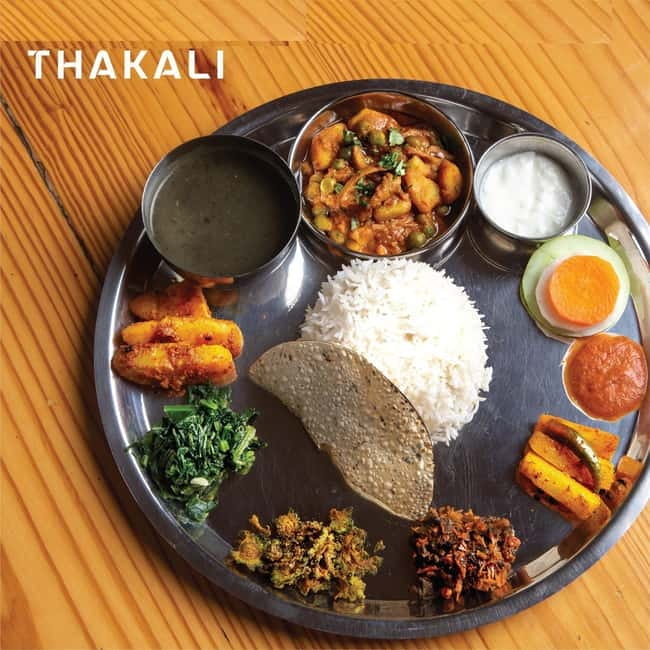
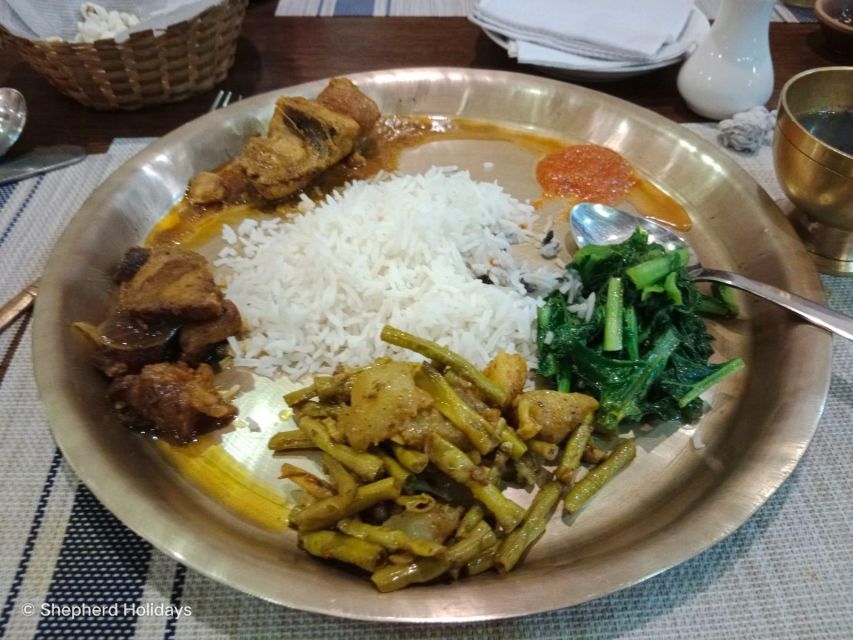
Dal bhat: your foundation dish
Dal bhat is the quintessential Nepali combination of lentils (dal) and rice (bhat). When you cook it in a class like this, you learn why it is so central to everyday Nepali meals. Lentils are not a side. They are the main flavor vehicle, and the way they are seasoned affects everything else on the plate.
Even if you do not consider yourself a lentil person, dal bhat is worth choosing because it teaches fundamentals:
- How lentils change as they cook
- How thickness and seasoning balance
- How rice fits into the overall mouthfeel of the meal
In one past session, a participant made it a point to say they will be cooking dal bhat again at home. That is the best sign for me. It usually means the instruction was clear and the dish felt doable afterward, not like a one-time trick.
More that starts in Thamel:
- Kathmandu: Wood Carving Workshop with Local Artisan (Thamel)
★ 4.9 · 17 reviews - Half Day Cooking Class in Thamel with Local Market Visit
★ 4.5 · 6 reviews - Kathmandu: Guided Food/ Drink Tasting walking Tour in Thamel
★ 5.0 · 4 reviews - Thamel Rickshaw tour
★ 4.7 · 3 reviews
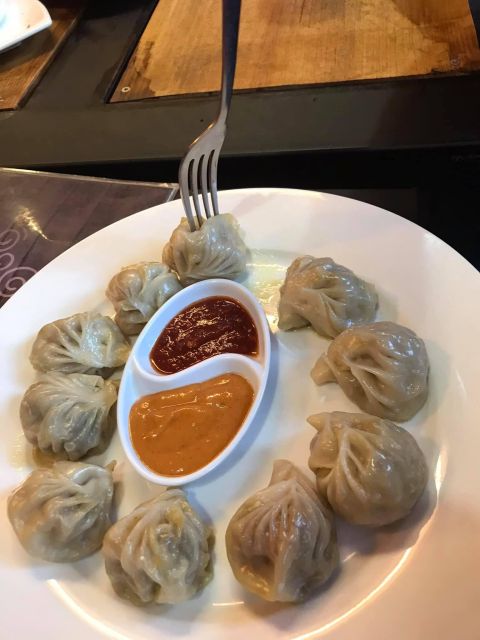
Momo magic: dumpling technique, not just filling
Momos are one of the easiest Nepalese foods to recognize, but the real skill is in how the dough and filling work together. You can choose chicken or veg momo, which is a great way to tailor your menu to your preferences.
In the class setting, you are not just eating dumplings later. You get hands-on practice in assembling. That helps you understand how to portion the filling and how dumplings hold together, which is the part that often defeats people when they try at home without guidance.
If you love snacks and finger food, momos are also a strong choice because they feel like a complete experience. You get the savory bite, the shape work, and that satisfaction of making something that can be served with dipping sauces.
Chatamari: the Nepalese pizza concept that clicks
Chatamari is often described as the Nepalese version of pizza, but in practice it functions more like a thin flatbread topped with ingredients that create a savory pattern. The key is that toppings vary and the base stays the star.
Choosing chatamari is smart if you want something you cannot easily guess from other cuisines. You will see how the flatbread is cooked and how toppings get added so they set properly. It is also a good option if you want visual payoff, because once the toppings are in place, you can watch them transform.
If you are the type who likes food that is both familiar and unfamiliar, chatamari hits that sweet spot.
Bara bliss: crispy outside, soft inside
Bara is a lentil-based snack that offers a contrast in textures, crispy on the outside and tender inside. That crispy-soft contrast is a big reason people love it. It is also a practical dish to learn in a class because you can directly observe how cooking time and heat level affect texture.
If you already picked something heavier like dal bhat or curry, bara gives your meal a different feel. It also works well as a snack element if you are planning to eat this as your main dinner plus an extra small dessert later.
Savory comfort beyond the big names: curry, thukpa, and choila
Not every dish on the menu is built around rice or dumplings. Some are designed for warmth and spice.
- Chicken curry with roti gives you a classic flavor direction: aromatic spices, rich sauce, and a roti pairing that soaks everything up.
- Thukpa is a comforting noodle soup with Tibetan roots, adapted into Nepali everyday eating. If you feel like the class meal might be too dry or too snack-heavy, thukpa adds broth and warmth.
- Mushroom choila is a spicy marinated mushroom dish. It’s bold and herb-forward in feel, and it’s a great choice if you want something with a stronger punch than lentils and rice.
Because you choose only three dishes, it helps to ask yourself what you want your plate to feel like. Do you want mostly hearty comfort, or do you want variety with one spicier or lighter dish?
The sweet side: Yomari and carrot pudding
Nepali sweets deserve their own slot. This class gives you options like Yomari and carrot pudding, so you can end the meal with something distinctly Nepali instead of a generic dessert.
Yomari is a sweet dumpling filled with jaggery and sesame seeds. It teaches you about dough handling and filling balance, and it also shows how sweetness is made with ingredients that taste deeply familiar in Nepalese sweets, jaggery being a key one.
Carrot pudding is a dessert option too, and it highlights a more delicate flavor balance. If you are thinking you might only tolerate sweets that are very chocolate-forward, carrot pudding is a good way to expand without going too far out of comfort food territory.
If you choose a sweet dish, you will likely feel the meal transition in a nice way. Savory first, then sweetness, and you finish satisfied rather than still thinking about food.
Food, portions, cleanliness, and recipe take-home
A big part of why this class gets strong feedback is simple: the food is good, and you do not leave hungry.
Past feedback mentions:
- Delicious food prepared during the session
- Large portions
- Kitchen cleanliness being okay, which matters when you are hands-on
- Clear teaching, with instructors named Bikram and Kamal receiving specific praise
One practical bonus: recipes are available for a small fee. That is a helpful add-on if you want to reproduce the dishes later. Even if you do not buy the recipes, the cooking process gives you enough structure to try again at home, especially with the foundation dishes like dal bhat.
Price and value at about $32 per person
At $32 per person for a roughly three-hour class, this is one of those deals that works because it bundles the core costs. You are paying for:
- Ingredients and all equipment
- Instruction from an English-speaking chef and helper
- The food and drink prepared during the class
That bundle is the difference between paying for a dinner and paying for a skill. You will eat the results, yes, but you are also learning technique. The dishes you make can act like a tasting menu you cooked yourself, rather than just a restaurant order.
Potential costs to consider:
- Pick up and drop off is not included, though it is available as an extra-charge add-on if you are outside Thamel
- Beverages beyond what is included are not listed as included
- Recipe sheets may require a small additional payment
Even with those possible add-ons, the overall value is strong if you want an activity that doubles as dinner and a cultural food lesson. If your goal is only to eat, a restaurant might be cheaper. But if your goal is to come away with cooking knowledge, this price starts to make sense fast.
Logistics that matter: time, location, and what to expect on arrival
The class location is in Kathmandu’s Bagmati Zone, and it is within walking distance of Thamel, so it is convenient if you are staying in the tourist core. You start at the Shepherd Holidays office building, and the class ends back at the meeting point.
If you are staying outside Thamel, you can add pick up and drop off when booking. That is worth considering because it keeps the evening smooth.
As for timing, you will want to check available starting times. The session runs about three hours, and the schedule is not fixed in the details you get upfront, so flexibility helps.
Group size is not spelled out, but one documented case involved a very small group, and the instructors still ran the session fully. In plain terms: you should not expect a half-hearted experience if the class does not fill up.
Who this cooking class suits best
This is a great fit if you:
- Want a hands-on food experience in Kathmandu without committing to a full-day tour
- Like learning core dishes like dal bhat and snack favorites like momos or bara
- Prefer English instruction
- Want a dinner that doubles as a cooking lesson
It might be less ideal if you:
- Want lots of sightseeing between activities
- Prefer cooking classes that focus on only one dish style or only one technique
- Have zero interest in standing at a cooking station for a full three hours
Should you book Shepherd Holidays cooking class near Thamel?
If you are choosing between one “food thing” and nothing else, I would book this. The combination of menu choice, English-led instruction, and the chance to cook and eat multiple Nepali staples makes it feel like a complete experience, not just a meal.
Book it if you want to take home more than memories. With options like dal bhat, momos, and chatamari, you will get variety on your plate and a foundation you can actually repeat later. If you are the type who plans your evenings around good food and practical skills, this is one of the easiest wins in Kathmandu.
FAQ
How long is the Kathmandu cooking class?
The class lasts about 3 hours.
How much does it cost?
It costs $32 per person.
Where does the class start?
It starts at the Shepherd Holidays office, in the same building as the office location.
Do I choose what I cook?
Yes. You choose any three dishes from the menu.
What dishes are available on the menu?
The menu includes dal bhat, chicken or veg momo, chatamari, bara, yomari, chicken curry with roti, thukpa, mushroom choila, and carrot pudding.
Is the instruction offered in English?
Yes, the instructor teaches in English.
Is pick up and drop off included?
Pick up and drop off are not included, but they are available for an extra charge if you are staying outside Thamel.
What is included in the price?
Ingredients and all equipment, an instructor and helper, and the food and drink prepared during the class are included.
Are beverages included?
Tea or coffee is provided as a complimentary welcome drink, but beverages are listed as not included beyond that.
Are recipes available to take home?
Recipes are available for a small fee.
Latest Kathmandu write-ups
- 16 Days Island Peak Climbing With Everest Base Camp Private Trip★ 5.0 · 3 reviews
- 15 Days Round Annapurna Trek with Poon Hill from Pokhara★ 5.0 · 5 reviews
- Private Nepal round trip including Ghorepani Poonhill trek★ 5.0 · 3 reviews
- Everest Base Camp Trekking 16 Days★ 4.0 · 7 reviews
- 14 Days Luxury Annapurna Base Camp Trek★ 5.0 · 6 reviews
- Everest Base Camp Trek★ 5.0 · 32 reviews
- Everest Base Camp Trek★ 5.0 · 87 reviews
- Everest Base Camp Trek★ 5.0 · 97 reviews
Thamel, compared.
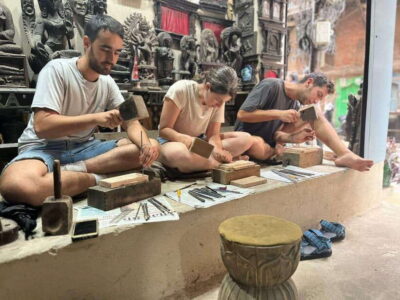
Wood Carving Workshop with Local Artisan (Thamel)
Read our review →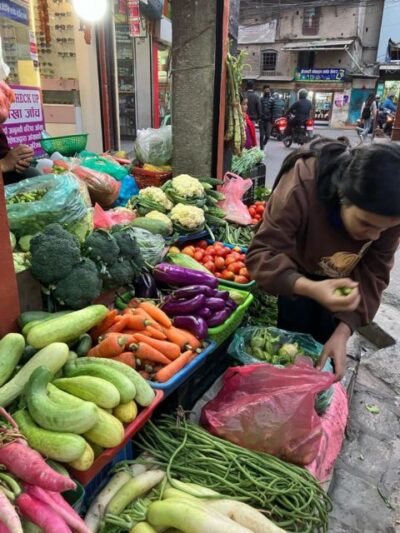
Half Day Cooking Class in Thamel with Local Market Visit
Read our review →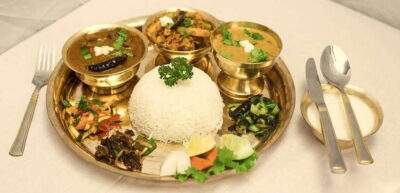
Guided Food/ Drink Tasting walking Tour in Thamel
Read our review →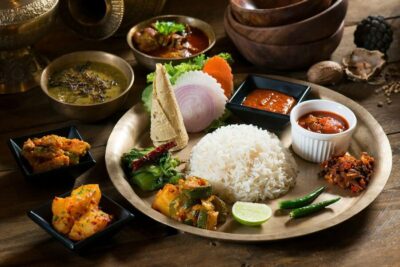
About 3-hour Cooking Class Experience near Thamel
Read our review →Browse the lists this tour appears in