
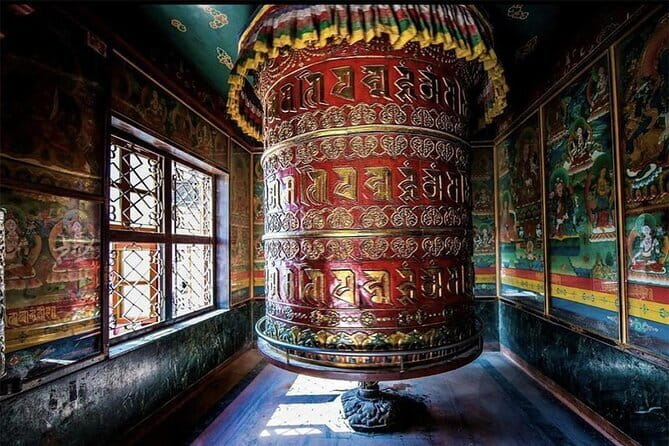
Reviewed · BOUDHANATH STUPA
Kathmandu: Kopan Monastery, Swayambhu and Boudha Nath Stupa Tour
Kathmandu can be loud, chaotic, and nonstop. This tour is interesting because it swaps the traffic for a tight loop of Buddhist holy sites, with time for quiet moments plus some big views over the Kathmandu Valley. You get a guided route that links Kopan Monastery, the UNESCO area at Boudhanath Stupa, and the hilltop Monkey Temple at Swayambhunath, all in one half day.
I especially like two things about this kind of plan. First, you are not just walking around, you have a private English speaking guide, and one guide name that stands out for this route is Madan, with clear explanations and plenty of room to ask questions. Second, the pacing helps you understand the contrast between giant stupa devotion and monastery calm, without feeling like you are speed-running sacred places. The main drawback to keep in mind is that several stops are short, so if you want long, slow stays, you will need to treat this as a highlights-and-meaning tour, not a two-hour sit-in.
Key things to know before you go
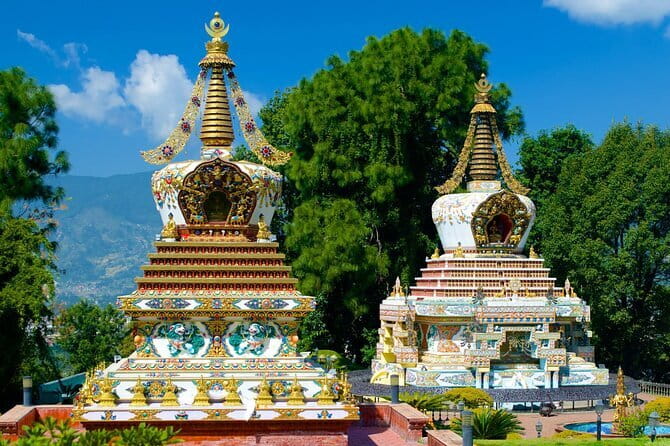
- Three iconic sites, one smooth route: Boudhanath, Kopan Monastery, then Swayambhunath in a single half day.
- Admission fees are included where required: You have tickets covered for Boudhanath, Kopan Monastery, and Swayambhunath’s Mahachaitya section.
- Private vehicle with hotel pickup: Air conditioned transport plus hotel start and end makes the day feel easy.
- Guiding that answers real questions: The tour’s standout is the kind of history and context that helps the sites make sense.
- Prayer-wheel and stupa culture time: You will have multiple chances to do the circular rhythms and watch local devotion.
- A built-in option for a view lunch: Rooftop restaurants near Boudhanath are a natural break point if you want food with scenery.
Why this Kathmandu half-day route makes sense
This is the kind of itinerary I recommend when you want spiritual and cultural depth, but you also have limited time in Kathmandu. The route is logical. You start with one of the world’s most famous stupa complexes at Boudhanath, shift to monastery life at Kopan, then finish at the hilltop at Swayambhunath where you can look across the whole valley.
What makes it work is that each site has a different “job.” At Boudhanath, the stupa is the center of devotion and community rhythm. At Kopan Monastery, the focus is learning and meditation, which changes the mood and your expectations. At Swayambhunath, you get both symbolism and a panoramic setting, so you leave with a sense of place, not just a list of monuments.
You also benefit from the practical setup. Hotel pickup and an air conditioned private vehicle mean you are not burning your energy figuring out routes or negotiating rides between scattered neighborhoods. In a city where traffic can be unpredictable, that alone can be worth a lot.
More of Swayambhunath:
- Kathmandu: Chandragiri Cable Car and Monkey Temple Tour
★ 4.8 · 139 reviews - Monkey Temple – Swayambhunath Tour – Private/Small Group
★ 5.0 · 50 reviews - Private Chandragiri Cable Car and The Monkey Temple Tour
★ 5.0 · 30 reviews
Price and what you get for $70 per person
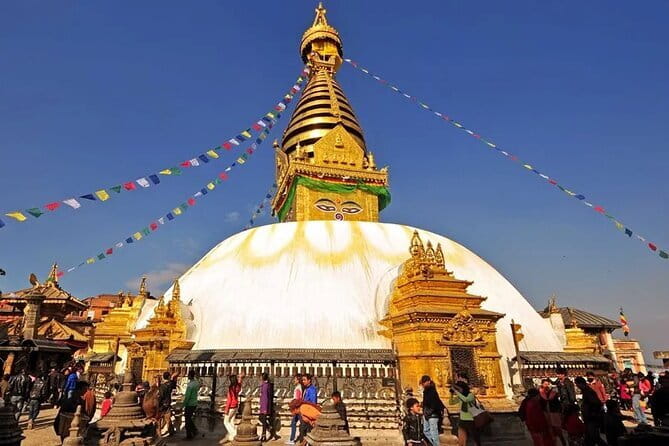
At $70 per person for a 5 to 6 hour guided outing, the value comes from what is included. Entrance fees are covered for the main required sites, and you also get hotel pickup and drop-off plus a private English speaking guide. All fees and taxes are handled. There is also mention of a mobile ticket, which typically makes day-of entry smoother.
You do not have to budget separately for the core admissions, which matters because Kathmandu site costs can add up quickly if you plan on your own. The tour also uses a private vehicle, not shared transport, which usually means fewer stops for other groups and a more direct timeline.
What is not included is also clear, which helps you plan. Donations at monasteries are not included, and meals and drinks are not included. If you want lunch, you’ll want to choose a nearby rooftop restaurant yourself.
One more practical point: the booking lead time is fairly common, with many people reserving around 47 days ahead. If you are traveling during a busy season, it’s smart to lock it in early so you can match it to your other sightseeing.
Boudhanath Stupa: where big devotion meets real daily life
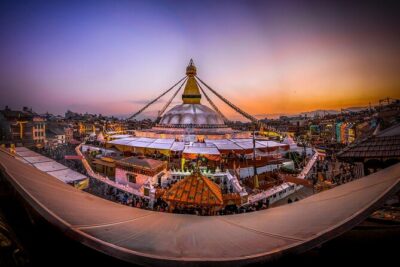
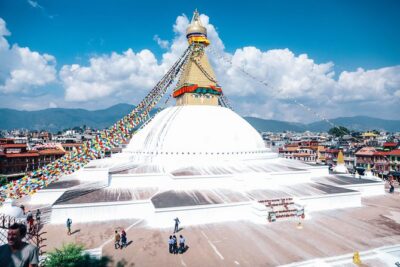
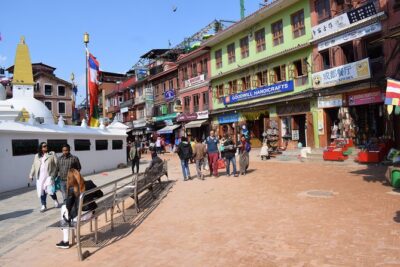
Your first major stop is Boudhanath Stupa, a UNESCO World Heritage Site and one of the largest stupas in the world. Plan on about an hour here, with an admission ticket included.
This place is famous for a reason. The stupa is not just an impressive monument you photograph and move on from. It’s a daily center of Buddhist practice, and you can feel it in the surrounding flow: people moving with intention, chanting or praying, and keeping the stupa at the core. There’s a lot to watch, and a good guide helps you understand what you are seeing instead of just guessing.
Here’s what I find most useful for you to do at Boudhanath: use the time to learn the basic “reading” of the stupa environment. You’ll likely notice the circular prayer-wheel tradition and the general idea of moving in a purposeful loop around sacred objects. If prayer wheels are part of the experience you are offered, take a moment to slow down and feel the rhythm. Even if you do it quickly, doing it at least once helps the rest of the symbolism click.
The tour also sets you up for a practical break. Right after Boudhanath, you can consider lunch nearby at rooftop restaurants. The overview specifically points you toward spots with a stunning view over the stupa area. That’s a smart move because it turns your downtime into part of the scenery, not just time spent eating with nothing to look at.
A possible drawback at this stop is simple: since it’s popular and central, it can be busy. With only about an hour, you will want to prioritize what matters most to you. If you love photo time, you might feel slightly rushed. If you love quiet observation and questions, you’ll likely do better.
Kopan Monastery: quiet learning on a hill near Kathmandu

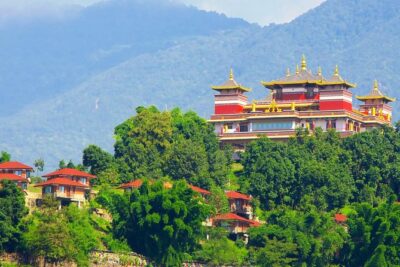
Next comes Kopan Monastery, about an hour, with admission included. This is a Tibetan Buddhist monastery perched on a hilltop near Kathmandu, known for meditation and learning.
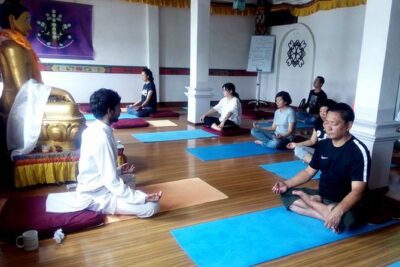
The biggest difference here is the atmosphere shift. Boudhanath feels like public devotion, community movement, and constant visual stimulation. Kopan is more about mental space. You are going from a giant stupa complex to a monastery environment where the focus is on teaching and practice.
This is where having the right kind of guide matters. A strong guide will connect what you see to the ideas behind meditation and study at a monastery. For this route, Madan’s style is highlighted as professional and informative, with history explained in a way that helps you appreciate what you are looking at. That kind of explanation can turn “a beautiful place” into “a place with purpose,” especially if you have questions about Tibetan Buddhism or monastery life.
What you should plan for at Kopan is etiquette and mindset. Even if you’re not sure of every rule, you can usually follow the tone of the site. Keep your voice down, move carefully, and treat the environment as a place people come to practice. If the tour includes time for questions, ask what interests you most. This is often where you leave with the most personal understanding, because you get context for the routines you witnessed earlier.
One consideration: a monastery visit can be mentally quieter, but it’s not automatically “easy mode.” Hilltop sites can involve some walking and stairs. If you have knee issues or you hate climbing in warm weather, you might want to go slowly and use the guide to pace you.
More around Boudhanath:
- Kathmandu Spiritual Sites: Bodhnath & Pashupatinath Tour
★ 5.0 · 185 reviews - PashupatiNath and BoudhaNath – Private/Small Group
★ 5.0 · 18 reviews - Kathmandu City in One Day with Bodhnath Stupa
★ 5.0 · 10 reviews - Private Half-Day Tour of Boudhanath and Pashupatinath Temples in Kathmandu
★ 4.5 · 9 reviews
Swayambhunath and Mahachaitya: the Monkey Temple viewpoints
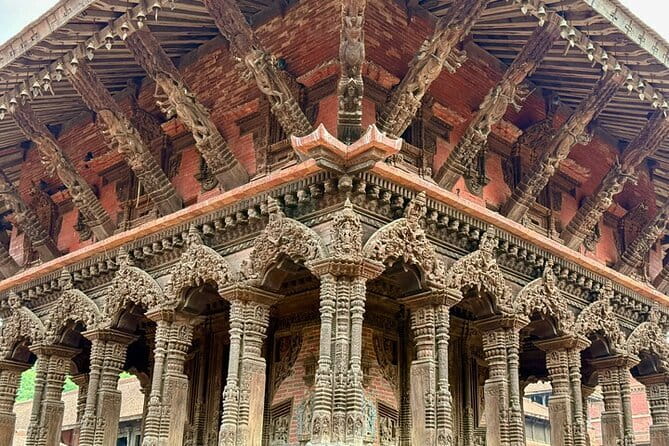
Then you head to Swayambhunath, also known as the Monkey Temple, perched atop a hill with panoramic views of the Kathmandu Valley. This part of the tour is about 30 minutes for the main Swayambhu stop areas, plus another short segment at the Swayambhu/Mahachaitya area, with the Mahachaitya admission ticket included.
Swayambhunath is different from Boudhanath in a few key ways. First, it’s a hilltop. The walk up, the views, and the sense of arriving higher than the city all change your mental picture of Kathmandu. Second, the symbolism mixes Buddhist and Hindu elements. That blending is part of what makes the site so widely known.
What makes this stop especially memorable is the combination of devotion and viewpoint. You’re not only looking at a stupa, you’re looking out across a whole region. Even with only short time windows, the viewpoint component helps you build spatial understanding of where Kathmandu sits in the valley.
The tour layout here includes multiple short blocks. That may feel unusual at first, but it can be practical. Different areas of the stupa complex can focus on different features, and splitting time can help you cover what’s important without having to stay forever in one spot.
One note for your expectations: since the Swayambhunath segments are shorter, you’ll get a “best of” experience rather than a long, slow exploration. If you want to linger for extra photos, you will likely need to choose. A good strategy is to first prioritize what you came for: the stupa area you can’t miss and at least one viewpoint moment where you truly look out over the valley.
Also, if prayer wheels and the local Tibetan culture vibe are something you’re hoping to catch, stupa areas are usually where it shows most clearly. Use your time to observe how people interact with the site, not just how it looks from a distance.
Timing tips: make the short stops feel long
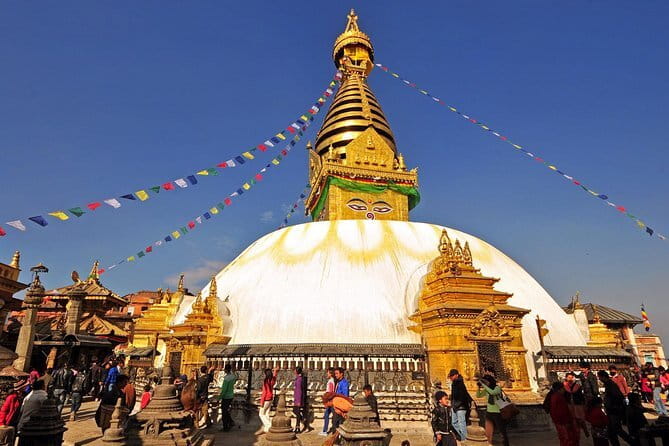
This tour is designed for about 5 to 6 hours total, and individual segments are timed: roughly an hour at Boudhanath and Kopan, and shorter blocks at Swayambhunath. That structure can feel efficient, and it can also feel limiting if you are hoping to sit for long stretches.
Here’s how I suggest you handle it so you feel satisfied instead of rushed:
- Start with one priority per stop. At Boudhanath, prioritize stupa rhythms. At Kopan, prioritize understanding meditation and monastery learning. At Swayambhunath, prioritize viewpoint and symbolism.
- Bring water and take small breaks when offered. Meals are not included, so you’ll want to plan for hydration and energy.
- Wear comfortable shoes. You’ll likely do more walking than you expect, especially with hilltop locations.
- Keep your questions ready. A big advantage of a private guided format is getting answers without feeling awkward. If you are curious about Tibetan Buddhism, ask early, then connect the answers to what you see later.
If you like a guided pace that still lets you ask lots of questions, this fits well. If you want a slow travel style where you can disappear into one site for hours, you might prefer booking longer individual visits.
Lunch near Boudhanath, a view that turns into a break
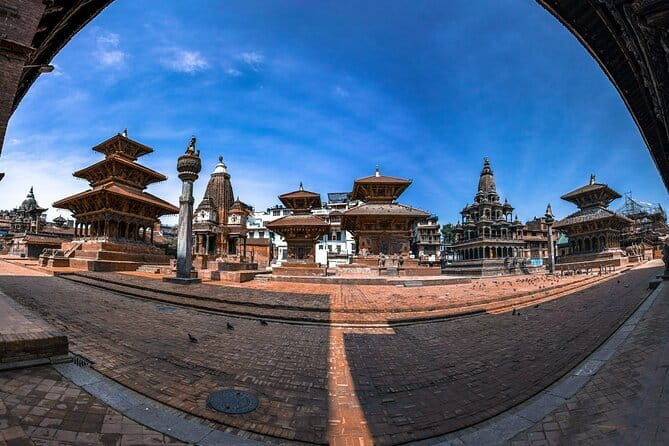
Meals and drinks are not included, but the tour description points out a real opportunity: lunch near Boudhanath at rooftop restaurants with views of the stupa area.
That matters because you are not forced into a random meal decision far from your route. You can turn lunch into part of the day’s theme. Eating with the stupa in your sightline helps you keep the mood of the tour instead of switching back into regular sightseeing energy.
Practical tip: pick something simple and not too heavy. This is still a hill and temple day. You want food that keeps you comfortable for the later Swayambhunath walk and viewpoints.
Comfort, culture, and respectful behavior (without overthinking)
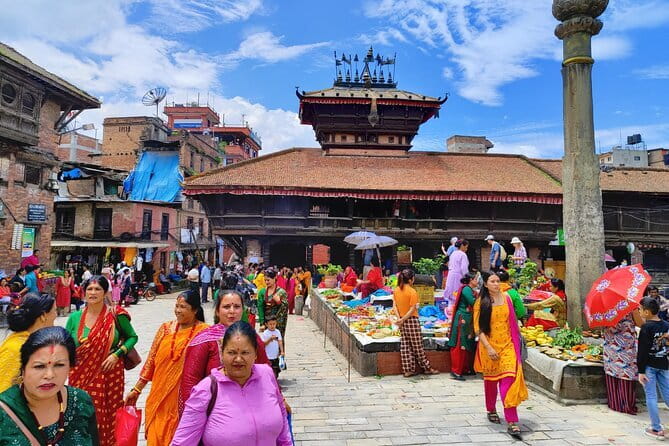
One thing I appreciate about this kind of Buddhist-focused itinerary is that it naturally teaches you how to behave. The sites are active places of devotion and learning, not just museum sets.
For you, that means:
- Be quiet where others are quiet.
- Move with care and follow staff or guide cues.
- If donations are customary in monastery settings, be ready to consider them based on your comfort level. Donations are not included in the tour price, so plan to handle that separately if you choose to participate.
Also, bring a mindset of watching and learning. The goal is not to collect trivia. The goal is to notice the patterns. How people move. How they interact with prayer wheels. How a stupa functions as both symbol and shared space.
If you want the experience to feel meaningful, lean into the guide’s explanations. Madan is specifically referenced as professional, informative, and great at answering questions, with a pacing style that keeps the visit comfortable.
Who this tour suits best
This route is a strong match if you:
- Want a focused introduction to Kathmandu’s Buddhist landmarks in one day.
- Like guided context more than solo wandering.
- Prefer private comfort with hotel pickup and a dedicated English speaking guide.
- Are okay with shorter time blocks at each site, but you still want to come away with real understanding.
It’s also ideal for couples, small groups, and people staying in central Kathmandu who want a clean itinerary with minimal hassle. If you have limited time, the value is that you cover three major landmarks without spending half your day on logistics.
If you are the type who wants to meditate for a long time at one place, or you want to study architecture in depth with zero time pressure, you might be happier booking longer visits to individual sites. This tour is more of a guided highlights with meaning approach.
Should you book the Kopan, Boudhanath, and Swayambhunath tour?
I think you should book this tour if you want an efficient, guided day that actually explains what you are looking at. The included admissions for major stops, the private air conditioned vehicle, and hotel pickup remove a lot of friction. And the standout advantage is the guide approach, especially the way Madan’s explanations are described as informative and question-friendly, with pacing that lets you stay comfortable.
Skip it if you already plan to spend half a day at one location only, or if short stop durations would frustrate you. Also, if you get impatient in busy religious sites, you might want to adjust expectations for Boudhanath.
If you’re balancing a first trip to Kathmandu with a desire for Buddhist spirituality and panoramic viewpoints, this is a practical, good-value way to do it.
FAQ
How long is the Kathmandu Kopan Monastery, Boudhanath, and Swayambhu tour?
The tour lasts about 5 to 6 hours.
Is hotel pickup and drop-off included?
Yes, hotel pickup and drop-off are included.
What sites are visited on this tour?
You visit Boudhanath Stupa, Kopan Monastery, and Swayambhunath (including the Mahachaitya area).
Are entrance fees included in the tour price?
Yes. Monuments entrance fees are included for the stops that require tickets.
Are meals included?
No. Meals and drinks are not included.
Is this a private tour?
Yes. It is private, and only your group participates.
Do I get a mobile ticket?
Yes, the tour includes a mobile ticket.
What is the cancellation policy?
Cancellation is free up to 24 hours in advance. If you cancel less than 24 hours before the start time, you do not get a refund.
Latest Kathmandu write-ups
- Langtang Valley Trek★ 5.0 · 3 reviews
- Khopra Danda Trek★ 5.0 · 3 reviews
- Langtang Valley Trek from Kathmandu★ 5.0 · 3 reviews
- 5 night / 6 days Kathmandu Nagarkot Chitwan Pokhara tour★ 5.0 · 3 reviews
- Nepal Highlights Tour: 5 Nights 6 Days Kathmandu & Pokhara Tour★ 5.0 · 3 reviews
- Kathmandu Valley Private Day Tour★ 5.0 · 3 reviews
- Kathmandu Heritage Day Tour★ 5.0 · 3 reviews
- Conquer the Himalayas: The Ultimate 16-Day Annapurna Circuit Trek★ 3.5 · 3 reviews
Boudhanath Stupa, compared.
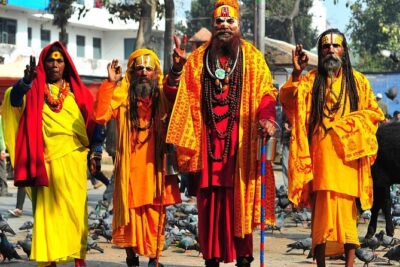
Private Half-Day Tour of Boudhanath and Pashupatinath Temples in Kathmandu
Read our review →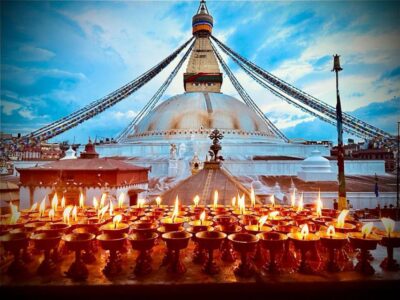
Browse the lists this tour appears in