
Reviewed · FOOD & DRINK
Kathmandu Local Food Hunt Tour
Kathmandu street food is one of the fastest ways to understand daily life here, because you are eating where people actually shop, snack, and pray. This half-day hunt links food stops with the sights around Asan and Kathmandu Durbar Square, so your meal comes with context, not just calories. I like how the tour builds in a steady pace for sampling, and how it promises a real mix of dishes and drinks rather than a token bite.
Two things I really like: the hotel pickup and drop make it easy to start, and the guide tailors for vegetarian or vegan diets if you tell them up front. The main consideration is that this is not set up for serious food allergies, so if you need strict avoidance, you should think twice.
Key Things I’d Prioritize Before You Go
- Minimum 5 dishes and drinks, so you actually taste a range, not just one “starter stop”
- Hotel pickup and drop that helps you avoid wasting time getting across busy areas
- Asan market + Kathmandu Durbar Square for both food and atmosphere in the same outing
- English-speaking guide who explains what you are seeing at each market level and temple stop
- Vegetarian and vegan friendly when you alert the guide beforehand
- Private group format, meaning you move at your group’s comfort level
A Half-Day Food Walk That Feels Like Kathmandu in Real Time
What makes this tour interesting is that it treats food like part of the city’s rhythm. You are not stuck in a restaurant the whole time, and you are not just wandering either. You follow an English-speaking guide through street markets and temple areas while learning what to notice, where to look, and why certain snacks exist where they do.
I also like the “learn while you eat” approach. Instead of memorizing a history lecture, you get practical details, like what shop signs are telling you, how vendors lay out snacks, and what temple spaces feel like when the crowd is praying. That matters because Kathmandu can feel confusing at first, and a good guide helps you get your bearings fast.
One possible drawback is walking time. It is a half-day tour, but it still involves enough on-foot movement that comfortable shoes matter.
More to compare around Kathmandu
- Kathmandu: 7 UNESCO Sites with Lunch
★ 4.8 · 744 reviews - Everest Base Camp Helicopter Tour landing at Everest View Hotel
★ 5.0 · 668 reviews - Kathmandu: Local Women-Led Nepali Cooking & Momo Class
★ 4.9 · 360 reviews
Price, Timing, and What You Really Get for $55
At $55 per person for a 4.5-hour experience, this tour is aiming at value in two ways. First, it includes hotel pickup and drop plus an English-speaking guide, so you are not paying extra for basic logistics. Second, you get a built-in food plan, with at least five dishes and drinks rather than “whatever you find on your own.”
The tour also includes a bottle of drinking water, which is a small detail that makes a real difference on a market walk. Kathmandu heat and sun can catch you off guard, and having hydration on hand helps you keep your pace.
Is the price high or low? It is hard to compare because street food snacks vary by location and season. But this one feels fair because the cost covers guided access to the right spots, not just the food itself.
Meeting Your Guide and Settling Into Street-Market Rhythm
You start with pickup from your hotel. Plan to be in the lobby a bit early, because the pickup is scheduled and you do not want to hold up the group. Once you meet your guide, the tour quickly turns into a guided walk where you are directed toward places you might miss if you were self-guiding.
This tour runs with a private group, meaning the pace and attention can be more personal than a large group format. You are also close to public transportation, which is useful in case you want a backup plan for getting to the meeting point, but the tour already handles pickup and drop.
The guide’s job is not only to lead you from stop to stop. They explain what you will see at each level of the market area, including street vendors and smaller storefronts. That type of context is what turns “random food smells” into an actual food map.
Asan Street Market Stops, Temples, and Snack-Level Choices
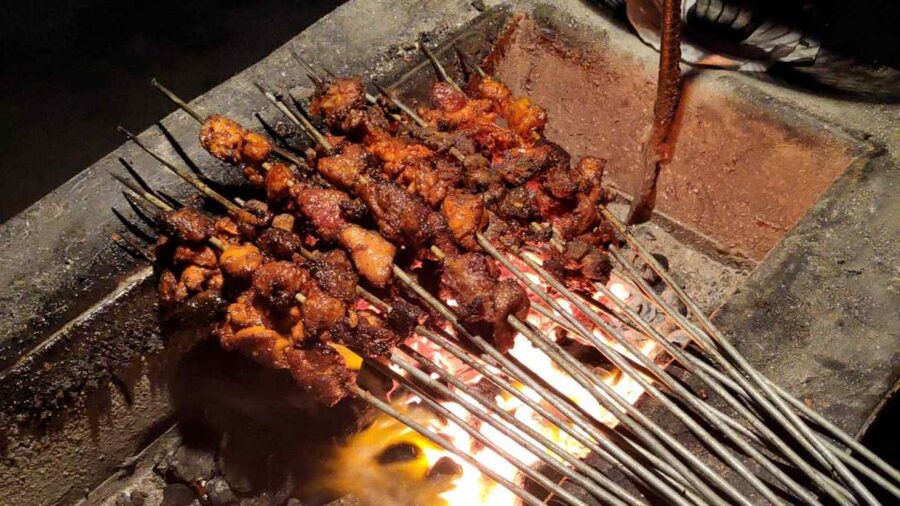
One of the strongest parts of this outing is the focus on Asan, a major street market area where you can feel how Kathmandu shops. As your guide walks you toward the busiest street market zone, you get a sense of what kinds of local stalls appear where, and how people move through the space.
This is where you start thinking like a local eater. Instead of ordering one thing and hoping it is good, you learn how snacks work as quick meals and how vendors handle daily demand. You will also get exposure to old-school retail energy, including small shops that sell everyday items that visitors often overlook.
Asan also sets you up for the temple atmosphere that follows. Market areas in Kathmandu are not separate from religious life, and your guide points out temple spaces and the rhythm of visitors praying. You start noticing temple bells and incense smells as part of the street soundscape, not as an “optional extra.”
Practical tip: markets can be crowded, so keep a bit of patience. The point is to taste your way through the city while still understanding what you are tasting.
A different sort of day out of Kathmandu:
- Manaslu Circuit Trek
★ 5.0 · 292 reviews - Kathmandu: Food and Drink Walking Tour
★ 4.9 · 292 reviews - Kathmandu: Full-Day 7 UNESCO Tour with Lunch – Private/Group
★ 4.9 · 247 reviews - Kathmandu: 7 UNESCO Sites Tour in 1 Day (Private Tour)
★ 4.9 · 204 reviews
Kathmandu Durbar Square Area and the Pratap Singh Malla Setting
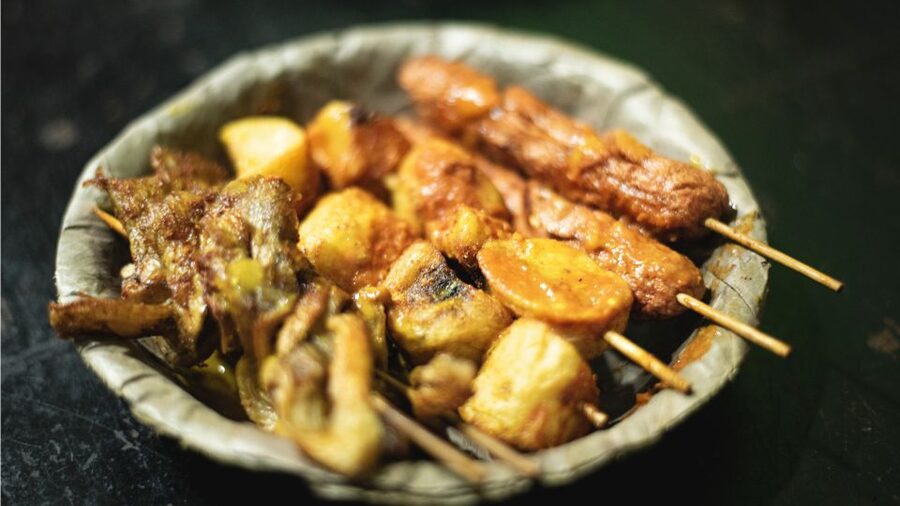
Another highlight is the time near Kathmandu Durbar Square, specifically around the palace area connected to Pratap Singh Malla, a 16th-century figure. This is not just a photo stop. You get to walk through a section of old Kathmandu where daily commerce and heritage sit side by side.
In this area, you will encounter typical old shops selling items like spices, tea, and cookies. Those shop details matter because spices and tea are not abstract here. They show up in the street food flavors you are tasting later in the walk.
You will also see a crowd of people praying in the temples. The sensory details are the real story: ringing bells, incense in the air, and color that grabs your attention even if you are mostly focused on eating. Your guide helps connect that atmosphere to culture and tradition, so it feels less like sightseeing and more like understanding how public life and religion overlap.
A consideration here is that temple crowds can be dense. If you are traveling with mobility concerns, the tour is listed as wheelchair accessible, but you should still expect tight spaces in older areas. If you use a wheelchair, you may want to confirm how movement is handled at the street level with the operator before you go.
What the Food Portion Is Really Like
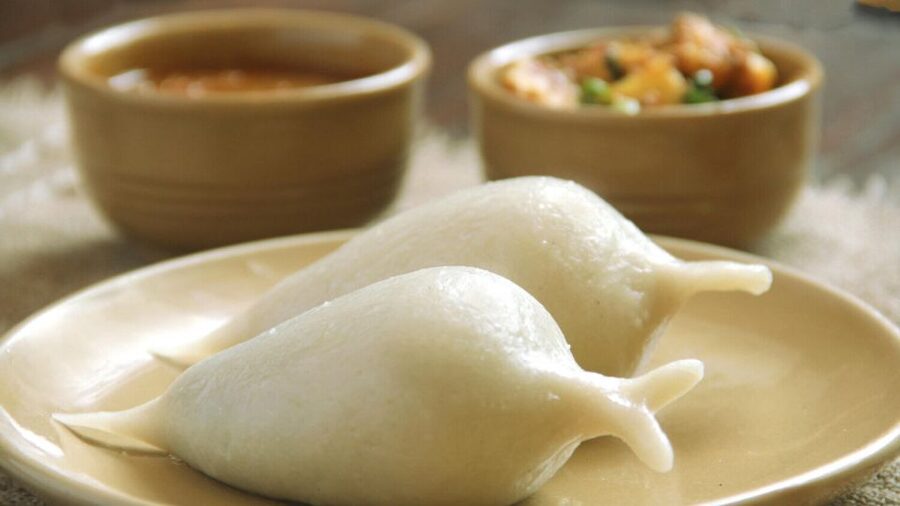
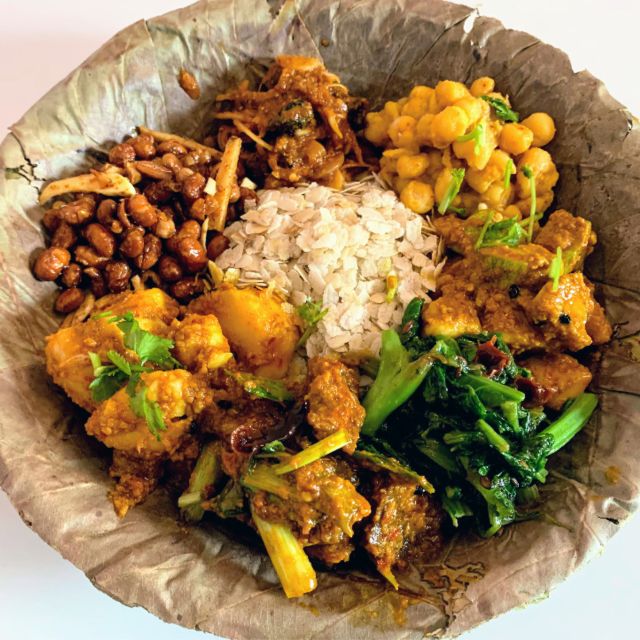
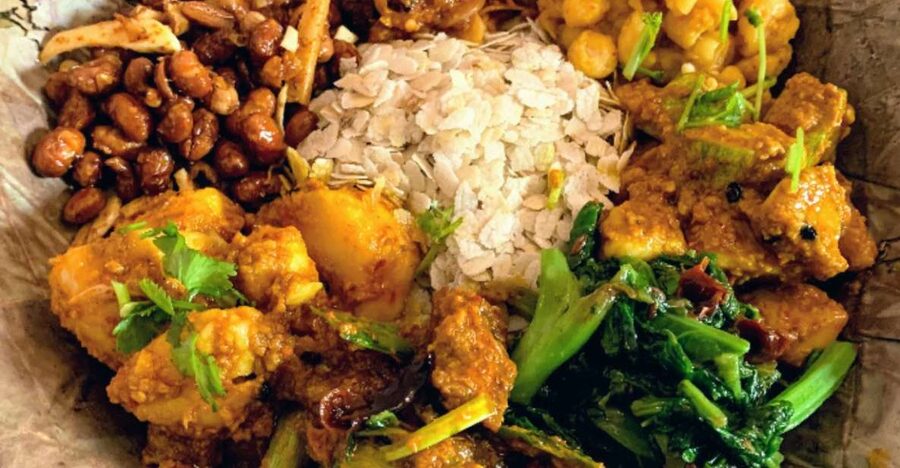
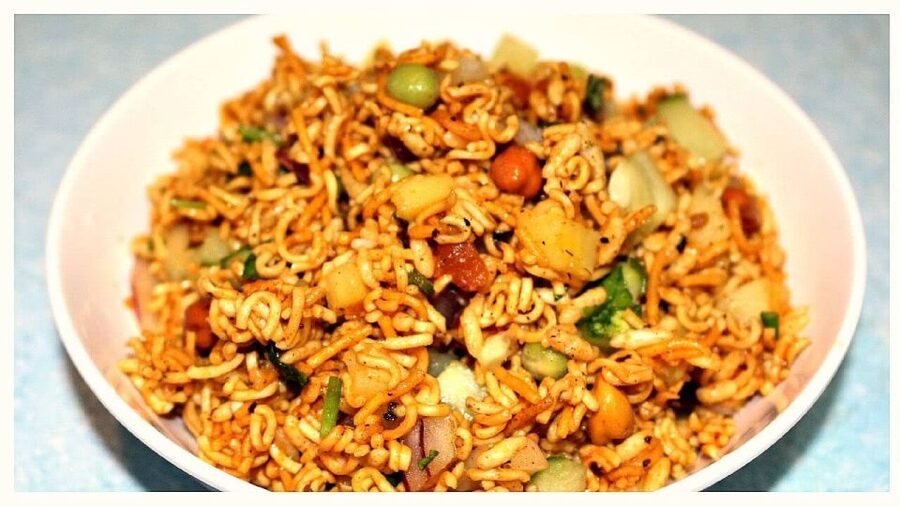
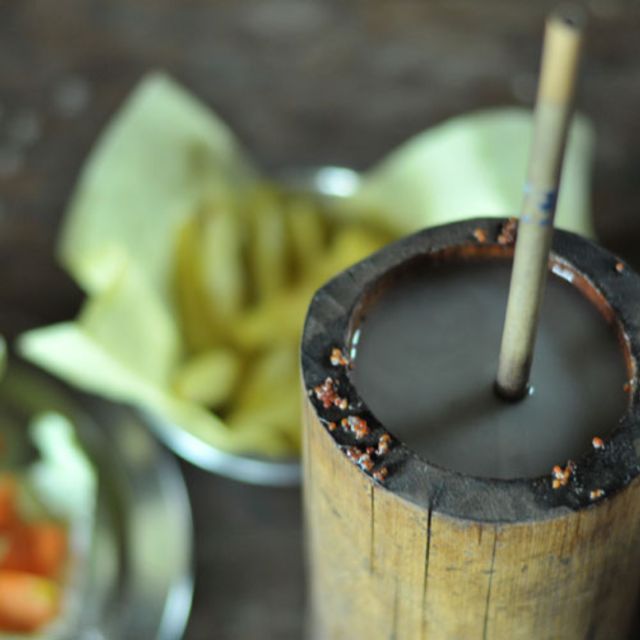
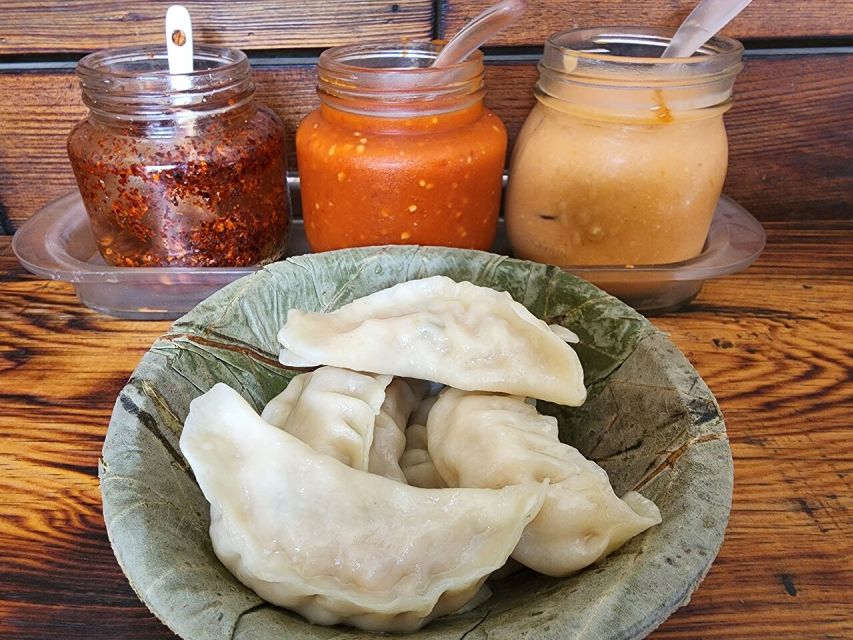
This tour has a straightforward promise: you will try at least five dishes and drinks. That minimum matters. It pushes the outing beyond a “taste of Kathmandu” and turns it into a meaningful meal experience where you get variety across different flavors and textures.
The exact dishes are not listed in the information you provided, so I cannot confidently name every item. Still, the structure is clear. You will sample multiple bites along the market route and include drinks as part of your tastings.
I like that this is not only about food. The guide’s explanations help you connect the flavors to what you are seeing, like spice shops, tea sellers, and street vendors. That makes the food easier to remember, and it helps you replicate what you like later.
One more practical note: the tour does not include alcoholic beverages, and alcohol is also listed as not allowed. So if you are looking for a wine or beer pairing style experience, this is not that. It is focused on traditional food.
Vegetarian and Vegan Options Without Making It Awkward
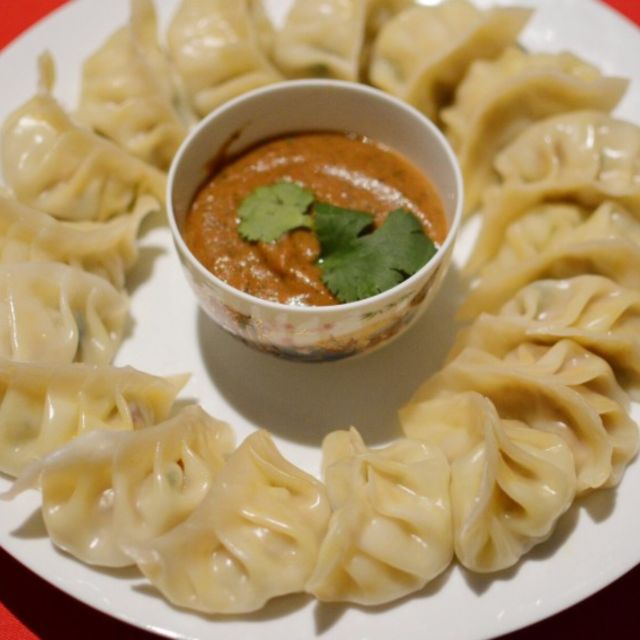
Good news: you do not need to treat your diet like a major project. The tour information says you can be catered to easily if you are vegan or vegetarian, as long as you tell the guide ahead of time.
That is a big deal in South Asian street food contexts, because substitutions can range from effortless to tricky depending on what you order. Here, the tour is built around guidance, so your guide can steer you toward appropriate stalls and dishes rather than leaving you to hunt for safe options on your own.
What to do: tell the guide about your preferences when you meet. Be direct about what you avoid. If your vegetarian label includes eggs or dairy, clarify that too. Even when a tour is flexible, clear instructions save you from guesswork and keep the pace smooth.
If you are vegan, also consider that “vegetarian” and “no dairy” can be different in many places. The better you communicate, the more the tour can tailor.
What to Bring, and How to Make the Most of Your 4.5 Hours

This tour is about walking, so pack for comfort. Wear comfortable shoes because street market walking and temple-area navigation add up quickly. Bring sunscreen, especially if your tour lines up with brighter midday hours.
Keep your clothes comfortable and breathable. The tour is designed for walking through markets and temple surroundings, so you want fabric that you can move in without constantly adjusting.
You will get a bottle of water. Still, if you know you drink a lot when you are out in the sun, you might want to bring a small personal water add-on after you confirm it is allowed. The tour itself includes one bottle.
Finally, avoid getting stuck in “tourist mode.” Eat with curiosity. Ask quick questions if you are unsure, and accept that street food is not always served the way a restaurant does it. Part of the fun is the informal setup and the speed at which vendors keep moving.
Wheelchair Access and Getting Around Older Streets
The tour is listed as wheelchair accessible. That matters, because many heritage and market areas are not friendly to mobility constraints.
At the same time, older Kathmandu street zones can be uneven or tight, especially around crowded market zones and temple areas. So while the tour may be accessible in general, your day might still include careful routing and moments where the street feel changes.
If you use a wheelchair or mobility device, do not assume every curb and doorway will be smooth. Ask how the guide plans to manage tighter sections near street markets and the temple crowd areas.
Who This Kathmandu Local Food Hunt Is Best For
This is a great fit if you want a food experience that also explains what you are looking at. You get a cultural thread through street markets and temple stops, and it is packaged in a half-day window, which is ideal if your Kathmandu schedule is packed.
It is also a good match if you are traveling with other people in a private group setting and want a guide who can manage attention. The English-speaking guide is a practical advantage if you want to understand what you are eating rather than just following.
It may not be right if you have food allergies. The information specifically says it is not suitable for people with food allergies. If you have a serious allergy, you would need a much more medically strict food plan than what is described here.
Also consider your walking tolerance. Even though it is only 4.5 hours, you are still moving through market areas and temple spaces.
Should You Book Kathmandu Local Food Hunt?
If you want a simple, guided way to try real Nepali street food while also seeing Kathmandu’s temple and market atmosphere, this booking makes sense. The minimum 5 dishes and drinks, hotel pickup and drop, and the fact that vegan and vegetarian diets can be accommodated are strong reasons to choose it.
I would skip it if you need allergy-safe food handling or if you cannot comfortably handle street walking in crowded areas. In that case, look for a tour with explicit allergy protocols.
For most people, though, this is an efficient Kathmandu experience. You get food variety, local context, and a guided route that reduces the guesswork of figuring out what to eat and where to stand. If you are the type who likes to learn by tasting, book it and bring comfortable shoes.
Latest Kathmandu write-ups
- 16 Days Island Peak Climbing With Everest Base Camp Private Trip★ 5.0 · 3 reviews
- 15 Days Round Annapurna Trek with Poon Hill from Pokhara★ 5.0 · 5 reviews
- Private Nepal round trip including Ghorepani Poonhill trek★ 5.0 · 3 reviews
- Everest Base Camp Trekking 16 Days★ 4.0 · 7 reviews
- 14 Days Luxury Annapurna Base Camp Trek★ 5.0 · 6 reviews
- Everest Base Camp Trek★ 5.0 · 32 reviews
- Everest Base Camp Trek★ 5.0 · 87 reviews
- Everest Base Camp Trek★ 5.0 · 97 reviews
Food & Drink, compared.
Kathmandu Food & Drink and Shopping Rickshaw Tour
Read our review →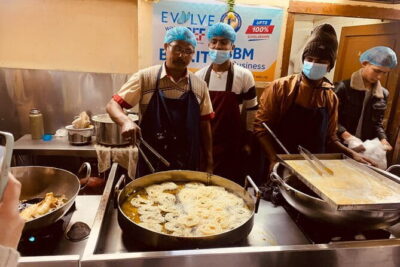
Private half day Medieval Kirtipur town with Newari food tasting trip
Read our review →
Guided Food/ Drink Tasting walking Tour in Thamel
Read our review →Browse the lists this tour appears in