
Reviewed · COOKING CLASSES
Kathmandu: Nepali Cooking Class with Hotel Pickup
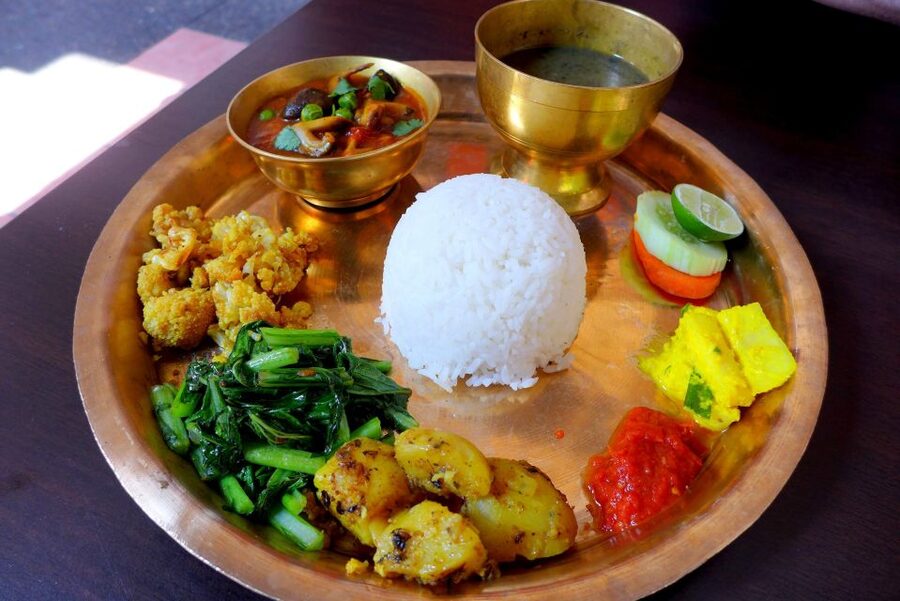
What makes this experience especially interesting is the combo of Ason market shopping by rickshaw and hands-on Nepali cooking with an English instructor. You get out of your hotel area and into Kathmandu’s food rhythm before you even step into the kitchen.
I love that you’ll cook several recognizable Nepali favorites, including momo and sel roti. I also like that the lesson is tied to ingredients, so the market stop helps you understand what goes into the dishes, not just how to make them.
One consideration: the stated timing can vary in real life. A few people have found the experience run closer to 2 hours than the full 4, so if you have tight plans, give yourself extra buffer time.
Key highlights that matter in real life
- Rickshaw market run to Ason for an up-close look at where ingredients come from
- English-speaking chef instructor guiding you through Nepal’s classic comfort foods
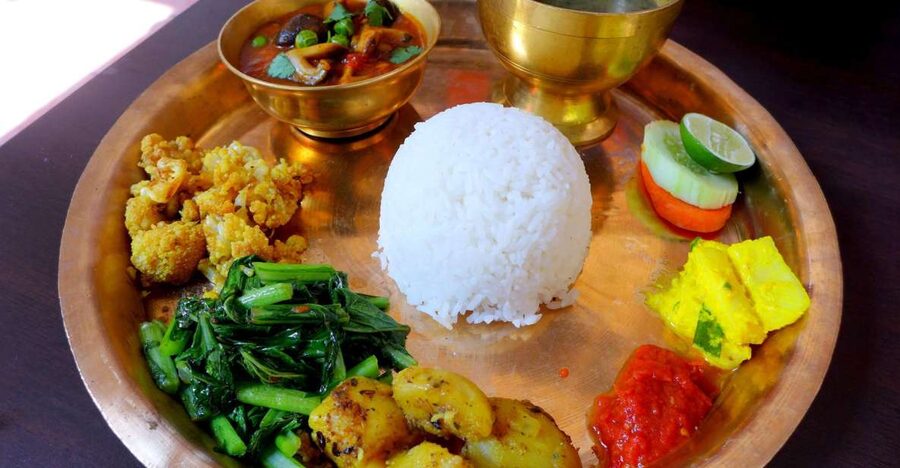
- Hands-on menu including momo, curries, roti, and the ring-shaped sel roti
- Folk music and simple Nepalese phrases that make the meal feel more local
- Hotel pickup and drop-off from Thamel so you do not waste time figuring out logistics
A Nepali cooking class that starts in Kathmandu’s Ason market
If you want the fastest route to understanding Nepali food, this kind of class makes sense. You are not just learning recipes in a vacuum. You start in the neighborhood of Ason, shop with local merchants for ingredients, and only then move into cooking.
That order changes how you pay attention. When you’ve just picked out spices, flours, or key ingredients, you tend to notice flavors more clearly. You also get better at spotting what makes Nepali cooking feel distinctly Nepali, even when you already know dishes like momos.
For most people, the market ride is the first real “aha.” It is a short transfer, but it’s also a taste of Kathmandu street energy. You get to see the busy shopping hub and talk briefly with merchants. Then you return to the kitchen with an actual shopping list in your head.
More Cooking Classes in Kathmandu
- Kathmandu: Local Women-Led Nepali Cooking & Momo Class
★ 4.9 · 360 reviews - Kathmandu: Local Women-Lead Nepali Cooking & Momo Class
★ 4.9 · 45 reviews - Kathmandu: Local Lead Nepali Cooking & Momo Making Class
★ 4.9 · 40 reviews
Price and what you get for $60
At $60 per person, you are paying for more than a cooking lesson. You are also paying for the “whole package” that turns cooking into an experience, including:
- Hotel pickup and drop-off from the Thamel area
- Trip to a local market
- An English chef instructor
- A 3 to 4 hour class window as described
- English audio guide support
- Rain or shine operation
Is it good value? For a short stay in Kathmandu, I think it can be. You get transportation convenience, instruction, and the market component. Many cooking classes elsewhere either skip the market or make it optional. Here, it is baked in.
That said, you should price it against your schedule. The class is advertised as 4 hours, and the reality can be shorter. If you are paying $60 and also trying to fit a packed itinerary, build in buffer time.
Getting from Thamel: pickup, timing, and the rickshaw transfer
Most people start in Thamel, and that is exactly where the pickup and drop-off are offered. That matters more than it sounds. Kathmandu can be chaotic to navigate on foot if you’re new, and you do not need to add extra stress before cooking.
After pickup, you go to a typical local market in Kathmandu, specifically Ason, using a rickshaw. That’s not just a cute photo moment. It helps you move through street traffic without turning the morning into a logistics puzzle. You also arrive in a more natural way, as a participant in the neighborhood, not as a spectator from far away.
One practical note: because the activity runs in rain or shine, you should plan for wet streets and quick transitions. Wear shoes that work even if sidewalks are slippery, and keep a small towel or something absorbent in your day bag.
The local market stop: where you learn by shopping
The market component is where you start connecting ingredients to flavor. You will visit a local market to pick up what you need for your meal. You meet merchants, see the day-to-day flow, and get that hands-on feel of buying ingredients in Kathmandu.
A good market stop does two things at once:
- It gives you ingredients for cooking.
- It teaches you how local cooks think about food, including what they prioritize.
Even if you do not know the names of things yet, you will likely recognize the building blocks of the menu you’ll cook later. The dishes you make include momo, curries, roti, and sel roti, so you can expect the market to focus on items that support those preparations.
How to get more out of the stop:
- Ask what something is used for, not just what it costs.
- Look for spice mixtures and staple flours you’ll see later in the cooking steps.
- Pay attention to how ingredients are handled, since Nepalese cooking depends on technique, not just a list of components.
A small caution from experience in Kathmandu: not every market visit feels like a long tour. If your idea of a market is a long, guided wander, you might find the shopping portion relatively short. The good news is you still get enough to connect the lesson to real ingredients.
A different sort of day out of Kathmandu:
- Kathmandu: 7 UNESCO Sites with Lunch
★ 4.8 · 744 reviews - Everest Base Camp Helicopter Tour landing at Everest View Hotel
★ 5.0 · 668 reviews - Manaslu Circuit Trek
★ 5.0 · 292 reviews - Kathmandu: Food and Drink Walking Tour
★ 4.9 · 292 reviews
Cooking class flow: momo, curries, roti, and sel roti
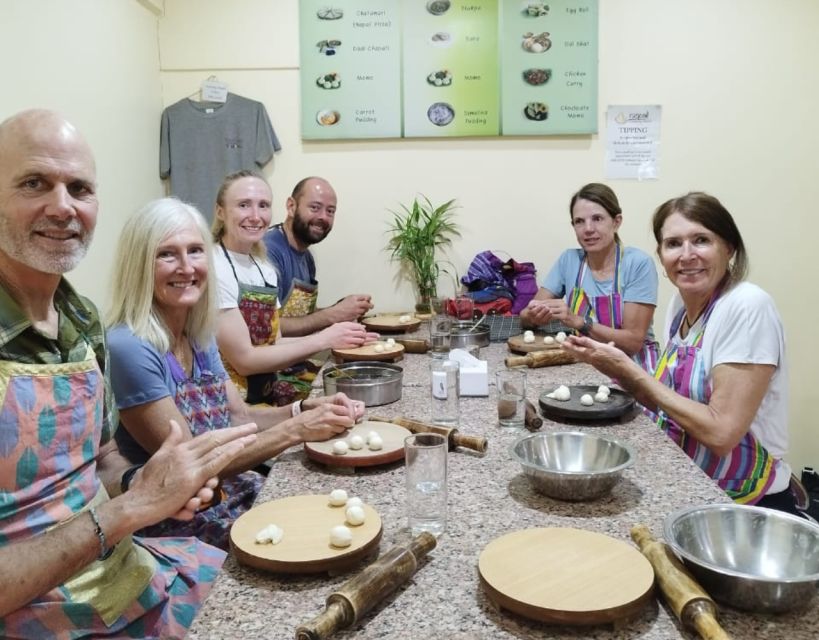
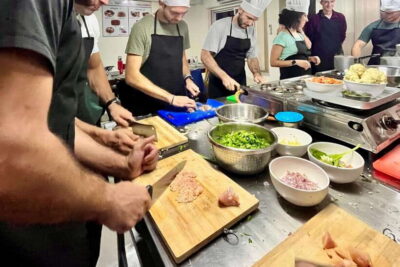
Once the market stop is done, the class turns into pure action. You’ll work with an experienced chef instructor and learn how Nepalese dishes are cooked, along with what ingredients are used and why.
The menu is the star:
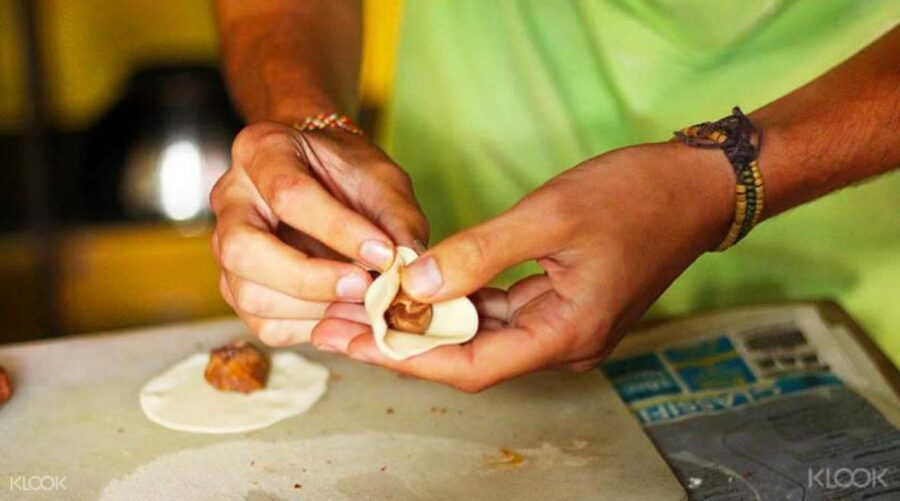
- Momo (Nepali dumplings)
- Curries in several varieties
- A unique bread that includes roti
- Sel roti, often treated as a favorite and described as slightly similar to American donuts
Let’s break down what this likely means for your hands-on experience, and why these dishes are a smart combo.
Momo: learning dumpling technique and flavor balance
Momo is one of those dishes that seems simple until you cook it. Dumplings test your patience and your timing. You also learn how fillings and seasoning work together, because momo stands or falls on balance.
You get practical instruction here, and that makes momo a great dish to master as a souvenir you can repeat at home. If you’ve ever tried dumplings without guidance, this is exactly the kind of class where you can pick up the steps you missed last time.
Curries: seeing how Nepalese cooking builds comfort
Curries are where you start noticing how Nepalese cooks create depth using spices and ingredient choices. Since the class includes a variety of curries, you likely get exposed to more than one flavor direction.
The value for you is not memorizing a single recipe. It is learning how Nepalese cooking approaches flavor, then applying that thinking to whatever ingredients you can find back home.
Roti and a unique bread style
Bread is a big part of this meal plan. You’ll learn about a bread that includes roti. The lesson is not just about shape. It’s about dough handling, cooking method, and texture.
If you’re the type who loves bread but never gets confident in unfamiliar doughs, this is a chance to learn under guidance. You also get a sense of how bread pairs with curries and dumpling dips.
Sel roti: the ring-shaped treat that teaches technique
Sel roti is the standout. It is described as slightly similar to American donuts, but it is very much its own thing in taste and technique.
What makes sel roti a great cooking class dish is the method. It often involves careful batter consistency and heat control, because ring-shaped frying is not forgiving. You can also tell the difference between good sel roti and not-so-good quickly by texture.
Even if you do not replicate it perfectly at home, the class will teach you the “feel” behind the dough and frying cues.
Folk music, Nepalese phrases, and how the class feels
This is not a silent lab. During the class and at mealtime, you’ll listen to Nepalese folk music. That does two useful things: it keeps the mood light, and it makes the meal feel tied to local culture, not just food presentation.
You’ll also learn some Nepalese phrases. The class language is English, and the chef instructor is English speaking, so you are not left alone. Still, learning a few phrases can turn a simple conversation with a merchant into something you actually remember.
If you like cultural context, this part is genuinely worth it. Food becomes more than steps and ingredients. It becomes a social experience.
Duration and reality check: plan for 3 to 4 hours, but keep slack
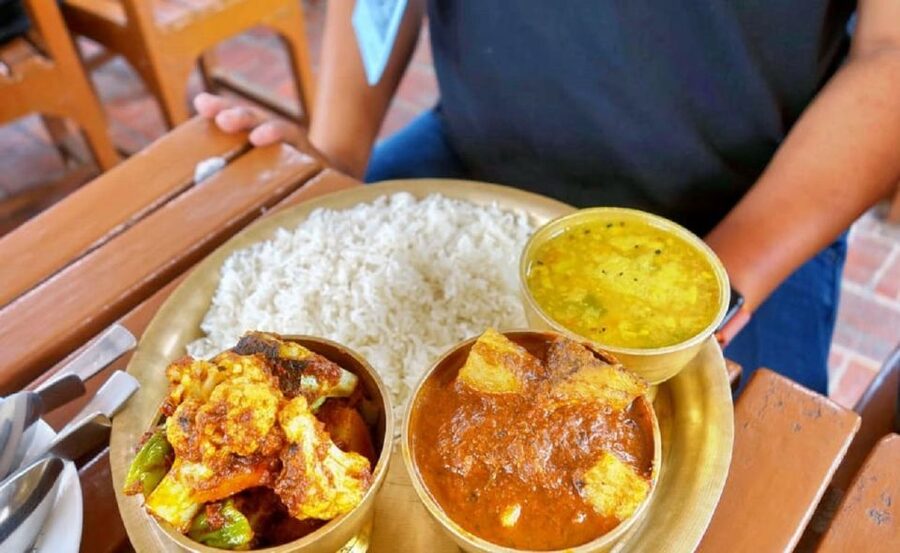
The activity is described as 4 hours, with a class lasting about 3 to 4 hours. That sounds straightforward until you deal with real mornings, traffic, weather, and the flow of cooking.
A practical approach for your schedule: do not stack this right before something you cannot miss. Give yourself a buffer so a shorter run does not ruin your day.
I also suggest thinking about your energy. Cooking requires attention. Even if you finish early, you’ll likely want time to relax after your meal and before you jump into the rest of Kathmandu sightseeing.
Food safety and comfort: what to bring and how to behave
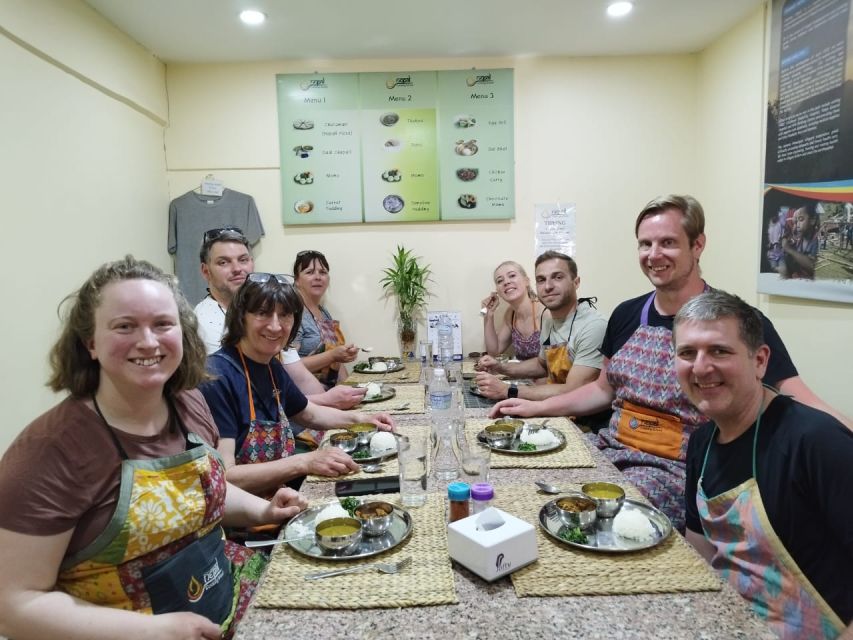
This is a cooking class, so you’ll want to show up prepared.
What to bring
- Passport or an ID card (a copy is accepted)
You also need to follow the rules:
- Alcohol and drugs are not allowed
What else I’d do, even if it’s not spelled out:
- Wear comfortable clothes you can stain without panic.
- Bring a small towel or wipes. Market visits and kitchens are not the place for a pristine outfit.
- If you have allergies, you should mention them beforehand, but be aware the tour data here does not list ingredient substitutions or allergy handling.
Because the tour runs rain or shine, add a light rain layer. Kathmandu rain can be quick and messy, and you do not want to be wet and cold during transfers.
Who should book this Kathmandu cooking class
This experience fits best if you:
- Want a fun, hands-on intro to Nepali cuisine without needing a long food tour
- Like learning by doing, especially when the menu includes momo and sel roti
- Are staying near Thamel and want pickup convenience
- Prefer an English instructor so you can understand what’s happening in plain language
It may not be ideal if:
- You have a very strict time schedule and cannot tolerate a shorter run
- You expect a long, deep market exploration lasting most of the morning
- You want a strictly professional-only culinary environment and nothing that feels informal. One factor that can vary is who is doing the instruction in practice, and some experiences can feel more like a training situation than a polished master class.
The value of learning with ingredients, not just recipes
Here’s the biggest reason I think this class is worth considering: it connects the market to the meal.
Recipes are nice. But when you shop for ingredients first, you start to understand substitutions and why certain flavors show up again and again. You also become more confident cooking Nepali food later because you understand the building blocks.
The menu selection also helps. Momo teaches dumpling fundamentals. Curries teach spice and sauce thinking. Roji or roti-related bread teaches cooking method and texture. Sel roti teaches technique and heat control. That’s a full skill set for one day.
Should you book it, or pass?
Book it if you want a practical taste of Nepal that combines street life and real cooking. The included hotel pickup, the English-speaking instructor, and the fact that you make recognizable dishes like momo and sel roti make it a strong value for a short time in Kathmandu.
Consider passing or choosing another option if your schedule is tight, because timing can run shorter than the 4-hour label. Also think about your expectations for the market. If you want a long guided wander, this may feel more like a quick ingredient stop.
FAQ
How long is the Kathmandu Nepali cooking class with hotel pickup?
The activity is listed as 4 hours, with the cooking class described as 3 to 4 hours. Starting times depend on availability.
Where does pickup and drop-off happen?
Pickup and drop-off are included from the Thamel area.
Do I go to a market during the experience?
Yes. You visit a local market to buy ingredients for the meal.
How do you get to the market?
The market visit includes travel by rickshaw.
Is the class taught in English?
Yes. The instructor is English speaking, and the audio guide included is also in English.
What dishes will I cook?
You will cook momo, varieties of curries, roti-related bread, and sel roti, described as slightly similar to American donuts.
Is the tour suitable for wheelchair access?
Yes, the activity is listed as wheelchair accessible.
What should I bring for the class?
Bring a passport or ID card. A copy is accepted.
Are there any rules about food or drinks?
Alcohol and drugs are not allowed.
Does it run in bad weather?
Yes. The tour takes place rain or shine.
Latest Kathmandu write-ups
- 16 Days Island Peak Climbing With Everest Base Camp Private Trip★ 5.0 · 3 reviews
- 15 Days Round Annapurna Trek with Poon Hill from Pokhara★ 5.0 · 5 reviews
- Private Nepal round trip including Ghorepani Poonhill trek★ 5.0 · 3 reviews
- Everest Base Camp Trekking 16 Days★ 4.0 · 7 reviews
- 14 Days Luxury Annapurna Base Camp Trek★ 5.0 · 6 reviews
- Everest Base Camp Trek★ 5.0 · 32 reviews
- Everest Base Camp Trek★ 5.0 · 87 reviews
- Everest Base Camp Trek★ 5.0 · 97 reviews
Cooking Classes, compared.
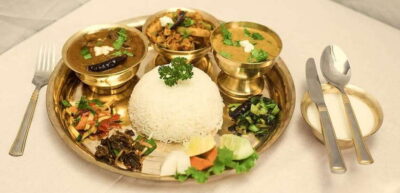
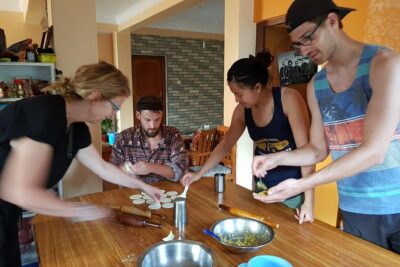
Nepalese Momos or Dal Bhat Cooking Class (Cook with Delight)
Read our review →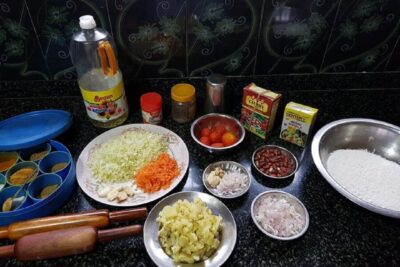
Nepalese Kitchen in Pokhara: Momos or Dal Bhat Cooking Class
Read our review →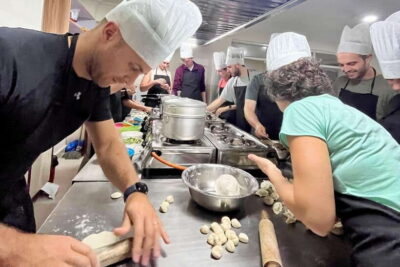
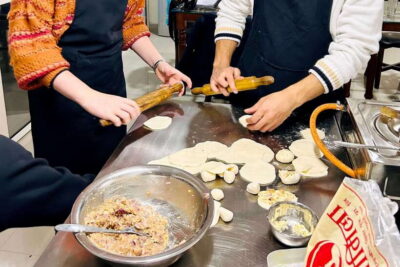
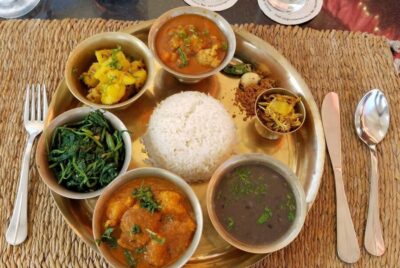
MoMo or Dal Bhat Cooking Class at Aama Kitchen in Pokhara
Read our review →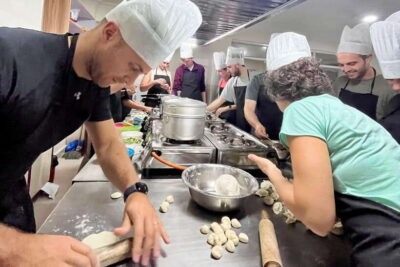
Browse the lists this tour appears in