
Reviewed · PASHUPATINATH TEMPLE
Kathmandu: Pashupatinath Temple Evening Aarati Tour
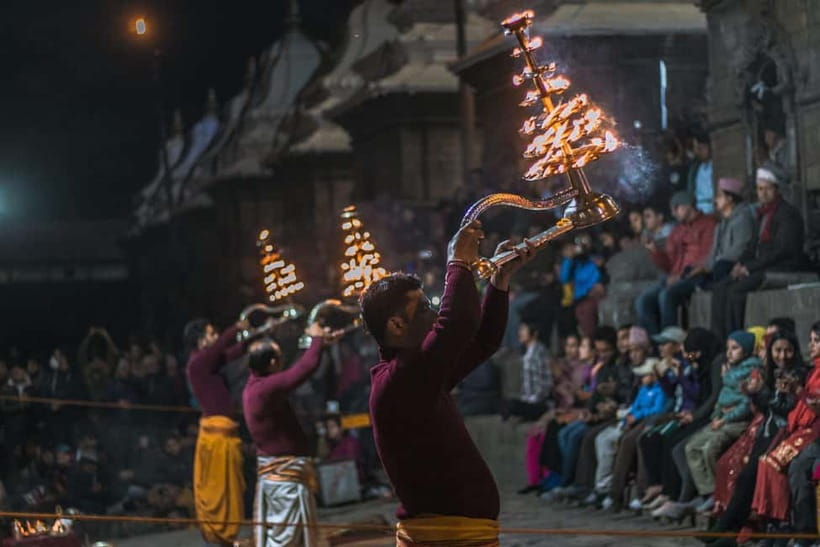
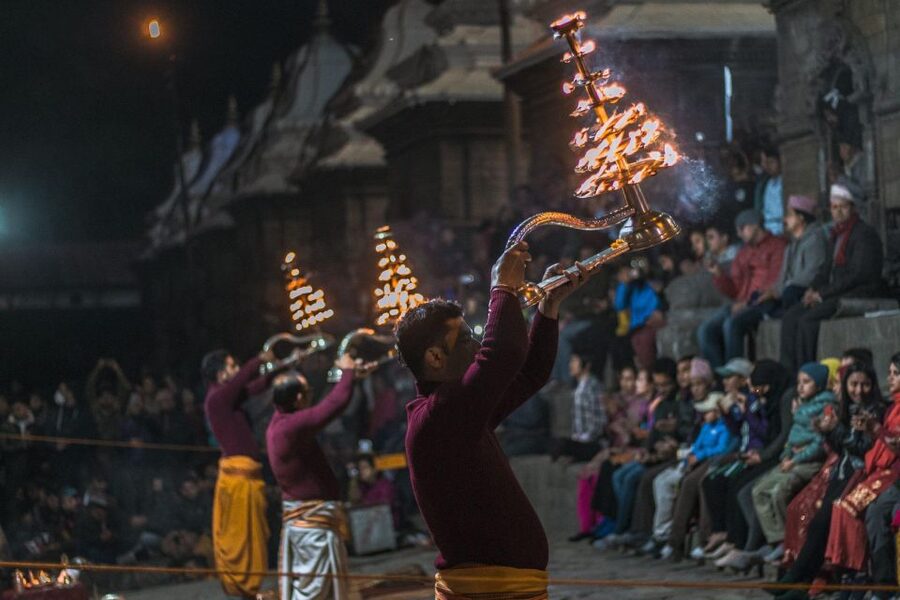
This evening Pashupatinath tour is interesting because you get close to the sacred Pashupati Bagmati Aarti right beside the Bagmati River, where oil lamps move in circles and prayers fill the air. I love the emotional clarity of the ritual, the kind you can feel even if you are new to Hindu worship. I also like the value of an English speaking guide such as Razz or Shankar, who helps you understand what you are seeing instead of just pointing.
The main consideration is access. Non-Hindus are not permitted inside the main temple, so you will watch the ceremony from the river banks while the crowd gathers around you.
Key details that make this tour worth your time
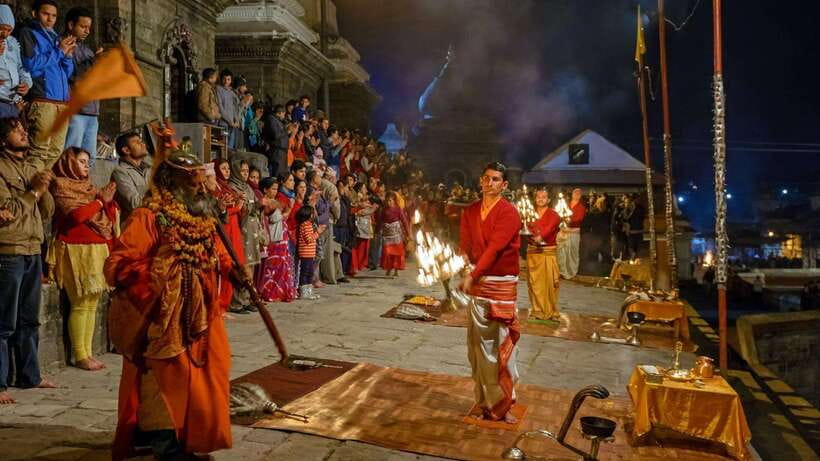
- River-side Aarti viewing: You do not just pass by Pashupatinath, you watch the ceremony where it happens, beside the Bagmati River.
- Meaning behind the motions: Guides explain the lamps, chanting, and what the circular movements symbolize.
- A calm rhythm at a busy site: Evening timing often feels more manageable than daytime, even though it can still get crowded.
- Good context for faith and symbolism: You may hear links between Hindu practices and other regional traditions, which helps everything click.
- Plan for incense and crowds: Expect chanting, smoke in the air, and weekend or festival crowds where seating matters.
An Evening at Pashupatinath, Where the Bagmati River Becomes the Stage
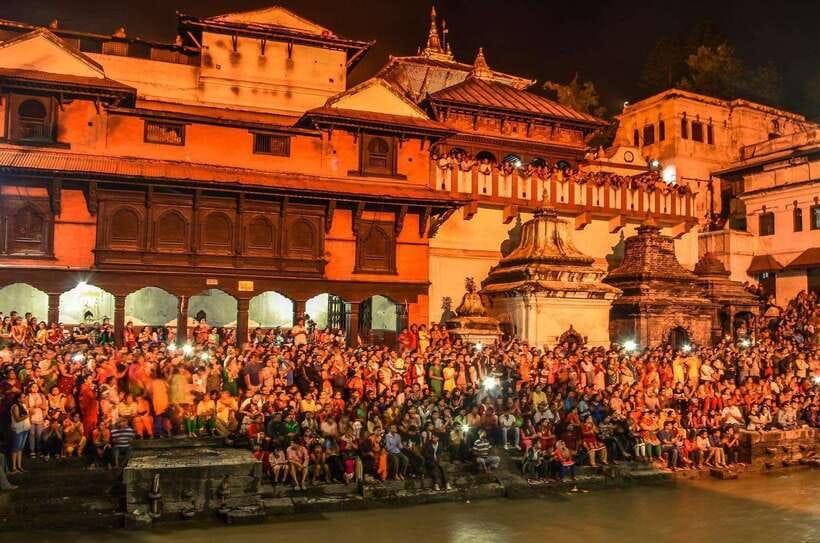
Pashupatinath is one of those places where the setting matters as much as the temple. The Bagmati River runs right by the complex, and the evening ritual is performed on the riverside, so you watch devotion unfold in a real, lived-in setting rather than a staged performance.
The Aarti itself is built around repetition and symbolism. Priests circulate oil lamps while sacred chanting carries through the crowd, and bhajans (devotional songs) add a steady human rhythm that helps you focus. Even if you are not religious, you can still read the mood, the attention, and the sense of collective prayer.
One more thing I appreciate is that this is not only about the building. The tradition connects the temple to the river and to a belief system where the well-being of people and living beings matters. That is why this evening format can feel more personal than a daytime walkthrough.
More at Pashupatinath:
- Kathmandu Spiritual Sites: Bodhnath & Pashupatinath Tour
★ 5.0 · 185 reviews - Kathmandu: Pashupatinath Temple Evening Aarati Tour
★ 5.0 · 36 reviews - Kathmandu: Pashupatinath Temple Aarti Night Tour
★ 4.8 · 29 reviews
The Pashupati Bagmati Aarti, Oil Lamps, Chanting, and What It Symbolizes
This ceremony is called the Pashupati Bagmati Aarti, and it happens at the Bagmati River side of Pashupatinath. The big idea is simple: the lamps, the chanting, and the movement of worship honor the sacred river as well as the temple.
It is believed that bathing in the Bagmati washes away sins. The Aarti does not ask you to bathe, but it frames the river as spiritually powerful. In other words, you are not just watching something pretty, you are seeing a ritual language that locals use to express faith.
During the Aarti, priests perform worship with oil lamps and sacred words. The lights move in circular motions, which represents devotion to the Divine. Around that, devotees sing bhajans, and the sound mixes with temple atmosphere, incense smoke, and river air.
If you are curious about the wider Hindu devotion happening here, it helps to know that the worship program is connected with Shiva. You may also see references to Tandav, a divine dance performed as an homage to Lord Shiva, especially during special occasions. The key is that all of it points back to the same theme: the divine presence is understood as present in living beings, and prayers are offered for collective well-being.
One practical note: the Aarti timing generally falls around 6:00 to 6:30 PM, but it can shift by season. Build in a calm mindset. You are arriving for a ritual that sets its own pace.
How the 3-Hour Evening Flow Works, Pickup to Riverside Viewing
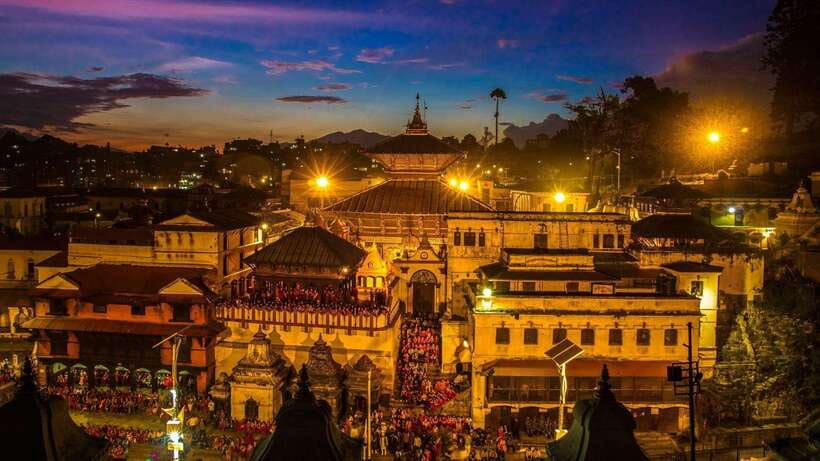
This is a 3-hour experience with hotel pickup and guided time inside the Pashupatinath area. You start with convenience, because you do not need to figure out transport at dusk. Instead, you meet your guide and head toward Pashupatinath in a private, air-conditioned vehicle.
Pickups are offered from three areas in Kathmandu, including Boudhha and Thamel, plus a city-center option. Drop-off is handled afterward to Kathmandu, Thamel, or Boudhha. If you are staying farther from the city center, there may be an extra charge, so it is worth double-checking where your hotel sits.
Once you arrive, you get a guided temple visit paired with sightseeing time. This matters because Pashupatinath can feel like a maze if you show up alone. A good guide helps you understand where to stand, what you are looking at, and what is happening next in the ritual.
Then comes the main event: you watch the Aarti from the riverside area. Your exact viewing position depends on crowd flow, timing, and rules in that moment, but the best part of booking a guided tour is that you are not left guessing. In busy evenings, having an organized plan for where to wait can make the difference between a good view and a constant shift of your neck.
The evening ends without rushing you through a checklist. You get the ritual experience first, then your transportation takes you back to your starting zone.
Crowds, Seating, Dress Code, and Other Things That Actually Matter
This tour is famous for its calm spirituality, but it can also be crowded. Weekends and festival days tend to bring a lot of people, so arriving at the right time and listening to your guide about positioning is your best move.
Dress is not optional here. You will want modest clothing that covers shoulders and knees. This is a sacred Hindu site, and dressing appropriately helps you move through the area without unnecessary friction.
Expect incense smoke and chanting. If you are sensitive to smoke or sound, take it seriously. Bring a layer for evening air, but also be ready for the environment to be intense in the best way.
Photography is generally allowed, but you should stay respectful during the ritual. That means lowering your phone when people are chanting, not stepping into active worship zones, and giving the moment space to breathe.
The biggest “crowd reality” tip is this: do not wait until the last minute to settle in. The Aarti starts around 6:00 to 6:30 PM, and once the crowd forms, your movement becomes limited. A guide who knows how to place you can help you get a better seat, like the kind of practical help you will hear about from guides including Razz on busy nights.
More to compare around Kathmandu
- Kathmandu: 7 UNESCO Sites with Lunch
★ 4.8 · 744 reviews - Everest Base Camp Helicopter Tour landing at Everest View Hotel
★ 5.0 · 668 reviews - Kathmandu: Local Women-Led Nepali Cooking & Momo Class
★ 4.9 · 360 reviews - Manaslu Circuit Trek
★ 5.0 · 292 reviews
Price and Value: What You Pay, What You Still Need to Cover
The price is $22 per person for the 3-hour tour. For Kathmandu, that is a reasonable match to what you actually get: hotel pickup and drop-off by private vehicle, an English speaking tour guide, and air-conditioned transportation, plus all taxes.
Here is the part that can surprise people. The monument entry fee is not included. You pay NPR 1,000 per person on the day of your visit. The tour also mentions skipping the ticket line, which is helpful when you just want to get to the riverside quickly.
Also remember that meals and personal expenses are not included. If you are hungry beforehand, grab a light dinner near your hotel before you head out. This lets you focus on the ceremony instead of searching for food during peak crowd times.
Finally, check whether your pickup will add a fee. Outskirts of the city center may cost more. If you are staying on the edge of Kathmandu, confirm it early so the final bill does not change your budget plan.
Bottom line on value: you are paying mainly for timing, access support, and a guide who explains what the ritual means. If you want the event but also want to understand it without getting lost, this price can feel like a good deal.
Who Should Book This Evening Aarati Tour (And Who Might Not Love It)
This tour is a strong fit if you want a spiritual experience that is still understandable for non-specialists. The ceremony has a clear structure, and the guide helps you connect symbolism to real practice, including what the lamps and prayers are communicating.
It is also a good match if you like cultural context. One of the standout themes from guides who run this tour is explaining Hindu beliefs in a way that makes sense, and in some cases adding broader regional context too. That extra layer helps you notice details instead of treating the evening like a show you watch from the outside.
You might want to think twice if you need quiet, personal space, or easy mobility. This is a crowded religious area, and you will be dealing with incense smoke, chanting, and tight viewing conditions.
And if you are set on entering the main temple area, plan accordingly. Non-Hindus are not permitted inside the main temple. You can still see the Aarti from the Bagmati River banks, but if your priority is temple interior access, this format will not fully meet that goal.
Final Call: Should You Book This Evening Aarati Tour?
I would book this if you want an evening ritual experience with guidance, not just a sightseeing stop. The Bagmati River-side Aarti is the headline, and the guide support turns it into something you understand while it happens.
Choose it especially if you can handle crowds and a little smoke in the air. Bring your best patience, dress modestly, and listen to where your guide wants you to stand.
Skip it only if you are chasing a quiet, minimalist experience or if you need indoor temple access as a non-Hindu. Otherwise, this is one of those Kathmandu evenings where the city feels intensely alive, and the spiritual meaning comes through through both sound and light.
FAQ
What time does the evening Aarti start?
The Aarti usually starts around 6:00 to 6:30 PM, though timing can vary by season.
Where do hotel pickups happen?
You can be picked up from Kathmandu, Thamel, or Boudhha. If you are staying outside the city center, an additional fee may apply.
Can non-Hindus enter the main temple?
Non-Hindus are not permitted inside the main temple. You can watch the Aarti from the Bagmati River banks.
What is included in the tour price?
The price includes hotel pickup and drop-off, a professional English speaking guide, private air-conditioned transportation, and all taxes.
What is the monument entry fee?
The monument entry fee is NPR 1,000 per person, and it is not included in the tour price.
What is the cancellation policy?
You can cancel up to 24 hours in advance for a full refund.
Latest Kathmandu write-ups
- 16 Days Island Peak Climbing With Everest Base Camp Private Trip★ 5.0 · 3 reviews
- 15 Days Round Annapurna Trek with Poon Hill from Pokhara★ 5.0 · 5 reviews
- Private Nepal round trip including Ghorepani Poonhill trek★ 5.0 · 3 reviews
- Everest Base Camp Trekking 16 Days★ 4.0 · 7 reviews
- 14 Days Luxury Annapurna Base Camp Trek★ 5.0 · 6 reviews
- Everest Base Camp Trek★ 5.0 · 32 reviews
- Everest Base Camp Trek★ 5.0 · 87 reviews
- Everest Base Camp Trek★ 5.0 · 97 reviews
Pashupatinath Temple, compared.
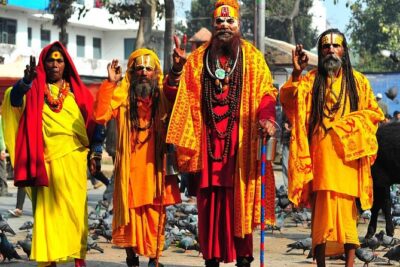
Kathmandu Spiritual Sites: Bodhnath & Pashupatinath Tour
Read our review →
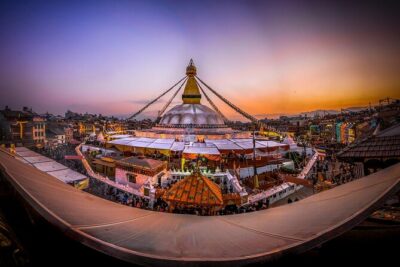
PashupatiNath and BoudhaNath – Private/Small Group
Read our review →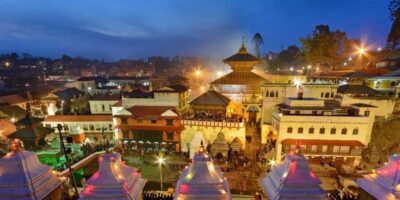
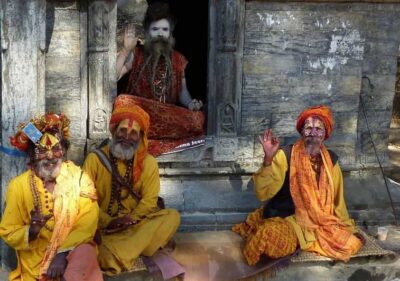
Pashupatinath: Evening tour of temple and Aarati ceremony
Read our review →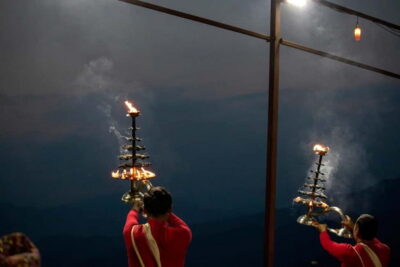
Browse the lists this tour appears in