
Reviewed · WORKSHOPS
Knife Khukuri Making Workshop
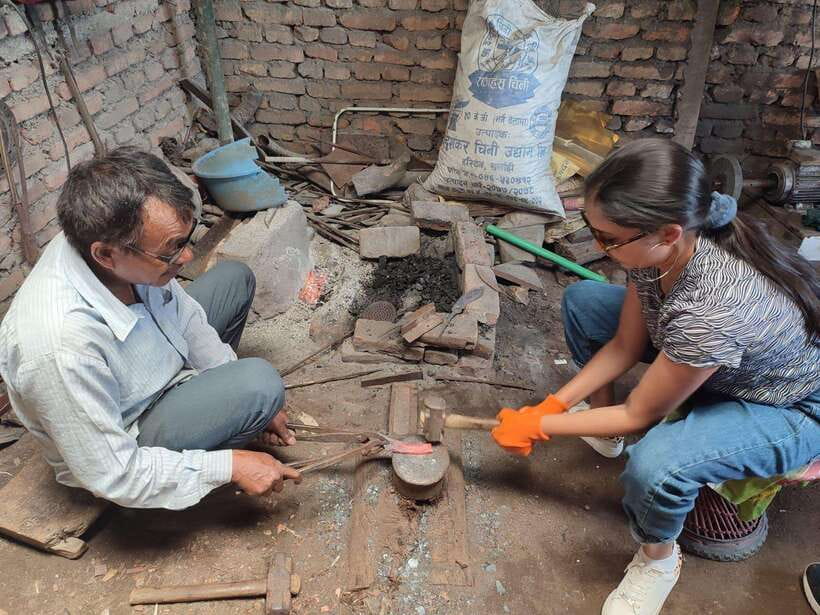
In Kathmandu, few activities let you leave with a real tool you helped create, and the khukuri workshop is one of them. It is a focused 4-hour session where you shape a small 6-inch blade, then take the knife home as a souvenir you can actually use.
I love the hands-on hammering part, where you turn raw iron toward the khukuri shape instead of just watching. You also get the story, from the khukuri as a symbol of loyalty and Gurkha warrior culture to practical blade details, like the slightly curved tempered steel and the nick near the handle. One drawback to plan around: you do not grind or sharpen the blade yourself, because the host handles the spark-heavy steps for safety.
Key Things You Will Notice
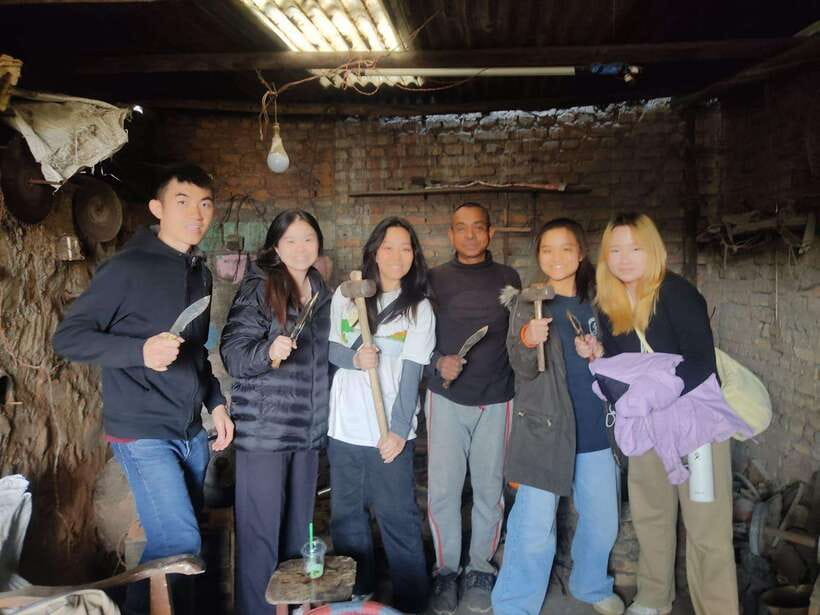
- A real blacksmith workshop, led by a maker with 40-plus years of knife experience
- Hands-on hammering and first grinding, with the rest handled by the host
- Cultural context while you work, including what the khukuri symbolizes for hill tribes
- A 6-inch finished knife, plus a knife cover, made from tempered steel
- Small group size (up to 5), so your questions get answered in plain English and Hindi
Why the Khukuri Matters Before You Lift the Hammer
A khukuri is not just a knife shaped like a knife. In Nepal, it is tied to loyalty and Gurkha warrior tradition, and it is regarded as traditional across hill tribes. In this workshop, you learn why that matters as you watch the blade take form, instead of treating it like a factory-style souvenir.
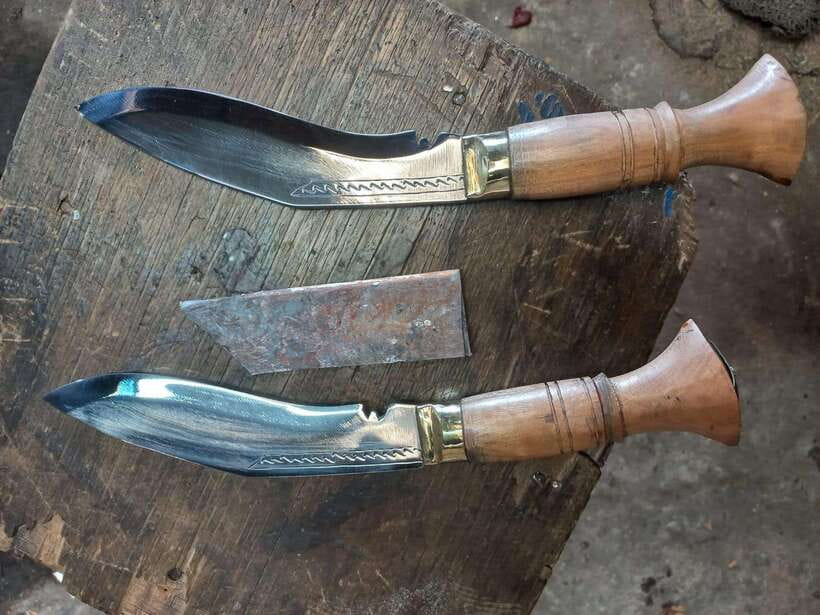
The blade you make is tempered steel, slightly curved, and designed to be exceedingly sharp. It is also meant to be multipurpose. People use it for shaping timber and for chopping meat and vegetables, which is a big reason this workshop feels practical, not purely theatrical.
Even small design details have meaning. The nick near the handle is meant to help keep blood from reaching the handle, and it is also symbolic of the Hindu Trinity of Brahma, Vishnu, and Shiva. When you hear that while you are working, the knife stops being a generic object and starts feeling like a piece of lived culture.
More to compare around Kathmandu
- Kathmandu: Local Women-Led Nepali Cooking & Momo Class
★ 4.9 · 360 reviews - Kathmandu: Traditional Momo Making Class & Pickup
★ 4.8 · 60 reviews - Kathmandu: Local Women-Lead Nepali Cooking & Momo Class
★ 4.9 · 45 reviews
Four Hours, Up to 5 People, and a Master’s Pace
This is a half-day class, scheduled for 4 hours, with a small group limited to 5 participants. That matters because knife-making is physical work and safety work. A small group keeps the pace manageable, so you get real interaction with the blacksmith and the guide rather than being rushed through.
The host (the knife master) is doing this for decades. The workshop is led by a maker with around 42 years of experience, and you may meet a master who has been creating khukuris for 40-plus years. You are not trying to match a lifetime skill in one afternoon, so the workshop is designed so you participate where it is safe and realistic.
English and Hindi support the whole way, with a host or greeter who can translate. In recent experiences, guides such as Namrata, Sajeena, and Swayam have helped guests ask questions comfortably, including questions about meaning, origin, and how the steps connect.
Getting Picked Up and Meeting the Workshop Reality
The experience starts with pickup included. You are collected from the lobby of your hotel, then dropped back after the session. That is a small thing, but it helps in Kathmandu, where moving between neighborhoods can waste time if you are on your own.
Once you reach the smith’s space, you will get settled and introduced to what is about to happen. You are offered tea or water and snacks, so you are not showing up hungry and trying to concentrate while your hands start moving.
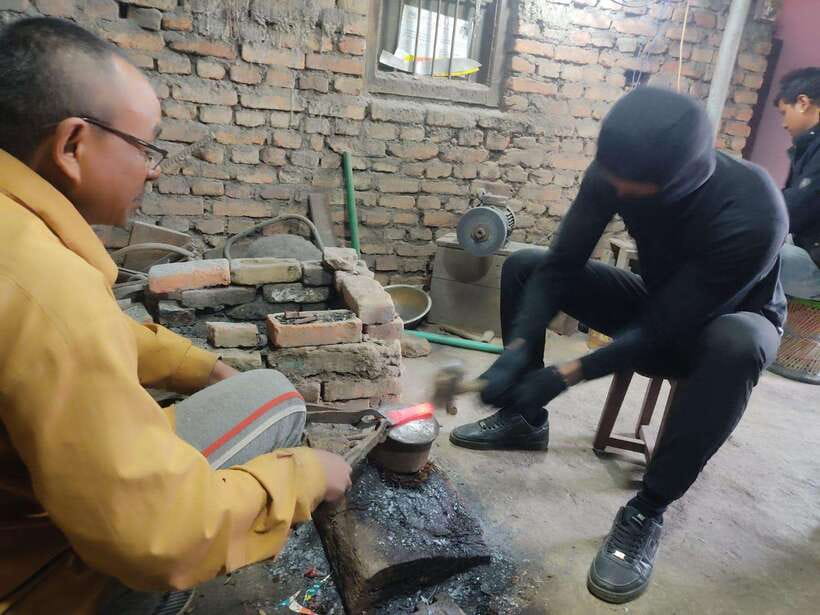
This workshop is designed to be hands-on without being dangerous. The big cue is that the host handles the spark-heavy grinding steps. You will still feel the heat of the process through observation and through your own participation in earlier steps.
Hammering the Iron, Shaping the Blade You Will Take Home
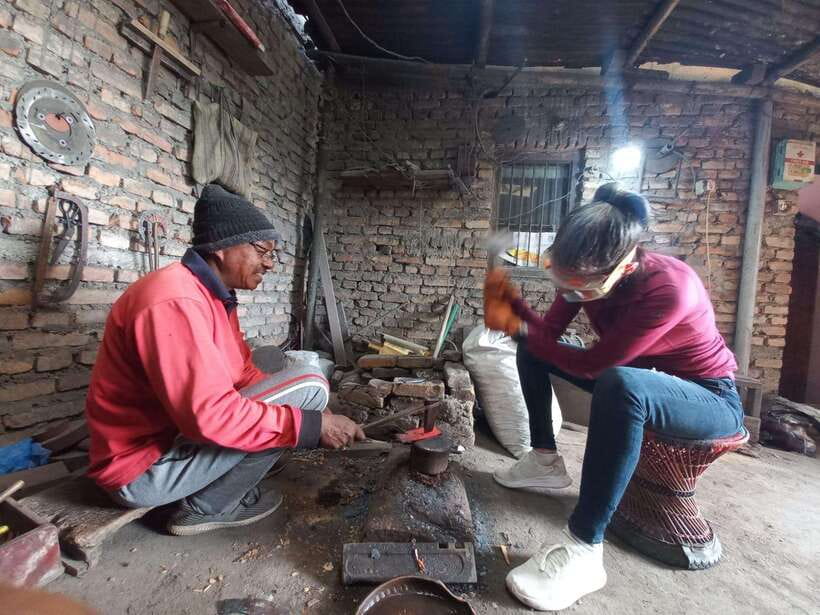
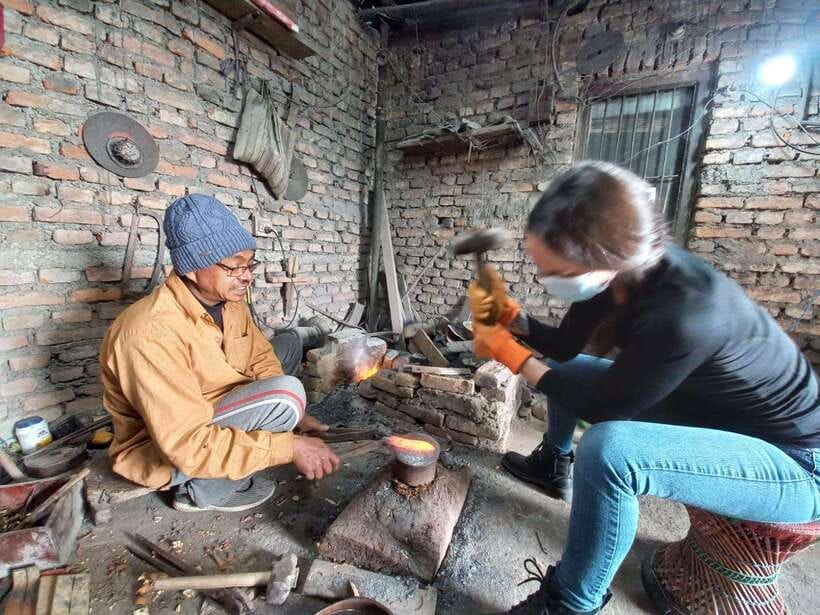
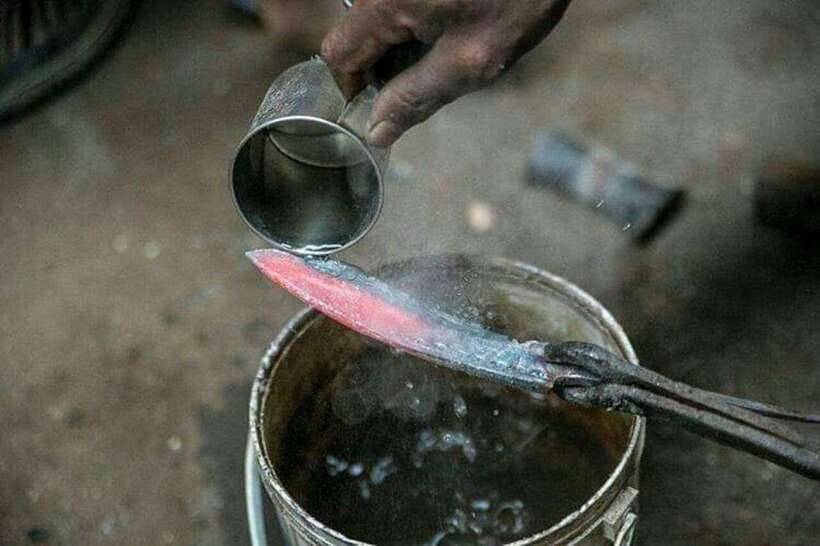
Your main hands-on jobs are hammering the iron and helping with the first grinding. That is the heart of the experience, because it is where the knife turns from metal to form. You are not polishing a finished blade. You are involved while the shape is being created.
The process starts with a raw piece of iron. You then cut and hammer it toward the khukuri blade silhouette. A khukuri is known for its slightly curved profile and distinctive character, so you will likely see the maker adjust angles and proportions as the metal changes.
For safety reasons, you do not control the hottest, most intense grinding moments. Still, the experience stays engaging because you are not reduced to passive watching. You actively participate in steps that move the work forward, which is why people leave with both a knife and a sense of how it was born.
A different sort of day out of Kathmandu:
- Kathmandu: 7 UNESCO Sites with Lunch
★ 4.8 · 744 reviews - Everest Base Camp Helicopter Tour landing at Everest View Hotel
★ 5.0 · 668 reviews - Manaslu Circuit Trek
★ 5.0 · 292 reviews - Kathmandu: Food and Drink Walking Tour
★ 4.9 · 292 reviews
First Grinding and Watching the Skilled Steps Happen
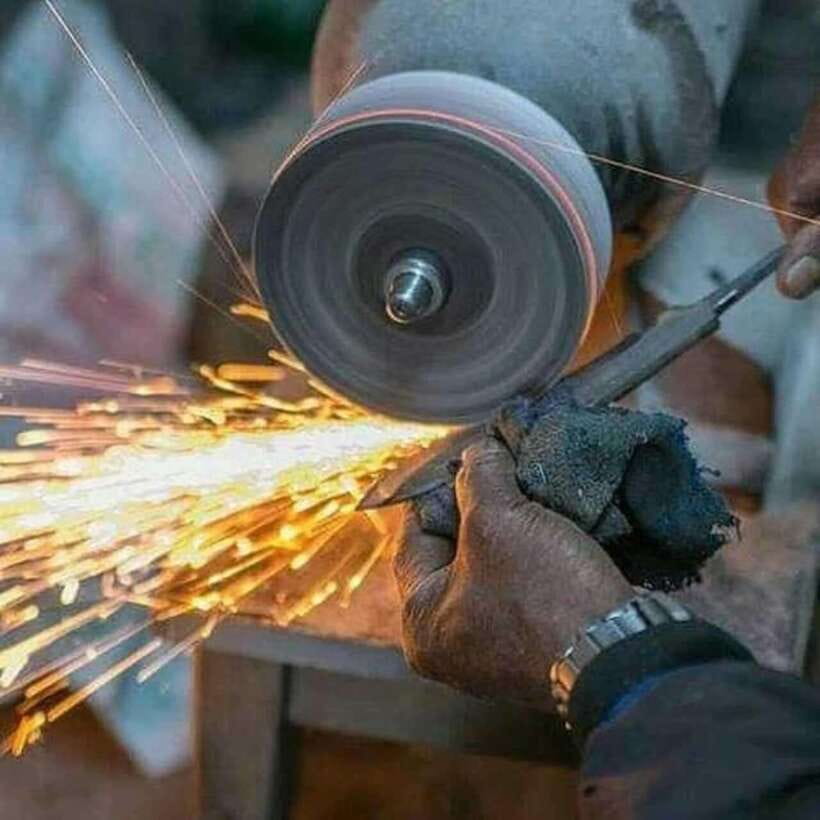
Grinding is where metal-making gets real. For you, that first grinding is included, and it helps you understand how the blade’s edges and curves take shape. It also teaches you that shaping metal is not just about force. It is about control, repetition, and timing.
The host takes over the later grinding and sharpening steps. You may be able to watch these moments closely, but you are specifically advised to stay clear of sparks during blade grinding. That is not just legal fine print. It is the practical reason the workshop can safely offer a hands-on experience at all.
A good guide will also help you connect what you see to what you are doing. This is where having an English-speaking guide can pay off. When the guide explains what each stage is aiming for, your knife-making stops being random motions and becomes a sequence you understand.
Tempered Steel, Handle Choices, and the Knife Cover
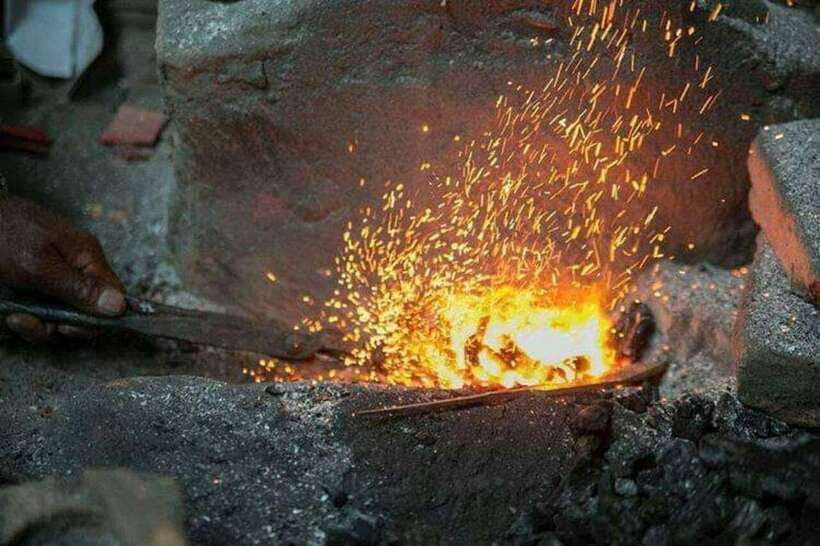
What you make is a small 6-inch blade. You start smaller than the big field-size khukuris people associate with the Gurkhas, but the meaning is the same. A compact blade still teaches you the core technique and the identity of the khukuri style.
The handle is typically wood or buffalo horn. In this workshop, you will get a finished knife and a knife cover included. If you want a horn or bone style cover, that can be made for an extra cost, but it is not part of the base package.
This matters for value because the cover helps keep your knife protected, which is what you will care about the moment you start packing. A sharp souvenir needs a safe plan, and having a cover included is a practical win.
Price and Value: What $73 Actually Buys You
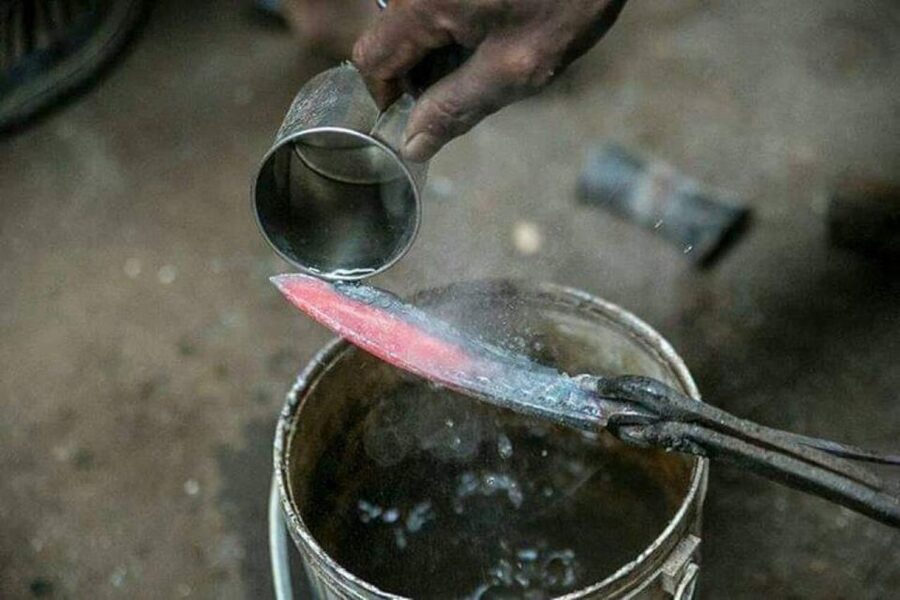
At $73 per person for a 4-hour workshop, you are paying for more than a moment of entertainment. You are paying for access to an artisan, tools, and the time it takes to teach safe participation in a craft that usually takes years to master.
You get:
- Pick up and drop off
- Tools required for the process
- Knife cover
- Tea or water and snacks
- Small group attention
- A chance to do hammering and first grinding while the master handles the hard, spark-heavy parts
That split is important. If you tried to copy every step yourself, it would be unsafe and you would probably end up with a disappointing knife. Here, you participate in the steps that make you feel connected, while the host protects the end result.
Also, the ride quality is rated very well. Transport gets strong marks, including a figure showing 86% of ratings were perfect. That reduces the chance you waste time worrying about logistics.
Who This Workshop Fits Best in Your Nepal Plan
This is a great choice if you want an authentic Kathmandu experience that is hands-on and grounded in a living craft. It suits you if you like practical learning, enjoy meeting local artisans, and want to do something that feels tied to people, not just buildings.
You might love it if:
- You want a meaningful souvenir you can actually use
- You enjoy asking questions about culture and tools, not just watching
- You prefer small-group experiences where you can talk with your guide
It might not fit if you hate anything hands-on or you want a purely passive activity. Also, it is not suitable for children under 10 years, so plan accordingly if you are traveling as a family.
One more practical tip: wear long pants. You are working in a real workshop environment, and you want full coverage for comfort and safety.
Should You Book This Khukuri Making Workshop?
I think you should book it if you want a small-group craft experience in Kathmandu that results in a real knife, not a just-a-photo memory. The best part is the balance: you do real steps like hammering and first grinding, while the blacksmith handles the risky and precise work.
If your goal is a very casual, low-effort activity, you might find the workshop too active and technical. But if you are willing to follow instructions and keep clear during spark-heavy stages, this is one of the most satisfying ways to spend a half day.
FAQ
How long is the Knife Khukuri Making Workshop?
The workshop duration is 4 hours.
Where does the workshop take place?
It takes place in Bagmati Zone, Nepal.
How much does it cost?
The price is $73 per person.
How many people are in the group?
It is a small group limited to 5 participants.
What languages are used?
The host or greeter speaks English and Hindi.
What parts of the process will I do myself?
You will be involved in hammering the iron and the first grinding. The host will do other steps for safety, including spark-heavy grinding.
Will the host handle the grinding and sharpening steps?
Yes. For safety reasons, the blade grinding will only be done by the host and you are advised to stay clear of the sparks.
What should I bring?
Bring long pants.
Is pickup and drop-off included?
Yes. You will be picked up from your hotel lobby and dropped back after the experience.
FAQ
Is a horn or bone cover included?
A knife cover is included. A horn or bone cover can be made for an extra cost.
Is this workshop suitable for kids?
It is not suitable for children under 10 years.
Latest Kathmandu write-ups
- 16 Days Island Peak Climbing With Everest Base Camp Private Trip★ 5.0 · 3 reviews
- 15 Days Round Annapurna Trek with Poon Hill from Pokhara★ 5.0 · 5 reviews
- Private Nepal round trip including Ghorepani Poonhill trek★ 5.0 · 3 reviews
- Everest Base Camp Trekking 16 Days★ 4.0 · 7 reviews
- 14 Days Luxury Annapurna Base Camp Trek★ 5.0 · 6 reviews
- Everest Base Camp Trek★ 5.0 · 32 reviews
- Everest Base Camp Trek★ 5.0 · 87 reviews
- Everest Base Camp Trek★ 5.0 · 97 reviews
Workshops, compared.
Nepalese Momos or Dal Bhat Cooking Class (Cook with Delight)
Read our review →
Nepalese Kitchen in Pokhara: Momos or Dal Bhat Cooking Class
Read our review →
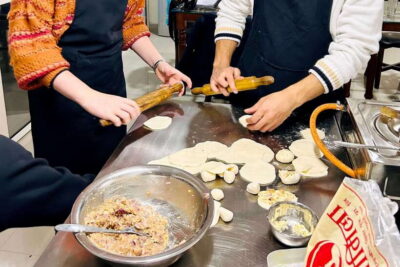
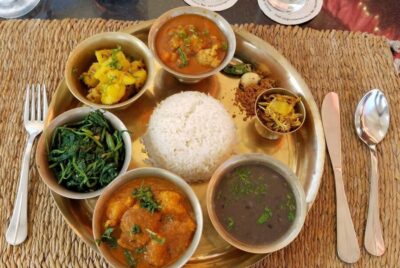
MoMo or Dal Bhat Cooking Class at Aama Kitchen in Pokhara
Read our review →Browse the lists this tour appears in