
Reviewed · MANASLU CIRCUIT TREK
Manaslu Circuit Trek
Manaslu Circuit is interesting because it trades big-crowd trekking for a quieter, wilder route where you earn your views, then get rewarded with glaciers, prayer flags, and that long alpine feeling at altitude. I love the way the trail layers scenery, from river crossings and waterfalls to high-mountain passes. You’ll also notice the route stays grounded in real village life, not just scenery.
A second thing I like is the human side. Outshine Adventure’s team includes guides such as Nabu and Bikash, and their focus on pacing and practical decision-making shows up in how they look after you. One consideration: Kathmandu monuments have entrance fees that are not included, so plan a little extra if you want to go inside everything you see.
Quick highlights for the Manaslu Circuit with Outshine Adventure
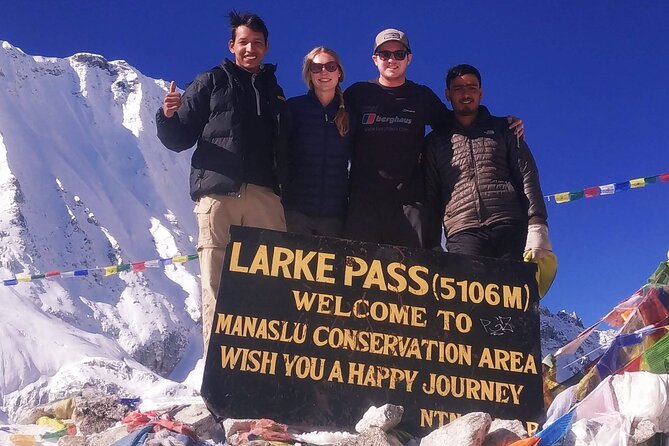
- Larkya La Pass crossing on a rugged day, followed by big descents toward Gho and Dharapani
- Acclimatization time in Samagaon and Samdo, with optional side trips for base camp and Punggen Gompa
- Permits handled for Manaslu Special Permit and conservation-area paperwork, so you do not juggle admin
- Comfort-supported trekking, with all standard meals included and good guesthouse/lodge options
- In-the-mountains guidance from Nabu and Bikash, including support when fitness is tight
- Kathmandu heritage morning options, pairing Swayambhu, Durbar Square, Boudhanath, and Pashupatinath with private transport
Manaslu Circuit Trek: the kind of altitude adventure you can plan for
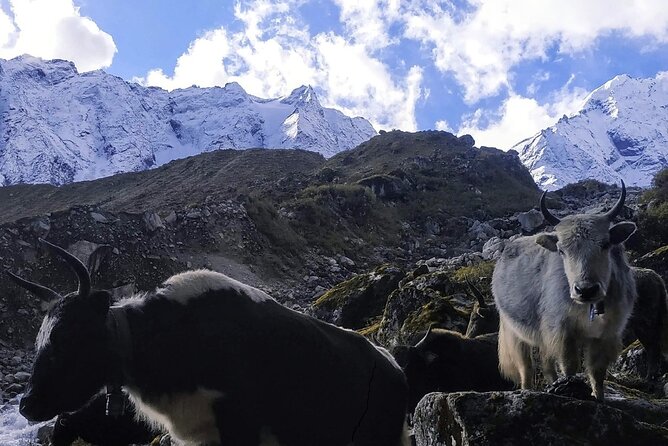
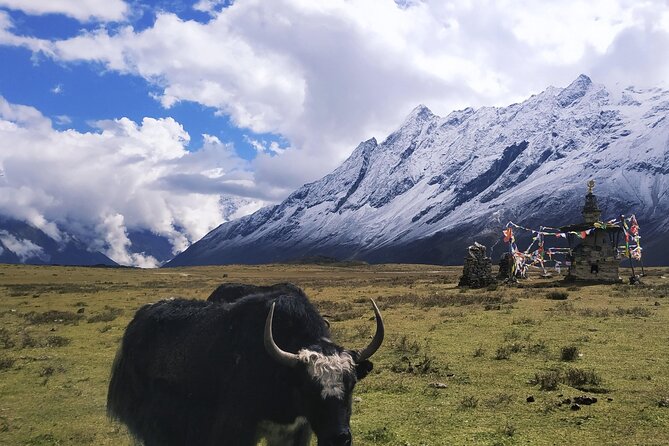
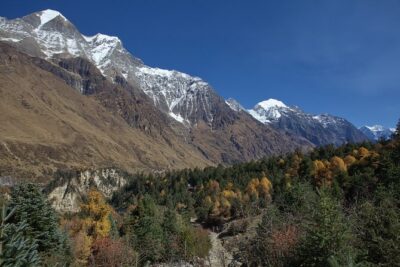
Manaslu Circuit sits in a sweet spot for hikers who want high-mountain drama without the constant “tour bus” vibe. The route climbs into the Manaslu region around the 8,156m level, but the real magic is how it feels at the human scale. You walk through forests, across suspension bridges, and past glacier-fed rivers, then gradually reach that thin-air world where every turn brings sharper peaks.
What makes it especially appealing is the balance between exertion and recovery. The trek includes a rest-focused day in Samagaon for acclimatization, plus an extra short hike to Samdo. That matters because altitude does not care about good intentions. If you’ve never hiked above 3,000m before, you’ll be glad the plan builds in breathing room rather than forcing you to “just push through.”
You do need moderate fitness. The trek is not described as a walk-in-the-park route. Expect long days, real climbs, and loose rocky sections around the pass area. If you can hike uphill for hours at home, you’re already halfway there.
More of the Manaslu Circuit:
- Manaslu Circuit Trek
★ 5.0 · 292 reviews - Manaslu Circuit Trek
★ 5.0 · 184 reviews - Manaslu Circuit Trek:
★ 5.0 · 106 reviews
Price and value: what $1,575 buys you in real life
The listed price is $1,575 per person for about 17 days. On paper, that can look like a lot. In practice, it’s easier to judge when you see what is already bundled.
Here’s what you’re getting without extra add-ons that often surprise people:
- Private airport and hotel transfers in Kathmandu
- Standard hotel accommodation in Kathmandu for 3 nights
- A guided Kathmandu city tour by private car
- All standard meals during the trek (breakfast, lunch, dinner as listed)
- Guesthouse and lodge accommodation during the trek
- A local licensed English-speaking guide, plus porters for luggage
- Manaslu trekking permits and the required conservation-area permits
- Down jacket and sleeping bag provided by Outshine Adventure if needed
- Local staff support, including food, accommodation, salary, insurance, and equipment for trekking staff
- Government taxes included
To me, the value is strongest in three spots: permits, logistics, and support in the field. Manaslu region permits are not just paperwork trivia, they are part of what keeps the trek legitimate and organized. Private transport and a guided Kathmandu leg reduce wasted time in a place where roads, traffic, and ticket lines can wear you down before the hiking even begins. And having a trained guide plus porters means you spend your energy on the trail, not on carrying everything you own.
The one cost warning that is clearly spelled out: Kathmandu monument entrance fees are not included. If you plan to go inside lots of sites, budget for that.
Kathmandu setup (Days 1 to 2): heritage mornings before the mountains
Your experience starts in Kathmandu with an airport representative holding a name plate for Outshine Adventure. After you settle into your hotel, you get documentation and a quick info session at their company. That step may sound boring, but it’s the kind of boring that prevents problems later.
Then you get two mornings of Kathmandu culture, paced like a trek warm-up rather than a sprint:
- One day includes Swayambhunath (Syambhunath and Swayambhu Mahachaitya are listed), plus Kathmandu Durbar Square, Boudhanath, and Pashupatinath.
- You start around 9 am for the sightseeing day and also have afternoon time for equipment shopping or trip prep.
I like this structure because you don’t come straight from the airport and jump into a marathon of temples. You ease in, see iconic sites, and you still have time to handle practical needs, like buying last-minute trekking items.
Just remember: the sightseeing entrance fees in Kathmandu are not included, so the more “inside visits” you do, the more that adds up.
Getting to the trail (Days 3 to 5): from Kathmandu roads to Sal forests and hot springs
Once you leave Kathmandu, the trek becomes real fast. You drive toward Soti Khola via Arughat. This is a long day of transport, but it matters because it puts you close to where hiking begins, without you having to figure out buses and transfers on your own.
From Soti Khola, the trail work starts:
- You cross a bridge, then trek through Sal forests, with a rugged trail that includes waterfalls and ups and downs.
- You pass rice terraces, reach Labubesi, and continue toward Machha Khola.
- Suspension bridges show up on this early stretch too, which is a nice preview of what’s coming later.
On Day 5, you move deeper into the Manaslu region. The route is described with narrow trails and crossings like Tharo Khola, then Khorla Besi, and Tatopani. Tatopani is a standout because you get a small hot spring stop. After cold mornings at altitude, a hot spring moment is one of those simple pleasures that feels earned.
You also cross the Budhi Gandaki River on a suspension bridge, then keep climbing up to Jagat. By the time you reach Jagat, you’re no longer just “on a hike.” You’re in a proper trekking rhythm.
More to compare around Kathmandu
- Everest Base Camp Trek – 14 Days
★ 5.0 · 1,499 reviews - Everest Base Camp Trek
★ 5.0 · 842 reviews - Private Kathmandu Sightseeing Tour | UNESCO World Heritage sites
★ 5.0 · 756 reviews - Kathmandu: 7 UNESCO Sites with Lunch
★ 4.8 · 744 reviews
Budhi Gandaki valley days (Days 6 to 9): bridges, forests, and the first big mountain reveals
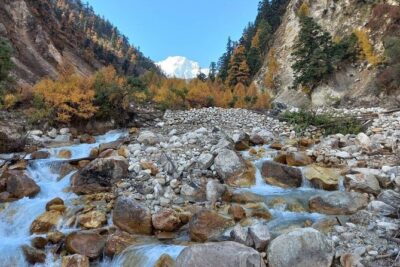
These mid-days are the bread-and-butter of the Manaslu Circuit. You’re walking through river valleys where the Budhi Gandaki system keeps showing up, often via suspension bridges and repeated crossings.
Highlights you can expect:
- Day 6 moves from Jagat toward Deng, including Salleri, Sirdibas, hanging bridge sections, and waterfall scenery.
- The trail also has river crossing moments, including sections where you cross the river more than once.
- You pass places such as Ekle Bhatti and Pewa, then reach Deng.
Day 7 pushes you from Deng to Namrung. This is where you start seeing a lot of lush greenery mixed with narrow gorge terrain. It’s not just pretty. It also gives your eyes a break between climbs, and that matters when you’re tired.
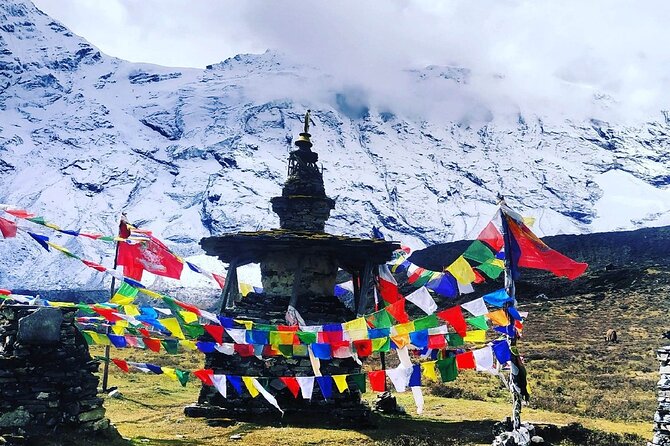
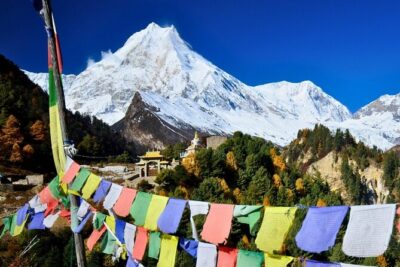
By Day 8, the scenery shifts into high-alpine sightlines. You get views of peaks such as Mt. Manaslu, Gorkha Himal, Saula Himal, Dwijen Himal, Lajing peak, and Rupina La Pass area. You also see cultural markers like chortens, prayer flags, and mani walls. This combination is what makes the Manaslu Circuit feel both wild and inhabited.
Day 9 takes you onward to Sama Gaon following the right bank of a river, with more peak views along the way.
Samagaon and Samdo: where your acclimatization does the heavy lifting (Days 10 to 12)
This is the part of the plan I’d call the smartest. You get extra time in Samagaon for acclimatization, including a suggestion to rest more than one night. That rest is not wasted time. It’s what helps your body adjust so the later pass day is less punishing.
From Samagaon, you can take a short trip to Manaslu Base Camp or Punggen Gompa, depending on your energy and how you feel. Either way, you’re aiming for views without overloading your system.
Day 11 is a short and easy trek to Samdo. You cross mani walls and juniper bushes, ascend toward a ridge, then descend to an old wooden bridge crossing before reaching Samdo Village for a night.
Day 12 continues with another short and easy day, descending toward and bridging, then slowly ascending toward the Dharamsala area. It’s a good day to move steadily and not race the clock.
If you’re new to altitude trekking, this section is where you should pay attention to your body, hydrate consistently, and avoid “I feel fine” bravado. The plan gives you room to adjust.
Larkya La Pass and the long descent days (Days 13 to 15): the hardest work, best rewards
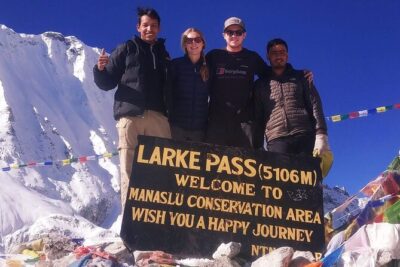
Day 13 is the big day. You wake early and start ascending toward Larkya La Pass, described as a rugged path. This is where the trail stops being gentle and starts being serious.
The good news is that the plan gives you a view reward. You’re told to expect breathtaking mountain scenery from the pass area, then you continue toward Bimthang with a descent on loose rocky trail.
After that, the route turns into long descending work:
- Day 14 descends down all the way to Gho, with the trail descent described as around 6 hours.
- Day 15 continues the descent to Dharapani, described as around 4 hours.
This matters because descending can be harder than it feels. Your knees do the talking. If you’re someone who usually loves uphill but hates downhills, this is where you’ll want trekking poles and good footwear habits. Your guide and porters help you manage the practical side, but your legs still do the work.
The Kathmandu return (Days 16 to 17): reset, then go home
On the final trekking day, you descend to Dharapani area and then transition back toward Kathmandu. You reach Besishahar and continue onward. Day 16 includes a long travel stretch, then you move to your hotel and rest, with a farewell dinner.
Day 17 is airport transfer depending on your flight time. You’re sent back to the meeting point area in Kathmandu after breakfast, and then it’s time to head home.
A farewell dinner is not a small thing. Trek life is repetitive in a good way, walking, eating, resting. A proper last meal helps you close the loop and keeps your head in a happy place instead of rushing out hungry.
Lodges, meals, and what your daily routine will feel like
The trek is built around guesthouses and lodges, and you’re covered for standard meals during the trek. That means you don’t need to hunt for food every day, and you can focus on walking and acclimatizing.
In practice, your day will likely follow a rhythm:
- Start after breakfast, walk with breaks
- Reach a village with a lodge
- Eat dinner, then sleep and recover
Because the experience includes meals (with breakfast counts listed through the days of trek), you can plan your snack strategy without wondering if dinner will be hard to find. Still, personal items are not included, so cold drinks, alcoholic drinks, and laundry are on you.
Also, tips for trekking staff and driver-tipping are expected. This is one of those “small budget reality” items that is better to plan for early, so it does not catch you off guard at the end.
Permits and planning: the hidden reason group treks feel easier
Manaslu is not the kind of place you want to wing. This experience includes:
- Manaslu Special Permit
- Trekking Permit
- Manaslu conservation park permits
Having permits handled is a major value point. It reduces uncertainty and keeps you focused on the trail. It also reduces the chance of bureaucratic delays when you’re already tired from travel.
Your guide also checks permits during the trek, which means you do not have to carry the mental load of getting it right.
Guides and people: why Nabu and Bikash stand out in practice
The best part of a trekking trip is often the people who manage your safety and sanity when things get tough. Here, the experience includes local licensed English-speaking guiding, and the names that show up strongly are Nabu and Bikash.
What I like about this kind of guidance is how it shows up under real pressure. One review mentions Bikash weighing whether it was sensible to keep going or get a heli if needed, especially when fitness was not where it should be. That’s a big deal. A good guide does not just keep moving. They assess, adapt, and protect the group.
Nabu also gets named with praise, alongside fantastic porters. Porters matter on this route because carrying load makes a difference in how you enjoy the climb, not just how you survive it.
Finally, communication gets credit in the feedback you provided. I’d take that seriously. Trekking success is half planning, half how smoothly things run when weather or logistics shift.
What to pack, and how to train for a “moderate fitness” trek
You’re aiming for a moderate physical fitness level, which is a polite way of saying you should train before you go. The days around Larkya La and the long descent days are the places where bad prep punishes you.
Here’s the practical approach I’d follow:
- Get used to sustained uphill walking, then add some downhill practice to protect knees
- Pack layers for cold mornings, even if your daytime weather feels manageable
- If you’re using the provided down jacket and sleeping bag, confirm you’ll have a correct fit and know how you’ll carry them comfortably
- Bring trekking poles if you use them, because descents on loose trail can be rough
Also, pack with the lodge reality in mind. You want clothes that dry or air out overnight, and you want a small system for keeping warm when the sun drops.
Should you book this Manaslu Circuit trek with Outshine Adventure?
I’d book this trek if you want a well-supported Manaslu Circuit with permits handled, meals and lodging taken care of, and a guide team that takes safety and pacing seriously. The plan’s acclimatization in Samagaon and Samdo is one of the strongest reasons to choose this particular setup. And the Kathmandu add-on gives you a meaningful cultural start without swallowing your entire trip before the mountains begin.
I would think twice if you hate cold mornings, long descents, or if you expect Kathmandu entrance fees to be included. And if you’re looking for a purely independent experience where you set everything yourself, this is not that style. This is a guided, supported trek with porters and structured days, which is exactly why it works for many people.
If you want the Manaslu Circuit done with a crew that sounds organized, speaks English, and can adjust when fitness or conditions change, Outshine Adventure is a solid choice.
Latest Kathmandu write-ups
- Langtang Valley Trek★ 5.0 · 3 reviews
- Langtang Valley Trek from Kathmandu★ 5.0 · 3 reviews
- Khopra Danda Trek★ 5.0 · 3 reviews
- 5 night / 6 days Kathmandu Nagarkot Chitwan Pokhara tour★ 5.0 · 3 reviews
- Nepal Highlights Tour: 5 Nights 6 Days Kathmandu & Pokhara Tour★ 5.0 · 3 reviews
- Kathmandu Valley Private Day Tour★ 5.0 · 3 reviews
- Kathmandu Heritage Day Tour★ 5.0 · 3 reviews
- Conquer the Himalayas: The Ultimate 16-Day Annapurna Circuit Trek★ 3.5 · 3 reviews
Manaslu Circuit Trek, compared.
Manaslu Circuit Trek 8th Highest in the World
Read our review →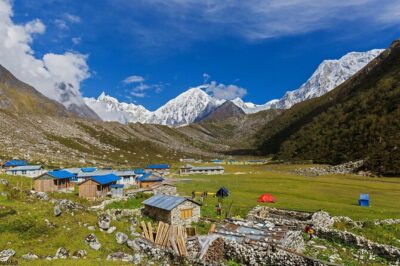
Private 12-Day Manaslu Circuit Trekking in Kathmandu
Read our review →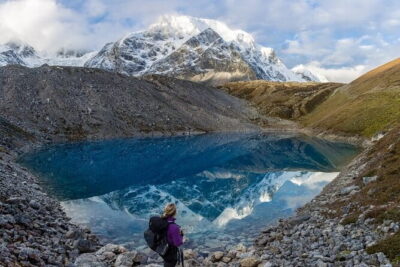
Manaslu Circuit Trek to the Beauty of 8th Highest Mountain
Read our review →Browse the lists this tour appears in