
Reviewed · MANASLU CIRCUIT TREK
Manaslu Circuit Trek
The Manaslu Circuit trek is interesting because it strings together mountain drama, real village culture, and Buddhist sites over a route that still feels human sized. I love the Larkya La Pass views, and I love the chance to visit Pungyen Gompa and see how locals practice Buddhism.
One consideration: this is a long, physically demanding circuit with high altitude. You will want to take the acclimatization time seriously, because the long days start early and do not really stop.
Key highlights to know before you go
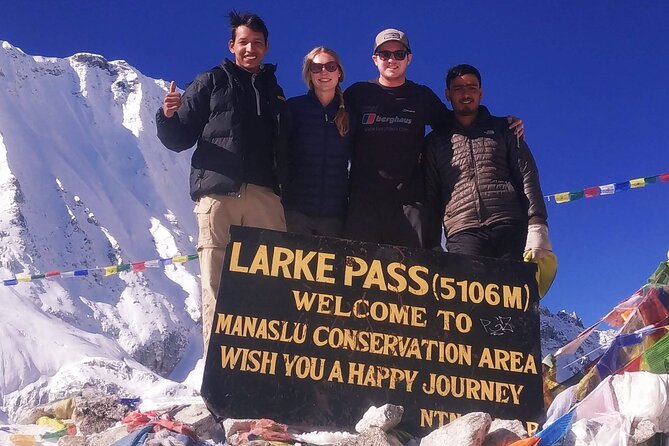
- Larkya La Pass timing and views: you reach the top and get about 30 minutes up there with close-up Manaslu views plus Annapurna 2, Cheu Himal, and Himlung Himal.
- Hot-spring break at Tatopani: a real recovery moment during the early stretch.
- Gompas and monastery visits: Pungyen Gompa and the Ribung Monastery area add cultural depth to the trekking days.
- Clear altitude plan: built-in acclimatization days include time around Samdo and Dharmashala near 5,000m.
- Practical support: a licensed English-speaking guide, a porter, first aid box, rescue management service, and rented sleeping bag and down jacket.
Manaslu Circuit Trek in plain terms: what makes it worth the effort
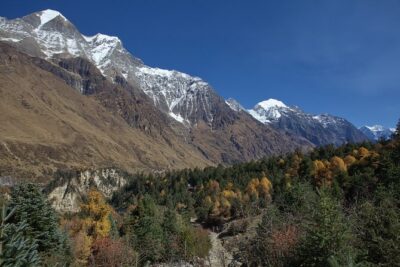
The Manaslu Circuit is for you if you want big Himalayan scenery plus lived-in culture, not just photo stops. The route moves through villages and terraced fields, then climbs into colder, thinner air, then drops back down into warmer valleys again. That full “up and over, then back to life” rhythm is what makes the trek feel like a complete experience.
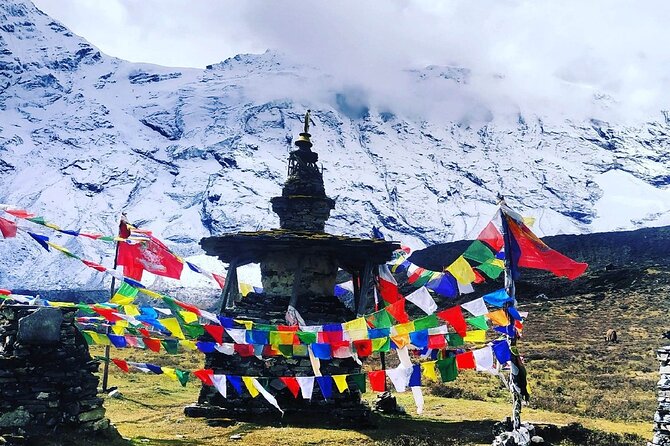
You also get a satisfying mix of natural and cultural stops. Early on, you get river crossings and forests, then you hit hot springs. Later, the monasteries and mani walls give the trek a more spiritual, local feel, especially around Samagaon and the area of Pungyen Gompa.
The part people remember most is Larkya La Pass. You are not just going up to a number on a map. You get an actual pass viewpoint moment with a wide view of major peaks, including Himlung Himal, Cheu Himal, and Annapurna 2.
The main drawback is simple: it is a lot of hiking days. Expect long days and real altitude pressure. If you are not comfortable with steady uphill walking for hours, you will feel it. The good news is the route and schedule include acclimatization time so you are not thrown straight into the highest section.
More of the Manaslu Circuit:
- Manaslu Circuit Trek
★ 5.0 · 292 reviews - Manaslu Circuit Trek
★ 5.0 · 184 reviews - Manaslu Circuit Trek:
★ 5.0 · 106 reviews
Kathmandu arrival and UNESCO sightseeing, then straight into trekking mode
Your trek starts with a Kathmandu setup that makes the first day less chaotic. When you land, Nepal Mountain Trekkers meets you at Tribhuvan International Airport and transfers you to the hotel, listed as Hotel Green Horizon in the program. You also get time to settle in and spend the evening around Thamel, which is where most trekkers find basic supplies and get their bearings fast.
On the next day, you meet the team at the Nepal Mountain Trekkers office in Pyramid Galli. Then you move into Kathmandu sightseeing at UNESCO sites with a licensed guide and a car or jeep depending on group size. The key stops are Kathmandu Durbar Square, Swayambhunath Stupa, Pashupatinath Temple, and Boudhanath Stupa. This matters because it grounds your trip in the real Nepal you are moving through, not just the mountain part.
I also like that the Kathmandu days feel structured but not overpacked. You get introductions, trekking prep, and time to rest. That matters when you are about to trade city comfort for cold mornings and long walking days.
The long road days: why they matter for comfort and safety
Before you even start serious foot travel, you spend significant time on the road. The program includes a longer drive out of Kathmandu to the trail entry area, with road time described as about 8 to 9 hours in the overview, and later a long drive toward the first major trekking settlement around Maccha Khola with a listed duration of about 12 hours.
These long drives are not filler. In this region, the road is part of how you access the trails safely and efficiently. But they do mean you should travel well-prepared. Plan for early starts, bring a layer for the vehicle, and expect that the first trekking days will feel busy because your body has already spent hours seated.
First trekking beats: rivers, forests, Gurung villages, and Tatopani
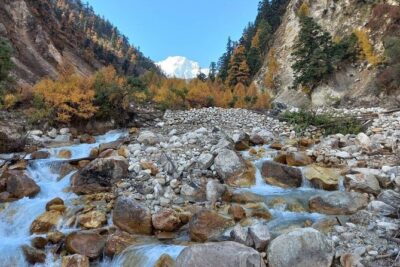
Once the trekking starts, you are immediately in a river-and-valley world. The route description includes early suspension bridge crossings and trails that pass through forests and Gurung villages. That is one of the most authentic ways to feel the Manaslu region, because you are moving through the same kind of routes locals use, not just a single mountain footpath.
Your first named trekking areas in the later part of the program include Maccha Khola, then Tatopani. Tatopani is your hot-spring day, and it is a big deal if you are feeling stiff from the road or the first days of walking. After that, the trek continues toward Jagat, then onward to Deng.
The early stretch usually sets the tone. Expect a mix of steady climbs, descents, and river views as you cross in and out of the Budhi Gandaki river system. This is where proper pacing matters. If you go too fast early, you will pay for it later near the pass.
More to compare around Kathmandu
- Everest Base Camp Trek – 14 Days
★ 5.0 · 1,499 reviews - Everest Base Camp Trek
★ 5.0 · 842 reviews - Private Kathmandu Sightseeing Tour | UNESCO World Heritage sites
★ 5.0 · 756 reviews - Kathmandu: 7 UNESCO Sites with Lunch
★ 4.8 · 744 reviews
Villages with names you will remember: Jagat, Deng, Namrung, and Lho
As you move deeper into the circuit, the villages become landmarks you look forward to. This trek calls out Jagat, Deng, Namrung, and Lho, each with its own feel.
From Jagat and Deng, the trail alternates uphill effort and downhill relief. You get views of peaks like Singri Peak in the Deng day description, and you also pass through a mix of river streams and ridges. These days are mentally important because you start realizing the trek is not only about altitude. It is also about walking through working places where people farm and trade routes.
Namrung adds another shift in vibe. You pass the Budhi Gandaki river again, and the day includes pasture land walking and a big “nature plus community” feel as you arrive at Namrung.
Then comes Lho, with a half-day walk type of rhythm described in the program. Lho is paired with Hinang Glacier views and the apple area, plus a monastery connection. You will also have time to walk toward Ribung Monastery and even climb up for clear views of the Manaslu massif. If you like the idea of catching sunrise views from the area near Ribung Monastery, plan your energy so you do not feel rushed.
Samagaon and the Pungyen Gompa day: where culture becomes more than scenery
Samagaon is where the trek starts to feel more spiritual and more alpine at the same time. The program describes views of Ganesh Himal, Himal Chuli, and Siring Himal, and it also notes terraced farming and chortens as you climb through the area.
Then you get the Manaslu Base Camp excursion day, described as a trip around Pungyen Gompa. This is an ancient monastery and the program notes a small prayer hall and local Buddhist rituals. Even if you have seen monasteries in other parts of Nepal, this is different because the trek has already been building that context for days. You arrive not as a day tourist, but as someone who has spent time on the trail and understands the rhythm of mountain life.
If you care about authentic experiences, this is one of the days where the trek feels anchored to local meaning, not just the camera view.
Acclimatization at Samdo and Dharmashala: the part you should not treat casually
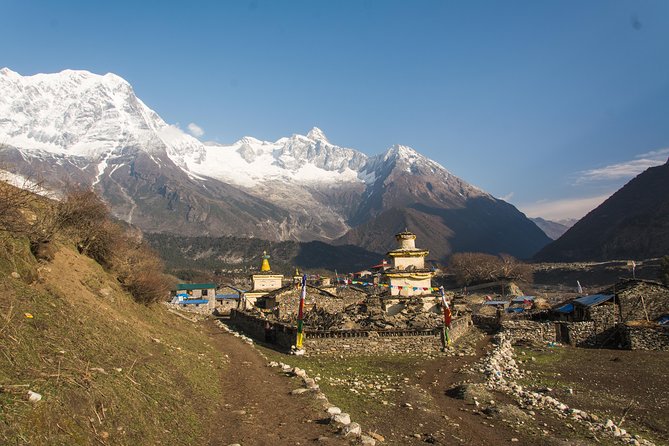
High altitude changes everything, even when you feel good. This program builds in acclimatization time. After reaching Samdo, the trek then continues toward Dharmashala, and the program specifically mentions you have plenty of time to acclimatize during the rest of the day as you approach high altitude around 5,000m.
This is exactly what you want on a circuit like this. Instead of pushing every day like it is a race, you get a more measured plan. You can rest, eat well, and adjust your pace.
Practical tip: use acclimatization days to slow down your walking habits too. Do not just rest your legs. Keep your breathing calm, drink regularly, and do not assume you can “make up time” on the pass day.
Larkya La Pass day: the summit feeling without the chaos
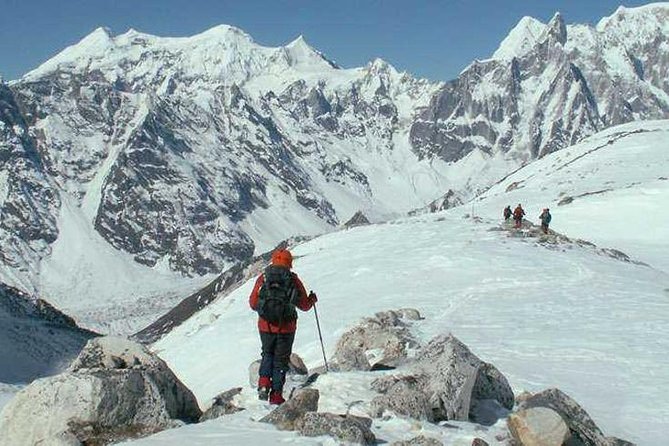
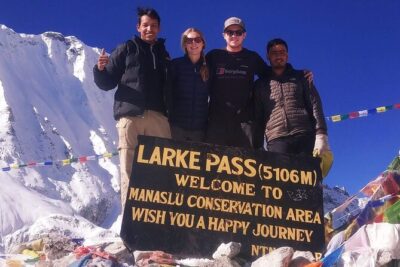
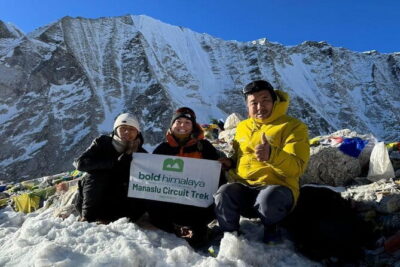
Larkya La Pass is the highest point in this circuit. The program describes leaving Dharmashala behind, gradually climbing through glacier moraines, and then reaching the steep terrain near the top. You also get a dedicated pass moment, listed as about 30 minutes, which is long enough to take in the view and regroup, not so long that you lose warmth.
From the pass, the views include Annapurna 2, Cheu Himal, Himlung Himal, and other surrounding peaks, with close Manaslu Himalaya in front. That combination is why people choose this trek. It is not just a single postcard peak. It is a whole grid of mountains that suddenly makes the region feel real.
After the pass, you descend to Bimthang, where the program describes rhododendron scenery and warm local hospitality. This stop is also useful emotionally because it breaks the “only up” pressure. Your body also needs the reality check of coming down after the highest point.
The descent to Tilije and Tal: pastures, rhododendron, and river crossings
After Bimthang, the trek keeps moving, but the character changes again. You walk on ridges with views of Mt. Manaslu and Himlung Himal, then you move through pasture land at Sangre Kharka. The description also points to rhododendron forests that bloom in spring, which is a good clue about seasonal beauty along the lower part of the trek.
You eventually arrive at Tilije for overnight stay. Then the Tal day links into another important theme of this region: connection routes. The program describes you follow trails to Thonje Village, cross a Milky white river above the bridge, connect to the Annapurna circuit trail at Dharapani, and cross a Marsyandi river bridge, with waterfalls along the way.
Tal is your end-of-trek village before the road back to Kathmandu. This part matters because it is your final “mountain day” before you return to hot showers and stable meals. If you have been pushing hard earlier, this is where you should shift into lighter energy so you enjoy it, not just survive it.
Getting back to Kathmandu: road transfer, free time, and farewell dinner
After Tal, you wake up early, then drive to Besisahar first with local transport described as a jeep, have lunch in Besishar, and continue driving back to Kathmandu where you overnight at the hotel. This is listed as about 12 hours, so it is not a quick hop. Still, it is the clean finish line: you are out of the thin-air hiking zone and back in a functioning transportation network.
The next day gives you breathing room. The program notes you can stay without a guide and porter to relax and do shopping for family and friends. That freedom is handy because you can pick up small trekking souvenirs and last-minute items without feeling like you are “on the clock.”
Then there is a farewell dinner at a Nepali culture restaurant, and you return to the hotel to pack for your departure.
On the final day, you get dropped to Tribhuvan International Airport for your international flight.
Price and what you get for it: good value if you want support
The price is listed as $1,386.67 per person. Trekking at this level is expensive, so the real question is what you are buying beyond the view.
Here is what stands out as value in the program:
- Guiding and safety structure: a licensed English-speaking trekking guide plus a porter, a first aid medical box, and rescue management service.
- Permits handled: all required trekking permits are included.
- Gear rental: sleeping bags and down jacket are available on rent.
- Meals and lodging: all food and lodging during the trek are included (breakfast, lunch, dinner).
- Kathmandu base: 4-night hotel in Kathmandu plus Kathmandu sightseeing with guide and transport.
What is not included is important too. You will pay for the Nepal visa fee, international flights, travel insurance and possible rescue operation costs, and any personal expenses like laundry, charging costs, alcohol, and soft drinks. Tips for guide and porters are also not included, and that is worth budgeting for in any Nepal trek.
If you want the “I do not have to manage details” style trip, this program fits that goal. If you are the DIY type and already have gear, permits, and a team lined up, you might compare costs yourself. But based on what is included here, the price looks focused on support, not just selling a pass.
Guides and teams: how real people shape the trek
One reason this trek gets strong feedback is staff care. Reviews name Suman and Ramesh as key points of contact, with guides described as professional and attentive. You also see names like Mod, Chirring, Sonam, and TB tied to guide roles.
That matters because on a circuit trek, you are not just buying direction. You are buying decision-making. Weather changes. Trails slow down. People get tired. A good guide helps you keep moving without cutting safety corners.
So when you book, pay attention to who is assigned to your team. You will work closely with them on pacing, acclimatization habits, and day-by-day logistics. In this kind of trek, that relationship directly affects how the trek feels.
Who this trek is best for
This program is listed for travelers with moderate physical fitness. That usually means you can handle long trekking days, steady uphill and downhill walking, and you take altitude seriously. You do not need to be an elite athlete, but you should be comfortable committing to the effort.
It also suits you if you want:
- Guided route structure with permits and permits managed.
- Cultural add-ons like monastery time at Pungyen Gompa and Ribung Monastery area.
- A group experience, with a maximum group size of 20 travelers.
Should you book this Manaslu Circuit Trek with Nepal Mountain Trekkers?
I would tell you to book if you want a well-supported circuit where the important logistics are handled, and you want both mountain views and monastery-and-village days built into the schedule. The included guide, porter, permits, meals, and gear rental take a lot of stress off your plate.
I would hesitate only if you know you do not like long travel days or you struggle with altitude planning. The pass day and the long hiking rhythm are not optional in spirit, even when the schedule includes acclimatization time.
If you are ready for a serious trekking challenge with strong structure, this is a solid choice.
FAQ
How long is the Manaslu Circuit Trek in this program?
The duration is listed as 17 days (approx.).
What is the starting point and meeting point for the trek?
The meeting point is Nepal Mountain Trekkers, Pyramid Galli, Kathmandu 44600, Nepal. The activity ends back at the meeting point.
What is included in the trek price?
The program includes airport pickup and drop service, 4-night hotel in Kathmandu, Kathmandu sightseeing, all food and lodging during the trek (breakfast, lunch, dinner), transportation costs, guide and porter, trekking permits, first aid medical box, rented sleeping bags and down jacket, a T-shirt, duffel bag, and trekking map with the company logo, rescue management service, and a farewell dinner. It also includes VAT and company service charges.
What is not included?
Not included are the Nepal visa fee, international flight tickets and extra baggage charges, extra Kathmandu nights and meals if the schedule changes, travel insurance and rescue operation costs, and personal expenses like laundry and charging costs. Tips for guide and porters are also not included.
What are the main sightseeing stops in Kathmandu before trekking?
The UNESCO world heritage sites listed are Kathmandu Durbar Square, Swayambhunath Stupa, Pashupatinath Temple, and Boudhanath Stupa.
What is the highest point of the trek?
The highest point is Larkya La Pass.
Is there time for acclimatization?
Yes. The program includes acclimatization time, including a day rest at Samdo in the overview and another rest and acclimatization day when you reach Dharmashala around 5,000m.
What is the cancellation policy?
Free cancellation is available. You can cancel up to 24 hours in advance for a full refund. If you cancel less than 24 hours before, you do not get a refund.
Latest Kathmandu write-ups
- Langtang Valley Trek★ 5.0 · 3 reviews
- Khopra Danda Trek★ 5.0 · 3 reviews
- Langtang Valley Trek from Kathmandu★ 5.0 · 3 reviews
- 5 night / 6 days Kathmandu Nagarkot Chitwan Pokhara tour★ 5.0 · 3 reviews
- Nepal Highlights Tour: 5 Nights 6 Days Kathmandu & Pokhara Tour★ 5.0 · 3 reviews
- Kathmandu Valley Private Day Tour★ 5.0 · 3 reviews
- Conquer the Himalayas: The Ultimate 16-Day Annapurna Circuit Trek★ 3.5 · 3 reviews
- Kathmandu Heritage Day Tour★ 5.0 · 3 reviews
Manaslu Circuit Trek, compared.
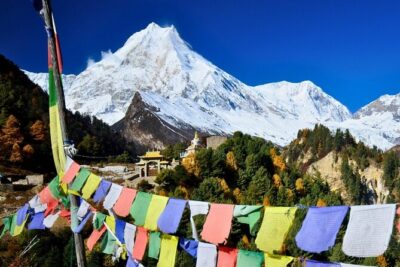
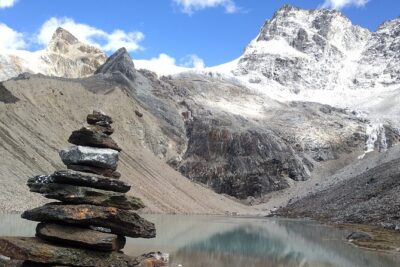
Manaslu Circuit Trek 8th Highest in the World
Read our review →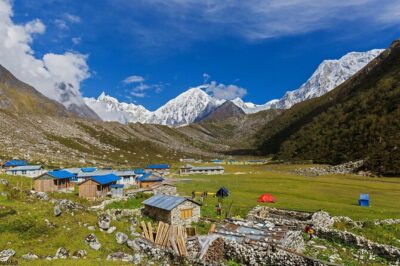
Private 12-Day Manaslu Circuit Trekking in Kathmandu
Read our review →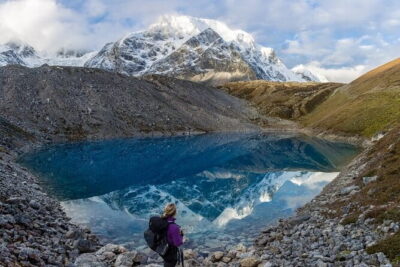
Manaslu Circuit Trek to the Beauty of 8th Highest Mountain
Read our review →Browse the lists this tour appears in