
Reviewed · MANASLU CIRCUIT TREK
Manaslu Circuit Trek – 12 Days
This trek stands out because it’s a short route that still hits the big Manaslu story, with mountain views and village days that feel real, not rushed. You’ll travel from Kathmandu into the Manaslu region, work your way through multicultural hamlets, and reach the Larke La area for those big high-mountain moments. It’s an active trip, but the pacing gives you time to settle in and notice details.
I especially like the mix of practical logistics and real trail texture, like teahouse nights, checkpoints handled for you, and day walks that build with altitude. I also love the human side, with support led by guides such as Anjan and porters like Rabin, who make the long days feel smoother.
One drawback to plan for: this is not a casual hike. You need solid fitness for steep days, early starts like the pre-dawn walk, and cold nights that can land you in cloud cover one day and crystal views the next.
Key points to know before you go
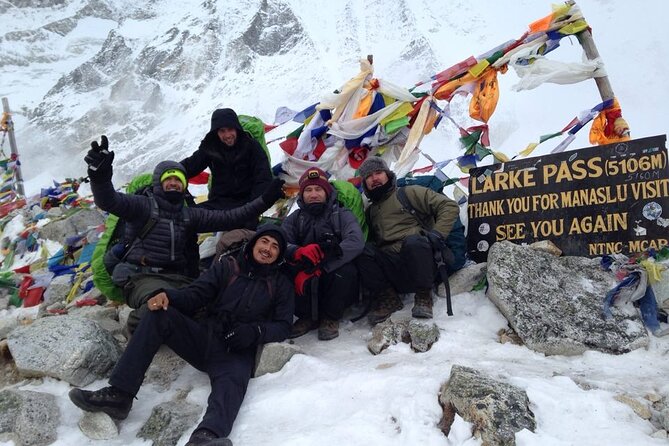
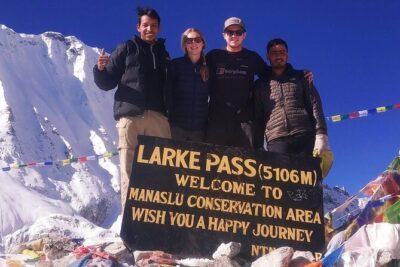
- Larke La Pass area: the route is designed so you’re there for the unforgettable high-mountain atmosphere.
- Village culture, not just peaks: you spend time among communities with Tibetan influence in places like Samagaon.
- Iconic bridge moment: a cantilever bridge at Yaru bagar, listed as 158 m long, is a standout on the way in.
- Acclimatization with options: from Samagaon you can choose shorter or longer hikes, including a basecamp push at 4,800 m.
- Early start payoff: a 3 am wake-up targets sunrise views and that first light magic.
- Weather can change fast: cloud cover is possible, and the difference from one morning to the next can be dramatic.
A Manaslu Short Trek that still feels like the whole story
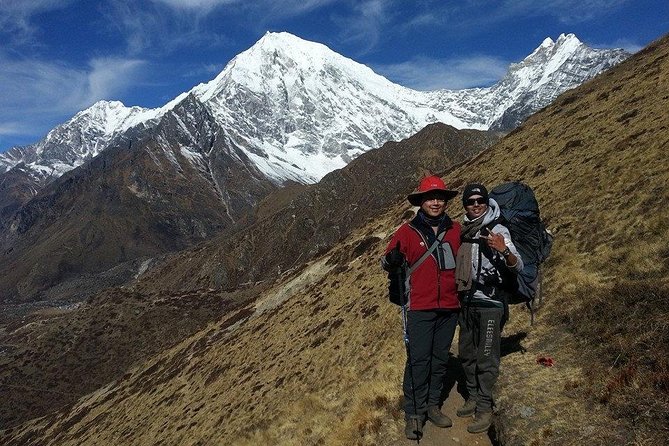
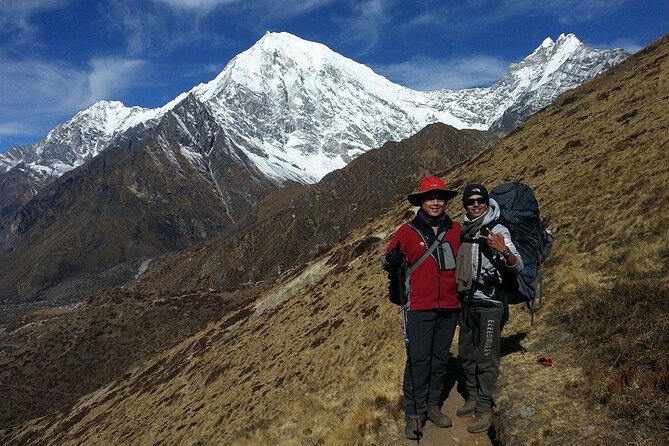
The Manaslu Circuit gets attention for a reason, but a short trek version can make the route more doable without losing the spine of the experience. This 12-day format keeps you focused on the core rhythm: land travel into the mountains, day walks through valleys and settlements, and a high pass area that gives you that wide, airy feeling you can’t fake with photos.
The itinerary is also built around the “small moments” that make trekking in Nepal memorable. You pass through areas shaped by the 2015 earthquake, you cross rivers and bridges, and you get village encounters in places like Machha Khola and Samagaon, where daily life looks different from what you’re used to. If you like trips where the days have variety, you’ll probably enjoy this one.
More of the Manaslu Circuit:
- Manaslu Circuit Trek
★ 5.0 · 292 reviews - Manaslu Circuit Trek:
★ 5.0 · 106 reviews - Manaslu Circuit Trek (15 Days)
★ 5.0 · 50 reviews
Price and value: what $1,813.34 really covers
At $1,813.34 per person, this isn’t a budget stroll. But it’s also not just you hiking with a map. The package includes ground transportation by private tourist vehicles, teahouse accommodation during the trek, and a government licensed English speaking guide plus porters to carry your luggage.
It also covers the official side that can trip people up. You get a special permit for the Manaslu region and ACAP permits, plus all government taxes and service charges. On top of that, meals are largely taken care of during the trek: lunch is listed for 12 days, dinner for 11 days, and breakfast for 11 days.
Where you still need to budget: personal expenses like bar bills, water, tea or coffee, and snacks, plus major meals in Kathmandu. In plain terms, if you’re the kind of trekker who plans your spending and sticks mostly to what’s included, the value feels solid. If you tend to buy lots of extras every day, your actual trip cost will creep up.
The small group size also helps with value. With a maximum of 15 travelers, your days are more manageable than the huge bus-to-trail setups that can feel chaotic.
Getting in motion: Kathmandu to Arughat, Soti Khola, and Machha Khola
Day 1 is a long travel day by vehicle. You drive from Kathmandu to Arughat in about 7 to 9 hours, and the road is described as smooth and rough, so expect the classic Nepal mix of “easy” and “why is this so bumpy.” Then you switch vehicles for the next stretch to Soti Khola, with mountain views along the way.
This first day matters more than it sounds. It helps you understand the geography: Annapurna-related views in one direction, the Manaslu range in another, and the wider set of Himalayan peaks in the background. When the vehicle stops and the trekking begins, you’ll already feel oriented.
Overnight on Day 1 is positioned for the next jump into the Machha Khola area, so Day 2 can start with hiking rhythm rather than pure scrambling.
Day 2 and Day 3: Machha Khola’s scars, the trail into Jagat, and hot spring relief
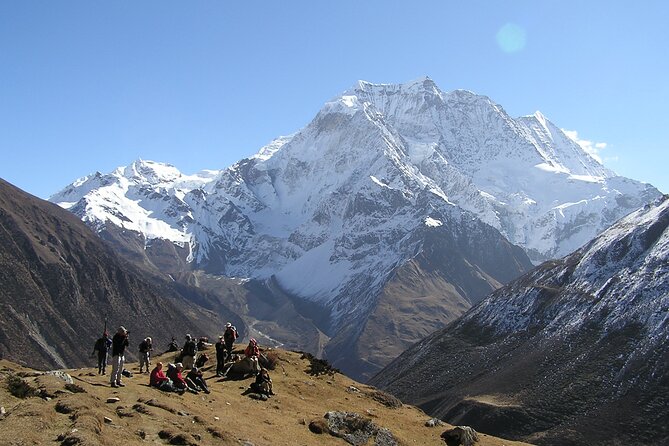
Day 2 sets the tone early with a short vehicle transfer, then a hike into Machha Khola. You visit an army camp a bit beyond Soti Khola, then the Khursani Baari area, known for a green chilli field. One specific detail I like here is the emphasis on waterfall views from across the field, which makes the walk feel varied instead of just a straight line.
Another key detail: you’re guided past areas showing the shock landslide impact after the 2015 earthquake. That’s not for shock value. It helps you understand that this route is real living terrain, not a postcard fantasy. You learn to walk with respect for what the land has been through.
Day 3 moves you toward Jagat, and the day includes two memorable elements. First, you pass a permit checking process at a police checkpoint, which keeps you on the legal track without you having to figure out paperwork mid-trek. Second, you get the chance to bathe in a hot spring. Even if you don’t go for a full soak, a warm-water break can reset tired legs.
Jagat itself is also part of the appeal, with a field welcome for your overnight camp. On the way, there’s a planned stop at Yaru bagar for a horizon view of the cantilever bridge, listed as 158 m long and described as the first bridge in Nepal. It’s the kind of structure you remember because it’s unusual, right there in a valley that otherwise feels focused on nature.
More to compare around Kathmandu
- Kathmandu: 7 UNESCO Sites with Lunch
★ 4.8 · 744 reviews - Everest Base Camp Helicopter Tour landing at Everest View Hotel
★ 5.0 · 668 reviews - Kathmandu: Local Women-Led Nepali Cooking & Momo Class
★ 4.9 · 360 reviews - Kathmandu: Food and Drink Walking Tour
★ 4.9 · 292 reviews
From Jagat to Deng: long valley days, tiny villages, and river crossings
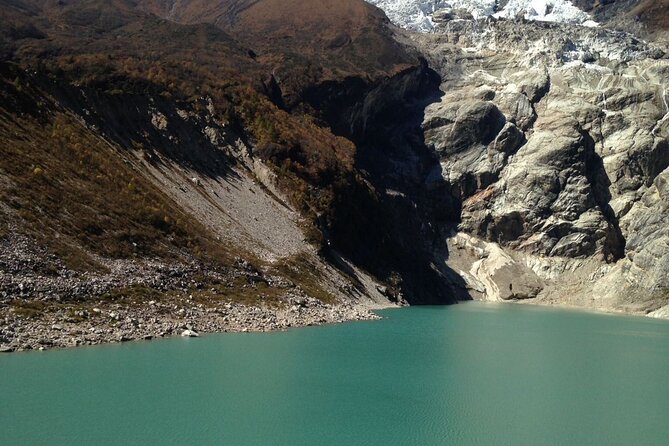
Day 4 continues toward Deng and includes an “early start” style plan. After a permit check-in upper Jagat, you trek about seven hours to Deng. The itinerary describes Deng as a very small settlement, made up of about four houses and three hotels. That means you’ll likely feel the village scale quickly, and it also means your day is more about trekking than options.
There are some fun route details built in. Around 40 minutes into the walk, you cross a river and see the milky flow effect. You’ll also pass two hydro-powers, one new and one old, which gives you a look at how this region manages electricity locally.
Later you pass through Salleri to Sirdibas, described as inhabited by Gurung locals with views of Siring (7,239 m). The trek also includes crossing a bridge and reaching Philim, where administrative offices are located. These are small things, but they keep the experience from feeling like a series of hills only.
Namrung and the Tibetan-influenced day: cultural shifts you can feel
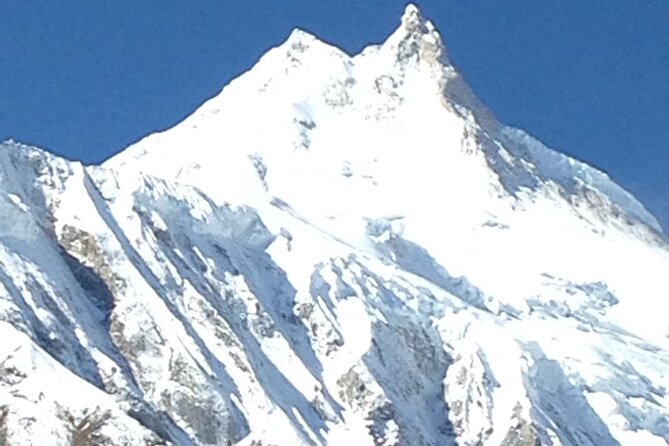
Day 5 heads toward Namrung. You drop down toward the Budhi Gandaki River, then climb uphill again, and the day is described as a mix of rivers, valleys, and forest walking.
The highlight here is the way the trek shifts culturally. The route notes that after Deng you’ll start seeing people with Tibetan lifestyle and culture. In practical terms, that often means changes in architecture, village layout, and the look and feel of monasteries and prayer spaces you notice along the path.
The itinerary also mentions forests with dense pine, dead pine trees, and detailed nature textures as you pass through the Gap lunch area, then move toward Suksum and finally climb to Namrung. If you like days that feel like they have “in-between scenery,” this is one of them.
Samagaon: the journey gets higher, monasteries appear, and you settle in
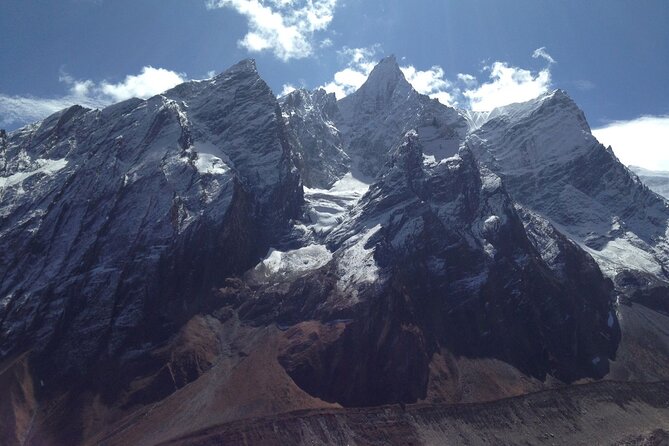
Day 6 pushes from Namrung to Samagaon. The route passes through a chain of small stops, including Banjam, Lihi, Sho, Lho, and Sayla. This is one of the best parts of the trek for people who like varied paths, because it’s not a single monotone climb.
You’ll pass a monastery before reaching Lho. It’s described as a recognized monastery in the region, with more than 200 monks studying there. The note that many are boys gives you a grounding detail: you’re seeing an institution with a real learning rhythm, not just a stop for photos.
The trail to Lihi is steep, and you get mountain views like Ganesh Himal, north Himchuli, and Naike peak in that direction. Then, near Sho, the route splits in a way that’s useful to understand. One path leads toward Hinayang monastery, and another leads toward the Manaslu Larky pass. That fork is a reminder that you’re in the real geography of the trek, not on a managed theme trail.
Day 6 ends with overnight in Samagaon, setting you up for a crucial Day 7 acclimatization plan.
Day 7 rest day: choose your hike, manage altitude, and watch the mountains come into focus
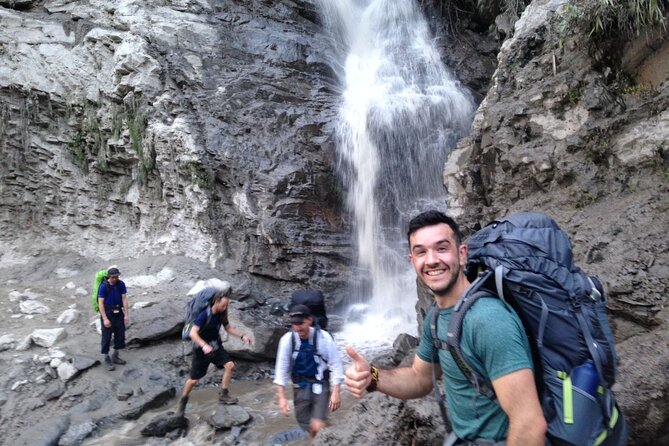
Day 7 is a rest day in Samagaon, but it’s not a wasted day. You can stay in the hotel and recover, or hike if you’re feeling good. The options listed are practical and let you tune the day to your comfort level.
You can visit Birendra Tal, about 3 km away. Or you can hike to basecamp, about 6 km, taking around 5 hours, listed at an elevation of 4,800 m. There’s also mention of crossing glacier through a bridge to reach a camp area, plus the existence of a cave.
Another option is Pungen monastery, 6 to 7 km away, described as having flatter surroundings and offering panoramic views that may be better than basecamp. If you don’t want a major exertion day, this can be a smart compromise.
For me, the value of a rest day like this is simple: it keeps you functioning for the bigger days later. It also gives you the chance to learn how your body reacts as the trek gets higher.
The Manaslu view day and the village at 3,800 m
Day 8 moves you into another high-mountain rhythm. You hike for about 3 hours, with a steep uphill segment early, then flatter walking. The day is packed with views of peaks like Syaula Peak, Naike Peak, Manaslu, Himchuli, Larke peak, and Cho peak, with a note about west and north Himchuli views being especially noticeable.
You arrive at a small village at an elevation listed as 3,800 m. It’s described as having electricity thanks to a micro hydropower project. That’s not just a comfort detail. It’s a reminder that these high settlements aren’t frozen in time. People have adapted to the environment in ways you can see on your walk.
Larke Phedi and Dharmasala: crossing toward the pass area
Day 9 is a transition day. You trek downhill to the Budhi Gandaki River, cross it, then move upward through the Larkya Bazaar area and along the Salka Khola valley toward Dharmasala. Dharmasala here is described as an easy place to stay for one night, and it’s 7 km away, about 4 hours on normal days.
One specific detail that can make your day feel alive: you might see blue sheep. Even if you don’t, the mention tells you what to look for around higher grazing zones.
This overnight is known as Larke Phedi in the route notes. Staying here positions you for the next day’s pre-dawn push.
Day 10 at 3 am: sunrise views and the long walk toward Bhimtang
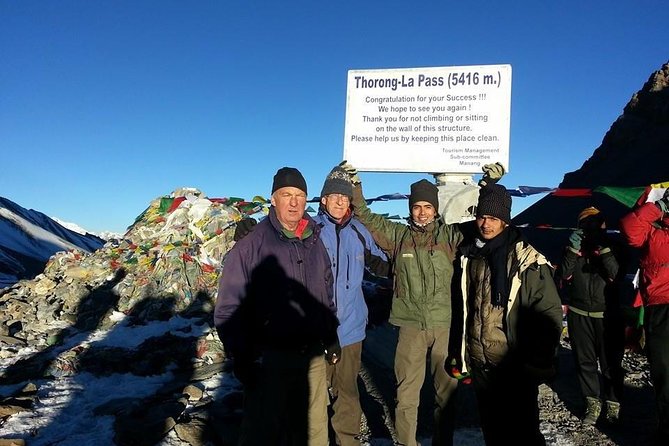
Day 10 starts early, at about 3 am. This is one of those plans where you either love it or hate it, but the upside is real. The itinerary specifically calls out sunrise views and wind flow that can feel intense.
You get views of peaks including Annapurna II, single Himal, Kangaroo Himal, Himlung Himal, Cho Himal, and Larke peak from the Larkye area. The list matters because it signals you’re in a region with wide visibility when the weather behaves.
Then you head toward Bhimtang. The time-to-reach is listed as 9 hours for the walk to Bhimtang. That’s a long day, even in trekking terms, so plan to move steadily rather than sprinting for checkpoints.
If cloud cover steals your sunrise one day, don’t assume the whole trip is doomed. One of the best lessons from the experience is that conditions can snap into place by morning, and Day 10 is exactly when you’ll be trying to catch the best window.
Day 11 to Dharapani: milky Dudh Khola, pine jungle, and rhododendron season
Day 11 continues through Karche, Goa, Tilche, then reaches Dharapani. The trek descends to Dudh Khola, described as a milky river. That “milky” look is often tied to rock flour and glacial sediment, and it’s one of those visual cues that tells you you’re still in active high-country terrain.
There’s also a short uphill climb of about 5 minutes where you warm up, then you move into pine jungle. The route notes rhododendron color in May and June, including 8 to 10 coloured rhododendron plants in that season. If you time your trip for spring bloom, this kind of detail adds joy that goes beyond just reaching a pass.
Lunch is at Surkhi, then you move uphill for about 10 minutes before descending to Goa again. The day continues toward Mane and finally Tiliche and Dharapani after about 30 minutes more. Overnight at Dharapani gives you the reward of being lower and closer to easier breathing.
Day 12 back to Kathmandu: jeep to Besisahar and Marsyangdi River views
Day 12 is the travel day home. From Dharapani, you catch a jeep to Besisahar, then drive along the Marsyangdi River bank to Kathmandu. The time listed is about 6 hours.
This is a good day to soak up how the mountains connect to daily life. Forest, small houses and huts, bridges, and that fast-moving Marsyangdi River show you a Nepal that’s not just about high passes, but about how people live alongside them.
Guides, porters, pace, and group size: how it feels in real life
This trek runs with a licensed English speaking guide and porters who carry your luggage. That matters a lot on a route like this, because you want your energy reserved for the climbs, the acclimatization days, and the early morning effort.
You’ll also appreciate the way strong team support makes small problems less stressful. The experience includes staff who are friendly and helpful, and there’s specific praise for guides such as Anjan and porters like Rabin for keeping the trek smooth and full of joy.
Group size is capped at 15 travelers. That generally means less waiting in single-file lines and more flexibility in how you pace. It also helps your guide manage pace and small needs when weather shifts or someone needs a slower rhythm.
Food, teahouses, and what included meals usually mean
During the trek, you stay in teahouses, and the package includes lunch, dinner, and breakfast during most trek days. You’ll also have time each day for tea or coffee, though those are listed as personal expenses.
Local food is mentioned as a positive part of the experience, which is exactly what you should aim for on this kind of trek. The most realistic approach is to eat what’s offered, keep it simple, and avoid trying to overindulge right before a long day.
One practical point: warm drinks can be pricey when they fall under personal expenses, so decide early if you want tea as a daily ritual or if you prefer fewer purchases.
Packing and fitness: what you should take seriously
You should treat fitness as a non-negotiable. The tour states travelers should have a strong physical fitness level, and the itinerary includes several long walks plus steep segments.
Here’s how I’d think about readiness using only what the route tells you:
- Expect steep climbs on multiple days, including a steep uphill start on Day 8 and a long Day 10.
- Expect very early waking for the pre-dawn part of the route.
- Expect cold nights in the higher villages, plus the possibility that clouds can hide views at times.
Packing tip from the “real trek” mindset: bring layers you can manage, because your temperature will shift as you climb and descend. Also, plan to use the duffle bag if provided or suggested so your kit stays organized and easy for porters to manage.
Should you book this Manaslu Circuit Trek (12 days)?
If you want Larke La Pass area views but you prefer a shorter, more structured route than the full circuit, this is a strong fit. It’s also ideal if you care about trekking through villages like Machha Khola and Samagaon and not just chasing summit photos.
Book it if you:
- have strong trekking fitness and can handle early starts
- want teahouse comfort without planning permits yourself
- enjoy cultural stops and scenic variety, including bridge moments and monastery encounters
Reconsider it if you:
- struggle with steep hiking days
- dislike wake-up-at-3am style plans
- can’t handle uncertainty in views from weather, since clouds can roll in and change the whole feel of a morning
If that all sounds like you are ready, you’ll likely love how the days add up into one clear story, from Kathmandu’s roads into the Manaslu region’s quiet high paths and back down to the river life.
FAQ
How long is the Manaslu Short Trek?
The trek is listed as 12 days (approx.).
Where does the trip start and end?
It starts in Kathmandu and ends in Kathmandu after driving from Dharapani to Besisahar and then onward to Kathmandu.
What permits are included?
The package includes a special permit for the Manaslu region and ACAP (Annapurna Conservation Area Project) permits.
Are meals included during the trek?
Yes. Lunch is listed for 12 days, dinner for 11 days, and breakfast for 11 days during the trek. Major meals in Kathmandu are not included.
Does the trek include a guide and porters?
Yes. It includes a government licensed English speaking guide and porters to carry your luggage.
What group size and fitness level should I plan for?
The maximum group size is 15 travelers, and travelers should have a strong physical fitness level.
Latest Kathmandu write-ups
- 16 Days Island Peak Climbing With Everest Base Camp Private Trip★ 5.0 · 3 reviews
- 15 Days Round Annapurna Trek with Poon Hill from Pokhara★ 5.0 · 5 reviews
- Private Nepal round trip including Ghorepani Poonhill trek★ 5.0 · 3 reviews
- Everest Base Camp Trekking 16 Days★ 4.0 · 7 reviews
- 14 Days Luxury Annapurna Base Camp Trek★ 5.0 · 6 reviews
- Everest Base Camp Trek★ 5.0 · 32 reviews
- Everest Base Camp Trek★ 5.0 · 87 reviews
- Everest Base Camp Trek★ 5.0 · 97 reviews
Manaslu Circuit Trek, compared.
Experience the Thrill of a Lifetime:12-Days Manaslu Circuit trek
Read our review →Browse the lists this tour appears in