
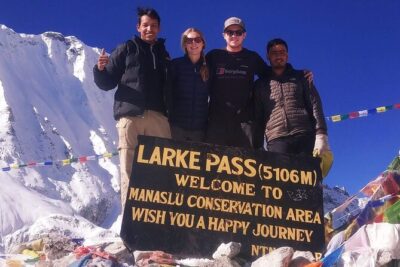
Manaslu Circuit is interesting because it mixes big mountain drama with real village life, and it tops out at Larkya La Pass (5160m). You start in Kathmandu, ease into the river valleys, then climb toward one of Nepal’s most memorable high crossings. It’s also a strong choice if you like your travel organized, but still hands-on.
What I like most is how fully supported this trip feels once you’re on the trail: a licensed English-speaking guide, a porter team setup (2 trekkers to 1 porter), and a medical kit carried by your leader. I also like that the package covers the practical stuff like permits (ACAP, MCAP, TIMS), teahouse lodging, and all meals during the trek, so you’re not constantly managing logistics in the middle of nowhere. A possible drawback is simple: you do real altitude work, and some days are long, so you’ll want solid moderate fitness and smart pacing.
Key Highlights and What You’ll Notice
- Larkya La Pass (5160m), a dramatic high point and the main reason this circuit is so sought after
- Teahouse trek comfort with all meals included, which reduces decision fatigue on the trail
- Licensed, English-speaking trek leader plus porter support (2 trekkers to 1 porter)
- Permits and taxes handled for you, including ACAP, MCAP, and TIMS
- Kathmandu 3-star hotel with breakfast, a calmer start before the climb
- Private group format, so your schedule stays tight and your pace can be respected
The Manaslu Circuit Promise: Mt. Manaslu to Larkya La
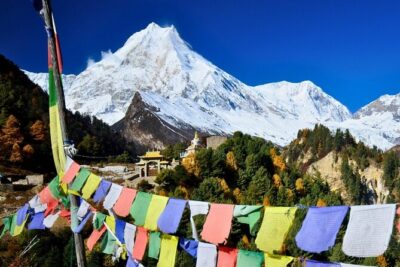
Manaslu Circuit begins with Mt. Manaslu (8163m) as the big star in the window, and that matters because your brain keeps recalculating when the mountain finally “shows up” in full. This trek doesn’t just give you a pass at the end, it gives you a whole run of changing terrain and high Himalayan views as you work your way around the region.
The itinerary is built around the idea that you can handle altitude step-by-step. You’re not jumping from Kathmandu to the top of the world. You’re gradually moving from about 1,320m in Kathmandu toward the 4,000m-plus zone near Samdo, then pushing to the 5,160m crossing.
Two pieces make this especially compelling:
- The Larkya La Pass crossing is the headline, and the pass area also links to the Larkya Base Camp approach in your schedule.
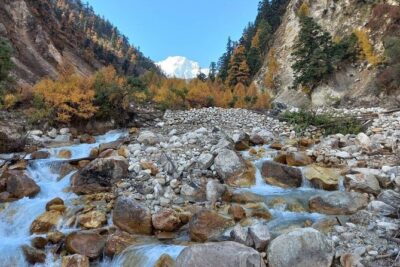
- The biological and cultural richness of the region is part of why people keep coming back, because the villages, monasteries, and changing vegetation zones are visible day after day.
What to keep in your head: this is a trek where you will feel the effort. Even with good support, you still have to walk, climb, and descend with caution.
More of the Manaslu Circuit:
- Manaslu Circuit Trek
★ 5.0 · 292 reviews - Manaslu Circuit Trek
★ 5.0 · 184 reviews - Manaslu Circuit Trek:
★ 5.0 · 106 reviews
Kathmandu Arrival, Hotel Comfort, and Trek Preparation
Day 1 is arrival in Kathmandu, at about 1,320m, plus getting settled. Day 2 is sightseeing around Kathmandu and trekking preparation. If you’ve never done a Himalayan trek before, Kathmandu preparation is not filler. It’s where you confirm gear needs, get your trek plan straight, and mentally switch from city pace to mountain pace.
You stay in a 3-star hotel in Kathmandu with breakfast. That small upgrade matters because it gives you sleep and food you can count on before the first long drive. Also, you have private airport pickups and drops in a vehicle, which is a big deal in a city where getting stuck in traffic or finding transport can easily eat your energy.
One practical detail: the trek operates in all weather conditions, so your Kathmandu prep needs to include packing your layers, rain protection, and warm items for higher elevations.
Driving Days: Kathmandu to Sotikhola, Syange back to Kathmandu
The circuit begins with a long road transfer from Kathmandu to Sotikhola on Day 3 (about 8 to 9 hours). You’re dropping from Kathmandu’s altitude down to around 710m. That is not only transportation, it’s also an important acclimatization trick in reverse. You’re starting your first walking days with less altitude pressure, then gradually rising again through the trek.
You return with another 8 to 9 hour drive from Syange back to Kathmandu on Day 16. It’s the kind of ending that can surprise people. You’ve done the hard part on foot, but you still need to be ready for travel fatigue before your departure on Day 17.
The upside of handling all ground transport privately is control. Your group can keep a steady rhythm instead of waiting on shared vehicles or random connections.
The First Trek Days: Soti Khola to Maccha Khola to Jagat
Day 4 walks from Soti Khola to Maccha Khola (around 900m) for about 6 to 7 hours. Day 5 goes Maccha Khola to Jagat (about 1,410m), another 6 to 7 hours. These first days do two jobs. They help you find a hiking pace that doesn’t spike your breathing, and they set expectations for what the trail rhythm will feel like.
This section is where the valley trekking “teaches” you how to move. You get used to:
- taking frequent breaks without losing momentum
- managing steady effort rather than sprinting climbs
- accepting that time on the trail matters more than speed
Also, your overnight is in teahouses, which is part of the circuit’s charm. It’s basic compared to city hotels, but that’s the deal. The package includes teahouse accommodation and all trek meals, so the teahouse routine stays predictable.
More to compare around Kathmandu
- Everest Base Camp Trek – 14 Days
★ 5.0 · 1,499 reviews - Everest Base Camp Trek
★ 5.0 · 842 reviews - Private Kathmandu Sightseeing Tour | UNESCO World Heritage sites
★ 5.0 · 756 reviews - Kathmandu: 7 UNESCO Sites with Lunch
★ 4.8 · 744 reviews
Climbing Into the High Villages: Jagat to Deng to Namrung
Day 6 is Jagat to Deng (about 1,804m) for 6 to 7 hours. Day 7 continues Deng to Namrung (about 2,630m) for 6 to 7 hours. This is where you start to feel the climb more clearly. The effort increases, but so do the chances of big views on the right weather day.
Day 8 is Namrung to Samagaon (about 3,530m), about 6 to 7 hours. Samagaon is also where your trek becomes more “Himalayan.” You’re moving into elevations where the air is thinner and the mountains start to look more present.
A couple of things I’d plan for psychologically:
- You might feel fine in the morning and slower later. That’s normal on altitude days.
- The pace that feels good on flat stretches might not hold on bigger climbs.
Samagaon Day: Pungyen Gompa and a Built-In Exploration Loop
Day 9 is a shorter plan with exploration: Samagaon to Pungyen Gompa and back to Samagaon, about 6 to 7 hours total, with time to wander around. This is one of the most valuable kinds of days on a circuit trek, because it gives you more than just moving forward. It adds cultural context and helps your body adjust while you’re still at a strategic elevation.
Then Day 10 goes Samagaon to Samdo (about 3,860m) for 4 to 5 hours. The shorter walking day matters here because it keeps the altitude gains manageable.
This is also where the support team becomes important. Having an experienced English-speaking guide helps you keep decisions simple. You know when to rest, when to push, and how to handle weather changes.
Dharamsala and Larkya Base Camp: Lifting Up, Not Rushing
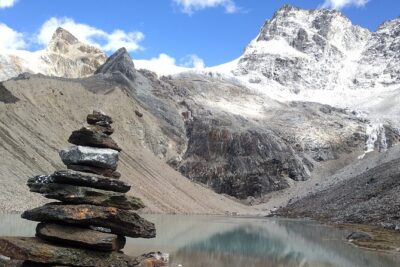
Day 11 is Samdo to Dharamsala or Larkya Base Camp area (about 4,460m), around 4 to 5 hours. This is a higher-altitude shift, and it’s also a staging day where people tend to feel the thin air.
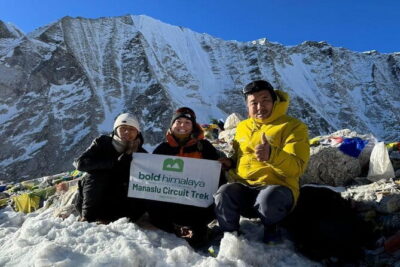
Then Day 12 is the long and serious day: Dharamsala to Larkya La (5,160m) and down to Bimthang (about 3,720m), about 8 to 9 hours. This is where the circuit earns its reputation. You’re crossing the pass, and then you’re working down into a lower elevation without losing the full-day effort.
The good news is that your itinerary uses a structure that helps you avoid the classic mistake of going too hard too fast. You have days that are shorter where the altitude makes it sensible.
After the Pass: Bimthang to Tilije to Tal
Day 13 is Bimthang to Tilije (about 2,300m) for about 5 to 6 hours. Day 14 goes Tilije to Tal (about 1,700m) for 5 to 6 hours. This sequence is a descent trend, but don’t treat it as easy. Descents can still grind your legs, especially after a big day at 5160m.
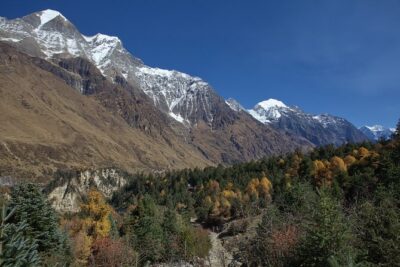
Still, these days often feel like relief. You start dropping into a more comfortable hiking zone, and the views continue to keep changing. The trek doesn’t stop being impressive after the pass. It just becomes different, more varied in what you see and how the trail feels.
Final Trek Segment: Tal to Syange, Then the Return to Kathmandu
Day 15 is Tal to Syange (about 1,080m) for 6 to 7 hours. Day 16 is the long vehicle ride back to Kathmandu. By Day 15 you’ve earned the “I can’t believe I’m almost done” feeling, but your legs still need careful pacing.
Syange is at a much lower elevation, which helps your body recover a bit before you sit in the car. And on the next day, you’ll be back in Kathmandu for your final night on Day 16, with departure on Day 17.
Teahouses, Meals, and Comfort You Actually Get to Enjoy
This trek includes teahouse accommodation during the circuit and all meals (breakfast, lunch, dinner) on trek days, plus farewell dinners. That matters because food is not just comfort, it affects your energy management. When everything is included, your day stays focused on walking and rest, not menu hunting.
From the experiences shared by others, people liked that the accommodations were less spartan than expected and that meals were consistently enjoyable. That lines up with what I see as the real advantage of a well-run trekking team: the trek feels smoother because the basics are handled.
One thing to plan for: teahouse trekking can still be cold and basic. The tour notes you should dress appropriately for all weather conditions, so bring layers you trust.
Guides, Porters, and Permits: The Practical Value of the Package
The price is $1,550 per group (up to 15), and that means the per-person value depends on your group size. If you’re traveling with a small group, it’s still likely to compare well with DIY trekking because many of the costly headaches are covered.
What’s included that usually costs extra when you try to plan yourself:
- Airport pickups and drops in a private vehicle
- Kathmandu 3-star hotel with breakfast
- All meals and teahouse accommodation during the trek
- All necessary paperwork and permits: ACAP, MCAP, TIMS
- An experienced English-speaking and government-licensed trek leader
- Porter service, set as 2 trekkers to 1 porter
- Medical kit carried by your trek leader
- All government and local taxes
- Ground transportation from Kathmandu to Sotikhola and from Syange back to Kathmandu
The permits piece is one of the strongest value signals. When it’s handled properly, you spend less time worrying and more time trekking.
About the humans: the praise you’ll see centers on guides who keep things calm and adaptive. Names that come up include Ganesh and Balu Acharya, and people also mention support from porters like Bijaya. The consistent theme is care, friendliness, and adjusting to challenges without turning the schedule into chaos.
If you care about communication, the owner Rupak also gets credit in feedback for being responsive ahead of time, even when plans are made close to departure.
Price vs. What You Carry Yourself
It’s easy to compare trekking prices and get tunnel vision. I think the better approach is this: add up what you’d have to do on your own.
You’d need to line up:
- permits
- a licensed guide
- a porter setup
- transport for the drive legs
- meals and lodging arrangements in teahouses
- local paperwork and taxes
This tour handles all of that. Yes, it’s still a trek, so you pay with effort and altitude. But the logistics side stays controlled.
What’s not included also matters for budgeting:
- Nepalese visa fee
- International airfare to and from Kathmandu
- Excess baggage charges
- Lunch and dinner in Kathmandu
- Any extra night accommodation if you arrive early or return late for reasons outside the itinerary
- Travel and rescue insurance
- Personal expenses like Wi-Fi, phone calls, laundry, battery recharge, shower items, and bottled or boiled water
- Tips for guide(s), porter(s), and driver(s)
That list is pretty standard, but it’s worth planning your budget for it before you fall in love with the trek date.
Who Should Book Manaslu Circuit, and Who Should Wait
This trek is listed as requiring moderate physical fitness. The daily walking times range from about 4 to 9 hours, including one big 8 to 9 hour day around the pass. If you’re comfortable hiking for half a day and you can handle gradual altitude, you’re the right type.
It’s not recommended for children aged 10 and under, and the tour operates in all weather conditions, so flexibility matters. If your idea of travel is short walks and guaranteed warm weather, this won’t match your style.
If you want a private group experience, you’ll like that this is a private tour/activity, meaning only your group participates. That usually helps you avoid the “stuck behind someone slow” feeling.
Quick Notes on Booking Confidence
Confirmation is received at booking, and the trek uses a mobile ticket. You also need a valid passport on the day of travel. Free cancellation is offered up to 24 hours in advance for a full refund, which is a comfort feature if your schedule is still changing.
Should You Book This Manaslu Circuit Trek?
If you want the Larkya La crossing with support that handles permits, logistics, and daily meals, this is a strong match. The price feels reasonable when you remember what it includes, especially the permits and the guide plus porter structure.
I’d book it if:
- you want a guided, private group trek with all meals and teahouse stays
- you value English-speaking leadership and a government-licensed trek leader
- you prefer dealing with altitude one step at a time, not improvising logistics
I’d pause if:
- you struggle with long walking days or you’re unsure about altitude tolerance
- you hate basic lodging and cold weather, even with appropriate packing
- you’re hoping for a do-it-yourself style itinerary with fewer included services
If your goal is to experience Manaslu Circuit with less friction and more hiking focus, this route and this support level make sense.
FAQ
What is the highest point on the Manaslu Circuit trek?
The highest point on the trek is Larkya La Pass (5160m).
Where does the trek start and end?
It starts in Kathmandu (Day 1 arrival, Day 2 preparation) and begins trekking after a drive to Sotikhola. It ends in Syange, followed by a drive back to Kathmandu for departure on Day 17.
Is the teahouse accommodation included?
Yes. The trek includes teahouse accommodation during the trek.
Are permits included?
Yes. The package includes permits and paperwork including ACAP, MCAP, and TIMS.
How does porter support work?
The tour includes porter service, set as 2 trekkers to 1 porter.
Is travel or rescue insurance included?
No. Travel and rescue insurance is not included.
Latest Kathmandu write-ups
- Langtang Valley Trek★ 5.0 · 3 reviews
- Khopra Danda Trek★ 5.0 · 3 reviews
- Langtang Valley Trek from Kathmandu★ 5.0 · 3 reviews
- 5 night / 6 days Kathmandu Nagarkot Chitwan Pokhara tour★ 5.0 · 3 reviews
- Nepal Highlights Tour: 5 Nights 6 Days Kathmandu & Pokhara Tour★ 5.0 · 3 reviews
- Kathmandu Valley Private Day Tour★ 5.0 · 3 reviews
- Conquer the Himalayas: The Ultimate 16-Day Annapurna Circuit Trek★ 3.5 · 3 reviews
- Kathmandu Heritage Day Tour★ 5.0 · 3 reviews
Manaslu Circuit Trek, compared.
Manaslu Circuit Trek 8th Highest in the World
Read our review →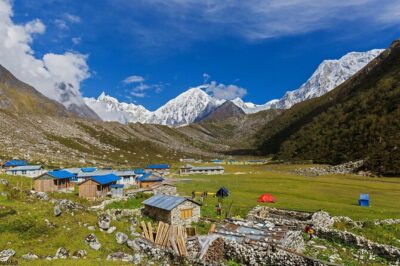
Private 12-Day Manaslu Circuit Trekking in Kathmandu
Read our review →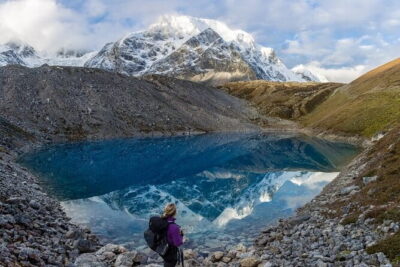
Manaslu Circuit Trek to the Beauty of 8th Highest Mountain
Read our review →Browse the lists this tour appears in