
Reviewed · MANASLU CIRCUIT TREK
Manaslu Circuit Trek
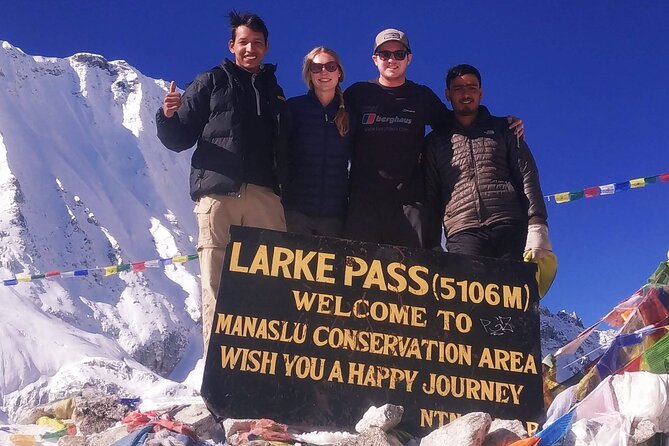
Manaslu Circuit Trek is interesting because it pairs serious mountain views with a remote, low-crowd walk through Tibetan-influenced villages. I love that you get the big milestone of crossing Larkya La at 5,135m on a trek that stays non-technical. I also like that the trip handles both Manaslu and Annapurna conservation permits, so admin stress stays low. The possible drawback is weather: heavy snow can force changes, and on some trips the high pass may be skipped.
I also like the practical shape of the days: you’re looking at moderate hiking of about 5 to 6 hours, with a light personal backpack. Tea houses are basic but repaired and re-equipped after the earthquake years, so you are not going into a scary unknown for sleep. If you want daily luxury, you might find the comforts simple.
With a maximum group size of 15, you should feel well supported on a route that climbs from low altitude up to thin air. The real payoff is calm trails, real village life, and enough flexibility for side trips when the schedule allows.
Key highlights worth planning for
- Larkya La Pass at 5,135m: the high alpine moment and altitude challenge
- Less crowded trekking: quieter trails than the big-name Everest and Annapurna routes
- Permits handled for MCAP and ACAP: Manaslu Conservation Area Project and Annapurna Conservation Area Project coverage
- Tea houses repaired after the earthquakes: routes and lodges are set up for trekking again
- Side treks close to the main route: you can add small detours over a few hours
- Small groups up to 15 people: easier logistics and more personal guide attention
A remote circuit you actually feel on your legs
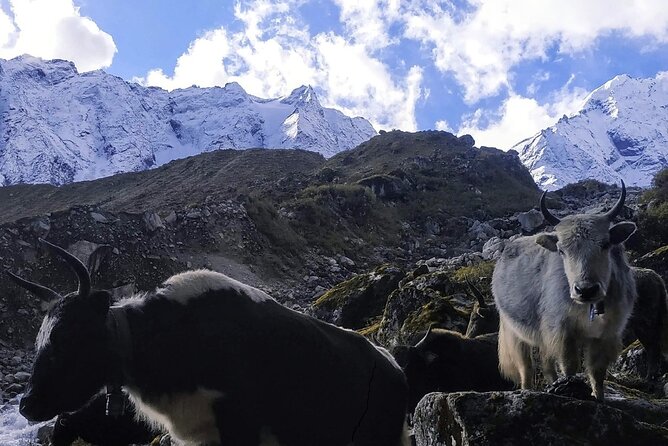
Manaslu Circuit Trek is the kind of trek where the remoteness is not a marketing line. It comes from the simple fact that this region sees fewer trekkers than the classic Everest Base Camp and Annapurna Base Camp routes. That means your days tend to feel quieter. You’ll still see other hikers sometimes, but the trail doesn’t feel like a conveyor belt.
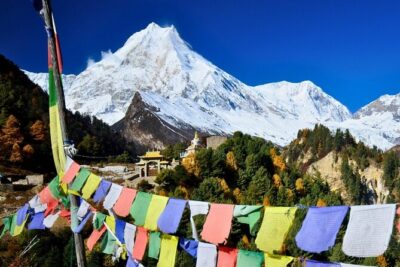
The circuit is also loaded with mountain focus. You’re trekking toward views of Mt. Manaslu (8,156m), the world’s 8th highest peak, plus Ganesh Himal (7,406m), a holy mountain in local belief. And even when the main peaks are partially hidden by cloud, the route is still constantly shifting: lower forests, village by village walking, and then the big push into higher, colder air.
One practical advantage of going with a structured operator is that you get the paperwork and permits handled. Here that matters because the trek covers the Manaslu Conservation Area Project (MCAP) and the Annapurna Conservation Area Project (ACAP). On a remote route, being properly permitted keeps your trek smooth.
More of the Manaslu Circuit:
- Manaslu Circuit Trek
★ 5.0 · 292 reviews - Manaslu Circuit Trek
★ 5.0 · 184 reviews - Manaslu Circuit Trek:
★ 5.0 · 106 reviews
Kathmandu pre-trek and post-trek, with real time to reset
This trip is built around 4 nights before and after the trek, plus welcome and farewell dinners. You start at Tribhuvan Airport, with start time listed as 9:45 am in Kathmandu. Pickup is offered, which is a big deal if you land tired or jet-lagged.
In the cities, accommodation is calculated using three-star categorized hotels or resorts in major places. That’s paired with a breakfast plan in cities, so you have a normal meal routine on arrival and departure. On top of that, the operator can adjust hotels based on your preference.
What that means for you: these city days are not just time-filling. They give you breathing room for rest and recharging before you commit to the climb. After the trek, those days help you avoid the classic mistake of going straight from dust and altitude into a long travel day without time to recover.
Route overview: forests, villages, and a steady gain toward thin air
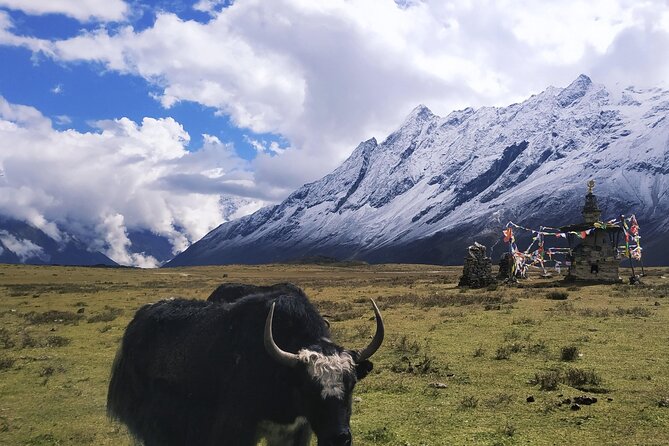
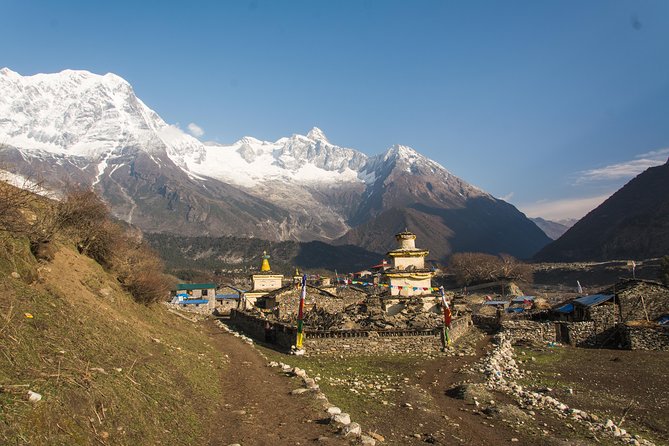
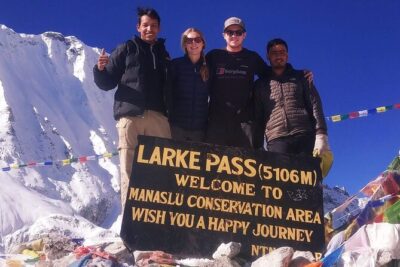
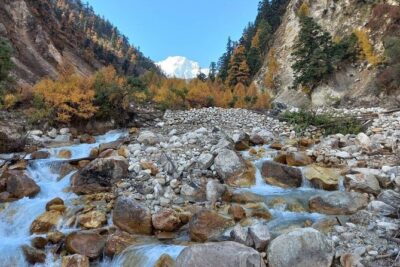
What you’ll appreciate most is how the trek builds altitude gradually. It starts at very low elevations with scenic paths, then keeps gaining elevation until you reach Larkya La Pass at 5,135m. Along the way, the route moves through subtropical dense forest and traditional villages with Tibetan culture.
This matters because your body adapts better when the climb is not sudden. It also changes what you see each day. Early on, you’re in a warmer-feeling world of forest walking and village stops. As you go higher, the air tightens, the scenery turns snowier, and the days feel more serious.
The itinerary also includes opportunity for side treks and destinations within a few hours. That’s a real quality-of-life feature on a long trip, because it gives you options if you feel strong one day or need a shorter day on another.
The big day at Larkya La Pass and why snow changes everything
Let’s talk about the part everyone remembers: the Larkya La Pass crossing at 5,135m. This is the adventurous high alpine pass and the main altitude milestone on the trek. The good news is that the trek does not require technical mountaineering skills.
The careful news is that conditions can vary a lot. The pass difficulty level depends on snow in the trail. Sometimes you may face massive snow walls. Other times, the pass can be easier with less snow. That variation is not something you can fully predict from a distance.
So how do you make this work for you? You go slow and steady. The trip’s own guidance leans on altitude sickness prevention being better than cure, which basically means pacing and not rushing because you feel good at the start. If you’re the type who needs to push, you’ll want to consciously practice restraint.
Also, be mentally ready for route changes in winter or heavy snowfall seasons. One clear example from on-the-ground trip outcomes is that some groups did not cross the pass due to heavy snowfall and still completed an amazing trekking experience around the circuit. That’s not failure. It’s trip management when the environment says no.
More to compare around Kathmandu
- Everest Base Camp Trek – 14 Days
★ 5.0 · 1,499 reviews - Everest Base Camp Trek
★ 5.0 · 842 reviews - Private Kathmandu Sightseeing Tour | UNESCO World Heritage sites
★ 5.0 · 756 reviews - Kathmandu: 7 UNESCO Sites with Lunch
★ 4.8 · 744 reviews
Tea house nights: basic rooms, real meals, and fewer choices than you expect
On this trek, your overnight stays are in tea houses. In most circuits, tea houses are what you make of them, and here they’re described as well restored and re-equipped after the earthquake aftermaths. That translates to fewer surprises in the sleeping setup and better confidence in the routes.
Comfort level: basic, but comfortable enough. You should not expect hotel towels or fancy bathrooms, and that’s not a complaint. It’s more like setting expectations so your brain stops wanting five-star comfort where the experience is supposed to be rugged.
Meals are one of the better-organized parts of the trip. During the trekking period, meals are included as breakfast, lunch, and dinner. On the trail, dinner and breakfast happen in the same tea house where you spend the night. Lunch is served en route on the way to the next destination.
Food choice is also part of the value. You can order from the menu, with options described as Nepali, Continental, Tibetan, Indian, and Italian. That variety helps when you’re tired and don’t feel like eating plain basics every day, even if it’s still a tea house version of those cuisines.
Culture on the Manaslu Circuit: Tibetan-influenced villages with a calmer rhythm
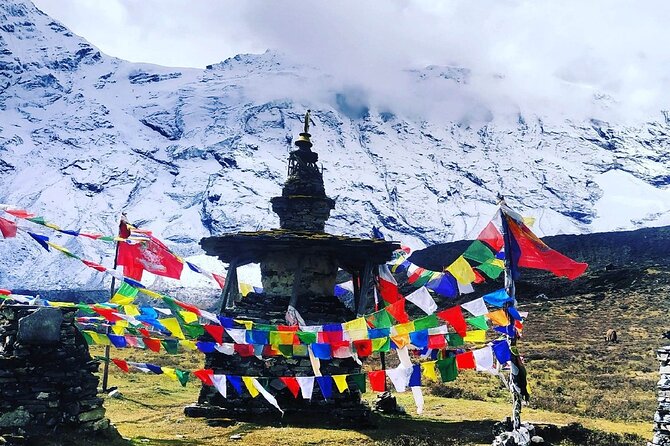
One of the strongest reasons to do Manaslu instead of only the headline base camp treks is culture. This circuit has an isolated feel in the midwest Himalayan region of Nepal, and you’re walking through places that keep a strong Tibetan cultural thread.
You’ll see traditional villages as you move along the route. This isn’t staged tourism. It’s daily life that happens while you pass through. That’s exactly why your pace matters. If you rush, you miss the small details, like how people structure their days and how village economies revolve around the seasonal flow of trekkers.
The trek also gives you chances for shorter side treks and detours within a few hours. That’s where you can often get a deeper feel for local rhythms, especially when the main route is busy enough to feel repetitive but not busy enough to feel chaotic.
Guide and porter support, with the small group advantage
This tour runs with a maximum of 15 travelers, which helps a lot on a trek like this. Smaller groups mean fewer bottlenecks at meals, easier pacing, and less pressure to match someone else’s speed.
Included support is a guide for the entire trek plus a required number of porters. You’ll also have staff support for food, clothing salaries, and insurance included in the price.
In real-world outcomes shared for this route, guides have made a big difference in staying flexible with weather and keeping logistics smooth. Names that show up in the experience set include Pradip, Dorji, Sonam Sherpa, Dendi, and Ang Dawa, with porters like Min, Karma, and Rabin Tamang also mentioned. The consistent theme is safe, organized trekking with clear communication.
What you can take from this, even without knowing the exact names for your trip: on Manaslu, the guide job is not only route knowledge. It’s decision-making, especially around snow, pacing, and when to adjust plans for safety.
Value check on the price: why $1,955 can be fair here
At $1,955 per person, this is not a budget trek. But it does bundle a lot of costs that add up fast in remote Nepal.
What’s included:
- 4 nights pre and post trek, plus welcome and farewell dinners
- All meals during trekking (breakfast, lunch, dinner)
- Tea house lodge accommodation during trekking
- Special permits for the Manaslu region and ACAP permits, plus taxes and paperwork
- Highly experienced trekking guide for the entire trek and the required number of porters
- Staff food, clothing salary, and insurance
- Pickup offered and mobile ticket
What’s not included:
- Personal expenses
- Bar bills and drinks
- Rescue and evacuation
- Tips for staff
Here’s the value logic for you: permits, guide time, porter support, and the built-in meals and tea house beds cover the expensive parts of getting safely into a restricted conservation area trek. Your biggest extra costs are typically drinks, snacks, and personal spending, plus the social part of tipping.
If you’re comparing to a cheaper trek that excludes permits or has a weaker support setup, this price can start making sense quickly. The fewer surprises you have in remote logistics, the more your trek feels like a trek and not a project.
Season choice: autumn and spring for clearer views, winter for fewer people
This trek is seasonal. The best time is described as three months in autumn (September, October, November) and three months in spring (March, April, May). Expect clearer, sunnier days and warmer-feeling conditions in the Himalayas compared to the harsh winter months.
Monsoon season (June, July, and August) is described as ruined by rains. That matters for trail conditions and overall comfort.
Off-season options exist too. If you want fewer trekkers, you can consider December, January, and February. Just know that snow can affect the pass and trail conditions. That’s why some groups may not cross Larkya La in heavy snowfall periods, while still enjoying the circuit and the surrounding mountain scenery.
Difficulty and fitness: moderate strenuousness with real altitude exposure
Manaslu Circuit Trek is described as moderately strenuous. The trek is suitable for adventure motivated trekkers who can walk generally 5 to 6 hours per day with a light private backpack.
Technical climbing skills are not required. Still, previous short trekking experience is a plus, especially because this route climbs to high altitude and demands steady effort.
Altitude sickness is a real consideration. The guidance is to prevent it by going slow and steady. You’ll also want to plan a little physical preparation ahead of time. The trek guidance suggests about an hour of daily workout (jogging, hiking, cycling, gym, anything) in the couple of weeks before you go.
One more thing you should understand: difficulty can change with snow levels. Sometimes the pass involves serious snow walls. Other times it’s more manageable. So your fitness helps, but conditions still drive how hard a day feels.
Who should book, and who should think twice
You’ll love this trek if you want:
- A remote trek that feels calmer than the big-name circuits
- Real village and Tibetan-influenced culture
- The key challenge of crossing a high alpine pass at 5,135m
- A trek with tea house comfort that is basic but supported and repaired
You should think twice if you:
- Need hotel-level comfort every night
- Get anxious about weather changes affecting whether you cross a specific high pass
- Have limited ability to walk 5 to 6 hours on most trekking days
If you’re the type who follows pacing advice and takes altitude seriously, this kind of trek can reward you hard. The best outcomes tend to come from trekkers who treat it as a steady, long effort, not a race.
Should you book this Manaslu Circuit Trek?
If your goal is a quieter Himalayan trek with real culture and a serious high-pass milestone, I think booking makes sense. The price also looks fair for what’s included: permits, guide and porter support, tea house beds, and full trekking meals, plus pre and post trek lodging and dinners.
Just go in with eyes open about two things: tea house simplicity and weather-driven pass conditions. If that fits your expectations, Manaslu is the kind of trek that can feel both challenging and genuinely meaningful.
If you want, tell me what month you’re considering and your current trekking level (days of hikes and highest elevation you’ve handled). I can help you sanity-check whether Larkya La crossing is realistic for that time and how to plan your fitness.
FAQ
Where does this trek start?
The trek starts at Tribhuvan Airport in Kathmandu, Nepal.
What time does the experience start?
The listed start time is 9:45 am.
How long is the Manaslu Circuit Trek?
The duration is approximately 19 days and 6 hours.
What is the highest point on the trek?
The trek includes crossing Larkya La Pass at 5,135 meters.
Are Manaslu and Annapurna permits included?
Yes. The tour includes special permits for the Manaslu region and ACA permits, along with taxes and necessary paperwork.
What meals and accommodation are included?
Meals during trekking are included as breakfast, lunch, and dinner. Accommodation on the trekking route is in tea house lodges.
What season is best for this trek?
Autumn (September, October, November) and spring (March, April, May) are described as the perfect times for clear weather and good mountain views. Monsoon (June, July, August) is described as ruined by rains.
What is not included in the price?
Personal nature expenses, bar bills and drinks, rescue and evacuation, and tips or gratitude for staff are not included.
How big is the group, and what is the cancellation window?
The maximum group size is 15 travelers. Cancellation is free up to 24 hours in advance for a full refund.
Latest Kathmandu write-ups
- Langtang Valley Trek★ 5.0 · 3 reviews
- Khopra Danda Trek★ 5.0 · 3 reviews
- Langtang Valley Trek from Kathmandu★ 5.0 · 3 reviews
- 5 night / 6 days Kathmandu Nagarkot Chitwan Pokhara tour★ 5.0 · 3 reviews
- Nepal Highlights Tour: 5 Nights 6 Days Kathmandu & Pokhara Tour★ 5.0 · 3 reviews
- Kathmandu Valley Private Day Tour★ 5.0 · 3 reviews
- Conquer the Himalayas: The Ultimate 16-Day Annapurna Circuit Trek★ 3.5 · 3 reviews
- Kathmandu Heritage Day Tour★ 5.0 · 3 reviews
Manaslu Circuit Trek, compared.
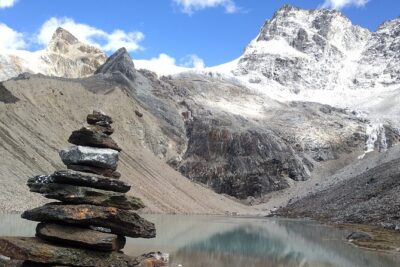
Manaslu Circuit Trek 8th Highest in the World
Read our review →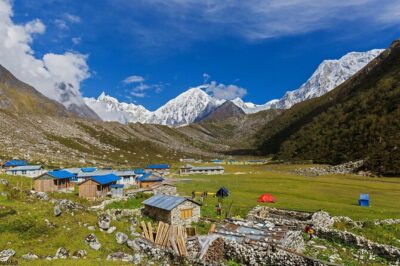
Private 12-Day Manaslu Circuit Trekking in Kathmandu
Read our review →
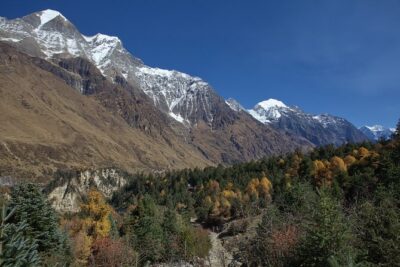
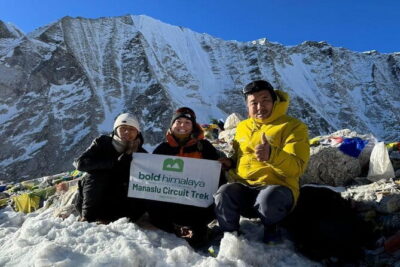
Manaslu Circuit Trek to the Beauty of 8th Highest Mountain
Read our review →Browse the lists this tour appears in