
This trek is interesting because it lets you chase major Himalayan views while avoiding Nepal’s most crowded trekking corridors. You’ll walk with a guide and porters, follow the Budhi Gandaki River, and then hit the big moment at Larkya La Pass (5,420 m). I also like that the route builds in quieter scenery and culture in Tsum Valley, with monasteries, mani walls, and chortans, plus that classic high-pass viewpoint hike.
Two big things I’d count on: Tatopani hot springs for a real soak, and the sweeping peak views around Manaslu, Himalchuli, Bouddha Himal, and Ngadi Chuli. One heads-up, though: it’s still a high-altitude trek and runs on weather, so you’ll want a moderate fitness base and a calm plan for delays if conditions turn.
Key Points to Know Before You Go
- Larkya La Pass viewpoint at 5,420 m: expect your hardest “show up and work for it” moment
- Budhi Gandaki River walking days: calmer, steady scenery rather than nonstop ridgeline hiking
- Tatopani hot springs stop: practical recovery time during the trek
- Tsum Valley culture stops: mani walls, chortans, and monasteries you can actually pause for
- Licensed guide plus porter support: logistics handled, with a porter ratio of 1 porter for 2 people
- Small max group size (16): easier pacing and less crowd energy on the trail
Why the Manaslu Circuit With Tsum Valley Feels Less Crowded (But Still Huge)
If you’re excited by tall peaks but tired of bottlenecks, the Manaslu Circuit with Tsum Valley is a smart target. The trekking concept here is pretty clear: you get epic views of big mountains, but you’re not shoved onto the same busiest treadmills of other well-known routes.
You’ll travel in a guided group format, with a professional, government-licensed trekking guide and porters. That matters more than most people think. In Nepal, route-finding and tea house logistics can turn annoying fast when you’re on your own. Here, you’re set up so you can spend your brainpower on pacing, hydration, and enjoying the views when they finally open up.
Also, the mix of scenery and culture is the hook. You’re not only walking toward a pass. You’re passing places where people actually live, worship, and keep traditions close by. That shows up in stops connected to mani walls, chortans, and monasteries in the Tsum area.
The possible drawback is the obvious one: this trek includes crossing a major high pass, the Larkya La Pass at 5,420 m. If weather closes in, the mountains you came for can turn into fog and wind. The good news is your operator builds in the right kind of support, and the trekking plan is built around daily movement with tea house stays and meals included.
More of the Manaslu Circuit:
- Manaslu Circuit Trek
★ 5.0 · 292 reviews - Manaslu Circuit Trek
★ 5.0 · 184 reviews - Manaslu Circuit Trek:
★ 5.0 · 106 reviews
What You’re Really Paying For: Value Behind the $1,250 Price
At $1,250 per person, the value isn’t just “a cheap trek deal.” It’s that many of the cost items that often add up are packaged in.
Here’s what’s included in your base price, with why it matters:
- Permits for trekking: you avoid the headache of sorting paperwork on your own.
- Professional guide and porters (porter ratio 1 porter for 2 people): your own load stays lighter.
- All meals during trekking and tea house accommodation: you don’t have to budget daily meals on the trail.
- Necessary equipment for guide and porters plus food and salary for the team: the provider is handling team operations, not passing costs to you mid-trip.
- Airport pickup and drop, plus half-day Kathmandu sightseeing with transportation: you start smoothly instead of wasting your first day figuring logistics out.
- Insurance for guide and porters: the safety net is in place for the working team.
What’s not included is also useful to know:
- Lunch and dinner in Kathmandu and Pokhara (so you’ll still need spending money for meals on those travel days).
- All drinks during the trip.
- Personal travel insurance.
When you price treks in Nepal, the difference between a good deal and a bad one often comes down to who handles permits, staffing, and daily food. This program bundles a lot of that, which is why it can work out as economical for a guided group trek.
Kathmandu Setup: Half-Day Sightseeing and a 3-Star Reset
Your trip anchors in Kathmandu. You get airport pickup and drop, then half-day Kathmandu sightseeing with transportation, and a 3-star hotel stay in Kathmandu as part of the included package.
This “soft start” is more than comfort. It gives you time to get oriented before trekking day one. You can also use the half day in Kathmandu to stock up on small essentials, sanity-check your packing, and handle any last-minute needs that show up after you arrive.
One practical note: the trek starts with a 9:15 am meeting time, so you’ll want to plan an arrival day that doesn’t leave you sprinting across the city. The good part is that the operator is set up to handle the transfer.
Getting on the Trail: Budhi Gandaki River Walking Days
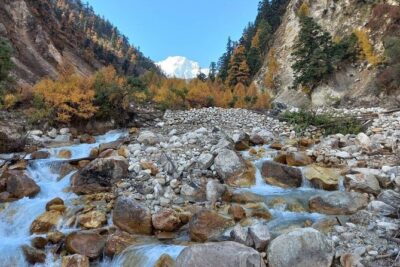
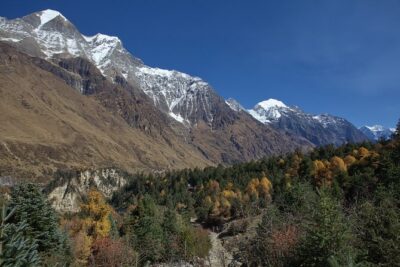
The Manaslu Circuit trekking experience you’re buying into is built around time on the trail, not busy sightseeing blocks. A standout theme is hiking alongside the Budhi Gandaki River, described as a peaceful walk along sandy banks.
This is the part I like for new trekkers who are already physically fit but maybe not mountain-march seasoned. River valley walking tends to be steady. It can be less about constant ups and downs and more about rhythm. That rhythm matters because later you’ll be dealing with the high pass and the fatigue stack that comes from many hours on your feet.
Expect a string of days where your biggest job is consistent effort: pace control, hydration, and not going too fast just because the views look close. When you’re headed toward a high pass, the temptation is to overdo it early. A good guide and porter team helps you resist that urge.
More to compare around Kathmandu
- Everest Base Camp Trek – 14 Days
★ 5.0 · 1,499 reviews - Everest Base Camp Trek
★ 5.0 · 842 reviews - Private Kathmandu Sightseeing Tour | UNESCO World Heritage sites
★ 5.0 · 756 reviews - Kathmandu: 7 UNESCO Sites with Lunch
★ 4.8 · 744 reviews
Tea Houses, Meals, and Realistic Trek Comfort
This is a teahouse trek, which means you sleep in guesthouses along the route and you eat meals while you’re trekking. In your package, all meals during trekking and tea house accommodation are included.
That’s important for two reasons:
- It reduces daily decision fatigue. You’re not scrambling every meal.
- It keeps your spending predictable, since drinks are the part you’ll usually pay for separately.
Also, your trek is designed for a maximum of 16 people. Smaller groups tend to move with less crowd friction. It also makes it easier for your guide to manage walking pace and rest stops without feeling like you’re in a moving bus line.
Tatopani Hot Springs: A Recovery Stop That Actually Helps
One highlight called out clearly is hot spring baths at Tatopani. I love stops like this because they’re not just a nice photo moment. They can help your body reset during a long trek.
After long hiking days, tight muscles and swollen feet can make the next day feel harder than it has to be. A hot springs stop is one of the few “recovery tools” that doesn’t require special equipment or a pharmacy run. If your trek calendar puts Tatopani mid-trip, it’s a gift.
Just remember it’s still trekking. You’ll want to keep your hydration routine steady even if you feel tempted to stay in the water longer than you should.
Tsum Valley Culture: Mani Walls, Chortans, and Monasteries
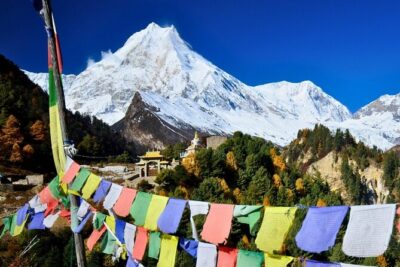
The Tsum Valley portion is where the trek gains depth beyond scenery. You’re set up to explore chortans, mani walls, and monasteries, plus experience the culture of ethnic groups like Gurung, Magar, and Sherpa.
What does that mean on the ground? It means slower moments are built into the route. You’ll see spiritual art in stone and painted patterns, plus you’ll pass places where religion and daily life overlap. Even if you’re not a “temples all day” person, the Tsum culture stops are a good contrast to the steep physical effort.
This part also helps the trek feel more human. The mountains stay big, but the route doesn’t turn into only “walk to the next viewpoint.” It becomes “walk through a lived-in region.”
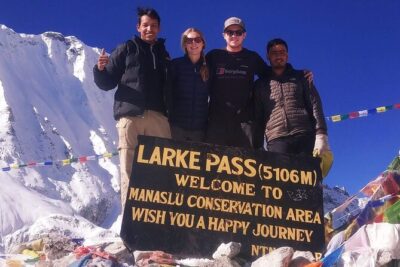
The Big Moment: Larkya La Pass at 5,420 m
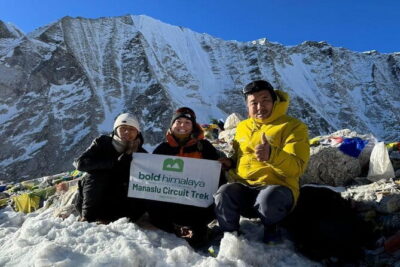
If you come for the Himalayas, you come for this. The trek includes the crossing of Larkya La Pass and a panoramic viewpoint from around 5,420 m.
I’d treat this day as a mental shift, not just a physical one. The pass crossing is the part where:
- Weather can change quickly.
- Your pace needs to be conservative.
- You should focus on steady breathing and small steps, not hero moves.
The good news is your trek structure is built around a guided experience and daily teahouse rhythm. You’re not doing this blind or unsupported. With a licensed guide and a team logistics setup, you get help navigating route flow and reducing the stress of decision-making when you’re tired.
Also, the mountain views you’re chasing do have a strong payoff list. Along the way, you can see Manaslu, Himalchuli, Bouddha Himal, Ngadi Chuli, and several other named peaks. The pass viewpoint is where many people feel all those names click into real perspective.
Guides and Porters: Why It Changes the Whole Trek
A trek like this is partly about hiking, and partly about managing the non-hiking stuff. This program includes:
- A professional guide with government license
- Porters, with a ratio of 1 porter for 2 people
- Insurance for guide and porters
- Rescue help in an emergency, covered by guest insurance
From the real-world examples shared by past participants, the guide experience can be a huge part of how the trek feels. Names that come up include Pasang, Indra Baram, and Santosh, plus team members credited with making logistics easy, including Mani. Some participants also mention porters like Padham Gurung.
You might think that’s just nice to have. But in practice, the guide is often what makes the high pass and culture days feel organized, safe, and paced. The porter ratio also affects your energy. Carrying less can be the difference between finishing feeling proud versus finishing wrecked.
Pace, Fitness, and Weather: When This Trek Works Best
This trek asks for moderate physical fitness. That means you should be comfortable with long walking days and big altitude days. The overview also references average walking time being substantial, especially early in the route, so plan on settling into a rhythm rather than expecting short easy hikes.
Weather matters here. The experience requires good weather, and if it’s canceled due to poor conditions, you’ll be offered another date or a full refund. In other words, don’t plan this as the one last impossible-to-change event in your whole trip.
Who is this best for?
- People who want a guided, supported Manaslu trek rather than solo navigation.
- Hikers who like culture stops as much as summit-style views.
- Folks who want to avoid the busiest trekking corridors while still seeing major peaks.
Who should think twice?
- If you’re not ready for a high pass crossing and you don’t have the fitness base for it.
- If you get stressed by schedule changes when weather shifts.
Cost, Group Size, and the “Economical Group Trek” Approach
This is described as an economical group trek, and the small max group size of 16 fits that idea. You get the benefits of grouping, like shared logistics and less confusion, while avoiding the large-crowd feeling of some popular routes.
The private support elements, like a guide and a porter team, also help your experience stay focused on hiking and views rather than logistics. That’s the real payoff of the package: it’s structured for people who want to enjoy the mountains without micromanaging the trip.
Should You Book This Manaslu Circuit Trek With Tsum Valley?
I think this is a great booking when you want a big-views trek with less crowd pressure, and you’re okay committing to the reality of a high pass crossing. The included permits, guide, porter support, tea house meals, and Kathmandu hotel setup make it feel practical, not complicated.
Before you book, check your fitness comfort with long hiking days and your willingness to be flexible with weather. If you want a trek that’s part physical challenge and part cultural walking through places like Tsum Valley, this one fits the bill.
If you’d rather minimize risk and maximize comfort above all else, you might look for a shorter or lower-elevation option. But if you’re chasing Manaslu-area views and the Larkya La Pass payoff, this is a strong choice.
FAQ
What are the meeting details for this trekking experience?
The start time is 9:15 am. The program is based in Kathmandu, Nepal, and includes airport pickup and drop.
How long is the trek?
The listing shows 14 days (approx.), and the overall experience is marketed as 25 days. The exact schedule can vary.
What does the price include?
The package includes airport pickup and drop, a 3-star hotel in Kathmandu, half-day Kathmandu sightseeing with transportation, trekking permits, a professional licensed guide, porters (1 porter for 2 people), all meals during trekking, and tea house accommodation.
Are teahouses included during the trek?
Yes. You stay in tea houses on the trek, with a hotel stay in Kathmandu.
Do I need to bring my own travel insurance?
Personal travel insurance is not included. Rescue help is mentioned as being covered by guest insurance.
Is a guide included so I do not have to navigate alone?
Yes. You get a professional trekking guide with government license, plus porters for support.
What major trekking sights and activities are included?
Key highlights include hiking along the Budhi Gandaki River, exploring Tsum culture sites like mani walls, chortans, and monasteries, hot spring baths at Tatopani, and the crossing and viewpoint of Larkya La Pass at 5,420 m.
What is the group size?
The tour has a maximum of 16 travelers.
What is not included in the price?
Lunch and dinner in Kathmandu and Pokhara are not included, and all drinks are not included. Personal travel insurance and monument fees only at Kathmandu are also not included.
What happens if the experience is canceled due to weather or minimum group size?
The experience requires good weather. If canceled due to poor weather, you will be offered a different date or a full refund. It can also be canceled if the minimum number of travelers is not met, with a different date or full refund offered.
How does cancellation work?
You can cancel up to 24 hours in advance for a full refund. If you cancel less than 24 hours before the experience’s start time, the amount paid will not be refunded.
Latest Kathmandu write-ups
- Langtang Valley Trek★ 5.0 · 3 reviews
- Khopra Danda Trek★ 5.0 · 3 reviews
- Langtang Valley Trek from Kathmandu★ 5.0 · 3 reviews
- 5 night / 6 days Kathmandu Nagarkot Chitwan Pokhara tour★ 5.0 · 3 reviews
- Nepal Highlights Tour: 5 Nights 6 Days Kathmandu & Pokhara Tour★ 5.0 · 3 reviews
- Kathmandu Valley Private Day Tour★ 5.0 · 3 reviews
- Conquer the Himalayas: The Ultimate 16-Day Annapurna Circuit Trek★ 3.5 · 3 reviews
- Kathmandu Heritage Day Tour★ 5.0 · 3 reviews
Manaslu Circuit Trek, compared.
Manaslu Circuit Trek 8th Highest in the World
Read our review →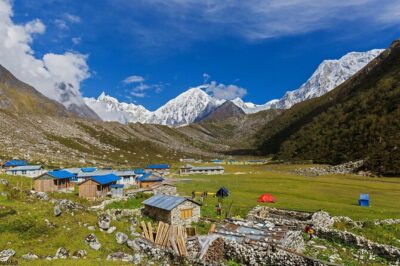
Private 12-Day Manaslu Circuit Trekking in Kathmandu
Read our review →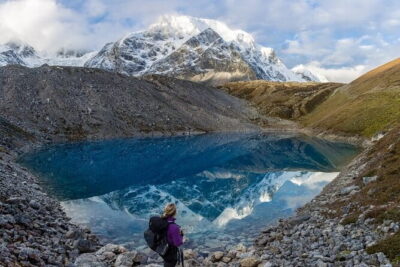
Manaslu Circuit Trek to the Beauty of 8th Highest Mountain
Read our review →Browse the lists this tour appears in