
Reviewed · MARDI HIMAL TREK
Mardi Himal Trek
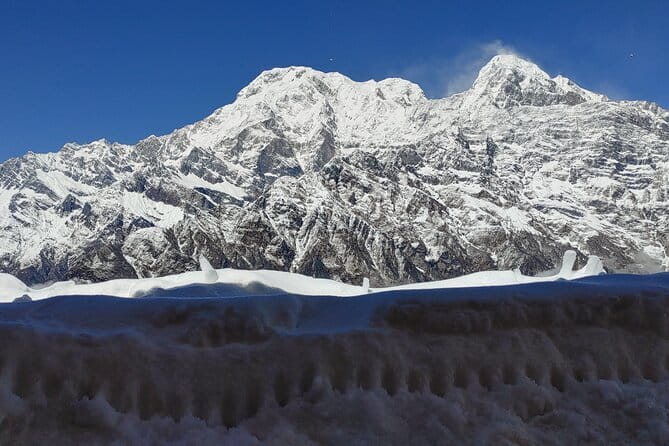
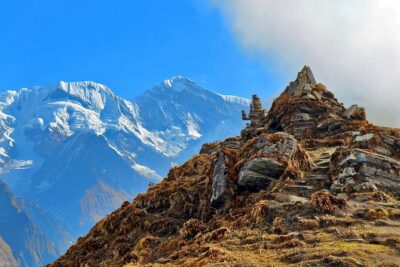
The Mardi Himal Trek is interesting because it heads deep into the Annapurnas without the big-crowd vibe you may associate with some other routes. You hike through forests and ridges, then wake up high enough to feel like the mountains are right in your lap. I like that it pairs mountain scenery with real village life, and I also like the wildlife angle, because this area is where you can realistically spot things like danphe pheasants. A consideration: the walking days can be long and steep, especially if you are not used to high-altitude trekking.
I also like the way the itinerary builds in breathing room. You start with Pokhara and time on Phewa Lake, then move into the trail in stages, with guesthouse nights in the trek zones. In reviews, the support from guides such as Mr. Shyaam, plus the planning help from Hari and Mahendra, comes up again and again, especially for first-timers and mixed groups. The one possible drawback to plan around is that this trip expects good weather, so you should be ready for a schedule that depends on mountain conditions.
If you want a trekking holiday that feels authentic, not rushed, this is a solid pick. Just be honest with your fitness level, because “moderate fitness” still means uphill hiking most days. And since hot showers and other comforts are not part of the package, you should pack and plan like a real trek, not a spa day.
Quick hits you will care about
- Quiet trail feel: you spend real time on ridges and through woods, not just passing through.
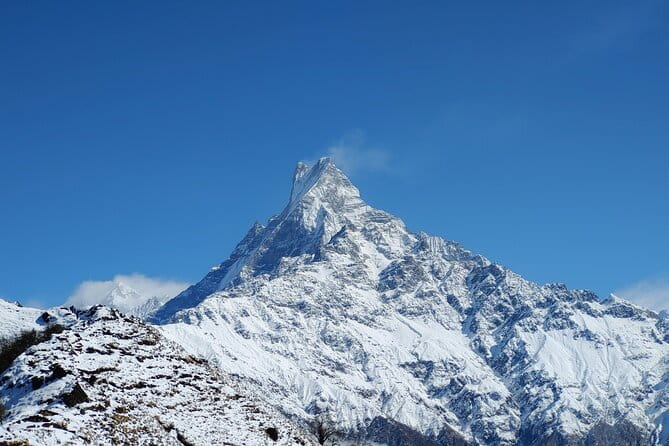
- Machhapuchare and Annapurna views: lunch and viewpoint stops are timed around strong scenery moments.
- Wildlife odds: you are in danphe pheasant and rhododendron habitat, plus chances for other mountain animals like red panda in the broader region.
- Village encounters on the way down: Siding, Kokar, Lumle and nearby communities give a more local feel.
- Good “first trek” support: past groups included kids, and the guide support is a standout theme.
- Permits handled for you: Annapurna Conservation Area and TIMS permits are included in the price.
Entering the Mardi Himal experience, minus the chaos
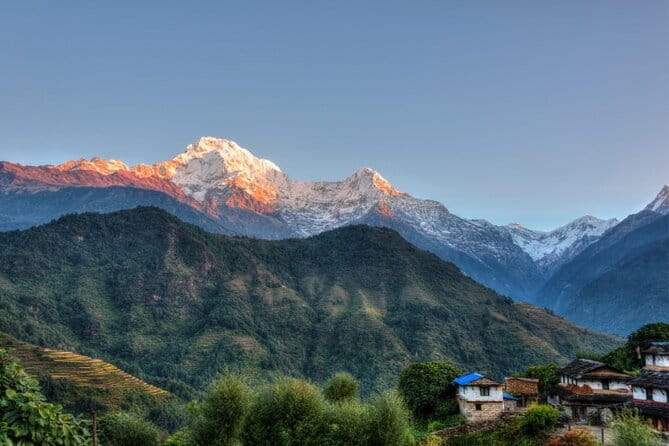
Mardi Himal sits inside the Annapurna region, but the vibe is more laid-back than the routes that pull the loudest crowds. What you’re really buying here is time in the mountains plus a guided plan that connects the big view days with the quieter cultural days.
I like that the trek is built around gradual changes: shaded woods, stone stair passages and village edges, then thinner tree lines and shrub ridges, then higher grassy pastures. That progression helps you feel the altitude story without needing to pretend you are a superhero on day one.
This is also a trek where your guide matters. Even if you know you can walk uphill, the difference between a good and great trek is timing, pacing, and knowing when to stop for photos or views. The reviews consistently highlight a guide with energy and steady availability, and that kind of presence can help a lot on long, steep sections.
More on the Mardi Himal ridge:
- Mardi Himal Trek
★ 5.0 · 41 reviews - Mardi Himal Trek Nepal
★ 5.0 · 29 reviews - Mardi Himal Trek – 8 Days | Hidden Gem of the Annapurnas
★ 5.0 · 19 reviews
Price and logistics: what $950 buys in real terms
At $950 per person, the value depends on how you look at what is included. You get pickup and drop-off by car or van, trek permits (Annapurna Conservation and TIMS), a trained guide, and porters with a ratio of 1 porter between 2 members. On top of that, you get twin sharing guesthouse accommodation during the trek, plus government tax and office service charges.
What you do not get is where many travelers get surprised. You are not getting travel insurance, international flights, a visa service, alcohol, laundry, phone or internet, or any guarantee of hot shower time. Trekking equipment is also not included, and you are specifically asked to bring a 4-season sleeping bag, which is a big deal for comfort at higher elevations.
So yes, the price is not the cheapest thing you could book. But for a guided, permit-managed Annapurna trek with porters and structured logistics, it is priced like a full service mountain trip, not like a DIY plan.
Day 1 in Kathmandu: a transfer that keeps your first day easy
On arrival, you meet a representative at Tribhuvan International Airport. They are there with a sign and then you get transferred to your hotel in a private tourist vehicle.
This is simple but important. After a flight, you want smooth handoffs, not a scavenger hunt for public transport and SIM cards. Your time here is short and focused, which sets you up for the next day’s early start.
Plan for an easy evening. Nothing in the trek itself is easier than showing up on day two rested and ready.
Day 2 Pokhara: lakeside calm before the first steep hike day
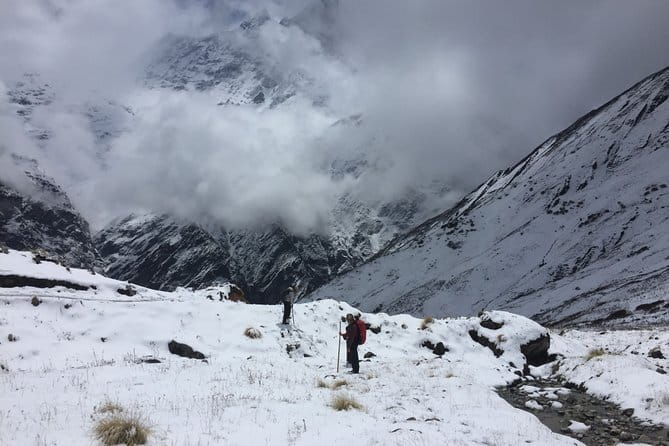
You leave Kathmandu early, with the guide picking you up around 6:30 AM. You then head to the bus station, board the tourist bus at about 7:30 AM, and ride for roughly 6 to 7 hours through river valleys, terraced fields, and green hills.
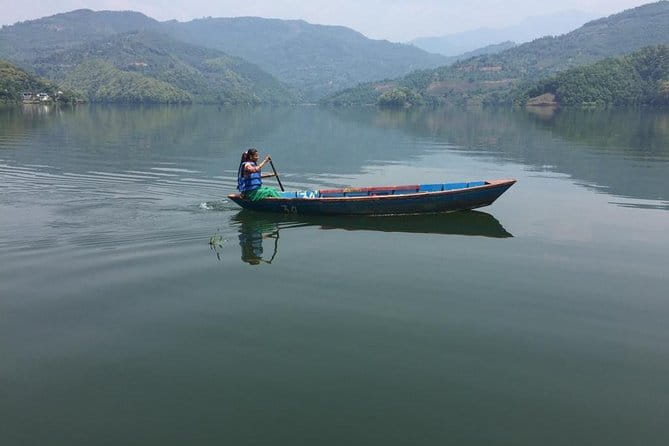
Pokhara is your buffer day, and I like that the plan gives you evening free time. You check in, then you can explore on your own. The big pull is Phewa Lake, where many people boat out to enjoy reflections and the view of Machhapuchare above town.
This day also helps with mental prep. Trekking after a long drive is tough, but trekking after a relaxed lakeside evening tends to feel more doable. Keep your steps light tonight, hydrate well, and avoid the temptation to over-plan.
More to compare around Kathmandu
- Everest Base Camp Trek – 14 Days
★ 5.0 · 1,499 reviews - Everest Base Camp Trek
★ 5.0 · 842 reviews - Private Kathmandu Sightseeing Tour | UNESCO World Heritage sites
★ 5.0 · 756 reviews - Kathmandu: 7 UNESCO Sites with Lunch
★ 4.8 · 744 reviews
Day 3 Phedi to Pothana: woods, stone steps, and a real feel for daily life
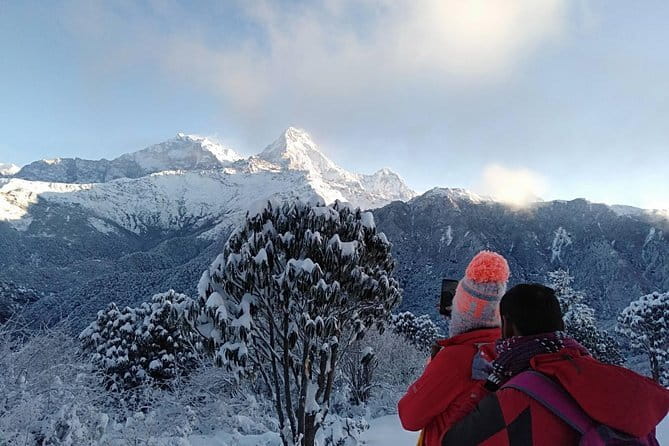
After breakfast in Pokhara, you ride to Phedi for less than an hour. Then you start hiking along stone staircases through shaded woods and small villages as you ascend.
You hike around 5 hours today. Lunch is at Dhampus, which is described as a great break with Annapurna range views. After lunch, you continue to Pothana, a village with traditional stone-built homes and paved paths, along with modern touches like snacks and souvenirs.
A good way to think about day three: it is where you transition from “travel mode” to “trek mode.” If you take it steady, you get the rhythm of steps, breath, and pacing. If you rush, you pay for it later. So I’d rather see you start slower than your ego wants, especially if this is your first multi-day trek.
Day 4 toward Mardi Himal and Machhapuchhre: shrubs, rhododendron, and High Camp sleep
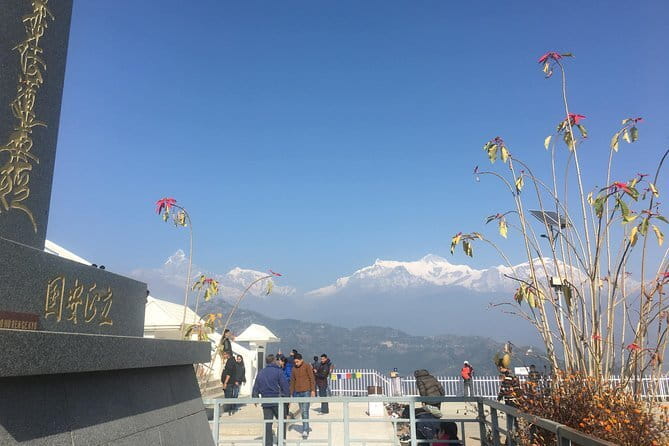
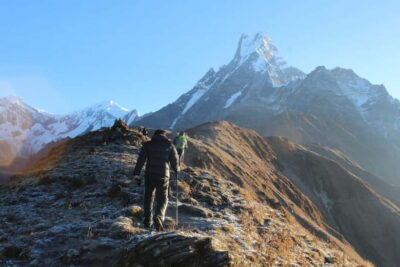
Today you trek uphill along a ridge toward Mardi Himal and Machhapuchhre. Tree lines start to thin out, and the trail shifts into shrubs and rhododendron bushes. If luck is on your side, you might even see the daphne pheasant (also referred to as danphe), which is Nepal’s national bird.
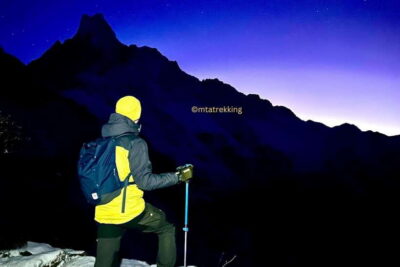
The day ends at High Camp, with an overnight stay. It is about 5 hours of trekking, and the reward is stunning mountain views right from camp.
High Camp nights can feel cold and tight on comfort, so treat it like part of the trek, not a hotel stay. If you have ever wondered whether you packed the right sleeping bag, day four is where you will find out.
Day 5 Low Camp and the ridgeline: Machhapuchare’s fishtail and wildlife habitat
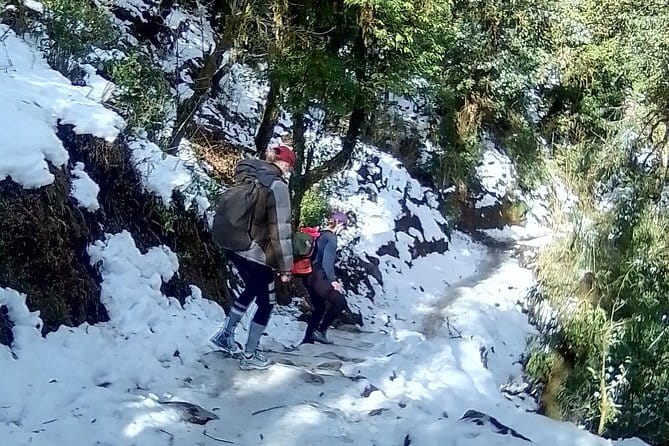
You continue from the clearing of Kokar through mossy woodlands. The plan notes that occasional light shafts can cut through mist, and that kind of lighting can be great for photos, as long as you stay safe and watch your footing.
After about a few hours, you stop for lunch at Low Camp. From there you get a distinctive view of Machhapuchare’s fishtail-shaped summit. As the trail turns westward, you may glimpse glaciated peaks like Annapurna South and Hiunchuli.
You then keep hiking along the ridgeline as the trees thin out further. The itinerary highlights that rhododendron bushes are abundant here, and that this is good wildlife habitat, including danphe.
This is also a day where timing matters. Early or late light can change how much detail you see in peaks, so don’t plan to be “fashionably late” to lunch.
Day 6 sunrise ridge and grassy pastures: dzo, herder huts, and the best views
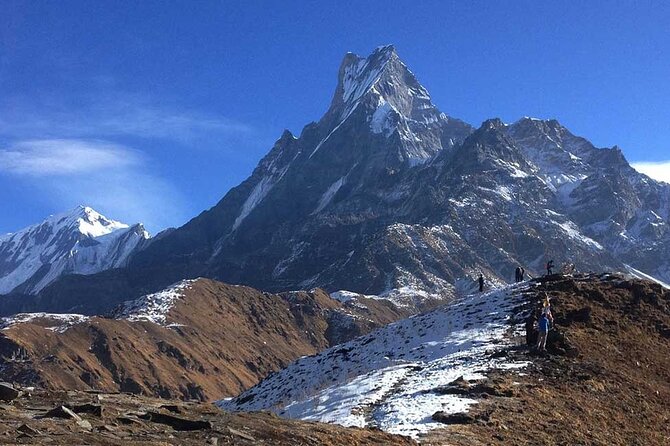
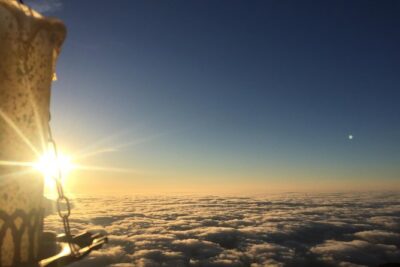
You wake early to catch the sun rising over the Himalayas. Then you hike up a ridge toward what is described as a fabulous vantage point with some of the best sights on the whole trek.
The route goes through grassy pastures, but the going is steep and sometimes narrow. This is where you can realistically spot grazing animals. The itinerary mentions dzo, a hybrid bred from yak and cattle, plus herders’ huts along the way.
And if you missed danphe earlier, the plan says you should keep an eye out again today, since colorful pheasants can appear in these habitats.
This day is listed at around 8 hours, so pace yourself and don’t chase speed. A steadier climb usually means better views, because you’re not out of breath at the exact moment you want to look.
Day 7 returning without retracing: Siding village adds the human scale back
You turn around and leave the higher Himalaya behind. But instead of marching back the same way, you take a different route so the trek doesn’t feel like a copy-paste.
From High Camp, you trek back toward Low Camp, and then the track diverges to approach Siding village. Siding is traditional, with lower tourist traffic than the more famous stopovers. The itinerary also says your hosts at Kokar are from this village, and it is likely your guesthouse tonight is run by a family connected to Siding and Low Camp.
This part matters because it resets your brain. After days of altitude and view-hunting, it’s a relief to be walking among people who live here year-round. If you’re the type who likes to talk and ask questions, day seven is often the most rewarding emotionally.
Day 8 Lumle and the mixed-ethnicity villages: Nepal off the main drag
After breakfast in Siding, you head toward the road area, hiking in the direction of Lumle. While you are no longer on high mountain trails, you are still in Nepal’s everyday fabric.
As you leave Siding, you pass Kalimati and Ghalel. Kalimati is mainly Brahmin. Ghalel has a mix of Brahmin and Gurung ethnicities. This is presented as a chance to see how diverse communities live side-by-side in the hills.
You then reach Lumle, and the plan includes a prearranged jeep back to Pokhara, about 2 hours. You get time for a fine dinner in the city and overnight in Pokhara.
My practical advice here: don’t plan anything heroic after dinner. Use day eight to recharge, because day nine is a long bus day back to Kathmandu.
Day 9 bus back to Kathmandu: stupas, time to decompress, and reflection
You bid farewell to the mountains with a final breakfast in Pokhara. Then you take the tourist bus back to Kathmandu, again roughly 6 to 7 hours.
Once the bus arrives, you may have time for sightseeing after lunch. The itinerary specifically calls out Swayambhunath and Boudhanath, both major Buddhist stupas that are easy to reach from the city center. If you like visual history and daily life, these places tend to do that job well.
This is a day for decompression. Your body may feel surprisingly okay in the morning, then remind you in the afternoon that you walked a lot. Hydrate and take it slow.
Day 10 departure: the airport timing that saves you from stress
On departure day, a representative meets you at your hotel and takes you to the airport about three hours before your outgoing flight.
That timing is the kind of practical detail that helps, especially if your flight is international and includes check-in lines. It’s also a nice bookend to the trek: controlled and calm, not chaotic.
Wildlife and viewpoints: how to actually improve your odds
The Mardi Himal area is described as a biodiversity hotspot, and you are also told to keep an eye out for animals including red panda. It does not promise sightings, but it does set you in the right habitats.
If you want better odds, here are the habits that make sense with this itinerary:
- Go quiet when you spot movement near forests or rhododendron areas, especially around danphe habitat.
- Use the ridgeline and morning light opportunities, because birds and animals are more active and visible early.
- Keep your camera ready, but your feet safer first. A great shot is not worth a bad fall.
For viewpoints, focus on the days built around timing. High Camp, Low Camp, and the sunrise ridge day are where the plan is intentionally set for big views like Machhapuchare and broader Annapurna angles.
Who this trek suits best, and who should think twice
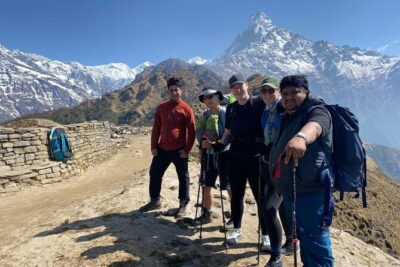
This trek fits you if you want a guided Annapurna experience that balances scenery, wildlife possibilities, and village life. It also fits groups that want a structured route with permits handled and porters included.
You should think twice if you do not want steep walking. The trek includes several long hiking days, including around 8 hours on consecutive high trail days. You also need to be comfortable with guesthouse accommodations and trekking conditions where hot water and hot showers are not part of the deal.
It can work for families too. One of the standout review themes was a group that included an 8-year-old on a similar Mardi Himal itinerary, and the trip was praised for smooth support from the guide.
Should you book Mardi Himal Trek with Accessible Adventure?
I would book it if you value a guided, permit-managed trek that keeps the day rhythm steady and gives you real time in both mountains and local communities. The guide support is a big plus, with named staff like Mr. Shyaam, and planning help from Hari and Mahendra coming up in positive feedback. I also like that the itinerary includes a strong Pokhara start, so you are not going straight from airport to high altitude.
I would hesitate if you expect resort comforts or easy, flat walking. You are paying for the trek plan and support, not for luxury. And the experience needs good weather, so you should be flexible with expectations if conditions change.
If you want a mountains-and-people trek that still feels manageable, this one is worth serious consideration.
FAQ
What is the duration of the Mardi Himal Trek?
The itinerary is listed as 10 days (approx.).
Does the trip include pickup and drop-off?
Yes. Pickup and drop-off by car or van are included as per the program, including airport transfers in Kathmandu.
Is this a private tour?
Yes. It is listed as a private tour/activity, and only your group participates.
What permits are included?
Permits for Annapurna Conservation and TIMS are included.
What kind of accommodation can I expect during the trek?
You get twin sharing accommodation at guest houses during the trek.
Are meals included?
The included list mentions breakfast (4). Other meals are not listed as included.
Do I need trekking equipment?
Yes. Trekking equipment is not included, and the notes specifically ask you to bring a 4 seasons sleeping bag.
What happens if weather is poor?
The experience requires good weather. If it is canceled due to poor weather, you will be offered a different date or a full refund.
Latest Kathmandu write-ups
- Langtang Valley Trek★ 5.0 · 3 reviews
- Khopra Danda Trek★ 5.0 · 3 reviews
- Langtang Valley Trek from Kathmandu★ 5.0 · 3 reviews
- 5 night / 6 days Kathmandu Nagarkot Chitwan Pokhara tour★ 5.0 · 3 reviews
- Nepal Highlights Tour: 5 Nights 6 Days Kathmandu & Pokhara Tour★ 5.0 · 3 reviews
- Kathmandu Valley Private Day Tour★ 5.0 · 3 reviews
- Conquer the Himalayas: The Ultimate 16-Day Annapurna Circuit Trek★ 3.5 · 3 reviews
- Kathmandu Heritage Day Tour★ 5.0 · 3 reviews
Mardi Himal Trek, compared.
Mardi Himal Trek – 8 Days | Hidden Gem of the Annapurnas
Read our review →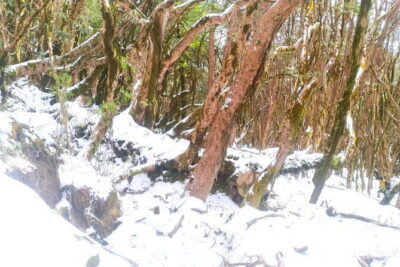
Browse the lists this tour appears in