
Reviewed · MARDI HIMAL TREK
Mardi Himal Trek – 9 Days
Mardi Himal is the Annapurna region at a slower tempo, with big mountain moments and quieter village days. What makes this trek especially interesting is the mix of early sunrise viewpoints and relaxed culture stops, instead of racing from one “check-point” to another.
I like how much of the hard logistics are handled for you, from lodge setups to meal timing and transport. I also like that you travel with an English-speaking guide and a strong porter team, so the experience feels organized rather than chaotic.
One consideration: the days start early, including a 4am walk for the Mardi sunrise viewpoints. If you hate cold mornings, or you expect hot showers and lots of extra comforts, you’ll want to plan smart because some everyday extras are not included.
Key Highlights You Should Know Before You Go
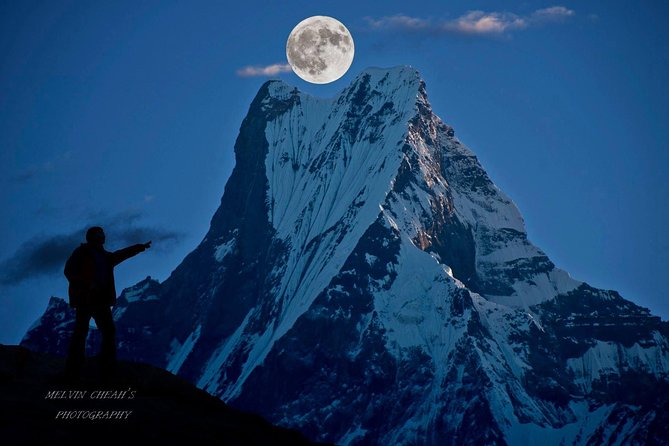
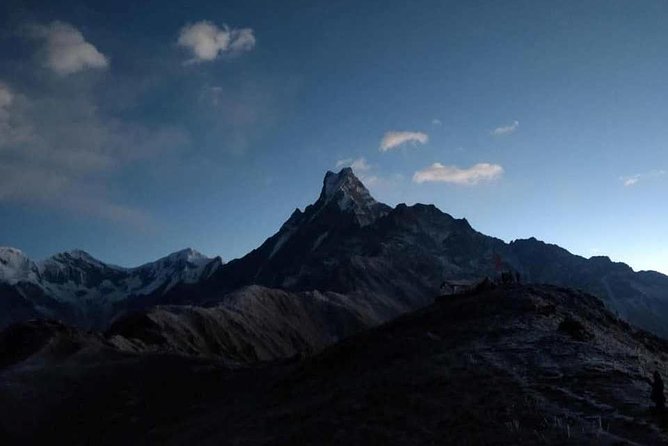
- Sunrise focus: a 4am push to Mardi viewpoint and Base Camp, plus another top sunrise viewpoint at Badal Danda
- Team support: friendly English-speaking guide with helpful porters for lodging and meal arrangements
- Comfort-first trekking package: lodges plus scheduled meals, warm drinks, and trekking essentials included
- Cultural mix: forest trail, highland villages, and an early tea garden morning before heading to Pokhara
- Private group: only your group participates, so the pace and planning tend to feel more controlled
Why Mardi Himal Feels Like A Real Annapurna Trek
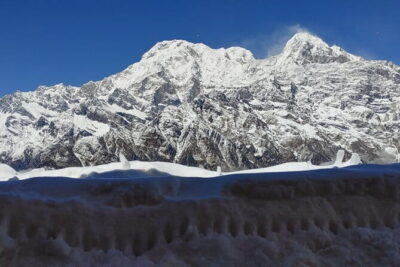
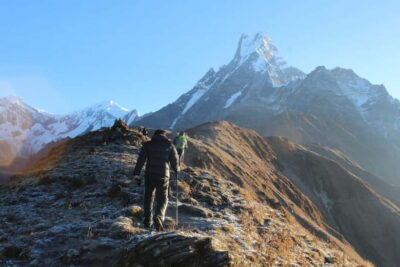
This trek sits in the Annapurna area, but it doesn’t feel like a high-pressure production. The days weave together forest walking, mountain views when weather cooperates, and village life at a human scale. It’s the kind of trek where the best moments often happen because you’re moving steadily, not because you’re sprinting for photos.
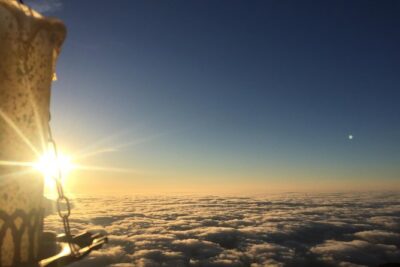
I also like the way the route gives you “mountain payoff” more than once. You get sunrise energy on the Mardi Himal side, then you do a second strong sunrise option from Badal Danda before you fully shift into downhill village time. That double sunrise rhythm matters, because early starts can be tiring, but repeating them with different viewpoints makes the effort feel justified.
Finally, it helps that this package is built around practical support. You’re not only paying for time on a trail, you’re paying for a team that manages where you sleep and how you eat, and that is where many trekkers feel the difference between “easy trip” and “stress trip.”
More on the Mardi Himal ridge:
- Mardi Himal Trek
★ 5.0 · 41 reviews - Mardi Himal Trek Nepal
★ 5.0 · 29 reviews - Mardi Himal Trek – 8 Days | Hidden Gem of the Annapurnas
★ 5.0 · 19 reviews
What You’re Paying For: Value Beyond the Trek Ticket
At $1,315 per person, this isn’t a budget-only hike. But it is also not just a “guide leads, good luck” setup. A lot is included that would normally cost you extra in Nepal.
Here’s what stands out as value:
- Hotels and breakfasts: 2 nights in Kathmandu with breakfast, plus 1 night in Pokhara with breakfast
- Domestic flights and key transfers: flight from Kathmandu to Pokhara and back, plus private transport from Pokhara to Dhampus(h) Village and Lumre back to Pokhara
- Trekking logistics: comfortable lodges, plus breakfasts, lunches, dinners, and warm drinks during the trek
- Permits: trekking permit and TIMS card included
- Trek gear support: warm down jacket and sleeping bag, plus a walking pole after the trek (returned to the company)
- Group safety basics: medical kit included, and insurance for the guide and porters
What’s not included is also important for budgeting:
- cold drinks and mineral water, plus hot shower (it’s listed as not included)
- tips for the guide and porters
- Kathmandu and Pokhara lunches and dinners (your package covers breakfast there)
- international flight and Nepal entry visa fee
If you want to minimize stress and you’re okay paying for organization, this can feel like strong value. If you’re hoping for cheaper, do-it-yourself trekking, then this price will feel steep.
Kathmandu First: A Soft Landing Before the Trail
Day 1 is your buffer day. After landing in Kathmandu, you explore Nepal’s culture in the capital city. This matters more than it sounds, because Kathmandu is not just a waiting room for the trek. It’s where you get your bearings, handle paperwork, and adjust to the rhythm of the country.
On a practical level, this is also the day to get your documents ready for what comes next. You’ll need your flight details and a passport copy plus a passport-size photo for your trekking permit and TIMS card. Having that done early keeps the rest of the trip calm instead of scrambling.
Day 2 Morning Views, Villages, and Weather Reality
Day 2 sets up the Annapurna mood. If weather is clear, you can see the Himalayan range and nearby local villages. Clear mornings can be magical here, but weather is weather, so keep flexibility in your plans.
This is where I suggest you mentally prepare for two truths:
1) You’ll get some mountain views, especially on good mornings
2) If clouds roll in, the trek is still worth it because the trail experience itself carries you
The good news is that the trek doesn’t depend on nonstop summit views to feel meaningful. Forest walking and village days are part of the point.
More to compare around Kathmandu
- Everest Base Camp Trek – 14 Days
★ 5.0 · 1,499 reviews - Everest Base Camp Trek
★ 5.0 · 842 reviews - Private Kathmandu Sightseeing Tour | UNESCO World Heritage sites
★ 5.0 · 756 reviews - Kathmandu: 7 UNESCO Sites with Lunch
★ 4.8 · 744 reviews
Into the Forest Toward Machhapuchhre and the Fish Tail Area
Days 3 and 4 are about moving through the trail world. The route goes into the area of Mount Fishatail and pushes you through forest sections. This is where your senses shift from city noise to uphill breathing and bird-and-leaf soundtracks.
On Day 3, you’re transitioning deeper into the Annapurna feeling, with forest walking that can be cooler and less exposed than the highest parts of the trek. On Day 4, the trail continues through forest at a steady pace, then opens up more with views of mountains under a clearer sky.
If you’re the type who enjoys the “journey” more than only the “destination,” these days are likely your favorite kind. They are also a good training period for your legs. Don’t go too fast early. In mountain trekking, steady beats heroic.
The 4am Push: Mardi Viewpoint and Base Camp Sunrise
Day 5 is the trek’s big early-morning moment. You start walking around 4am to reach the Mardi viewpoint and then Base Camp. The timing matters because you’re aiming for sunrise, and those hours are cold, quiet, and focused.
The walk up to the viewpoint, then Base Camp, takes roughly 4 to 5 hours (depending on your pace and conditions). You then trek back toward Badal Danda.
This day is physically demanding mainly because of the early start and long movement time. But it’s also the day that gives a powerful reward if the weather cooperates. Even when views are partial, the change from dark uphill to first light can feel like a reset button for your whole trip.
Practical note: with cold dawn starts, layers are your best friend. The package includes a warm down jacket and a sleeping bag, and you’ll still want your own warm hat, gloves, and thermal layers for the cold morning hours.
Badal Danda: Another Sunrise Peak and Then the Downhill Shift
Day 6 is about Badal Danda, one of the best sunrise view points and also described as the last major trekking view point on the route. After that, you shift into walking down to local village areas.
This “viewpoint then descent” structure is smart for your energy. You get a second sunrise, but you’re also moving into a more relaxed phase where the day becomes about village life and less about chasing summit-style effort.
From here, the trek becomes more social. You’ll spend more time seeing how people live in the highlands, and the walking feels more like a conversation than a climb.
Village Culture Days: Slow Walking, Real Life
Day 7 continues the village focus. You trek into local village areas and experience local cultures. This is the day you notice small differences in daily routines, simple home life, and how highland communities adapt to mountain seasons.
I like that this part of the trek isn’t treated like an add-on. It’s built into the schedule. You’re not only collecting peaks. You’re also collecting context, which is what makes the trek feel more complete.
Tea Garden Morning and the Pokhara Reset
Day 8 is a fun pivot day. You get an early morning visit to explore a Himalayan tea garden and village lifestyle, then you drive back to Pokhara. The afternoon is listed as free and easy, which is exactly what you need after several days of focused walking.
Pokhara is a good place to recover without doing anything “big.” It’s also where you can do normal traveler stuff, like buying basic supplies, taking a shower when available, or simply sitting for a while with a drink and letting your legs cool down.
Farewell Day in Nepal: History Stops and a Culture Dinner
Day 9 is about finishing the human-side of the trip. You explore Nepal history and then have a company farewell Nepali culture dinner.
This is also a nice moment to reflect on what you did before you start thinking about flights and departure. Food is part of Nepal’s storytelling. A farewell dinner adds closure, and it’s a good time to compare notes with your guide on what worked best on the trail.
Final Day: Shopping Time and Airport Transfer
Day 10 gives you time for last-minute shopping for family and friends in Kathmandu, then you say goodbye and head to Kathmandu International Airport.
Even if you’re not a heavy shopper, this day helps prevent the common trekking mistake: rushing out of town with limited time. Having a structured buffer makes the end of the trip feel easier.
The Team Factor: Guides, Porters, and Meals You Can Count On
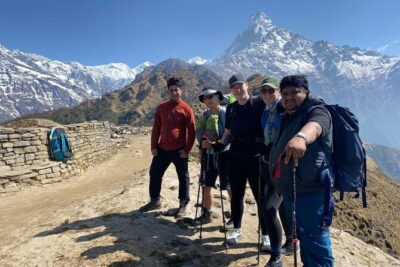
The biggest recurring strength of this experience is the team. You get a friendly English-speaking guide plus strong helpful porters who manage lodging and food during the trek. That combination matters because trekking is not only about walking. It’s also about how quickly you can settle, eat, and recharge.
Meals are described as well structured on the trail. You get breakfast, lunch, dinner, and warm drinks like tea and coffee, plus hot lemon or ginger honey and hot chocolate. Those hot extras are not small things. They can make a cold morning feel manageable instead of miserable.
I also like that the package includes insurance for the guide and porters, and there’s a medical kit along the trek. It’s not the same as having a full hospital system at hand, but it signals planning and responsibility.
One more detail I appreciated from the info provided: a guide named Urja shows up in positive feedback by name. That tells me the guide team is not anonymous. You can actually connect with the person leading you.
Pace and Group Feel: Private Tour, Moderate Fitness, Early Starts
This is a private tour, meaning only your group participates. That helps keep coordination smoother, and it can make the trek feel more tailored to your group’s movement style.
The fitness level is described as moderate. That’s a good sign if you want a challenging trek but not an extreme, technical ordeal. Still, the 4am start and multiple sunrise viewpoint days are the kind of effort that you feel.
If you’re sensitive to early mornings, plan accordingly:
- set your bedtime early when possible
- keep snacks and hydration steady
- don’t rely only on willpower for the cold portions of the day
What to Pack: Cold Dawn, Sunny High Altitude, and Simple Comfort
Even with gear included, you should pack for comfort. Here’s what the provided guidance points to, and what it means in real life:
- Windproof outer jacket and warm down-filled jacket: cold mornings can bite, even when the sun later helps
- Gloves, hat or cap, sunglasses, sunblock, and lip balm: high altitude sun can be intense, and the trek gives you exposed moments
- Lightweight trekking shoes and warm socks: your feet will thank you more than your souvenir budget
- Thermal undergarments for nights: nights can get chilly on the trail
- Flashlight and spare batteries: useful in lodges and during early starts
The package also includes a waterproof trekking duffel bag and a T-shirt, which can reduce what you need to bring from home. For the walking pole, the package says you receive it and then return it after the trek.
Practical Cultural Rules You’ll Appreciate Knowing Early
This trek includes village time and temple areas as part of cultural exploration. The guidance you’re given is practical:
- avoid flashy jewelry or valuables
- don’t wander on your own unless you’re in a large group
- be aware of your surroundings
- do not give money to street children or beggars
- some temples may restrict access for non-Hindus
- leather articles are prohibited inside temple precincts
These rules aren’t meant to spoil the fun. They help you avoid uncomfortable situations and keep you respectful in places where local expectations matter.
Should You Book This Mardi Himal Trek?
I’d book this if you want:
- a well-organized trek where lodging, meals, permits, and key transport are handled
- a sunrise-heavy itinerary that gives you multiple mountain-view payoffs
- a private group feel with a supportive English-speaking guide and porter team
- Kathmandu and Pokhara built into the trip, so you’re not doing a scramble at the start and end
I’d hesitate if:
- you hate waking up very early, since the day 5 4am walk is a core part of the experience
- you expect hot showers and constant convenience, since those extras are not included
- you’re looking for the cheapest possible trekking option, because this price includes a lot of support
If you’re a moderate-fit hiker who can handle cold mornings and likes both scenery and village culture, this one fits well. It’s the kind of trek that feels calmer because the details are taken care of, and the big moments are timed for real sunrise viewing.
FAQ
What does the package include for Kathmandu and Pokhara?
You get 2 nights hotel in Kathmandu with breakfast, and 1 night hotel in Pokhara with breakfast. It also includes a farewell Nepali culture dinner. Kathmandu and Pokhara lunches and dinners are not included.
Are trekking permits and TIMS cards included?
Yes. The trek includes the trekking permit and TIMS cards.
Is transportation included during the trip?
Yes. The package includes arrival until departure transportation, plus flights from Kathmandu to Pokhara and back. It also includes private transport from Pokhara to Dhampus(h) Village and Lumre to Pokhara.
Will I have a guide and porters?
Yes. You travel with a friendly English-speaking guide and strong helpful porters for lodging and fooding during the trek.
Are meals and drinks included on the trek?
Yes. On the trekking days, the package includes breakfast, lunch, dinner, tea, coffee, and warm items like hot lemon or ginger honey and hot chocolate.
What trekking gear is provided?
You receive a warm down jacket and a sleeping bag, plus a walking pole after the trek returns to the company. You also receive a waterproof trekking duffel bag and a T-shirt.
What is not included in the cost?
Cold drinks and mineral water, hot shower, phone use, laundry, and bar bills are not included. Tips for the guide and potters are not included, and international flights and Nepal entry visa fees are also not included.
How do I get a Nepal visa, and what are the fees?
Nepal visa can be applied on arrival at Kathmandu airport immigration. The listed fees are USD 25 for 15 days and USD 40 for 30 days. You can also apply through your own country if you choose.
Latest Kathmandu write-ups
- Langtang Valley Trek★ 5.0 · 3 reviews
- Langtang Valley Trek from Kathmandu★ 5.0 · 3 reviews
- Khopra Danda Trek★ 5.0 · 3 reviews
- 5 night / 6 days Kathmandu Nagarkot Chitwan Pokhara tour★ 5.0 · 3 reviews
- Nepal Highlights Tour: 5 Nights 6 Days Kathmandu & Pokhara Tour★ 5.0 · 3 reviews
- Kathmandu Valley Private Day Tour★ 5.0 · 3 reviews
- Kathmandu Heritage Day Tour★ 5.0 · 3 reviews
- Conquer the Himalayas: The Ultimate 16-Day Annapurna Circuit Trek★ 3.5 · 3 reviews
Mardi Himal Trek, compared.
Mardi Himal Trek – 8 Days | Hidden Gem of the Annapurnas
Read our review →
Browse the lists this tour appears in