
Reviewed · ANNAPURNA BASE CAMP TREK
Pokhara: 5-Day Annapurna Base Camp (ABC) Trek
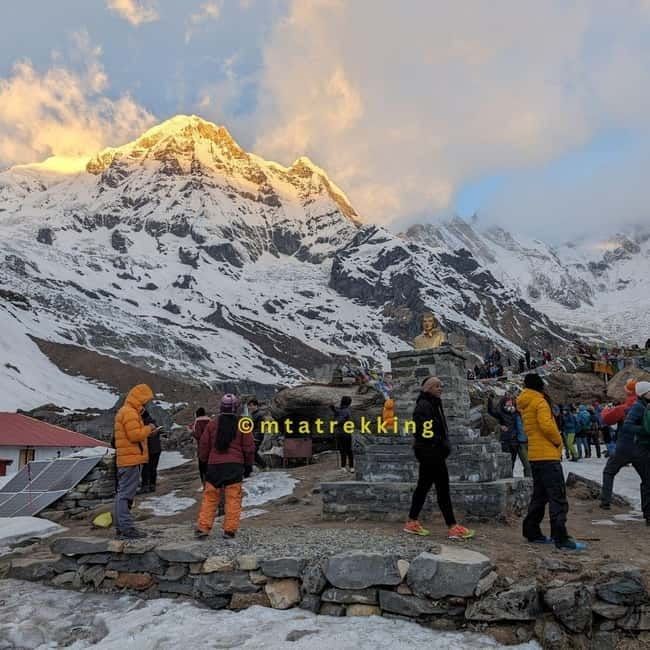
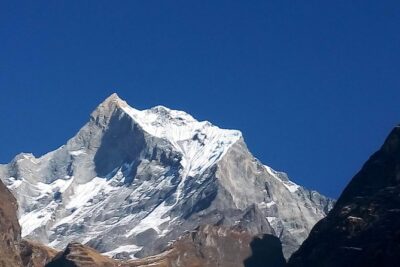
This is one of the more efficient ways to do the Annapurna Base Camp route, starting right from Pokhara and climbing up to Annapurna Base Camp at 4,130 meters. I like how this trip packs real variety into just 5 days, from terraced rice fields and dense forests to traditional Gurung villages. I also like the way the trek is routed with a detour to Machhapuchhre Base Camp, which gives you a strong chance to catch dramatic views of Fishtail Peak.
The main thing to consider is altitude. Even though altitude sickness is described as rarely happening, you still reach 4,130 meters, and this trek is not suitable for people with altitude sickness or certain mobility needs.
Key things I’d pay attention to
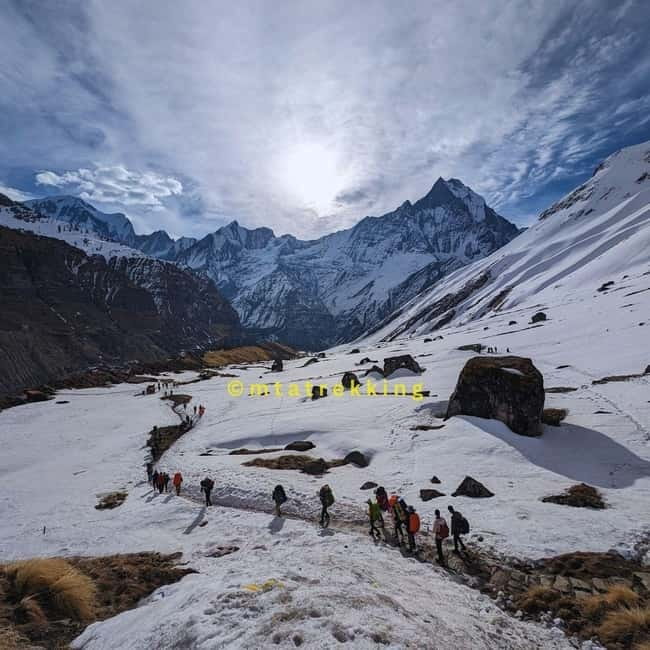
- A Machhapuchhre Base Camp detour for big Fishtail Peak views, before you finish at ABC
- Jhinu hot springs on the way back, with an optional soak to reward your legs
- Gurung village culture along the way, not just mountains and walking
- Tea house lodging plus included meals so you are not budgeting daily food
- Permits handled (ACAP, TIMS, and government paperwork covered)
- A private group with an English guide, and past guides have been praised for care and communication
Why This 5-Day ABC Trek Works So Well From Pokhara
Pokhara is a smart launch point because it gives you an easy, human-scale base before the trail goes vertical. You start in Lakeside, then transfer by jeep, which helps you spend more of your short trek time actually hiking toward the Annapurna massif.
What makes this version of the trek feel “doable” is the pacing. You get a long first hike to Lower Sinuwa, a strong second day to Deurali, then you push up to base camp on Day 3. After you reach ABC, you still get a full Day 4 plan that includes exploring before descending to Bamboo. That rhythm matters when you only have 5 days.
The other big plus is that it is not a one-note climb. Your route passes through places known for terraced rice fields, forests, and village life. Even without getting fancy, those changes in environment keep the trek from feeling monotonous.
And yes, the hot springs are a real motivation. Jhinu is known for natural hot springs, and you can add an optional soak on the way back to Pokhara.
More routes into the Annapurna Sanctuary:
- Annapurna Base Camp Trek
★ 5.0 · 111 reviews - Annapurna Base Camp Trek – 10 Days
★ 5.0 · 29 reviews - 14 Days Annapurna Base Camp Trekking | Best trek for visit Nepal 2020
★ 5.0 · 19 reviews
The Start: Lakeside Pokhara, Jeep Transfer, and Lower Sinuwa via Jhinu
Day 1 is about turning Pokhara energy into trail mode. You begin from Lakeside and get hotel pickup from within Lakeside, or from Pokhara international airport, then you transfer by jeep for around 3 hours. After that, you hike roughly 5 hours to Lower Sinuwa at 2,300 meters.
What I like about this day is that it sets up a gentler altitude step than jumping straight into higher ground. You also pass through Jhinu, a village famous for natural hot springs. Even if you do not soak on Day 1, you get oriented to the area and get a sense of why this route is popular.
Logistically, this is also where the organization shows. You are not left figuring out transfers or permits on your own, since the trek is set up with private transport and guide support. That is especially helpful on a first Himalayan trip, where small uncertainty can become big stress.
One consideration: expect Day 1 to be your first real walking day. Comfortable shoes matter here. If your feet are already sore before the trek properly begins, it is hard to enjoy the rest.
Deurali at 3,200 Meters: The Big Climb Day That Sets Up Base Camp
Day 2 takes you from Lower Sinuwa to Deurali at about 3,200 meters, with around 6 hours of hiking. This is your “work” day, the one that will tell you whether your body is handling the altitude well and whether your pace is realistic.
I like this staging because it gives you a meaningful altitude gain without rushing to the top in one jump. You are also moving through changing terrain. Based on the trek’s described route, you should see a mix of forested stretches and human-made terraces, plus moments where village life and mountain views sit close together.
Deurali is described as a picturesque village tucked in the Himalayas, and that matters because you are not only sleeping at altitude, you are also getting a village-based perspective on the mountain world. The trip is built around more than reaching a point on a map.
The practical drawback is simple: 6 hours at higher elevation is tiring. If you rush, you will feel it later. If you stay steady and let your breathing do the talking, you will typically enjoy the day more.
Reaching Annapurna Base Camp, plus the Machhapuchhre Base Camp Detour
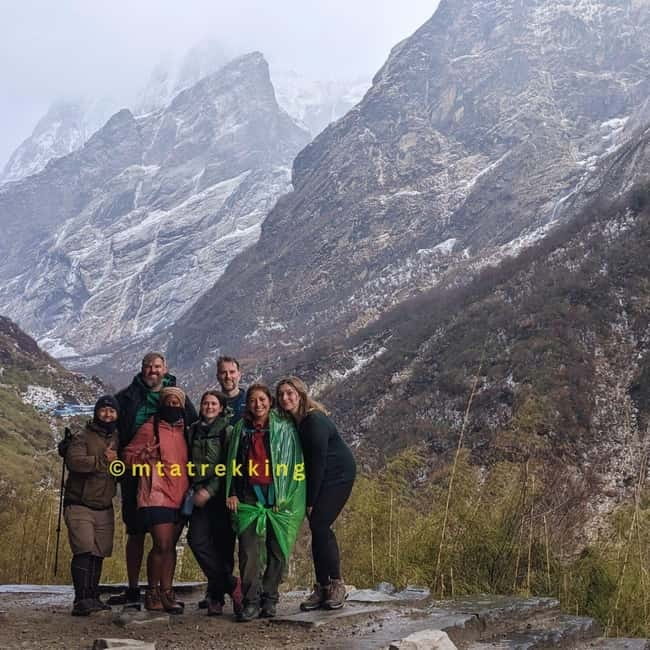
Day 3 is the iconic turning point. You hike from Deurali to Annapurna Base Camp at 4,130 meters, with the day planned as roughly a 4-hour push to reach base camp. The route also includes a detour to Machhapuchhre Base Camp for views of Fishtail Peak.
This is a great design for short-trip trekkers. Base camp is the headline, but the detour gives you a second “wow moment” so the day feels full even if you are tired. Seeing Machhapuchhre’s Fishtail Peak from a viewpoint on the route is the kind of detail you do not want to miss just because you are saving energy.
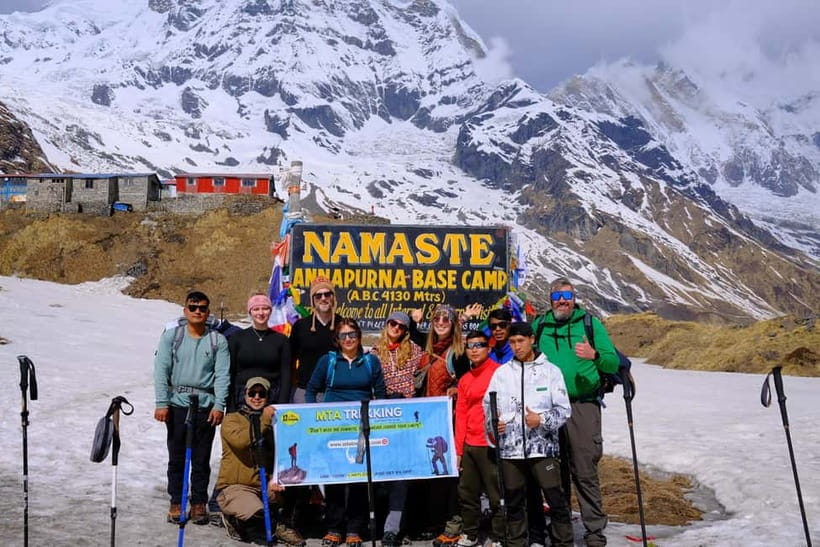
When you finally arrive at ABC, you should plan for that emotional shift that comes when you see the Annapurna massif rise around you. This is why people do it. On a short 5-day trek, your sense of accomplishment can be strong.
One detail I would plan for: your energy will matter most on Day 3. It is not just about getting there, it is about arriving alert enough to enjoy the moment and take photos without feeling like you are running on fumes.
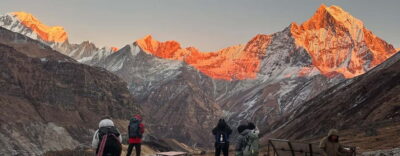
If you are like me and you like sunrise and clean light, this trip’s rhythm does support that. Past trekkers highlighted the sunrise moment at base camp, including that front-facing view of Annapurna’s south face, and it is the kind of memory that usually lasts longer than any single photo.
More to compare around Kathmandu
- Kathmandu: 7 UNESCO Sites with Lunch
★ 4.8 · 744 reviews - Everest Base Camp Helicopter Tour landing at Everest View Hotel
★ 5.0 · 668 reviews - Kathmandu: Local Women-Led Nepali Cooking & Momo Class
★ 4.9 · 360 reviews - Manaslu Circuit Trek
★ 5.0 · 292 reviews
Day 4: Exploring ABC, Then Descending to Bamboo for a Real Recovery
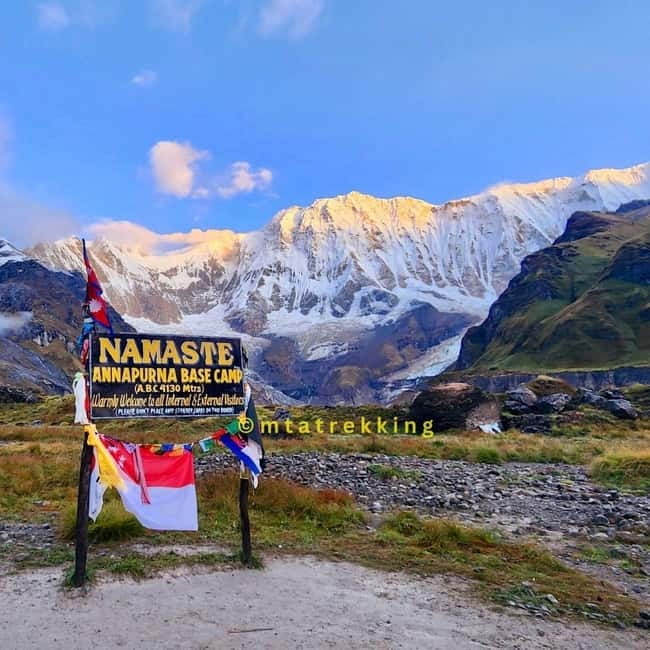
Day 4 starts with exploration at Annapurna Base Camp, then descends to Bamboo at 2,400 meters. That downshift in elevation is not a detail. It is your opportunity to recover after the hardest emotional day.
This is the day where base camp stops being a destination and starts being a place you can actually experience. You get time for photos, and the pace is framed around sightseeing and guide support rather than only “walk, walk, walk.”
I also like that you are descending to Bamboo for rest. After reaching 4,130 meters the day before, your body benefits from moving down and resetting. It helps you end the trek feeling like you finished strong rather than simply surviving.
If you want an even calmer day, use Day 4 for slower steps and longer pauses. Do not turn it into another race day. Your guide is there to manage the timing and make sure you do not overexert yourself, and past trips have been described as carefully adjusted to keep trekkers comfortable.
Day 5: Bamboo to Jhinu Hot Springs, then Back to Pokhara
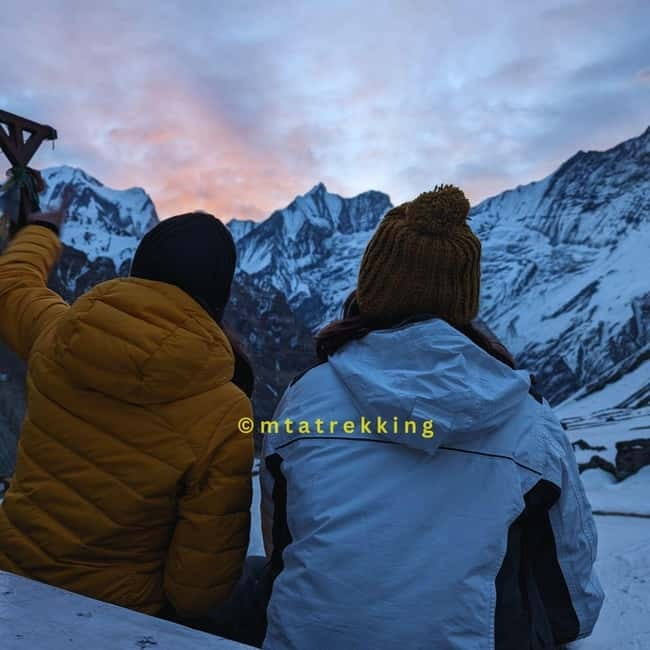
Day 5 is a satisfying close. You trek from Bamboo back toward Jhinu, with a plan that includes the natural hot springs at Jhinu Danda as an optional stop. This is your reward day, not your conquer-elevation day.
After the trek, you return by jeep, including about 3 hours of driving back to Pokhara. Your day is designed to get you back to Lakeside so you can end the journey without scrambling for transport.
The hot springs are the obvious highlight because they make your legs feel human again. Even if you skip the soak, the route still gives you a structured descent and a predictable ending.
One practical note: optional activities are still activities. If you tend to get tired, you might treat the hot springs as a “go if you feel good” item, not a must-do that forces you past your limit.
Price and Value: What $136 Covers (and What You Might Still Pay)
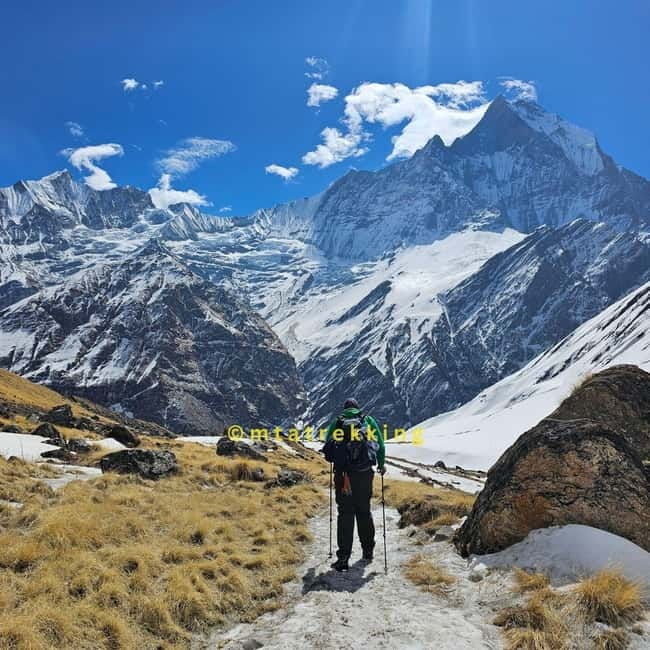
At $136 per person, the value here comes from what is included, not the headline number. You get tea house accommodation and meals (via the full board option), plus a guide, plus key permits and taxes. You also get hotel pickup and drop-off in Lakeside Pokhara or from the airport, and private transport from Pokhara to the last road point and back.
That matters because permits, guiding, and transportation can be the stuff that balloons your total cost when you plan separately. Having these pieces packaged helps you focus on the trek instead of running a mini logistics project.
What is not included is also clearly listed. Personal expenses like Wi-Fi, drinks, mineral water, hot shower, and laundry are on you. Porter service costs $20 per day if you want help, and rescue and insurance are not covered.
My practical advice: if you are debating a porter, decide based on how you feel on Day 1 to Deurali. If your pack is heavy and your pace suffers, a porter can be a smart comfort investment on a short 5-day trek.
Guides, Communication, and Why the Human Part Matters at ABC
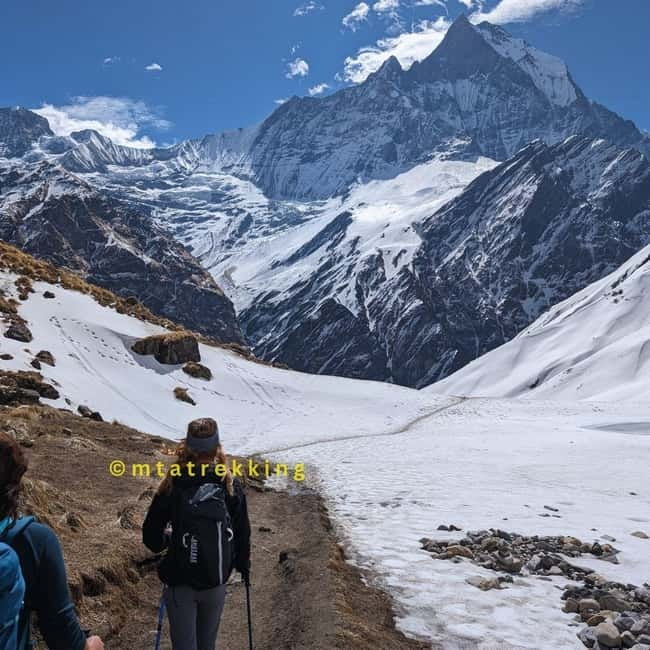
This trek is built around a professional trekking guide (English) and a private group setup. That means you get more than a route. You get someone focused on timing, rest, and keeping you from pushing too hard.
Past experiences tied to this trek have praised guides for being kind and friendly, for explaining mountains and culture, and for managing details so trekkers feel prepared. Guides named Santosh and Prabit were specifically mentioned for friendliness, helpfulness, and cultural explanations. Ramit was highlighted for being super helpful, managing travel times and rest, and making sunrise at base camp a standout moment.
I like that this kind of guiding shows up in the small things. On a short trek, a guide who helps you pace yourself can be the difference between arriving at base camp feeling great versus arriving with a flat battery and no patience for the view.
Tea Houses, Meals, and How to Think About Comfort on a Short Trek
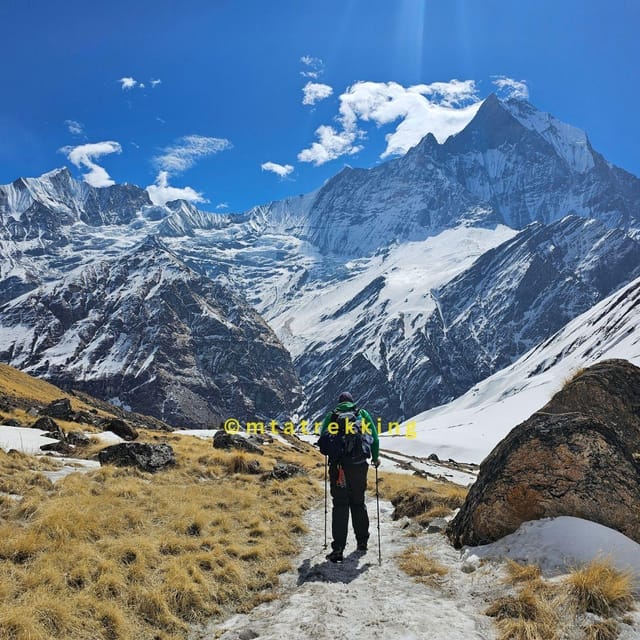
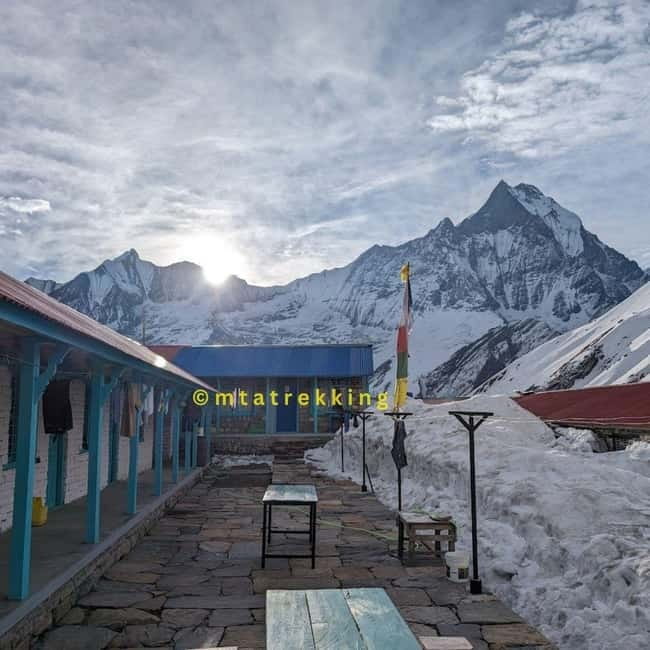
The included setup is straightforward: tea house lodging and meals are provided when you choose the full board option. That keeps your daily planning simple. On a trek, simplifying meals and overnight expectations is a big deal.
What is not included includes the extras that can add up fast. Hot shower and Wi-Fi are listed as personal expenses, as are drinks, mineral water, and laundry on the mountains. So plan your budget like an adult, meaning bring cash and expect you may pay for small comforts along the way.
One practical tip that goes with this: pack a small “daily life” kit for warmth and comfort. You will be climbing and descending, and layers matter at altitude. The trek instructions also tell you to bring change of clothes and comfortable clothing, not just one outfit and hope.
Fitness, Altitude Reality Checks, and How to Avoid a Bad Day
Annapurna Base Camp reaches 4,130 meters, and altitude sickness is described as a possibility, though rarely. That phrasing is useful, but it should not make you careless.
This is not described as suitable for people who have altitude sickness, and it also is not suitable for pregnancy, people with mobility impairments, wheelchair users, visually impaired people, and people over 70 years. Read that list like it is a safety checklist, not a suggestion.
You should also take the fitness note seriously. One set of experiences emphasized that some level of fitness is needed and that the trek can test you even when you complete it. On a 5-day plan, there is little room for long recovery between days. That is why pacing and not overexerting yourself are so important, and why a good guide matters.
Practical approach:
- Keep your pace steady on Day 2 and Day 3
- Use breaks to recover your breath, not just your legs
- If you feel off, tell your guide early
Even a rare altitude issue is still worth respecting because it can snowball if ignored.
Monsoon Months, Erratic Weather, and Leeches on Lower Trails
If you trek during the monsoon season (June to August), the weather can be erratic with heavy rainfall. That is not just “bad luck.” It changes footing and comfort.
The trek info also calls out leeches, especially during monsoon season. Your prevention plan should be simple: wear long pants tucked into gaiters and use insect repellent to deter them. That advice is specific and worth following.
If it is raining hard, expect slower travel and more stops. This is another reason your guide is part of the safety system, since they can adjust your pace and timing based on conditions.
Should You Book This Pokhara Annapurna Base Camp Trek?
If you want a classic Annapurna Base Camp experience in a tight 5-day window, this plan makes sense. The included permits, guiding, meals with tea house lodging, and structured transfers reduce stress and help you focus on the hike. The Machhapuchhre Base Camp detour is a smart bonus, and Jhinu hot springs give you a very practical recovery option.
I would book it if:
- You have a reasonable fitness base for daily hikes around 5 to 6 hours
- You can handle sleeping and walking at altitude up to 4,130 meters
- You want a guided, organized private trip from Lakeside Pokhara
I would skip it if:
- Altitude issues already trouble you
- You need mobility support beyond what a mountain trek can safely provide
- You are trekking during monsoon expecting calm weather, since heavy rain and leeches are explicitly part of the season reality
FAQ
What is the highest point on this trek?
Annapurna Base Camp reaches 4,130 meters (13,550 feet).
How long is the trek?
It is 5 days, described as 4 nights and 5 days.
Where do we start, and do you pick up from the airport?
You can be picked up from any hotel in Lakeside Pokhara and from Pokhara international airport. The meeting point is Lakeside.
Is this a private tour?
Yes, it is a private group with a live English guide.
What permits are included?
The Annapurna Conservation Area (ACAP) permit is included, and government permits, Tims, and taxes are covered.
Are meals included?
Yes, meals are included if you choose the full board option.
Does the trek include hot springs?
Jhinu hot springs are included as an optional stop on the way back on Day 5.
Do I need to pay for a porter?
Porter service is not included. It costs $20 per day.
Is there free cancellation?
Yes. You can cancel up to 24 hours in advance for a full refund.
Is altitude sickness risked on this trek?
Annapurna Base Camp is 4,130 meters, so altitude sickness is possible, though it is described as rarely happening.
Latest Kathmandu write-ups
- 16 Days Island Peak Climbing With Everest Base Camp Private Trip★ 5.0 · 3 reviews
- 15 Days Round Annapurna Trek with Poon Hill from Pokhara★ 5.0 · 5 reviews
- Private Nepal round trip including Ghorepani Poonhill trek★ 5.0 · 3 reviews
- Everest Base Camp Trekking 16 Days★ 4.0 · 7 reviews
- 14 Days Luxury Annapurna Base Camp Trek★ 5.0 · 6 reviews
- Everest Base Camp Trek★ 5.0 · 32 reviews
- Everest Base Camp Trek★ 5.0 · 87 reviews
- Everest Base Camp Trek★ 5.0 · 97 reviews
Annapurna Base Camp Trek, compared.
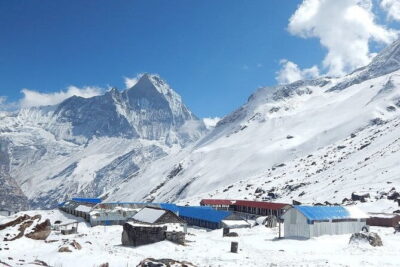
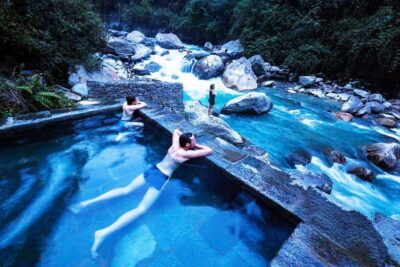
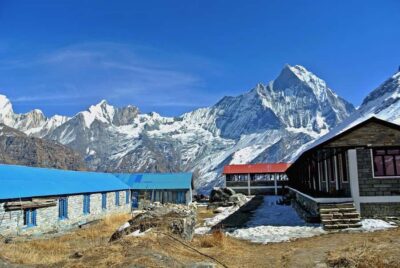
5 Day Annapurna Base Camp Trek & Natural Hot Spring
Read our review →
14 Days Annapurna Base Camp Trekking | Best trek for visit Nepal 2020
Read our review →
7-Day Annapurna Base Camp Trek & Natural Hot Spring
Read our review →Browse the lists this tour appears in