
Reviewed · PASHUPATINATH TEMPLE
Sacred Pashupatinath: Aarati,Cremation Rites & Boudha Stupa
Kathmandu turns spiritual fast, and this guided half-day trip connects the Boudhanath Stupa kora with Pashupatinath’s cremation rites and aarati. I love how Boudhanath slows you down with a steady loop of prayer wheels, flags, and courtyard life.
I also like that your guide helps you understand what you’re seeing at Pashupatinath, especially the Bagmati River ghats and the meaning behind the open-air cremations. The possible drawback is that the cremation portion can feel emotionally intense, and the atmosphere can be heavy, so only do it if that’s something you can handle calmly and respectfully.
Key things you’ll notice on this tour
- Boudhanath kora: a living clockwise circuit where devotion shows up in everyday gestures
- Open-air cremations at Pashupatinath: a guided, respectful look at Hindu death rites on the Bagmati River ghats
- Aarati viewing setup: your guide helps you find a good spot and explains each step of the ceremony
- Market time near Boudhanath: browse local crafts and daily-life stalls without getting lost
- Strong guide impact: Razz, Pranav, Karma, Anish, and Sudhir stand out in the way they translate the rituals into real context
Boudhanath Stupa and the kora loop you can feel in your feet
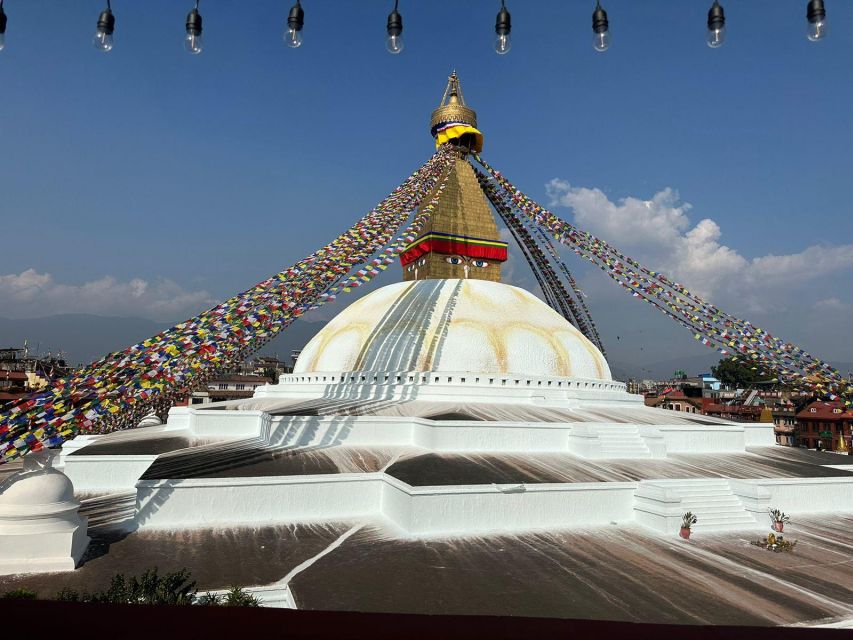
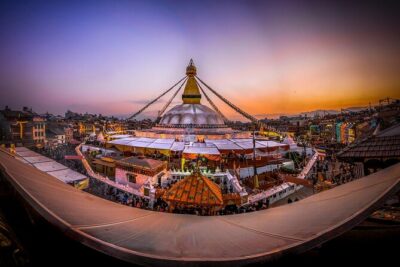
Boudhanath Stupa is one of those places where your body changes pace before your brain catches up. From the moment you arrive, the scale of the stupa and the constant prayer-wheel movement create a low, steady hum of devotion. You’ll do time around the stupa and take in the surrounding courtyards, plus the small shops and spiritual items that cluster nearby.
Your guide will help you make sense of the symbolism and the daily rhythm here. It’s not just sightseeing. You’re learning how Tibetan Buddhist practice lives in motion, with the kora path and the repeated gestures of faith. You’ll also likely pause for photos, and you may get a break to sit with a warm drink while you watch the stupa shift through changing light.
Here’s the practical part I appreciate: Boudhanath is the calmer half of the day, so it’s a good way to “arrive” mentally before you get to Pashupatinath. If you’re the type who likes to ease into spiritual places rather than hitting the deep end right away, this order makes sense.
More around Boudhanath:
- Kathmandu Spiritual Sites: Bodhnath & Pashupatinath Tour
★ 5.0 · 185 reviews - PashupatiNath and BoudhaNath – Private/Small Group
★ 5.0 · 18 reviews - Bhaktapur Durbar Square and Boudhanath Stupa
★ 5.0 · 7 reviews
Pashupatinath Temple grounds, Bagmati ghats, and what the guide clarifies
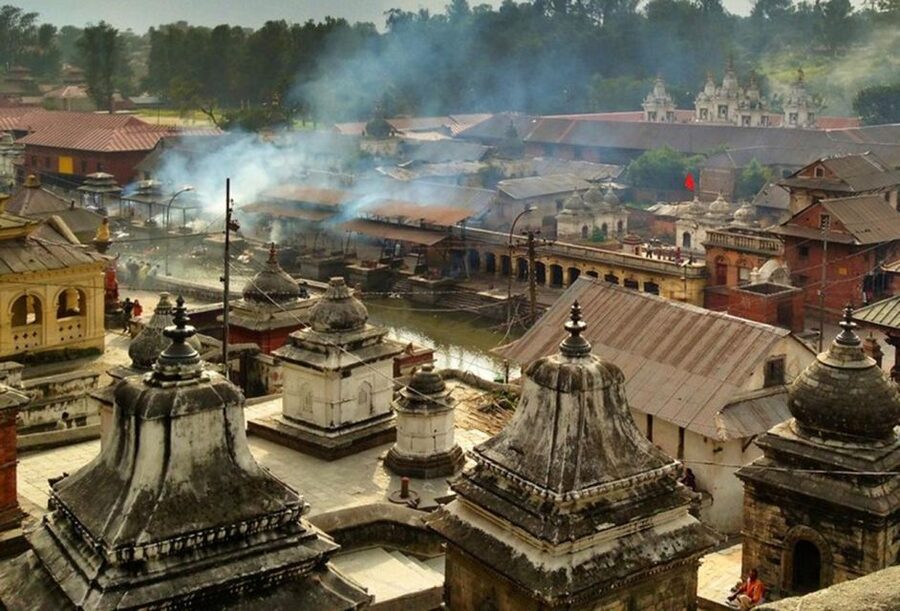
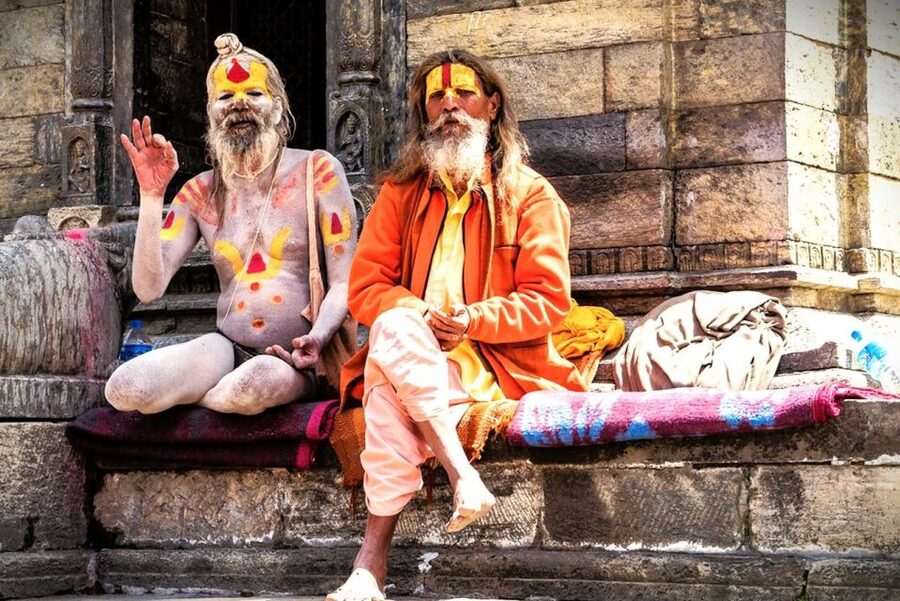
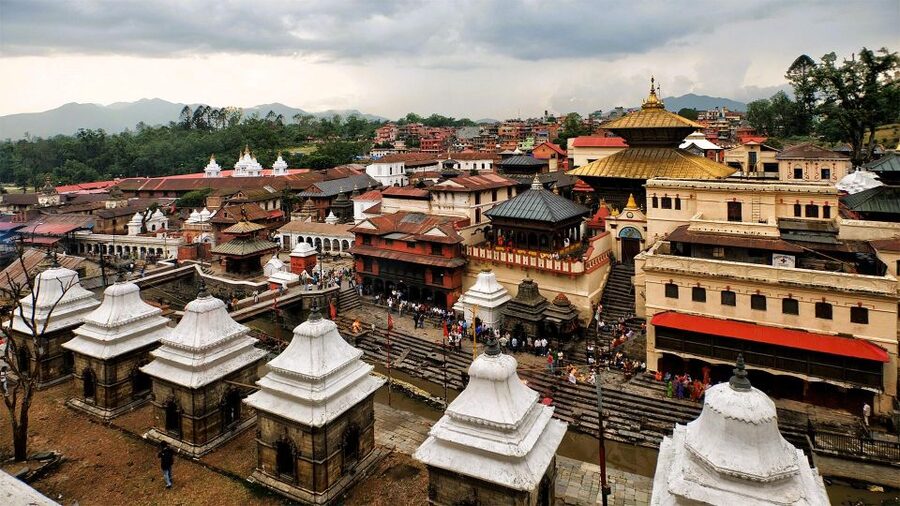
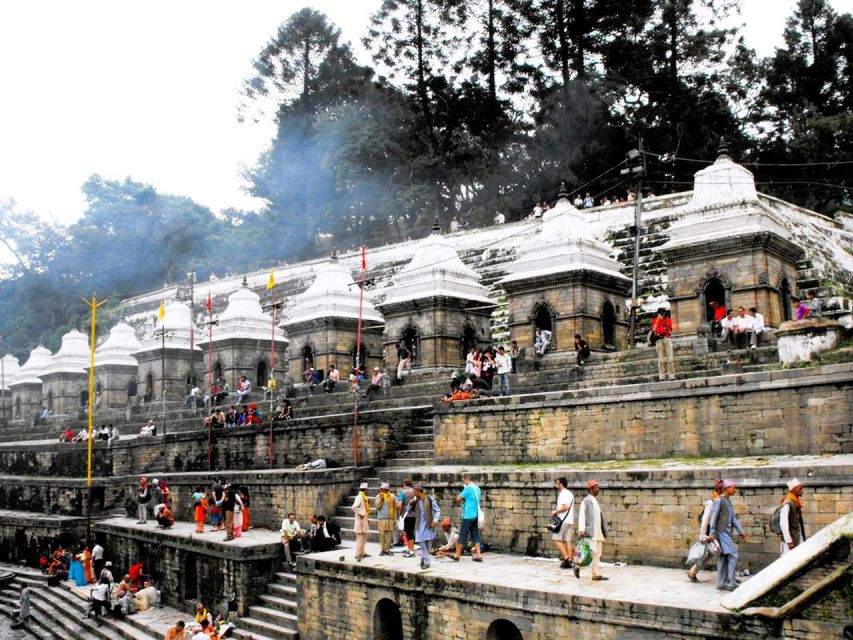
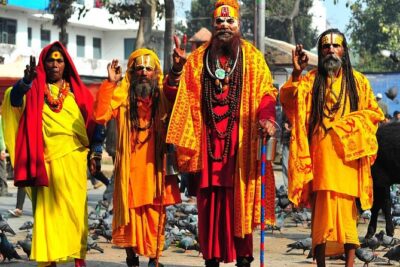
Pashupatinath is the holy center where you feel the Hindu tradition most directly. The temple complex sits on the Bagmati River, and the river ghats are where cremations happen. Your guide will walk you through the outer areas first, including architectural highlights and older statues you might otherwise miss.
Important note for planning your comfort level: non-Hindus are not permitted inside the main sanctum. That doesn’t limit the meaningful parts of the visit, but it does shape where you’ll spend time. You’ll still see a lot from the temple exterior zones, and the guide can point out the details that matter.
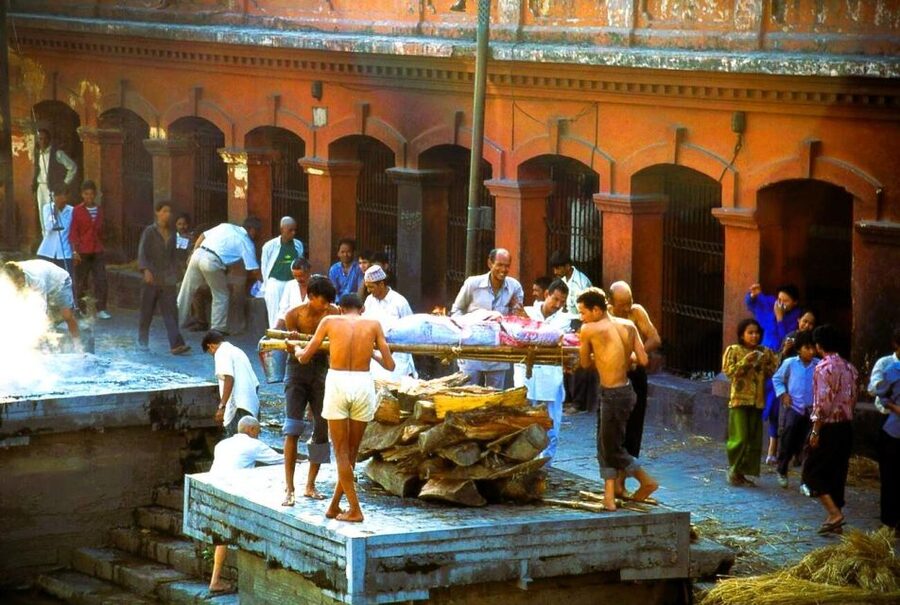
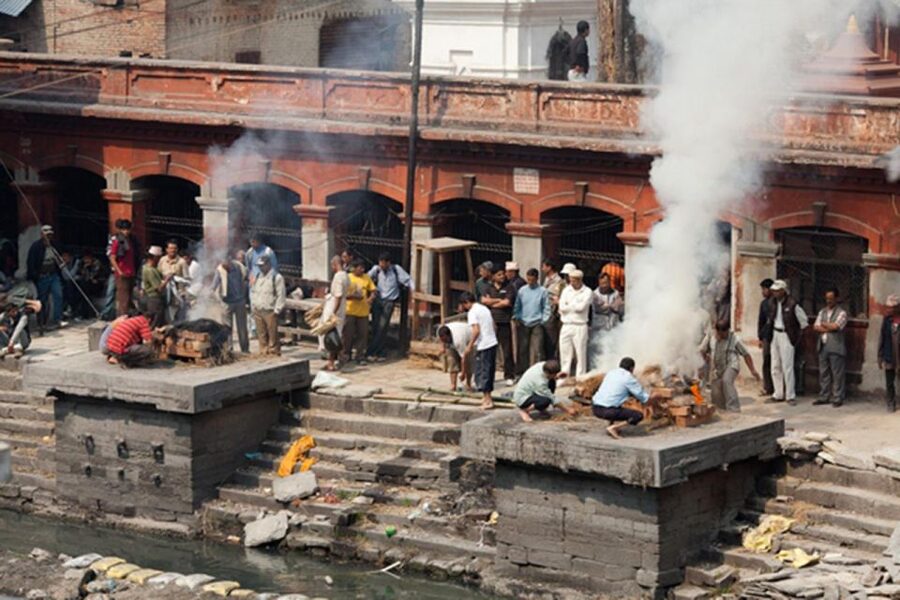
The most intense moment is the open-air cremation rituals along the ghats. The ceremony is emotionally difficult to watch, no sugarcoating. But the point is not shock. The guide explains the symbolism of the sacred fire and why the river plays a role in cleansing and the soul’s transition in Hindu belief. When you understand that framework, the experience becomes more than a scene. It turns into a real cultural lesson in how people face death with ritual and meaning.
One more thing that makes the difference: a good guide helps you watch without staring in a way that feels disrespectful. That’s why the guide matters so much here. The reviews repeatedly call out how guides like Razz and Pranav explained everything step by step, and how they managed viewing space during the most emotional moments.
Aarati at Pashupatinath, where chants and timing matter
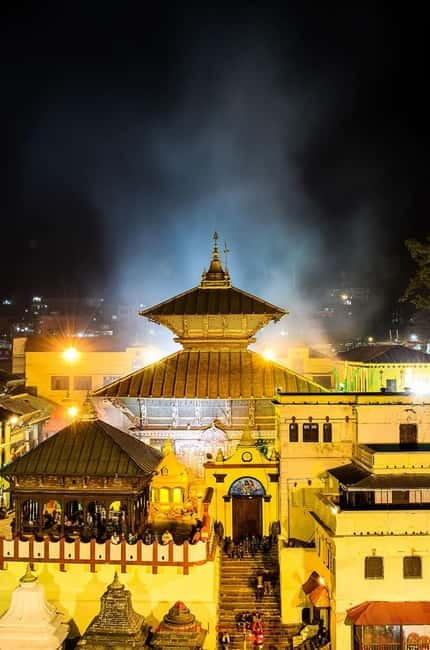
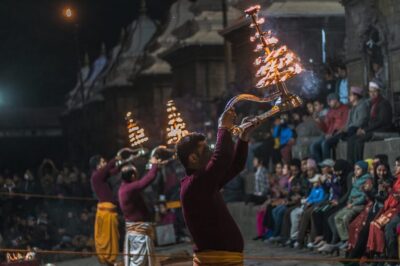
If the timing works in your visit window, the evening energy at Pashupatinath is a highlight. As the sun lowers, the temple area comes alive with chanting, bells, and conch shell sounds. Your guide will stay with you through the process and explain the steps of the aarati ceremony so you’re not just watching motion, you’re following meaning.
This is also where the tour’s “guided” value really shows. Several guides highlighted in the feedback, including Pranav and Razz, helped people get a good viewing spot. That matters, because if you end up in the wrong place, you can spend the ceremony craning your neck and missing the flow.
Expect the atmosphere to feel serious. The aarati is spiritual practice in public view, not a performance designed for tourists. If you go in with the mindset of respect and attention, you’ll get more from it than just photos.
Sacred viewing rules and what you need to know before you go
You’ll be walking through religious spaces with active, traditional practices. That means you should plan for restrictions and a bit of culture shock.
From the tour details, here are the rules that matter most for your comfort and prep:
- Avoid luggage or large bags. Bring only what you can carry easily.
- No drones.
- No alcohol or drugs.
- No nudity.
And for personal fit:
- This tour is not suitable for children under 12.
- It’s not suitable for people with respiratory issues.
Also, bring your passport or ID card, and accept that you may need to show it at the start. The tour includes skip-the-ticket-line support, but that doesn’t remove the need for the entry fees.
More at Pashupatinath:
- Kathmandu: Pashupatinath Temple Evening Aarati Tour
★ 5.0 · 36 reviews - Kathmandu: Pashupatinath Temple Aarti Night Tour
★ 4.8 · 29 reviews - Katmandu: Pashupatinath Open Cremation & Evening Aarati
★ 3.8 · 5 reviews - Kathmandu: 3 hours night Pashupatinath Aarti Tour
★ 2.7 · 5 reviews
Boudhanath local market time, shopping without losing your way
The Boudhanath area includes nearby shops and local-market browsing. Your guide will include time for shopping around the neighborhood so you can look at spiritual items and everyday crafts. Think of it as a bridge between sacred space and regular life.
If you like souvenirs, this is a decent spot to shop for small, meaningful items rather than looking for the biggest “tourist” store. Still, use your judgment and keep it simple. You can browse and choose, and if something feels pushy, politely pass and move on.
A practical travel tip: keep your shopping list in mind before you go. When you’re tired and surrounded by religious and handmade items, decisions can get emotional fast. A small plan helps you come home with something you actually wanted, not something you bought because you felt rushed.
Guide quality is the real upgrade, from Razz to Anish
On this kind of tour, the guide is not a bonus, it’s the product. You’re seeing two major spiritual sites, and you’ll only get the “meaning layer” if someone can translate symbols, explain ritual steps, and coach you on where to stand.
The feedback highlights several guides by name, and they repeat a few key strengths:
- Clear explanations and strong English skills, especially mentioned for Razz and Pranav.
- Respectful guidance at sensitive moments, including cremation viewing.
- Help finding a good place during aarati.
If you want the best experience, pick the option that gets you a guide for both parts of the day. And if private or small-group options are available to you, that usually means you can ask more questions without feeling rushed.
Price, time, and entry fees, so you can budget without surprises
The tour price is listed at about $11 per person, and it includes core guiding support plus hotel pickup and drop-off (when that option is selected). The duration is 2-5 hours, so you’re not committing to a full day just to hit these two sites.
But the numbers that can surprise you are entry fees. The tour notes that entry fees for both UNESCO World Heritage sites are not included:
- Pashupatinath Temple entry: NRs 1000
- Boudhanath Stupa entry: NRs 400
Add that up with the base tour cost and you’ll get a more realistic idea of total spending. Still, for what you’re getting, the overall value can be strong: you’re paying for guided access, meaningful interpretation, and the chance to witness rituals that you’d otherwise struggle to understand on your own.
One more cost consideration is transport. The meeting point is at the ticket counter of Pashupatinath Temple. The information says you manage your transportation yourself, or you can purchase pickup/transport through the agency at a reasonable rate. If you want less hassle, choose pickup.
Getting to the meeting point, and how to make the day feel easy
You’ll meet the guide at the ticket counter of Pashupatinath Temple. After that, the guide takes you for the tour and the aarati ceremony. If you are staying in central areas like Thamel, the route is usually straightforward, but you still need to plan your timing.
If you select hotel pickup, the guide accompanies you from your central location. If you don’t, you’ll head to Pashupatinath on your own, then meet at the counter.
A small but important tip: treat the first minutes like a checklist moment. Have your passport or ID ready. Keep your bag situation simple. Once you start walking into temple areas, you do not want to be hunting for documents or reorganizing at the entrance.
Who this tour suits best (and who should skip it)
This tour is a good fit if you want to understand Kathmandu’s spiritual life from both major traditions present here: Tibetan Buddhism at Boudhanath and Hindu practice at Pashupatinath.
It’s especially ideal if:
- You like guided context, not just photos.
- You’re curious about how ritual works in real life.
- You can stay respectful and calm during emotionally intense moments.
You might want to skip or choose a different option if:
- Cremation rites feel too emotionally challenging for you.
- You have respiratory issues, since the tour is not suitable for that.
- You’re traveling with kids under 12.
Should you book this Kathmandu Boudhanath and Pashupatinath tour?
I’d book it if you want one compact day that connects two major sacred worlds and you care about getting the meaning behind what you see. The standout value is the guidance during the hardest moments, including how guides like Razz and Pranav explain the rituals and help you find a good viewing spot for aarati.
I would not book it if you know the cremation portion would leave you upset for the rest of the day. The experience is real, open-air, and serious. If you can approach it with respect and emotional readiness, you’ll likely walk away with a deeper understanding of Nepal’s spiritual life, not just a checklist of famous sights.
FAQ
How long is the tour?
The duration is listed as 2 to 5 hours. Check availability for the starting times.
What does the tour cost?
The price is listed at $11 per person.
Are entry fees included?
No. Entry fees are not included, and they are listed as NRs 1000 for Pashupatinath Temple and NRs 400 for Boudha Stupa.
Where do I meet the guide?
The guide meets you at the ticket counter of Pashupatinath Temple and then takes you for the tour and aarati.
Is hotel pickup included?
Hotel pickup and drop-off are listed as included when mentioned in the selected option, and pickup is described as optional if you choose it.
Can non-Hindus go inside Pashupatinath’s main sanctum?
Non-Hindus are not permitted inside the main sanctum, but you can still explore the outer temple complex with your guide.
What languages are offered for the live tour guide?
The live guide languages listed are English, Chinese, Hindi, and Russian.
Is this tour suitable for kids or people with health issues?
No for children under 12, and it is also listed as not suitable for people with respiratory issues.
What should I bring, and what is not allowed?
Bring a passport or ID card (a copy is accepted). Not allowed: luggage or large bags, drones, alcohol and drugs, and nudity.
Latest Kathmandu write-ups
- 16 Days Island Peak Climbing With Everest Base Camp Private Trip★ 5.0 · 3 reviews
- 15 Days Round Annapurna Trek with Poon Hill from Pokhara★ 5.0 · 5 reviews
- Private Nepal round trip including Ghorepani Poonhill trek★ 5.0 · 3 reviews
- Everest Base Camp Trekking 16 Days★ 4.0 · 7 reviews
- 14 Days Luxury Annapurna Base Camp Trek★ 5.0 · 6 reviews
- Everest Base Camp Trek★ 5.0 · 32 reviews
- Everest Base Camp Trek★ 5.0 · 87 reviews
- Everest Base Camp Trek★ 5.0 · 97 reviews
Pashupatinath Temple, compared.
Kathmandu Spiritual Sites: Bodhnath & Pashupatinath Tour
Read our review →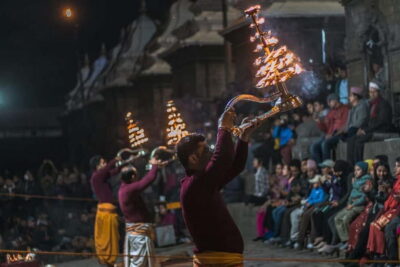
PashupatiNath and BoudhaNath – Private/Small Group
Read our review →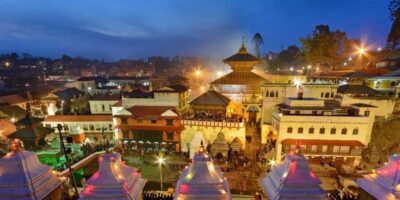
Pashupatinath: Evening tour of temple and Aarati ceremony
Read our review →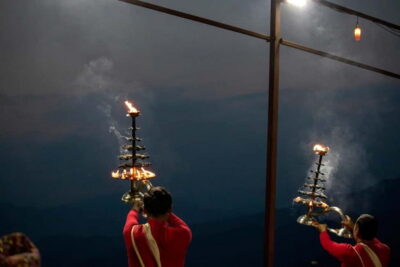
Browse the lists this tour appears in