
Reviewed · ANNAPURNA CIRCUIT TREK
12 Days Annapurna Circuit Trek from Kathmandu
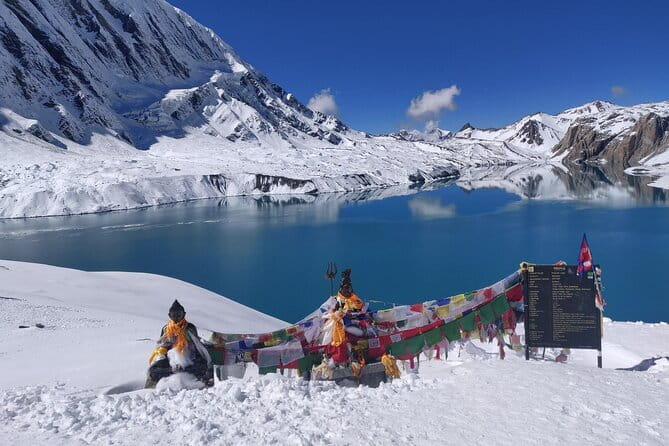
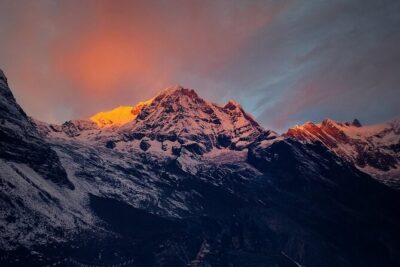
Annapurna Circuit is interesting because you get a real altitude story, not just a hiking checklist. You start in greener valleys around the Marshyangdi area, then work your way up into drier, windier high country, with big views of Annapurna, Dhaulagiri, and Manaslu. The trip’s headline is Thorong La Pass at 5,416m, where the weather can be dramatic and the reward feels earned.
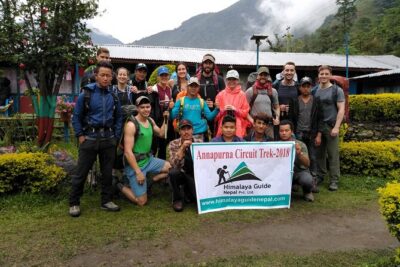
I love two things about this kind of tour. First, the Sherpa-led, English-speaking guiding has a hands-on feel, and names you’ll hear include guides like Biru, Milan, Amrit, and Krishna, all praised for their care and explanation of mountain culture. Second, I like the structure around it: hotel pickup and drop-off, Kathmandu and Pokhara accommodations with breakfast, and guest-house stays during the trek so you are not constantly solving logistics.
One consideration: this is not a “casual stroll.” Day 8 is described as a long, physically demanding hike (about 8 to 9 hours) and you can also run into strong winds at altitude, so you need strong fitness and a flexible attitude about pace.
Key highlights that make this circuit worthwhile
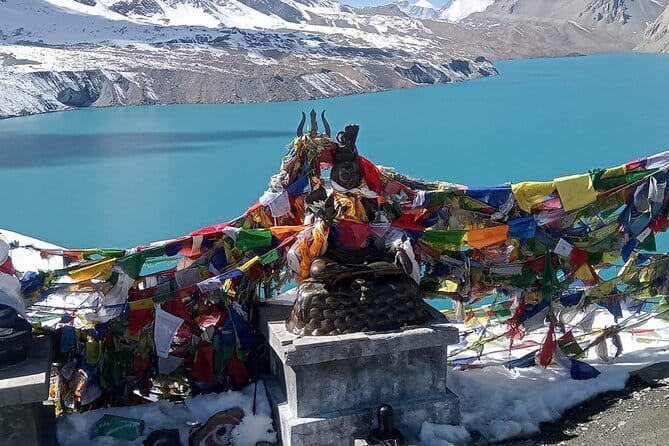
- Thorong La Pass at 5,416m, a true high point that shapes how the whole trek feels.
- Acclimatization built into the schedule, including time around Manang before higher altitude push.
- Culture stops that are more than photos, with Tibetan villages and monasteries/stupas along the way.
- Guide quality you can feel day to day, with Biru, Milan, Amrit, and Krishna specifically praised for pacing and English.
- Guest-house trekking that stays practical, with accommodations arranged throughout the route.
The Annapurna Circuit, packaged as real altitude and culture
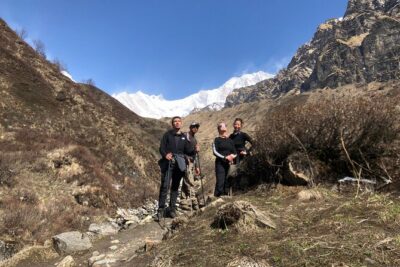
This trek works because it mixes two things that other trips often treat separately: changing altitude and changing culture. You will walk from lush green valley areas up into arid, windswept high-country terrain around Manang and beyond. The views of major peaks like Annapurna and Dhaulagiri are the headline, but what keeps your legs moving is the constant shift in what you see each day, plus the feeling of traveling through different communities.
On top of that, this route is known for ethnic variety. You pass areas associated with Gurungs, Manangis, and Tibetans, plus classic elements like monasteries and Buddhist stupas, and villages where you can meet locals and see daily life up close. You do not need to be an expert to enjoy it, because the guiding is set up to explain what you are seeing.
More of the Annapurna Circuit:
- Annapurna Circuit Trek with Tilicho Lake
★ 5.0 · 368 reviews - Annapurna Circuit Trek
★ 5.0 · 94 reviews - Annapurna Circuit Trek
★ 5.0 · 67 reviews
Kathmandu setup: Thamel, a pickup, and a smooth start
The experience starts right in Kathmandu, with Thamel as the first point. On arrival, you are met at Tribhuvan International Airport by a Sherpa Expedition and Trekking representative, then taken by private vehicle to your hotel. After check-in, you are set for the next morning, instead of spending your first day hunting taxis or trying to figure out where your paperwork is.
Timing matters here. The meeting/start time is listed as 4:15 pm, which is a bit unusual compared to morning tours. Practically, it means you likely get the afternoon to settle in, eat something reliable, and get your first layers ready before the bus ride to the trail.
You also get Kathmandu nights built in: 2 nights in Kathmandu with breakfast. That extra buffer is useful if jet lag hits or if you want a low-stress evening meal, gear check, and a quick walk around Thamel to find things like water bottles, snacks, or basic trekking supplies.
The road to Chame and your first walking days from Upper Pisang
The first trekking approach blends driving with early trails. Day 2 includes a long road day, where the bus crosses major rivers such as the Trishuli River (with a chance to see rafting) and the Marsyangdi River near Chame. If you are curious about Nepal beyond hiking, this stretch helps connect the dots. You see how people move through valleys and how rivers shape travel and settlement.
Day 3 is where you begin to feel the Annapurna region’s trail character. You leave Chame and pass villages like Telekhu, then pick up trail views toward the Annapurna range and Mt Pisang (6,091m). There is also mention of re-crossing a suspension bridge. Those bridges matter more than you might think. They are frequent moments where you get a changing perspective on the valley and where you can spot how the route will keep shifting back and forth over rivers.
Practical note: early days like this are often about finding rhythm. Even if your first hikes feel “easy enough,” keep an eye on foot comfort, especially if you plan to do the long pass day later.
Braga and Manang: Tibetan village vibes and real acclimatization
Day 4 takes you into the Upper Manang area starting from Pisang, with a trek to Braga, a Tibetan village known for distinctive architecture and tightly built homes. This is one of those stops where you feel the mix of cultures in your bones, because the buildings and layout look different than what you see in the lower valleys.
Day 5 centers on acclimatization and staying active. The plan describes that climbing and health professionals recommend spending time adjusting before higher elevations. That is good news for you, because it is easy for trekkers to rush, feel fine for a bit, then pay for it later. A rest-acclimatization day near Manang helps your body get used to the altitude while still keeping you moving.
If you like a trek that gives your body a fighting chance, this schedule is built for that. You are not just climbing continuously. You are building a buffer so the big pass day feels hard, but not chaotic.
More to compare around Kathmandu
- Everest Base Camp Trek – 14 Days
★ 5.0 · 1,499 reviews - Everest Base Camp Trek
★ 5.0 · 842 reviews - Private Kathmandu Sightseeing Tour | UNESCO World Heritage sites
★ 5.0 · 756 reviews - Kathmandu: 7 UNESCO Sites with Lunch
★ 4.8 · 744 reviews
Yak Kharka and Thorong Phedi: forests, pasture, and getting used to the grind
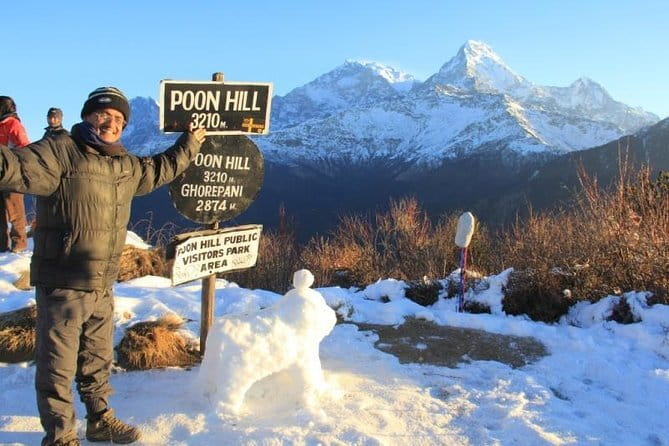
On Day 6, the trek goes uphill to Yak Kharka (about 10.4 km). The route passes through juniper forests and you might see yak grazing in alpine pasture areas. These kinds of stretches are great for morale. The scenery can be more open, and the animal life adds texture, not just rocks and sky.
This day also includes a specific teahouse reference: the only teahouse at Thorong Khola (river). That kind of detail helps you set expectations. When teahouse options are limited, your timing and water planning matter. Even if you do not obsess over it, you do want to keep an eye on breaks so you are not stuck waiting later.
Day 7 leads you to Thorong Phedi via the Thorong La road area. You follow along the east bank of the Jarang Khola and can view steep bluffs before reaching Thorong Phedi (meaning foot). This section is part “walking,” part “preparation.” It is where you mentally switch to high-altitude mode.
The big day: Muktinath, strong winds, and crossing Thorong La Pass
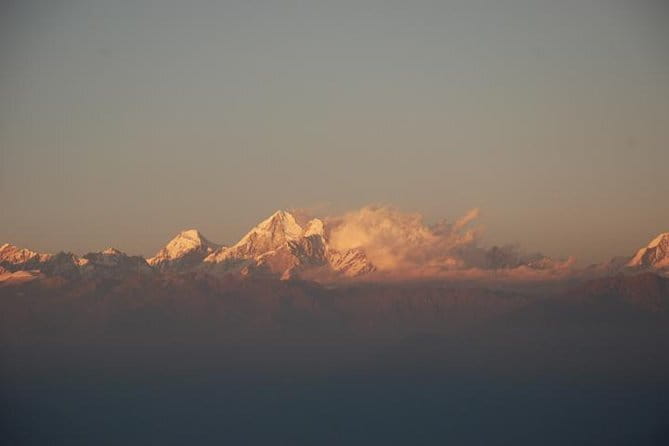
Day 8 is described as one of the most physically demanding days of the trek, with 8 to 9 hours of hiking. That matters because the altitude is already in play, so the same pace you used earlier can feel slower, heavier, and more effortful.
The plan also notes that strong winds are sometimes a factor in this higher altitude section. If you have ever walked in wind at elevation, you know it changes everything: you burn more energy, your breath feels harsher, and you can lose warmth faster than you expect. The best strategy is simple: move steadily, dress for cold and wind, and accept that your pace might be slower than your confidence.
This is also the day where the trek’s iconic moment lives, Thorong La Pass at 5,416m. Passing through the high pass area is not just about getting to a number on a map. It is about crossing between two different “worlds” of terrain and feeling the weather tighten its grip.
If you are the type who likes structure, trust the schedule here. Your earlier acclimatization days set you up for this. And if you are the type who tends to go too fast, this is where the guide’s pacing advice can save you.
Jomsom and Kagbeni: the Kali Gandaki Valley rhythm
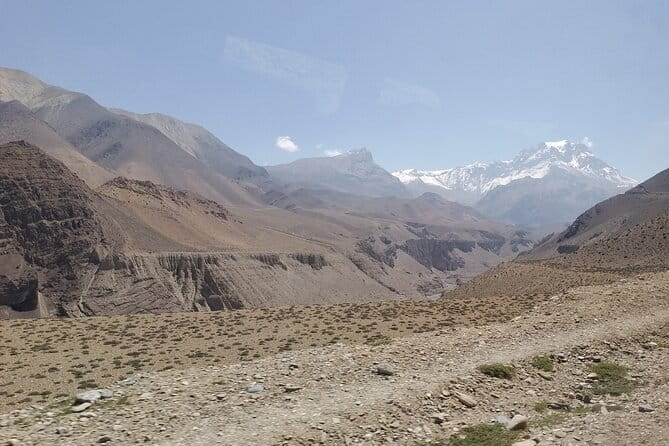
Day 9 drops you into the Kali Gandaki Valley region. After leaving Muktinath, the trail moves through lush meadows, past orchards, and streams, then passes the village of Kagbeni before reaching Jomsom.
Kagbeni is an especially interesting stop because it is described as having a reputation (even though the exact detail is not spelled out in the plan). Practically, that means you should expect a place that feels established and distinctive, not just a waypoint.
This day is shorter in hiking time (about 6 hours in the plan), which is a relief after the high-pass push. It also helps you arrive in Jomsom with enough energy to enjoy the valley setting rather than arriving completely wrecked.
Pokhara by bus: Phewa Tal, a hot meal, and recovery time
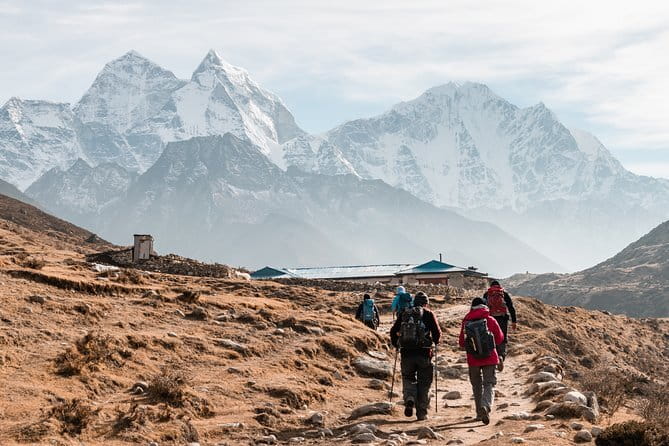
Day 10 is a travel day, and it is long: a drive by local bus of about 7 to 8 hours. You arrive first at Tatopani via Beni Bazaar, then continue to Pokhara. If you are picturing a smooth ride, plan for the fact that local buses can be bumpy and slow in places.
Pokhara is famous for its lake, listed as Phew Tal, and it is a popular base for travelers. This is your “recovery city” moment. After days of stepping carefully, you get a real sense of letting go, stretching out, and eating something that feels like a reward.
Also, this trip includes 1 night in Pokhara with breakfast, so you get that night to reset before heading back to Kathmandu.
Back to Kathmandu, then one last push to the airport
Day 11 returns you to Kathmandu by drive, around 7 to 8 hours. The tone is about warm memories of Nepal’s geography, village life, and unique culture. That is not just marketing language, because after a circuit trek, you really do see how the terrain and communities connect.
Day 12 is departure day. You get airport transfer with Sherpa Expedition and Trekking, leaving at least three hours before your scheduled flight. That buffer is important on treks that already stretch your timing muscles. It lowers stress and helps you avoid the last-minute scramble that so often turns a great trip into a rushed one.
Guides make this trek feel smoother and safer
A lot of Nepal trekking companies say they have good guides. What’s more useful is whether those guides are praised for specific qualities. Here, you see consistent praise tied to real daily needs.
Guides like Biru get credit for excellent management and for taking care of clients while explaining mountain culture. Milan is called out as the best trek guide and noted for helpful, honest guidance. Amrit is praised as amazing, especially for the way the experience balances diverse terrain. Krishna earns strong remarks for friendliness, adapting pace to fit the group, and for speaking English well.
What that translates to for you: you are not just following a line on a map. You are working with someone who can read the day, adjust effort levels, and keep you informed about what you are passing through. In a trek that includes altitude, wind, and long walking days, that kind of human judgment is a big part of why people feel satisfied.
Price and real value: what $680 covers and what it does not
The listed price is $680 per person, and that price is only “cheap” if you know what is included. Here’s the practical breakdown of value.
Included:
- Hotel pickup and drop-off round trip
- A friendly English-speaking trekking guide
- Trekking permit and all official documents
- Kathmandu 2 nights and Pokhara 1 night accommodation with breakfast
- Guest-house accommodation during the trek
- Round trip transfers by shared bus according to the itinerary
- Private tour setup where only your group participates
- Trekking pole per each person
Not included:
- Gratuities (optional)
- Food and drinks, sold on purchase, about US$ 25 per day
So the value angle is clear: you are paying for guide time, permits, and the big-ticket logistics, plus lodging. The part you personally manage most is meals and drinks. If you plan to spend around that daily estimate, budgeting becomes straightforward. If you love buying snacks, sodas, or more frequent hot drinks, your total will climb, but at least you are not guessing blindly.
One more value point: trekking poles included can be a quiet win. If you are traveling light or you do not want to bring gear across borders, it saves hassle.
Who this trek suits best
This trek is a good fit if you want:
- A classic Annapurna Circuit experience with the key high pass moment
- A structured plan that includes acclimatization time around Manang
- Trekking guidance that focuses on culture and practical trail knowledge
- Guest-house trekking, not private lodge luxury
It is not a great match if:
- You want food fully included in the price
- You dislike long hiking days, especially the physically demanding day around Muktinath
- You are not comfortable with altitude and the possibility of strong winds on higher ground
The plan itself states you should have a strong physical fitness level. That is the big gate.
Practical tips for your packing and pacing (so you enjoy the hard parts)
I’ll keep this practical and tied to what the schedule suggests.
- Plan your pace around altitude, not enthusiasm. The trek includes acclimatization time, but you still have long uphill effort and a major pass day. If you sprint early, you pay later.
- Treat wind as normal weather, not an exception. The plan explicitly warns about strong winds at high altitude on the most demanding hiking day. Dress like it might be cold even if the sun is out.
- Use the trekking poles you get. Poles reduce stress on knees on steep downhills. You get one per person, so take advantage.
- Budget for daily meals and drinks. Food is available for purchase, roughly US$ 25 per day. If you plan to be casual with spending, you’ll probably land near that number.
- Keep an eye on foot comfort from day one. Early suspension bridges, repeated valley crossings, and long walk hours can punish bad socks or shoes fast.
Should you book this Annapurna Circuit tour?
Book it if you want a well-run, structured circuit that takes altitude seriously, uses an English-speaking Sherpa guide, and includes the core logistics that can otherwise eat your time in Nepal. You are also likely to feel better about the experience because multiple guide names are repeatedly praised for care, explanation, and pacing, including Biru, Milan, Amrit, and Krishna.
Skip or rethink it if you want fully included meals, you are not confident with long hiking days, or you prefer a trip that avoids high-altitude walking and the reality of wind on the pass approach. The circuit can be spectacular, but it asks for preparation in return.
If that sounds like you, then this is the kind of Annapurna Circuit plan that lets you focus on the trail, the people, and those big views when the weather finally decides to cooperate.
FAQ
What time does the tour start in Kathmandu?
The meeting/start time is listed as 4:15 pm.
How long is the trek?
The duration is listed as 12 days (approx.).
What is the highest point on the route?
The itinerary highlights Thorong La Pass at 5,416m.
What’s included in the price?
Included are hotel pickup and drop-off round trip, an English-speaking trekking guide, trekking permit and official documents, Kathmandu 2 nights and Pokhara 1 night accommodation with breakfast, guest house accommodation during the trek, round trip transfers by shared bus according to the itinerary, private tour setup for your group, and trekking poles per person.
What is not included?
Gratuities are optional and not included. Food and drinks are available for purchase, approximately US$ 25 per day.
Is pickup offered for Kathmandu?
Yes, hotel pickup and drop-off round trip is included.
Is the trekking tour private?
Yes, it is listed as private, and only your group will participate.
Can I get a full refund if I cancel?
You can cancel up to 3 days in advance for a full refund. For a full refund, you must cancel at least 3 full days before the experience’s start time. Within 3 days, no refund is provided.
Latest Kathmandu write-ups
- Langtang Valley Trek★ 5.0 · 3 reviews
- Langtang Valley Trek from Kathmandu★ 5.0 · 3 reviews
- Khopra Danda Trek★ 5.0 · 3 reviews
- 5 night / 6 days Kathmandu Nagarkot Chitwan Pokhara tour★ 5.0 · 3 reviews
- Nepal Highlights Tour: 5 Nights 6 Days Kathmandu & Pokhara Tour★ 5.0 · 3 reviews
- Kathmandu Valley Private Day Tour★ 5.0 · 3 reviews
- Conquer the Himalayas: The Ultimate 16-Day Annapurna Circuit Trek★ 3.5 · 3 reviews
- Kathmandu Heritage Day Tour★ 5.0 · 3 reviews
Annapurna Circuit Trek, compared.
15-Day Private Annapurna Circuit Trek from Kathmandu
Read our review →
8 Days Private Guided Trekking in Annapurna Circuit with Pickup
Read our review →Browse the lists this tour appears in