
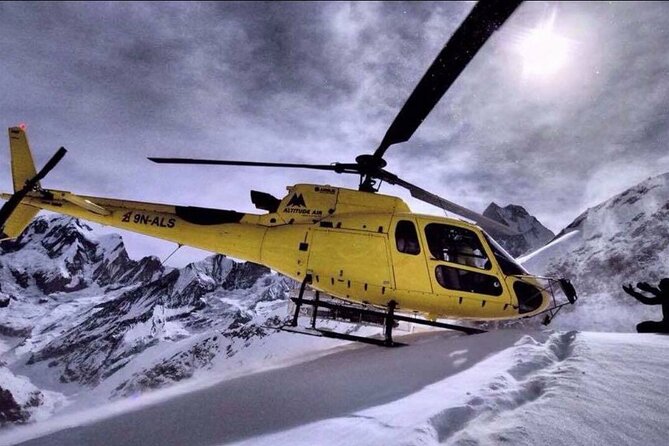
Reviewed · EVEREST BASE CAMP TREK
12 Days Everest Base Camp Trek
Everest Base Camp is already an automatic wow. What makes this trek especially interesting is the built-in structure, from Lukla flights to a guide who keeps the route and pacing sensible. In the Everest season, names like Mingmar or Indra come up for a reason, because you’re not just hiking, you’re also learning how to move safely in a high-altitude environment.
I also like the way the trek uses acclimatization stops on purpose, not as an optional extra. Namche Bazaar, Syangboche, and Dingboche give your body time to adjust before you push higher, and that matters. One consideration: once you’re up high, tea house conditions can feel basic, so you should mentally plan for simple rooms and long day pacing.
Key points worth knowing before you go
- Lukla is handled for you with flights arranged as part of the package, so you’re not stressing route logistics at the last minute
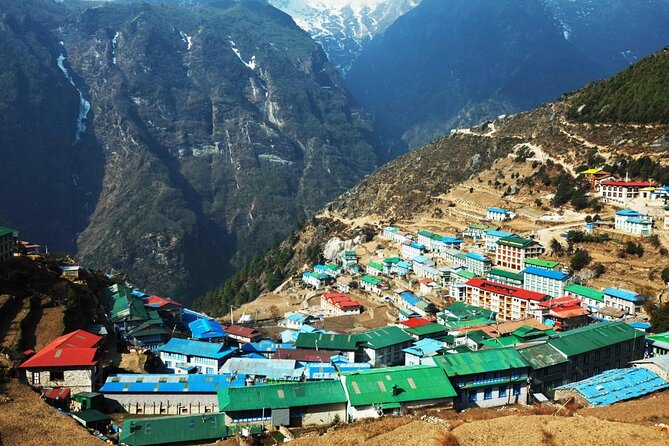
- Altitude planning is built into the days with extra time in Namche Bazaar, Syangboche, and Dingboche
- A porter supports your load (designed as 1 porter for 2 travelers), which helps you keep energy for the walking
- You get national park fees included, so you’re not chasing permits at the gate
- The Everest Base Camp day includes the Khumbu Glacier approach, plus a return to Gorakshep for the next morning
- Guide teams are often praised by name (including Mingmar, Kilraj, Santosh, Sonam, Dawa Sherpa, and Indra) for calm, practical support
Everest Base Camp with a guide that keeps you moving (not guessing)
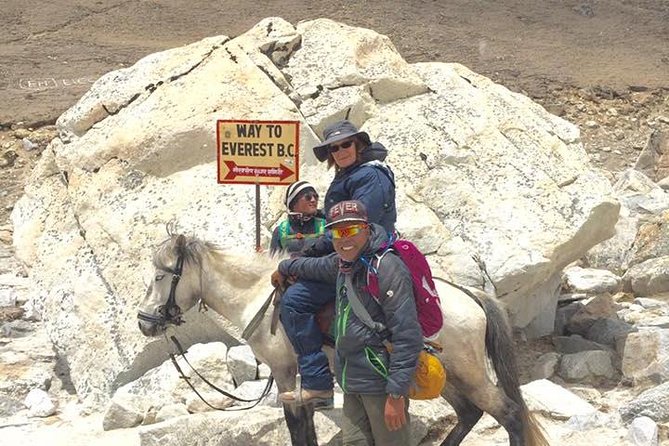
If your goal is to stand near the foot of the world’s tallest mountain without spending your days working out where to go next, this kind of guided Everest Base Camp trek is a strong fit. You trade a bit of independence for big peace of mind, especially when weather and trail conditions can change. You’ll still be doing the hard part, the walking, but the experience is built to keep the flow steady.
You’ll also be surrounded by a group rhythm. That matters on the Everest trail. When everyone is moving with the same plan, it’s easier to pace your own breathing, time your breaks, and avoid the common beginner mistake of trying to keep up too fast. The guide role is not just about navigation, it’s also about pacing, encouragement, and practical decision-making.
More ways to walk to Everest Base Camp:
- Everest Base Camp Trek – 14 Days
★ 5.0 · 1,499 reviews - Everest Base Camp Trek
★ 5.0 · 842 reviews - Everest Base Camp Helicopter Tour landing at Everest View Hotel
★ 5.0 · 668 reviews
Price and logistics: what $1,099 buys you, and what it doesn’t
At $1,099 per person, the value here mostly comes from the stuff that usually adds up fast on Everest trips: flights to the Lukla area, guide and porter support, and the national park fees. The package also covers key ground logistics like airport pickup and drop-off, plus transfers before and after the trek.
Here’s what is clearly included:
- Domestic flights between Kathmandu and the Lukla area (via Ramechhap as listed), both directions
- A licensed English speaking guide, plus a porter (structured as 1 porter for 2 travelers)
- Guesthouse accommodations during the trek on a twin-share basis, with breakfast included each trekking day
- Sagarmatha National Park fees and local taxes
- First aid kit and required trip support items
- Basic equipment support, like duffle bags if you need them
What you should budget separately:
- Lunch and dinner during the trek (the package lists meals not included, even though breakfast is included)
- Alcoholic drinks on the trail
- Personal trekking gear and clothing
- Travel insurance
- Kathmandu accommodation is listed as not included, but the highlights also say a one-night stay at Gokarna Forest Resort in Kathmandu is included. This means you should confirm exactly how many nights and which hotel you’re getting when you book, so there’s no surprise.
The bottom line: this price is less about paying for luxury, and more about buying time, risk reduction, and the comfort of having logistics handled.
Kathmandu to Lukla: getting to the start without wasting your energy
Your trek begins with a flight from Kathmandu to Lukla, the classic gateway to the Khumbu region. You’ll land in a place that feels like the trail is already happening around you. Then you start walking right away.
Why that matters: on Everest, the days are long and the altitude climb is gradual but relentless. Anything that reduces friction on the first morning helps. Having the flight handled also means you can focus on small habits that set the tone, like eating lightly, hydrating early, and keeping your steps calm.
You’re not stuck in Kathmandu for days waiting around either. Transfers are included, plus transport before and after the trek, so your time stays mostly on the route.
Day 1 and Day 2 trail building: Phakding and Namche Bazaar for your first altitude lessons
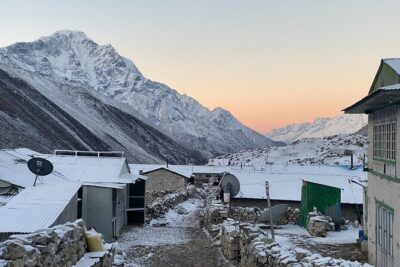
On the first trekking day, you descend toward Phakding through pine forests and Sherpa villages. This is a good “easy start” day in Everest terms. You’ll settle into a tea house, take in the slower rhythm, and use the remaining daylight to get oriented.
A practical point: the first night is when you learn what your altitude plan really feels like. You don’t need to be heroic. If you keep snacks and water simple, you’ll sleep better and hike smoother the next day.
Day 2 brings the big shift, the ascent to Namche Bazaar. You cross suspension bridges and trek alongside the Dudh Koshi River. You also pass Monjo, where you verify entry into Sagarmatha National Park, which is part of what your included permits are covering.
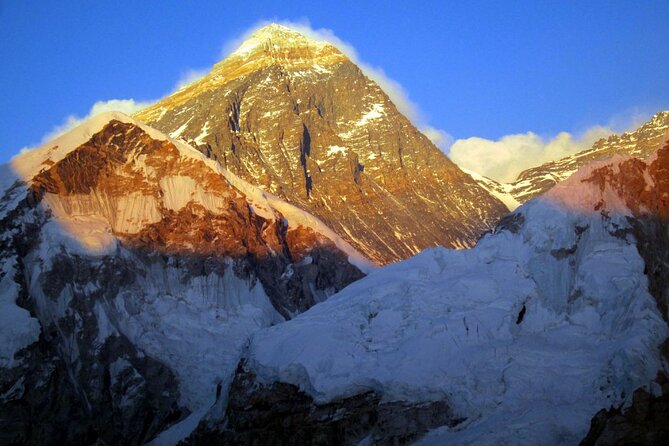
Namche Bazaar is the commercial hub of the Everest region, so it feels lively. But it’s also your main acclimatization stop, which is why it’s not just a market town on this itinerary. You’ll get views of major peaks on the climb, including Thamserku and Everest on clearer days, and that visual payoff is a strong motivator when you’re working uphill.
More to compare around Kathmandu
- Private Kathmandu Sightseeing Tour | UNESCO World Heritage sites
★ 5.0 · 756 reviews - Kathmandu: 7 UNESCO Sites with Lunch
★ 4.8 · 744 reviews - Half day cooking class in Thamel kathmandu
★ 5.0 · 607 reviews - Everest Base Camp Trekking
★ 5.0 · 485 reviews
Extra nights that actually matter: Syangboche and Dingboche acclimatization
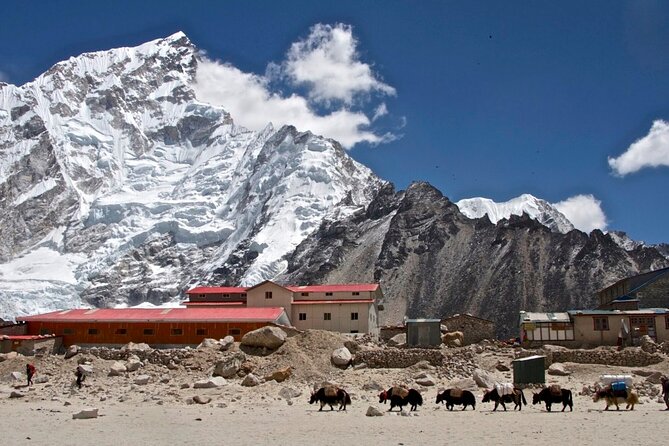
Day 3 is an acclimatization day in Namche Bazaar, and it’s one of the smartest parts of the trip. Instead of climbing higher every single day, you give your body a chance to adapt. You’ll also have time in the town to handle practical needs, like ATMs, shops, and general trail info.
Then you hike up to Syangboche, toward the Hotel Everest View area. The point isn’t to “win” the hike. The point is to get a higher vantage and a bit more altitude stress without pushing so far that you’re wrecked for the next stage. It’s a great example of how this trek uses the terrain as training.
Later, when you reach Dingboche, you get a second acclimatization day with a hike to Nangkartshang Peak. From there, you’re set up for wide views of several famous mountains including Makalu, Lhotse, Cholatse, Tawache, and Ama Dablam. Even if clouds cover some peaks, the bigger win is how you’re preparing your body for the thin-air days ahead.
If you want a simple rule for Everest success, it’s this: the trek makes space for acclimatization, and you should protect that space.
Tengboche to Deboche: monasteries, rivers, and the classic Khumbu vibe
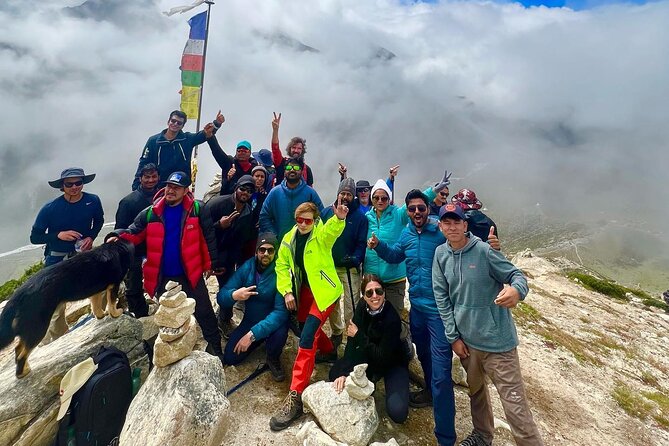
As you continue upward, you move toward Tengboche, home to the region’s well-known monastery. This stop is more than a photo opportunity. A monastery setting often changes the mood of the day. It’s quieter, reverent, and a reminder that this is a working mountain community as much as it is a trekking route.
After time in Tengboche, you head toward Deboche, crossing the Imja River. You’ll check into a tea house for the night. This is a typical Everest routine: short mental breaks for scenery, then back to steady walking.
Potential drawback here: the days can feel long because the altitude makes even normal effort feel heavier. If you tend to rush when you see a nice view, force yourself to slow down. It’s not just about comfort, it’s about breathing.
Dingboche to Lobuche to Gorakshep: the rougher terrain that tests patience
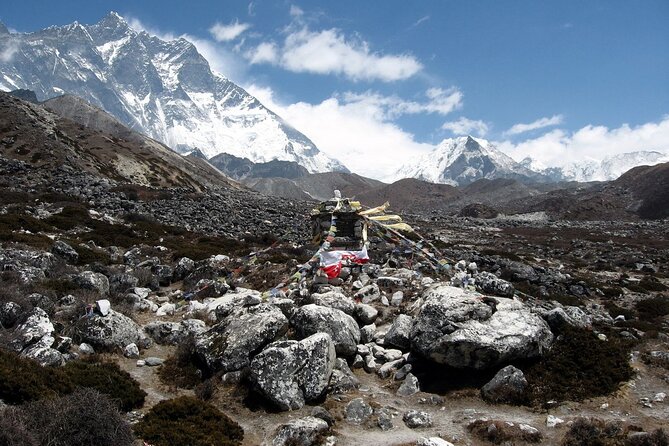
Day 5 shifts into a more colorful forest experience, moving through birch, conifer, and rhododendron areas while you pick up views of peaks like Everest, Lhotse, and Ama Dablam. You’ll continue toward the Imja Valley and the Lobuche River, then climb toward Dingboche.
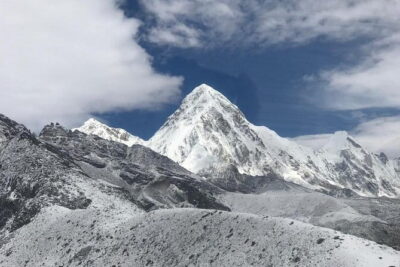
By Day 7, you’re trekking from Dingboche toward Lobuche. The terrain becomes rougher, air gets thinner, and the day feels more demanding in your legs. A key moment is the climb to Thukla Pass, where you get panoramic views of Pumori and Nuptse. This is a “work for it” section, but it keeps your motivation high.
Day 8 takes you to Gorakshep, the last settlement before Everest Base Camp. You’ll check into a tea house, grab lunch, then continue toward Everest Base Camp. Expect a more dramatic feel here because you’re approaching the glacier area, not just the village-to-village trail.
Everest Base Camp and Kala Patthar: the photo day with real meaning
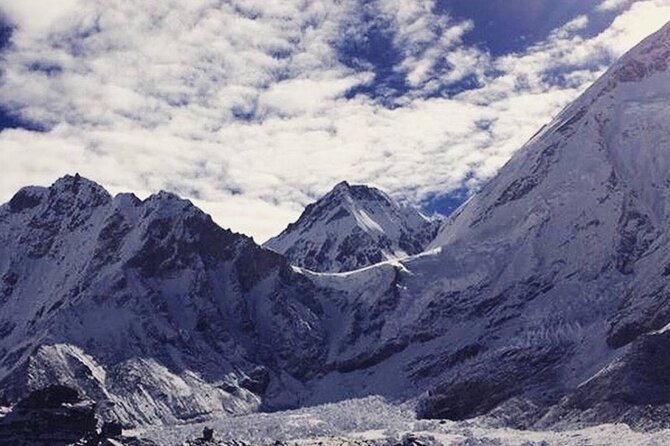
Reaching Everest Base Camp is the big target, and this trek schedules it as a major moment with time to take photos and absorb the setting. You’ll approach through the Khumbu Glacier area, which makes the experience feel more remote and more rugged than many people expect.
Then you head back to Gorakshep. That sounds like “only one way,” but the return is part of the value. It sets up your next morning and gives you the chance to rest without losing the sunrise window.
Day 9 is Kala Patthar early, built around sunrise. This is often where the Everest view feels the most dramatic, because the light hits the peaks when the air is calmer. You’ll photograph, then descend back down toward Gorakshep and continue to Pheriche for the night.
Practical advice: sunrise mornings are not about speed. If you start early, you’ll still feel cold. Walk smoothly, keep your layers on, and don’t burn energy pretending you’re warmer than you are.
The return trip to Lukla: same trail, different kind of satisfaction
Once you start down from higher altitude, it can feel like relief, but it’s still work. Day 10 brings you down to Namche Bazaar, following familiar scenery at lower elevation. Your breathing improves, and your legs often feel steadier than they did on the climb.
Day 11 continues the descent toward Lukla, with lunch in Phakding and time to cross suspension bridges and pass through forests again. This is the day where you notice how quickly your mindset changes. The mountains are still there, but you’re focused on finishing strong, not surviving each step.
Day 12 is the exit: you fly back to Kathmandu from Lukla in the morning, then transfer to your trip hotel.
Tea houses, meals, and what to do with the basics
This trek uses guesthouses along the route, typically simple rooms and warm common areas. You’ll have breakfast included each trekking day, but lunch and dinner are not included. That means the food experience is a flexible choice day by day, and you should plan to eat what’s available and what feels safe for you.
Because you’re traveling at altitude, food decisions matter:
- Keep meals steady, don’t skip just because the altitude kills your appetite
- Drink regularly, don’t wait until you feel thirsty
- Expect that tea houses can vary in comfort, especially higher up
A line that comes up in real-world accounts is that some accommodation feels uncomfortable at higher elevations. That doesn’t mean the trek is poorly run. It means you’re using basic mountain infrastructure. If you’re expecting hotel-level comfort, you’ll feel annoyed instead of grateful.
The human factor: guides, porters, and the small things that prevent big problems
The guide and porter team is where this trek feels most “together.” Names like Mingmar, Kilraj, Santosh, Sonam, Dawa Sherpa, Indra, and others are associated with very consistent praise for support and planning. What I’d take from that, practically, is that good Everest guides help you avoid common mistakes, not just show you the route.
You should expect:
- daily guidance and practical calls on pacing
- calm help when the day gets slow or steep
- support for carrying your load, with porters using a structured ratio
One more balanced note: Kathmandu nights can sometimes shift at the last moment, depending on availability. Even with pickup and transfers handled, it’s smart to bring a little patience for city-side changes so they don’t color your whole trip.
Who should book this trek, and who should rethink the timing
This is best suited to active travelers with at least some mountain trekking experience. That’s not about gatekeeping. It’s about matching your fitness to the reality that you’ll be walking long days and dealing with altitude.
That said, first-time trekkers can still succeed if they respect acclimatization days, keep a steady pace, and take the guide’s advice seriously. If you’re the type who stops to stare a lot, in a good way, this route works because the itinerary is built around frequent viewpoints.
If you’re someone who hates group pacing, or you want full independence for every turn, this format might feel too structured. The trade-off is safety and reduced navigation stress. Choose based on which you value more.
Should you book this 12-day Everest Base Camp trek?
If you want Everest Base Camp with logistics handled, acclimatization built into the route, and experienced guide support, this is a strong option for the money. The guides associated with the program have a track record for practical, friendly support, and the trek avoids the biggest risk factor, pushing higher too fast.
I’d book it if you:
- want a clear plan and less guesswork
- can commit to long daily walks and slow altitude pacing
- are okay with basic tea house conditions up high
I’d pause and double-check details if you:
- care a lot about exact Kathmandu hotel nights (the inclusion list conflicts with the highlights, so confirm)
- don’t want to manage extra costs for lunch and dinner
- expect hotel comfort instead of mountain simplicity
If you confirm the Kathmandu stay details and pack for tea house reality, you’re set up for a well-supported Everest journey that focuses on the hard part, the walking, and saves you from the hard part, guessing.
FAQ
How long is the Everest Base Camp trek?
The trek runs about 12 days, with flights and transfers included as part of the overall schedule.
Where does the trip start and where do you fly to?
You start in Kathmandu and fly to Lukla as the gateway to the Everest region, with domestic flight transfers handled between Kathmandu and the Lukla area.
Is a guide and porter included?
Yes. You get a professional licensed English speaking guide, and porters are included with a stated ratio of 1 porter for 2 travelers.
What is included during the trek days?
Guesthouse accommodation on a twin sharing basis is included, along with breakfast each trekking day. National park fees, local taxes, first aid kit, and other listed support items are also included.
What is not included in the price?
Lunch and dinner during the trek are not included, along with alcoholic drinks. Personal equipment and clothing, travel insurance, and accommodation in Kathmandu are listed as not included.
Do I need travel insurance and a passport?
You are asked to bring your original passport and travel insurance.
What happens if weather prevents the trek?
The experience requires good weather. If it is canceled due to poor weather, you are offered a different date or a full refund.
Latest Kathmandu write-ups
- Visit Swayambhunath and Bauddhanath Stupa with Guide★ 5.0 · 5 reviews
- 10 days Annapurna Base Camp Trek★ 5.0 · 5 reviews
- Langtang Trek from Kathmandu 7 Days★ 5.0 · 5 reviews
- 7 Day Kathmandu Pokhara Tour★ 4.5 · 5 reviews
- Island Peak Climbing with Everest Base Camp★ 5.0 · 5 reviews
- Chandragiri Hill Cable Car Tour with Hotel Transfers from Kathmandu★ 4.5 · 5 reviews
- Everest Mountain Flight★ 5.0 · 5 reviews
- Kathmandu city day tour (4 world heritage sites)★ 5.0 · 5 reviews
Everest Base Camp Trek, compared.
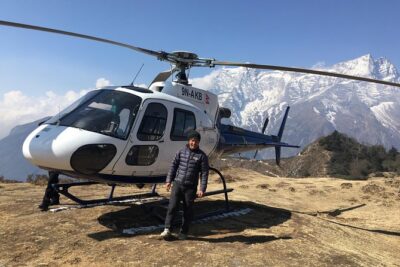
Everest Base Camp Helicopter Tour landing at Everest View Hotel
Read our review →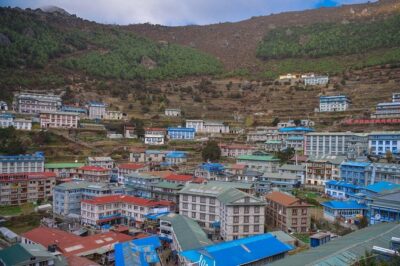
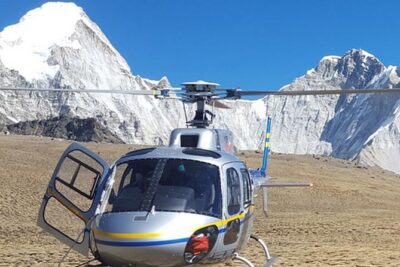
Everest Base Camp Helicopter Tour landing at Hotel Everest View
Read our review →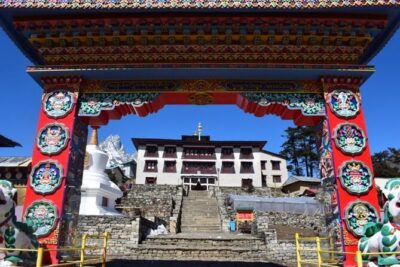
Browse the lists this tour appears in