
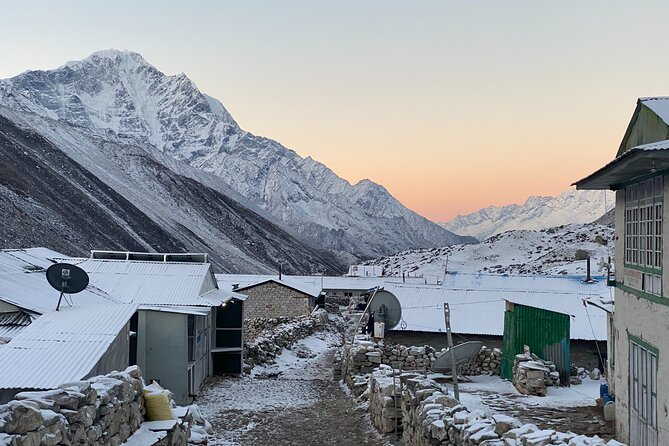
Reviewed · EVEREST BASE CAMP TREK
Everest Base Camp Trekking – 13 Day
Everest Base Camp in 13 days is interesting because the hard part is the logistics, and this trip handles a lot of it for you. I like that Kathmandu and Lukla flights are included, so you are not piecing together schedules. I also like that the trek is private, which makes it easier to match the pace and make small itinerary tweaks.
Here is the main thing to think about first: you are still hiking at altitude. This plan assumes moderate physical fitness, and several days include early starts and steep sections, so you need to show up ready to work.
Key Highlights You’ll Feel on the Trail
- Round-trip flights (Kathmandu to Lukla and back) included, plus airport departure tax, which reduces stress on both ends
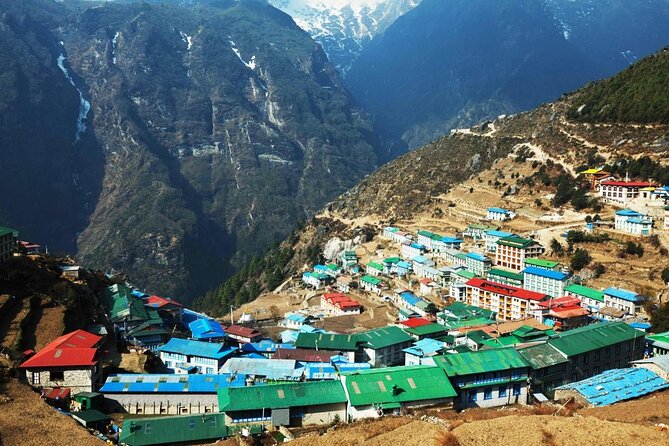
- Acclimatization built in with a rest day in Namche Bazaar and another in Dingboche, plus short hikes to adjust
- Lodge nights and most meals included (breakfast, lunch, dinner counts are spelled out), so you can focus on walking
- Everest Base Camp plus Kala Patthar timing with early departures and altitude-aware pacing
- Guides who run tight days like Milan, Dibash, Achyut, and Ratna, based on past experiences they delivered (clear explanations, timing, and support)
- Private trek format so your group moves as one unit instead of getting stuck waiting behind other hikers
What You Pay for on a $1,399 Everest Base Camp Trek (and why it matters)
The headline price is $1,399 per person for a 13-day Everest Base Camp trek based in Kathmandu. For many people, the real value is not just that the trek exists, it’s that you get a lot of the moving parts treated as part of the service, not a separate to-do list.
This package includes Kathmandu to Lukla to Kathmandu flights, national park entrance fees, and your TIMS card (Trekkers’ Information Management System). On the mountain, it covers nightly accommodation in trail-side lodges and provides most meals on trek days, with lunch 11 times, dinner 12 times, and breakfast 12 times.
What is not included is also important. Meals in Kathmandu, alcoholic drinks, personal expenses (phone calls, charging, bar tabs), and most importantly personal travel and health insurance plus helicopter evacuation coverage are on you. If you want a smoother trip, plan that side early, before you land in Nepal.
Also check solo pricing. If you book so you do not join an existing group, there is a single surcharge of USD 150 once you arrive in Nepal. Group discounts can apply too, so if you can travel with friends or family, you may do better than the base rate.
More ways to walk to Everest Base Camp:
- Everest Base Camp Trek – 14 Days
★ 5.0 · 1,499 reviews - Everest Base Camp Trek
★ 5.0 · 842 reviews - Everest Base Camp Helicopter Tour landing at Everest View Hotel
★ 5.0 · 668 reviews
Day 1 and 2: Kathmandu Arrival, Equipment Day, and the Lukla Flight That Starts It All
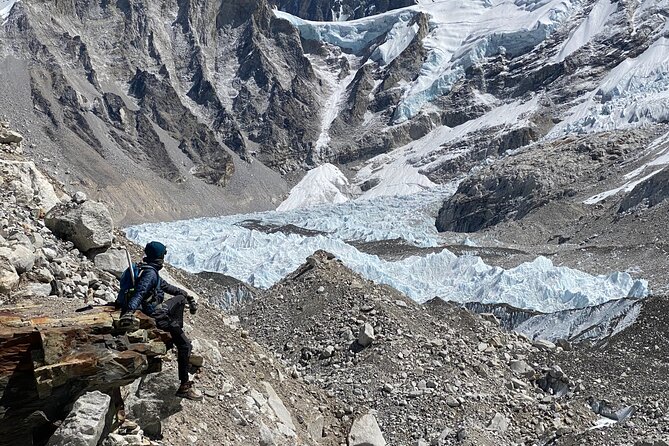
Day 1 is a fairly gentle on-ramp. You get met at Tribhuvan International Airport by a Nepal Trekking Planner representative and escorted to your hotel in Kathmandu after you finish customs formalities. It’s a real perk if you arrive tired and would rather not hunt for transport and paperwork on your own.
Day 2 is the day you switch from city mode to trek mode. You organize trekking equipment and pack your bags the day before, then you leave early for Lukla, the gateway into the Everest region. The flight itself is part of the included package, and a guide leads the day once you are on the ground.
Why this matters: your lungs and legs can handle a lot, but your brain does better when the plan is already laid out. Early logistics plus a guide reduces the chance you waste energy on confusion. One practical tip, based on the style of support guides are known for, is to treat the pre-trek explanations as part of your training. When the next day’s timings are clear, you can pace yourself instead of guessing.
Day 3: Into the Khumbu via Dudh Koshi and First Namche Big Views
On Day 3, you walk along the Dudh Koshi River, and the trail connects the natural power of the valley with the early cultural vibe of the Khumbu. You head toward Namche Bazaar, described as an ancient trading hub, and the route includes suspension bridges.
You also get your first meaningful mountain cues, including views of Kongde Ri Peak. Those first big skyline moments are where the trip shifts from travel to mission.
The practical drawback to expect on this kind of day: river valleys and bridge crossings can feel more exposed. If the weather turns or the wind rises, take your time on the bridges and keep your footing calm. This is not the day to rush just because you feel excited.
Day 4: Namche Bazaar Acclimatization Day (Shops, Saturday Market Energy, and Staying Smart)
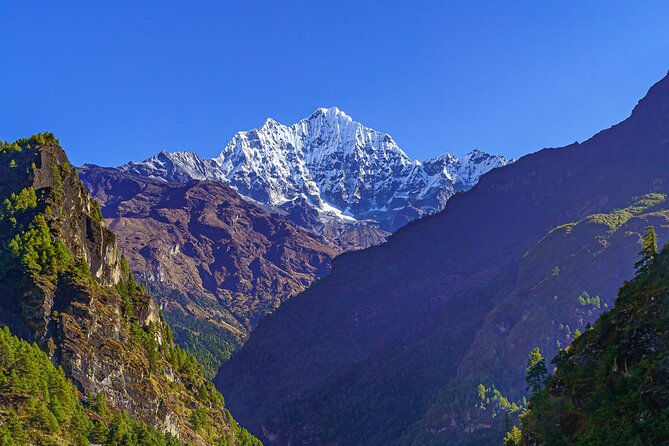
Day 4 is a rest and acclimatization day in Namche Bazaar. You get time to slow down, eat well, and let your body adjust before the altitude climbs again. Namche is also the kind of town where you can browse shops and soak up daily life, including lively market energy in the area around Saturday.
This is also the day where you set up your rhythm. You will still be in high terrain, so it is not a free-for-all day. Think of it as recovery with purpose.
What I like about having a full day here: you get a buffer. Many people underestimate how much faster the trek becomes once you are past the first climb. A real acclimatization stop makes it easier to enjoy later days instead of just surviving them.
More to compare around Kathmandu
- Private Kathmandu Sightseeing Tour | UNESCO World Heritage sites
★ 5.0 · 756 reviews - Kathmandu: 7 UNESCO Sites with Lunch
★ 4.8 · 744 reviews - Half day cooking class in Thamel kathmandu
★ 5.0 · 607 reviews - Everest Base Camp Trekking
★ 5.0 · 485 reviews
Day 5: Climbing Out of Namche to Kenjoma and Sanasa Through Forest Trails
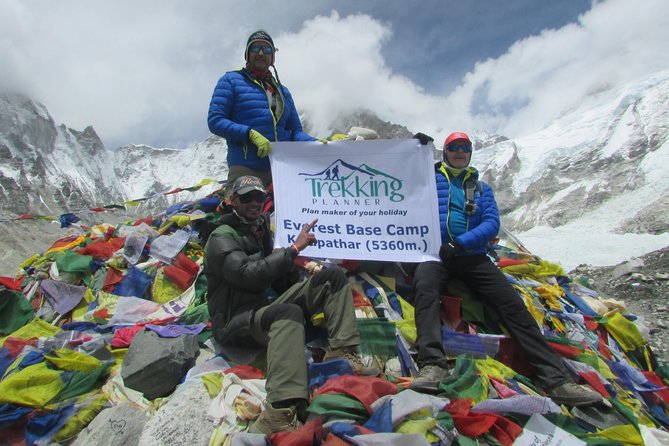
Day 5 ramps altitude gradually. The day starts with a short but steep climb out of Namche, then moves onto a more leveled trek to settlements like Kenjoma and Sanasa through dense forest sections.
Forest hiking can be a lifesaver when you need a bit less exposure to sun and wind. It can also feel damp, and you may notice that your layers shift as you walk higher or lower under the trees. Keep your rain plan ready. The trip operates in all weather conditions, so dressing correctly is not optional.
If you want an easy win on a day like this, pay attention to how your breathing changes after the steep section. If you can manage the pace immediately, you’ll feel better during the flatter stretch afterward.
Day 6: From Tengboche Sunrise Energy to Dingboche and the Deboche Views
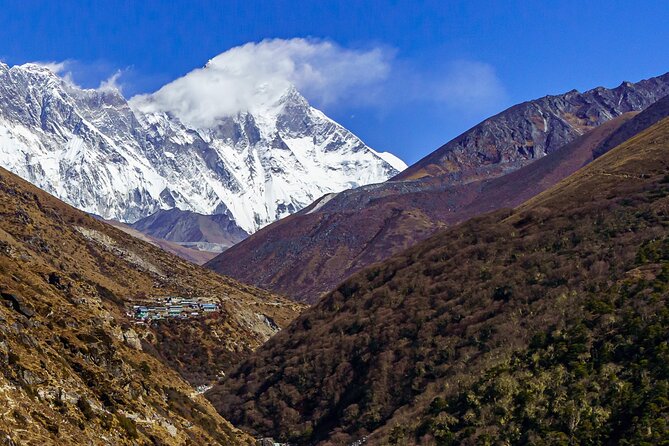
Day 6 starts by leaving behind the sunrise and sunset feel of Tengboche, then you head onward toward Dingboche. You go through forest and descend to Deboche, which is noted for beautiful views.
This is a day where you are both moving and paying attention. The Tengboche part matters because it gives you a strong sense of place, and then the trek transitions toward the higher, more open staging area around Dingboche.
One consideration: once you are near Dingboche and heading into higher elevations, cold can arrive fast, even if the morning starts okay. This is where you’ll appreciate a warm cap, gloves, and a waterproof outer layer from your packing list.
Day 7: The Dingboche Acclimatization Block With Short Hikes
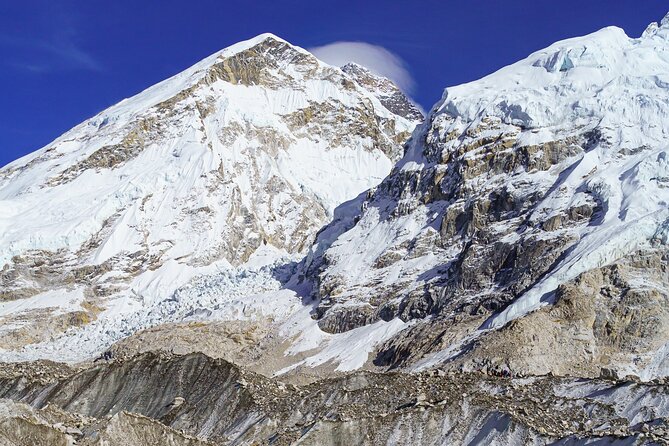
Day 7 is another acclimatization day. The plan uses it for short hikes to higher altitudes so your body can adjust before the bigger push. You are still trekking, but the goal is adaptation, not distance.
This is the kind of day that makes or breaks how you feel later around Everest Base Camp. If you treat acclimatization as a real checkpoint, you typically get more enjoyment at the destination stage instead of feeling too wiped out.
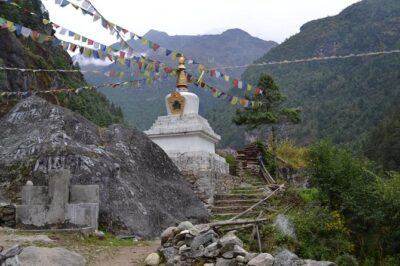
Day 8: Gradual Ascent Past Grazing Areas, Chortens, and Mani Walls
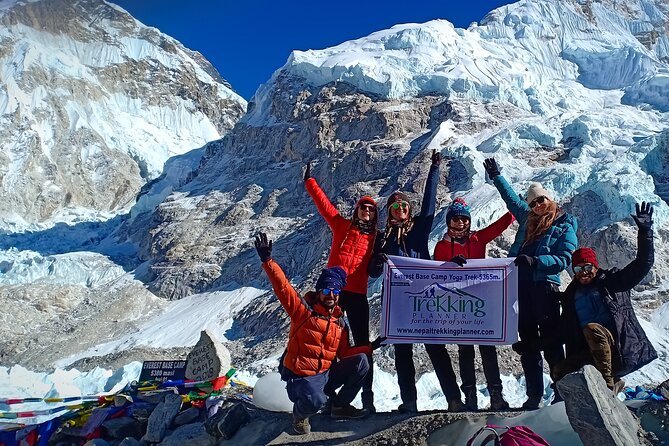
On Day 8, you begin with gradual ascent out of Dingboche. The trail passes grazing areas with cattle and moves through areas marked by chortens and Mani walls.
This is where the trek feels more than physical. You notice religious stonework and everyday mountain life, and the pace is often friendlier than it sounds like on paper.
A practical drawback: steady ascent can still tire you if you power-walk. Keep it smooth and controlled. On these days, you are building endurance for the altitude ahead, especially the day toward base camp.
Day 9: Lobuche to Everest Base Camp, Early Start, and the Acute Mountain Sickness Warning
Day 9 is the day many people dream about: heading for Everest Base Camp from Lobuche. The trek begins early, and the plan explicitly reminds you to be careful about acute mountain sickness and to trek accordingly.
That warning is not decoration. Your best strategy is simple: follow your guide’s pace, report symptoms early, and do not treat discomfort like it must be ignored. If you feel off, slow down immediately, drink water if you can, and take the guidance seriously.
What makes this day special is that the goal is real. You are no longer just climbing toward a point on a map. You’re walking toward a place that feels like the center of this entire region’s effort and imagination.
Day 10: Kala Patthar Before Daybreak, Then Back Down to Lighter Altitudes
Day 10 is another big moment, because you trek to Kala Patthar before returning to lower altitudes. The plan notes you get ready with equipment and go for a trek before the day breaks.
Kala Patthar is famous for the kind of views people remember for years, but the key benefit for you is the structure of the day. Early start means you follow a route with less day heat and better visibility chances, and then you get the relief of descending afterward.
The drawback to keep in mind is cold at early hours. If your gloves or waterproof layer are not right, your day becomes harder than it needs to be. Bring the gear listed for warmth and rain protection, even if it looks fine back in Kathmandu.
Day 11: Periche Back to Namche Bazaar, Mostly Downhill With Dudh Koshi Alongside
Day 11 returns from the vicinity of Everest, departing Periche for Namche Bazaar. It is mostly downhill, and you are accompanied again by the Dudh Koshi River.
Downhill sounds easier, but it can be tough on knees and ankles, especially after days of altitude fatigue. This is where trekking poles can feel like cheating, and where shorter steps help more than faster strides.
Still, it’s a good day for morale. You get the valley perspective and the gradual feeling that you are moving away from the highest altitude areas.
Day 12: Last Trek Segment Out of Namche, Steep Trail Down Toward the Riverbed Area
Day 12 is described as the last trekking section of the journey. You leave Namche via a steep trail and descend toward a riverbed area at a confluence connected to the Dudh Koshi.
This day often feels like mixed emotions. You are happy to be nearing the finish, but your legs may feel heavy. Keep your focus on careful footwork and steady breathing. Don’t let excitement turn into sloppy steps on the steep parts.
Day 13: Fly Back to Kathmandu Early After Weather Disruptions
Day 13 brings you back to Kathmandu after an adventurous stay in the Khumbu region. Flights start early due to weather-related disturbances during the day, so it pays to be ready to move when they tell you to.
This is the last transition day, and the earlier flight helps keep the schedule smoother. Once you land, you get time to regroup and do normal-life things like laundry, eating Kathmandu food, and staring out the window at people who have never used a headlamp.
The Guide Factor: What Past Groups Applaud (and how it helps you)
The best part of a trek is often not the destination. It is the human who manages pacing, timing, and trouble.
On this kind of private trek, the guide role is huge. Several past experiences highlighted guides who explained the next day’s itinerary in advance, walked you through estimates on how long each day’s trek would take based on your ability, and even used timing skills to avoid being caught out with low light. Milan is one example of a guide praised for careful planning and clear daily briefings.
Other guides mentioned include Dibash, who handled logistics smoothly, and Achyut, who stayed attentive and supportive when the itinerary got tough. Ratna is also noted for guidance that made the experience feel organized and enjoyable.
One more detail worth knowing: some groups reported a porter supporting day-to-day luggage handling, such as Ganesh carrying luggage each day. That can take pressure off your body. Your package team setup can vary, but the general takeaway is that having trained help makes a real difference when you are tired.
Lodges and Meals: Why the Included Food Changes How You Trek
The trek relies on trailside lodges for nightly accommodation, and you get a lot of the meal structure included. Breakfast comes 12 times, lunch 11 times, and dinner 12 times.
This matters more than it sounds. When your food schedule is built in, you spend less time negotiating with menus and more time controlling your energy. It also reduces the chance you under-eat because you are distracted by scenery.
Two practical notes from the given setup:
- Meals in Kathmandu are not included, so you should plan for that first and last day.
- Alcoholic drinks are available to purchase, so you can decide your comfort level, but it is not part of the included package.
Packing Like a Pro: What You’re Told to Bring, and What It Means on the Mountain
The trip provides a complimentary trekking duffel bag from Trekking Planner, and you return it after the trek. You’ll also use a day pack of 25 to 40 liters.
Your detailed gear list is worth treating as a checklist, not a suggestion. It includes:
- trekking shoes, plus sports shoes or sandals
- warm layers: woolen cap, fleece jacket or puffy jacket, warm pullover
- waterproof Gore-Tex layer and a raincoat
- gloves, 4 to 5 pairs of good quality socks
- 2 to 3 pairs trekking trousers, multiple trekking shirts
- toilet paper and a small hand towel (not a large towel)
- flashlight or torch, camera and batteries, toiletries
- water bottle guidance via a 1 liter bottle
What this means for you: most discomfort on the Everest Base Camp route comes from cold hands, wet clothing, and poor layer control. If you show up with gear that matches this list, you will spend more energy walking and less energy thinking about your body temperature.
Also, the trip advises you to dress appropriately because it operates in all weather conditions. That is a big deal. It means you can get rain or cold at times when you might not expect it.
Who This Trek Fits Best, and Who Might Want Another Option
This tour is aimed at people with moderate physical fitness. If you can handle steep sections, early starts, and multi-day hiking without needing hand-holding every step, you’ll likely feel right at home.
It also fits well if you want:
- a private setup for your group
- the comfort of having meals and lodge nights arranged
- a clear altitude plan that includes acclimatization days in Namche and Dingboche
- fewer logistics headaches around flights, permits, and core trek logistics
It may be less ideal if you want a totally flexible solo adventure with no structure. Even though it is private, it still has a schedule and a pacing philosophy. Also, if you want guaranteed luxury, lodge life is part of the deal.
Should You Book This Everest Base Camp Trek in 13 Days?
I’d book it if you want the Everest Base Camp experience with strong structure, fewer logistics problems, and guides who focus on daily pacing and clarity. The included Kathmandu-Lukla flights, park and TIMS fees, and the high share of meals are exactly the kind of value that reduces stress when altitude is already a factor.
Skip it or at least think hard if you hate early starts, do not have moderate fitness, or are not ready to handle cold and wet weather with proper gear. This trek works best when you respect the body and follow the guide’s lead on acclimatization and pacing.
If you are the kind of person who likes knowing what comes next, and you want to spend your energy on the trail instead of scheduling, this 13-day setup is a strong match.
FAQ
What is included in the Everest Base Camp trek price?
The price includes national park entrance fees and the TIMS card, applicable government and local taxes, Kathmandu to Lukla to Kathmandu flights with airport departure tax, and meals on the trek (lunch 11 times, dinner 12 times, breakfast 12 times).
Are flights from Kathmandu and Lukla included?
Yes. Flights from Kathmandu to Lukla and back to Kathmandu are included, along with airport departure tax.
How many meals are provided during the trek?
You get breakfast 12 times, lunch 11 times, and dinner 12 times. Meals in Kathmandu are not included.
What insurance is required, and is it included?
Personal travel and health insurance is not included, and insurance for helicopter evacuation is also not included. You should arrange this yourself.
Do I need to pay extra if I book as a solo traveler?
If you book a solo departure and do not join an existing group, there is a single surcharge of USD 150 once you arrive in Nepal.
What fitness level does this trek require?
The trek is described as suitable for travelers with a moderate physical fitness level.
What is the cancellation policy?
Free cancellation is available up to 24 hours in advance for a full refund. If you cancel less than 24 hours before the experience start time, the amount paid is not refunded.
Latest Kathmandu write-ups
- Visit Swayambhunath and Bauddhanath Stupa with Guide★ 5.0 · 5 reviews
- 10 days Annapurna Base Camp Trek★ 5.0 · 5 reviews
- Langtang Trek from Kathmandu 7 Days★ 5.0 · 5 reviews
- Island Peak Climbing with Everest Base Camp★ 5.0 · 5 reviews
- 7 Day Kathmandu Pokhara Tour★ 4.5 · 5 reviews
- Chandragiri Hill Cable Car Tour with Hotel Transfers from Kathmandu★ 4.5 · 5 reviews
- Everest Mountain Flight★ 5.0 · 5 reviews
- Kathmandu city day tour (4 world heritage sites)★ 5.0 · 5 reviews
Everest Base Camp Trek, compared.
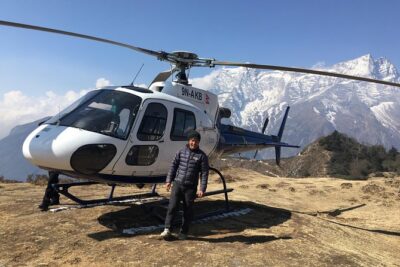
Everest Base Camp Helicopter Tour landing at Everest View Hotel
Read our review →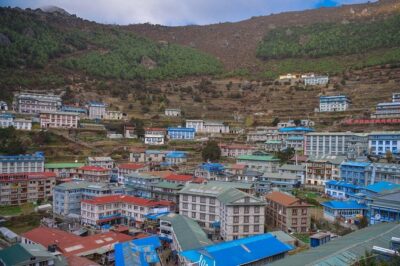
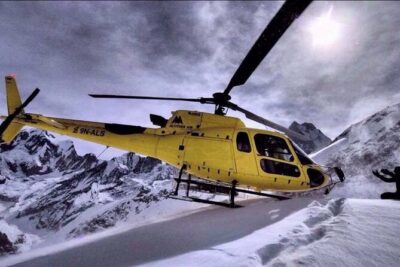
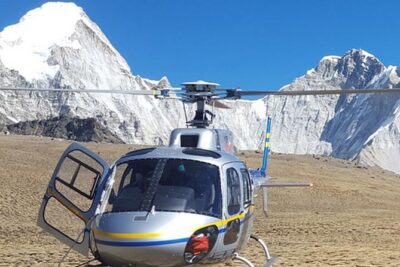
Everest Base Camp Helicopter Tour landing at Hotel Everest View
Read our review →
Browse the lists this tour appears in