
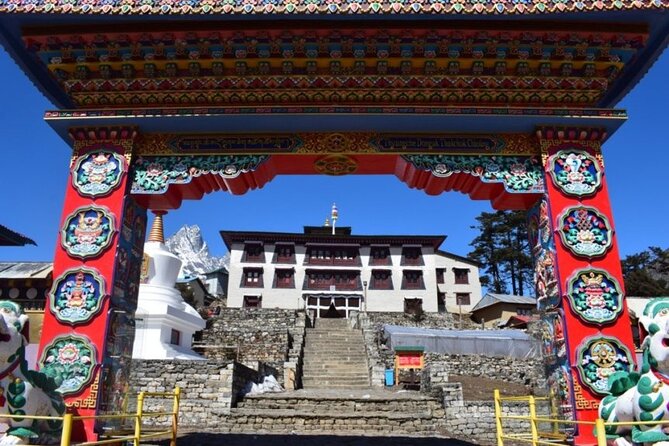
Reviewed · EVEREST BASE CAMP TREK
Everest Base Camp Trekking – 2025/2026
A trek to Everest Base Camp feels like the ultimate destination for good reason. What makes this one especially interesting is the included domestic flights to Lukla, then a guided route that takes you through the Sherpa villages and up to the Base Camp area with less stress about logistics.
I also really like the hands-on support built into the trip, from a government-licensed English-speaking local guide to water purification tablets and full-board meals at trekking lodges. One possible drawback to plan for up front: this is high altitude and basic lodge comfort, so cold nights and simple facilities are part of the deal, not an exception.
Key things I’d circle before you book
- Flights to and from Lukla are included, via Kathmandu or Manthali, which saves time and stress
- TIMS and Everest National Park fees are covered, so you do not have to chase permits at the last minute
- Meals are full-board on the trek, with breakfast, lunch, and dinner served from lodge menus
- Private guided pacing means you can move at your own speed without getting lost or rushed
- Lodges are twin-sharing during the trek, with warm bedding but not hotel-style amenities
- Water safety is supported with included purification tablets, plus guidance on drinking habits
Lukla flights and permits, the parts that control your whole trip
If you’ve been curious about Everest Base Camp, you already know the tricky bit is not the walking. It’s timing. Lukla flights can be weather-sensitive, and permits can be confusing if you do not have help. This trip cushions both areas by including the domestic flight out and back to Lukla and covering the main paperwork side (including the TIMS card and Everest National Park fees).
That matters because it keeps your days from turning into a patchwork of waiting and re-planning. It also means your guide can focus on the trail, acclimatization rhythms, and the culture stops along the way, instead of being stuck on the administrative side.
More ways to walk to Everest Base Camp:
- Everest Base Camp Trek – 14 Days
★ 5.0 · 1,499 reviews - Everest Base Camp Trek
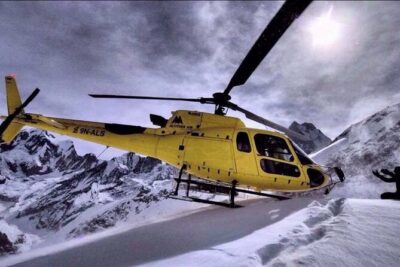
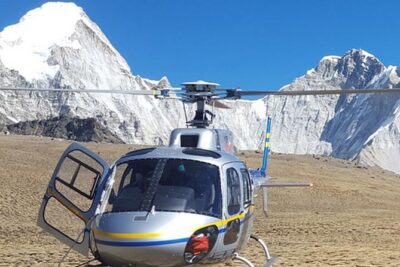
★ 5.0 · 842 reviews - Everest Base Camp Helicopter Tour landing at Everest View Hotel
★ 5.0 · 668 reviews
Price and what you actually get for $1,339.20 per person
At $1,339.20 per person for about 14 days (the hiking schedule is built around the classic Everest Base Camp legs), you’re paying for more than a “bed and boots” package. The big value items are:
- Domestic flights between Kathmandu or Manthali and Lukla, and the return
- Lodge accommodation throughout the trek on a twin-sharing basis
- Most meals on a full-board basis, with breakfast, lunch, and dinner included
- Permits and park fees (Everest National Park fees plus TIMS)
- An English-speaking local guide who also supports meals and flight logistics
- Water purification tablets for safe drinking water
What is not included is also important to know, so you can budget cleanly. Your price does not cover visa fees, international flights, or travel insurance. You also pay for extras in Kathmandu before and after the trek, plus things like hot and cold drinks, Wi-Fi, and hot showers. In the mountains, expect that even simple “extras” come at a cost.
Bottom line: this is priced like a trip where someone does the heavy lifting for you, not just a ticket to start walking. If you would otherwise be hiring a guide and sorting permits yourself, the math often gets easier to justify.
How your days run: wake-up tea, steady walking, early dinner
Your trek has a pretty clear daily rhythm, which I like because it removes decision fatigue.
- You start around 6:00 am with wake-up tea, then breakfast around 7:00 am
- You walk in a “warm up, then go” pattern. After a stretch period, expect about 2 to 3 hours of trekking before lunch
- Lunch is typically around 12:00 to 1:00 pm, with about 40 minutes for you to eat from the menu
- After lunch, you walk another 2 to 3 hours to reach the lodge
- Dinner tends to be organized with timing cues, and you’ll usually place dinner orders before 5:00 pm
One practical perk is that you are not expected to sprint. This is marketed as private guided pacing, so you should feel less pressure if you want to take more breaks for photos, slower acclimatization, or just because the trail is steep that day.
The core route: Phakding, Namche Bazaar, Pangboche, Lobuche, Gorak Shep
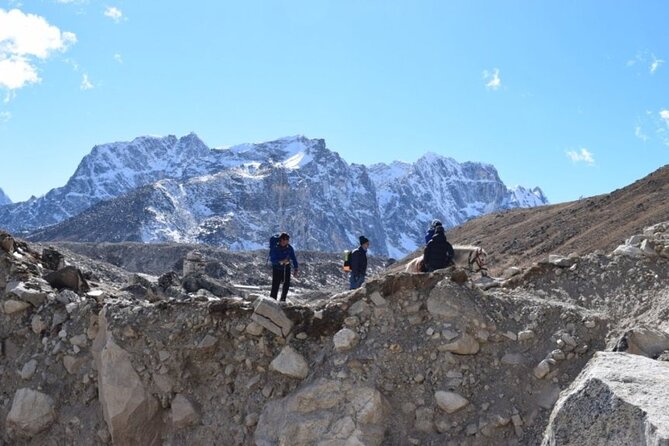
Even if your total calendar time is listed as about 14 days, the hiking legs you’re shown follow the classic Everest Base Camp pathway. Here’s what each stop usually means for your experience, plus what to watch for.
More to compare around Kathmandu
- Private Kathmandu Sightseeing Tour | UNESCO World Heritage sites
★ 5.0 · 756 reviews - Kathmandu: 7 UNESCO Sites with Lunch
★ 4.8 · 744 reviews - Half day cooking class in Thamel kathmandu
★ 5.0 · 607 reviews - Everest Base Camp Trekking
★ 5.0 · 485 reviews
Day 1: Arrival and settling in Kathmandu
You arrive in Kathmandu, get welcomed, and transfer to your hotel. In the evening you meet your team and get introduced to the plan. I like this because Kathmandu days can be stressful if you land, then immediately have to sort logistics on your own.
Lukla to Phakding (2,652 m): first day, first rhythm
You fly to Lukla, then hike to Phakding in about a few hours. This leg is your warm-up and acclimatization kick-off. Expect the day to feel long mostly because the adventure starts with the flight, not because the terrain is technical.
What to consider: landing day energy can be weird. Even if the hike feels manageable, keep your water habits steady.
Phakding to Namche Bazaar: entering Sherpa heartland
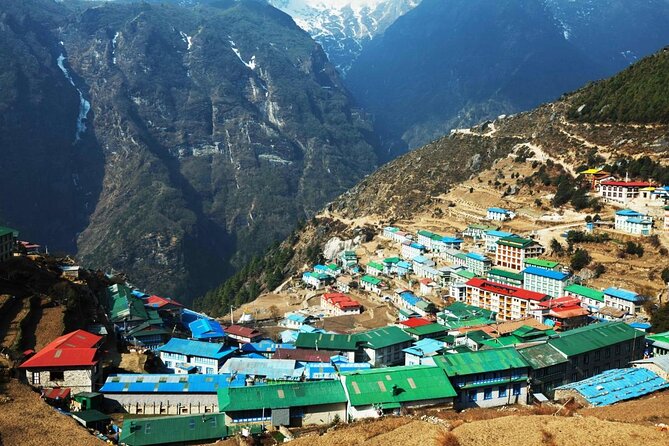
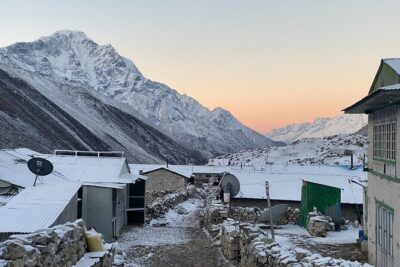
The next leg is a longer walk, roughly 10 to 12 km, with a full focus on altitude gain and trail pacing. Namche Bazaar is where you see the Sherpa village life in a more concentrated way, plus monasteries and community spaces along the route.
What to love here: Namche is where the trek stops feeling like “just hiking” and starts feeling like a living culture journey, especially with your guide explaining what you see.
What to watch: if you feel unusually winded, do not push. This route works best when you respect gradual acclimatization.
Namche to Pangboche: monastery vibes and mountain views
You head toward Pangboche in about five hours. This is a day where scenery and village life matter as much as mileage. Pangboche is also known for the way religious sites and daily life sit side by side in the villages.
Practical tip: plan your breaks around air temperature and cloud cover. If the weather turns, it can make the trail feel colder even if the walk speed stays the same.
Pangboche to Lobuche: getting closer to the high plateau feel
This day is another five-hour hike. Lobuche is part of the stretch where the route starts to feel more “Himalaya at work,” less green, more stone and cold air. You’ll also feel the altitude, even if you are doing everything right.
Consideration: keep meals simple and steady. Big swings in food can mess with your energy when oxygen is thinner.
Labuche to Gorak Shep, then Base Camp area: cold, altitude, and payoff
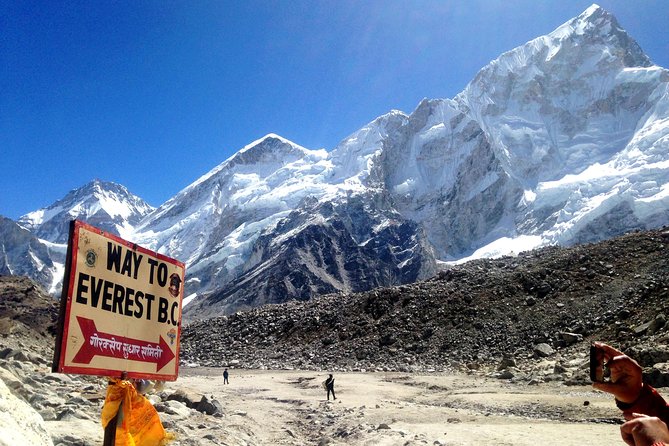
You trek from Labuche to Gorak Shep, and then the plan includes reaching the Base Camp area. This is the day where your body asks for patience and your eyes do the rest. Gorak Shep is the staging point, so expect it to feel spare and cold.
What to expect: you’ll be moving in a “short bursts” way, because the air gets thinner and your body wants more recovery between steps.
Real-talk payoff: the Everest Base Camp moment is about the combination of effort plus scale. Even if you already know what Everest looks like from photos, seeing it at your altitude is a different kind of experience.
Pangboche back to Namche, then Namche back to Lukla
The return route covers key legs again, with Pangboche to Namche followed by Namche Bazaar to Lukla. On the way down, your legs often feel better, but altitude memory can still be real. Take it slow, especially on descents.
One thing I’d do on the return: use the slower moments to talk with your guide about what you saw earlier. If your guide is a strong communicator, the second pass through the villages can feel more meaningful than the first.
Lodges, rooms, and bathrooms: warm bedding, basic reality
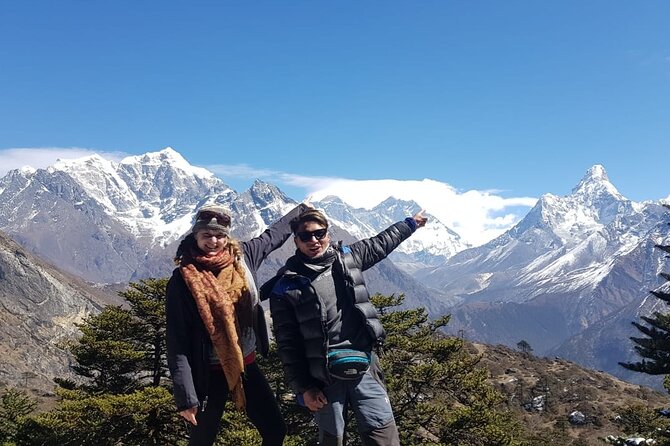
Trekking lodges are part of the deal here. The trip includes accommodation at the lodges along the way, generally on a twin-sharing basis. In your room you should expect warm blankets, pillows, and comfortable sleeping mats, but not hotel-grade comfort.
Bathrooms can be the biggest surprise. The plan is described as having attached bathrooms “in every possible place,” but at higher altitudes you may have to share because there simply isn’t enough room for fully private facilities. So go in with the right expectations and pack for it.
If you want a higher standard room in Kathmandu, the trip mentions that 4 to 5 star hotels can be arranged on request for an extra cost. In the mountains, though, you should plan on basics.
Meals on the trail: order smart, drink safely, stay steady
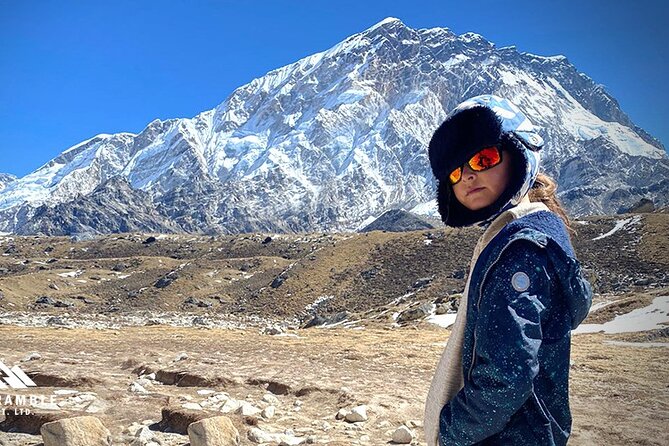
Food is included through the trek, and that’s a big deal on Everest routes where appetite and digestion can swing with altitude. Breakfast and dinner are typically served at the same lodge you sleep in, while lunch is taken at the best available option along the trail.
You get menu choices, including both Nepali and Western-style dishes. The list includes items like Dal Bhat, Sherpa stew, noodles, soups, eggs, potatoes, and even things like apple pie. Drinks like black tea, lemon tea, ginger tea, and milk coffee and tea show up too.
Here’s the practical part: the guidance says to be cautious with meat items in the Everest region due to hygiene and health concerns at altitude. I agree with that approach. Stick with simpler, well-prepared staples like soups, dal, rice, and vegetables, and you’ll likely feel better on climb days.
For water, the trip includes water purification tablets. Water is described as available almost everywhere, and bottled water is also sold, with a stated cost range of about $2 to 3 per liter. You can also use tap water when purification tablets are used, but bring a plan. Cold water can feel miserable at high altitude, so consider how you’ll handle your hydration without freezing yourself.
Guides and porters: why this trek feels calmer than you expect
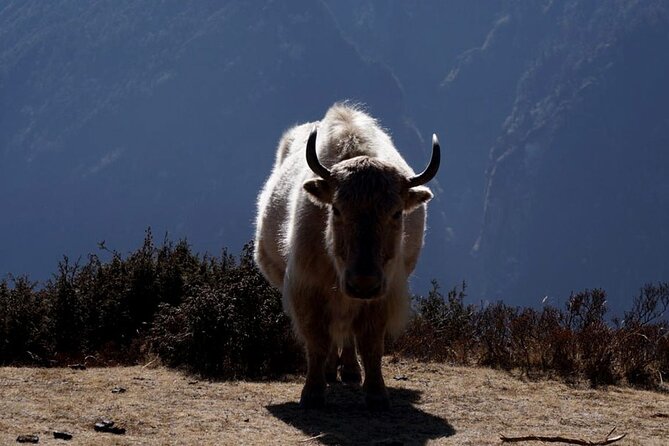
This is a private guided trek, and that changes everything about stress levels. A guide helps you keep your pace, avoid getting off route, and make sense of what you’re seeing. The trip also includes porter support for luggage, with rules to keep things fair. The plan describes one porter for your luggage, and one porter for two trekkers, with a guideline that luggage should not exceed about 18 kg per person.
The bigger reason I like this setup is respect. The trip messaging emphasizes not overloading porters and treating them fairly. That is not just good PR. In the real world, it often means the logistics run smoother because porters are not rushed or overloaded.
Past guide names that come up strongly in the company’s history include Dil as the owner handling communication, plus trekkers praising guides like Sujal, Samir, Krishna, and Hairy, along with Sherpa team members like Manish and guides like Prabin on other climbs. I cannot promise which guide you’ll get for your dates, but it does suggest they put real effort into pairing the right person with your group.
Packing smart for cold, wind, and altitude days
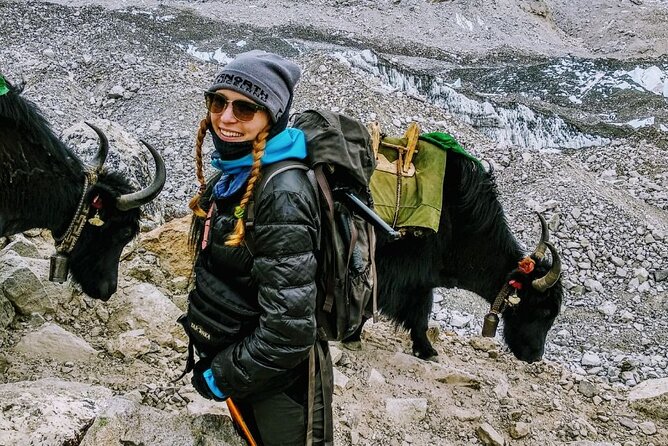
You’re given guidance on equipment, including items you should bring and items the company may provide if you do not have them. The list includes:
- Sun protection: sunscreen SPF 40+, sunglasses, sun hat
- Warm layers: down or fiber-filled jacket, warm hat and scarf
- Day comfort tools: headlight, gloves, face wipes and towels
- Trek essentials: trekking poles if you use them, a day backpack 30L or more, pack cover
- Sleep: a thick sleeping bag is listed (and the company says it can provide one if you do not have your own)
- Safety and altitude support items: headlamp, basic first aid kit, and the list even mentions Diamox (acetazolamide), plus items for stomach upset like loperamide and rehydration salts
A key practical point: the company notes they can provide warm down jackets and sleeping bags if you do not have your own. Still, do not assume every size or preference will be perfect. If you’re picky about fit, bring your own base layers and gloves.
Also, bring a light plan for weather shifts. Everest region days can swing fast from sun to cloud, and your temperature drop when you stop moving can be dramatic.
Best season for views, and how weather can affect the plan
The “best time” guidance here is focused on trekking seasons with clearer skies. The plan points to autumn as dry season, roughly mid-September through May, and also mentions spring, March through May, as pre-monsoon with favorable conditions. Nights are described as cold, with temperatures often dropping below zero at night.
Weather matters because Lukla flights can be delayed. The tour also notes that this trek requires good weather, and in cases of poor weather you may be offered a different date or a full refund.
So treat timing as part of the trip. If your schedule is flexible, you’re in a better position to get the skies you came for.
Who should choose this private Everest Base Camp trek
This trek fits best if you are moderately fit and comfortable hiking roughly 3 to 5 hours a day. It is described as non-technical, so you should not need climbing gear like ropes or crampons, and no technical skills are required.
It is also a good choice if you want a calmer structure:
- Private guided pacing
- Guide support for routes and culture context
- Lodges and most meals handled
- Porter support for your luggage
This is not a “minimal effort” trip. You should be ready for daily altitude pressure, cold mornings, and stairs and steep sections. If you hate cold weather, or if you want a hotel-grade experience in the mountains, this route will test your patience.
Should you book this Everest Base Camp trek in 2025 or 2026?
I’d say book it if you want the Everest Base Camp experience with less admin hassle and a guide who keeps you on track. The value is strong when you factor in Lukla flights, permits, lodge accommodation, and full-board meals. It’s also a smart pick if you like the idea of learning about Sherpa culture and monasteries along the way, with a real English-speaking local guide.
Before you commit, do one important check: the trip is listed as about 14 days, while the provided route legs shown are more like a core set of major hiking days plus travel. Ask your operator to confirm the exact day-by-day dates for your specific departure window. That small step can save you confusion later.
If you want Everest, a structured plan, and support that feels human instead of mechanical, this one is worth serious consideration.
FAQ
What is included in the Everest Base Camp trek price?
The package includes private transportation, air-conditioned vehicle support, breakfast lunch and dinner on a full-board basis during the trek, a government-licensed English-speaking local guide, all trekking lodge accommodations, Everest National Park fees and a TIMS card, water purification tablets, and domestic flights from Kathmandu or Manthali to Lukla and back.
Are domestic flights to and from Lukla included?
Yes. Domestic flights to Lukla and the return flight are included as part of the trek.
What fitness level do I need?
The trek is described as moderately fit friendly, with the ability to hike around 3 to 5 hours a day. It is non-technical, but you will be trekking at high altitudes and over rugged terrain.
What kind of lodging and bathrooms should I expect?
You stay in basic trekking lodges during the trek, typically on a twin-sharing basis. Rooms include warm blankets, pillows, and comfortable sleeping mats, but facilities are not the same as Kathmandu. Attached bathrooms may not be available at every high altitude stop, and sharing a bathroom can be necessary.
Does the company provide cold-weather gear like sleeping bags or down jackets?
The trip notes that warm down jackets and sleeping bags can be provided if you do not have your own.
Is travel insurance included, and what about cancellation if weather turns bad?
Travel insurance is not included. The experience is described as requiring good weather, and if it is canceled due to poor weather you are offered a different date or a full refund. Free cancellation is offered up to 24 hours in advance for a full refund.
Latest Kathmandu write-ups
- Visit Swayambhunath and Bauddhanath Stupa with Guide★ 5.0 · 5 reviews
- 10 days Annapurna Base Camp Trek★ 5.0 · 5 reviews
- Langtang Trek from Kathmandu 7 Days★ 5.0 · 5 reviews
- Island Peak Climbing with Everest Base Camp★ 5.0 · 5 reviews
- 7 Day Kathmandu Pokhara Tour★ 4.5 · 5 reviews
- Chandragiri Hill Cable Car Tour with Hotel Transfers from Kathmandu★ 4.5 · 5 reviews
- Everest Mountain Flight★ 5.0 · 5 reviews
- Kathmandu city day tour (4 world heritage sites)★ 5.0 · 5 reviews
Everest Base Camp Trek, compared.
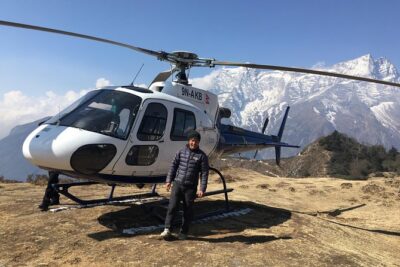
Everest Base Camp Helicopter Tour landing at Everest View Hotel
Read our review →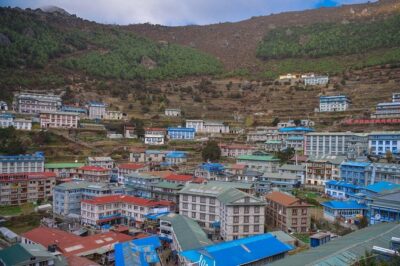
Everest Base Camp Helicopter Tour landing at Hotel Everest View
Read our review →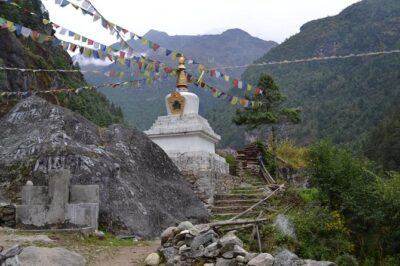
Browse the lists this tour appears in