
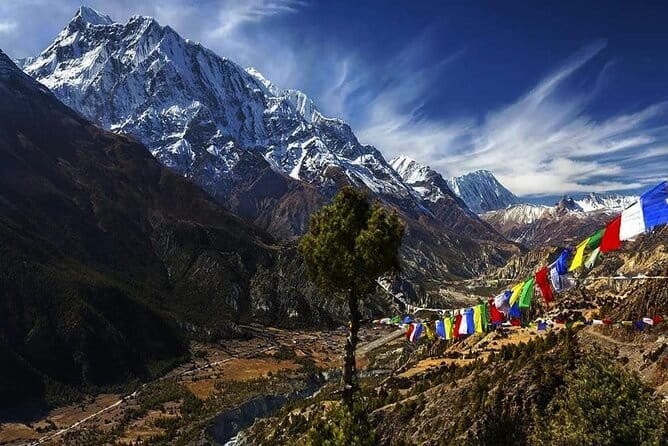
Reviewed · ANNAPURNA CIRCUIT TREK
13 Days Trekking in Annapurna Circuit
The Annapurna Circuit stays interesting because it mixes daily hiking with real altitude drama, then rewards you at Thorong La Pass (5,416m) with big 360-degree Himalayan views. I love the tea house rhythm of staying in lodge towns each night, and I also love that your guide support is part of the package, with English-speaking guides like Ravi and Sandip specifically called out for going the extra mile.
One possible drawback: this is a serious mountain trek, and the Thorong La day is demanding. You’ll want moderate fitness, plus you cannot treat acclimatization as a bonus you can skip.
This is also a nice value style of trip. You get your core meals, permits, lodging, and key transport segments handled, then you finish with a Pokhara hotel night and time to decide what’s next.
Key things to know before you go
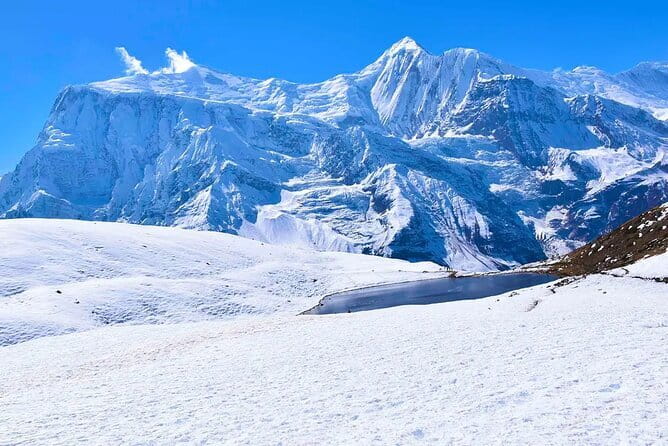
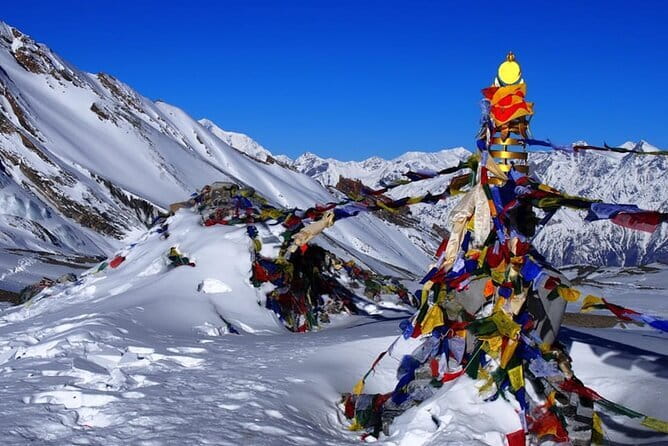
- Thorong La Pass at 5,416m is the big finish, with early starts and huge views
- Manang acclimatization day gives you options like Gangapurna Lake or Praken Monastery
- Tea house lodging plus all standard meals keeps your budget predictable
- Permits and paperwork included via Annapurna Conservation permits and TIMS
- Safety basics are built in, including a first aid kit with an oximeter
- Pokhara wrap-up includes a standard twin hotel night with breakfast
Why the Annapurna Circuit feels like a real journey, not a checklist
The Annapurna Circuit works because you’re moving through altitude bands step by step. Day after day you climb, drop, and climb again, so your body and your eyes both keep adjusting. One day you’re in warmer village walking, the next you’re in higher, cooler air where everything feels quieter and sharper.
You’ll also notice a subtle rhythm that matters: you start most days by walking into the scenery, then you end in a lodge town where dinner and sleep are already handled. For me, that reduces decision fatigue. You can focus on pacing and enjoying the route.
The high point is, of course, Thorong La Pass. You don’t just cross it like a single photo stop. You climb to it early, earn it, then get rewarded with a wide view that makes the effort feel worth it.
More of the Annapurna Circuit:
- Kathmandu: 10-Day Adventurous Annapurna Circuit Trek
★ 5.0 · 25 reviews - Kathmandu: 8-Day Annapurna Circuit Trek via Thorong La Pass
★ 5.0 · 7 reviews - 14 Days Annapurna Circuit Trek
★ 5.0 · 4 reviews
Price and logistics: what you’re actually paying for
At $809.10 per person for 13 days (approx.), you’re paying for the trip’s “mountain-day infrastructure,” not just the hiking. Here’s what helps justify the cost:
- Tea house accommodations during the trek
- Meals: breakfast, lunch, and dinner included for the trekking days
- Guide support (with a licensed, experienced guide)
- Permits and tracking fees: Annapurna Conservation permits and TIMS
- A first aid box with normal supplies and an oximeter
- Key transport segments: public bus from Kathmandu to Besisahar, sharing transport onward, plus private transport to Pokhara after the trek
- One night hotel in Pokhara with breakfast, plus a team dinner during the Pokhara transfer day
What’s not included is also important for your budgeting. Personal expenses are on you. There’s also no included porter for extra baggage, so if you carry heavy items yourself, plan accordingly. Extra hotel nights or activities in Kathmandu and Pokhara are not part of this price, and transport back to Kathmandu is also not included.
If you want predictability, this package is built for you. If you want full custom flexibility every day, you may find the included structure a little tight.
Getting to the trail: Kathmandu to the first walking day
The experience starts with a long scenic drive from Kathmandu to the trail region, roughly 9 hours to Bulbule (about 820m). If you’re arriving by air and choose airport pickup, you’ll be collected by private vehicle if required.
The practical win here is timing. You’re not forced to figure out local connections on day one. You also get set up to start the trek without immediately dealing with the bus-and-taxi shuffle.
Meeting time matters, because you start early. The listed meeting window runs daily with set options, so check your exact departure day so you don’t end up sprinting through Kathmandu like it’s a sport.
The trek, day by day: what each section gives you (and what to watch)
More to compare around Kathmandu
- Kathmandu: 7 UNESCO Sites with Lunch
★ 4.8 · 744 reviews - Everest Base Camp Helicopter Tour landing at Everest View Hotel
★ 5.0 · 668 reviews - Kathmandu: Local Women-Led Nepali Cooking & Momo Class
★ 4.9 · 360 reviews - Manaslu Circuit Trek
★ 5.0 · 292 reviews
Day 1 to Day 2: Besisahar to Bahundanda, easing into altitude
You’ll begin with the drive into the hills, then move into an early trekking start toward Bahundanda after reaching Bulbule. This is the “get your legs back” stretch, with terraced fields and village paths as you slowly climb.
Why it’s valuable: slow start days matter on the Annapurna Circuit. They help you find a steady pace before the route turns steeper later.
Watch-outs: even on easy days, you’ll get tired if you walk too fast. Let your breathing decide your pace.
Day 3: the Chamche descent, suspension bridge moments
From the Bulbule area, you work down toward Chamche through dense forests and cross suspension bridges. You’ll get views of the Marsyangdi River and its tributaries as the river system becomes more central.
Why it’s special: bridge crossings are part of the route’s character, and forest walking can feel cooler and more shaded, which is a nice break from open sun.
Watch-outs: descents can be tougher on knees than you expect. Take your time and shorten your stride if your legs start protesting.
Day 4: toward Dharapani, village culture and a changing climate
As you trek toward Dharapani, you pass Gurung and Manangi villages. The route shifts from subtropical feel to more alpine terrain as you gain altitude.
Why it’s valuable: these community stops are more than sightseeing. They remind you this is a living region, with hospitality and daily routines that continue around the trail.
Watch-outs: don’t assume every village day is easy. Altitude and weather shift quickly here, so keep layers handy.
Day 5: Chame, with Annapurna and Lamjung Himal views
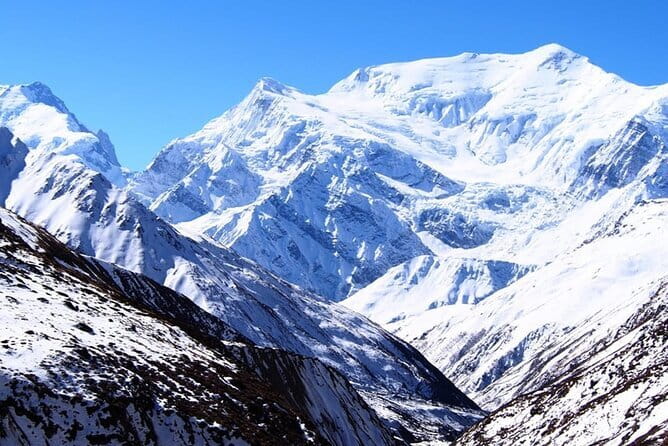
You reach Chame, the administrative center of Manang District. This is a high point for views, including Lamjung Himal and Annapurna II. You’ll also notice the terrain changing as pine forests show up more on the walk.
Why you’ll like it: Chame often feels like a place where the trek becomes more “mountain” and less “valley.”
Watch-outs: the higher you go, the more hydration and slow pacing become your best friends.
Day 6: Lower Pisang, and the Manang village feel
Trekking from Chame to Lower Pisang, you pass through pine areas and small villages. Views of Annapurna II, III, and IV get more spectacular as you approach the traditional Manangi village of Pisang.
Why it’s special: Pisang is one of those spots where the village style helps you understand the culture of the region, not just the peaks.
Watch-outs: if you’re prone to getting chilled, higher trail sections can drop temperatures quickly even when you’re still walking.
Day 7: Manang, rest day that doubles as acclimatization
Manang is a large village known for traditional Tibetan culture and Buddhist monasteries. This is a key rest and acclimatization point because you’re nearing the trek’s higher altitudes.
Why it matters: the Circuit is not just cardio. It’s a careful altitude strategy. Taking a real rest day here gives you a better chance of feeling strong later.
Watch-outs: resting doesn’t mean lying flat all day. Gentle movement can help you feel better, but keep it light.
Day 8: your Manang acclimatization choice, Gangapurna or Praken
You’ll take the day to acclimatize, with options like hiking to Gangapurna Lake or a shorter trek to Praken Monastery for panoramic views of Gangapurna, Annapurna III, and Himalchuli.
Why you’ll like it: this is the day you can tailor. If you want effort, take the longer lake route. If you want the views with less strain, Praken can be the right call.
Watch-outs: even if the day is optional in your schedule, your body still has to acclimatize. Choose the effort level that feels steady, not heroic.
Day 9: Yakkharka, high altitude air and big views
From Manang to Yakkharka, the trail passes sparse forests and high-altitude terrain. As you approach Yakkharka, the views of Annapurna II and Gangapurna are described as incredible.
Why it matters: this section helps set you up for the Thorong La base area day that follows.
Watch-outs: as altitude climbs, your sleep can change and your appetite can drop. That’s normal mountain math. Keep drinking and eat what you can.
Day 10: Thorong Phedi, the base camp feeling
Today you trek to Thorong Phedi, the base camp area for Thorong La Pass. The trail gets steeper as you approach higher altitudes, so you’ll want time and patience.
Why it’s important: Day 10 is about positioning. You’re preparing for the hardest day, not proving something.
Watch-outs: steeper trails can spike your fatigue fast. Keep your effort smooth.
Day 11: Thorong La Pass day at 5,416m, start early for a reason
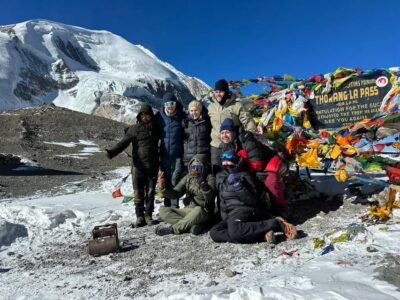
This is the most challenging day and the one you’ll remember. You start early to tackle Thorong La Pass at 5,416m. The climb is demanding, but the views from the top are described as 360-degree panoramas of the Himalayas.
Why it’s worth it: the pass day is where the whole trek turns into a single big payoff moment.
Watch-outs: early starts help with temperature and conditions, but they also mean you’ll feel tired before you feel strong. Go slow at first and stick to the pace your guide sets.
Day 12: trek ending, bus to Pokhara, and a team dinner
After the trek ends, you drive to Pokhara by bus. You’ll have a successful dinner together and get prepared for whatever you want next.
Why it’s a smart transition: you’re not thrown back into travel mode immediately. You get a real decompression evening.
Watch-outs: don’t schedule anything intense for the night you arrive. You need recovery more than another checkbox.
Day 13: choose your next leg
You can set off for your next destination. Options mentioned include staying in Pokhara longer, or going on to Chitwan National Park, or driving back to Kathmandu.
Why this flexibility helps: after a long trek, you usually want one of two things, more nature time or a comfortable reset.
What the guide and meals add to your experience
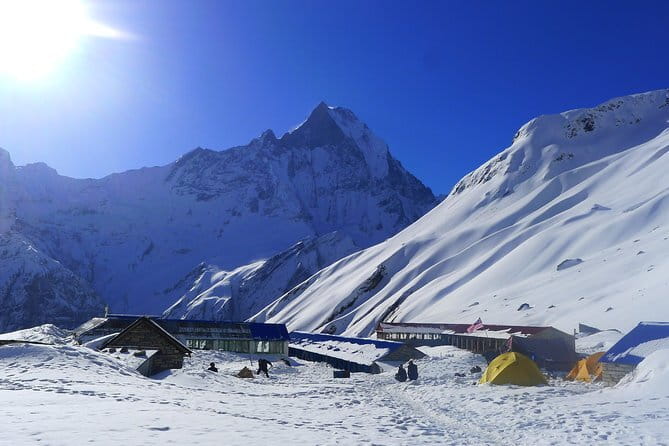
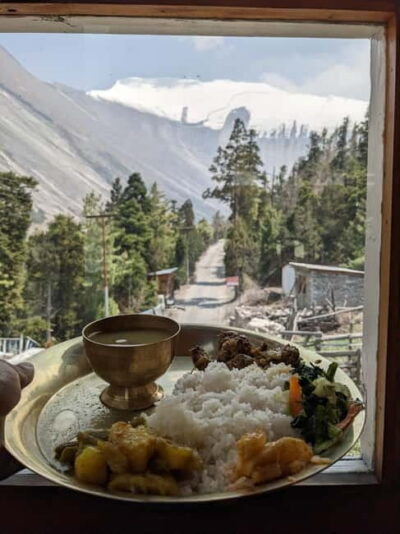
This trek is lodge-based, which means the “small stuff” counts. Your itinerary includes all standard meals during the trek, and breakfast includes a cup of tea or coffee. That matters because it prevents you from guessing what to eat at altitude.
On top of that, the guide component is a big deal. In examples from English-speaking guides such as Ravi and Sandip, the emphasis was on making sure you’re comfortable and getting good food and accommodations. That’s not a luxury detail. It’s how you avoid common trek problems like showing up tired to the next stop or feeling underfed.
You’ll still be the one doing the walking, of course. But a strong guide can help you pace better and make sensible calls when conditions change.
Lodging style: tea houses and why it works
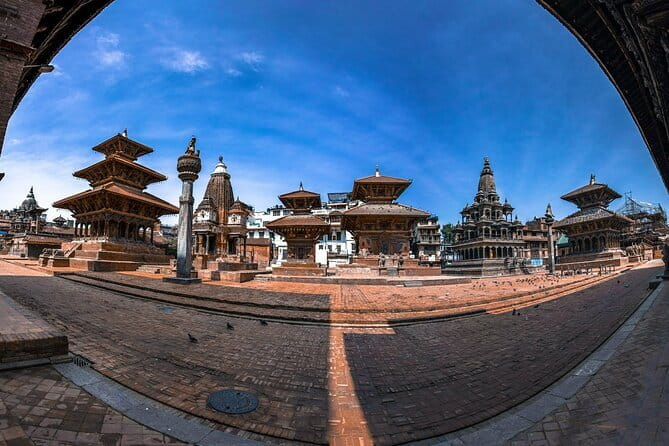
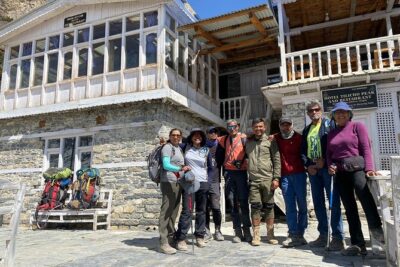
Tea house accommodations are part of the plan throughout the trek. This is a classic way to trek in Nepal because it keeps you from having to carry everything for camping.
The tradeoff is you need to expect simple, not fancy. Rooms can be basic, and warmth can be inconsistent compared with a hotel. You’ll feel better if you plan layers and accept that you’re living like a trekker for two weeks.
But the upside is huge: you wake up in a village system built for hikers. Meals are available and the route has steady stop points.
Safety and altitude planning you should actually care about
Altitude is the real boss on this trek, not your willpower. The itinerary includes an acclimatization day in Manang, and that’s there for a reason.
Also, the included first aid box includes an oximeter. It’s not a guarantee against altitude issues, but it is a sign that the operator takes basic health needs seriously.
Practical advice for you: on the pass approach, don’t treat fatigue like a personal failure. If you feel off, say something early. Ask your guide for pacing adjustments.
Who this trek is best for
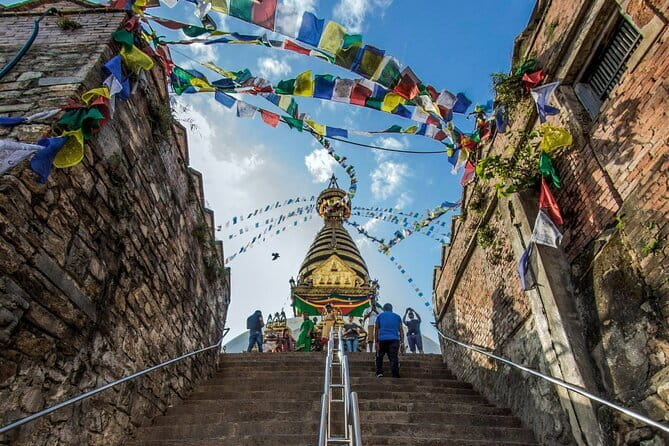
This is best for you if you want:
- a moderate physical fitness level with a real challenge at the end
- a structured trek with meals and tea house lodging handled
- a private group setting, so your pace and preferences are respected
- an itinerary that includes altitude acclimatization and a clear route plan
It may be less ideal if you want a fully independent adventure with no included meals or permits. It’s also not the best choice if you dislike early mornings, since the Thorong La day starts early and the hiking days are timed around mountain conditions.
Should you book this Annapurna Circuit trek?
I’d book it if your priority is a guided, value-focused Annapurna Circuit with the essentials handled, plus the confidence of permits, meals, and basic safety support in place. The pass day at 5,416m is the reason to do this trek, and the route’s Manang acclimatization day is the reason you can do it without guessing.
I would think twice only if you know you struggle with steep climbs or early starts, or if you want lots of free time to improvise daily meals and stops. This plan is structured, and that’s usually a good thing on a high-altitude trek.
If that sounds like your style, you’ll likely come away proud, tired in a good way, and staring at a lot of mountains you cannot stop talking about.
FAQ
Where does the trek start and how do you get there from Kathmandu?
You’ll start in the Kathmandu area and travel by scenic drive and public transportation to reach the trekking region, including a drive to Bulbule around 820m and travel via Besisahar.
Is airport pickup included?
Yes. Pickup from the airport by private vehicle is included if required.
What kind of lodging do you use during the trek?
You stay in tea houses during the trek.
Are meals included?
Yes. Standard meals (breakfast, lunch, and dinner) are included during the trek, and breakfast includes tea or coffee.
Do you provide guides and first aid support?
Yes. The trip includes a government-licensed experienced helpful guide, and a first aid box with normal medical supplies including an oximeter.
What permits are included?
The package includes Annapurna Conservation Permit fees and the TIMS fee.
Do you offer a porter for baggage?
Porter service is not included. You can arrange a porter yourself if you need one.
What happens after you finish the trek?
You drive by bus to Pokhara, include a dinner together, and then you have a hotel night in Pokhara with breakfast.
What are the cancellation rules?
Cancellation is free if you cancel up to 24 hours in advance of the experience start time for a full refund. If you cancel less than 24 hours before, the amount paid is not refunded.
Latest Kathmandu write-ups
- 16 Days Island Peak Climbing With Everest Base Camp Private Trip★ 5.0 · 3 reviews
- 15 Days Round Annapurna Trek with Poon Hill from Pokhara★ 5.0 · 5 reviews
- Private Nepal round trip including Ghorepani Poonhill trek★ 5.0 · 3 reviews
- Everest Base Camp Trekking 16 Days★ 4.0 · 7 reviews
- 14 Days Luxury Annapurna Base Camp Trek★ 5.0 · 6 reviews
- Everest Base Camp Trek★ 5.0 · 32 reviews
- Everest Base Camp Trek★ 5.0 · 87 reviews
- Everest Base Camp Trek★ 5.0 · 97 reviews
Annapurna Circuit Trek, compared.
10-Day Annapurna Circuit Trek via Thorong La Pass
Read our review →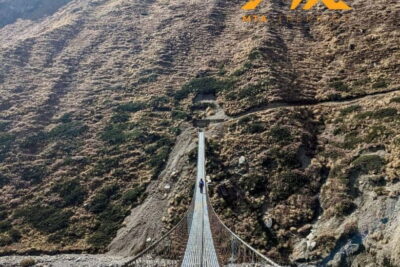
8-Day Annapurna Circuit Trek via Thorong La Pass
Read our review →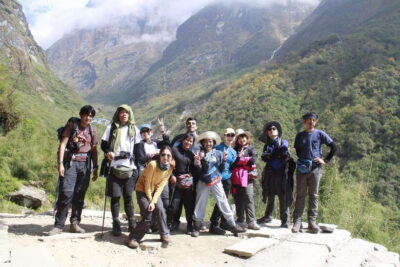
Annapurna Circuit Trek With Tilicho Lake :Best Trek in Nepal
Read our review →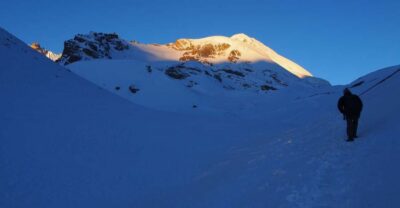
Browse the lists this tour appears in