
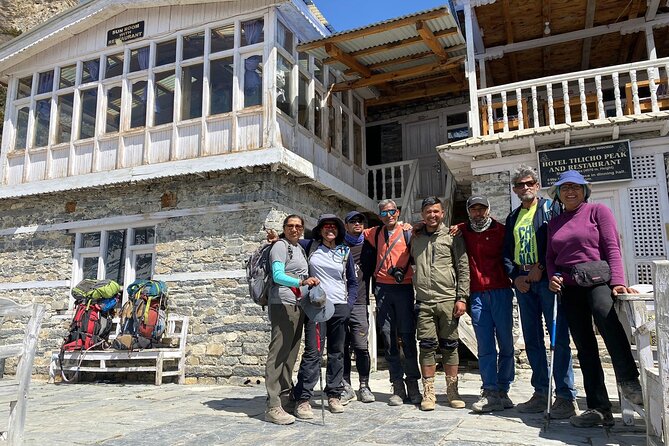
Reviewed · ANNAPURNA CIRCUIT TREK
14 Days Annapurna Circuit Trek
This trek works because it blends high-mountain days with built-in breathing room. You get a classic Annapurna Circuit route that moves from Kathmandu to Chame, through Pisang and Manang, up toward Thorong La, then down to Muktinath and on to Jomsom and Pokhara. It is one of the more practical ways to do a big Himalayan journey without feeling like you are constantly scrambling for logistics.
I especially like the crew structure: one professional certified trekking guide plus an assistant guide for each group of 6 trekkers, and porters at 1 porter per 2 trekkers. I also like the way the schedule respects altitude, with an explicit acclimatization day in Manang. The main drawback is obvious once you look at the timing, several long days are packed with drive hours and tough terrain, so strong fitness is not optional here.
Key things that make this Annapurna Circuit plan work
- Manang acclimatization day built into the itinerary to reduce altitude stress before Thorong La
- Porter support at 1 porter per 2 trekkers, so your energy stays for the trail
- Guide-to-group ratio with an assistant guide for every 6 trekkers
- Food and lodging included across Kathmandu, Pokhara, and the trekking route (twin sharing)
- Real circuit rhythm: rural villages, then pass crossing, then sacred Muktinath and onward to Jomsom
Annapurna Circuit in 14 days: what makes this itinerary feel doable
The Annapurna Circuit is famous for a reason: you trade footpaths for views that keep changing, from lower valleys to harsher, high-altitude terrain, plus village stops that reflect different cultures as you gain elevation. This specific 14-day flow adds a lot of structure. You are not just thrown onto a trail. You start with Kathmandu grounding, then you get long travel days early to position yourself for the trek.
What I like about the pace is that it does not treat altitude like a surprise. There is a full acclimatization day in Manang, and that matters because the route gets serious after. In practical terms, it gives you a chance to adjust before you hit Thorong La and the days around the pass.
The other thing to know is that the included trek segment is not short. The plan lists 9 nights in the trekking area, and you are doing multiple full hiking days plus at least one major pass day. If you are the type who needs frequent downtime to recover, you will want to go into this with patience. If you like momentum, you will probably love it.
More of the Annapurna Circuit:
- Kathmandu: 10-Day Adventurous Annapurna Circuit Trek
★ 5.0 · 25 reviews - Kathmandu: 8-Day Annapurna Circuit Trek via Thorong La Pass
★ 5.0 · 7 reviews - 13 Days Trekking in Annapurna Circuit
★ 5.0 · 4 reviews
From Tribhuvan Airport to Kathmandu’s old-city base in Thamel
You start at Tribhuvan Airport in Kathmandu, with pickup and drop-off by private vehicle included. That is a small detail that saves real energy. You arrive, you get transferred to your Kathmandu hotel, and you can focus on the next step instead of navigating right away.
Day 1 and the following evening matter because they help you get your gear and rhythm set. You get time for Thamel shopping with help from your guide, plus a simple walk around the neighborhood. Thamel is where you can sort out trekking needs, snacks, and last-minute items without making your trip feel like a scavenger hunt.
Then you have a preparation day in Kathmandu that keeps things grounded. The itinerary includes major cultural stops: Pashupatinath Temple and Boudhanath Stupa. It is a good pairing. One is spiritual and active, the other tends to feel more quiet. Either way, these stops are useful because they push you to slow down and prepare for big altitude shifts later.
Practical note: you should treat this first Kathmandu stretch as part of the acclimatization process too. Sleep, hydrate, and keep your expectations realistic. Kathmandu can feel busy and tiring at the same time, so do not plan to overdo it.
Kathmandu to Besisahar to Chame: the long drive days that start the trek “for real”
The circuit’s first “day on the move” is a drive from Kathmandu to Besisahar. It is about 175 km and usually takes 6-7 hours, depending on roads and traffic. After a city start, this is your first taste of Nepal outside the tourist core.
From there, the next leg is another long transfer: Besisahar to Chame by sharing jeep, around 10-11 hours. This is one of the schedule points that people underestimate. Even if you are doing a trekking trip, you are still spending big chunks of time in transit early on. If your body runs stiff after sitting, bring layers and plan to move a bit whenever stops allow.
Chame is the gateway area into higher trekking. So by the time you reach it, you are not just arriving. You are transitioning into trail mode.
Chame to Pisang: forest edges, bridges, and big-peak views
Your trekking begins with a move from Chame to Pisang. The route description highlights forests, bridges, and classic circuit scenery, and it specifically mentions views of Annapurna II and Lamjung Himal. That is a great sign for photographers and anyone who likes seeing the mountains show up in stages instead of all at once.
The value of this early section is that it builds confidence. You are starting to hike daily, but you are not yet at the pass. You also get used to the way high valleys look and how villages change with elevation.
Timing-wise, the plan assigns about 11 hours to this day, so you should expect a full day. Even when trails are scenic, the clock adds up. Start early, keep a steady pace, and focus on consistency instead of speed.
More to compare around Kathmandu
- Kathmandu: 7 UNESCO Sites with Lunch
★ 4.8 · 744 reviews - Everest Base Camp Helicopter Tour landing at Everest View Hotel
★ 5.0 · 668 reviews - Kathmandu: Local Women-Led Nepali Cooking & Momo Class
★ 4.9 · 360 reviews - Manaslu Circuit Trek
★ 5.0 · 292 reviews
Pisang to Manang: gaining elevation, and stepping into a Tibetan-influenced village feel
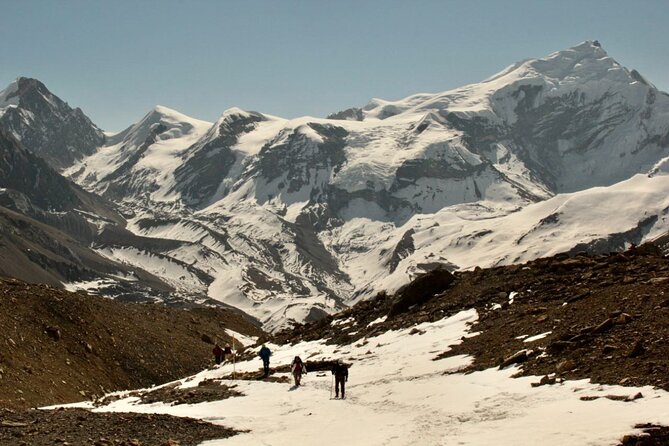
Next you trek from Pisang to Manang. The description says the trail gradually ascends, and the peaks become more prominent as you approach Manang. This is exactly what you want in a circuit trek: your effort lines up with clearer mountain payoff.
Manang is also singled out for cultural character. The plan calls it a village with Tibetan influence, and that is part of why Manang works so well in the itinerary. It is not only about altitude. It is also a place to see how people live in a high mountain setting.
Expect another full day, about 10 hours listed for the Pisang-to-Manang stage. The pace will likely feel “steady hard” rather than one brutal push.
The Manang acclimatization day: the smartest day on the whole trip
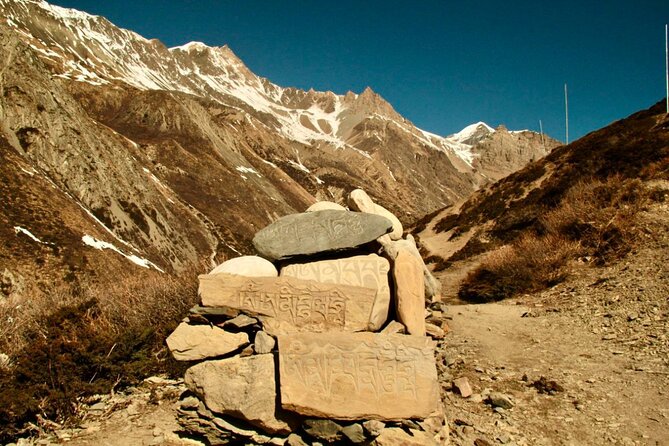
This itinerary includes a dedicated acclimatization day in Manang. The description is direct about why it matters: the air is thinner, you need adjustment to prevent altitude sickness, and you have time to explore and acclimatize safely.
That one day is one of the best value elements in the whole plan, because it often determines how comfortable you feel in the days that follow. It also reduces the chance you arrive at Thorong Phedi and feel like your body is behind schedule.
What you will likely do with the day is up to you, but the plan frames it as exploration time. I suggest using it for light movement, eating well, and keeping your effort moderate. If you do a lot, you risk getting tired right before the serious climbing. If you do too little, you might feel stiff. The goal is balanced recovery with gentle activity.
This is also where the guide matters. A good team helps you pace acclimatization based on how you feel, not based on the loudest person in the group.
Yak Kharka to Thorong Phedi: the high, rugged in-between days
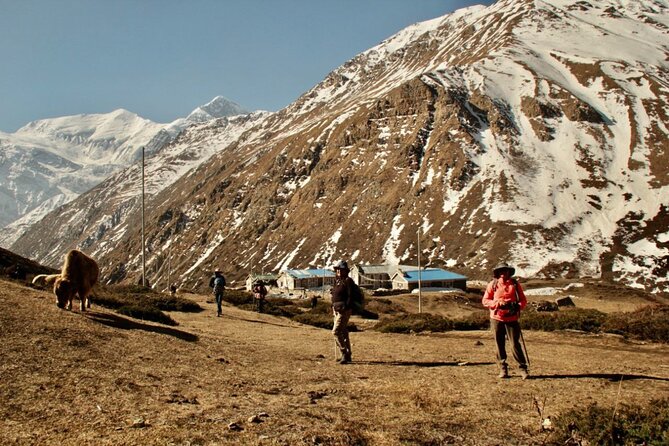
After Manang, the trek continues to Yak Kharka. This section is described as leading through barren landscapes with panoramic views. As you ascend, the plan notes a decrease in greenery, which matches what many people notice on the higher sections of the Annapurna region.
This day is listed at about 10 hours. Even if the terrain looks less lush, it can feel mentally harder because the scenery is more stark and the environment feels more exposed. Keep your focus on your footing and your breathing. Save big energy for the pass day.
Then you move from Yak Kharka to Thorong Phedi, described as being at the foot of Thorong La. The trail is said to climb through rocky terrain and glacial moraines. Translation: expect a rougher surface and more “edge of the world” walking.
Also, Thorong Phedi is where planning starts to feel serious. You are preparing for the altitude step up. That makes it a good time to get organized with water, layers, and how you will handle cold early mornings.
Thorong La crossing and the descent to Muktinath and Jomsom
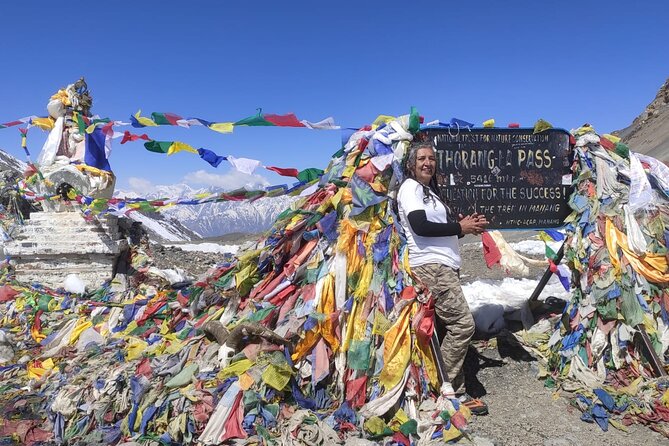
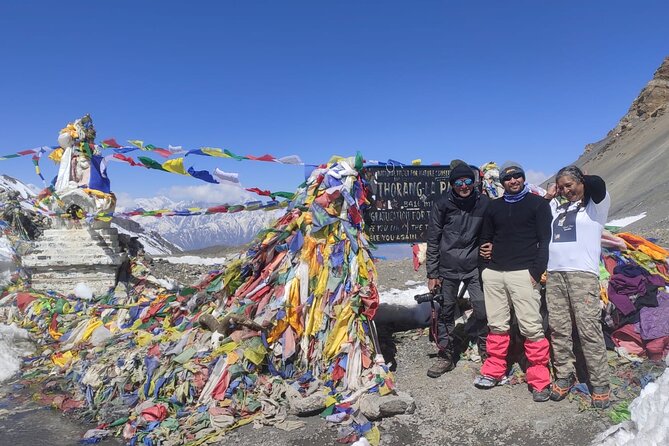
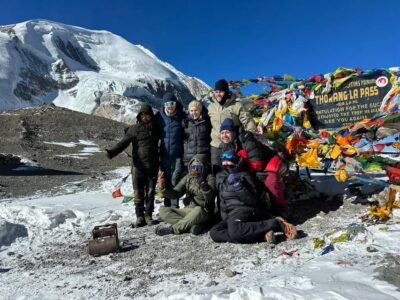
Crossing Thorong La pass is the signature day. The plan recommends starting early and describes a steep ascent to the pass, with a very high altitude. Then you descend, which can be tough on the legs after days of climbing.
This is the day to treat like a mission. Your pace should be steady. Passing other trekkers is not the point. Reaching the top is the point.
After the pass, the itinerary includes a gradual descent toward Muktinath. Muktinath is described as sacred for both Hindus and Buddhists, with temples. You get the chance to connect the physical trek to something spiritual and cultural, not just altitude and endurance.
Then the plan moves you onward to Jomsom. Jomsom is described as tranquil with apple orchards, and the transit after Muktinath is described as passing through a windswept valley. Expect a noticeable change in feel compared with the greener lower areas.
The itinerary assigns about 10 hours to the Muktinath to Jomsom portion. That is another reminder that this trek includes both trail time and transfer time, so you should hydrate and eat consistently even when you are not hiking.
Jomsom to Pokhara, then Kathmandu: finishing with culture and breathing space
Once you reach the Jomsom area, you get to shift gears toward Pokhara. The route description mentions a scenic drive through Mustang Valley before arriving in Pokhara. The point of this stage is not to make you suffer. It is to transition you out of trekking mode and into a softer travel pace.
In Pokhara, the itinerary includes International Mountain Museum for about 1 hour, plus Devi’s Fall for about 1 hour. These are good “reset” stops after the pass. The museum gives you mountain context. Devi’s Fall gives you a simple nature moment without altitude pressure.
You then have a scenic drive back to Kathmandu. The plan describes winding rivers and lush valleys along the way. Even if the views are secondary after the trek, the drive is useful because it puts you back where you can rest fully before departure.
Finally, you get support for airport transfer in Kathmandu on the last day.
Price and value: where your $900 per person is really going
At $900 per person for about 14 days, the value mostly comes from what is included and how the logistics are handled.
First, private vehicle pickup and drop-off in Kathmandu. That is not glamorous, but it removes stress right at the start and finish.
Second, you get real staffing. The plan includes a professional certified trekking guide plus an assistant guide for each 6 trekkers, and porters at 1 per 2 trekkers. If you have ever done a high trek without enough porter support, you know how quickly fatigue becomes a problem. Here, the structure is designed to keep you moving.
Third, you get accommodations in Kathmandu and Pokhara (2 nights each, twin sharing) and 9 nights in the trekking area (twin sharing). That is a lot of lodging that would otherwise turn into surprise costs and planning headaches.
Fourth, meals are built in: breakfast 13 times, plus lunch 9 times and dinner 9 times. The exact day-by-day pattern is not fully spelled out, but the intent is clear: you are not trekking hungry every day.
What is not included is equally important. Personal expenses are on you. Also, the plan specifically lists tea, coffee and hot water as not included, so plan for small daily cash needs if you like warm drinks. And it also lists a flight from Jomsom to Pokhara as not included, so if you choose to fly rather than travel by road, budget for it.
The kind of team experience you should expect from Yolo Hike
The best part of this provider profile, based on the feedback available, is how quickly they respond and how flexible they are with planning. I like that they are not just sending emails into the void. People describe fast replies and clear updates.
There are also two names that come up in their support style: Anil, noted for responding quickly to questions, and Alin, connected with support for adjusting an Annapurna Circuit itinerary to needs during June. I cannot promise those exact people will be your guide or planner for your specific dates, but it does suggest a team that handles communication seriously.
In a trek like this, communication matters. You want to know what is happening next, especially around altitude timing and how your day will run.
What to pack and how to handle altitude with this exact route
This itinerary repeatedly signals altitude awareness. There is a Manang acclimatization day, and the pass crossing is scheduled for an early start. That is the framework you should work with.
Packing-wise, the data does not list gear, but I still recommend you show up with a plan for cold mornings around Thorong La, because the route description explicitly sets up a steep, high-altitude pass day. Layers are your friend, and you will be glad you can adjust.
You should also be ready for long days. The itinerary includes very long transfers early on and full hiking days later. So pack for comfort on the drive days too, not just the trekking days.
Finally, use the guide and porter setup well. With porters assigned at 1 per 2 trekkers, you likely can reduce your carry and keep your energy for elevation gain. Ask your guide how they expect you to distribute weight, then follow it.
Who this 14-day Annapurna Circuit trek is best for
This plan is ideal if you want a classic circuit with strong infrastructure and support. The ratio of guides to trekkers plus a porter allocation is a meaningful comfort upgrade for most people.
You should also consider it if you like villages and culture as much as mountain views. The itinerary includes sacred Kathmandu sites, a Tibetan-influenced Manang feel, and Muktinath temples, so the trek has more than one reason to keep walking.
The big caution is fitness. The additional info states travelers should have a strong physical fitness level. Also, the schedule includes multiple long days and a major pass crossing. If you are rebuilding fitness or you tend to struggle with high elevation, you might need either a different itinerary with more rest or a different pace strategy.
Should you book this Annapurna Circuit trek with Yolo Hike?
I think you should book if you want a structured trek where support is built in, not bolted on. The acclimatization day in Manang, the guide and assistant setup, and the porter ratio are the three pieces that make the plan feel fair for real bodies.
I also like that the trip gives you a complete arc. You start with Kathmandu orientation and cultural sights, you get the Thorong La centerpiece, then you finish with Muktinath, Jomsom, Pokhara museums and Devi’s Fall, and a final return to Kathmandu.
Skip booking only if you know you want a lighter, shorter, or more relaxed trek pace. This is a demanding route, and it includes long travel days as well as real hiking days.
If you are ready for the challenge and want help that is organized and responsive, this looks like a solid way to do the Annapurna Circuit.
FAQ
What is the starting meeting point for this trek?
The start is Tribhuvan Airport in Kathmandu, Nepal, with pickup support included.
How long is the Annapurna Circuit portion in this 14-day itinerary?
The itinerary is listed as approximately 14 days overall, with 9 nights in the trekking area.
Is there an acclimatization day during the trek?
Yes. There is an acclimatization day in Manang.
How are guides and porters allocated for the group?
The plan includes a professional certified trekking guide plus 1 assistant guide for each 6 trekkers. It also includes 1 porter for each 2 trekkers.
What meals are included in the price?
Breakfast is included 13 times, lunch is included 9 times, and dinner is included 9 times.
Is airport pickup and drop-off included?
Yes. Kathmandu airport pickup and drop-off are included by private vehicle.
Which Kathmandu stops are included before the trek?
The plan includes Pashupatinath Temple and Boudhanath Stupa, plus time in Thamel for shopping with your guide.
What are the included activities in Pokhara?
The itinerary includes International Mountain Museum and Devi’s Fall.
Is a flight from Jomsom to Pokhara included?
No. A flight from Jomsom to Pokhara is listed as not included.
Who is this trek suitable for based on the tour info?
The additional information says you should have a strong physical fitness level.
Latest Kathmandu write-ups
- 16 Days Island Peak Climbing With Everest Base Camp Private Trip★ 5.0 · 3 reviews
- 15 Days Round Annapurna Trek with Poon Hill from Pokhara★ 5.0 · 5 reviews
- Private Nepal round trip including Ghorepani Poonhill trek★ 5.0 · 3 reviews
- Everest Base Camp Trekking 16 Days★ 4.0 · 7 reviews
- 14 Days Luxury Annapurna Base Camp Trek★ 5.0 · 6 reviews
- Everest Base Camp Trek★ 5.0 · 32 reviews
- Everest Base Camp Trek★ 5.0 · 87 reviews
- Everest Base Camp Trek★ 5.0 · 97 reviews
Annapurna Circuit Trek, compared.
10-Day Annapurna Circuit Trek via Thorong La Pass
Read our review →
8-Day Annapurna Circuit Trek via Thorong La Pass
Read our review →
Annapurna Circuit Trek With Tilicho Lake :Best Trek in Nepal
Read our review →
Browse the lists this tour appears in