
Reviewed · ANNAPURNA CIRCUIT TREK
20 Days Annapurna Circuit Trek
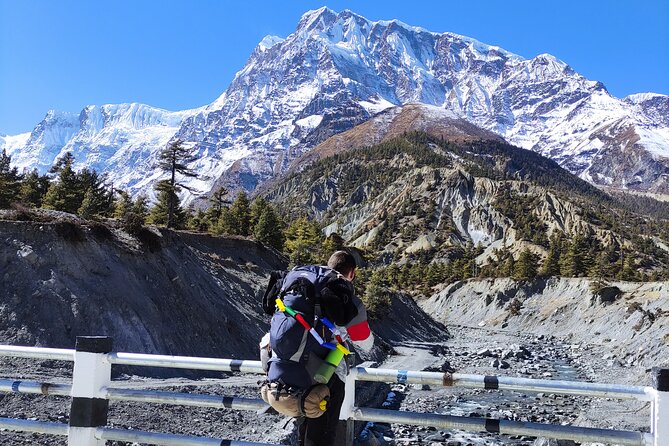
This trekking circuit is interesting because it turns into a whole geography lesson you can walk through, from warmer village paths to high, dry air near the Annapurna peaks. You circle the Annapurna massif over roughly 160 to 230 kilometers, with views that swing from snowy walls to deep valleys, and even the feeling of stepping from subtropical jungle toward an arid high-altitude world.
I like two things most. First, you get real structure: airport transfers, Kathmandu sightseeing, a day in Manang to acclimatize, and then an early push to reach Thorong La Pass on time. Second, the trip comes with the essentials handled like ACAP and TIMS permits, plus a licensed trekking guide and a porter setup (with a 25 kg limit shared between two guests).
One drawback to plan for: this is a high-altitude trek where your biggest enemy is not distance, it is altitude and timing. If the weather turns or you are not feeling well, you need to take the day seriously, especially around the pass.
Key Highlights You’ll Feel on the Ground
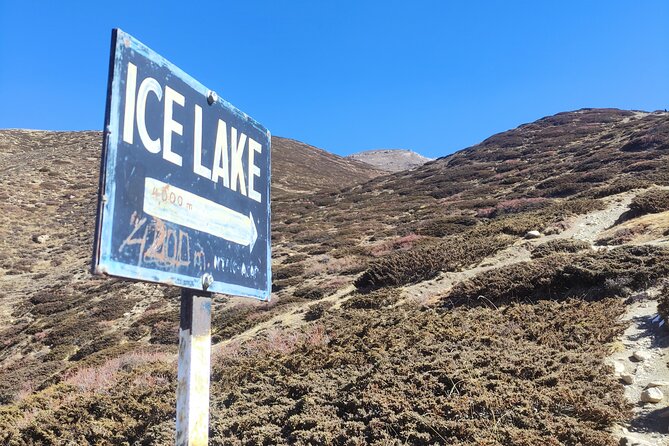
- Thorong La Pass (5,416m) reached early, when conditions are best
- Manang acclimatization day with time to explore the village and adjust
- Cultural stops in Kathmandu at Pashupatinath, Boudhanath, and Kathmandu Durbar Square
- Kali Gandaki corridor views as you drop and the scenery changes fast
- Poon Hill sunrise add-on (3,195m) for a classic panorama moment
- Private trip format with just your group, plus guide and porter support
Why the Annapurna Circuit Feels Like Two Worlds in One Trek
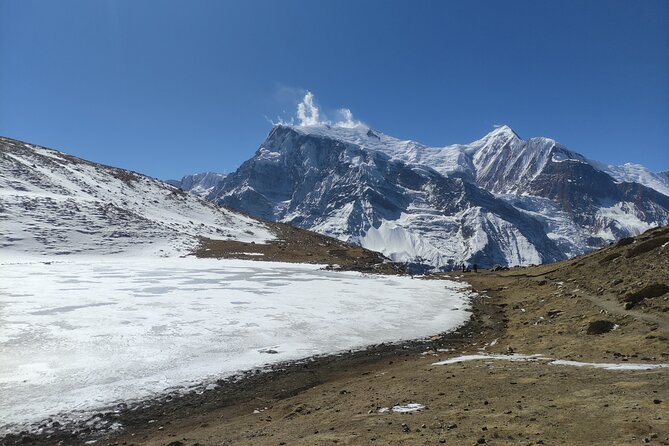
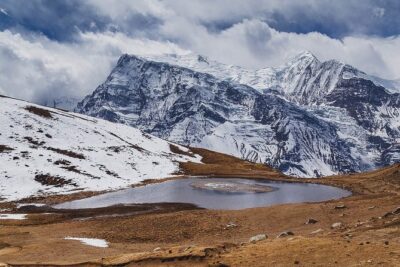
The Annapurna Circuit has a trick most treks cannot match. In a single route, you can feel the climate flip as you gain elevation and then lose it again. You start in lower, more vegetated regions, then the air gets cooler and the terrain turns drier, with stretches that feel like high-altitude desert. Later, the descent brings pine and conifer forests back into the mix. You are not just changing altitude, you are changing ecosystems.
That matters for your trip experience. When you are tired, variety keeps you moving. When you are cold, you also feel a payoff sooner because the pass and big views are not far away. And when you get to higher points, you are already mentally ready for the stark, dramatic feel of the mountains up close.
This route also circles the Annapurna massif, which is why the views keep paying off in different directions. One day you might look toward Annapurna peak neighbors and the next day you’re staring down valleys shaped by the Kali Gandaki.
More of the Annapurna Circuit:
- Annapurna Circuit Trek with Tilicho Lake
★ 5.0 · 368 reviews - Annapurna Circuit Trek
★ 5.0 · 94 reviews - Annapurna Circuit Trek
★ 5.0 · 67 reviews
Kathmandu Warm-Up: Pashupatinath, Boudhanath, and Durbar Square
Your trip begins in Kathmandu, landing at Tribhuvan Airport. A representative meets you outside the terminal and gets you to your hotel. Then you get a sightseeing day by car, which is perfect if you want to land, stretch, and get oriented without immediately jumping into long travel days.
Here’s what that Kathmandu day gives you:
- Pashupatinath Temple on the Bagmati River, a major Hindu site with big devotional energy.
- Boudhanath Stupa, one of Nepal’s most important Buddhist symbols, known for its calm, focused atmosphere.
- Kathmandu Durbar Square, with royal history visible in the stone and layout of the old center.
A practical note: temple entry fees for Pashupatinath, Boudhanath, and Kathmandu Durbar Square are not included, so you should budget for them if you care about going inside. The good part is that you can still appreciate the setting from outside if you want to keep costs tight.
Also, you will be spending time walking on uneven surfaces around these historic areas. Wear shoes you trust, and don’t plan to use your fancy, new footwear on day one.
From Syange to the First Trek Day: Getting Past the Comfort Zone
After breakfast and a scenic drive toward the Pokhara highway, you eventually head out through the hills. The route is part of the charm because you can see how Kathmandu’s valley life gives way to more rugged terrain. This is also where your trekking mindset starts to click in.
You reach Syange (823m) for an overnight stop after long travel. Expect a slower, more rural feel here, not a city vibe. Then trekking starts from Dharapani, and the first day has steep sections early on, followed by terraced farmland and waterfalls. That “steep for a bit, then open up” rhythm is common in Nepal. It is the kind of day where you learn how to pace yourself right away.
If you tend to go out too fast, fix it early. On a trek like this, the goal is to arrive feeling like you still have something left for later.
Chame to Manang: Cooler Air, Peak Views, and One Smart Acclimatization Day
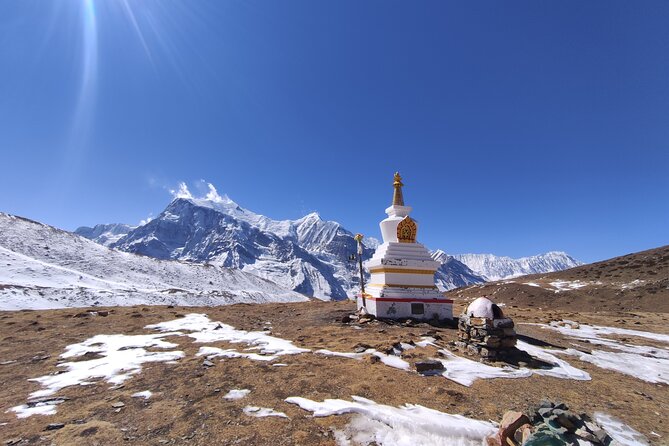
From Dharapani you trek toward Chame, and the vegetation starts changing as you climb. The air gets cooler, and the feel shifts toward forested sections. This leg is valuable because it trains your legs for consistent effort without throwing you straight into the highest altitudes.
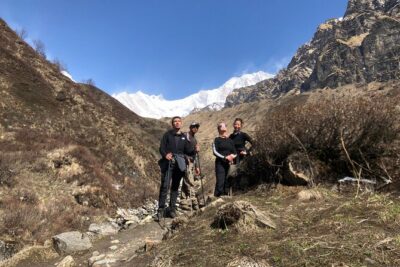
Then you head to Pisang (around 3,200m), where the walk trends along the northern bank side and you start getting stronger high-mountain views. This is where you feel the Annapurna massif more clearly, and where the trip begins to look like a real mountain expedition instead of a rural hike.
After Pisang comes Manang, with trails that climb and then present constant views of snow-capped peaks. You get a full acclimatization day in Manang, which is one of the best decisions you can make on this trek. Manang sits at a high enough elevation to make adaptation matter, and it is also a real village where you can explore at a slower pace rather than simply forcing elevation.
You also get a useful cultural texture in Manang, including the look of flat-roofed houses that give the village its distinct character. If the weather is clear, this day can turn into both comfort and motivation.
More to compare around Kathmandu
- Everest Base Camp Trek – 14 Days
★ 5.0 · 1,499 reviews - Everest Base Camp Trek
★ 5.0 · 842 reviews - Private Kathmandu Sightseeing Tour | UNESCO World Heritage sites
★ 5.0 · 756 reviews - Kathmandu: 7 UNESCO Sites with Lunch
★ 4.8 · 744 reviews
Yak Kharka to Thorong La High Camp: The Long, Gradual Build-Up
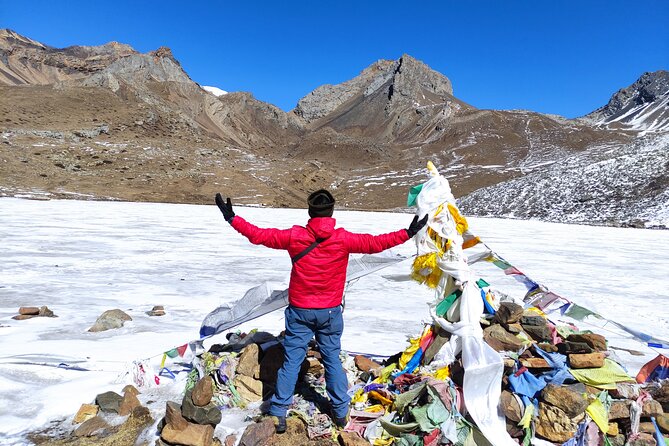
Once you leave Manang, the route shifts into more exposed, high-altitude walking. The day toward Yak Kharka is described as a slow climb, with inspiring views of several peak groups. This kind of day is deceptive. It can feel manageable because it is not always steep, but the altitude makes every breath count.
Then comes the build-up to Thorong High Camp View Point, often after a slow climb to the last settlement area before the high camp feeling. You are still walking upward, but the bigger change is the environment: thinner air, more wind exposure, and less shelter. You are also moving closer to the pass in a way that makes the final day more logical.
A tip that matters here: dress for cold wind. Even if the sun is strong, it can turn on you quickly at altitude. Plan your layers so you can add or remove without taking forever.
Crossing Thorong La Pass (5,416m) and Dropping Toward Muktinath
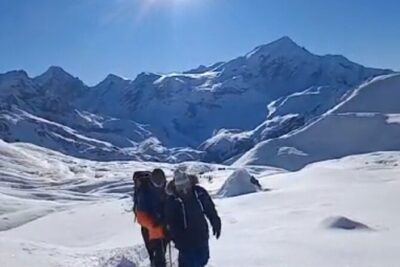
This is the day you hear people talk about, but it is also a day you should treat carefully. The trek starts early after breakfast so you can reach the top of Thorong La Pass (5,416m) before the cold winds pick up.
Early starts are not just about tradition. They help you avoid the worst weather window and also help keep your energy steady. You can feel how fast the atmosphere can change when you are higher than you are used to.
The route includes a steep start in the beginning. That is normal. Your job is to keep going at a pace you can sustain, even if you have to slow down more than you planned. This is also where trekking poles can be a big help for stability on uneven ground.
After the pass, you descend to Muktinath (about 3,800m), and this is described as the longest day in terms of trekking time. That part is easy to underestimate. You have the pass climb plus a major descent. You will likely arrive feeling tired, but the payoff is a sense of completion and a new valley setting.
Kali Gandaki Descent Days: Marpha, Lete, and the Weather-Proof Sense of Place
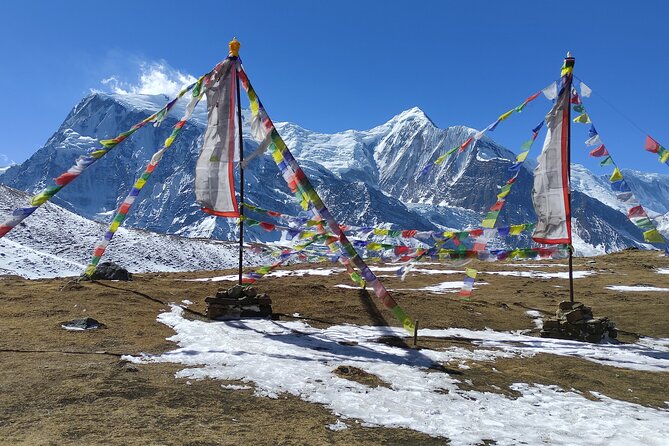
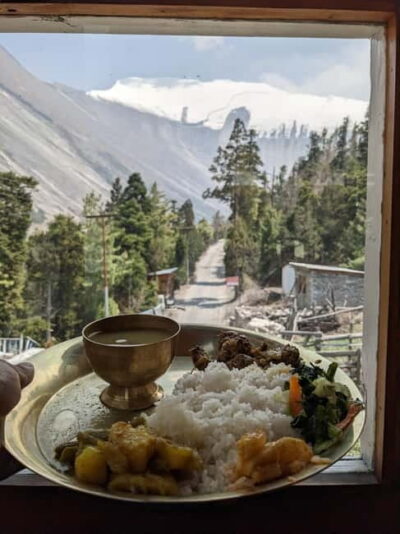
After Muktinath, the trek descends into the Kaligandaki river valley, and the scenery shifts again. You stop briefly at Ekale Bhatti, a small settlement with only a few teahouses. This is one of those places that reminds you how trekking routes are supported by simple, local outposts. Even if you do not plan to linger, you might want a short break just to reset.
Then you reach Marpha, where you get that “we are back in a different world” feeling. Marpha is part of the trek rhythm that keeps changing every few days: villages, valleys, and views that feel new even when your legs are already used to the routine.
You then walk toward Lete, following the Kali Gandaki downstream and reaching Tukuche village along the way. This section is enjoyable because you are not fighting constant steepness. You are also getting dramatic views of the towering Dhaulagiri side and the Annapurna surroundings.
Then comes Tatopani, and this day includes a big vegetation change: dry, arid desert shifts into pine and conifer forests. The trail also passes between Dhaulagiri and Annapurna, which is the kind of “two giants watching you” feeling you do not get on every trek.
The practical reward of these change-of-scene days is that you stay mentally fresh. If you get stuck in a single style of scenery for a week, boredom can creep in. Here, that is harder to do.
Ghorepani to Poon Hill: A Sunrise That Adds Meaning
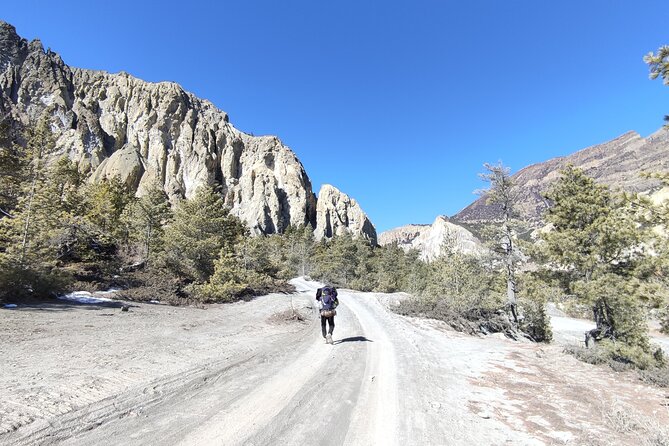
After Tatopani, you continue to Ghorepani (2,860m). There is also mention of crossing a suspension bridge over the Kali Gandaki River. Those river crossings are often where you feel the route’s scale. It also makes you slow down, which is not a bad thing at altitude.
From Tikhedhunga, you have the option of a one-hour hike up toward Poon Hill (3,195m) if weather permits. This is set up as a sunrise moment, with a panorama that can include views of Dhaulagiri, Annapurna, and the Manaslu range.
This is the kind of add-on that makes a long trek feel personal. You do not just survive the difficult parts, you get a clear, cinematic reward. Bring a light layer for early morning. Sunrise at altitude can be colder than you expect, and you will want to enjoy it, not shiver through it.
Pokhara Leisure Day, Then the Scenic Return to Kathmandu
After Ghorepani and the classic sunrise setup, you continue to Pokhara through rural farm villages and waterfall areas. Pokhara is your decompression zone. Even if you feel tired in your legs, it is a mental reset because the pace turns gentler again.
You also get a full leisure day in Pokhara. You can go sightseeing around the lakes, including Phewa Lake, Begnas Lake, and Rupa Lake. This is a smart way to let your body recover while still doing something scenic and easy.
Then you travel back to Kathmandu by bus, with a scenic route that can pass areas like Trisuli and Marsyangdi River. This is another opportunity to soak up Nepal’s changing terrain from the comfort of a seat.
Price and Logistics: What You’re Actually Paying For
At $1,200 per person for a roughly 20-day trek, you should think of this as paying for the “invisible work” behind a safe, organized mountain journey.
Here’s what you are getting included:
- Airport pickup and drop
- Kathmandu sightseeing by car (with caveat that entry fees are not included for specific temples)
- Transportation from Kathmandu to Besisahar by regular bus, and Besisahar to Syange by sharing jeep
- A licensed trekking guide and a porter (set up as 2 guests to 1 porter) with a 25 kg max limit
- ACAP permit and TIMS card
- Meals: breakfast and dinner, plus included lunches for multiple days on the trek
- A private tour format, meaning it is just your group
What you should budget separately:
- Visa and international flights
- Drinks of any kind
- Personal expenses
- Tips for staff
- Rescue and evacuation costs
- Special accommodation if you need it
- Temple entry fees in Kathmandu (Pashupatinath, Boudhanath, Kathmandu Durbar Square)
To make this value judgment practical: if you were arranging a guide, permits, and a porter on your own, it is hard to replicate the same convenience at a similar price. The price looks fair especially because it includes key paperwork and staff support. Just remember that the drinks and entry fees will add up if you like soft drinks or frequent paid attractions.
Pace, Fitness, and Altitude Reality Check
This trek is described for people with moderate physical fitness. That can sound reassuring, but on the Annapurna Circuit, “moderate” still means you should be ready for long daily walking hours, steep bits, and high altitude effects.
You will be walking days like:
- 5 to 7-ish hours on many legs
- a longer effort day after Thorong La when you descend toward Muktinath
- an acclimatization day that helps, but does not replace smart pacing
Two altitude points you should take seriously:
- Thorong La is at 5,416m, and it is reached early to avoid cold wind conditions.
- You also go down to Muktinath at 3,800m, which can help your body after the pass, but your energy still needs management.
Pack with altitude comfort in mind. You are going to feel cold more than you think, and dry air can make you feel it too. Take it slow, drink water regularly, and do not treat each day like a personal race.
Should You Book This 20-Day Circuit Plan?
I’d recommend booking this trek if you want a classic Annapurna Circuit route with clear pacing support, a licensed guide, a porter arrangement, and strong high point planning around Manang acclimatization and an early Thorong La Pass attempt.
You might not love this plan if you are very sensitive to cold mornings or if you know you handle altitude poorly without extra medical or slower pacing. In that case, you may want a more flexible itinerary, because here the schedule is built around getting to the pass before wind and light conditions change.
If you are the kind of traveler who likes structure, real mountain milestones, and then a proper reward day in Pokhara, this is a solid way to do it. It does the hard parts in a planned sequence, so you can focus on walking, adjusting, and enjoying the views you came for.
FAQ
How long is the Annapurna Circuit trek?
It’s about 20 days.
Where does the experience start and what time does it begin?
It starts at The Great Adventure Treks & Expedition Pvt. Ltd in Kathmandu. The start time is listed as 8:15 am.
Is airport pickup and drop included?
Yes. Airport pickup and drop are included.
Does the tour include permits for trekking?
Yes. You’ll receive the Annapurna Conservation Area Project Permit (ACAP) and a TIMS card.
What trekking support is included, like a porter?
An professional trekking guide (government licensed) is included, along with a porter. The porter setup is 2 guests to 1 porter with a maximum of 25 kg per porter.
Are meals included during the trek?
Yes. Breakfast and dinner are included, and lunch is included for multiple days during the trek (lunch is listed as included 15 times).
Are temple entry fees included in Kathmandu sightseeing?
No. Tickets are not included for Pashupatinath Temple, Boudhanath Stupa, and Kathmandu Durbar Square.
What costs are not included besides meals and permits?
Drinks, visa and international flight tickets, personal expenses, tips for staff, rescue and evacuation costs, and any special accommodation are not included.
What is the cancellation window for a full refund?
You can cancel up to 3 days in advance for a full refund. To get a full refund, you must cancel at least 3 full days before the experience’s start time.
Latest Kathmandu write-ups
- Langtang Valley Trek★ 5.0 · 3 reviews
- Langtang Valley Trek from Kathmandu★ 5.0 · 3 reviews
- Khopra Danda Trek★ 5.0 · 3 reviews
- 5 night / 6 days Kathmandu Nagarkot Chitwan Pokhara tour★ 5.0 · 3 reviews
- Nepal Highlights Tour: 5 Nights 6 Days Kathmandu & Pokhara Tour★ 5.0 · 3 reviews
- Kathmandu Valley Private Day Tour★ 5.0 · 3 reviews
- Conquer the Himalayas: The Ultimate 16-Day Annapurna Circuit Trek★ 3.5 · 3 reviews
- Kathmandu Heritage Day Tour★ 5.0 · 3 reviews
Annapurna Circuit Trek, compared.
15-Day Private Annapurna Circuit Trek from Kathmandu
Read our review →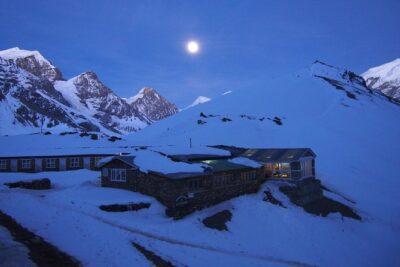
8 Days Private Guided Trekking in Annapurna Circuit with Pickup
Read our review →Browse the lists this tour appears in