Reviewed · HIKING & TREKKING
Annapuran Base Camp Trek
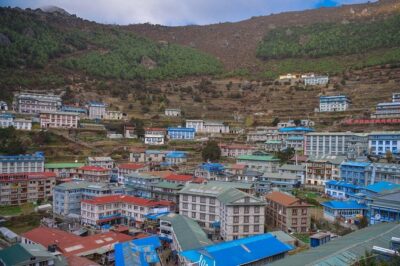
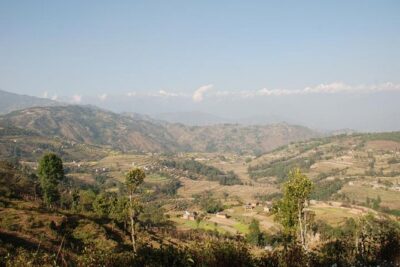
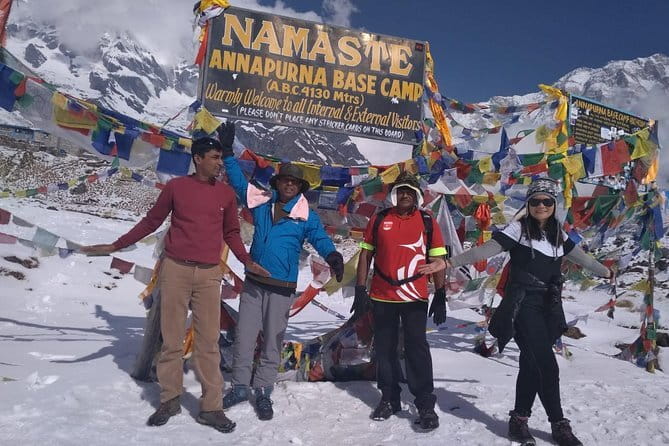
Annapurna Base Camp is the kind of trek that sounds too good to be true until you’re walking toward it. You start in Kathmandu, move to Pokhara, then hike through classic mountain villages toward a base camp sitting at about 4,130m. Along the way, you get both views and culture, including a stop in Ghandruk where the route threads through Gurung and Dalit communities.
Two things I really like about this trek setup are how much is handled for you, and how the people matter. You get an experienced English speaking trekking guide plus Sherpa porters who travel with you for meals and support, and you’re not doing the permit homework yourself since TIMS and Annapurna Conservation permits are covered.
One thing to keep straight before you book: even though the booking summary lists 2 days (approx.), the working plan on the ground is an 11 day journey from Kathmandu to Kathmandu, with long drive days and a real multi day climb.
What makes this Annapurna Base Camp plan work
- A guide-led team in real trekking rhythm, with English speaking guidance and porters to share the load
- Permits handled in advance, including TIMS and the Annapurna Conservation permit
- Village-to-village hiking, with cultural time in Ghandruk before the altitude really ramps up
- Comfort-minded lodging on the trail, often private rooms with shared toilet
- Meals included during the trek, with breakfast, lunch, and dinner plus tea or coffee
Annapurna Base Camp: the payoff is the hard part you can plan for
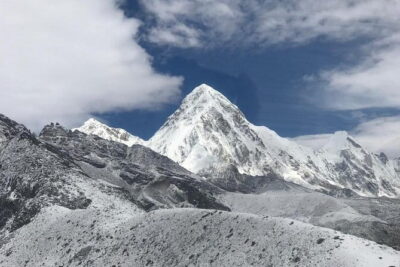
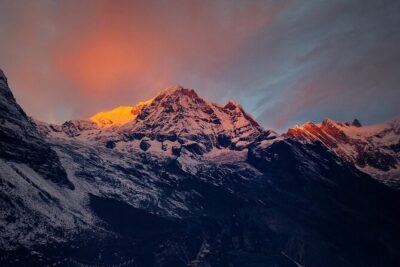
This is one of Nepal’s most walked trekking routes for a reason. As you climb, the Annapurna region changes from hill villages into high mountain terrain where your breathing becomes part of the schedule. The goal is Annapurna Base Camp, and when you reach it, the mountain views feel like they match the hype, but only because you earned them step by step.
What’s practical here is that the route is set up with a sensible rhythm. You don’t jump straight to the highest elevations. Instead, you build upward through places like Sinuwa and Deurali before you go for base camp. That makes a big difference when you’re dealing with altitude and weather swings.
And yes, weather can be rough. In one personal-style account of a similar trek run by this company, hail hit during the climb near Deurali, and the guide prepared rain gear in the moment. I like that this kind of plan assumes the mountains will do mountain things, not that they will behave politely.
More to compare around Kathmandu
- Everest Base Camp Trek – 14 Days
★ 5.0 · 1,499 reviews - Everest Base Camp Trek
★ 5.0 · 842 reviews - Private Kathmandu Sightseeing Tour | UNESCO World Heritage sites
★ 5.0 · 756 reviews
Day-by-day route, from Kathmandu arrivals to Annapurna Base Camp and back
Below is what you should expect from each day, including the height changes that help you judge how demanding this trek really is.
Kathmandu Day 1: arrival and getting your body ready
You arrive in Kathmandu at about 1,300m (4,264 ft). This first day is about landing, meeting your guide, and keeping your expectations calm. You’ll want an easy schedule, because tomorrow has travel and tomorrow after that begins the trek.
The value of starting with Kathmandu is that you also get smooth entry into the logistics: airport pickup and drop by private car is included, which reduces the first-day stress.
Kathmandu to Pokhara, then onward to Nayapul: the long drive days
Day 2 is a drive from Kathmandu to Pokhara, around 820m (2,690 ft), taking about 6 to 7 hours. Day 3 starts with the drive from Pokhara to Nayapul, then you hike to Ghandruk (1,940m / 6,364 ft) for about 5 to 6 hours.
Here’s the honest tradeoff: the driving days are long. If you easily get travel fatigue, plan to hydrate and keep the day simple. But you do get a clean transition from city logistics into trail time, and that helps most people get into the trekking mindset faster.
A different sort of day out of Kathmandu:
- Kathmandu: 7 UNESCO Sites with Lunch
★ 4.8 · 744 reviews - Everest Base Camp Helicopter Tour landing at Everest View Hotel
★ 5.0 · 668 reviews - Half day cooking class in Thamel kathmandu
★ 5.0 · 607 reviews - Everest Base Camp Trekking
★ 5.0 · 485 reviews
Ghandruk Day 3: culture and a village that feels like part of the trail
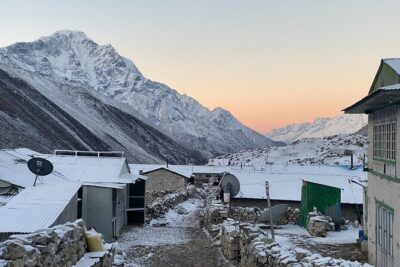
Ghandruk is one of the most important early stops because it’s not just scenery. The trek route goes through a community context, including Gurung and Dalit areas, which means you’re seeing how people live when the mountain is not a backdrop but a neighbor.
From a trekking perspective, this day is also your first real test of steady hiking for hours. You’ll get your legs moving, but you’re not yet at the altitude where everything turns into slow-motion breathing.
If you like trekking that mixes people, not only views, this is the part you’ll remember. Short cultural stops feel more meaningful when you’re already walking in that landscape.
Sinuwa Day 4: settle into the climb
Day 4 hikes from Ghandruk to Sinuwa (2,360m / 7,742 ft) in about 5 to 6 hours. This is where the climb becomes more consistent and you start feeling elevation more clearly.
This is also where pacing matters. If you go too fast on day 4, day 5 and day 6 will feel harsher. I like that the route keeps hiking hours in the moderate range early on, which helps you build momentum without frying yourself.
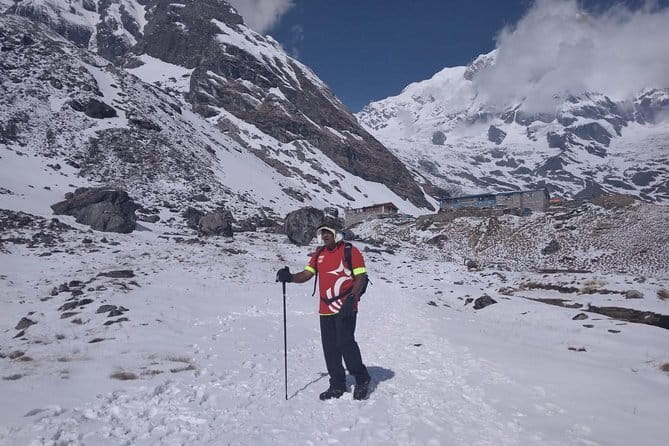
Deurali Day 5: the altitude and weather zone
Day 5 moves from Sinuwa to Deurali (3,230m / 10,597 ft), around 6 hours. Deurali is where many people notice the combo of colder air, thinner breathing, and the mountains’ unpredictable moods.
In one guide-led experience with this company, conditions turned stormy and even hailed during the climb up to Deurali. That’s a real reminder that you should treat Deurali as a weather-sensitive day, not a casual hike.
If you’re sensitive to cold or you sweat easily, dress in layers you can adjust quickly. You want to stay warm without overheating, because overheating makes altitude feel harder than it needs to be.
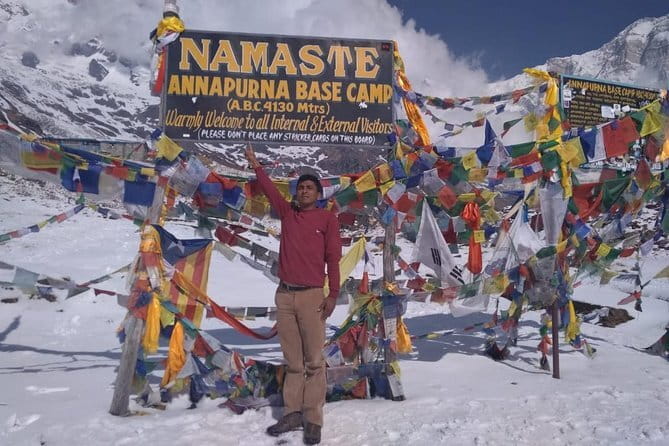
Annapurna Base Camp Day 6: reach 4,130m and take it in
Day 6 is the big push from Deurali to Annapurna Base Camp (4,130m / 13,549 ft) for about 5 hours. That time estimate helps, but the real factor is how you feel breathing-wise, not how fast your legs move.
Reaching base camp is the peak of the trip, and it’s also the moment you should slow down. Take the views seriously, because this altitude zone can be tiring even when you stop walking. The payoff is that the mountain presence turns very real, very close, and very different from the earlier village days.
Bamboo Day 7: recover and keep moving downhill
Day 7 hikes from Annapurna Base Camp to Bamboo (2,340m / 7,677 ft) in about 6 hours. Yes, it’s downhill overall, but downhill is its own kind of work. Your knees and ankles do most of the thinking on this kind of day.
This is the day I’d use to judge your gear. If something feels off, you’ll usually notice it here, after repeated step-downs. Sturdy footwear and trekking poles, if you use them, become more than nice extras.
Jhinu Hot Spring Day 8: legs get a break
Day 8 goes from Bamboo to Jhinu Hot Spring (1,780m / 5,839 ft), about 5 hours. You’re moving into lower elevations, and that’s great for recovery. The hot spring part is the kind of reward that feels practical, not just fun.
Just keep your expectations realistic: hot springs can be busy and bathing comfort depends on conditions. Still, after a high-altitude trek stretch, soaking your legs is a strong way to keep the return journey comfortable.
Back to Nayapul and Pokhara Day 9: finishing the hike loop
Day 9 hikes from Jhinu Hot Spring to Nayapul, then drives back to Pokhara around 820m (2,690 ft), for about 7 hours total travel time. This is often where people feel that final bend.
It helps that your drive is already planned. You’re not figuring out transport while tired. You’re also getting to the next stage of rest without extra decision-making.
Pokhara to Kathmandu Day 10 and departure Day 11
Day 10 is the drive from Pokhara back to Kathmandu, about 7 to 8 hours, to around 1,300m (4,264 ft). Day 11 is departure.
This structure makes sense if you want a clean finish rather than scrambling logistics at the end. It’s also why the included accommodation nights in Kathmandu and Pokhara matter. You’re not stuck trying to “make it work” with whatever you can find at the last minute.
Price and logistics: what you pay for, and what you should expect to add
The price is $741.34 per person. For an Annapurna Base Camp trek, the real question is what’s inside that number.
Included essentials that affect real value:
- 2 nights in Kathmandu and 2 nights in Pokhara, both with breakfast
- A helpful English speaking guide
- Airport pickup and drop by private car in Kathmandu
- Kathmandu to Pokhara to Kathmandu by tourist bus
- TIMS and Annapurna Conservation permits
- Porters with meals, accommodation, salary, and insurance
- During the trek: 3 meals a day plus tea or coffee with breakfast, lunch, and dinner
- Mountain accommodation: soft, comfortable, usually private rooms with a shared toilet
What’s not included, and where you’ll feel the cost later:
- Your travel and rescue insurance
- Alcohol and bar bills
- Personal expenses like phone calls, laundry, charging batteries, showers, and similar items
- Kathmandu and Pokhara lunch and dinner
- Tips for guide and porter
The value angle I’d focus on: you’re paying for the infrastructure that keeps a trek from turning chaotic. Permits, staff, and most meals remove the biggest risk, which is bad surprises in the middle of the trek. That said, you still need to budget for insurance and your own non-included meals, plus tips.
Your guide and porter team: how Ram and Santosh change the trip
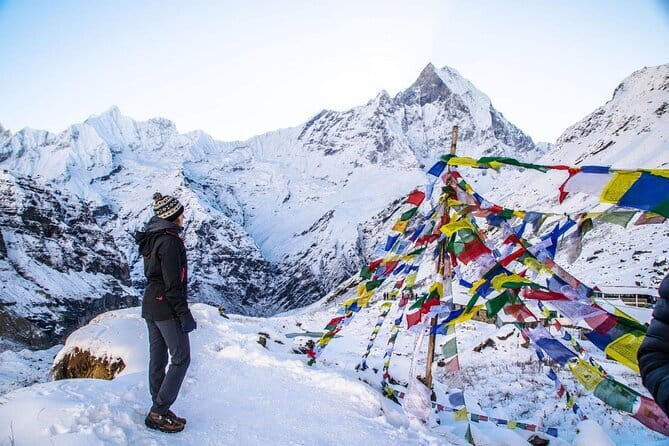
The strongest praise in this kind of trek is usually about the people on the ground, not just the route. In the accounts tied to this company, the lead guide Ram gets named for route knowledge and for putting safety first. The porter Santosh is also specifically credited, along with the idea that the team kept everything organized.
I like this because it’s the difference between a trek and a logistical project. When a guide knows the route and understands conditions, you spend more mental energy enjoying the mountains. When porters are experienced, you walk with less weight and more focus.
Also, in at least one experience, when weather turned rough early, the guide handled it with practical steps like preparing rain gear. That kind of response is exactly what you want to see from the start, not after you’ve already gotten drenched.
Comfort on the trail: private rooms, shared toilets, and what that means
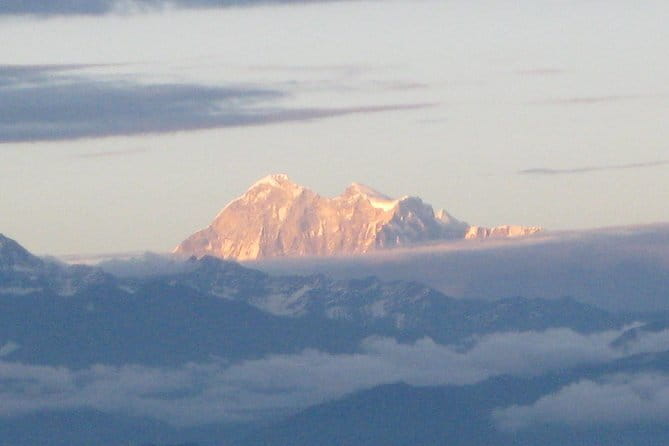
Accommodation is included across the mountain nights, described as soft, comfort, private room with shared toilet. That’s a common middle ground on trekking routes.
Here’s the practical takeaway:
- You’ll likely get a room layout that’s more private than dorm-style sleeping
- Shared toilets mean you still treat your stay like a trekking setting, not a hotel
- Plan your evenings with small routines: wipe down gear, dry layers if you can, and rest early so the next day feels manageable
Since Kathmandu and Pokhara include breakfast, you should be able to start days with food that matches normal routines. That matters when you’re switching from city meal schedules to trekking meal schedules.
Weather and altitude reality check, with tips you can use immediately
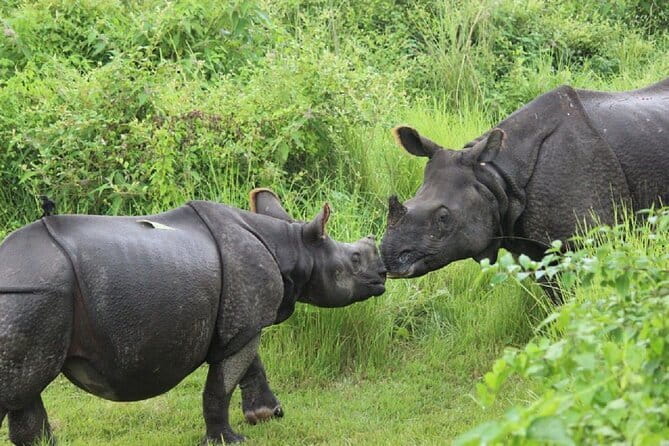
Annapurna Base Camp sits high enough that altitude becomes part of your planning. Even with a route that steps upward gradually, the summit moment at 4,130m is not a casual stroll.
A few things I’d do in your shoes:
- Keep your early pace controlled on days like Sinuwa and Deurali. Save energy for the base camp push.
- Bring rain gear. If you can get it into your daypack safely, do it. Weather can change fast, and the Deurali zone is where conditions can get serious.
- Expect cold in higher elevations and pack layers you can adjust quickly when you’re hiking and when you stop.
In one guide-led story connected to this trek, the weather was not good on the first two days and hail hit on the third day during the climb. That doesn’t mean it will happen to you, but it does mean you should dress and plan like it could.
Who this Annapurna Base Camp trek is best for
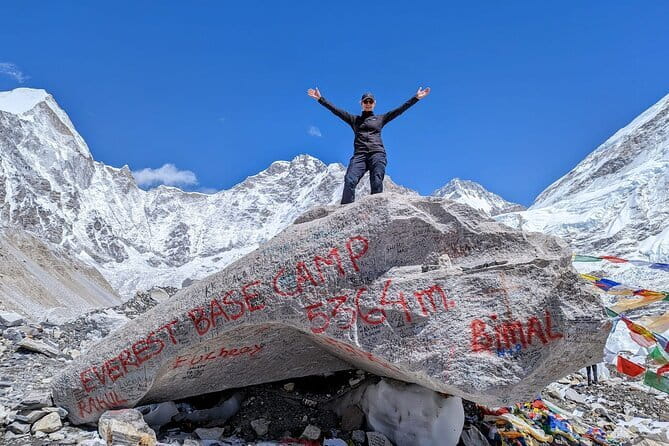
This works best if you:
- Have moderate physical fitness level (the trek explicitly calls for it)
- Want a private tour, so you’re not mixing with strangers
- Like a guided experience that handles permits and most logistics
- Prefer private rooms on the trail, even if toilets are shared
It’s also a good fit if you’re new to trekking in Nepal and want staff support. Porters and an English speaking guide reduce confusion. They also reduce the chance you’ll lose time figuring out food, rooms, or route decisions at the end of a long day.
If you’re an ultra-independent trekker who hates schedules, you might feel boxed in. But if you want your energy spent on the walk, not the admin, this style of tour makes sense.
Should you book this Annapurna Base Camp Trek with Well Plan Trekking?
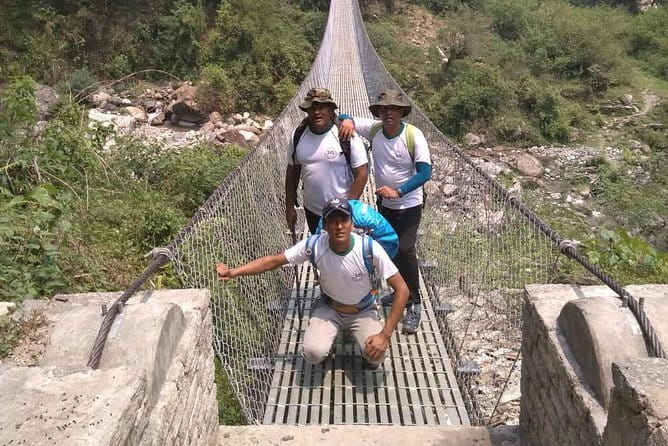
I’d book it if you want a guided Annapurna Base Camp experience where key essentials are already built in: permits, guide, porters, meals during the trek, and mountain lodging. The named guide Ram and porter Santosh are a good sign that the company pays attention to the human part of the journey, which is where trekking trips are won or lost.
I’d pause if you’re expecting something that feels like a short getaway. Even though one summary line lists 2 days, the working route is an 11 day Kathmandu to Kathmandu journey with long driving days and real altitude days. If that mismatch matters to your schedule, confirm the dates you’re buying.
FAQ
FAQ
How long is the Annapurna Base Camp trek?
The booking summary lists 2 days (approx.), but the provided plan shows an 11-day route that starts in Kathmandu and ends back in Kathmandu, with multiple hiking days and long drive days.
Where does the experience start and end?
It starts in Kathmandu at 44600, Nepal, and it ends back at the meeting point.
Is pickup offered in Kathmandu?
Yes. Airport pickup and drop by private car in Kathmandu are included.
What permits are included for the trek?
The package includes the Annapurna Conservation permit and TIMS paperwork.
What meals are included during the trek?
During the trek you get 3 times meals with a cup of tea or coffee (break fast, lunch, dinner).
What lodging is included on the trek?
Mountain accommodation is included as soft, comfort, private room with shared toilet.
How do you get from Kathmandu to Pokhara and back?
Kathmandu to Pokhara and back to Kathmandu is included by tourist bus, and the drive times are about 6 to 7 hours one way and 7 to 8 hours the other way.
Is there an English speaking guide?
Yes. The trek includes an experienced, helpful, friendly English speaking trekking guide.
Is travel or rescue insurance included?
No. Travel and rescue insurance is not included, so you will need to arrange it yourself.
Can I cancel for a full refund?
Yes, cancellation is free up to 24 hours in advance for a full refund. If you cancel less than 24 hours before the start time, you will not receive a refund.
Latest Kathmandu write-ups
- Visit Swayambhunath and Bauddhanath Stupa with Guide★ 5.0 · 5 reviews
- 10 days Annapurna Base Camp Trek★ 5.0 · 5 reviews
- Langtang Trek from Kathmandu 7 Days★ 5.0 · 5 reviews
- 7 Day Kathmandu Pokhara Tour★ 4.5 · 5 reviews
- Island Peak Climbing with Everest Base Camp★ 5.0 · 5 reviews
- Chandragiri Hill Cable Car Tour with Hotel Transfers from Kathmandu★ 4.5 · 5 reviews
- Everest Mountain Flight★ 5.0 · 5 reviews
- Kathmandu city day tour (4 world heritage sites)★ 5.0 · 5 reviews
Hiking & Trekking, compared.