
Reviewed · ANNAPURNA CIRCUIT TREK
Annapurna Circuit with Tilicho Lake
This trek is interesting because it mixes two huge wow-factor goals in one route. You do the classic Annapurna Circuit feel, then you break off toward Tilicho Lake, one of the highest lakes you can realistically hike to, before rejoining the circuit and tackling Thorong La.
I especially like the way the itinerary builds in altitude sense. You get a proper acclimatization day in Manang, plus extra info time with the Himalayan Rescue Association, so you are not just guessing your way through thin air. I also like the “comfort with a purpose” approach, where the trek pace, lodge choices, and meal plans feel planned, not improvised.
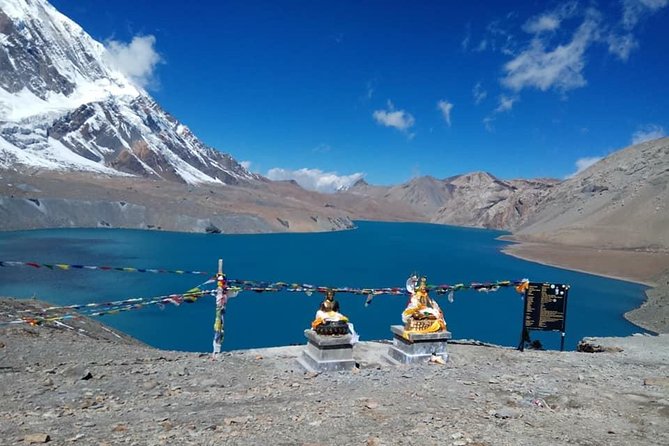
The main drawback to plan for is altitude and cold. Tilicho Lake sits near 4,949m, Thorong La reaches 5,416m, and the best views come after early starts, icy air, and dry, sharp conditions.
Key things you will notice on this route
- Tilicho Lake detour with a real acclimatization rhythm, not a last-minute side quest
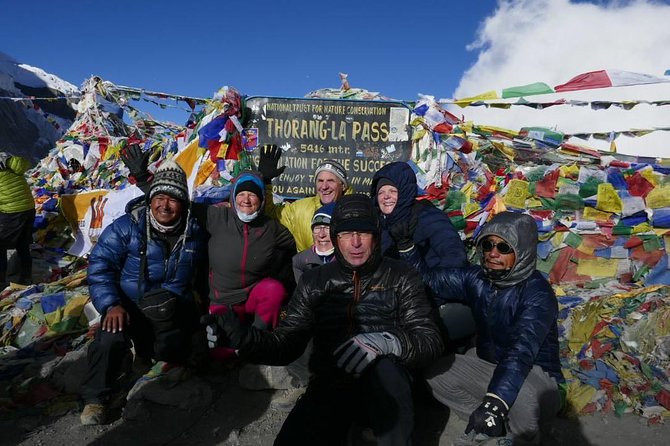
- Thorong La crossing timed for safety and visibility, with the big sunrise style payoff
- Poon Hill at dawn, for wide-range views of the Annapurna and Dhaulagiri side of the Himalaya
- Private-group guiding with a government-licensed English-speaking trek leader and assistant
- All meals on trek days, plus Kathmandu and Pokhara hotel breakfasts so you are never scrambling
- Comfort details that matter at altitude, including thick blankets and lodge setups noted by past trekkers
Kathmandu, Thamel, and the pre-trek rhythm
Your trip starts in Kathmandu after you land, clear, and get transferred to your hotel in Thamel. You also get a guided city day that strings together the big spiritual hits: Boudhanath Stupa, Pashupatinath Temple, Patan Durbar Square, and Swayambhunath. I like this mix because it gives you context fast. Annapurna trekking is physical, but Nepal is also spiritual and cultural, and Kathmandu helps you read the trip while you still have full energy.
A small but smart detail is the pre-trip discussion. You meet your trek leader, meet your group, and get a trek briefing, plus a chance to ask questions before anyone loads you onto a bus and points you at the mountains. If your brain worries at night, this is where it gets fed.
This tour also starts with a set meeting time, 7:15 am, so you are not chasing a vague “sometime in the morning” schedule.
More of the Annapurna Circuit:
- Annapurna Circuit Trek with Tilicho Lake
★ 5.0 · 368 reviews - Annapurna Circuit Trek
★ 5.0 · 94 reviews - Annapurna Circuit Trek
★ 5.0 · 67 reviews
Road days to Syange and into Manang: where the trek actually begins
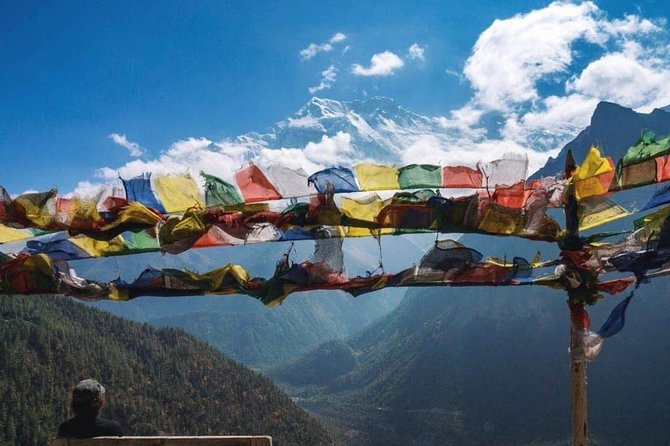
The drive from Kathmandu to Syange is long, about 8 to 10 hours, and that is part of the point. You watch the country shift from busier lowlands into the Annapurna region, with rivers, farms, terraced fields, and frequent mountain glimpses. It is a decompression day, even if it feels like a bus ride marathon.
From Syange you start trekking toward Dharapani, crossing suspension bridges and climbing into the Manang district feel. This first walking segment matters because it sets expectations: trails here can be steep, and you get a taste of how suspension-bridge crossings and village paths work when you are still adjusting to trekking time.
When you reach Dharapani, you are already in the Manang rhythm: barley, rice, potato fields, and waterfalls tied to the season. It is not just “scenery.” It is the way the trek moves from one valley life pattern to another.
Chame and Upper Pisang: forests, first big views, and monastery breaks
Next you head to Chame, with forest walking that can include pine, fir, oak, and maple around the river corridor. This is where the Annapurna Circuit becomes very “you are in it now,” because the views start showing up more consistently. You also get a hot spring stop, a simple reset for tired legs.
From Chame onward, the trail tightens into a narrower valley and you start catching serious peaks on clear days, including Lamjung Himal and Annapurna II and IV. The tour’s choice to keep these viewpoints in the story is good for morale. Cold, dry altitude weeks can feel like a blur unless you have anchors.
Then you reach Pisang and choose the route through Upper Pisang via Geru to access strong north-face views of Annapurna II, III, IV, Gangapurna, Tilicho, and Pisang Peak. I like this because it is a “why this path” decision, not a random detour. You also get a short visit to Barge Monastery, the biggest monastery in Manang district, which breaks the walking with culture, not just another photo stop.
Manang acclimatization, AMS education, and pacing you can trust
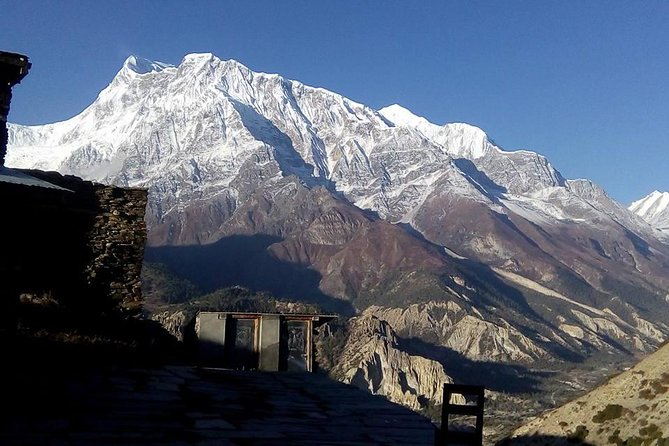
Day after Pisang, you spend time in Manang to acclimatize. This is not a lazy day. You hike up toward Gangapurna Lake or Bhojo Gumba, and if you have energy, you can visit Vraga village and learn about acute mountain sickness and prevention from the Himalayan Rescue Association.
I like that this is included because it gives you practical altitude context while you still have stable oxygen. You also get views over Annapurna III, Tilicho, Pisang, and Chulu peaks. That matters because your brain learns what “high” looks like before the real high arrives.
Later you walk toward Siri Kharka, then toward Tilicho Base Camp. Some segments are described as not very steep, but still tiring due to narrow paths and loose scree and landslide terrain. That is exactly the kind of day that punishes sloppy pacing. The benefit of having a licensed trek leader and an assistant is that they can adjust how you spend your energy without turning every steep bit into a panic.
More to compare around Kathmandu
- Everest Base Camp Trek – 14 Days
★ 5.0 · 1,499 reviews - Everest Base Camp Trek
★ 5.0 · 842 reviews - Private Kathmandu Sightseeing Tour | UNESCO World Heritage sites
★ 5.0 · 756 reviews - Kathmandu: 7 UNESCO Sites with Lunch
★ 4.8 · 744 reviews
Tilicho Lake at 4,949m: the climb, the wind logic, and the payoff
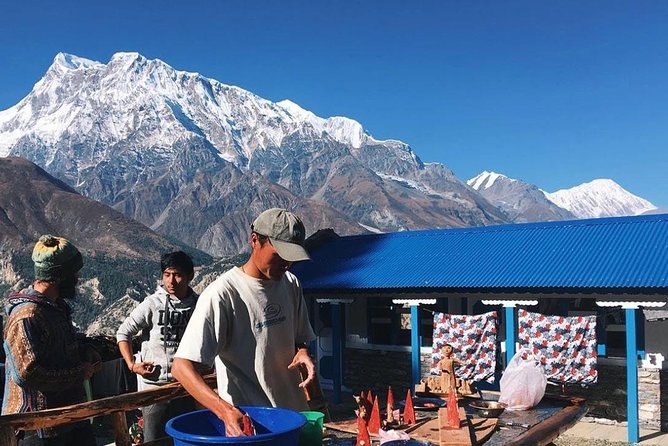
Tilicho is the signature detour. You start from Siri Kharka, and the path involves a tough, steady ascent over 2 to 3 hours before you reach the lake. The timing also matters: you start early to avoid afternoon wind.
I like that this is spelled out, because it is not just “go when you feel like it.” Wind on high ridgelines changes comfort fast, and on a day where you want calm to enjoy the lake, early starts help.
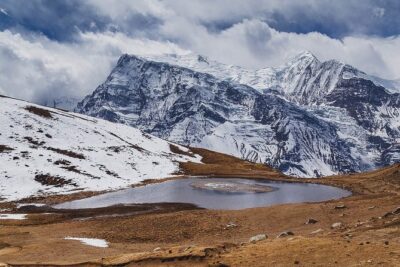
At the lake, you get the view of a large sparkling body of water under the north face of Tilicho Peak. Past groups describe it as the “Great Ice Lake,” and there is also cultural significance tied to the Ramayan. After your time at the lake, you return the same route back to Siri Kharka.
The drawback is obvious: you can feel altitude even if you are fit. You are gaining to a major elevation while still doing a full round trip day. If you are the type who pushes through discomfort, be careful. This is the part where good pacing beats toughness.
Back to the circuit: Yak Kharka, Tare Gumba, and the high-pass ramp
After Tilicho, you descend toward Khangsar, passing Tare Gumba, a monastery that the tour describes as about a thousand years old. You then move into the Thorong Khola valley area, cross rivers, reach a plateau, and continue until you reach Yak Kharka.
From Yak Kharka you climb up toward Thorang Phedi. This is the last “busy settlement” before the final pass push. The views here are described as excellent, with Mt. Gundang, Mt. Syagang, Thorung Peak, and Mt. Khatungkan. It is also psychologically useful. You see the mountain you are about to cross, and you can plan mentally for the hours ahead.
You should also notice how the terrain changes as you climb. Even if the walking hours look similar to earlier days, the altitude pressure and cold can make everything feel steeper.
Thorong La crossing at dawn, then Muktinath and Tatopani
The big objective is crossing Thorong La from east to west (Manang to Muktinath direction), described as the easier and safer direction. You wake up around 3:00 am and begin the climb in icy air. This is the most demanding day of the route.
Here is what you get for the effort: a wide panorama of Himalayan peaks extending northwards into Tibet, with Annapurna peaks behind you. At the top, you can take a few photos, then the day transitions from the pass to the long descent into Muktinath at around 3,800m.
Muktinath is sacred to both Hindus and Buddhists. The tour notes the Buddhist name Chumig Gyatsa, meaning “Hundred Waters,” which is the kind of detail that makes the stop more meaningful than just checking a box.
After Muktinath, you visit the temple area, then you take transport to Tatopani, known for its natural hot springs. This is a practical recovery day. Your legs will thank you if you soak in whatever time you have.
Ghorepani to Poon Hill sunrise, then down to Pokhara
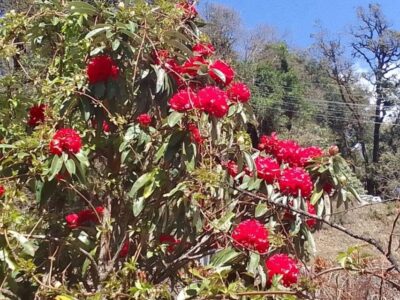
From Tatopani you walk up to Ghorepani through villages such as Shikha and Chitre, and into rhododendron and other forest corridors. The rhododendron forest part is seasonal, so if the timing is right you get pink or red flowers, but even without blooms the forest walking gives you shade and a break from the stark high-altitude feel.
Ghorepani sits on a ridge, and it sets you up for the dawn mission. The next day is a classic rhythm: ascend to Poon Hill at about 3,210m for sunrise views, then trek down to Nayapul and continue by car to Pokhara.
I like how Poon Hill acts like a graduation ceremony. You see Annapurna and Dhaulagiri massif views, plus Machhapuchhre (Fishtail), Manaslu, and the surrounding rice terraces. Then you get a downhill trek that feels like the route finally lets you exhale.
Pokhara is your soft landing. You drive back after breakfast and you get the chance to rest, recover, and do a bit of souvenir browsing.
Price, value, and what you should budget for
This trek costs $1,599 per person for roughly 19 days. For a private group trek, that price starts to make sense when you look at what is included.
What you get:
- Kathmandu and Pokhara 3-star hotels with breakfast
- Teahouse accommodation during the trek
- All meals (breakfast, lunch, dinner) during trek days
- Airport pickups and drops in a private vehicle
- An English-speaking, government-licensed trek leader plus assistant trek leader
- Porter service, with the tour describing porter support based on group size
- Permits (ACAP, TIMS) and paperwork handled
- A medical kit carried by your trek leader
- Most ground transportation as per the plan, plus public transportation from Muktinath to Tatopani
What you pay extra for:
- Nepal visa fee, plus international flights
- Lunch and dinner in Kathmandu and Pokhara, and any extra nights if your timing changes
- Travel and rescue insurance
- Personal expenses like phone calls, laundry, drinks, and water
- Tips for guides and porters
My practical take: this price works best if you want “less thinking” once you are in Nepal. You are buying planning, permits, and an altitude-support structure. If you already love DIY organizing and you have strong high-altitude trekking experience, you might do cheaper. If you want reliability, this is the kind of package where your energy goes into hiking, not logistics.
Who this trek fits best, and who should be cautious
This is best for hikers who are physically ready for multi-day trekking with altitude steps. The tour asks for moderate physical fitness and it includes big altitude markers, so you should be comfortable with steep climbs and long hiking days.
It is also well-suited for travelers who value a structured group plan. Past experiences with guides like Bishnu, Ganesh, and Sanam Sherpa show a theme: guides who are attentive, informative, and able to keep things running smoothly on the trail. One group specifically highlighted comfort touches like thick blankets and lodge setups with attached toilets, which is not a small deal when you are cold and tired.
Be cautious if you dislike early mornings. Several days require a very early start, including the pass day. Also, if you have had past issues with altitude, talk to a medical professional before committing.
Should you book Annapurna Circuit with Tilicho Lake and Poon Hill?
I would book it if you want the Annapurna Circuit story, but you also want a second signature moment with Tilicho Lake, plus the sunrise view finish at Poon Hill. The itinerary is designed around altitude reality, not just adding points on a map. You also get a private group structure, permits handled, and meals taken care of, so you can focus on the mountain.
I would not book it if you want an easy, leisurely trek or if you cannot handle cold mornings and thin-air days. This route gives you big rewards, but it asks you to meet it halfway.
If you like clear expectations, careful pacing, and one of Nepal’s most memorable high-lake experiences, this is a strong choice.
FAQ
What is the highest point on this trek?
Thorong La pass is the highest point listed, at 5,416m (17,764ft).
What accommodation and meals are included?
You stay in 3-star hotels in Kathmandu and Pokhara with breakfast. During the trek, you use teahouse accommodation and the tour includes breakfast, lunch, and dinner.
Are airport transfers included?
Yes. The tour includes airport pickups and drops in a private vehicle, with a transfer to your hotel after arrival and an escort to the airport on departure.
Is the trek guided, and how much support do I get?
Yes. The tour includes an experienced, English-speaking government-licensed trek leader and an assistant trek leader. It also includes porter service based on group size.
What permits are included?
The tour states that it covers trekking permits, including ACAP and TIMS.
What is the cancellation policy?
Free cancellation is offered. You can cancel up to 24 hours in advance for a full refund, and changes within 24 hours of the experience start time are not accepted.
Latest Kathmandu write-ups
- Langtang Valley Trek★ 5.0 · 3 reviews
- Khopra Danda Trek★ 5.0 · 3 reviews
- Langtang Valley Trek from Kathmandu★ 5.0 · 3 reviews
- 5 night / 6 days Kathmandu Nagarkot Chitwan Pokhara tour★ 5.0 · 3 reviews
- Nepal Highlights Tour: 5 Nights 6 Days Kathmandu & Pokhara Tour★ 5.0 · 3 reviews
- Kathmandu Valley Private Day Tour★ 5.0 · 3 reviews
- Conquer the Himalayas: The Ultimate 16-Day Annapurna Circuit Trek★ 3.5 · 3 reviews
- Kathmandu Heritage Day Tour★ 5.0 · 3 reviews
Annapurna Circuit Trek, compared.
15-Day Private Annapurna Circuit Trek from Kathmandu
Read our review →
8 Days Private Guided Trekking in Annapurna Circuit with Pickup
Read our review →Browse the lists this tour appears in