Reviewed · HIKING & TREKKING
Annapurna Full Circuit Trek
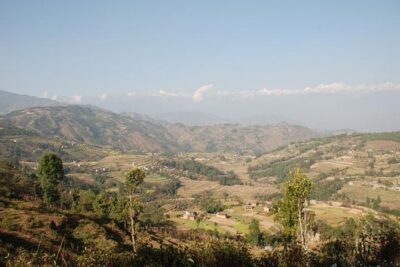
The Annapurna Full Circuit Trek is interesting because it plays with contrasts, forest footpaths down low, then big mountain scenery once you climb. I like that this circuit version keeps you on trails to bypass jeep tracks in the Marshyandi Valley sections, so the route still feels like trekking instead of just following roadside traffic.
I also like the private guide support built around your day-to-day condition. Guides such as Himal have been praised for staying on top of practical details like appetite, sleep, and even oxygen checks each day, and for adjusting the plan when your body asks for a slower pace. The main drawback to consider is altitude and stamina, because the long hiking days demand steady acclimatization and conservative effort.
Key highlights worth getting excited about
- Trail-first route in the Marshyandi Valley, so you are not stuck in a constant jeep-track vibe
- Manang village and Manangi culture, a higher-altitude feeling that many people describe as little Tibet
- Private, guided trekking, with help that can flex to how you are actually doing
- Daily health monitoring, including oxygen checks in how Himal works
- Meals included (breakfast, lunch, dinner), which reduces decision fatigue on trail
- Scuba equipment listed as included, so you should confirm what you will actually receive and when
The big idea: a full circuit that still feels like walking, not driving
The Annapurna Full Circuit is famous for good reason. You get changing scenery and a real mix of communities, and the route is long enough that you do not just get one dramatic day, you collect many small wins. What makes this option stand out is how it handles the fact that some parts of the corridor have roads now.
In recent years, roads have been built along parts of the circuit route in the Marshyandi Valley. Instead of walking the same dust-and-engine pattern, this trekking approach is designed to follow the full circuit while using trails to avoid jeep tracks. For you, that usually means more continuity with the mountains and less time dealing with dust, noise, and roadside interruptions.
I also like that the trek starts with a real transfer day, Kathmandu to the trailhead area through Beshisahar and onward to Syange or Jagat. That structure helps you build rhythm. You are not thrown into altitude chasing right away, and you ease into the trekking mindset while the scenery slowly changes.
More to compare around Kathmandu
- Everest Base Camp Trek – 14 Days
★ 5.0 · 1,499 reviews - Everest Base Camp Trek
★ 5.0 · 842 reviews - Private Kathmandu Sightseeing Tour | UNESCO World Heritage sites
★ 5.0 · 756 reviews
From Kathmandu to Syange/Jagat: your first taste of Nepal by foot
Your journey begins in Kathmandu, with a start time of 7:15 am. Pickup is offered, which matters if you do not want to spend your first morning sorting taxis or figuring out timing. You will also have a mobile ticket, which usually simplifies how you show up for transport.
The drive takes you through Beshisahar and then toward Syange or Jagat. This is where the lower altitude feel comes in. You trek through thick fir and rhododendron forests, and that is more than scenic filler. Forest walking gives you a gentler start for your legs and your breathing. It also dampens wind, so you can focus on steady steps rather than constant cold exposure.
As you move into higher country, you pass through human settlements and villages tied to different ethnic groups. This is the part of the circuit that often makes the trek feel personal, not just scenic. You will have chances to meet local people along the way, and those interactions tend to happen more naturally on trail when you are not just looking at a viewpoint.
One thing to keep in mind: because this is a circuit with a mix of trekked sections and areas influenced by road building, the first few walking days may feel like a warm-up, but still expect uneven steps. It is trekking, not a paved hike.
Forest days and village days: what they give you besides views
The circuit is not only about reaching high places. It is about the middle ground, the days when you see how people live and how the environment shapes daily life. On this trek, you will pass through multiple settlements, which means your walking is usually framed by guesthouses, local shops, and small moments of community.
What I like about this setup for you is that it balances effort and reward. In the beginning, the forests help you warm up. Later, as villages appear more frequently, you get easier chances to rest, eat, and reset. You are not always grinding uphill with nowhere to pause.
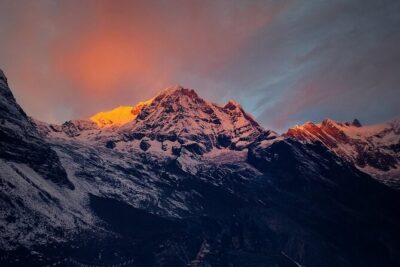
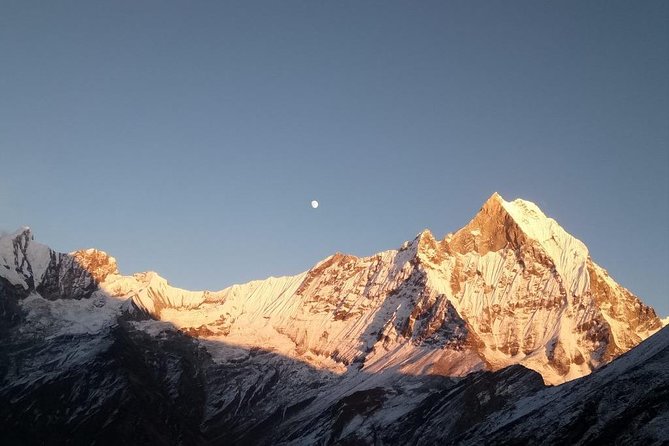
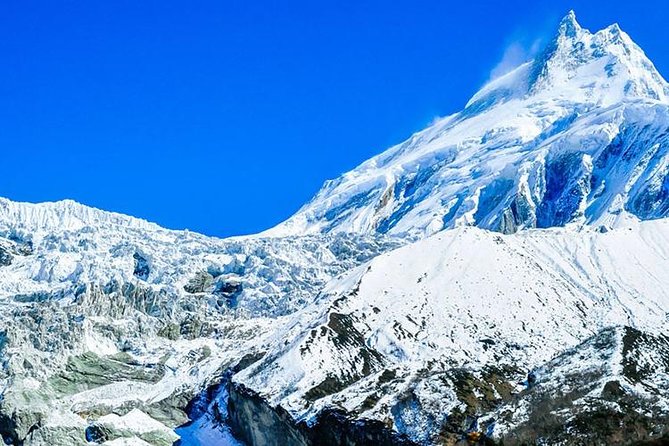
Also, you will start seeing big peaks more clearly as altitude creeps up. Mount Annapurna is part of the scenery story, and Mount Manaslu shows up in the mix too. Even when you do not have a full panorama day, you still notice the mountains growing stronger as you gain elevation.
A small planning note: bottled water is not included, so those village stops matter for your water strategy. You will want to plan how you handle hydration every day, either by buying water where available or using a method you trust to make water safe for drinking.
Manang village: why people call it little Tibet
When you reach Manang, you are entering one of the most memorable cultural zones on the circuit. Manang is higher altitude, and it has its own pace and feel. The Manangi people are described as maintaining their own culture and traditional lifestyle, which is why the village often gets compared to little Tibet.
What you experience here is not just the scenery, it is the change in daily life. The food, the rhythm of the settlement, and the way the area feels culturally distinct can make this stop feel like a chapter break in your trek. If you enjoy meeting people and watching how communities adapt to harsh conditions, Manang is one of the places where your interest will really pay off.
For trekkers, Manang also matters practically. Higher altitude means you need to be careful with how hard you push. Even if your route hits the main pass later, the Manang area often acts as an important acclimatization checkpoint in your overall timeline.
A drawback to be aware of here is simply the cost of not taking altitude seriously. If you treat Manang like a normal village stop, you may regret it later. If you treat it as a place to slow down, rest well, and keep a steady pace, you usually set yourself up for a safer summit attempt.
A different sort of day out of Kathmandu:
- Kathmandu: 7 UNESCO Sites with Lunch
★ 4.8 · 744 reviews - Everest Base Camp Helicopter Tour landing at Everest View Hotel
★ 5.0 · 668 reviews - Half day cooking class in Thamel kathmandu
★ 5.0 · 607 reviews - Everest Base Camp Trekking
★ 5.0 · 485 reviews
Higher altitude and the pass mindset: how to plan for the hard day
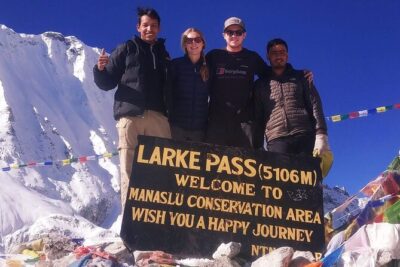
The full Annapurna Circuit route is built around major altitude goals. On this itinerary, you are set up for big mountain viewing and a classic circuit challenge, and one of the big landmarks trekkers reference on the Annapurna Circuit is Thorang-la pass.
The data you provided does not list every day in detail, so I am not going to pretend I can map your exact step-by-step schedule. But the practical reality stays the same for this style of trek: once you get into the higher zone, weather and cold can change fast, and the day you cross the main pass can feel physically intense even if you have done your training.
So here is how you should think about it. Your goal is not speed. Your goal is consistency.
- Keep your breathing controlled, especially on steep segments.
- Take breaks before you are drained, not after.
- Follow your guide’s plan adjustments. This is where a strong guide matters.
This trek’s guide support is one reason it scores well. Himal has been praised for monitoring your body in practical ways, including checking markers like oxygen, appetite, and sleep habits daily. That kind of attention is valuable because altitude issues often show up quietly before they become obvious.
The human engine: guide Himal, Sunita, and what private means in real life
This is a private tour/activity, meaning it is only your group. That changes everything from a comfort standpoint. You are not competing for space at the wrong time, you are not stuck with strangers pacing you outside your comfort zone, and your guide can tailor the day to your needs.
In the reviews included with this offer, Himal repeatedly comes up as the kind of guide you want when things get real. People describe him as professional, energetic, and caring, and they highlight that he adjusts plans based on how conditions and your health allow it.
Another name that shows up is Sunita, specifically around an orientation in Kathmandu. If you arrive and you want help getting your bearings fast, having someone show you around Kathmandu and explain key details can reduce stress before you head into the mountains.
There is also mention of the expedition owner, Bashu Dev Bagale. That matters because it suggests the company is not just sending a guide, it is managing the operation with actual leadership behind it.
Included support and meals: what you get, what you must still handle
The included list is clear and straightforward:
- Breakfast, lunch, dinner
- Private transportation
- A trekking guide
- Use of Scuba equipment
- Pickup offered, and mobile ticket
The meal inclusion is a big value point. Trekking nutrition is not just calories. It is timing, and it is making sure you can eat consistently while your body is adapting. With breakfast, lunch, and dinner covered, you spend less time making decisions on trail.
Now for the odd part: use of scuba equipment is listed as included. That is unusual for a trekking package, so you should treat it as a question, not an assumption. Before you go, ask the operator what the scuba item is for and whether it is actually part of your trekking program or an inventory entry. If it is not relevant, you do not want that confusion to steal time on the first day.
Not included: bottled water. This is important for budgeting and comfort. You will likely need to purchase water in some areas, or you will need your own plan for safe water. Do not show up assuming the package takes care of it.
Price and value: $1,952 for a 20-day private circuit
At $1,952 per person for a trek that runs about 20 days, you are paying for a private setup plus real-world support. The value comes from combining several things:
- a trekking guide for the entire journey
- private transportation, not just public bus hops
- meals at breakfast, lunch, dinner
- the operational work behind routing and timing
Where the value can feel especially good is if you want someone to manage logistics so you can focus on walking, eating, and acclimatizing. On a circuit with altitude pressure, the wrong kind of cost-cutting can backfire, so spending a bit more on reliable support can actually be cheaper than losing days or dealing with preventable mistakes.
The only time you might feel the price is high is if you are a highly experienced self-guided trekker who already has strong systems for route planning, water safety, and altitude pacing. This offer is designed more for people who want guidance and structure.
Who should book this trek, and who should think twice
This Annapurna Full Circuit Trek fits best if you:
- want a private trek rather than a mixed group
- like meeting people and walking through villages with different cultural styles
- accept that altitude requires patience, not pushing
- prefer to have a guide who adjusts plans to your condition
You should think twice if you:
- have serious concerns about long trekking days and altitude and you cannot commit to slow pacing
- dislike cold weather unpredictability on higher segments
- are expecting a fully pre-planned, day-by-day script with no route adjustments, since good guiding often means flexibility
The trek states a moderate physical fitness level is expected, which I interpret as: you should be prepared to hike regularly, but you will not need to be an ultra athlete. What you cannot fake is consistency. Train for endurance, and commit to slow, steady effort once you start climbing.
Practical tips so you enjoy more and worry less
A few things that will make this easier for you:
- Bring a water plan. Bottled water is not included, so decide in advance how you will handle safety.
- Pack for changing weather. Forest days can feel different from higher altitude days, and Manang and pass country can get cold.
- Trust the pace. If your guide suggests slowing down, it is usually for a reason. Follow that advice, even if you feel okay on the day.
- Ask about the scuba equipment. Keep the question simple: what exactly will you receive and why is it included?
- Confirm pickup timing. With a 7:15 am start time listed, you want your morning to be calm, not rushed.
If you do these, you usually get the best version of this circuit: mountain views, cultural encounters, and a steady rhythm instead of frantic problem solving.
Should you book this Annapurna Full Circuit Trek?
If you want a private, well-supported Annapurna Circuit that emphasizes trail trekking, village life, and a stop in Manang that feels culturally distinct, this is a strong option. The guide praise for caring monitoring, plan adjustments, and attention to your day-to-day comfort is the kind of benefit you feel most on altitude sections.
I would book it if you value structure, meals, and a guide who will not just lead you forward, but manage the small realities that keep you safe and comfortable.
I would think twice or at least ask more questions if the idea of altitude stress is a big unknown for you, or if you need absolute clarity on what the scuba equipment means. A good operator will answer that quickly.
FAQ
How long is the Annapurna Full Circuit Trek?
The duration is listed as about 20 days.
Where is the trek operated from?
The tour location is Kathmandu, Nepal.
What time does the experience start?
The start time is 7:15 am.
Is this a private trek?
Yes. It is described as a private tour/activity, so only your group participates.
What meals are included?
Breakfast, lunch, and dinner are included.
Is bottled water included?
No, bottled water is not included.
What kind of fitness level do I need?
The information provided says travelers should have a moderate physical fitness level.
Is transportation included?
Yes. Private transportation is included, and pickup is offered.
What happens if the weather is poor?
The experience requires good weather. If it is canceled due to poor weather, you will be offered a different date or a full refund.
Can I cancel for a full refund?
Yes. Free cancellation is available if you cancel up to 24 hours in advance of the experience’s start time, and you must cancel at least 24 hours before the start time for a full refund.
Latest Kathmandu write-ups
- Langtang Valley Trek★ 5.0 · 3 reviews
- Khopra Danda Trek★ 5.0 · 3 reviews
- Langtang Valley Trek from Kathmandu★ 5.0 · 3 reviews
- 5 night / 6 days Kathmandu Nagarkot Chitwan Pokhara tour★ 5.0 · 3 reviews
- Nepal Highlights Tour: 5 Nights 6 Days Kathmandu & Pokhara Tour★ 5.0 · 3 reviews
- Kathmandu Valley Private Day Tour★ 5.0 · 3 reviews
- Conquer the Himalayas: The Ultimate 16-Day Annapurna Circuit Trek★ 3.5 · 3 reviews
- Kathmandu Heritage Day Tour★ 5.0 · 3 reviews
Hiking & Trekking, compared.