
Reviewed · ANNAPURNA CIRCUIT TREK
Annapurna Circuit Trek
This Annapurna Circuit trek is interesting because you are not just walking in the Himalaya, you are moving through whole climates and cultures as altitude rises and the valleys change. The circuit’s high-pass crossing is the big moment, and I also love that the trip is run by a fully licensed Nepali trekking team with an experienced guide and porters. One drawback to plan for: the pace is steady and some lodge comforts are basic, so you need realistic expectations about showers, space, and cold nights.
I like that the itinerary gives you time to adjust in Manang instead of rushing straight to the highest section. I also like the practical structure, especially the mix of road days, trekking days, and a flight from Jomsom to Pokhara so you do not need to backtrack.
If you want a smooth, fully comfortable vacation with constant warm water and short walks, this is not it. But if you want real mountain days, organized logistics, and trustworthy local leadership, it can be a very good value.
Key things I’d circle before you book
- A real high-pass trek with a clear progression from lower valleys up toward the pass day
- Manang acclimatization time so your body gets a chance to adapt
- Kathmandu culture built in with visits to major Stupas and temples before the trek starts
- Jomsom to Pokhara by flight to save time and avoid a long retrace
- Lodge life is simple with outdoor bathrooms and solar-heated hot water
- You get real support staff with a guide for each group and porters for luggage
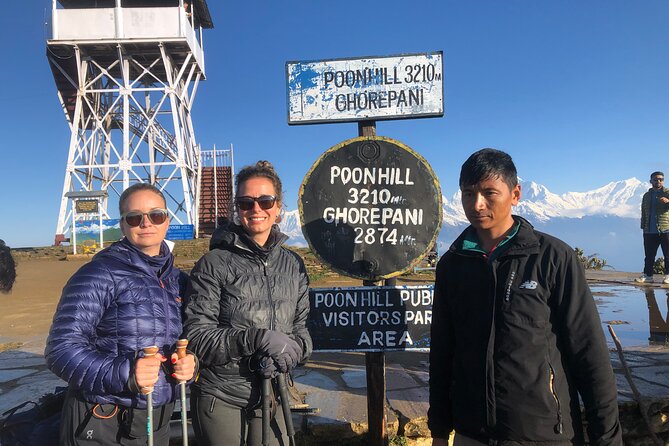
The real Annapurna Circuit payoff: altitude, valleys, and a big pass day
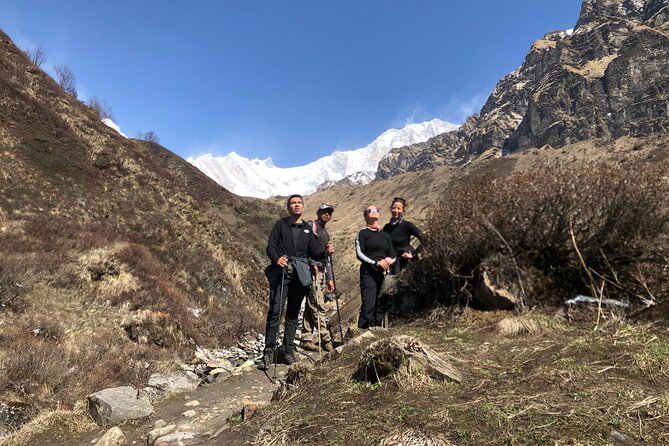
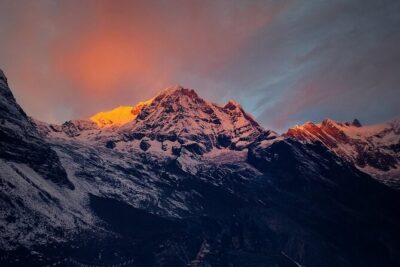
The Annapurna Circuit experience is all about the shift you feel as you climb. Early on, you are moving through river valleys and village trails, then the walk gets steeper and drier as you gain height. By the time you reach the upper sections, the scenery does not just look bigger, it feels sharper, colder, and more serious.
The package is built around that flow. Road transfers get you into the region, trekking days stack logically, and then the schedule spends time at key points like Manang. That matters because altitude is not a theory once you are walking. The tour notes that altitude-related issues start from around 3000 meters for many people, so the pace and timing are part of the safety plan, not just convenience.
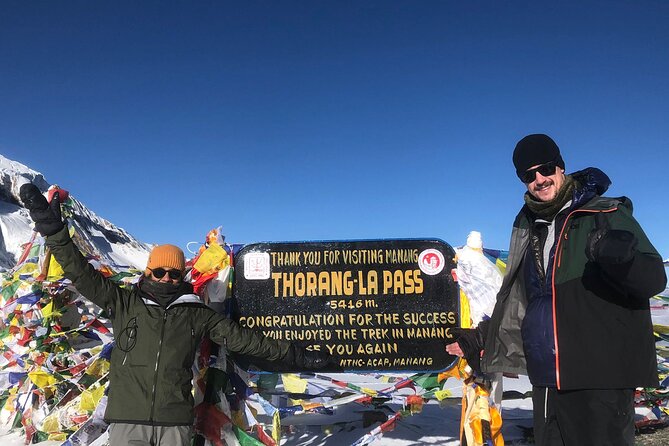
And then there is the day you cross the Thorang La area, followed by an overnight in Muktinath. That is the heart of the circuit, the day that separates first-time trekkers from people who have done high routes. If you take the acclimatization seriously and pace yourself, you put yourself in the best position to enjoy the view without turning it into a survival story.
More of the Annapurna Circuit:
- Annapurna Circuit Trek with Tilicho Lake
★ 5.0 · 368 reviews - Annapurna Circuit Trek
★ 5.0 · 94 reviews - Annapurna Circuit Trek
★ 5.0 · 67 reviews
Kathmandu warm-up: temples, monuments, and getting your bearings
Your trek starts with a full Kathmandu introduction. After you arrive, you get an airport transfer and a welcome dinner. Then the sightseeing days cover four major cultural stops: Boudhanath Stupa, Pashupatinath Temple, Patan Durbar Square, and Swayambhunath Temple.
What I like about this setup is that it does not waste your first day hanging around. The temples give you quick context for Nepal’s religious landscape before you head into the mountains, and they are also a good way to handle jet lag. You can move at a slower pace, take breaks, and get used to traffic and altitude in the city.
What to consider: admission tickets are not included for those temple visits. So you should budget a bit for entry fees. Also, Kathmandu is active. If you are the type who needs quiet downtime right away, plan to treat sightseeing as a warm-up, not your most restful day.
Getting to the trail: Bhulbhule, Jagat, and Dharapani
The transition from city to trail is handled by long drives and a gradual move into the trekking zone.
On the way to Bhulbhule and onward, you spend a lot of time on the road, around 7 to 8 hours. Then the next segment focuses on getting you to Jagat. The itinerary continues by pushing deeper into the Kali Gandaki river corridor, with a descent into areas near Tal, waterfalls, and crossing a suspension bridge.
Dharapani is a key early waypoint at 1960m in the route plan. This is where the trek starts to feel like a true journey. You walk through villages, see the river valley tighter, and begin noticing how quickly comfort changes when you are not near a car or a town.
Possible drawback: early days can feel long because you are combining road time with trekking time. If you hate travel day fatigue, you need to view these days as necessary setup, not a light start.
Chame to Pisang: forests, rocky climbs, and bigger views
Once you reach Chame, the route begins to tilt toward dramatic mountain scenery. The day to Chame includes an ascent through paths toward Timang, with stops passing through Danaque. The next day is for Pisang, where the trail threads through fir and pine forest and climbs through a high, rocky area.
This section is good for first-time circuit walkers because the hiking feels challenging but still manageable. You gain altitude while the walking stays scenic and varied. And the itinerary calls out viewpoints like the Annapurna II area and Pisang Peak view from the route around Bhratang and the valley approach.
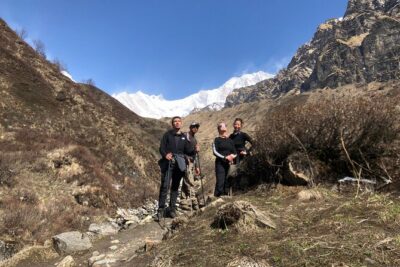
What you should expect: more exposed walking as you get higher. Even when the trail is clear, the air can feel thinner, and cold can show up fast, especially in shade. That is why training and a good boot fit matter. The tour specifically suggests training on hills or stairs and doing some gym time before you arrive.
More to compare around Kathmandu
- Everest Base Camp Trek – 14 Days
★ 5.0 · 1,499 reviews - Everest Base Camp Trek
★ 5.0 · 842 reviews - Private Kathmandu Sightseeing Tour | UNESCO World Heritage sites
★ 5.0 · 756 reviews - Kathmandu: 7 UNESCO Sites with Lunch
★ 4.8 · 744 reviews
Manang acclimatization: the day you should respect
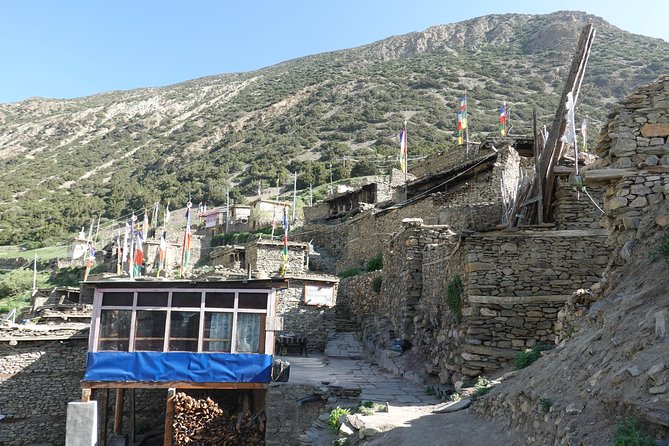
Manang is where the itinerary gives you a full acclimatization day. Instead of simply walking onward, you get a chance for shorter day walks and to focus on views around the village.
This part is practical and smart. The tour schedule also notes that the daytime is best for gaining altitude, which is why your acclimatization day is built like a gentle buffer, not a forced mileage day.
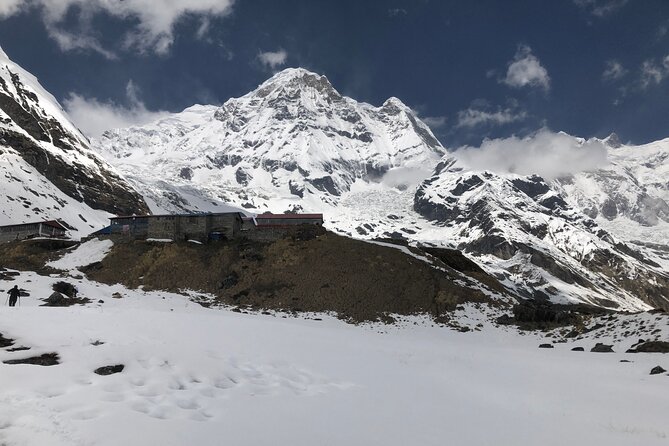
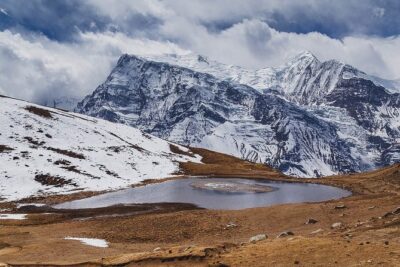
Even better, the route plan includes multiple viewpoints tied to the Manang region. From ridges and approaches near the Manang airstrip area at Hungde, you are set up to see peaks like Annapurna III and Annapurna IV. You also get a broader sense of the region’s geography, including what the itinerary calls out around Tilicho lake views from the ridge into the valley.
Why this is valuable: if you treat the acclimatization day as a rest day plus some easy movement, you improve your odds of feeling steady when the trek turns into rougher terrain later. If you treat it like a shopping day and skip movement, you might still be okay, but it is not the plan’s intent.
Ledar and High Camp: the rougher trail that needs patience
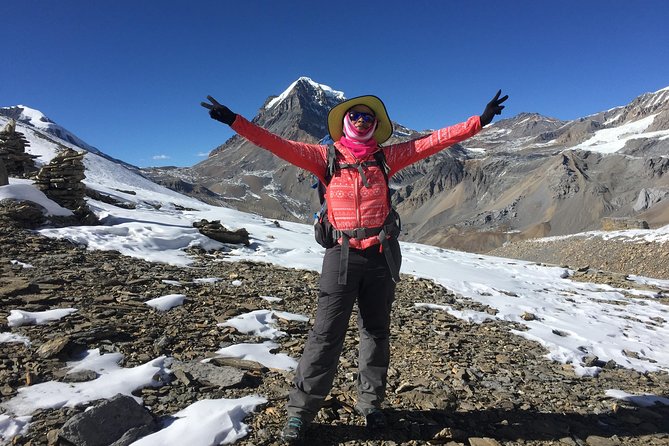
After Manang, the trek heads toward Ledar. The itinerary mentions a steep trail through Tenki Manang and leaving Marshyandi valley, crossing along the Jarsang River, reaching Yak kharkha, and then continuing to Ledar.
Then comes the High Camp day. This is shorter on paper, but the route gets rough. You cross along the Kali Gandaki river on a narrow path and deal with straight up and down sections in places.
This is the part where I tell friends to slow down and stop trying to “out-walk” altitude. Your legs might want to move faster, but your breathing calls the shots. If you start feeling behind, it is usually not a problem with you, it is a problem with effort level versus height.
Also, the tour notes that lodges are simple and bathrooms are outside the rooms with hot water dependent on solar panels. In these upper days, you should plan your energy around staying warm and drying what you can.
Thorang La to Muktinath: the hardest day, and why the overnight matters
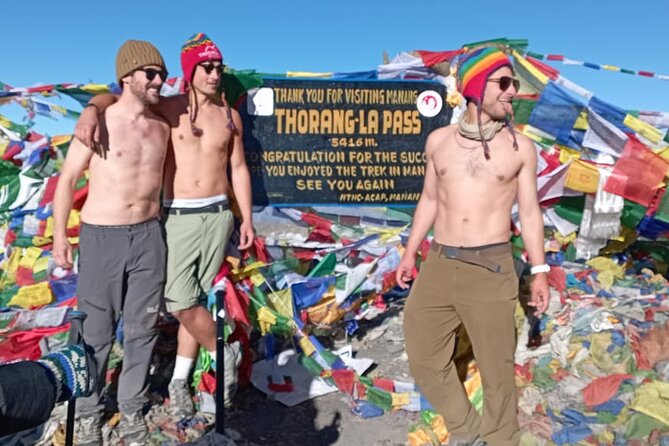
The Thorang La crossing day is described as tough. The itinerary says it is a little tough because you cross the pass area, then follow the trail to Muktinath, where you overnight.
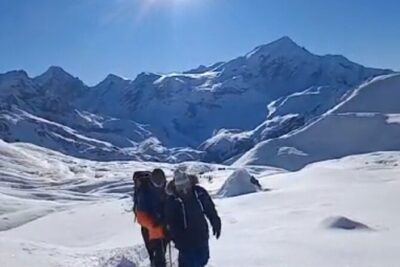
Even without getting too technical about altitude numbers, the key takeaway is that this day requires a steady approach. The best strategy is boring and effective: start slow, keep your breathing controlled, and take stops as needed. When you arrive, you get the reward of Muktinath as a high-altitude destination and a chance to settle rather than rushing into another immediate long move.
Then the next day continues from Muktinath to Jomsom. That keeps the momentum moving, but it also gives your body a chance to recover after the pass day.
Jomsom flight to Pokhara: trading trail dust for real downtime
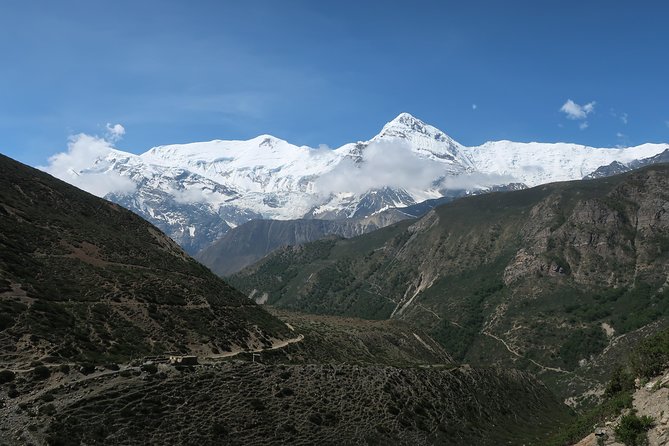
After Jomsom, you take an early flight to Pokhara. That flight is included in the tour price, and this is one of the smartest time-savers in the whole package.
In Pokhara, you get to freshen up and decide how to spend the time: visit the city or choose an optional helicopter tour in Annapurna Basecamp. Since the helicopter option is listed as optional, you can decide based on weather and budget.
What I like about this transition is that it breaks the trek into two moods: mountain work, then recovery time. Pokhara also gives you better access to supplies and meals that feel less basic than lodge trekking food.
Price and logistics: what $1,350 really buys you
At $1,350 per person, this is not a cheap trek. But it can be good value if you understand what’s included.
Here is what the package covers in the practical sense:
- Airport pickup and drop in Kathmandu
- Transportation by tourist bus for the Kathmandu to Bhulbhule segment and Pokhara to Kathmandu
- 3-star category hotels in Kathmandu and Pokhara on a twin-share basis with breakfast
- Lodging in simple trek lodges with breakfast during trekking days
- Meals, accommodation, insurance, and other expenses of the trekking crew
- Guided sightseeing in Kathmandu and Pokhara
- TIMS and necessary trekking permits
- Trek equipment like a sleeping bag and a duffle bag if needed
- Flight fare for Jomsom to Pokhara
- Government taxes and office expenses
- A welcome dinner on day one
What is not included, and you should plan around:
- Lunch and dinner in Kathmandu, Pokhara, and on trek days
- City sightseeing entry fees in Kathmandu
- Your international flight to Nepal
- Your visa in Kathmandu upon arrival
- Personal expenses
- Optional add-ons like the helicopter tour
To decide if this is worth it for you, look at your tolerance for planning gaps. If you do not want to handle permits, logistics, and guide coordination, you are paying for that system. If you are a strong self-planner, you might find cheaper approaches. But if you want an organized route through the Annapurna Circuit with permits handled and a team on the ground, the included structure matters.
Comfort, gear, and the reality of lodge life
I love that the tour gives clear expectations about trek conditions. Lodges on the route are family-run and simple. Bathrooms are outside the rooms. Hot water depends on solar panels, so do not count on many warm showers.
On the gear side, the tour says you can buy or access basics in Kathmandu near the hotel, including walking poles, jackets, water bottles, and rucksacks. Still, the big “must” is a pair of fairly well worn hiking boots or shoes. If your footwear is new and stiff, your feet will tell you about it after long up and down days.
Weather guidance is also part of the plan. For tours between November and the first two weeks of March, you need a jacket suitable for zero degrees Celsius. For other times, bring a jacket for 4 to 6 degrees Celsius, plus layers.
Water is handled with a strong recommendation: drink at least 3 liters of pure water daily. You can use purification tablets or fill at recognized and regulated pure water stations along the trek. Bottled water is listed as a last option.
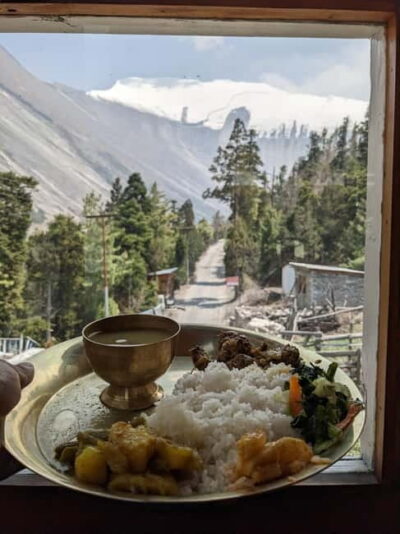
Food is another planning point: breakfast during trekking is included, but lunch and dinner are not. That means you should carry spending money for those meals. Also, only Nepali rupees are accepted on the trek.
The people factor: why the guides and porters matter
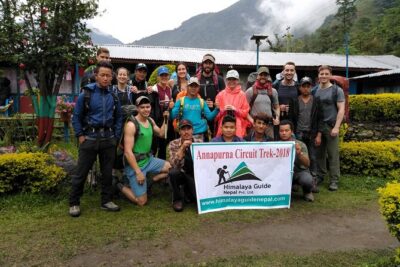
This kind of trek lives or dies by leadership and support. One consistent theme in their broader trek feedback is that guides and porters show patience, step in proactively, and keep the group steady when conditions get tough.
You see names pop up across their trips. For example:
- Ganesh is specifically praised on an Annapurna Circuit experience for giving confidence and safety
- Tikaram and Sagar Karki are praised for careful, heartwarming guidance and helpful support
- Shankar Timalsina is praised for going above and beyond
- Ram leads a group of women around age 60 and is described as wonderful
- Porters like Prakash and others are mentioned for excellent services and constant care
Even if your own crew is different, it gives you a sense of what they tend to hire and how they operate: English-speaking guides, plus porters sized to group luggage needs, and a team approach rather than a race to finish.
The tour also gives a realistic porter setup. It says there will be one porter for two people, with a weight limit of 10 to 13 kg per person. You store excess baggage in Pokhara before you begin the trek, then you carry only what you need.
And yes, tipping is part of mountain ethics. The guidance suggests tipping your guide, porters, and drivers depending on trek length, and it notes that porters may pool tips and split them with the guide getting more for overseeing safety and welfare.
Who this trek is for, and how to prepare
This route suits people with moderate physical fitness who can handle 5 to 7 hours of trekking daily, often around 10 to 14 km per day. The tour specifically notes it is suitable for fit people into their early 60s, which tells you the pacing is not designed to be a sprint.
Training matters. The tour recommends months of preparation like climbing hills or stairs, jogging, and some gym time for stamina. If you do that, the trek tends to feel like a demanding outdoor challenge rather than a random shock.
I’d also take the health guidance seriously. If you have existing conditions, altitude concerns, or you tend to get sick easily, talk to your doctor before you go. The tour suggests altitude sickness can start from around 3000 meters, and it is not a risk to gamble on.
Should you book this Annapurna Circuit Trek?
Book it if you want:
- A guided Annapurna Circuit with permits and logistics handled
- A team-based trek with English-speaking guidance and a real support structure
- Time in Manang for acclimatization, not just a forced push upward
- Comfort upgrades where it matters, meaning Kathmandu and Pokhara hotels and a flight after Jomsom
Skip it or choose a different format if:
- You need consistently warm showers and private rooms every night
- You hate long travel days before the walking begins
- You are not comfortable with cold weather and basic lodge conditions
If you do book, go in with the right mindset: the magic is not in ticking boxes. It is in pace, your crew’s support, and taking the mountain seriously enough to enjoy it.
FAQ
What is the start location and time for this trek?
It starts at Tribhuvan Airport in Kathmandu, Nepal at 6:00 am.
How long is the Annapurna Circuit Trek package?
The duration is 16 days, approximately.
What is the price per person?
The price is $1,350.00 per person.
What meals are included in the trip?
The tour includes dinner on Day One. During the trek, lodging with breakfast is included. Lunch and dinner in Kathmandu, Pokhara, and on trekking days are not included.
Are airport transfers included?
Yes. Airport pickup and drop are included.
Are trekking permits included?
Yes. The tour includes TIMS and necessary permits for the trekking.
Do I get any trekking equipment?
Yes. The tour includes necessary equipment such as a sleeping bag and a duffle bag if necessary.
What about lodging, are rooms private?
Lodges are simple during the trek. Rooms are typically twin sharing for the duration, and some lodges may not have enough rooms for private accommodation even if you request single supplement.
How is drinking water handled on the trek?
You should drink at least 3 liters of pure water daily. Options include purification tablets or filling at recognized and regulated pure water stations along the trek. Bottled water is not recommended as the main option.
What should I budget for lunch, dinner, and city entry fees?
Lunch and dinner in Kathmandu, Pokhara, and trekking days are not included, and Kathmandu city sightseeing entry fees are also not included.
Who is this trek suitable for physically?
The tour expects about 5 to 7 trekking hours daily, roughly 10 to 14 km per day, and it is recommended for moderate physical fitness with prior training such as hills, stairs, and stamina work.
Latest Kathmandu write-ups
- Langtang Valley Trek★ 5.0 · 3 reviews
- Khopra Danda Trek★ 5.0 · 3 reviews
- Langtang Valley Trek from Kathmandu★ 5.0 · 3 reviews
- 5 night / 6 days Kathmandu Nagarkot Chitwan Pokhara tour★ 5.0 · 3 reviews
- Nepal Highlights Tour: 5 Nights 6 Days Kathmandu & Pokhara Tour★ 5.0 · 3 reviews
- Kathmandu Valley Private Day Tour★ 5.0 · 3 reviews
- Kathmandu Heritage Day Tour★ 5.0 · 3 reviews
- Conquer the Himalayas: The Ultimate 16-Day Annapurna Circuit Trek★ 3.5 · 3 reviews
Annapurna Circuit Trek, compared.
15-Day Private Annapurna Circuit Trek from Kathmandu
Read our review →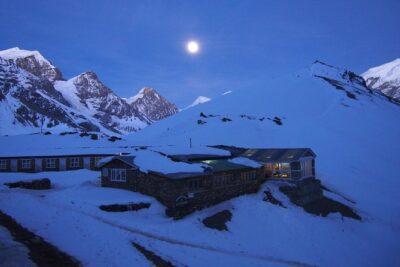
8 Days Private Guided Trekking in Annapurna Circuit with Pickup
Read our review →Browse the lists this tour appears in