Reviewed · VIP
Annapurna Luxury Circuit Trek
If you like the idea of a classic Annapurna Circuit trek but you also want things to run smoothly, this trip is interesting for a simple reason. You get teahouse and lodge trekking comfort inside one of Nepal’s best-known high routes, plus 4-star hotel nights when you’re not on foot. The route also focuses on safety and acclimatization, which matters once the air gets thin.
I especially like how the logistics feel handled from the first morning, with airport pickup and a clear start time (6:15 am). I also like the human support built in, including a porter setup and guidance that helps you understand what you’re doing and why, not just where you’re going. In past trips with Nepal Trek Adventure and Expedition P. Ltd., leaders such as Binod and Shiva are named as key faces, and that lines up with how the experience is described as organized and safety-minded.
One possible drawback to keep in mind is that luxury does not remove the altitude challenge. You still reach the 5,416 m Thorong La Pass area, and the toughest days require moderate fitness and a calm attitude toward pace.
Key things worth knowing before you go
- Luxury comfort is paired with a real trek, not a watered-down version of the Annapurna Circuit
- Small groups (max 10) help keep the experience controlled and easier to manage
- Porter support is included with 2 guests sharing 1 porter for your luggage
- Manang includes an acclimatization day, plus learning about acute mountain sickness via the Himalayan Rescue Association in Vraja village
- You finish with flights, including Jomsom to Pokhara and Pokhara to Kathmandu, so you don’t drag the trip out
- Safety and planning get emphasized, with guide teams led by leaders such as Shiva, and support that aims to keep everything on track
Arrival in Kathmandu and the 6:15 am kickoff
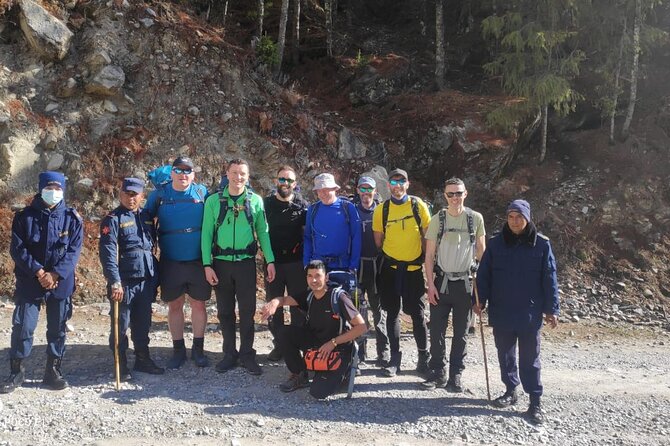
Day 1 is all about getting set up in Kathmandu, not forcing jet lag into a hard workout. You meet an airport representative outside the terminal with a Nepal Trek Adventures signboard, then you’re transferred to your hotel. This is followed by a trekking pre-briefing, so you know what comes next before you start climbing.
Then there’s the practical part. The group start time is 6:15 am, and you have a ticket redemption point at Nepal Trek Adventure and Expedition P. Ltd. in Thamel Marg, Kathmandu. If you’re the type who likes to feel ready early, this schedule can be a plus because it reduces last-minute chaos.
In a trip like this, first-day calm helps later. You’ll be dealing with altitude, long days, and weather changes, so you want your basics locked in early: where your room is, what to pack, what time breakfast happens, and how the team is handling meals and movement.
More to compare around Kathmandu
- Everest Base Camp Trek – 14 Days
★ 5.0 · 1,499 reviews - Everest Base Camp Trek
★ 5.0 · 842 reviews - Private Kathmandu Sightseeing Tour | UNESCO World Heritage sites
★ 5.0 · 756 reviews
Drive into the Annapurna Circuit: Kathmandu to Besisahar to Chame
On Day 2, you switch from city to countryside with a drive from Kathmandu to Besisahar. The trip takes about 6-7 hours, passing lush green hills, traditional towns, and changing scenery that gradually feels less urban. Once you arrive, you get time to rest, eat local food, and prepare for the trekking rhythm.
Day 3 continues by road, driving from Besisahar to Chame in another 6-7 hours. You’ll pass terraced fields, small towns, and a series of suspended bridges over rivers. Chame sits at about 2,670 m, and it’s described as a gateway toward the Manaslu area, which gives you that sense of stepping into a larger mountain region.
What I like about these drive days is that they help you ease into the route without immediately stacking fatigue on top of altitude adjustment. What to watch for is simple: long vehicle days can make you stiff. You’ll feel better if you stretch during stops, drink enough water, and don’t treat the first trek day like a sprint.
Upper Pisang and your first proper teahouse reset
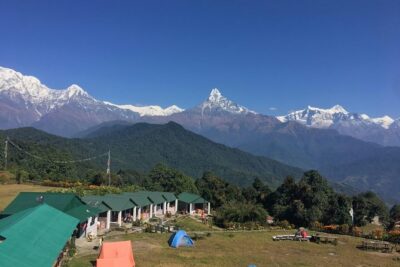
Day 4 shifts you from road travel into trekking toward Upper Pisang. The day is described as walking through dense forests, crossing streams, and moving near large rocks. When you reach Upper Pisang, you get views of the Annapurna range and the valley below, plus a culture that’s more visible in everyday life than in a museum setting.
Upper Pisang is also where monasteries and local traditions come into focus. This matters on a luxury trek because you’re not rushing only for photos. You’ll have time to ask questions, notice how people live at elevation, and understand what’s important locally, not just what’s impressive to outsiders.
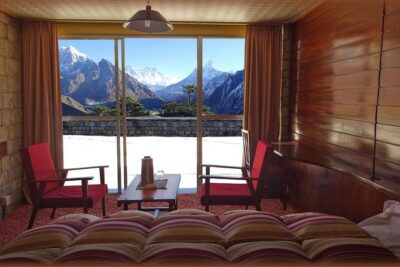
Even though it’s a “luxury” trek, the overnight is still a teahouse style stay. That’s part of the charm. Think cozy, warm enough for sleep after a walking day, and set up for the next morning. If you’re picky about hotel-level comfort every night, you may need to mentally recalibrate here.
Manang at 3,540 m: where acclimatization becomes real
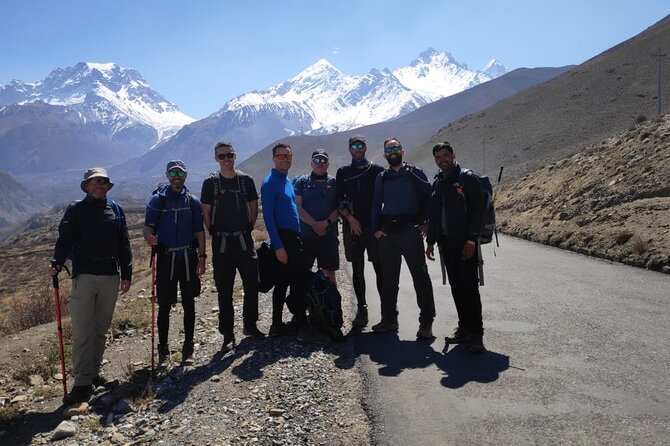
Day 5 brings you to Manang at about 3,540 m, after hiking through the Marsyangdi Valley. The higher you go, the more barren the land gets, and the air thins. Manang is described as a major trade center, with Tibetan-influenced buildings around the village.
This is one of the best parts of the Circuit for travelers who want more than scenery. You can walk around, take in mountain views, and spend time at altitude before you push higher. The point is not just sightseeing. It’s giving your body time to adjust.
Day 6 is a true acclimatization day in Manang, and that’s a major value piece on this specific trek. The plan includes an educational visit to Vraja village to learn from the Himalayan Rescue Association about acute mountain sickness and related risk factors. You also get time to explore locally and even take short hikes to higher ground as part of the adjustment plan.
If you’ve ever felt “fine” at 3,000 m and then got hit later higher up, this day is the part you’ll appreciate most. It’s not glamorous, but it can be the difference between moving steadily and losing days.
A different sort of day out of Kathmandu:
- Kathmandu: 7 UNESCO Sites with Lunch
★ 4.8 · 744 reviews - Everest Base Camp Helicopter Tour landing at Everest View Hotel
★ 5.0 · 668 reviews - Half day cooking class in Thamel kathmandu
★ 5.0 · 607 reviews - Everest Base Camp Trekking
★ 5.0 · 485 reviews
Ladar and Thorong High Camp: the trek steepens, snow shows up
Day 7 hikes from Manang to Ladar. The route is described through juniper and pine forests, with views of the Annapurna range. As you approach Ladar at around 4,230 m, you start seeing stronger Tibetan cultural influences in buildings and village life. The hike is said to take about 5-6 hours, which keeps it tough but manageable.
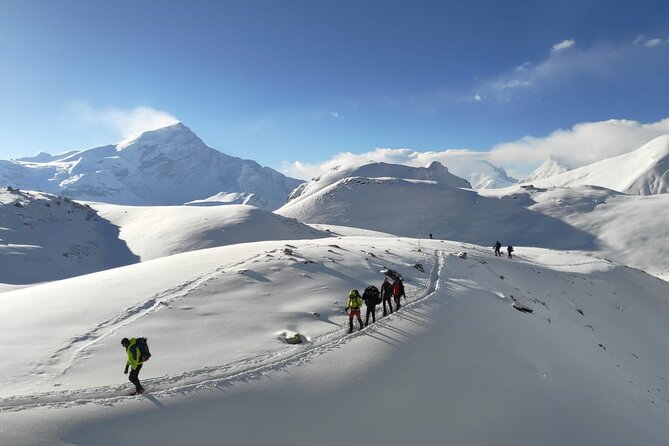
Day 8 is where the effort shifts into high-altitude mode. You head toward Thorong High Camp, and the text emphasizes that above the tree line the trail becomes empty and snow-covered. That’s important. Even if you’re physically prepared, the terrain can feel unfamiliar once green hills stop being a visual cue and snow slopes become the norm.
This section is described as harder because the altitude rises and the ground gets steeper. Expect a day where you move slower than you’re used to, especially if you’re trying to keep the same pace as lower elevations. Luxury here mainly means you have support and guidance so you can focus on steady movement rather than route-finding.
Thorong La Pass at 5,416 m and the descent to Muktinath
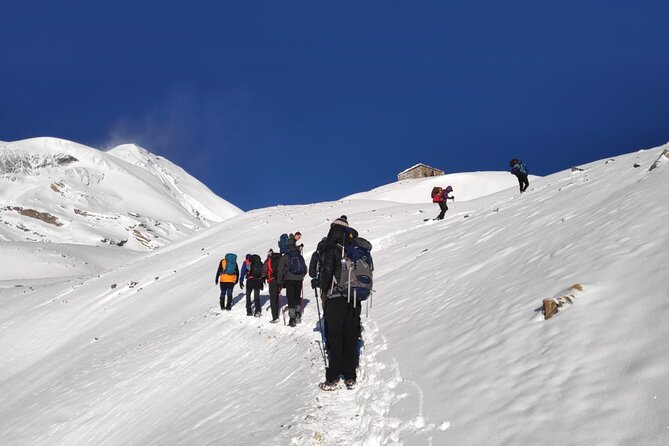
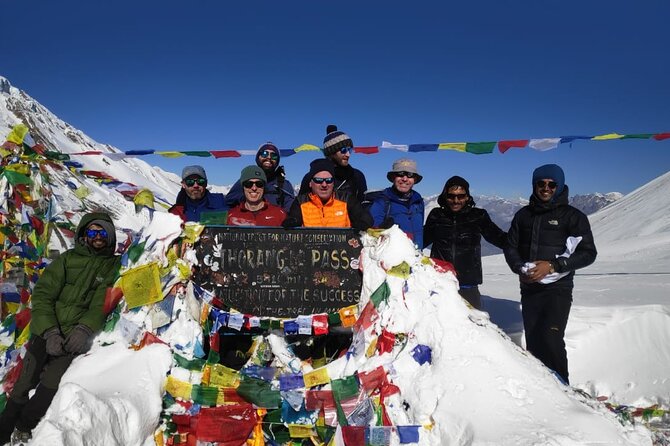
Day 9 is the headline day for many people. You cross Thorong La Pass at 5,416 m, and it’s described as the hardest part of the trek. The climb to the pass can be challenging, but the payoff is the views of mountains and rivers around you.
After crossing, the plan goes downhill toward Muktinath, a holy site with both Hindu and Buddhist churches and natural spring water sources. This is one of those places where the trek becomes more than exercise. You’re walking into a spiritual stop that’s embedded in local belief, and you’ll feel the change in mood once you’re no longer fighting only steep altitude.
The descent takes about 6-7 hours in the description. If you’re tempted to celebrate once the pass is done, remember your body is still adjusting. Descents can be as demanding as climbs on knees and lungs, especially at altitude.
Marpha to Jomsom: stone houses, apple orchards, and strong winds
Day 10 treks from Marpha to Jomsom, crossing the Kali Gandaki River and traveling along the riverbank. The route is described as passing charming towns with traditional stone houses and apple orchards, which gives you a different feel from the higher, more barren sections.
Jomsom is the administrative center of the Mustang area, with more stores, hotels, and places to eat. There’s also a Jomsom Museum and hot springs, so it’s not just a place you pass through. One practical note: Jomsom is known for strong winds, and you should be ready for stormy conditions.
This is a day where you’ll likely feel the contrast between high-altitude work and lower, more settled village life. The reward is that you end the trek portion with a real town base, not just a remote lodge and an early night.
Jomsom to Pokhara by flight: ending the hike without dragging it out
Day 11 is a morning flight from Jomsom to Pokhara. The flight is described as giving you views of Dhaulagiri and Annapurna. When you arrive, Pokhara feels calmer, with lakeside scenery and mountain views.
This matters for “luxury” travelers because it reduces the amount of time you spend in transit fatigue. Instead of continuing a long walk day, you get to recover while still getting dramatic scenery.
You can use the day to visit Fewa Lake and enjoy Pokhara’s energy. Since this is the last hiking day, it’s also a good moment to let your body reset. Walk a little, eat well, and avoid turning the final day into another strenuous activity just to feel productive.
Pokhara to Kathmandu and the farewell dinner you’ll actually remember
Day 12 brings a short 30-minute flight from Pokhara to Kathmandu, described as offering views of Himalayan ranges. Once you land, you’re transferred to your hotel and you can freshen up and relax.
Then comes a farewell dinner held by the company in the evening. This is one of those small “not physical” parts of the trip that tends to matter later. You can compare notes with your guide and your group, and reflect on what you learned at altitude, especially if you paid close attention during the acclimatization and safety-focused portions earlier in the trek.
Day 13 is straightforward, with an airport representative taking you to Tribhuvan International Airport in Kathmandu so you can catch your flight out of Nepal.
What you get for $2,000: luxury that pays off in planning and comfort
The price is $2,000 per person, and for that level of money you should expect more than a nicer blanket. Here, the value comes from how the trip is organized and how much time it saves you from decision fatigue.
Included highlights that are easy to feel on the ground:
- 2 nights at 4-star hotels in Kathmandu and 2 nights at a 4-star hotel in Pokhara
- Porter support for luggage, with a setup where 2 guests share 1 porter
- Pre-briefing before you start trekking, so you’re not guessing what to do at each elevation shift
- Meals listed as included, including lunch and dinner on day 11, and breakfast on day 12
There’s also an inclusion line for flights listed as Kathmandu-Lukla-Kathmandu. Your main in-trip flights described are Jomsom to Pokhara and Pokhara to Kathmandu, so I’d treat the Lukla item as something you should confirm for your exact departure. It’s worth asking a clear question before you pay the final balance, so you’re not surprised later.
Also, the package includes permits, so you’re not handling paperwork while trying to enjoy the trek. That alone can be worth real money when you factor in time, stress, and the chance of missing details.
Fitness, altitude, and packing notes that keep the trip pleasant
This trek is best for moderate physical fitness, with the key reason being altitude and the hard pass day. You can prepare with walking workouts, but also practice pacing. At Thorong La Pass territory, moving slower is not weakness. It’s smart.
Altitude risk is addressed in the plan. You get a rest and acclimatization day in Manang at 3,540 m, plus a learning session about acute mountain sickness via the Himalayan Rescue Association in Vraja village. You still need to do your part, though: drink water, eat what you can, and don’t treat the highest day as a moment to prove toughness.
On the gear side, personal trekking equipment is not included, and that affects comfort a lot. Bring the basics you know you’ll need, and don’t count on borrowing. Also, travel insurance is required and must cover both medical needs and emergency evacuation. That’s non-negotiable for high-altitude trekking.
Tipping is expected for the guide and porter. If you’ve never tipped on multi-day treks, set aside a budget early so it doesn’t feel awkward later.
Who should book this Annapurna Luxury Circuit Trek
You’ll probably love this if you want the Annapurna Circuit experience with less friction. This is ideal for people who:
- want comfort upgrades like 4-star hotel nights before and after the trekking days
- value having a plan you can trust, with pre-briefing and a small group size (max 10)
- prefer not carrying everything yourself, thanks to porter support
- are willing to respect altitude and follow pacing and acclimatization guidance
I would not recommend it to someone who wants an ultra-solo, DIY feel. The route includes hard high passes and snow at higher elevations, so your best time comes when you let the team do the job they’re hired for.
If you hate the idea of teahouse nights entirely, consider whether you’re okay with “comfortable enough” lodging during trek days, while reserving the true luxury for Kathmandu and Pokhara.
Should you book this trek?
Yes, if you want a high-quality Annapurna Circuit experience that treats safety and logistics as part of the adventure, not an afterthought. This trip makes the case that luxury can mean smoother travel, better organization, and practical support like porters and acclimatization structure.
No, if your plan depends on peak comfort every night or if you’re not ready for the hard day at Thorong La Pass. In that case, you’ll spend too much energy resisting the physical reality of the mountains.
If you’re on the fence, ask the operator two clear questions before you commit: how they structure your acclimatization pacing for your group, and how the included flight line fits your dates. Get those answers, then book with confidence.
FAQ
What time do we meet on the first day?
The start time is listed as 6:15 am, with ticket redemption at Nepal Trek Adventure and Expedition P. Ltd., Thamel Marg, Kathmandu 44600, Nepal.
How long is the Annapurna Luxury Circuit Trek?
It’s listed as 13 days (approx.).
What is the maximum group size?
The tour lists a maximum of 10 travelers.
What kind of accommodations are included?
The package includes lodges and teahouses during the trek, plus 2 nights at a 4-star hotel in Kathmandu and 2 nights at a 4-star hotel in Pokhara.
Is airport pickup included in this trip?
Yes. Pickup is offered, and an airport representative meets you outside the terminal with a signboard, then transfers you to your hotel.
Do you get porter help?
Yes. A trekking porter is included for carrying luggage, and it’s described as 2 guests sharing 1 porter.
What about meals during the trip?
The included section lists lunch (11), dinner (11), and breakfast (12).
How does the trip handle altitude sickness risk?
The plan emphasizes proper acclimatization to help minimize altitude sickness. It also includes time in Manang to adjust and a visit in Vraja village to learn from the Himalayan Rescue Association about acute mountain sickness.
What is the highest point on the trek?
The toughest highlighted section is crossing Thorong La Pass at 5,416 meters.
Is travel insurance required, and what is not included?
Travel insurance is required and must cover medical needs and emergency evacuation. Not included are alcoholic drinks, alcohol-free drinks, personal trekking equipment, and tips for the guide and porter.
Latest Kathmandu write-ups
- Langtang Valley Trek★ 5.0 · 3 reviews
- Khopra Danda Trek★ 5.0 · 3 reviews
- Langtang Valley Trek from Kathmandu★ 5.0 · 3 reviews
- 5 night / 6 days Kathmandu Nagarkot Chitwan Pokhara tour★ 5.0 · 3 reviews
- Nepal Highlights Tour: 5 Nights 6 Days Kathmandu & Pokhara Tour★ 5.0 · 3 reviews
- Kathmandu Valley Private Day Tour★ 5.0 · 3 reviews
- Conquer the Himalayas: The Ultimate 16-Day Annapurna Circuit Trek★ 3.5 · 3 reviews
- Kathmandu Heritage Day Tour★ 5.0 · 3 reviews
VIP, compared.
Nepal in Luxury: Kathmandu, Chitwan & Pokhara Escape – 8 Days
Read our review →
10 Day Kathmandu, Nagarkot, Chitwan, Lumbini, Pokhara Luxury Tour in Nepal
Read our review →