
Reviewed · EVEREST BASE CAMP TREK
Everest Base Camp Luxury Lodge Trek
The Everest Base Camp Luxury Lodge Trek is interesting because it targets the two most famous non-summit goals in the Everest region, Everest Base Camp and Kalapathar, without making you rough it. I like the built-in comforts like upscale Kathmandu nights and good lodges on the trail, plus the steady support system with an English-speaking guide and a porter in a 2:1 ratio. The catch to consider is that this is still a high-altitude trek, so you need a realistic fitness base and you should plan for cold, basic lodge life at elevation.
I also love that the trip mixes mountains with culture. You get time for major UNESCO Kathmandu sights before you go high, and you’ll spend meaningful hours at places like Tengboche Monastery and Sherpa villages as you climb through Sagarmatha National Park. The tradeoff is price: at $3,840 per person, this is not a budget trek, and the luxury is mostly in comfort and logistics, not in changing the altitude reality.
Key things I’d zero in on before you go
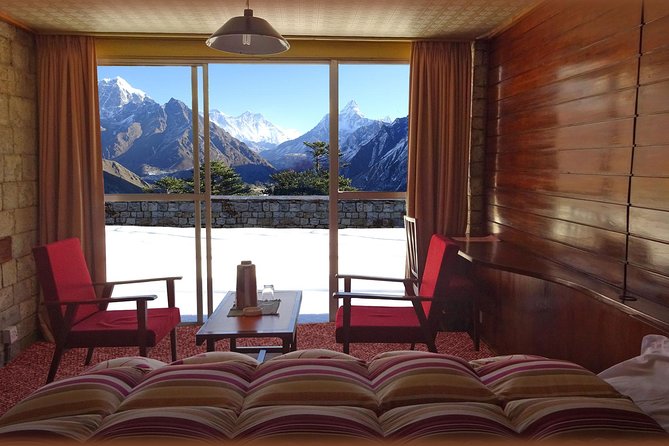
- Luxury lodge focus on the Everest route: better beds and smoother logistics on key nights, while you still hike the classic EBC stages.
- Kathmandu culture day that is actually useful before altitude: Durbar Square area in Bhaktapur, Pashupatinath, and Boudhanath, plus a pre-trip group talk.
- Acclimatization built into the schedule: Namche and Dingboche give you real altitude checks with easier option hikes.
- Monastery and Sherpa village time, not just peak-chasing: Tengboche, Pangboche, and the route through Khumbu communities.
- Kalapathar sunrise is part of the core plan: it’s a moderately steep hike, timed for views when the light hits.
- Porter support in a 2:1 ratio: that matters when you’re already carrying less than you would on your own.
Luxury on the Everest trail, what that means in real life
When people say luxury for trekking, they often mean bigger queues for hot showers. Here, the luxury is simpler and more practical. You get private air-conditioned vehicle transfers in Kathmandu, a comfortable Kathmandu hotel set for multiple nights, and “best available” lodge standards during trekking. Your trek nights are planned with care, not left to chance.
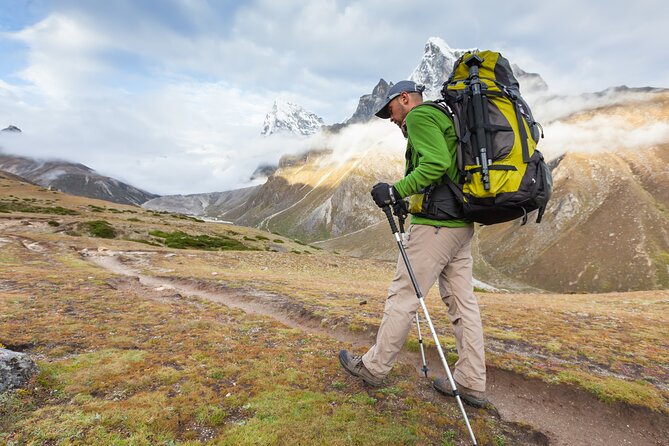
You also get a support team built into the package. An experienced English-speaking guide is included, and there is porter support in a 2:1 ratio, which typically means you carry less than a self-supported trek. You should still expect to carry a day pack. The difference is you are not trying to haul most of your life up and over passes with no help.
The big thing to know is that luxury does not remove altitude risk. The plan explicitly calls out pacing to reduce the risk of Acute Mountain Sickness, especially as you move toward Everest Base Camp. So if you’re imagining this as effortless, adjust that expectation now.
More ways to walk to Everest Base Camp:
- Everest Base Camp Trek – 14 Days
★ 5.0 · 1,499 reviews - Everest Base Camp Trek
★ 5.0 · 842 reviews - Everest Base Camp Helicopter Tour landing at Everest View Hotel
★ 5.0 · 668 reviews
Kathmandu setup days: UNESCO first, altitude prep second
Your trek starts with a clean, organized on-ramp in Kathmandu. On arrival, you’re met and escorted to your hotel, and the team handles the practical stuff like collecting documents, permits, and trek tickets. There’s also time to explore the market area for any missing equipment. That sounds small, but it saves stress later when you’re tired and the clock is moving.
Day 2 is a full guided Kathmandu day across major UNESCO-listed sites. You’ll visit Bhaktapur Durbar Square, plus Pashupatinath Temple, and Boudhanath Stupa. This is a smart pairing: sacred Hindu architecture at Pashupatinath, then one of the largest Buddhist stupas in the world at Boudhanath, with prayer flags and Tibetan Buddhist links in the background.
The evening matters too. The itinerary includes a late-afternoon group discussion before you start trekking. I like this approach because it gets everyone synced on the plan, gear basics, and what to watch for physically once you’re in the mountains.
Day-by-day: Lukla to Phakding, your first Khumbu rhythm
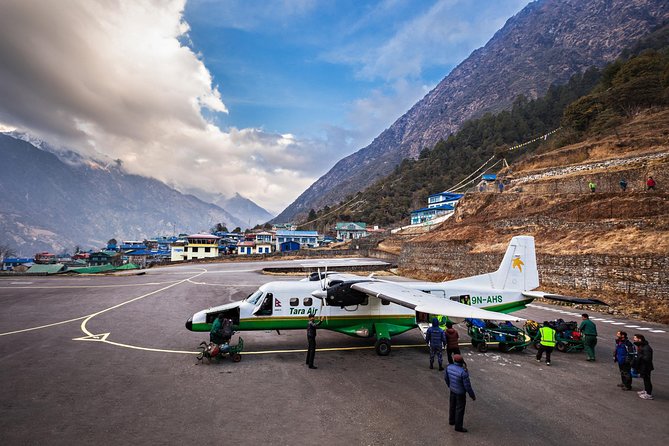
On Day 3, you fly from Kathmandu toward Lukla and then begin trekking toward Dudhkoshi Ghat. The route passes Chaurikharkha village before you reach Phakding at 2,652 m (8,300 ft). This first trek day is your reality check, but it’s also a gentle one compared to later days. You see the start of the Khumbu feel fast.
You’ll also be watching for mountain atmosphere early. The route includes a first big view of Mt. Khumbila, a peak Sherpa communities revere and keep in their local story. It’s a nice reminder that this region is not just a hiking product.
Your overnight is at Sherpa Shangrila Resort or a similar upscale property. That’s part of the luxury promise here: you sleep well before you start stacking altitude days.
One practical note: flights to Lukla can run from Ramechhap on peak seasons like April, May, October, and November since direct flights aren’t available then. The itinerary also mentions helicopter service as an option for an additional USD 300. If you’re traveling in a busy season, ask about the flight plan early so you can plan your timing.
Namche Bazaar: the acclimatization “mini Thamel” stop
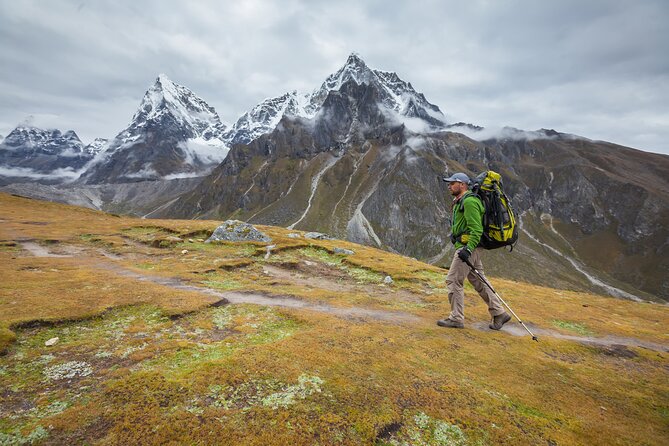
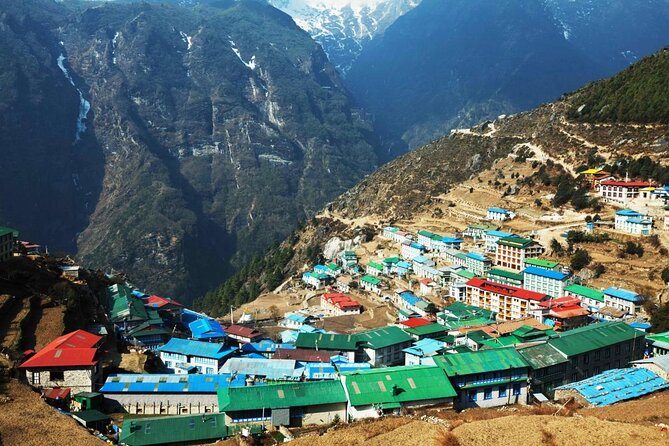
Day 4 pushes you to Namche Bazaar, and it includes a lot of the classic early Everest walking scenery. Expect pine forest, riverbank hiking along Dudh Koshi, and the well-known Hillary Suspension Bridge. You might spot wildlife such as red panda, Himalayan bear, or Himalayan thar as you enter Sagarmatha National Park.
Namche is also described as a Mini Thamel style hub, meaning it’s one of the places where you actually feel like you’ve arrived in the Everest region. It’s not a tiny trail halt. It’s a real town with lodges, eateries, and life.
That first Namche night is at Namche Hotel or a similar property. It’s a practical comfort stop because Day 5 is another Namche day, and it’s designed to help you adjust.
On Day 5, you keep the day flexible. You can do a short hike to explore, and you can choose among option styles. There’s a possible sunrise stroll focused on iconic peaks like Everest, Lhotse, AmaDablam, and Thamserku. Or you can choose a day hike to Khumjung, with a visit to Edmund Hillary School and a monastery rumored to house a yeti scalp. Even if you treat that story as folklore, it’s still a meaningful cultural stop tied to the region’s legends.
The luxury value here is not only the lodging. It’s the pacing. You’re not forced to sprint higher on a fixed schedule. You get control, plus the guide can steer you based on how you feel.
More to compare around Kathmandu
- Private Kathmandu Sightseeing Tour | UNESCO World Heritage sites
★ 5.0 · 756 reviews - Kathmandu: 7 UNESCO Sites with Lunch
★ 4.8 · 744 reviews - Half day cooking class in Thamel kathmandu
★ 5.0 · 607 reviews - Everest Base Camp Trekking
★ 5.0 · 485 reviews
Tengboche Monastery and the Sherpa village focus
Day 6 is where the trek starts leaning more serious. You move uphill through forest and riverbank terrain toward Tengboche Monastery, noted as the largest in the Everest region. The timing detail is useful: the monastery typically opens at 3:00 PM, so the plan aims to have you arrive around that window.
This is one of my favorite kinds of stops on Everest treks. You’re not just chasing a view. You’re stepping into a place that Sherpa communities treat as spiritual center, with big religious significance for life in the Khumbu.
You’ll also get wide mountain views from the area, including AmaDablam, Thamserku, and Khumbila. Those peaks come into view in different ways depending on cloud cover, so arriving at a reasonable time helps you actually see the place, not just pass it.
You sleep at Rivendell Lodge or similar. This is also where the “luxury” label should be taken carefully. At elevation, “nice” means warm enough rooms, decent service, and food that helps you recover. It doesn’t mean modern amenities like you’d expect in Kathmandu.
Dingboche: altitude management done the smart way
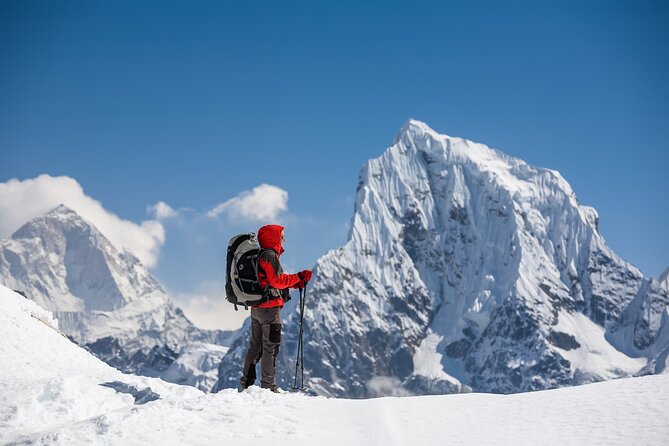
Day 7 brings you to Dingboche at 4,360 m (14,300 ft). The route goes through alpine forest, with conifer and rhododendron along the way. You’ll pass Sherpa villages like Debuche and Pangboche, and there’s a possible stop at Pangboche Monastery, noted as one of the region’s oldest.
Crossing rivers on the way in is part of the rhythm. The plan includes the Imja and Lobuche rivers, and then you arrive in a village known for barley, potato, and buckwheat fields, plus grazing animals.
The overnight is at Good Luck Hotel or a similar property. That name is repeated in the itinerary, and it hints at the fact that this company is aiming at comfortable lodge standards, not basic teahouse survival.
Day 8 is another acclimatization day. You hike up to a ridge behind Dingboche for views of Lhotse, Makalu, Cho Oyu, Cholatse, and Taboche, plus Lobuche West and East and Lhotse over the Khumbu Khola valley. Then you go back down to Dingboche to rest and prepare for harder walking.
That up and down pattern is the whole altitude strategy. You get the view reward, then you reduce strain when your body needs it most. If you follow the guide’s pacing, this day can make the pass days ahead feel manageable.
Thukla Pass to Lobuche: where the views meet fatigue
Day 9 is a step up. You head toward Pheriche valley and then climb gradually to Thukla. There’s a stop for lunch in Thukla, and then you go for the most challenging part of the day, ascending to the top of Thukla pass.
The itinerary includes memorial stupas along the way, honoring climbers and trekkers who lost their lives pursuing Everest. I like that the schedule slows for a moment of reflection, because it keeps the trip grounded in what these mountains mean to people, not just what they look like in photos.
After additional hours of ascent, you reach Lobuche and stay at New EBC Lodge or similar. Lobuche is often where fatigue starts to show in small ways: your breathing feels different, and your steps need more intention. This is also where the porter support helps. Even with reduced load, you’re still walking a lot.
Everest Base Camp day: Gorakshep, the icefall glimpse, and Everest at your feet
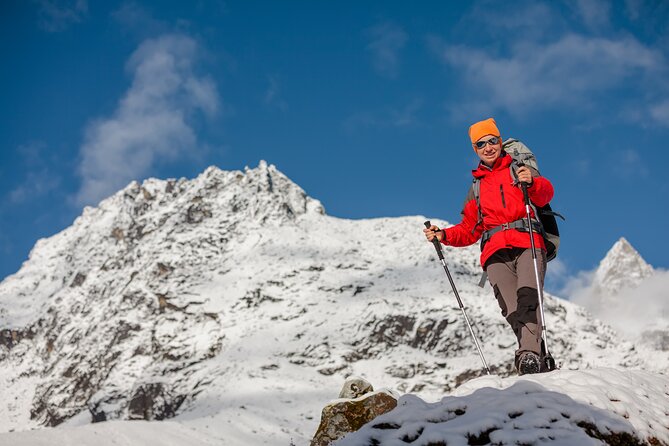
Day 10 is the day you’ve been aiming for. After breakfast at Lobuche, you hike to Gorakshep. Then you drop your bigger bags, switch to day hike packs, and move toward Everest Base Camp with a local lunch.
The route is described as passing the top of the Khumbu Glacier and offering a first glimpse of the Khumbu Icefall. Then you arrive at the foot of Mt. Everest at 5,364 m. It’s the kind of moment where your legs want to celebrate and your brain wants to keep processing.
The itinerary explicitly calls out altitude sickness risk and stresses a steady pace during the base camp push. Take that seriously. If you feel unusually breathless, the right move is slow down, not speed up.
This is also where the “luxury lodge” promise becomes more about recovery. You’ll need fuel, warmth, and rest that night, because the next day is Kalapathar sunrise.
Kalapathar sunrise and the long return to town
Day 11 centers on sunrise at Kalapathar. You’ll wake early and start a moderately steep hike to catch the light and panoramic views of Everest and neighboring peaks. After sunrise, you hike back toward Gorakshep for lunch, then descend gradually to Pheriche for the night.
This day has a clear payoff. Kalapathar is known for views, and the schedule is built around getting you there at the right time.
Day 12 then takes you down to Namche Bazaar. You retrace trails with rhododendron, juniper, and pine forest, plus crossings over the Dudh Koshi River. Wildlife sightings are possible, including mountain goats and pheasants, but the real point of the day is recovery. You’re lowering altitude step by step, and that helps you breathe easier and sleep better.
You stay in Namche at Khumbu Lodge or similar for your “we did it” night. Day 13 continues the descent to Lukla, passing the Hillary Suspension Bridge and Sherpa villages, with time for monasteries along the way. There’s even a mini party and a final night in the Everest region.
Flights and Kathmandu time: getting back safely and with less stress
Day 14 includes an early flight from Lukla to Kathmandu. After you land, you have the rest of the day to explore on your own pace, with your guide available for help with short day trips or souvenir shopping. Later, you share a farewell dinner where you can talk through feedback.
Day 15 wraps with staff help checking flight details and accompanying you to Tribhuvan International Airport.
This structure is a real value even when you want flexibility. It reduces the stress of finding transport while you’re tired from the trek. It also helps you keep a clean timeline, which matters in a place where flight timing can shift.
Price and logistics: what $3,840 buys you, and what it does not
At $3,840 per person for about 15 days, this trek is priced for people who want comfort and coordination. You’re paying for private air-conditioned transfers in Kathmandu, multiple guided days in the city, upgraded lodge standards during trekking, and a support team with guide and porter.
The included flight plan is also a big part of the value. Your Kathmandu (Ramechhap) to Lukla and return routing is included, which is often where the headache starts for independent travelers. If you’re traveling during peak season, the Ramechhap piece matters.
The tradeoff is what is not included. Your Nepal entry visa fee is not included, and you can get it on arrival. International airfare is not included either, as expected.
You should also budget for personal life at altitude. The itinerary specifically says alcohol, hot and cold drinks, and hot water, and hot and cold showers are not included. Personal expenses like laundry, phone calls, snacks, camera charging, and bar bills are also on you. Tips for driver and trekking staff are not included, and travel insurance is essential, with coverage for emergency evacuation while trekking up to 5,500+ meters.
So yes, you’re buying luxury comfort. You’re also buying fewer planning problems. But you’re still carrying personal responsibility for insurance and daily extras.
What you should pack and plan for (based on the stated inclusions)
Because the tour includes meals, permits, and basic medical support, you can focus on essentials. What’s yours to bring is your personal trekking gear, and the company gives you a trekking bag or duffel, a t-shirt, an achievement certificate, and a trekking map to take home.
The trip also includes a first aid medical kit or necessary normal medicine. That does not replace your need for proper trekking insurance. It just means you’re not arriving completely unprepared.
When it comes to showers and hot water, plan around what is not included. In high altitude, comfort comes from warmth and timing, not from guaranteed hot showers. Bring layers, and think about drying and staying warm in lodge conditions.
Guides and planning support: the human side that shows up in the details
This is where the operator’s reputation comes through in the feedback patterns. Names like Pradip Karki show up repeatedly as the person who handled planning calmly and patiently, answering questions well in advance for multi-month planning. It’s the kind of support that can matter a lot if you’re booking long-distance or traveling solo.
On the trekking side, guide mentions like Mukhiya and Mr. Nima Sherpa appear in feedback as familiar, helpful presences. That matters because Everest trek success often comes down to small decisions, like when to slow down, how to handle fatigue, and what to do if a day feels harder than expected.
Even if your exact team differs, the model is clear: the trip is built around having a guide who runs the route and keeps the pace sensible, while porters handle the load.
Who should choose this luxury EBC lodge trek
This tour fits best if you want the classic Everest Base Camp experience but you care about comfort and logistics. You’ll like it if:
- you want an Everest trek with upgraded lodge standards instead of only basic teahouses
- you appreciate an organized Kathmandu cultural warm-up
- you prefer having a guide and porter support system to reduce the mental load
- you can handle altitude up into base camp range and sunrise hikes
The tour also says travelers should have moderate physical fitness. That’s reasonable for an itinerary that builds acclimatization days in Namche and Dingboche, plus steady walking time most days.
If you’re looking for a true beginner-friendly trek with minimal exertion, this probably isn’t it. You still climb to high points, including Thukla pass and the Kalapathar sunrise hike.
Should you book this Everest Base Camp Luxury Lodge Trek?
Book it if you want to see Everest Base Camp and Kalapathar with less friction. The combination of Kathmandu UNESCO time, careful acclimatization days, monastery and Sherpa village stops, and the porter support in a 2:1 ratio makes this a strong choice for people who value comfort and sound planning.
Skip it or rethink it if you’re on a tight budget, or if you dislike any high-altitude challenge. This is luxury in the service details, not in eliminating the hard parts of trekking.
If you do book, my best advice is simple: take the acclimatization days seriously, pace yourself like the itinerary asks, and do not skip travel insurance that covers emergency evacuation at the stated altitude range. That’s how you turn a great plan into a safe one.
FAQ
How long is the Everest Base Camp Luxury Lodge Trek?
It is listed as 15 days (approx.).
What is included in the trip from Kathmandu to Lukla and back?
The tour includes Kathmandu (Ramechhap) to Lukla and return flights, plus all ground transportation in an air-conditioned private vehicle as per the itinerary.
Are meals included during the trekking portion?
Yes. The tour includes meals in standard restaurants as per your choice during the trek, with breakfast, lunch, and dinner included, along with seasonal fruits.
What Kathmandu sites are visited on the guided day?
The full day guided Kathmandu tour includes Bhaktapur Durbar Square, Pashupatinath Temple, and Boudhanath Stupa.
Do I need travel insurance, and what should it cover?
Travel insurance is listed as essential, and it should include emergency evacuation coverage while trekking up to 5500+ meters. Travel insurance is not included in the price.
Is the Nepal visa fee included?
No. The Nepal entry visa fee is not included, and you can get the visa upon arrival at the airport.
What is the cancellation window for a full refund?
You can cancel up to 6 days in advance for a full refund.
Latest Kathmandu write-ups
- Langtang Valley Trek★ 5.0 · 3 reviews
- Khopra Danda Trek★ 5.0 · 3 reviews
- Langtang Valley Trek from Kathmandu★ 5.0 · 3 reviews
- 5 night / 6 days Kathmandu Nagarkot Chitwan Pokhara tour★ 5.0 · 3 reviews
- Nepal Highlights Tour: 5 Nights 6 Days Kathmandu & Pokhara Tour★ 5.0 · 3 reviews
- Kathmandu Valley Private Day Tour★ 5.0 · 3 reviews
- Kathmandu Heritage Day Tour★ 5.0 · 3 reviews
- Conquer the Himalayas: The Ultimate 16-Day Annapurna Circuit Trek★ 3.5 · 3 reviews
Everest Base Camp Trek, compared.



Everest Base Camp Helicopter Tour landing at Everest View Hotel
Read our review →



Everest Base Camp Helicopter Tour landing at Hotel Everest View
Read our review →
Browse the lists this tour appears in