
Reviewed · MOMO MAKING CLASSES
Momo, Dhalbhat & Thukpa Cooking Class, Nepal
This Momo, Dhalbhat & Thukpa Cooking Class in Patan is interesting because it turns Kathmandu-area food into a walk you can taste, starting with a neighborhood market stop. I like the way Esther Rai brings you in early, before any chopping starts.
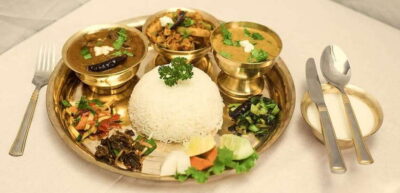
I also love that the menu is both classic and practical. You learn to make momo and dhalbhat, then round out the meal with thukpa, and you eat what you cook while Esther explains how these dishes fit Nepali family life.
One thing to consider is that the class runs about 3 hours, so some prep may already be handled to keep things moving. If you want every single step to be fully hands-on, it is worth asking how the workflow is set up for your group.
Key Things to Know Before You Go
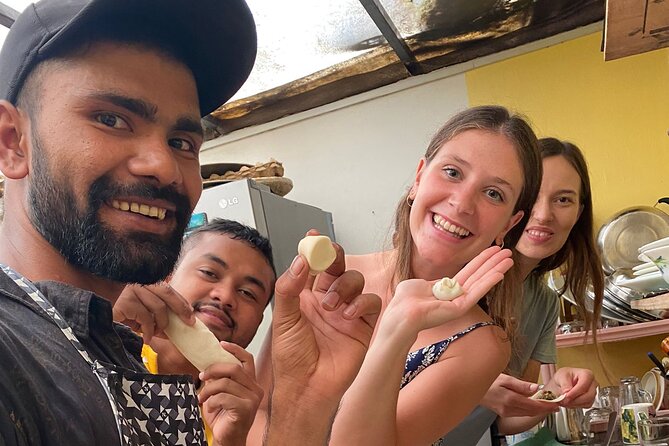
- Market stop in Patan, Lalitpur: You visit a local vegetable market, meet sellers, and pick ingredients for your meal.
- Learn the Nepali trio: momo, dhalbhat, and thukpa, taught as a complete cooking session, not a quick demo.
- Temple and neighborhood context: the outing includes a stop at Hiranya Varna Mahavihar and time around Patan.
- Near Patan Durbar Square: your cooking location is about a short walk from the square, great for pairing with sightseeing.
- Small group size: up to 10 travelers, which generally means more attention while you cook.
- You eat what you make: once the food is ready, the meal is served as part of the experience.
Patan Market First, Not Last
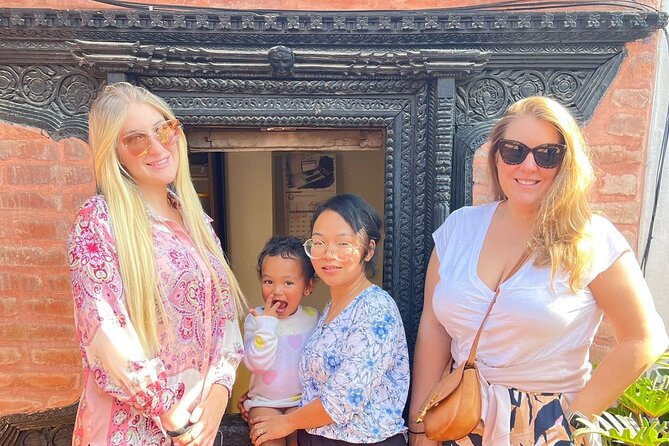
This class starts the way a Nepali meal starts at home: with ingredients, not just recipes. Before the stove gets hot, you go to a local vegetable market in Patan. You will see how vendors arrange produce, learn what shoppers look for, and get a real sense of what is fresh that day.
You also get the extra value of conversation. Esther uses the market walk to talk through what she is buying and why. Even if your Nepali is limited, the point is clear: food here is personal, practical, and community-based. You are not just collecting items for a cookbook. You are watching how people shop in their normal rhythm.
And because the class is built around the ingredients you purchase, it feels like your meal belongs to you. When you later make momo or dhalbhat with those exact basics, the flavors make sense fast.
More Cooking Classes in Kathmandu
- Half day cooking class in Thamel kathmandu
★ 5.0 · 607 reviews - Kathmandu: Local Women-Led Nepali Cooking & Momo Class
★ 4.9 · 360 reviews - Local Women Lead Nepali Cooking Class
★ 5.0 · 125 reviews
A Temple Stop Makes the Day Feel Grounded
The itinerary includes two sightseeing moments, and they help you understand where the cooking fits. The first stop is the Golden Temple, also known as Hiranya Varna Mahavihar. Even if you do not go deep into architecture, the name alone signals something important: this is a part of Kathmandu Valley where spiritual sites and everyday life sit close together.
After that, you continue to Patan (Lalitpur). Patan has a slower, craft-and-stone feel compared with some busier tourist areas. For me, that matters because it sets the tone for cooking. You are not rushing from one landmark to another. You are getting placed in the neighborhood context first, so the rest of the day feels like it belongs.
Practical tip: if you want photos, bring your camera battery and do not plan to spend the whole time with your nose in your phone. The cooking happens right after, and you will want your hands and attention ready.
From Market Ingredients to Your Own Momo Workshop
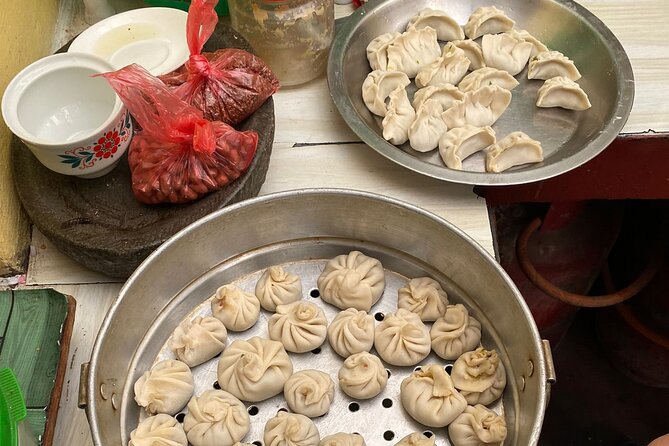
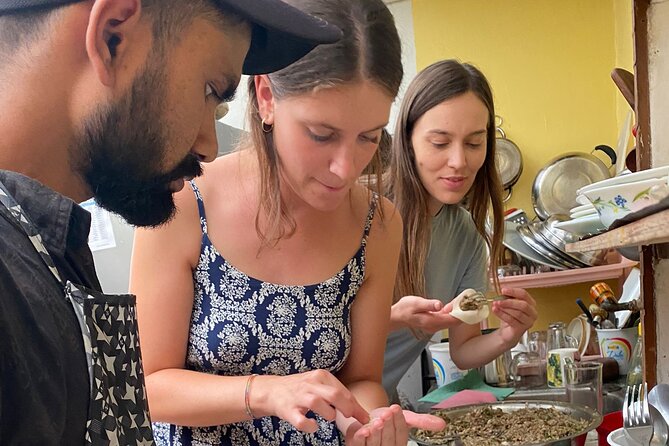
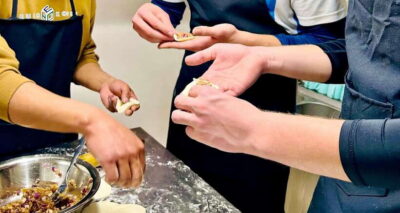
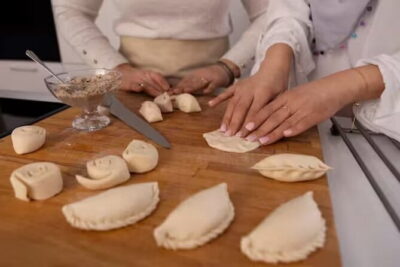
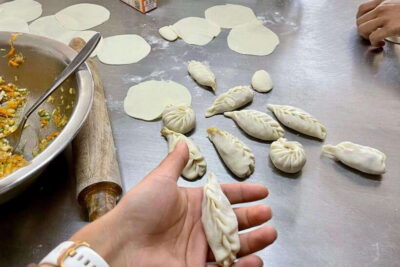
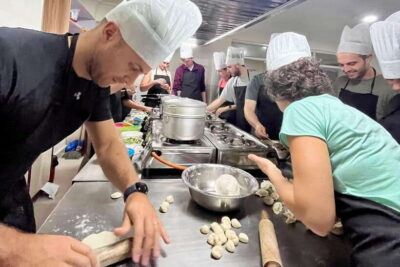
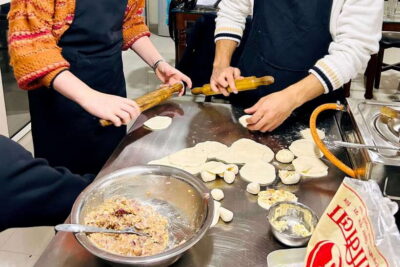
Momo is the star for a reason. It is portable comfort food, and it is also a cooking lesson that teaches you technique through repetition. In this class, you will learn and practice making momo, not just watch someone else do it. That hands-on time is where you pick up the small decisions that affect the final bite.
Expect to work through a full cooking flow, from preparation to getting the dumplings ready to eat. Esther guides you through the process, and you also learn what makes Nepali momo different from what you might already know from other dumpling styles. The class format keeps it focused, so you are not juggling ten separate recipes at once.
If you enjoy tactile cooking, this part is for you. Folding, shaping, and getting consistency right is the kind of skill that sticks. Even if your first batch is not perfect, you will understand how to improve by the end of the session.
Dhalbhat: The Meal That Explains Nepal
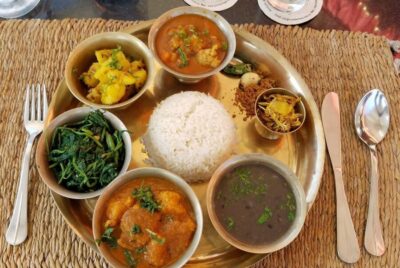
Dhalbhat (often spelled dal bhat) is the dish that turns this class from a fun food activity into something you can carry home mentally. It is not only about taste. It is about the logic of a Nepali meal.
In the class, you will learn how dhalbhat is built and how the pieces work together. The big takeaway is that the flavors are designed to balance. You do not eat it like a single-note main course. You eat it as a system: something hearty, something bright, something savory, and enough comfort that it feels like a full reset for your day.
I especially like that the class leans into explanation, not just instructions. Esther’s story about why she started her cooking program during and after covid-19 comes through in her teaching. It makes the meal feel more grounded. You are not just learning food technique. You are learning why food is tied to family and livelihood.
And yes, the outcome matters too. Many people highlight the quality of the dhalbhat you end up eating. The class is set up so you leave not only with recipes in mind, but with a meal that actually hits.
More Momo Making Classes in Kathmandu:
- Kathmandu: Traditional Momo Making Class & Pickup
★ 4.8 · 60 reviews - Traditional Nepali Momo Making Classes
★ 5.0 · 53 reviews - Kathmandu: Local Women-Lead Nepali Cooking & Momo Class
★ 4.9 · 45 reviews - Kathmandu: Local Lead Nepali Cooking & Momo Making Class
★ 4.9 · 40 reviews
Thukpa Rounds Out the Comfort Food Map
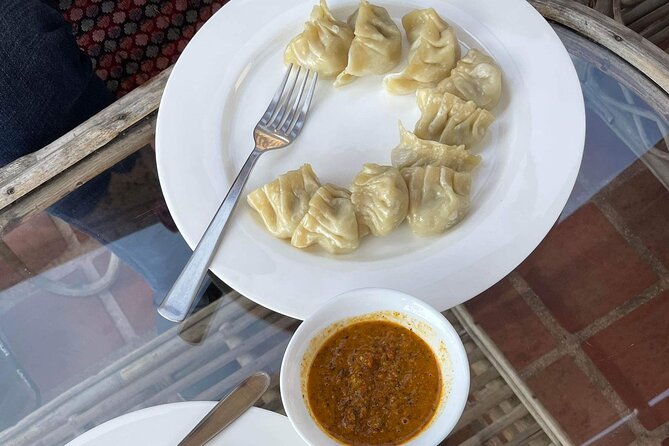
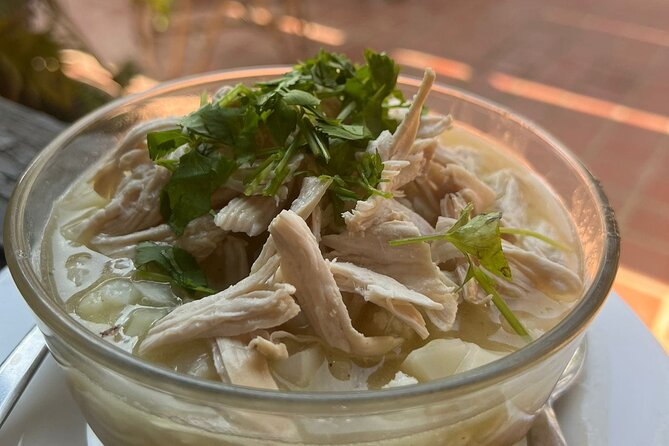
Thukpa is the comfort bowl that makes the whole menu feel complete. It also helps the class feel balanced. Momo gives you a handheld snack structure, dhalbhat gives you the everyday main-meal structure, and thukpa gives you the warm, soupy finish.
Here, you learn the basics of making thukpa as part of the same session, which is the smart part of this experience. Instead of splitting your day into separate activities, you learn three related Nepali food styles together, so the flavor patterns start to connect in your head.
This also helps if you are unsure what you want. If you are a dumpling person, momo will satisfy you. If you want a classic plate meal, dhalbhat has that homey heft. If you want something warm and filling at the end, thukpa makes that happen.
Where You Cook, and Why It Feels Like Family Time
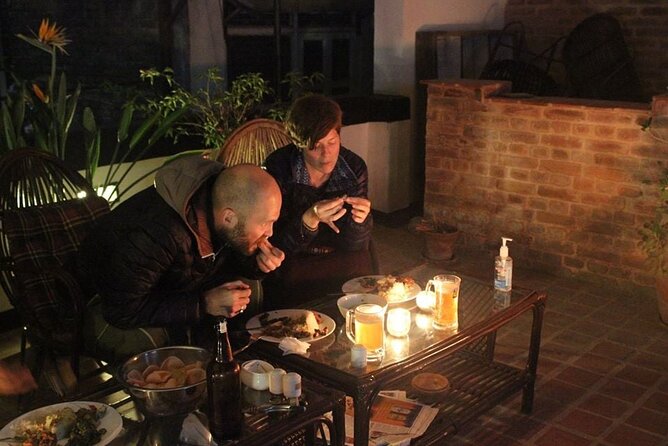
You meet at Nagabahal – Nyadha Galli, Lalitpur 44600, Nepal, and the activity ends back at the meeting point. The cooking location is very close to Patan Durbar Square, about a short walk, so you can easily wrap in sightseeing after you eat.
The space itself is set up to feel comfortable and communal. People often mention the kitchen setup on a rooftop, and that kind of setting makes the class feel less like a studio workshop and more like a home meal you are helping create.
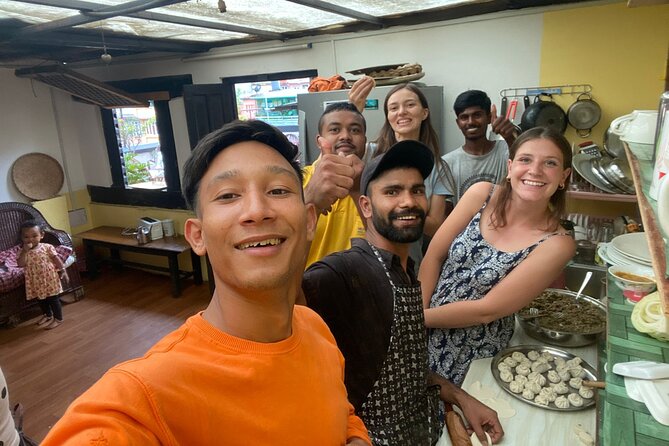
Esther teaches the class, and there is also support from someone named Amos. That matters because cooking is easier when someone can answer a question quickly. You are more likely to get personal help if the team is ready to step in.
What you should know about the class style: it is not an endless, step-by-step battle against every ingredient. Some prep may already be done to keep you within the 3-hour window. The upside is you get to taste your final meal with less delay. The downside is that if you want maximum solo control from raw start to finished plate, you might feel the structure is a bit streamlined.
Timing, Group Size, and How to Make the Most of 3 Hours
The total experience runs about 3 hours. That is a sweet spot if you want a real activity without losing a whole morning or afternoon to logistics. It is also why the market stop and the cooking both happen in the same block of time.
The group size max is 10 travelers, which is a key detail. Smaller groups generally mean you spend more time cooking instead of waiting your turn. It also helps with questions, because you are not disappearing into the back row.
The class uses a mobile ticket, and you receive confirmation at booking. So you can plan without a lot of paperwork. The meeting point is also described as near public transportation, which helps if you are moving around Kathmandu and Patan in pieces rather than arriving by one direct route.
Finally, good weather matters. The experience requires decent conditions, and if it is canceled due to poor weather, you will be offered a different date or a full refund. If you are planning a trip around this, keep one flexible day on your calendar.
Price and Value: What $25 Really Buys
At $25 per person, this is priced like a budget-friendly cultural activity, but it includes several parts that are hard to replicate on your own.
You are paying for:
- A market walk where you buy ingredients with guidance
- Instruction and practice for multiple dishes (momo, dhalbhat, thukpa)
- The meal you eat at the end
- A small-group setup and a local host team
If you tried to do this alone, you could of course buy ingredients and cook at home later, but you would lose the local teaching and the cultural context that makes the food make sense in the first place. You also would lose the convenience of someone else organizing the flow so you actually finish with a complete plate in a short time.
The best value move is to treat this as a blend of food class and city experience. You are not only learning how to cook. You are getting placed in Patan’s daily life and then translated back into a meal you can share.
Who This Cooking Class Fits Best
This class is a great match if you:
- Love practical cooking lessons, especially Nepalese food basics
- Want a morning or half-day activity that includes both walking and eating
- Prefer small groups and direct guidance
- Like culture that is built through daily details, markets, and family kitchens
It may be less ideal if:
- You want a long, slow, ultra-detailed cooking course with lots of downtime and extended practice
- You expect every step to be fully self-directed from the start
- You are visiting during questionable weather and cannot adjust plans
Should You Book This Momo and Dhalbhat Class in Patan?
If your priority is to taste Nepal in a way that feels hands-on, this is an easy yes. The combination of market time, a temple and Patan context, and learning three core dishes makes it feel efficient, not rushed. Add the small group size, and you get enough attention to actually enjoy the cooking.
I would book it if you want more than a plate of food. You want the story behind the meal, the ingredients you picked, and the skill you can repeat later.
FAQ
Where is the meeting point for the cooking class?
The meeting point is Nagabahal – Nyadha Galli, Lalitpur 44600, Nepal.
What is the price per person?
The price is $25.00 per person.
How long does the experience last?
The duration is about 3 hours.
What dishes will I learn to cook?
You will learn and practice making momo, dhalbhat, and thukpa.
Do we go to a market as part of the experience?
Yes. You take guests to a local vegetable market to buy ingredients and interact with vegetable sellers.
What is included in the itinerary?
The class includes Stop 1 at Golden Temple (Hiranya Varna Mahavihar) and Stop 2 in Patan (Lalitpur).
How many people are in the group?
There is a maximum of 10 travelers.
Is lunch or dinner included?
Yes. You eat the food once it is cooked.
What if the weather is bad?
This experience requires good weather. If it is canceled due to poor weather, you will be offered a different date or a full refund.
What is the cancellation policy?
Free cancellation is available. You can cancel up to 24 hours in advance for a full refund. If you cancel less than 24 hours before the start time, the amount you paid will not be refunded.
Latest Kathmandu write-ups
- Langtang Valley Trek★ 5.0 · 3 reviews
- Khopra Danda Trek★ 5.0 · 3 reviews
- Langtang Valley Trek from Kathmandu★ 5.0 · 3 reviews
- 5 night / 6 days Kathmandu Nagarkot Chitwan Pokhara tour★ 5.0 · 3 reviews
- Nepal Highlights Tour: 5 Nights 6 Days Kathmandu & Pokhara Tour★ 5.0 · 3 reviews
- Kathmandu Valley Private Day Tour★ 5.0 · 3 reviews
- Conquer the Himalayas: The Ultimate 16-Day Annapurna Circuit Trek★ 3.5 · 3 reviews
- Kathmandu Heritage Day Tour★ 5.0 · 3 reviews
Momo Making Classes, compared.
MoMo or Dal Bhat Cooking Class at Aama Kitchen in Pokhara
Read our review →
Browse the lists this tour appears in