Reviewed · HIKING & TREKKING
Mohare Danda Trek
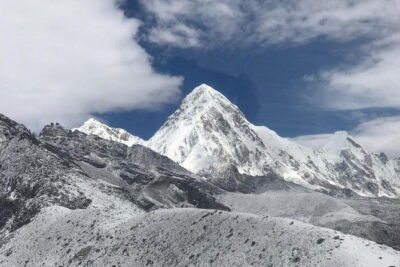
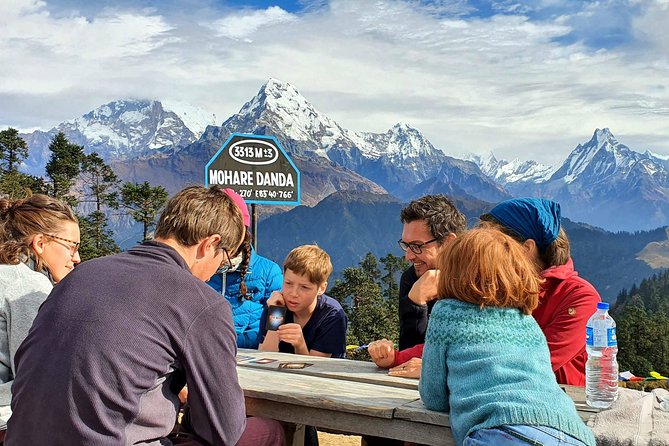
Mohare Danda is interesting because it takes you to the quiet side of the Annapurna foothills, where the goal is less crowd, more community, and big mountain views. You get close looks at the Annapurna and Dhaulagiri massifs from Mohare Hill (about 3300m), and the overnight stays are tied to an Eco-Community Lodge model meant to support local projects.
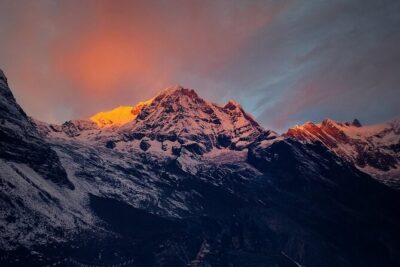
What I like most is the focus on mornings. You’ll chase sunrise views from Mohare Danda and also hit Poon Hill, with panoramas that feel made for early starts. The second thing I like is the human side, with an English-speaking local guide and a porter setup that helps keep the trek manageable, plus a trek team that has been praised for caring support, including guides like Norris and porters like Melan. One possible drawback: this is still real trekking. There are 6 to 7 hour walk days, and you’ll want moderate fitness and decent stamina, plus temple and heritage entrance fees in the cities are not included.
Key Highlights Worth Noticing
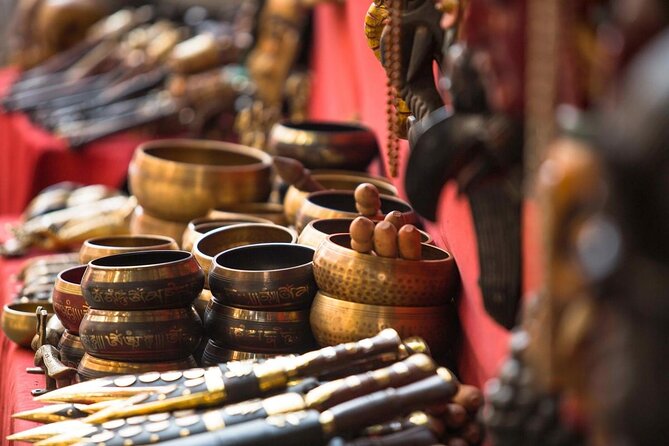
- Eco-community lodging concept that’s designed to channel tourism income toward local initiatives
- Mohare Danda and Poon Hill sunrise views with multiple mountain ranges in the frame
- A manageable porter ratio (2 trekkers to 1 porter) plus a local English-speaking guide
- Small group cap of 12 for a more flexible, less chaotic feel on and off the trail
- Permits handled for you (ACAP, TIMS, and other necessary permits)
- Full-board trek meals provided for your 5 nights on the eco-community route
Why Mohare Danda Feels Like Nepal Off the Main Trail
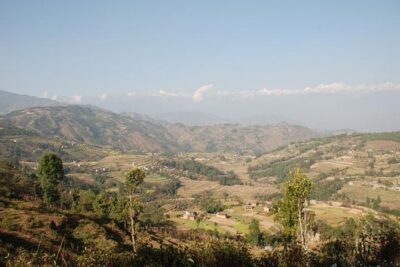
This trek is built for people who want Annapurna scenery without spending all day in a line of footsteps. Mohare Danda sits in the region’s foothills, with a route shaped by forests and villages rather than only the most famous trails.
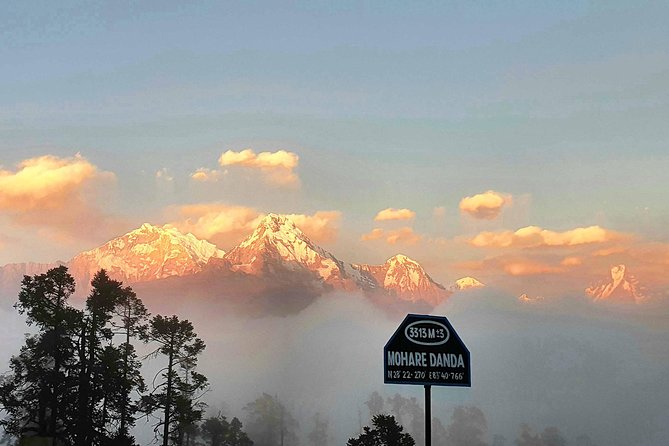
You’ll move through areas known for trees like oaks, bamboo, and pine, and the trail gives you multiple chances to look toward major peaks such as Annapurna, Dhaulagiri, Fishtail (Machhapuchhre), and Tukche. From Mohare Danda station, the sunset payoff is part of the plan, and that’s a great use of your time because you’re already at the right elevation and viewpoint.
The eco-community angle matters more than it sounds. Instead of only visiting places, you’re also sleeping in a lodge system tied to local community management. That usually translates into a better sense of place, because you are repeatedly interacting with the same communities across several trekking days.
More to compare around Kathmandu
- Everest Base Camp Trek – 14 Days
★ 5.0 · 1,499 reviews - Everest Base Camp Trek
★ 5.0 · 842 reviews - Private Kathmandu Sightseeing Tour | UNESCO World Heritage sites
★ 5.0 · 756 reviews
Price and Logistics: What You’re Really Paying For
At $1,375.33 per person, this is not a budget-only trek. The value comes from what’s bundled in, especially once you add up permits, guided logistics, transport, and multi-night lodging.
Here’s what you get included:
- Private land transport throughout (Kathmandu, Pokhara, and back)
- A professional English-speaking local guide
- Required permits (ACAP, TIMS, and other necessary permits)
- Porter service, with 2 trekkers per 1 porter
- 4 nights in Kathmandu at Yatri Suites & Spa (or similar)
- 2 nights in Pokhara at Batika Classic Hotel (or similar)
- 5 nights on the trek in eco-community lodges with full-board (breakfast, lunch, dinner during trek days are part of the package)
- Government and local taxes
- Meals included on a defined schedule (breakfast is included more times than lunch and dinner)
What costs extra:
- Entrance fees for heritage sites in the cities, listed as approximately USD 50 per person
- Tipping for guide, driver, and supporters
- Travel insurance
- Nepal visa fee
- International flights
- Food and drinks in Kathmandu and Pokhara (the trek portion is covered more fully)
If you’re the type who hates spending your time on logistics, this price starts to look more fair. You’re paying to remove the hard parts of planning, permits, and daily coordination.
Kathmandu Warm-Up: Temples, Squares, and a First Look at Nepal’s Faiths
Day 1 starts with airport pickup and a transfer to your downtown Thamel-area hotel. On the drive, you’ll pass Pashupatinath Temple, Narayanhity Royal Palace Museum, and the Garden of Dreams, before settling in for the night. This is a smart start because it helps you get your bearings without rushing.
Day 2 is temple-heavy in a good way. You’ll visit:
- Swayambhunath (Monkey Temple): famous for religious harmony between Buddhist and Hindu traditions, plus city and Himalayan-range views from the hilltop.
- Boudhanath Stupa: an ancient Buddhist site (dating to around 600 A.D.), with a calm atmosphere and intricate architecture.
- Pashupatinath: a major Hindu pilgrimage center, including views of cremation rituals on the Bagmati River.
- Guhyeshwori Temple nearby Pashupatinath.
- Then you finish back in Thamel for shopping and easy dinner options.
These heritage stops have a practical benefit. They teach you what you’re looking at during your Nepal trip, and they also give you a day of walking that is gentler than the trek but still gets your legs moving.
The Pokhara Drive and Kali Gandaki Country: Changing From City to Trail
On Day 3, you drive from Kathmandu to Pokhara. The route itself is part of the show here, because you’ll see hills and changing scenery as you head west. In Pokhara, you’re set up for trekking logistics and a calmer base after days of temples and traffic.
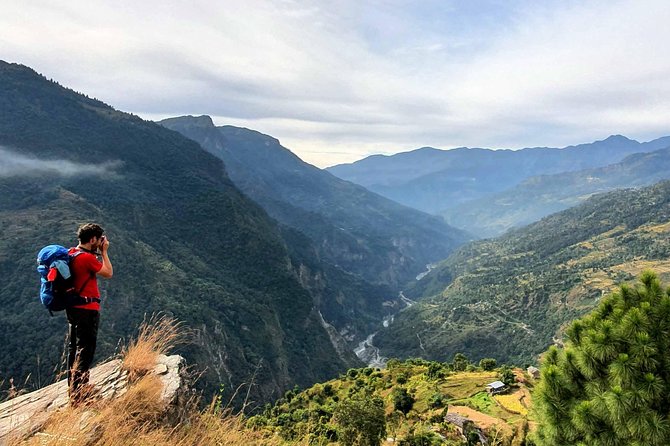
Day 4 is when the trek begins in earnest. You transfer to Galeshwor on the bank of the Kali Gandaki River. Then you start trekking to Bans Kharka for about 3 hours. You’ll do a mostly ascending day, including a crossing of a suspension bridge over the Kali Gandaki, known as the deepest gorge area in Nepal. After that, the path continues through lush forest and ends at Bans Kharka after a decent hike.
Two things matter on this day:
- You’re building rhythm, not just gaining altitude.
- You’re getting your first real taste of how the environment changes trail to trail.
A different sort of day out of Kathmandu:
- Kathmandu: 7 UNESCO Sites with Lunch
★ 4.8 · 744 reviews - Everest Base Camp Helicopter Tour landing at Everest View Hotel
★ 5.0 · 668 reviews - Half day cooking class in Thamel kathmandu
★ 5.0 · 607 reviews - Everest Base Camp Trekking
★ 5.0 · 485 reviews
Naangi and the Magar Settlement: Village Trek Days That Don’t Feel Like Detours
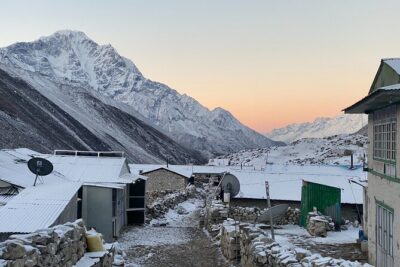
Day 5 walks from Bans Kharka to Naangi, around 6 to 7 hours. The route goes along villages, mountain views, and broad scenery frames that feel like a working region rather than a set piece.
You also visit an organic farm school and a Magar settlement. That’s not just cultural add-on. It helps you understand how people live around the Annapurna foothills, and it adds meaning to the eco-community lodge idea by showing the broader community context.
On a trek like this, village days are often where you learn how to pace. You’ll start to understand when to take breaks, how often to hydrate, and how to manage the mental side of a long walk.
Mohare Danda Station: Forest Trails to a Big Sunset View
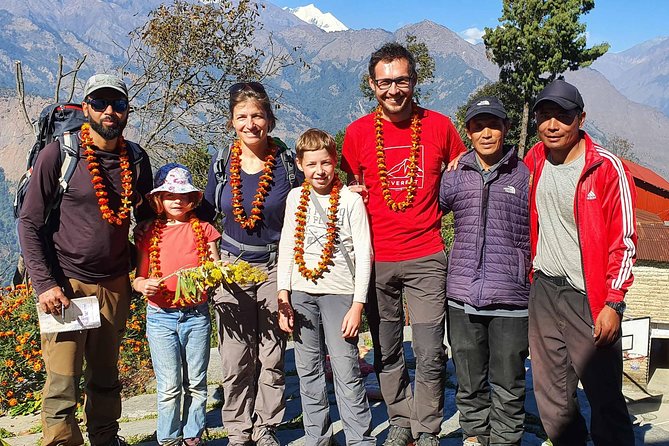
Day 6 brings you to Mohare Danda via the Mohare Khopera Community Trek. The walk is listed around 7 hours and it runs through forests of oak and rhododendrons, with mountains visible such as Fishtail, south Annapurna, Dhaulagiri, and Tukche.
This is the day that turns the trek from steady hiking into a full experience. You reach Mohare Danda, then you observe a glorious sunset from the station and return to your eco-community management lodge.
This is the kind of timing that actually works. You’re not just passing through a viewpoint, you’re arriving, settling in, and enjoying the moment while the light changes.
Ghorepani and Deurali Rhythm: Sunrise Workouts You’ll Be Glad You Did
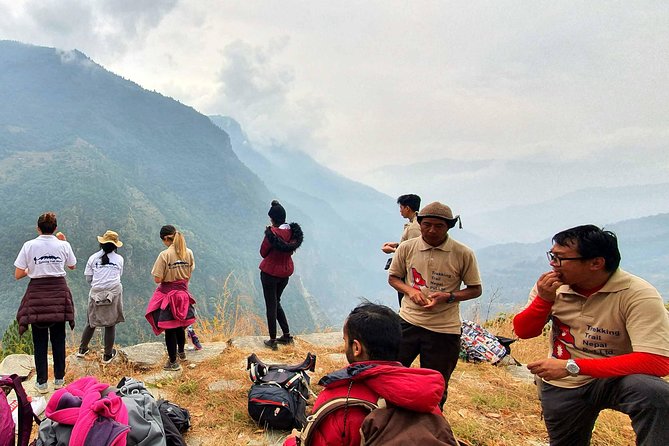
Day 7 is built around an early start to enjoy sunrise. The plan is to wake up for crystal-clear views of several peaks such as Fishtail, Dhaulagiri I and II, Tukche, South Annapurna, and Nilgiri.
After sunrise viewing, you trek toward Deurali and then continue until you reach Ghorepani, about a 5-hour walk from Mohare Danda. You check in, then rest at the lodge.
Day 8 connects the dots with classic Poon Hill timing. You start early to walk to Poon Hill (around 3210m) for the first rays of sunlight. Poon Hill offers panoramic views over Annapurna and Dhaulagiri, and you walk through culturally rich villages along the way. After breakfast back at Ghorepani, you trek onward to Ghandruk village, about 7 hours.
Ghandruk is a strong payoff for this itinerary because it’s a village with a lived-in feel and dramatic mountain backdrops. You also cross cultivated lands and suspension bridge areas on the way, so it’s not a straight line of one type of scenery.
From Ghandruk Down to Pokhara: Last Trek Day, Then Real Food and Warm Beds
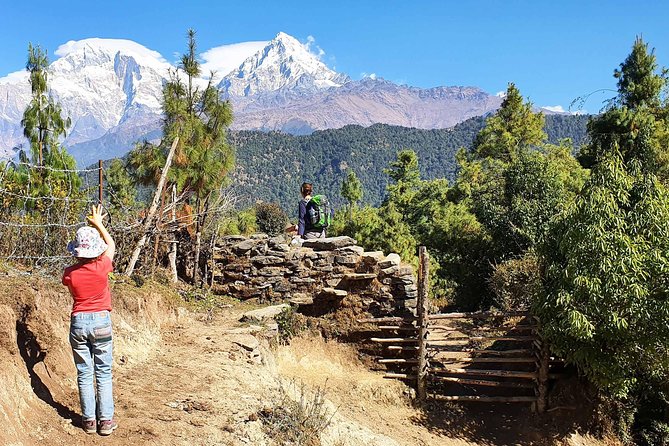
Day 9 is your descent day, from Ghandruk to Nayapul, about 5 hours. The trail is described as stone-paved and passes villages and terrace farming scenes. You cross Modi Khola, then reach Birethanti, and finally arrive at Nayapul where your private vehicle meets you.
Once in Pokhara, you transfer to your hotel. This is a great transition day because you’ve earned your downtime. It’s also a good time to eat any foods you missed on trek days, since drinks and city meals are not included in the package.
Day 10 is another drive day, Pokhara to Kathmandu, about 6 hours, with a chance to stroll Thamel for shopping in the evening.
Kathmandu Valley Culture: Bhaktapur, Pottery Workshop, and Patan Squares
Day 11 focuses on Kathmandu Valley heritage with Bhaktapur Durbar Square, Pottery Square, and Patan Durbar Square. Bhaktapur is one of the three famous king squares in Kathmandu Valley, and your guide explains the history while you have free time for lunch choices.
At Pottery Square, your group participates in a workshop where a local craftsman teaches you how to make clay pots. That hands-on detail is the kind of activity that makes souvenirs more meaningful, because you make something with your own hands.
In Patan, you visit the UNESCO World Heritage sites including Krishna Temple and Patan Durbar Square, plus the Patan Museum and the Golden Temple and Banglamukhi Temple. You end with a drop-off at your hotel.
This city day helps balance the physical days. You’ve done sunrise hikes and long walks. Now you get a slower pace where your brain gets as tired as your legs.
Pace, Altitude, and What Moderate Fitness Means Here
The trek is rated as requiring moderate physical fitness. That sounds vague, so here’s how I’d interpret it based on the walking durations you’ll do:
- Several days land around 6 to 7 hours of hiking
- You’ll have uphill work early in the route, including crossings and forest climbs
- You’ll also do early mornings for sunrise viewing
Altitude highlights you should note:
- Mohare Danda station is around 3300m (Mohare Hill viewpoint)
- Poon Hill is around 3210m
That means you should plan for thin air and take it slow, especially the first couple of trekking days. You might feel winded faster than usual, and it’s common to notice how quickly your breathing changes on climbs.
Practical tip: pack your own personal hiking gear and personal kits since they are not included. If you arrive without proper footwear or layers, the trek days can feel harder than they need to be.
Lodges and Full-Board Trek Days: Comfort That Keeps You Walking
On this itinerary, you stay in eco-community lodges for 5 nights during the trekking portion. The package includes full-board on those trek nights, meaning meals are arranged rather than being something you need to hunt down each day.
That matters for two reasons:
- You spend less time negotiating food, menus, and timing.
- You protect your energy for the next walking day.
During city days in Kathmandu and Pokhara, food and drinks are not included, which is normal for many structured trips. The upside is flexibility. After a long trek, you can choose what you want to eat in Thamel or around Pokhara without feeling locked into a schedule.
Guides and Porter Support: The Difference Between a Trek and a Chore
This trek runs with a professional English-speaking local guide and porter service. The porter ratio is 1 porter for every 2 trekkers, which is a key comfort factor if you want to hike without hauling heavy loads up and down.
The reviews attached to this experience also point to quality in leadership and care. In particular, a guide named Norris and a porter named Melan have been praised for taking good care of the group and sharing local knowledge. That’s the sweet spot you want: someone who can explain what you’re seeing while also keeping the pace realistic.
Also, your group size is capped at 12 people. Smaller groups usually mean fewer delays, less crowding at viewpoints, and better coordination when weather or trail conditions shift.
Who This Mohare Danda Trek Is Best For
This is a strong fit if you:
- Want a shorter Annapurna-region experience that still includes real walking days
- Like sunrise viewpoints and panoramic mountain moments, not just afternoons of photos
- Care about community-driven tourism and how your trip connects to local life
- Prefer a structured plan with guides and permits already handled
You might choose a different itinerary if you:
- Want mostly flat, short walks
- Expect hiking to be optional every day
- Don’t want early mornings, since sunrise days are a built-in feature
Should You Book Mohare Danda Trek?
Yes, I’d book it if your idea of Nepal includes sunrise hikes, village treks, and staying in eco-community lodges with a guided team that handles permits and daily logistics. The value is strongest for people who want a smooth plan rather than piecing together transport, permits, and accommodations.
I’d also book it if you like Kathmandu and heritage days enough to pair them with the trek. This itinerary blends temple visits and a clay pottery workshop with trekking days, so you get both physical effort and cultural focus.
Just go in with clear expectations: you’ll hike 6 to 7 hour days, you’ll do early sunrise starts, and you should budget extra for city heritage entrance fees, tips, and your own insurance.
FAQ
Where does the Mohare Danda Trek start, and what time?
It starts at Tribhuvan Airport in Kathmandu, Nepal at 9:00 am.
How long is the trek?
The trek is about 12 days.
Does this trip include pickup?
Yes, pickup is offered.
Are permits included?
Yes. The trip includes ACAP, TIMS, and other necessary permits.
Is a porter included?
Yes. There is porter service with a ratio of 2 trekkers to 1 porter.
Are entrance fees included for heritage sites?
No. Entrance fees are listed as approximately USD 50 per person, and they are not included.
What is the cancellation policy?
You can cancel for a full refund if you cancel up to 24 hours in advance of the experience start time.
Latest Kathmandu write-ups
- Langtang Valley Trek★ 5.0 · 3 reviews
- Langtang Valley Trek from Kathmandu★ 5.0 · 3 reviews
- Khopra Danda Trek★ 5.0 · 3 reviews
- 5 night / 6 days Kathmandu Nagarkot Chitwan Pokhara tour★ 5.0 · 3 reviews
- Nepal Highlights Tour: 5 Nights 6 Days Kathmandu & Pokhara Tour★ 5.0 · 3 reviews
- Kathmandu Valley Private Day Tour★ 5.0 · 3 reviews
- Kathmandu Heritage Day Tour★ 5.0 · 3 reviews
- Conquer the Himalayas: The Ultimate 16-Day Annapurna Circuit Trek★ 3.5 · 3 reviews
Hiking & Trekking, compared.