Reviewed · HIKING & TREKKING
Everest Panorama Trek
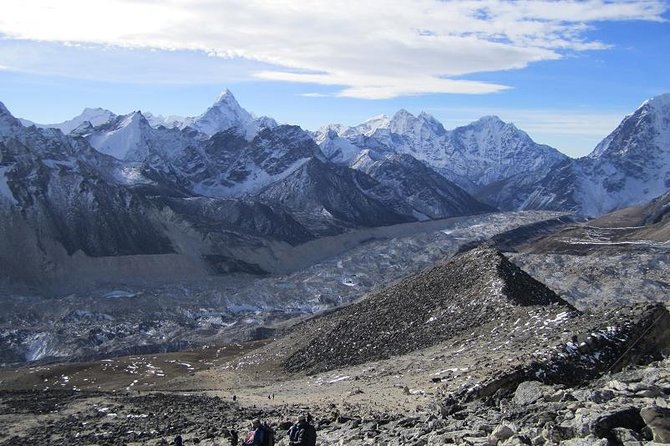
Mount Everest pulls hard on the imagination, but the hard part of most dreams is the altitude and the grind. This Everest Panorama Trek is built for a lighter, multi-day hike that still gives you that big-Everest feeling through Sherpa settlements and monastery views. I like the focus on panoramic sightlines more than a punishing summit-style push, and I also like that the trip runs with a small group (max 15), so you are not lost in a crowd. One drawback to plan for is the early start and flight day rhythm, plus you should be ready for thin-air walking even if the climb is described as gentler.
What stands out is the way the days flow: Lukla is your launchpad, you move along classic Dudh Koshi scenery with suspension bridges, you spend time around Namche Bazaar, and you finish with a strong monastery stop at Tengboche. If you care about having a guide who keeps you calm and moving, Epic Adventures has a solid reputation in the Everest region, with guides such as Ramkumar, Anil, Basu, and Nima called out for being helpful and patient on similar treks.
Key Points That Matter Before You Go
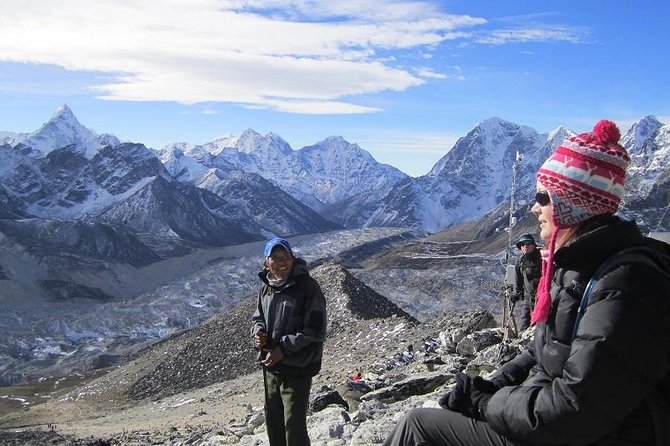
- Panorama-first route that trades Base Camp misery for wide views and classic Everest-region villages
- Small group size (up to 15) which usually means less waiting and better teamwork on the trail
- Included meals and overnights, so you can spend your energy on walking, not budgeting
- Dudh Koshi River trail moments, including Hillary Suspension Bridge area scenery
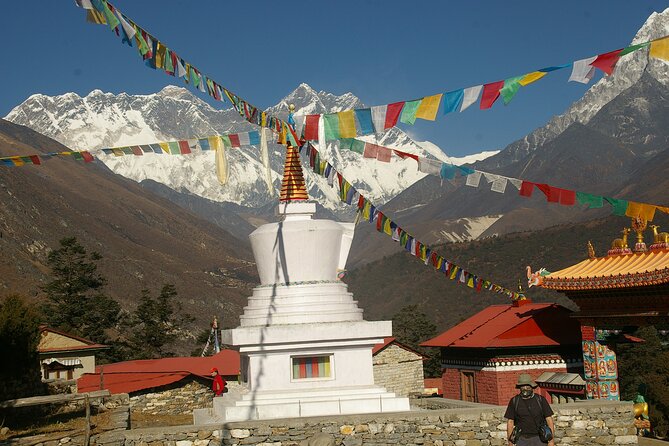
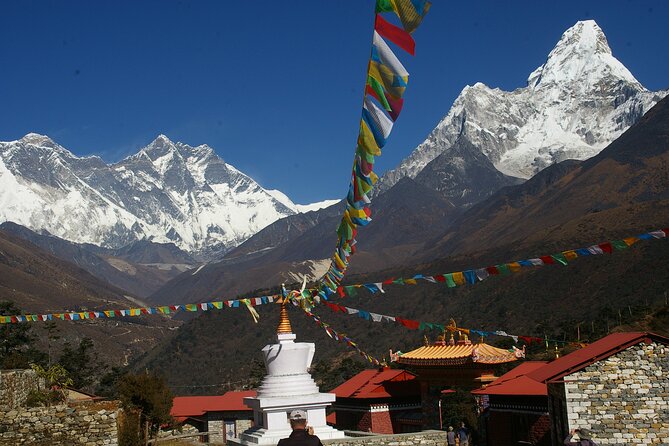
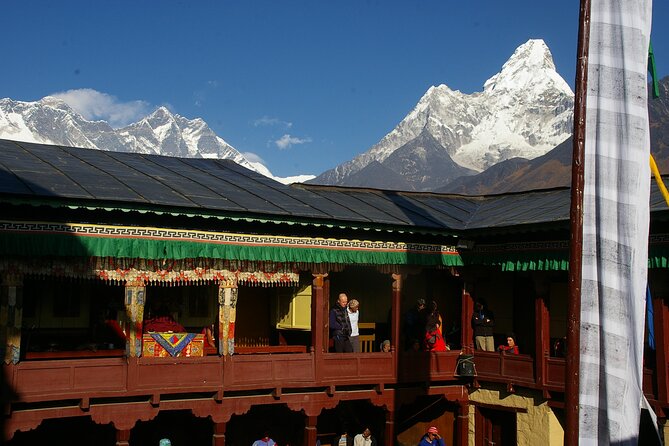
- Tengboche monastery day for that iconic Everest-and-Ama Dablam style sightline
- Lodge-based trek structure with recovery nights after each walking day
Everest Panoramas Without the Base Camp Grind
If your goal is Everest views, not a suffering contest, this is the kind of trek that fits. You start from Lukla (2,800m/9,186ft), walk through the Everest region on a route that stays at trekking-friendly elevations for most of the experience, and aim your camera at the peaks from multiple angles.
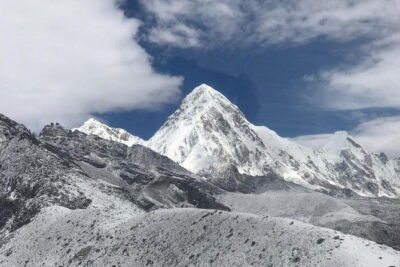
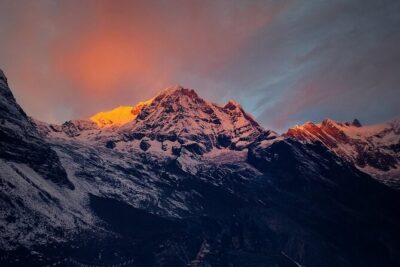
I also appreciate the emphasis on “panoramas” because the best part of the Everest region is not one single photo. It is the repeated unfolding of peaks as you walk: Everest in the background, Ama Dablam and Nuptse in the mix, and Thamserku peeking into view along the way. That repetition is what makes the days feel long in the best way, each turn giving you a new frame.
Who this suits best? You will likely love it if you have moderate fitness and you want classic Sherpa culture plus mountain views, without the extra strain that comes with pushing farther up toward Base Camp. If you know you do not handle altitude well, this is still high-country walking, so you should be cautious and plan to go slow.
More to compare around Kathmandu
- Everest Base Camp Trek – 14 Days
★ 5.0 · 1,499 reviews - Everest Base Camp Trek
★ 5.0 · 842 reviews - Private Kathmandu Sightseeing Tour | UNESCO World Heritage sites
★ 5.0 · 756 reviews
Price and Logistics: What Your $1,225 Actually Buys
At $1,225 per person for an 8-day trek, value comes down to two things: how much is included, and how much stress gets removed.
You are paying for:
- Pickup offered in Kathmandu
- In-country flights as part of the trek start plan (Kathmandu to Lukla)
- Meals and overnight stays during the trek days
- A tour capped at 15 travelers, plus a group-leaning setup with group discounts
- A mobile ticket, which can make last-minute coordination smoother
You should also factor in time. The start time is listed as 5:00 am, which tells you the trip wants you awake and moving early. That is normal for Lukla fly days, but it is still something you should plan for, especially if you get grumpy before breakfast.
Overall, if you want a guided, organized Everest-region experience where food, sleeping, and the daily plan are handled, the price makes sense. If you are the type who wants total freedom to stop whenever you want, this more structured style may feel limiting.
Kathmandu Arrival Day: The Part That Sets Your Trek Up
Day 1 keeps things simple. When you land at the Kathmandu airport, you are greeted by a representative holding your name at the arrival gate. Then you transfer to your hotel.
This is not just convenience. Kathmandu logistics can be chaotic, and a smooth transfer helps you start Day 2 calm. If you have ever lost time because of directions, paperwork, or just jet lag, you know why this matters.
Spend your evening near your hotel area and sleep. Not because you must, but because you will likely need the energy for the next morning’s early start.
The 5:00 am Rhythm: Fly to Lukla, Then Walk Into Everest Country
Day 2 is the big change day. After breakfast, you get escorted to the domestic terminal for an early morning flight to Lukla. Lukla is the gateway at 2,800m, and it is where the trek really starts.
Then you begin walking through the village of Lukla toward Phakding, with an overnight in Phakding. It is described as a 3 to 4 hour trek, which is a smart length for day one once you have flown in. You are not trying to “win” the first day. You are trying to settle into the rhythm: breathe, pace, and find your stride.
A practical tip here: bring a small supply of energy snacks for the walk. Meals are included, but getting your energy steady during a shorter morning walk helps you feel less rushed.
A different sort of day out of Kathmandu:
- Kathmandu: 7 UNESCO Sites with Lunch
★ 4.8 · 744 reviews - Everest Base Camp Helicopter Tour landing at Everest View Hotel
★ 5.0 · 668 reviews - Half day cooking class in Thamel kathmandu
★ 5.0 · 607 reviews - Everest Base Camp Trekking
★ 5.0 · 485 reviews
Dudh Koshi Days: Pines, Suspension Bridges, and Big Peaks Teased Early
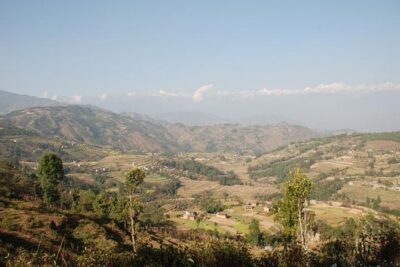
Day 3 is a 5 to 6 hour trek that uses the Dudh Koshi River route for some of the most memorable walking scenery. The track goes through pine forest, follows the river, and crosses suspension bridges. One of them is the famous Hillary Suspension Bridge area.
This is one of those days where you feel like you are moving through a working river valley, not just chasing views. You also get that early taste of the Everest theater, with Mt. Thamserku mentioned as a standout prospect.
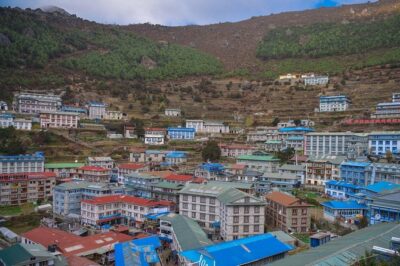
Then you sleep in Namche Bazaar. Even if you do not love the town itself, it is a useful waypoint. Namche is a real Sherpa hub, not a theme set, and it helps you feel the culture that lives around Everest tourism.
Day 4 continues with a 5 to 6 hour trek toward Tengboche. You enjoy superb views of Everest, Nuptse, Lhotse, Ama Dablam, and a close up view of Thamserku. That is a lot of peak energy packed into one day.
You also have a relaxed lunch stop at Phunki Thenga before the day shifts into slightly tougher climbing through pine forests, ending with an overnight lodge at Tengboche.
Day 4 is where many people get emotional, not because you must, but because Tengboche and the views make it hard not to stop and look up. If your camera gets sweaty from breathing hard, that is normal.
Tengboche Monastery Stop: Where the Views and the Culture Meet
Tengboche is the cultural anchor in this trek. The experience description points to clifftop monasteries, and Tengboche is the practical place where that spirit shows up.
On this day you are not only walking. You are walking with the expectation that you will pause. You get the mix of spiritual place, Sherpa village life, and the way the mountains sit above it all.
One note for your planning: monastery areas can mean colder air and more time standing around taking photos. Dress for it. Layer up. Hands and cheeks often feel colder than you think, especially at higher elevations.
If you are traveling with a group, this is also when small-group energy helps. With a limit of 15, it tends to be easier to keep everyone together without turning the day into a waiting game.
From Namche Down to Monjo: Less Strain, Still More Scenery
Day 5 brings a 5 to 6 hour trek with a trail that clings to the steep wooded slope beyond Kyangjuma, winding through bends. The description also flags wildlife possibilities like mountain goats, snow leopards, and colorful pheasants. Even if you do not see anything dramatic, the forested corridor and the river crossings keep the day interesting.
A key moment is the steep descent from Namche Hill and then crossing a suspension bridge over the Dudh Kosi river near the confluence of the Dudh Koshi and Bhote Koshi rivers. You are likely to remember this section because it is both scenic and physically different from the earlier “up and down” sections.
You then overnight in Monjo. This is also a smart logistics choice for porters. The route design is described as less strenuous for them on the run back toward Lukla tomorrow, which is the kind of detail you rarely notice when everything runs well.
Last Mountain Evening in Lukla: The Day You Can Breathe on Purpose
Day 6 is a 4 to 5 hour trek described as the last walk at lower altitude in the Everest region. Most of the track is flat, with some undulating terrain through open plains, rhododendron, and pine forests. Kwangde peak shows in the distance.
This is your chance to enjoy the mountains without feeling like you are paying for every step. It is also a chance to absorb that this is ending soon. The trip notes that this last evening is ideal to relax with the whole crew, and that some group members may not be returning with you to Kathmandu.
If you have limited time for Nepal beyond this trek, this “wrap day” matters. It gives you energy for Kathmandu rather than draining you completely.
Then you overnight at Lukla, which sets up the final travel day.
Flying Back to Kathmandu: A Clean End to a High-Country Loop
Day 7 is the flight back to Kathmandu. Then Day 8 is the farewell day.
This is where you get the best of both worlds. You get the trekking experience, but you avoid an all-day “one more long walk” finish. For many people, that matters because Everest-region treks can be mentally and physically taxing, even when the climb is described as gentler.
If you want an extra buffer, plan not to schedule anything stressful on arrival day in Kathmandu. Even if you feel fine, altitude can leave you tired longer than you expect.
Guides Make the Difference, Especially When the Trail Gets Quiet
The trek is clearly planned, but the human part is what keeps it from feeling like a checklist. Epic Adventures has multiple guides named in past Everest-region experiences, including Ramkumar, Anil, Basu, Gyanashwor Adhikari, OM, and Nima, along with porters like Santosh getting praised for care and motivation.
From those common themes, you can expect the kinds of things that matter on a trek like this:
- Clear communication so you understand the plan and your pace
- Help when you feel low or off your game
- Friendly encouragement that keeps morale up on long stretches
- Local knowledge about what you are seeing, including flora and forest details
You should still do your part: hike your own pace, drink water, and tell your guide if you feel something is wrong. A good guide will take that seriously.
What You Should Pack and How to Prepare (Without Guessing Too Much)
You do not get a gear list in the info provided, so I will keep this practical and universal.
For this trek, think in layers. Daytime sun can be strong, but temperatures can flip fast at higher elevations, and lodge nights can feel chilly.
Also, pace yourself. This is a moderate fitness trip, but it is still high-altitude walking. Your success mostly depends on not rushing the first climbs after flights.
One more thing: bring patience for weather. This experience requires good weather, so be ready for day-of changes if flying conditions are not ideal.
Should You Book the Everest Panorama Trek?
Book it if:
- You want Everest-region panoramas plus Sherpa villages and Tengboche monastery culture
- You like a structured plan with meals and lodging included
- You are comfortable with a guided trek and early-day flight timing
- You want the big Everest views without the harshness of a more demanding Base Camp style push
Consider skipping or switching to a different plan if:
- Early morning flights and a tight daily schedule are a deal-breaker
- You know altitude walking is tough for you and you cannot handle a slower pace
- You want total independence rather than a group trek flow
If you are on the fence, the decision hinge is simple: do you want panoramic Everest moments and culture with moderate effort, or do you need the full Base Camp destination? This trek is built for the first answer, and for many people, that is the sweet spot.
FAQ
What is the duration of the Everest Panorama Trek?
The trek is listed as 8 days approximately.
Where does the trek start?
The experience starts in Kathmandu, Nepal, with a trek gateway flight to Lukla (2,800m/9,186ft).
How early does the trip start?
The start time is listed as 5:00 am.
Is pickup from the airport included?
Yes. You are greeted at the Kathmandu airport and transferred to your hotel, with pickup offered.
What’s included in the price for meals and lodging?
Meals and overnight stays are included. The included section specifically lists breakfast (6) and dinner.
How many travelers are in the group?
The tour has a maximum of 15 travelers.
Latest Kathmandu write-ups
- Langtang Valley Trek★ 5.0 · 3 reviews
- Khopra Danda Trek★ 5.0 · 3 reviews
- Langtang Valley Trek from Kathmandu★ 5.0 · 3 reviews
- 5 night / 6 days Kathmandu Nagarkot Chitwan Pokhara tour★ 5.0 · 3 reviews
- Nepal Highlights Tour: 5 Nights 6 Days Kathmandu & Pokhara Tour★ 5.0 · 3 reviews
- Kathmandu Valley Private Day Tour★ 5.0 · 3 reviews
- Conquer the Himalayas: The Ultimate 16-Day Annapurna Circuit Trek★ 3.5 · 3 reviews
- Kathmandu Heritage Day Tour★ 5.0 · 3 reviews
Hiking & Trekking, compared.