Reviewed · HIKING & TREKKING
Everest Three (High) Passes Trekking
Everest Three (High) Passes Trek is interesting because it turns the Everest region from a photo mission into a full-on trekking journey. You get the big goal, Mt. Everest, plus the grind and payoff of three high passes, without needing technical climbing skills. It’s the kind of trip where you earn the views the hard way.
I especially like the mix of adventure and culture. You’re not just hiking through empty space, you’re also getting a Sherpa cultural experience, and that matters when you spend days at altitude. And I like that the local team behind this route is built for guiding, not just transporting you around.
The main drawback to weigh is effort level. This is a challenging trek with extended time at high altitude, so you should come in with strong fitness. If you are expecting an easy walk with frequent breaks and short days, this is not that.
Key points before you go
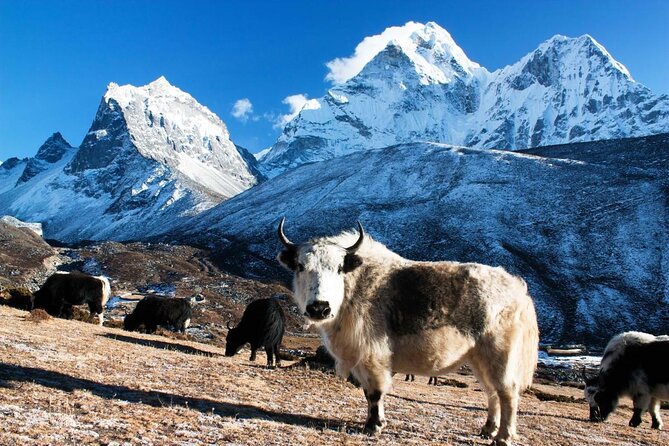
- Three high passes, no technical climbing required, so you focus on trekking skills and stamina
- Mt. Everest views plus Khumbu-region scenery, with lots of time spent outdoors
- Sherpa culture is part of the plan, not an afterthought
- Local guide support matters, and guides like Lok, Suman, and Sashi have earned praise for handling the hard parts
- Private, just your group feel, which helps with pacing and comfort
- A strong fitness base is non-negotiable, especially for high-altitude days
Everest Three High Passes Trek: What makes it feel like real Everest travel
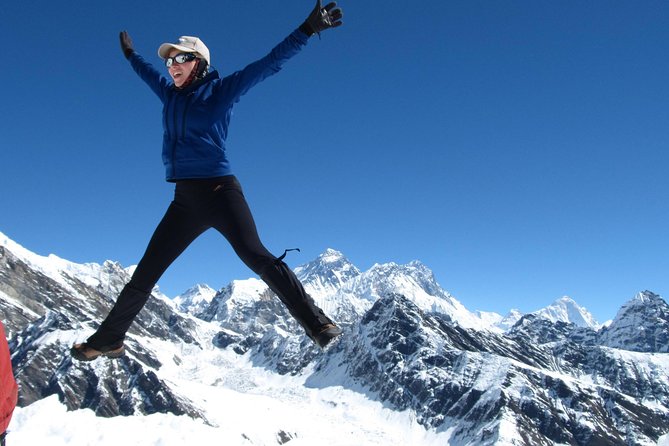
This is an Everest trek for people who want more than the headline. Yes, the goal is to see Mt. Everest, but the route is built around the challenge of crossing high passes, which changes the whole vibe of the trip. Instead of moving from viewpoint to viewpoint, you’re earning those vistas with sustained uphill effort, cold air, and long breathing sessions.
The key promise here is that it does not require technical climbing knowledge. That’s huge. It means you’re not signing up for rope work or technical rock steps. You still need to be prepared for steep, tiring hiking and the real altitude strain that comes with high passes in this region. In other words, it is hard in a physical way, not a climbing-skills way.
Another thing I like about the overall concept is the balance. You get the dramatic Everest pull, but you also get time in the Khumbu Himalayan region with a meaningful cultural component tied to ethnic Sherpa people. That helps keep the trek from feeling like one long endurance test with only scenery as reward.
More to compare around Kathmandu
- Everest Base Camp Trek – 14 Days
★ 5.0 · 1,499 reviews - Everest Base Camp Trek
★ 5.0 · 842 reviews - Private Kathmandu Sightseeing Tour | UNESCO World Heritage sites
★ 5.0 · 756 reviews
Price and value: Is $2,500 per person worth it?
At $2,500 per person for about 17 days, you’re paying for a whole system, not just a trail. In the Everest region, that system usually includes local guiding expertise, day-to-day decision making, and the logistics that keep you moving. This operator also notes decades of guidance experience, which is exactly what you want on a serious high-pass trek.
Here’s what you’re getting for the money, based on the experience details:
- Pickup is offered, so you’re not starting by scrambling around Kathmandu
- Mobile ticket is used, which can simplify admin on your end
- A private tour/activity means only your group participates, which often translates to more flexible pacing compared with big, mixed groups
- The trek itself includes short flight plus hiking and trekking, which is a real part of how you reach the walking route in the Everest area
- Professional, caring local Nepali guide staff are part of the deal, and multiple guides have been praised by name in feedback
Is it expensive? Sure, it is not a cheap trip. But for an Everest trek that involves high passes and a long duration, it can be good value if you care about safety, guidance quality, and not having to micromanage your own logistics.
One practical note: because this is a high-altitude trek, you should treat fitness and preparation as part of the budget too. The more prepared you are, the less likely you are to have a rough time that costs you energy, patience, and sometimes time on the trail.
Kathmandu start: 6:15 am, where you begin, and why early matters
Your trip starts at Tribhuvan International Airport, Ring Rd, Kathmandu, Nepal, with a start time of 6:15 am. That early start is not random. In mountain travel, mornings matter because weather, schedules, and connecting segments often run on tight timing.
This matters for you because the Everest trek experience includes a short flight before you’re fully in trekking mode. Getting going early also helps you avoid turning day one into a late scramble.
You also end back at the meeting point. That round-trip closure is the kind of planning detail that makes life easier when you’re juggling jet lag, packing, and Kathmandu traffic.
If you want the smoothest transition, use Kathmandu day one to do the boring stuff well: sleep as much as possible, double-check your gear, and keep your hydration sensible before you jump into high-altitude days later.
The trek rhythm: hiking days, trekking days, and how the route earns Everest views
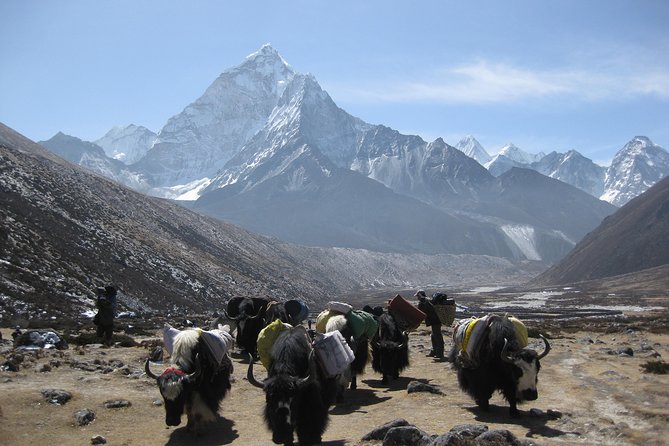
The “headline” features are simple: short flight, hiking, trekking, and crossing high passes. The real experience is how those pieces change how you feel day to day.
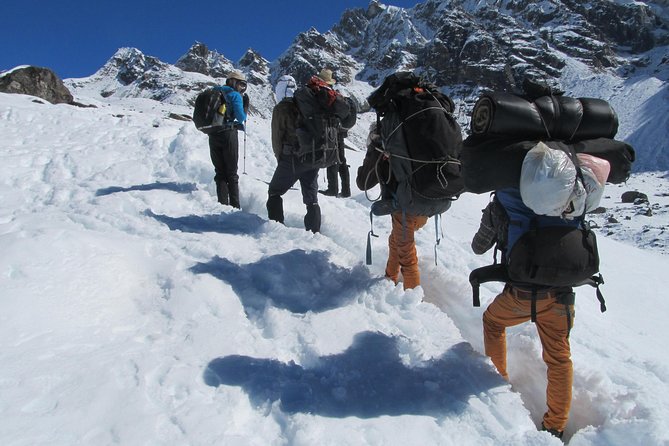
Early in the trekking flow, you’ll be walking steadily and building rhythm. Then the higher elements start to shift the demands. When you’re doing high passes, the climb effort often feels relentless because you are combining steep work with thin air. That’s where training pays off, and it’s where mindset matters too. It is not a sprint. It is a long conversation between your legs and your lungs.
From what I see in feedback, people who arrive thinking only about the sightseeing can get surprised by altitude. One trekker described altitude hitting them hard, even after training. That doesn’t mean you did something wrong. It means you should respect how Everest country works. Strong fitness helps, but you still need patience when your body asks for it.
The trek also includes cultural time with Sherpa people. For many hikers, that’s a welcome break from pure exertion. When you slow down and pay attention to local life and how communities have adapted to high-altitude living, the journey feels more grounded than just a scenic hike.
A different sort of day out of Kathmandu:
- Kathmandu: 7 UNESCO Sites with Lunch
★ 4.8 · 744 reviews - Everest Base Camp Helicopter Tour landing at Everest View Hotel
★ 5.0 · 668 reviews - Half day cooking class in Thamel kathmandu
★ 5.0 · 607 reviews - Everest Base Camp Trekking
★ 5.0 · 485 reviews
High passes: the real test and how to handle altitude pressure
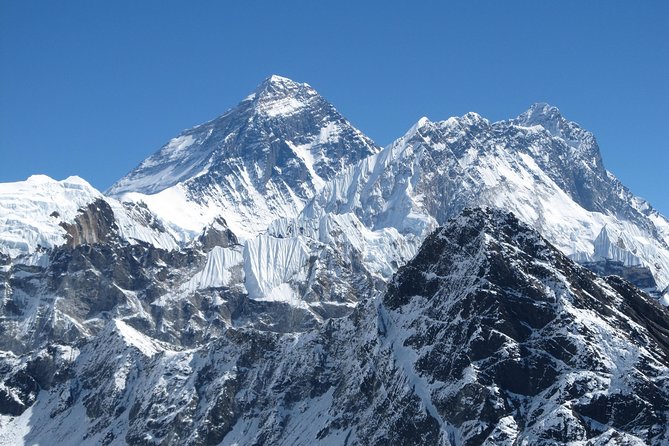
Crossing the high passes is the core reason to book this trek. It’s also the core reason to take preparation seriously.
A high pass trek is a mix of:
- Long uphill stretches that keep your heart rate up
- Wind and cold exposure, which can make you feel more drained
- Breathing changes due to altitude
- The need to keep a steady pace even when you want to rush
The operator positions this as challenging but non-technical. Translation: you should not expect climbing skills, but you should expect demanding trekking days. If your hiking experience is mostly flat trails, this is a leap.
A practical strategy for you is to train for sustained effort rather than just short workouts. Think long, steady hikes with hills. Also get comfortable hiking while slightly tired, because in Everest country, fatigue is part of the equation and you can’t always pick the perfect day to feel your best.
Pay attention to how you feel rather than just how long you’ve been walking. With altitude, stubbornness is not a superpower. The best trekkers tend to move consistently, pause when needed, and listen to guide advice.
Guides make the difference: Lok, Suman, and Sashi in the Everest region
One reason I recommend caring about the guide team, not just the itinerary, is that high-pass trekking is a decision business. Weather can shift. Bodies can react differently. Trails can slow down. A good guide keeps you safe while still protecting your sense of progress.
In feedback for this company, guides were praised by name, including Lok, Suman, and Sashi. People highlighted support during tough moments, and more importantly, flexibility to adjust the hike based on circumstances. That last part is big. You want a guide who can read the day and adapt, instead of rigidly forcing a plan that only works on paper.
This trek also emphasizes that the guidance staff is professional and caring, backed by a long history of guiding in the region. You feel that in the way the trek is described: safe, satisfying, and reasonably priced for what it takes to run a serious trek.
When you book, ask who your guide will be and how they handle changes on altitude days. A good operator should be able to explain their approach clearly.
What it feels like to spend 17 days in Khumbu country
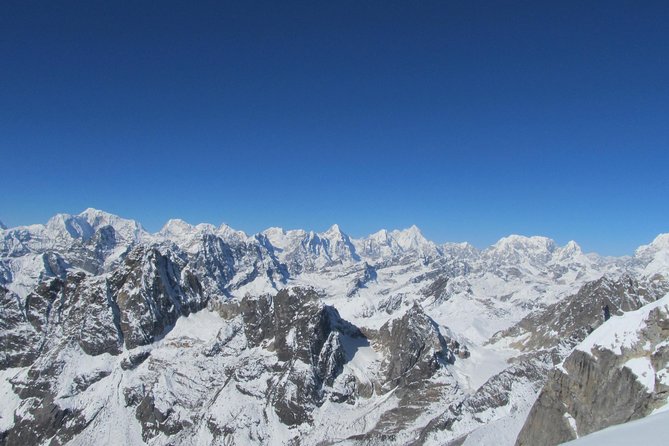
A 17-day trek in the Everest region is a slow reveal. Days stack up, and your body learns the rhythm. You’ll spend long stretches moving through the Khumbu Himalayan region, chasing big views and dealing with the day-to-day reality of cold, altitude, and effort.
The experience style is also shaped by the fact that it’s private, meaning only your group participates. That can be a real advantage if:
- You prefer fewer people around you during long days
- You want pacing that fits your group’s fitness and comfort
- You want the guide to focus on your questions and needs without dividing attention
Some people look at “three high passes” and think the whole trip is peak effort all the way. It is not like that. You still get moments where the trek quiets down and you can actually absorb the scale of what you’re walking toward.
And the Sherpa cultural aspect keeps things human. When your days are physically demanding, connecting with local people and learning about community life adds meaning to the hardship.
How to prepare so the trek feels challenging, not miserable
This is the part you control the most. The tour asks for strong physical fitness, so plan for that as your baseline.
Here are the prep areas I’d treat as non-negotiable for this kind of trek:
- Build stamina with long hikes on hills, not only gym sessions
- Practice moving at a steady pace for hours so you don’t blow up early
- Bring a layered clothing system for cold and wind, and plan for quick changes in temperature
- Keep your packing organized so you are not wasting energy searching for gloves, snacks, or extra layers
- If you have medical concerns, talk to a professional before you go, especially with altitude
Altitude is not just discomfort. It can mess with sleep, appetite, and energy. Even if you are fit, you still need to pace wisely. That’s why a good guide and good group chemistry matter.
Also, go in with realistic expectations about discomfort. This trek is challenging. You’ll likely feel it in your legs, and you might feel it in your breath, even if everything goes right.
Should you book Everest Three (High) Passes Trek? My practical verdict
You should consider booking if you want:
- An Everest trip where the main story is trekking with three high passes
- The payoff of Mt. Everest views paired with Sherpa culture
- A serious hiking challenge that does not require technical climbing knowledge
- A private, guide-led experience with local expertise and flexibility
You might skip it if:
- Your fitness is not strong yet, or you get intimidated by altitude
- You want a mostly easy itinerary with minimal physical strain
- You’re not willing to train and pace patiently through high-altitude days
One more helpful way to decide: picture yourself on a long high pass day. Not the summit fantasy, the actual moment where your body feels slower than you want. If you think you can keep a steady pace and accept guide guidance, this trek fits your style.
If you want the Everest region experience that is more than a sightseeing stop, this is a solid choice.
FAQ
Where does the Everest Three High Passes Trek start?
It starts at Tribhuvan International Airport, Ring Rd, Kathmandu, Nepal.
What time does the trek start?
The start time is 6:15 am.
How long is the trekking experience?
The duration is about 17 days.
Is pickup included?
Pickup is offered.
Is this a private tour?
Yes. It is a private tour/activity, and only your group will participate.
Do I need technical climbing skills?
No. The trek is challenging and involves high passes, but it does not require technical climbing knowledge.
What fitness level do I need?
You should have a strong physical fitness level.
Will I receive tickets electronically?
Yes. It includes a mobile ticket.
What is the cancellation policy and what if weather is poor?
Free cancellation is available, and you can cancel up to 24 hours in advance for a full refund. If the experience is canceled due to poor weather, you’ll be offered a different date or a full refund.
Latest Kathmandu write-ups
- Langtang Valley Trek★ 5.0 · 3 reviews
- Khopra Danda Trek★ 5.0 · 3 reviews
- Langtang Valley Trek from Kathmandu★ 5.0 · 3 reviews
- 5 night / 6 days Kathmandu Nagarkot Chitwan Pokhara tour★ 5.0 · 3 reviews
- Nepal Highlights Tour: 5 Nights 6 Days Kathmandu & Pokhara Tour★ 5.0 · 3 reviews
- Kathmandu Valley Private Day Tour★ 5.0 · 3 reviews
- Kathmandu Heritage Day Tour★ 5.0 · 3 reviews
- Conquer the Himalayas: The Ultimate 16-Day Annapurna Circuit Trek★ 3.5 · 3 reviews
Hiking & Trekking, compared.